Stepping Into the Real Market: My Honest Take on Sourcing
Welcome to my shop. If you are reading this, chances are you have been scrolling through endless forums or chatting with agents who promise the world but deliver nothing but disappointment. I have been standing behind this counter in Guangzhou for over fifteen years. I have seen thousands of tourists walk through our doors, some looking like they know exactly what they want, others completely lost and ready to be ripped off. Today, I am not going to give you a sales pitch. I am going to tell you how we actually do business here in Baiyun District, away from the fancy websites and the fake promises.
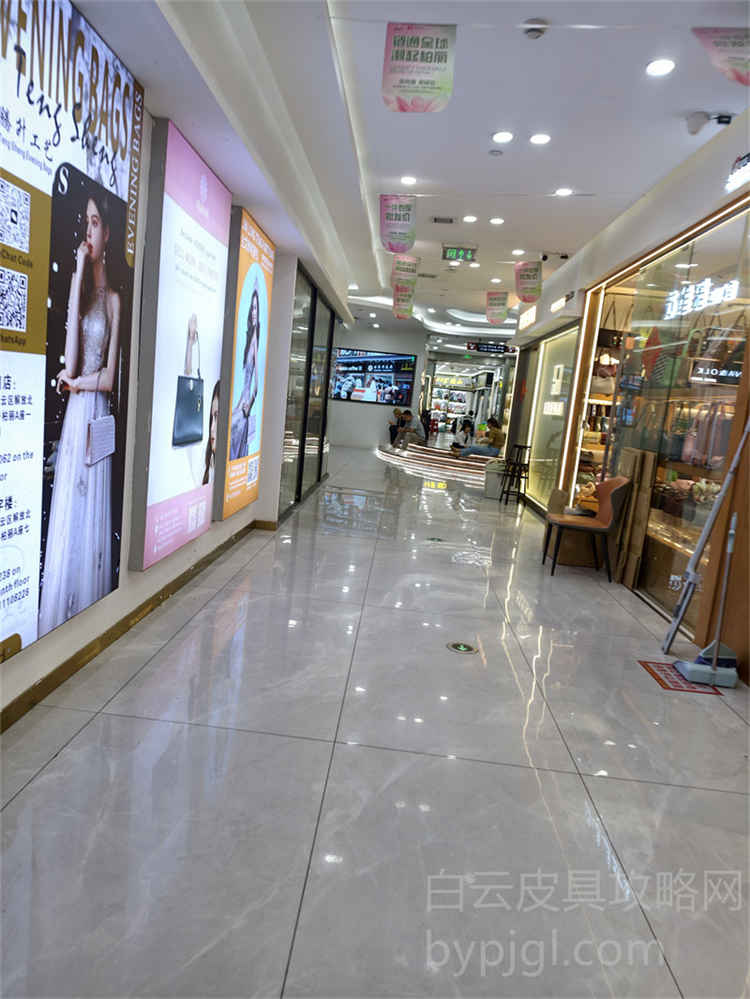
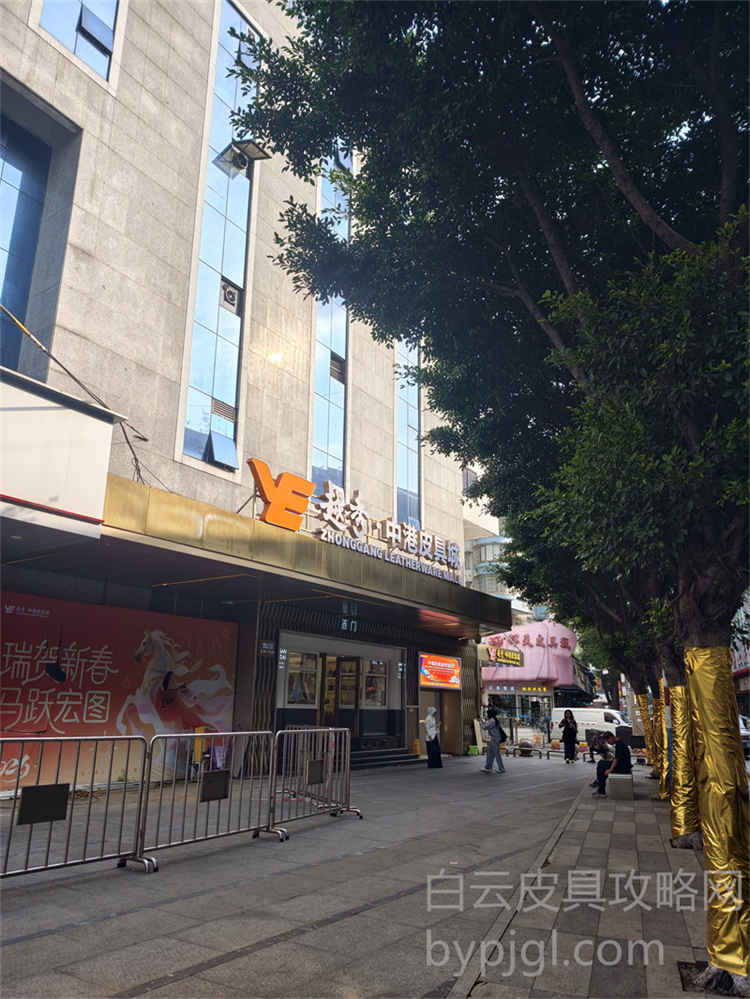
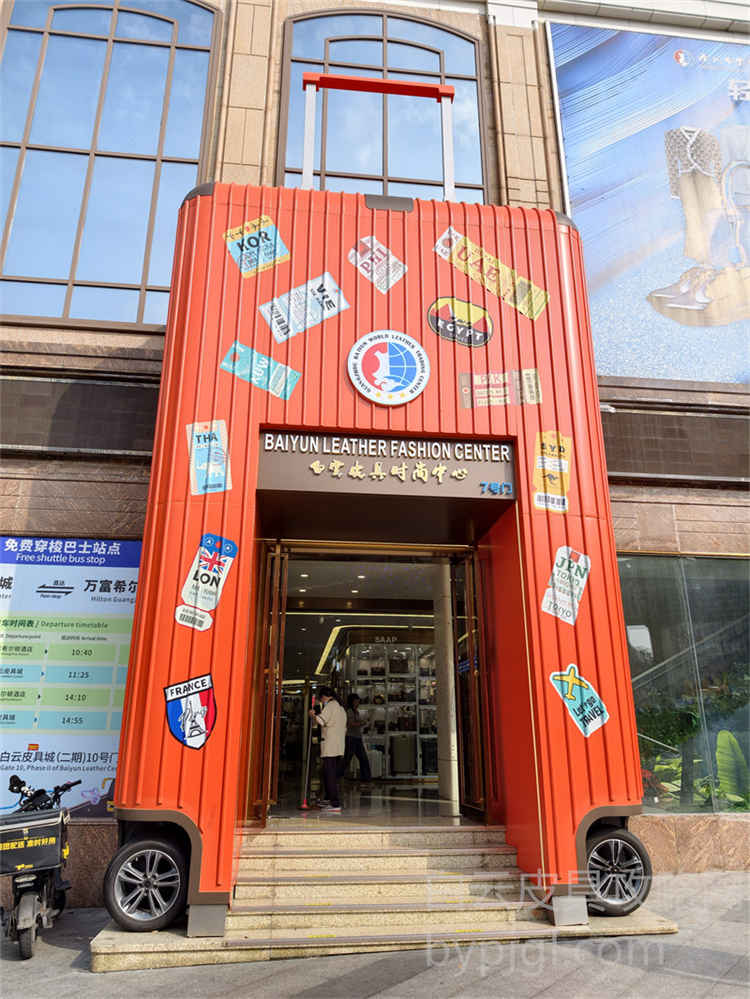
The biggest mistake foreign buyers make is thinking they can just order online and get the same quality as what sits on our shelves. It does not work that way. The leather, the stitching, the hardware—everything changes based on the price point and the specific factory line. You need to see it, touch it, and smell it. That is why I insist on meeting face-to-face. When you walk into the Baiyun Leather City complex, you are entering a different universe. It is loud, chaotic, and smells strongly of high-quality leather and glue. This is where the real sourcing happens.
Navigating the Labyrinth of Baiyun Markets
Understanding the Layout and Zones
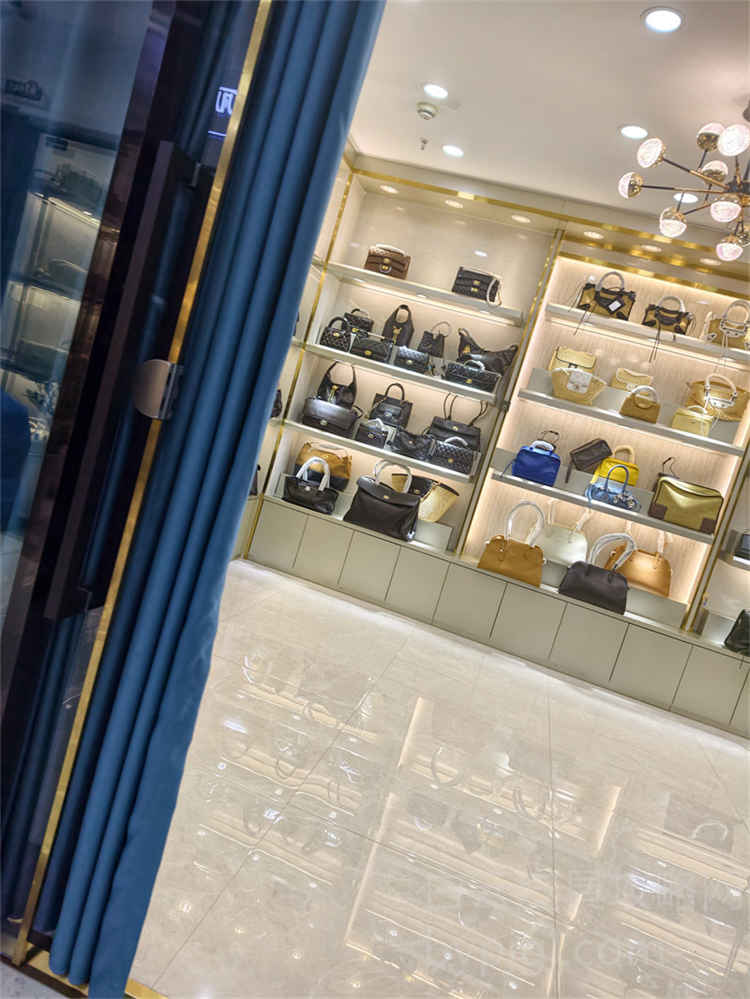
First things first, let's talk about where you should go. There is no single "market" called Baiyun. It is a massive cluster of buildings, each with its own vibe and target audience. If you walk into the main entrance expecting to find top-tier goods immediately, you will be disappointed. The ground floors are often filled with lower-grade items meant for quick turnover. You need to head upstairs. The real gems, the ones with the best cowhide and the most precise stitching, are usually found on the second and third floors of the newer buildings.
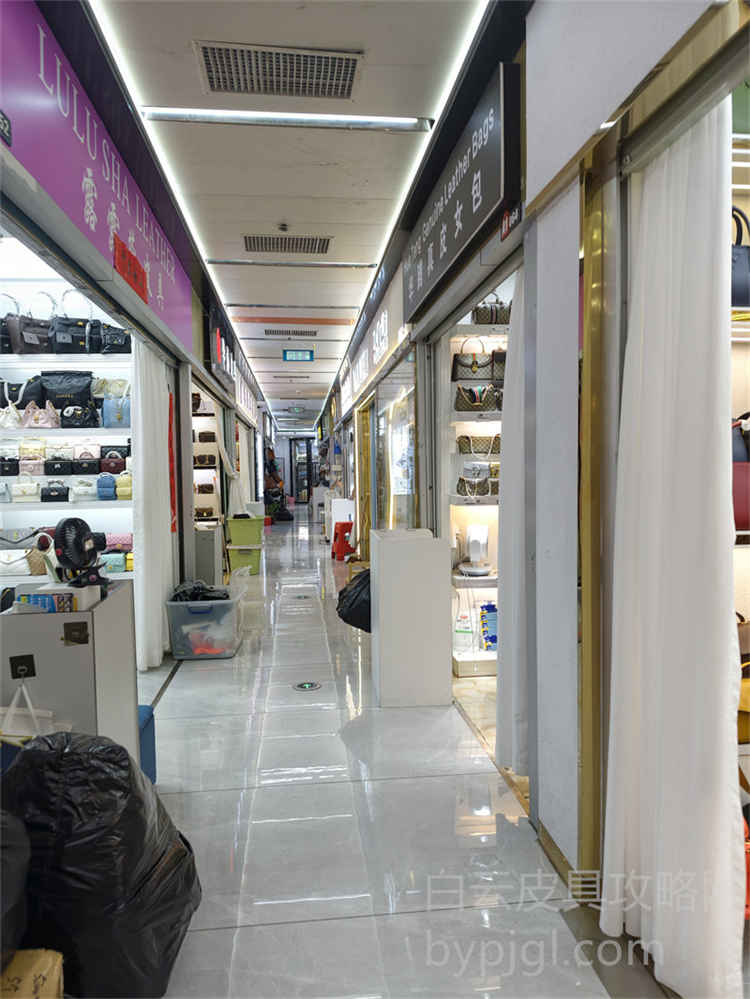
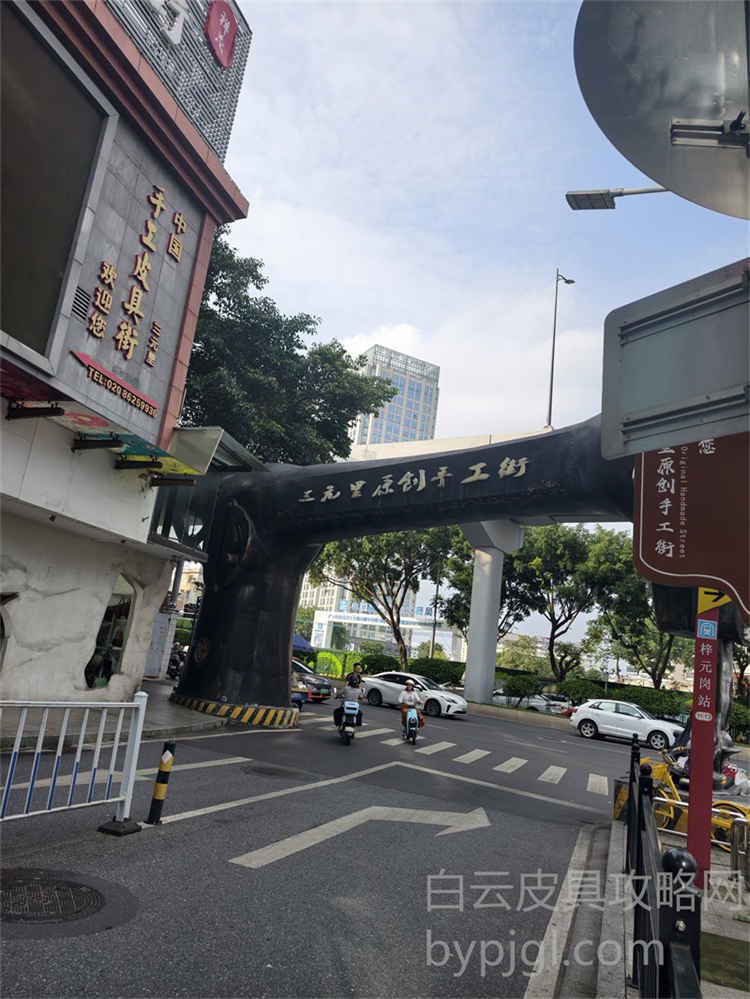
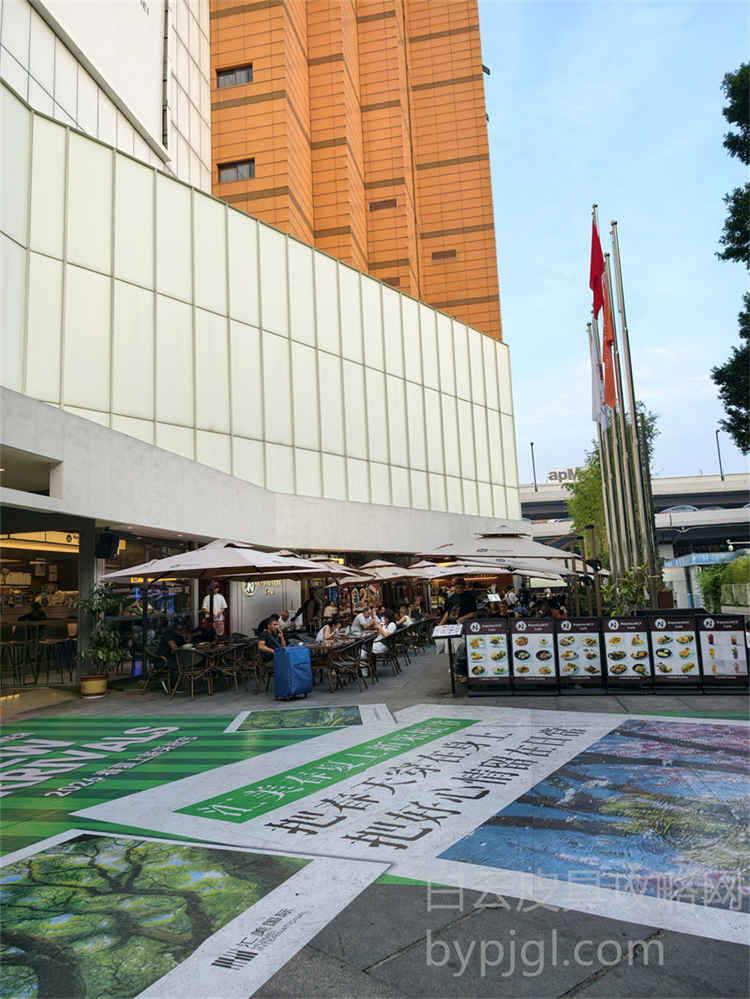
I recommend starting at the World Trade Center area if you want variety, but if you are serious about finding consistent supply chains, you must venture deeper into the surrounding streets. Many of my regular clients skip the flashy malls and go straight to the smaller, less obvious buildings nearby. These places are where the factories keep their sample rooms. You won't find big signs there, just small offices with piles of bags stacked on tables. This is where the magic happens. Do not be afraid to ask around; the security guards here are used to seeing people, and if you look like you are serious about buying, they might even point you toward the right building.
How to Spot the Right Stall
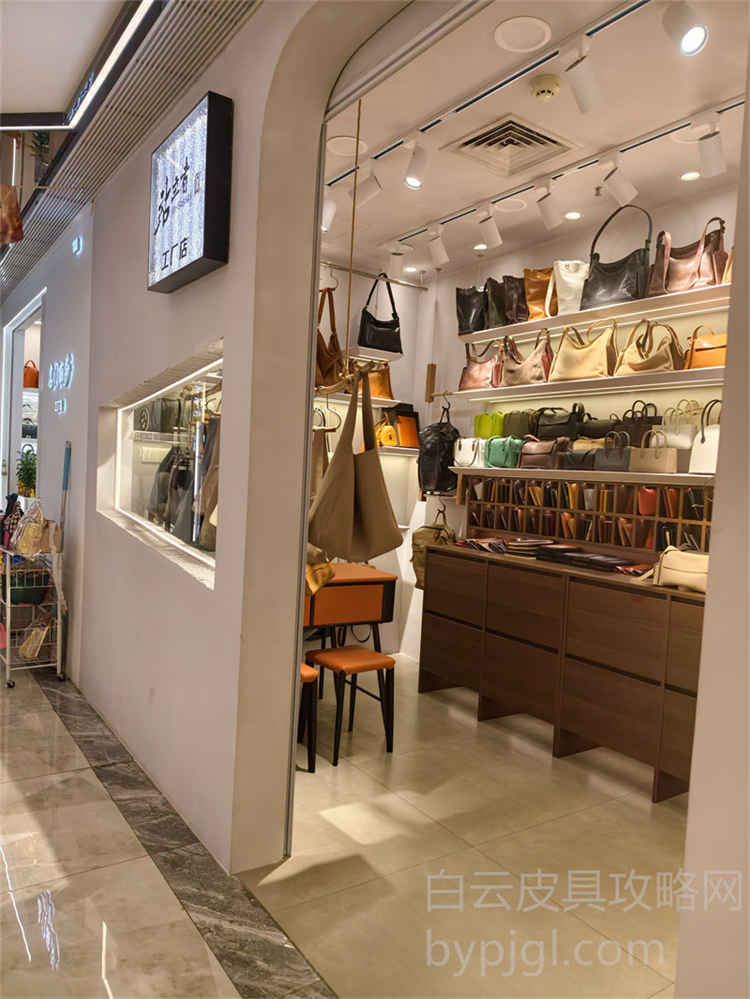
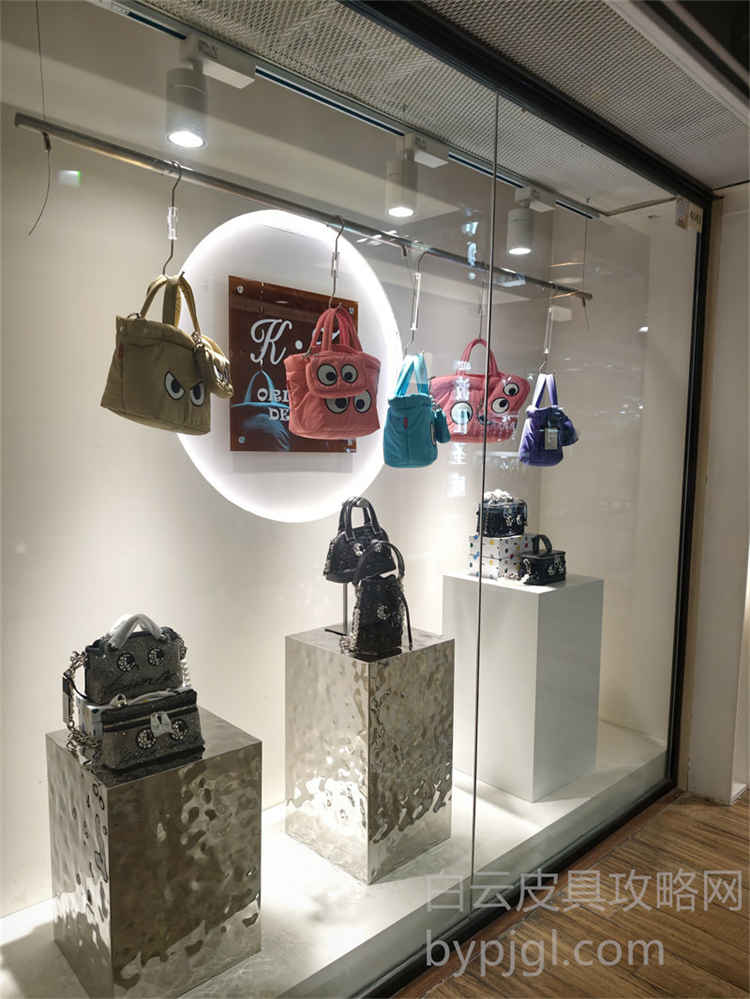
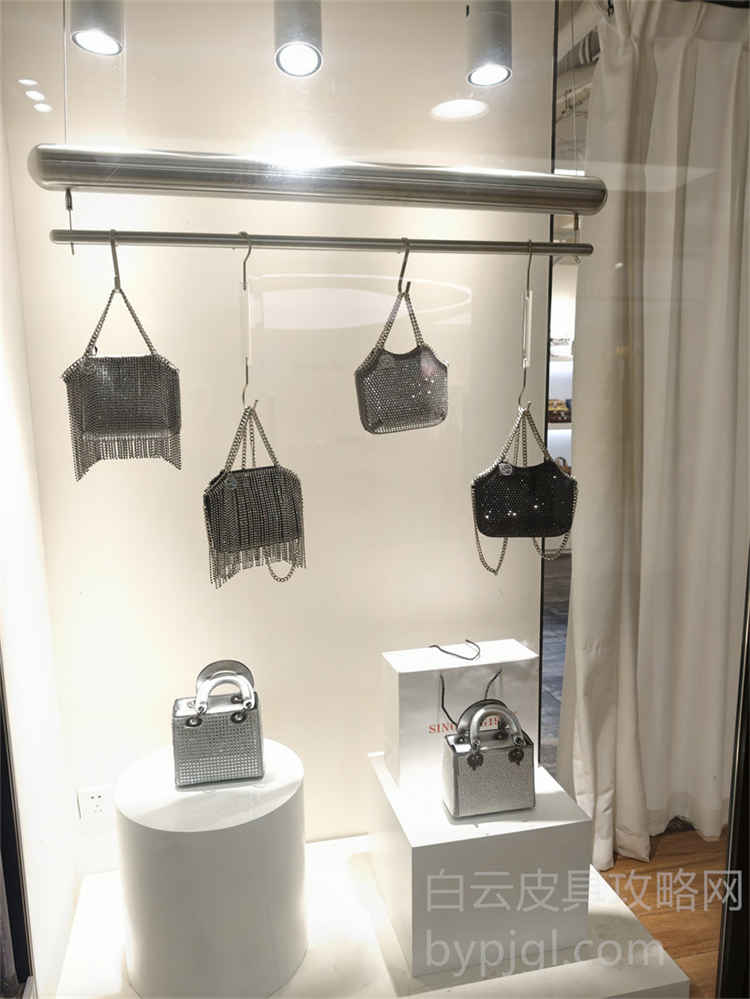
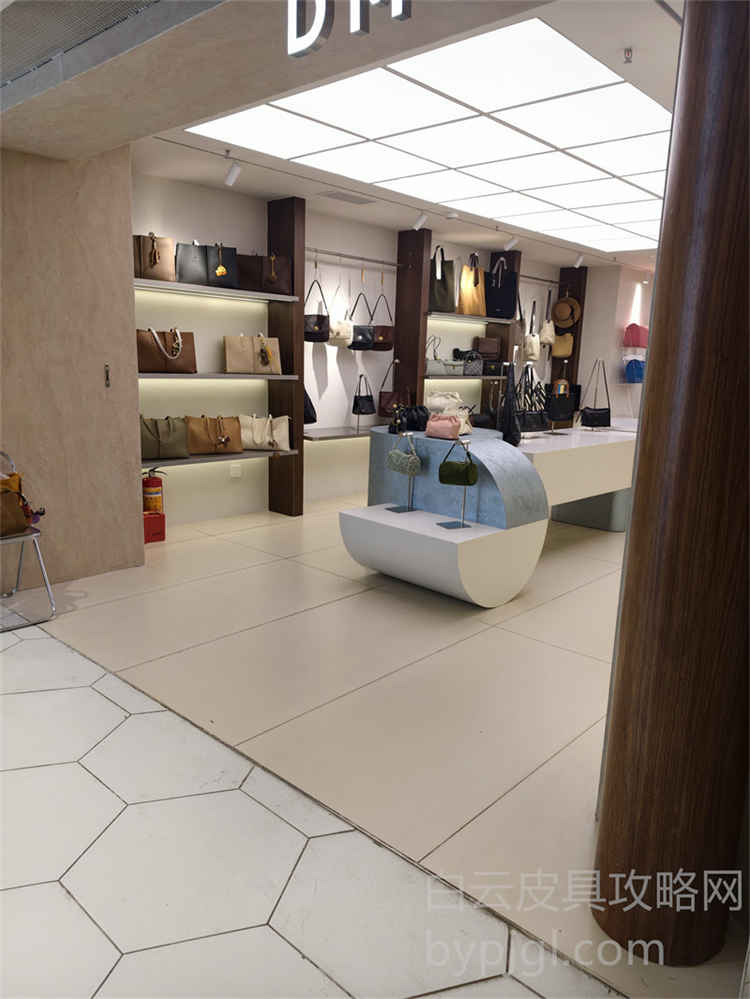
When you are walking down the aisles, ignore the stalls with the mannequins dressed in expensive-looking clothes. Those are often just showrooms for tourists. Look for the stalls that look a bit messy. A good stall has bags piled up, boxes open, and maybe a few workers sewing in the corner. That is a sign of activity. If a stall looks too clean and organized, they are likely just reselling goods they bought elsewhere. We deal directly with the production lines, so our inventory moves fast, and the place always looks busy.
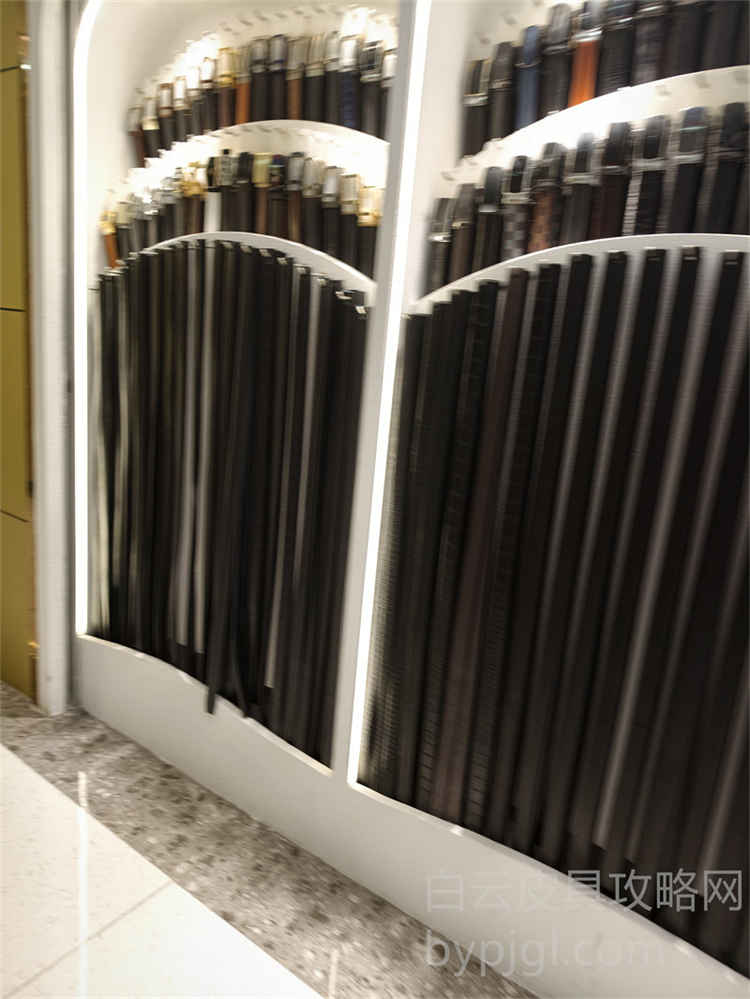
Another trick is to look at the hardware. Cheap hardware tarnishes quickly. High-end pieces use zinc alloy or stainless steel with a solid plating process. Run your finger over the zipper pull and the lock. If it feels light and hollow, put it back. If it feels heavy and substantial, you are onto something. In Guangzhou, the hardware suppliers are just as important as the leather tanneries. We source our metal parts from specialized vendors who understand the requirements for durability. Never settle for anything that feels flimsy.
The Art of Negotiation and Quality Control
Building Trust Before You Buy
You cannot just walk in and demand the best price. That is a surefire way to get kicked out. In China, relationships are everything. Start by asking questions. Ask about the type of leather, the origin of the lining, and the stitching count per inch. Show them you know what you are talking about. When I see a buyer asking about the density of the foam inside the bag or the specific grade of the calfskin, my eyes light up. That tells me they are a potential long-term partner, not just a one-time tourist.
once we establish a rapport, the negotiation begins. Do not try to haggle over pennies. Instead, focus on volume. If you are planning to take fifty units, the price per piece drops significantly. But remember, the lowest price is rarely the best value. In our industry, you get what you pay for. If someone offers you a price that seems too good to be true, it is because they are using inferior materials. Be willing to pay a fair price for quality. We prefer customers who respect the craft over those who just want the cheapest option.
Inspection and Sampling Process
Before you commit to a large order, you must request samples. This is non-negotiable. Even if you have seen the product on the shelf, the batch you receive later might differ slightly. We always encourage buyers to take a sample home or send it to a third-party inspector before approving the full shipment. During the inspection, check the symmetry of the handles, the alignment of the patterns, and the consistency of the color. Lighting matters here. Bring a flashlight or check the bags under natural daylight to ensure there are no hidden defects.
We also have strict internal controls. Every bag goes through a final check before it leaves our warehouse. We look for loose threads, uneven glue marks, and any scratches on the hardware. If you are buying in bulk, we can arrange for a pre-shipment inspection video call. This allows you to see the actual goods being packed. Transparency is key. We want you to feel confident that what you are sending to your customers matches the description. If there is a defect, we fix it before it ships. That is how we maintain our reputation year after year.
Logistics and Long-Term Partnership
Shipping and Customs Considerations
once the deal is done, the next challenge is getting the goods to you safely. Shipping from Guangzhou to international destinations can be tricky depending on your local customs regulations. We have worked with many freight forwarders who specialize in handling leather goods. They know how to package the items properly to prevent damage during transit. Always ask for a detailed packing list and commercial invoice. This documentation is crucial for clearing customs smoothly.
Do not rely on standard postal services for large orders. Use a dedicated courier that offers tracking and insurance. The cost might seem higher, but it is worth it to avoid lost packages or damaged goods. We can help you coordinate with these logistics partners to ensure everything runs smoothly. Our goal is to make the entire process seamless for you, from the moment you step into our shop to the moment the box arrives at your door.
Final Thoughts on Building Your Brand
Sourcing in Guangzhou is not just about buying products; it is about building a supply chain that supports your business growth. The market is vast, and the opportunities are endless, but only if you approach it with patience and knowledge. Do not rush. Take your time to explore, meet different suppliers, and understand the nuances of the trade. Whether you are looking for small batches to test the market or large volumes for your established brand, the Baiyun district has the resources you need.
Remember, the best deals come from trust and mutual respect. Come visit us, walk the floors, and experience the energy of the leather capital of the world. We are here to help you succeed, not just to make a quick sale. Let's build something great together.