Walking the Floors: My Real Talk on Sourcing from Guangzhou
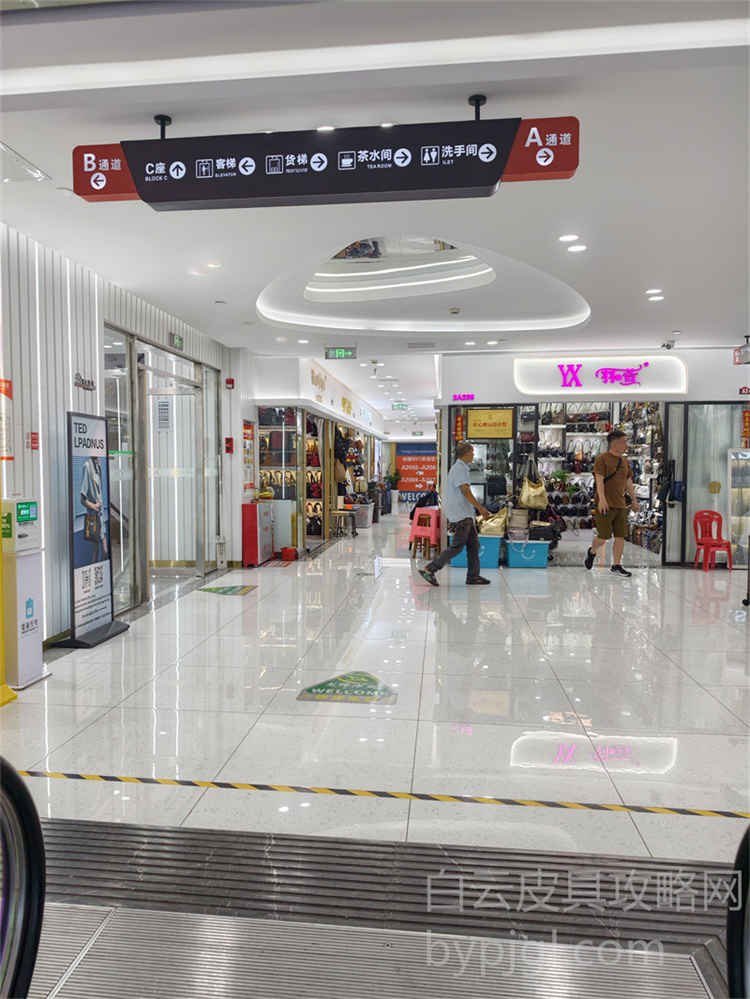
Welcome to my shop. I have been standing behind this counter in the Baiyun District for over twenty years, watching the tide of fashion come and go. You are probably scrolling through websites looking for that perfect bag, but let me tell you something straight from the street: the real magic doesn't happen online. It happens right here, in the concrete corridors of the leather market where the air smells like fresh hide and the noise is a constant hum of negotiation.
I see so many buyers from overseas who think they can just order a sample via WeChat and get a masterpiece delivered. That is a dangerous game. If you want quality that actually holds up, you need to be here. You need to touch the leather, smell the glue, and look into the eyes of the person stitching it. This is not about buying a cheap imitation; it is about understanding the supply chain that feeds the world's most discerning shoppers.
Navigating the Market Labyrinth
The First Step: Leaving the Hotel Room
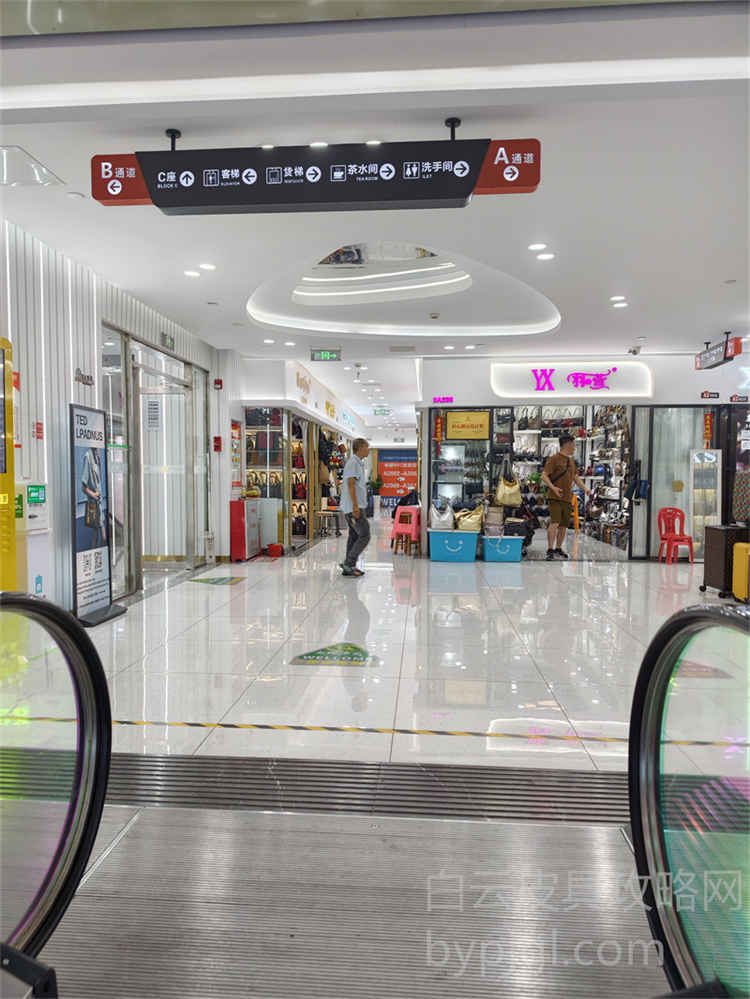
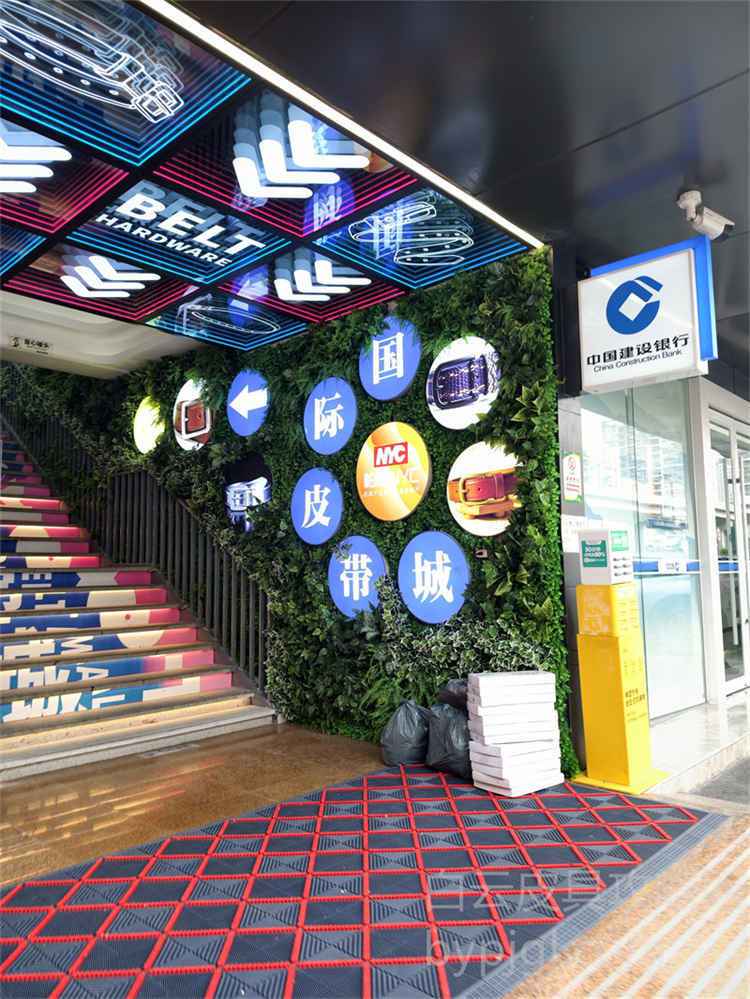
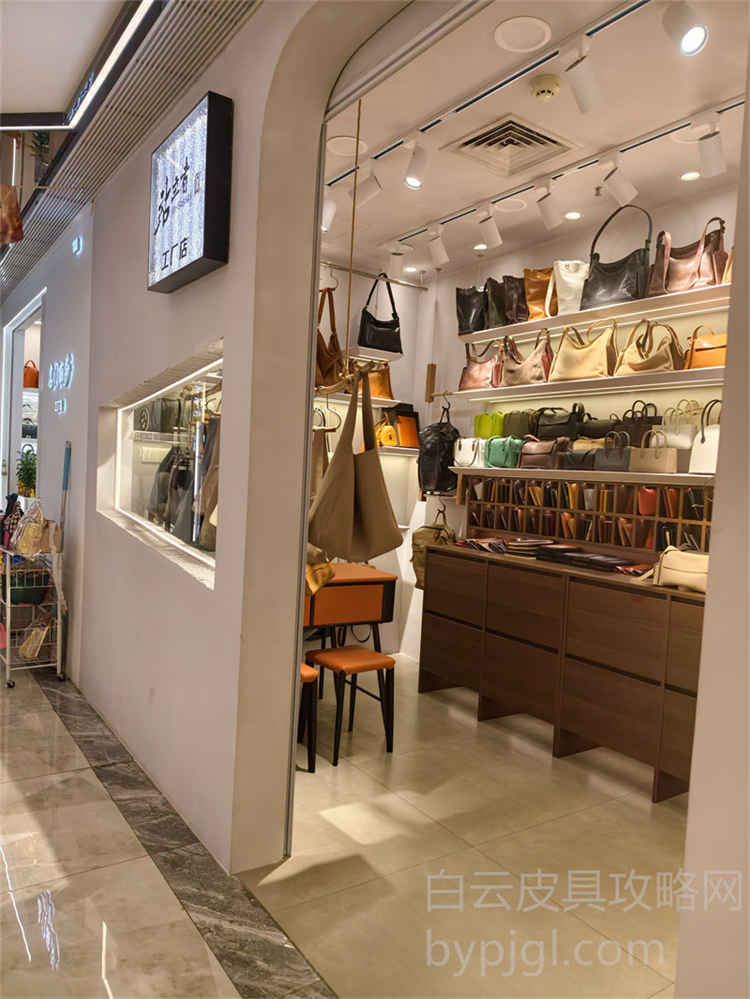
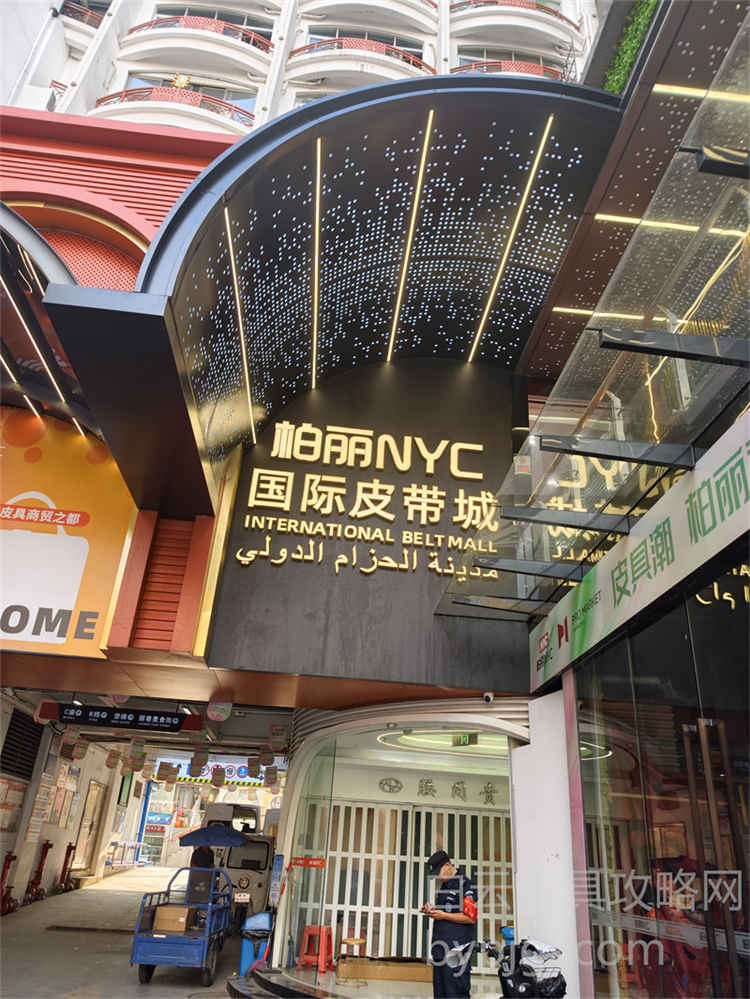
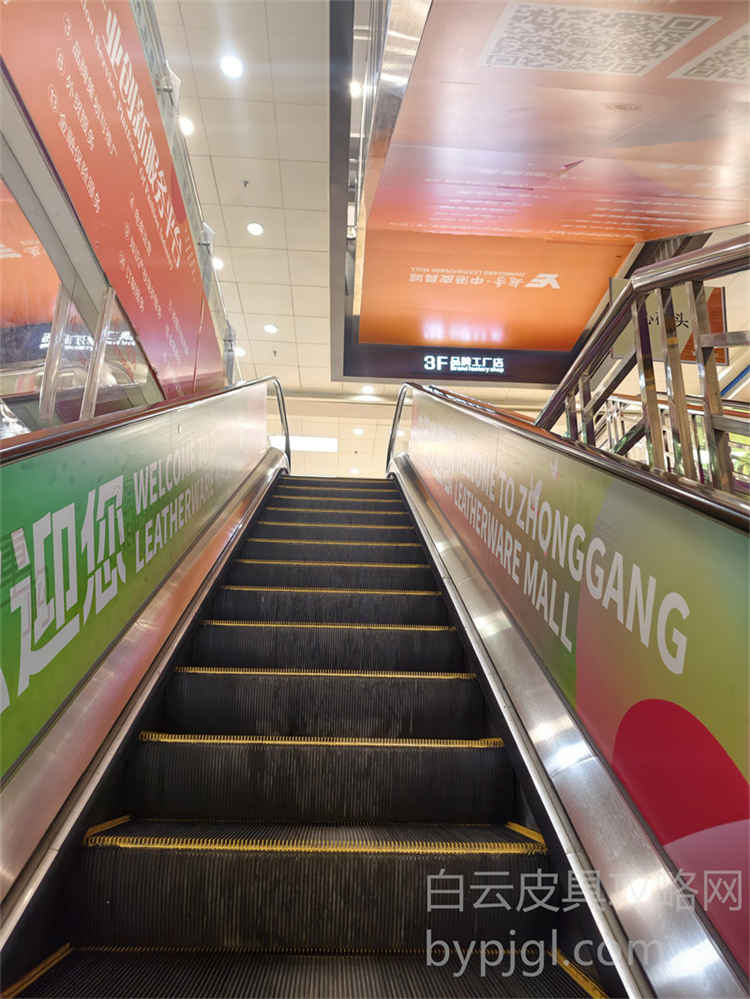
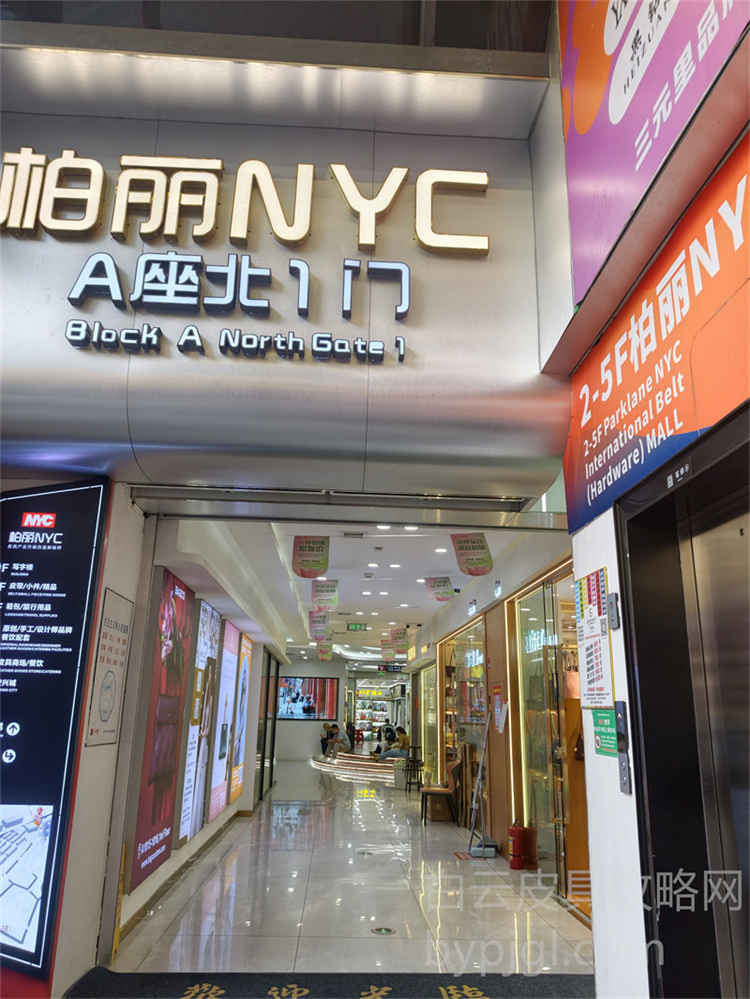
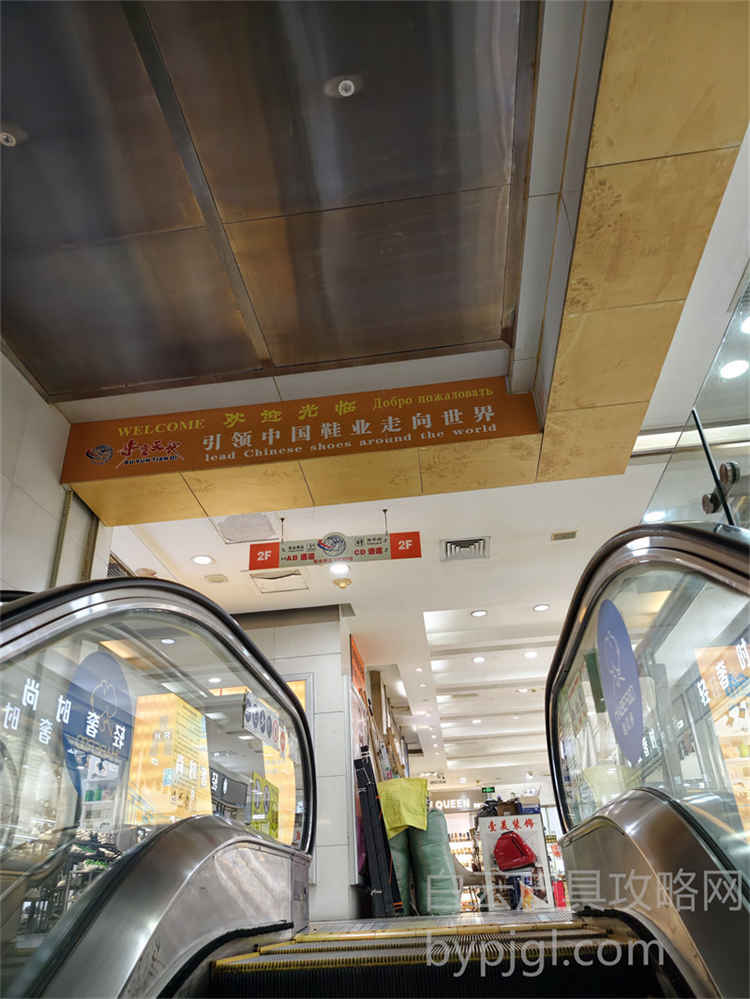
When you first arrive in Guangzhou, your instinct might be to head straight to the big malls or search Google Maps for "luxury bags." Stop right there. The high-end production we are talking about is hidden away in specific buildings within the Baiyun Leather City complex. These are not tourist traps. They are industrial hubs where hundreds of factories operate under one roof. You will find rows upon rows of shops, each with glass display cases filled with goods that look incredibly familiar to what you see on celebrity red carpets.
Do not be intimidated by the language barrier. Most of us speak enough English to handle basic transactions, but having a local guide or using a translation app helps immensely. The key is to walk slowly. Do not rush into the first shop you see. Look at the variety. Some stalls specialize in hardware, others in lining, and some do everything from start to finish. The ones that are worth your time usually have a stack of samples on the table, not just hanging on the wall.
The Art of Selection and Inspection
Touching the Grain: What Matters Most
once you are inside a serious stall, the conversation shifts immediately to materials. This is where the amateurs get caught out. A good seller knows that if you ask about the leather, they should know exactly which tannery supplied it. In our district, we use top-tier calfskin and lambskin that rivals anything found in Paris or Milan. When you pick up a bag, check the weight. Cheap versions feel light and flimsy. High-quality pieces have substance. Run your fingers over the surface. Is it smooth? Does it have that natural grain variation, or does it look like a printed pattern?
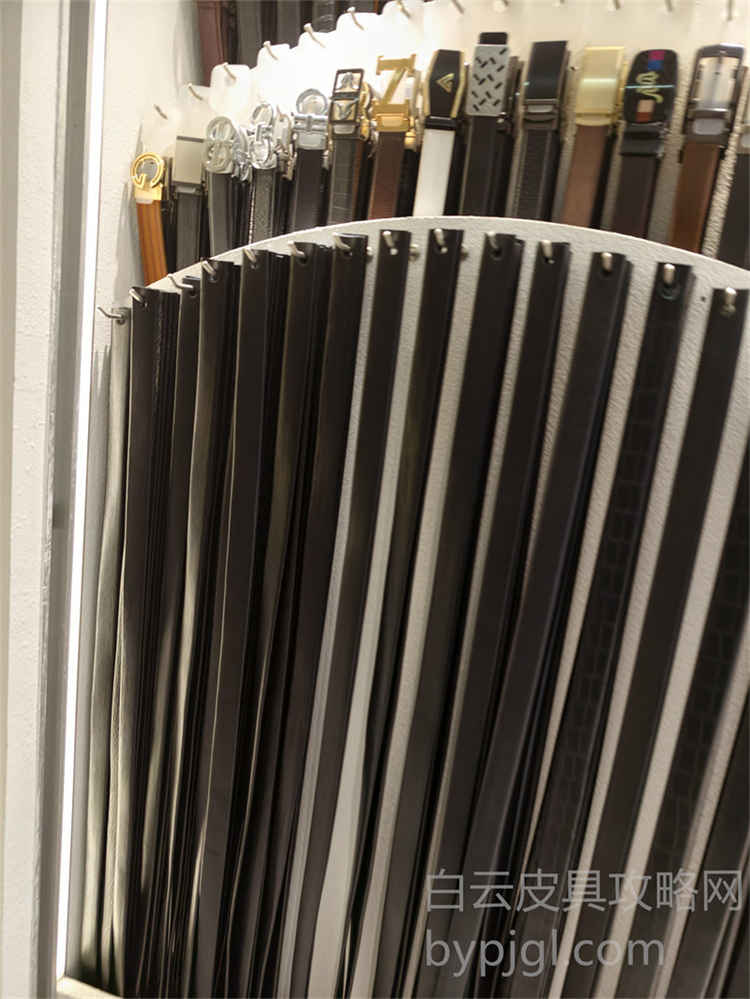
Next, look at the stitching. This is the easiest way to spot a bad batch. The thread should be waxed, tight, and consistent. Count the stitches per inch. If you see loose threads or uneven spacing, put it back down. We pride ourselves on precision because our reputation depends on repeat business from people like you. Also, inspect the hardware. Is it heavy? Does it have a solid clasp mechanism? Cheap zinc alloy will tarnish in a month; brass with a proper plating will last for years.
Negotiation and Building Relationships
From Sample to Bulk Order
Here is a secret that no blog post will tell you: prices change based on volume and relationship. When you walk in asking for "one piece," you are paying retail markup. But if you say you are sourcing for a boutique or an online store, the dynamic changes. Start by asking for the wholesale price. Be polite but firm. Show them you know the market. Mention that you have visited other stalls and compare their offerings. This isn't about being rude; it is about showing you are a professional buyer.
If you are interested in a specific model, ask for a custom run. Many of these stalls have the molds ready. You can discuss color variations, strap lengths, or even logo placement. This customization is why coming to Guangzhou is superior to ordering online. You are part of the creation process. once you agree on a price, always ask for a deposit structure. A standard deal involves 30% upfront and 70% before shipping. Never pay 100% in advance unless you have a long-standing trust with the owner.
Avoiding Pitfalls and Ensuring Quality
The Final Check Before Shipping
Even after you sign the deal, the work is not done. Before you leave the city or authorize the shipment, you must verify the final product. Do not rely on photos sent via WhatsApp. Those can be edited. If possible, hire a third-party inspection service here in Baiyun. They will go to the factory, check the packaging, verify the serial numbers, and ensure the quality matches the sample you approved. This step saves you thousands of dollars in returns and headaches later.
Also, be wary of sellers who promise "perfect" items without any flaws. Nothing is perfect. There might be a tiny speck of dust or a minor stitch irregularity. A honest seller will admit this and offer a discount. If they deny every flaw and insist the item is flawless, be suspicious. Trust is the currency of this market. Build relationships with the owners who are transparent with you. Over time, they will give you access to new designs before anyone else sees them.
So, when you plan your next trip, skip the generic tours. Head straight to the leather markets in Baiyun. Bring your own standards, bring your questions, and bring your patience. The experience of walking these floors, smelling the leather, and shaking hands with the makers is something you cannot replicate on a screen. It is the only way to truly understand the value of what you are buying.