Walking the Floor: My Real Talk on Sourcing from Guangzhou
I've been standing behind this counter in Baiyun for over twenty years. While the internet is flooded with photos and promises, nothing beats the dust, the noise, and the sheer energy of walking the actual floors here. You ask me about authenticating "original factory" goods? Let's be honest right out of the gate. The term "original" gets thrown around so loosely it has lost all meaning. What you are really looking for is that specific tier of craftsmanship that comes from the same workshops supplying the big names, but sold through channels that bypass the official retail markup.
The Myth of the "Original" Label
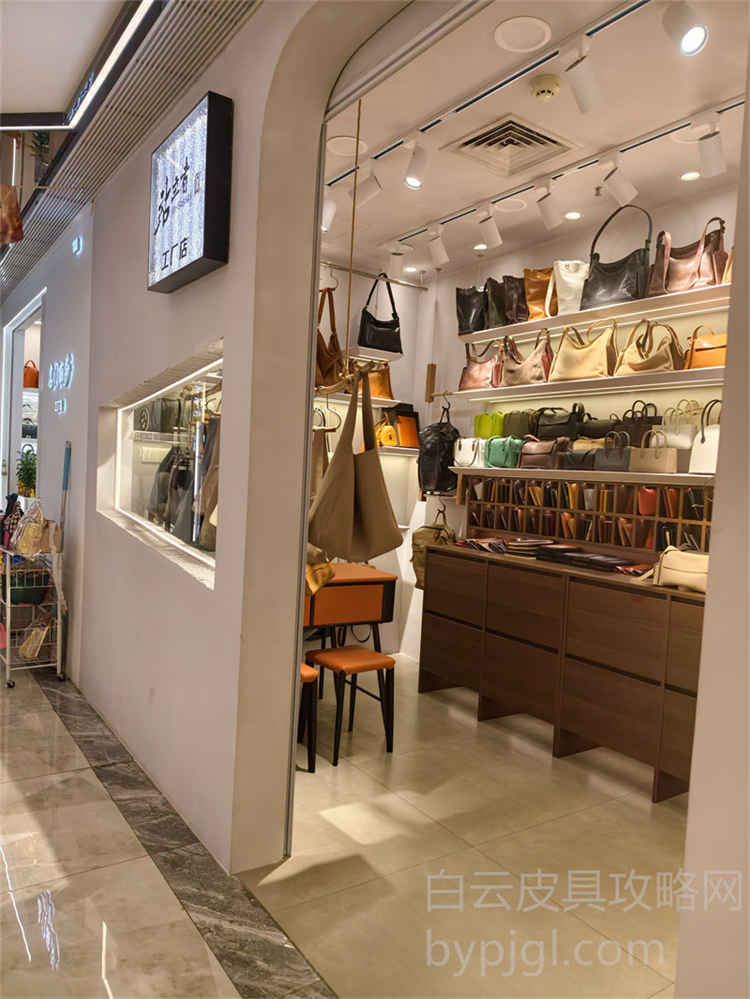
When I first started, people thought if a bag came from a factory, it had to have a tag saying so. That stopped working decades ago. Now, the real source isn't about a label; it's about the leather, the stitching tension, and the hardware weight. If you walk into a random stall and they hand you a bag with a fancy certificate, run. The real deals happen when you stop asking for "the best" and start asking to see the raw materials. In my shop, we don't hide the fact that these items come from the same supply chain as the luxury houses. We just don't put their logos on them. That distinction is everything.
Navigating the Baiyun Leather City Maze
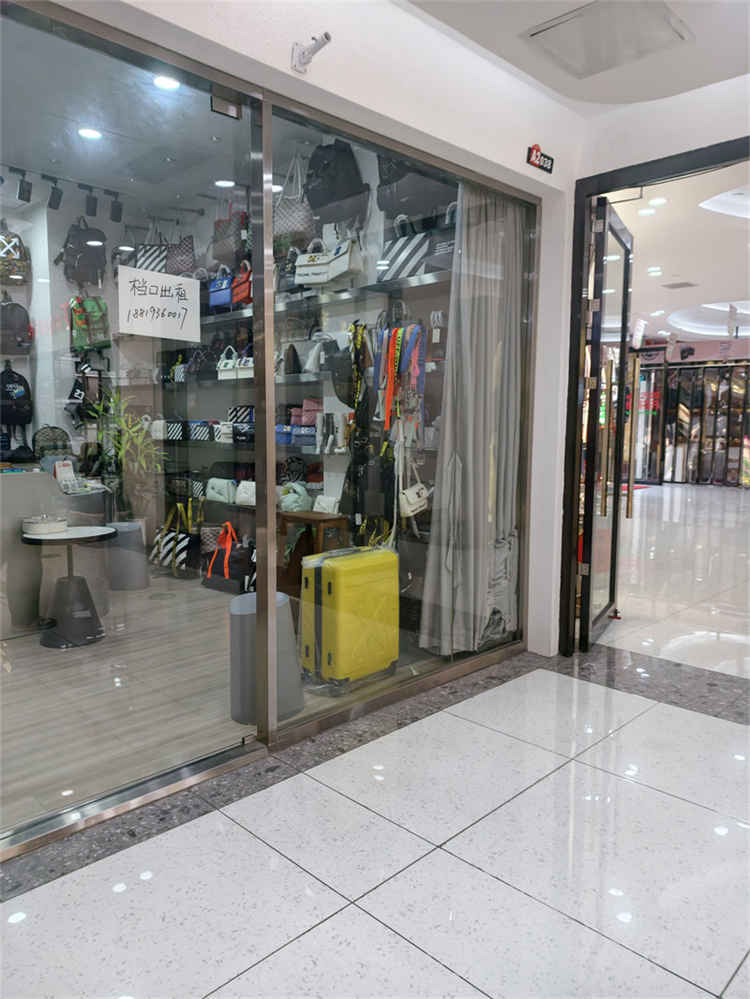
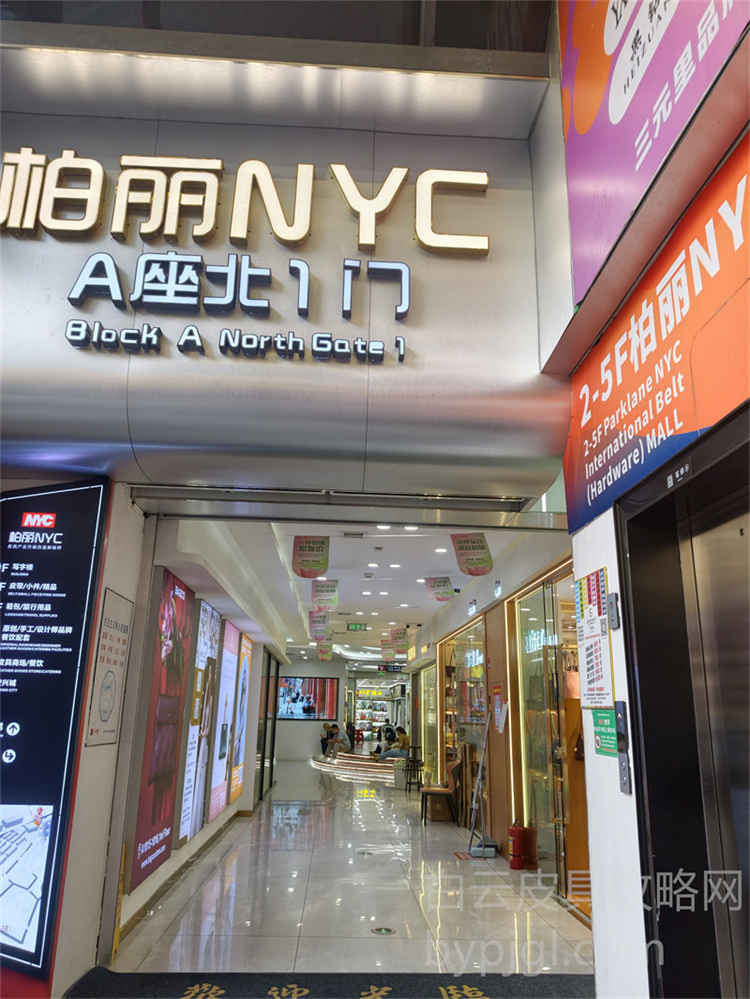
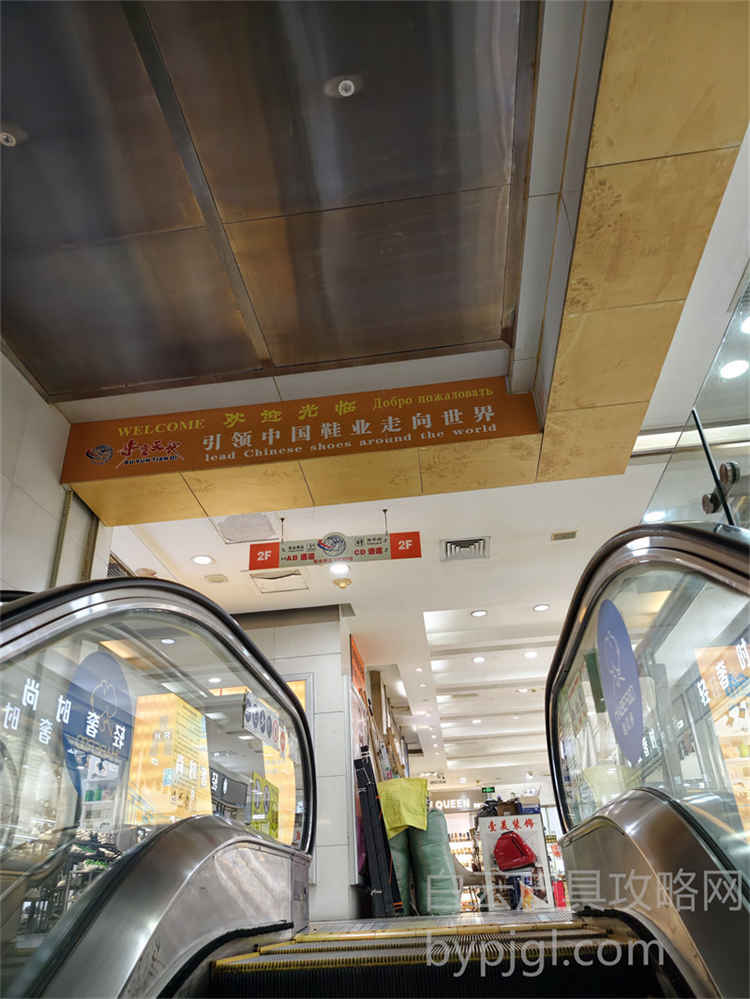
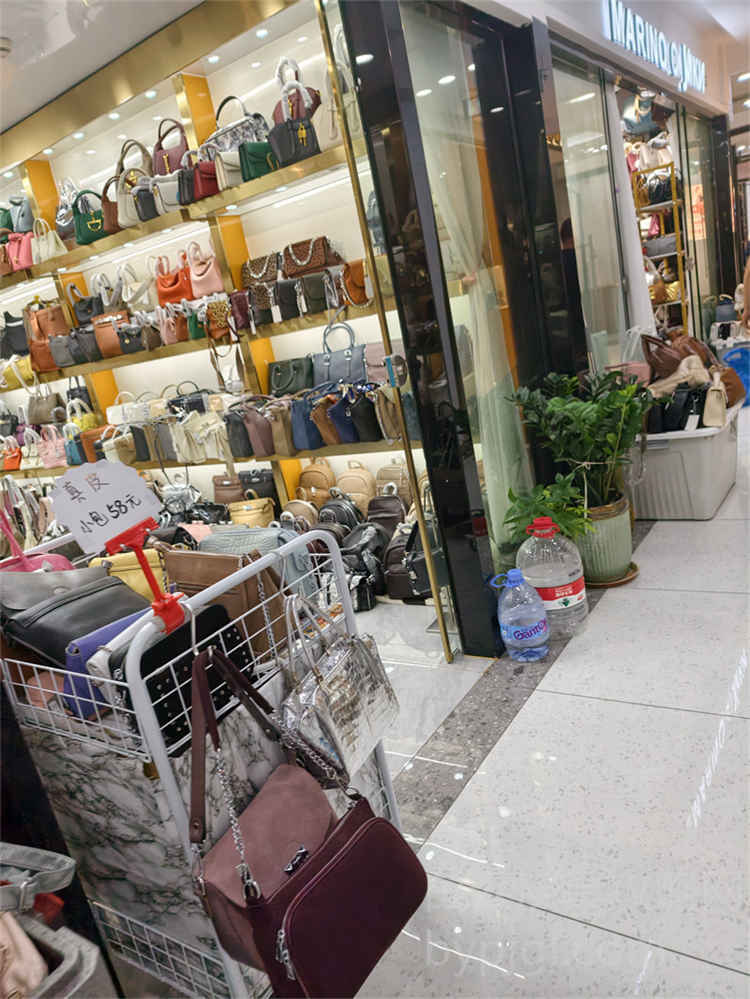
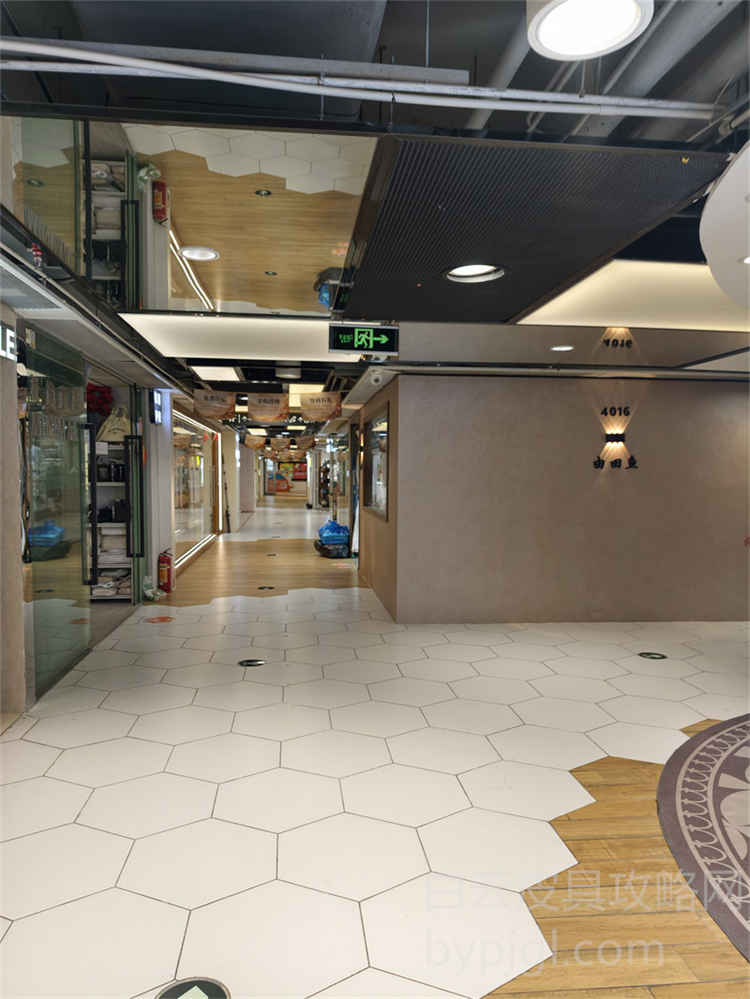
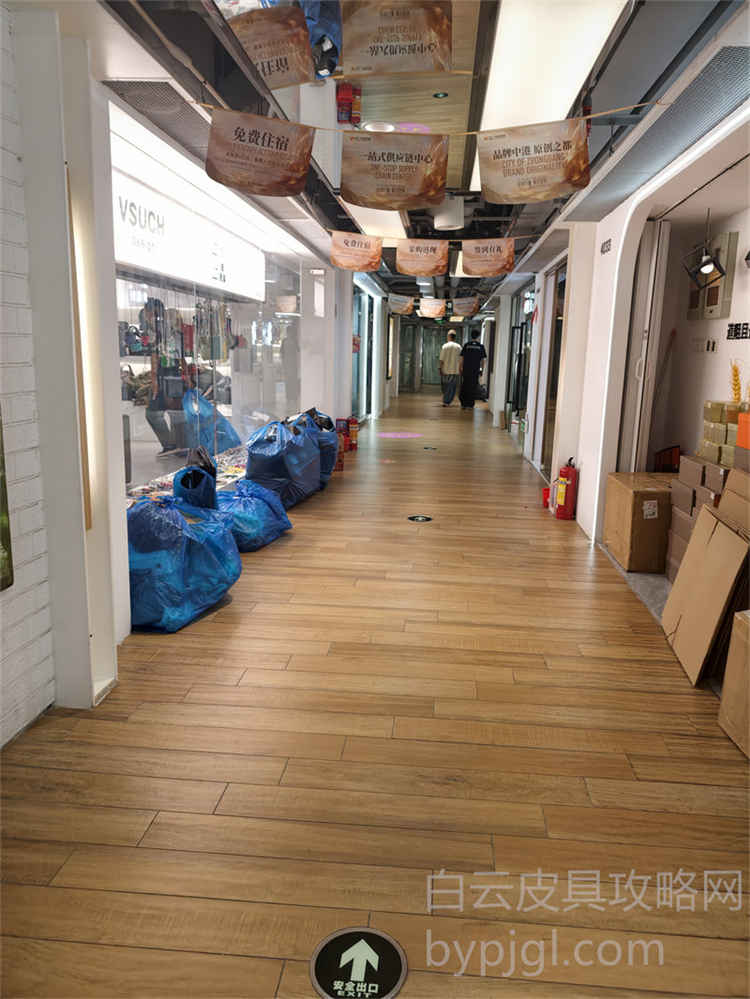
If you think you can just Google a map and find the good stuff, you will end up in the tourist traps selling low-grade PU leather that smells like chemicals. The magic happens in the deeper corridors of the Baiyun market, away from the main entrances where the street vendors pitch their wares. You need to go to the upper floors, specifically the older buildings that haven't been renovated into shiny malls yet. Those are where the serious manufacturers keep their showrooms.
Reading the Room Before You Buy
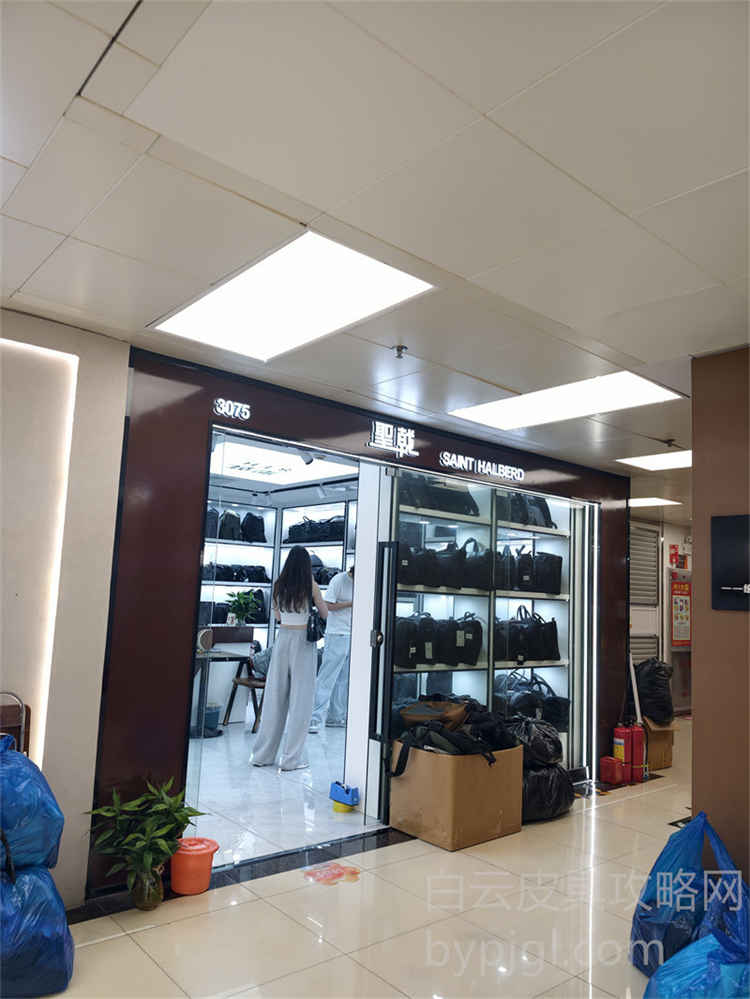
Here is a trick most buyers miss: look at the other customers. If a stall is packed with young people taking selfies and shouting prices, move on. That is mass production for the export market, often lower quality. The serious buyers, the ones who know what they are doing, walk slowly. They touch the leather, they check the zippers, and they talk quietly. When you approach a booth, do not say "I want to buy." Say "I am sourcing for a client" or "I am building a collection." This shifts the dynamic immediately. It tells the owner you are not a one-time tourist but a potential partner. Suddenly, they stop showing you the display models and pull out the samples from the back room—the ones that actually represent the true quality of their workshop.
The Art of the Handshake Deal
In Guangzhou, business is personal. You cannot negotiate via email alone. You need to stand there, smell the leather, and feel the weight of the hardware. I remember a buyer last month who wanted to order fifty units. He tried to haggle based on a photo he saw online. I laughed him out of the store because the photo was taken under studio lights that hid the grain texture. Real authentication happens when you compare two bags side by side. One might have perfect stitching but cheap lining; the other might have slightly uneven thread but premium Italian calfskin. Which one do you want? That is the conversation you must have face-to-face.
Inspection Tactics: Seeing What Others Miss
once you decide on a supplier, the inspection phase is where you separate the amateurs from the pros. Do not just look at the front of the bag. Turn it upside down. Check the inside pockets. Feel the edges. In our industry, the edge paint is the tell-tale sign of quality. Cheap bags use thick, gloppy glue that cracks after a few months. High-end pieces use thin, layered paint that blends seamlessly with the leather. Also, listen to the zipper. A high-quality metal zipper should glide silently and smoothly. If it sticks or makes a grinding sound, walk away. No amount of negotiation will fix bad hardware.
Understanding the Grading System
You will hear terms like "Grade A," "Top Tier," or "Mirror Quality." Honestly, these are marketing fluff designed to confuse you. Instead, focus on the material composition. Ask specifically about the tanning process. Is it vegetable-tanned or chrome-tanned? Vegetable-tanned leather ages beautifully, developing a patina over time, while chrome-tanned stays stiff. When you are sourcing from Baiyun, insist on seeing the leather swatches before you commit to an order. A reputable vendor will always have a rack of raw hides available. If they hesitate or say "we only sell finished bags," that is a red flag. They are likely middlemen reselling goods from someone else.
Building Trust and Avoiding Pitfalls
The biggest risk in this market is trust. There are scammers everywhere, especially targeting foreigners who think they can get a deal online without ever visiting. Never pay 100% upfront unless you have a long-standing relationship. Start small. Order five pieces to test the consistency. If those five match your expectations perfectly, then scale up. Payment methods matter too. Use secure channels that offer buyer protection. Cash is king in the physical market, but for larger orders, bank transfers with clear terms are safer.
The Long Game vs. Quick Flip
Many people come to Guangzhou looking for a quick flip. They want the cheapest price possible and expect to make a profit overnight. That mindset leads to disaster. The lowest price usually means the lowest quality, which means returns and angry customers. My advice is to build relationships. Come back every season. Bring gifts. Learn a few words of Cantonese. When the owner sees you are serious and loyal, they will give you access to new designs before anyone else. They will hold the best stock for you. That is the real secret of the Baiyun market. It is not about the product; it is about the person behind the counter.
Final Thoughts from the Front Line
So, if you are planning a trip to Guangzhou to source bags, pack light but bring your eyes wide open. Don't rely on screenshots or descriptions. Go to the floor, touch the materials, and talk to the people who make the products. The market is chaotic, loud, and sometimes overwhelming, but that is exactly where the value lies. You will find hidden gems in the back rooms of old buildings, far away from the flashy signs. Just remember, quality is never cheap, and if it sounds too good to be true, it probably is. Stay sharp, stay curious, and let the leather speak for itself.