Walking the Floors: My Honest Guide to Sourcing in Guangzhou
I have been standing behind this counter for over fifteen years, watching the dust settle on the marble floors of Baiyun and seeing the tide of buyers come and go. You might think I am just another shop owner trying to sell you a bag, but let me tell you something straight from the heart. The real story isn't about the logos or the brand names; it is about the leather, the stitching, and the sheer skill of the artisans who work right here in this district.
Many overseas clients ask me how to find the "best" quality without getting scammed. They worry about hidden fees, fake materials, or ending up with a product that looks nothing like the photos. When you walk into the Baiyun Leather City, it can feel overwhelming. There are thousands of stalls, endless corridors, and a language barrier that makes everyone nervous. But if you know where to look and what to ask, you will find treasures that rival anything you see in high-end boutiques abroad.
Navigating the Market Realities
The First Step: Leave the Tourist Traps Behind
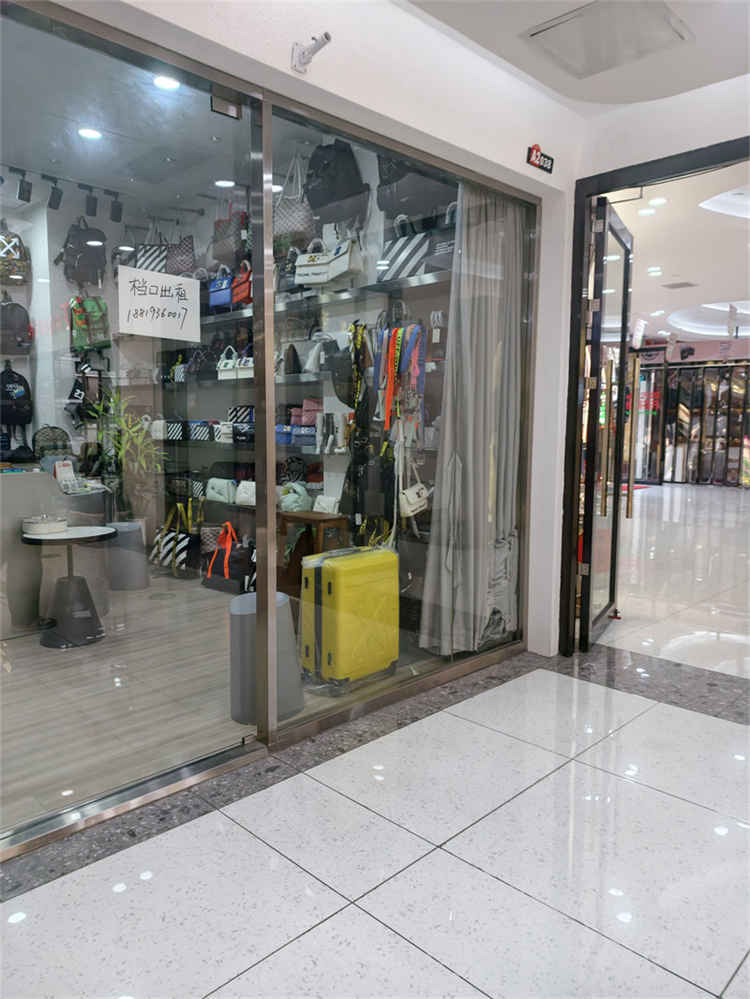
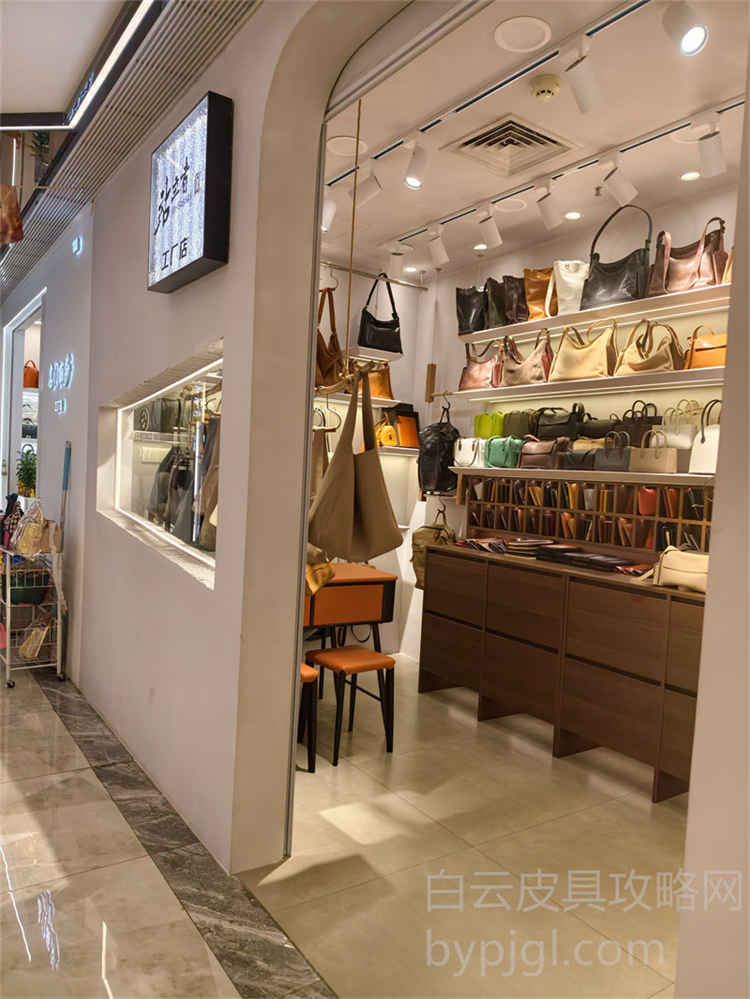
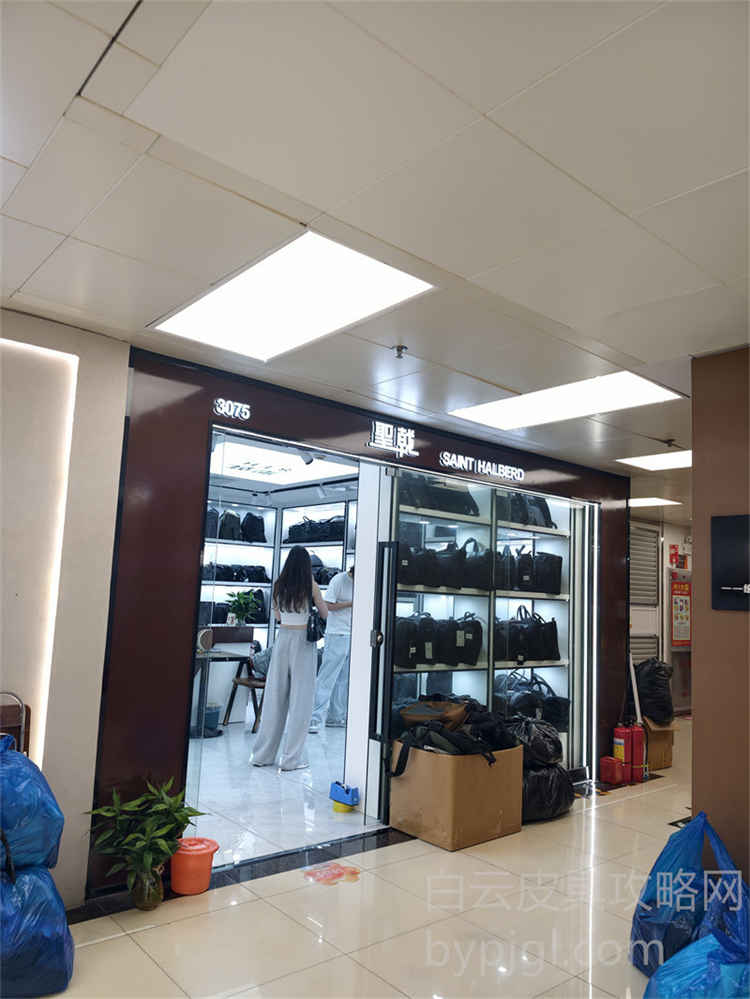
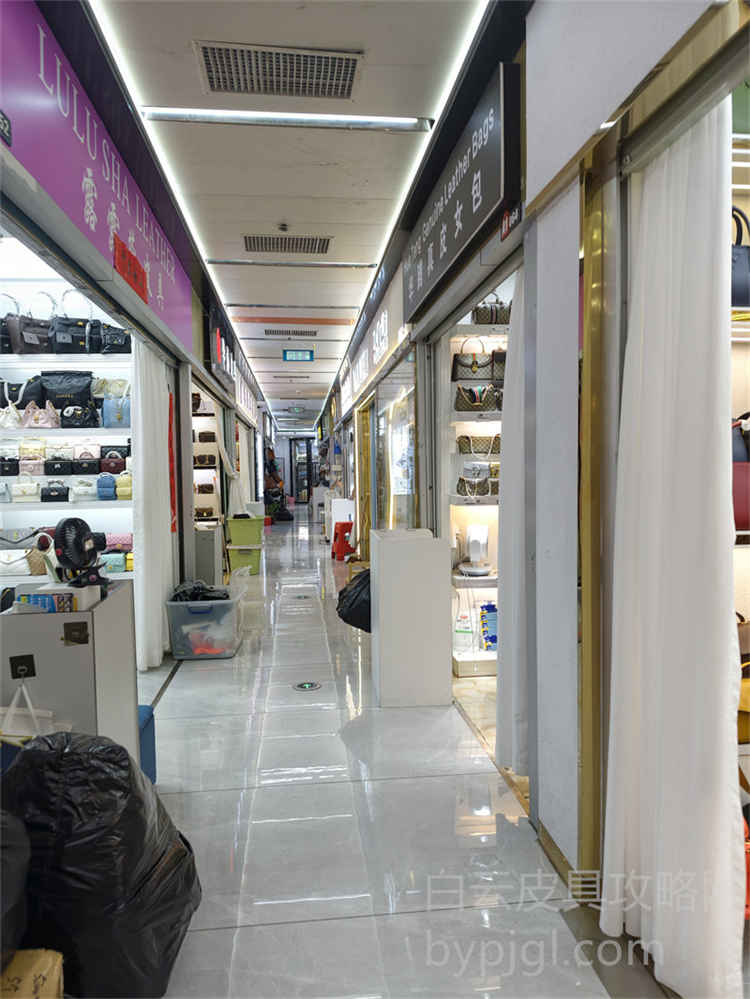
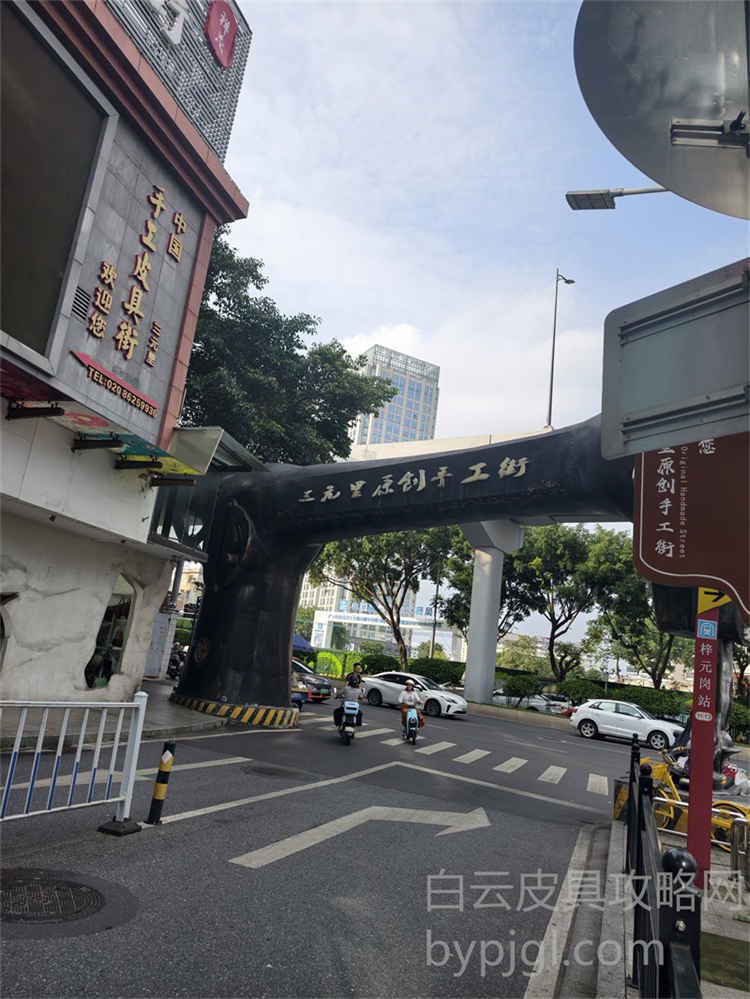
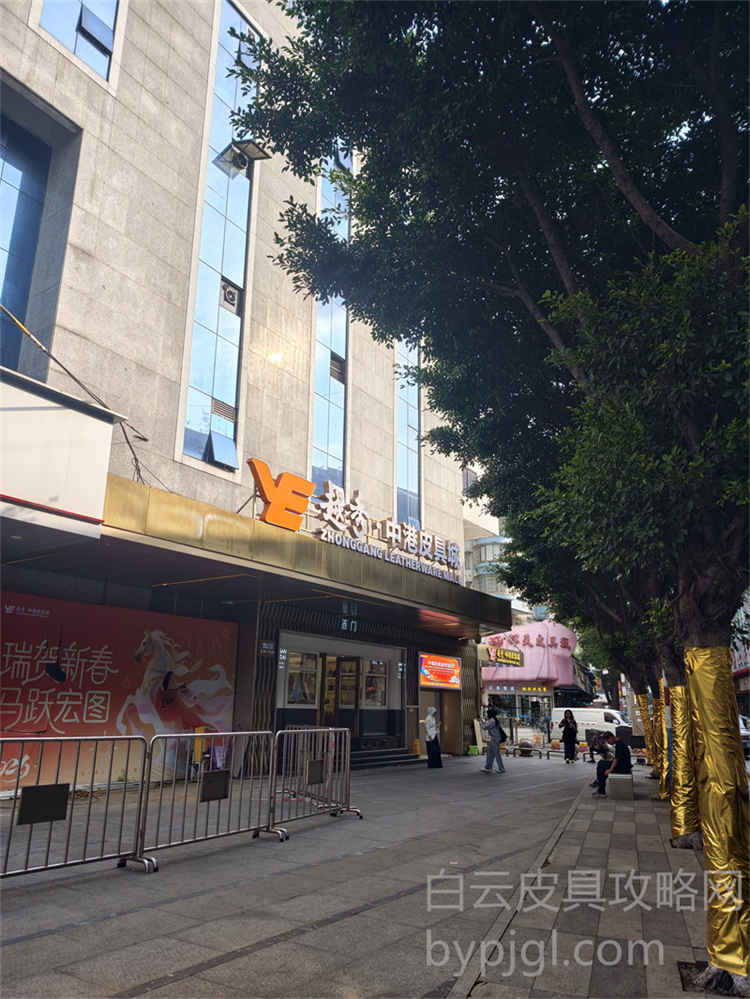
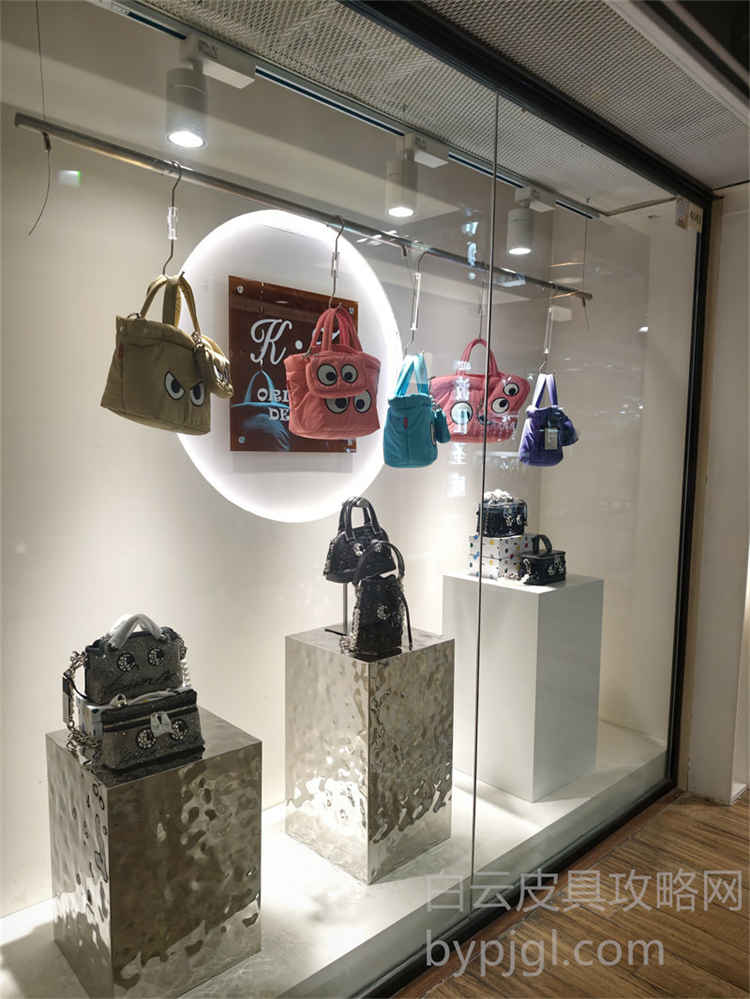
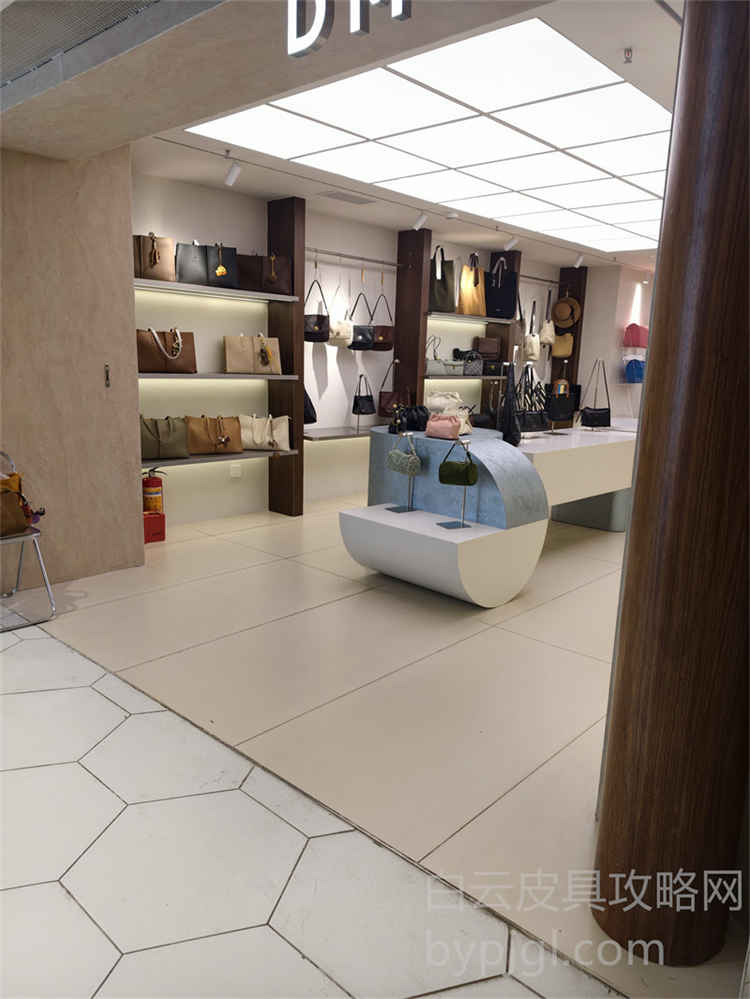
Let's be clear about one thing immediately. Do not trust the agents you meet at the airport or the hotels. They often take you to small workshops that cannot handle serious orders. If you want the real deal, you need to get your feet wet in the Baiyun area yourself. Start at the main entrance of the Leather City complex. This is where the heavy hitters are located. The ground floor is usually filled with lower-tier goods meant for quick turnover, so ignore those for now. Head straight to the upper levels, specifically floors three and four, where the top-tier manufacturers keep their showrooms.
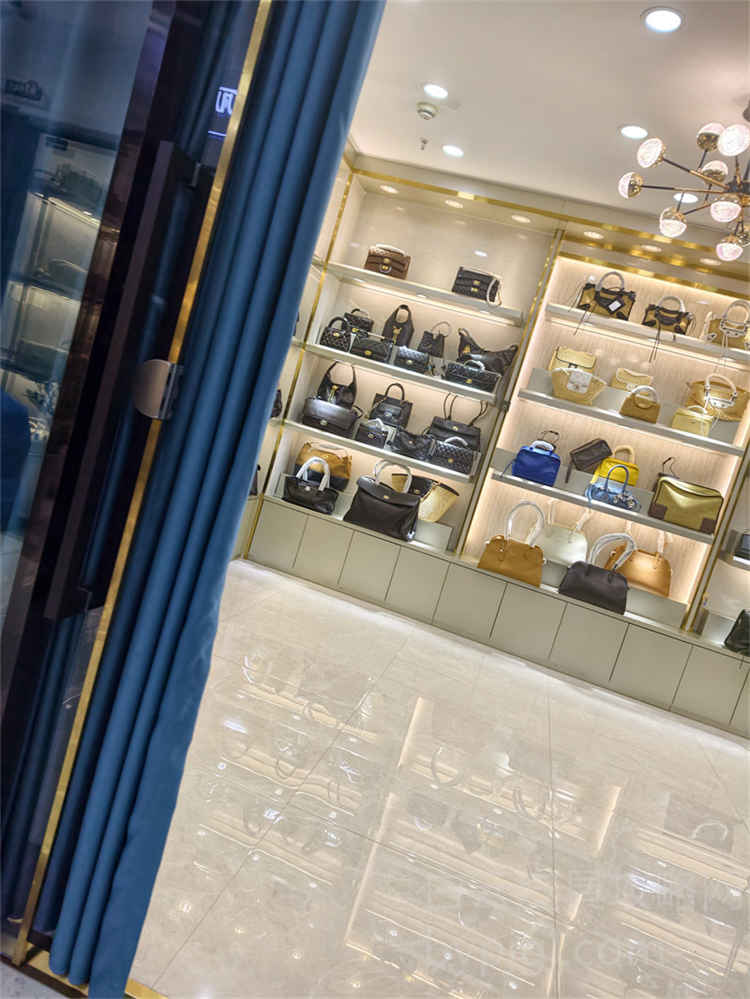
The atmosphere here is different from any mall back home. It is loud, chaotic, and incredibly fast-paced. People are shouting prices, moving boxes, and negotiating deals in a mix of Cantonese and Mandarin. Do not be intimidated by this noise. In fact, the noise is a sign of life. It means business is moving. When you enter a stall, do not just stare at the bags hanging on the wall. Ask to see the raw materials. A good boss will be proud to show you the cowhide they use, the zippers imported from Italy, and the hardware that does not tarnish after a week.
The Art of Selection and Inspection
Touching the Grain: How to Spot Quality
When you are looking at these premium items, your eyes are not enough. You need to use your hands. I always tell my regular customers to run their fingers along the edges. High-quality craftsmanship means the stitching is tight, even, and follows the grain of the leather perfectly. If you see loose threads or uneven spacing, walk away. That is a sign of a rushed job. We pride ourselves on the "top tier" standards, which means every single stitch is checked before the item leaves our workshop.
Another critical detail is the smell. Real leather has a distinct, rich aroma. If the bag smells like chemicals or cheap plastic, no matter how good it looks, it is not worth your money. In our market, we source the finest calfskin and lambskin directly from suppliers in Guangdong. When you hold a genuine piece, it feels soft yet durable. It should not feel stiff or brittle. Also, check the lining. Cheap imitations often use polyester that peels off easily. We use high-grade silk or cotton blends that breathe well and last for years.
The Hardware Test
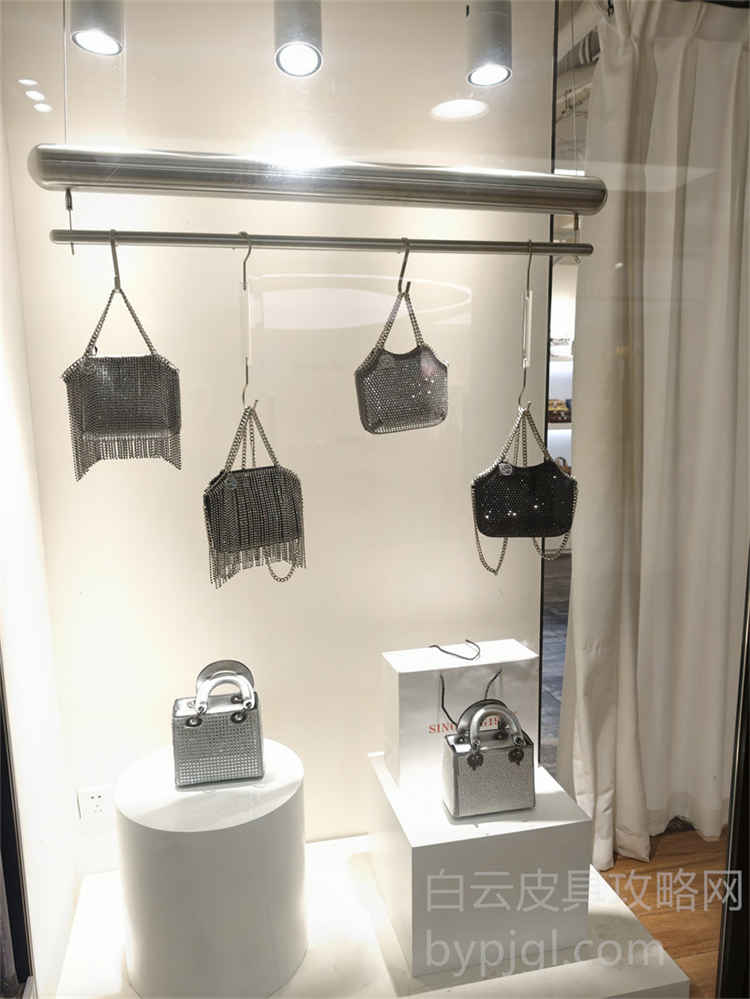
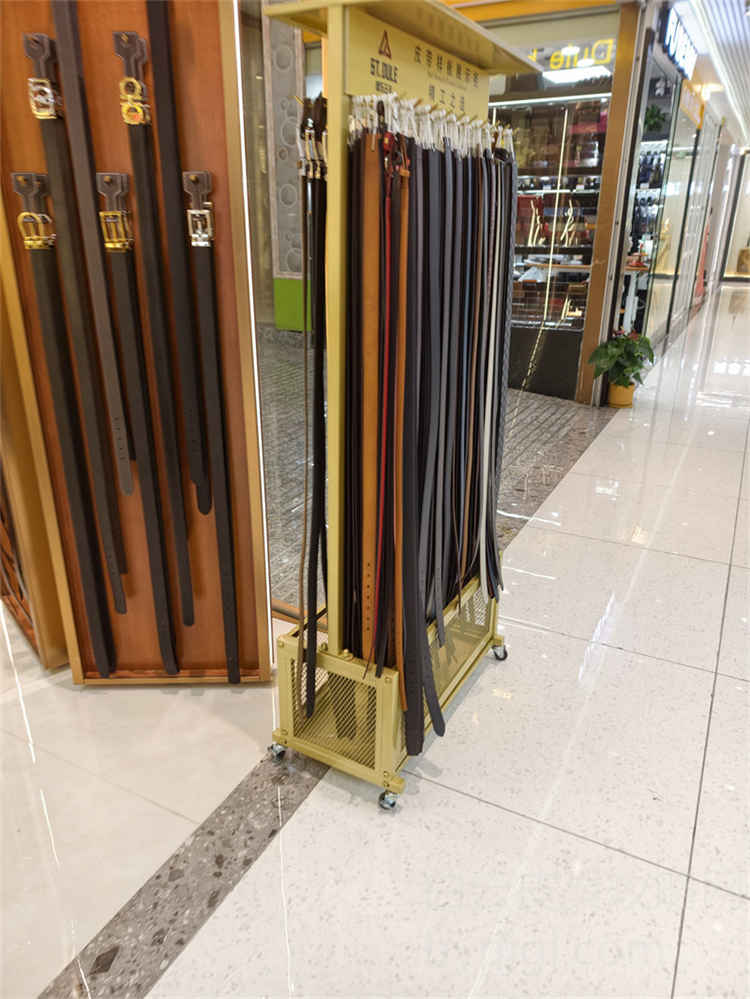
Do not overlook the metal parts. The zipper, the clasp, the chain—these are the first things to fail on a poorly made bag. In Baiyun, we use YKK zippers and solid brass hardware that is plated with gold or silver using electroplating techniques that resist oxidation. Try opening and closing the zipper a few times. It should glide smoothly without catching. Tap the metal with your fingernail; it should sound solid, not hollow. If the plating looks thin or the color is too bright and artificial, it will fade quickly. We ensure our hardware matches the weight and finish of the original designs without copying the trademarked symbols.
Negotiating and Securing Your Order
Building Trust with the Boss
once you have found a stall that meets your standards, the next step is negotiation. Do not be afraid to haggle. In Guangzhou, the price listed on the tag is rarely the final price. However, remember that "cheap" does not mean "good." If a price seems too low to be true, it is because the quality is compromised. Be honest about your budget and your volume. If you are buying in bulk, you have more leverage. If you are a single buyer, focus on building a relationship. Tell the boss you plan to return. Most of us prefer loyal customers over one-off sales.
Communication is key. Since many of us speak limited English, bring a translator or use a translation app, but try to learn a few basic phrases in Chinese. It shows respect and opens doors. When discussing specifications, be very specific. Mention the exact size, color code, and material type. Vague instructions lead to vague results. Show them reference photos on your phone, but emphasize that you want the local version, not a direct copy. We understand the nuances of design better than anyone else here.
Avoiding Common Pitfalls
There are scams everywhere, but they are easier to avoid if you stay alert. Never pay 100% upfront unless you have a long-standing relationship with the supplier. A standard deposit of 30% to 50% is normal. Always request a video call before shipping to verify the actual product. Some sellers send photos of perfect samples but ship inferior goods. Insist on seeing the batch you are actually receiving. Also, be wary of sellers who promise "overnight delivery" from China to your country. Logistics take time, and rushing usually means cutting corners.
Finally, understand the logistics of shipping. Baiyun has excellent connections to major ports and airports. We can arrange air freight or sea freight depending on your needs. Just make sure you have a reliable forwarder who knows how to handle customs declarations properly. Do not try to hide the value of the goods; it causes more trouble than it solves. Work with transparency, and you will build a supply chain that lasts for decades.
Why Guangzhou Remains the Global Hub
After all these years, I still believe there is no place on earth like the Baiyun Leather City. The concentration of talent, materials, and technology here is unmatched. From the tanneries to the factories, everything is within a short drive. This ecosystem allows us to produce high-end goods faster and more efficiently than anywhere else. For international buyers, coming here is not just about saving money; it is about accessing a level of craftsmanship that is disappearing in other parts of the world.
So, when you decide to visit, leave your preconceptions at the door. Come with an open mind, a sharp eye, and a willingness to learn. Walk the floors, touch the leather, and talk to the people. You will find that behind every bag is a story of hard work and dedication. That is the true value of sourcing in Guangzhou.