Why I've Been Selling Bags in Baiyun for Over Two Decades
If you are reading this, chances are you have heard whispers about the leather goods scene in Guangzhou. Maybe you saw a post on social media or got a recommendation from a friend who thinks they found the "secret source." Let me tell you something straight from my shop floor: there is no magic secret, only hard work and knowing exactly where to look. I have been standing behind the counter at the Baiyun Leather City market for more than twenty years. I have seen trends come and go, styles change, and buyers from all over the world walk through these doors.
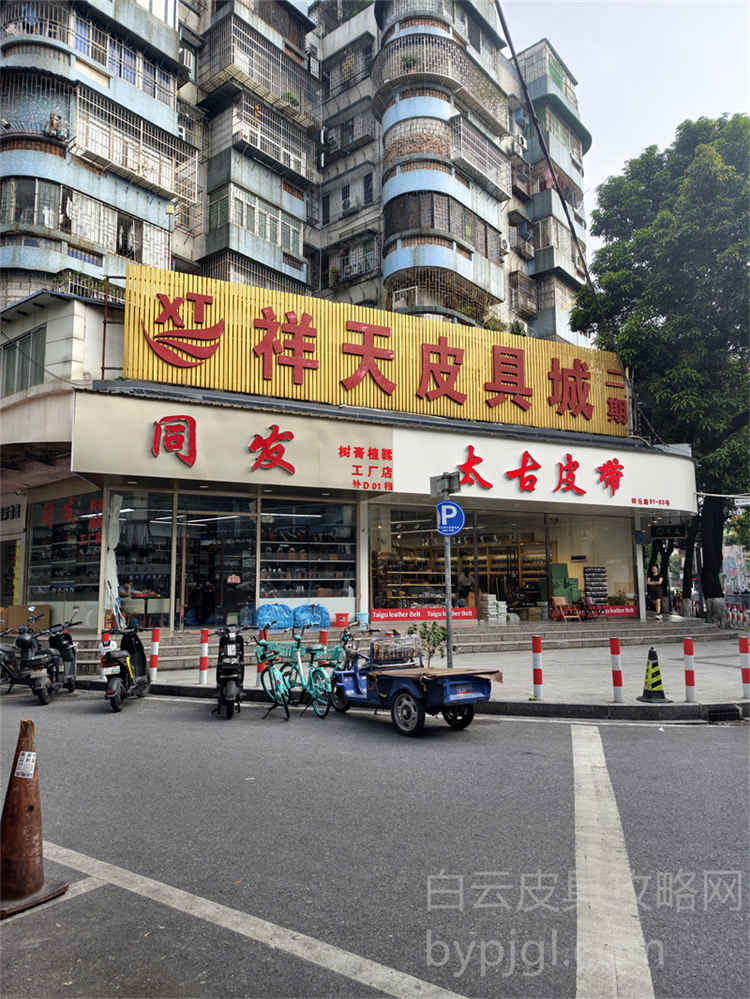
Many overseas clients think that finding top-tier goods means flying here and walking into a fancy showroom. That is a myth. The real action happens in the back rooms of the wholesale markets, specifically in the districts surrounding the main Baiyun hub. When people talk about premium leather goods sourcing in Guangzhou, they are usually talking about the clusters in the Baiyun District. This is not just a market; it is an ecosystem. You will find everything from raw materials to finished products within a few square kilometers. My job has always been to help serious buyers navigate this maze without getting scammed or wasting their time.
Navigating the Market Landscape Beyond the Main Halls
Understanding the Difference Between Wholesale and Retail Zones
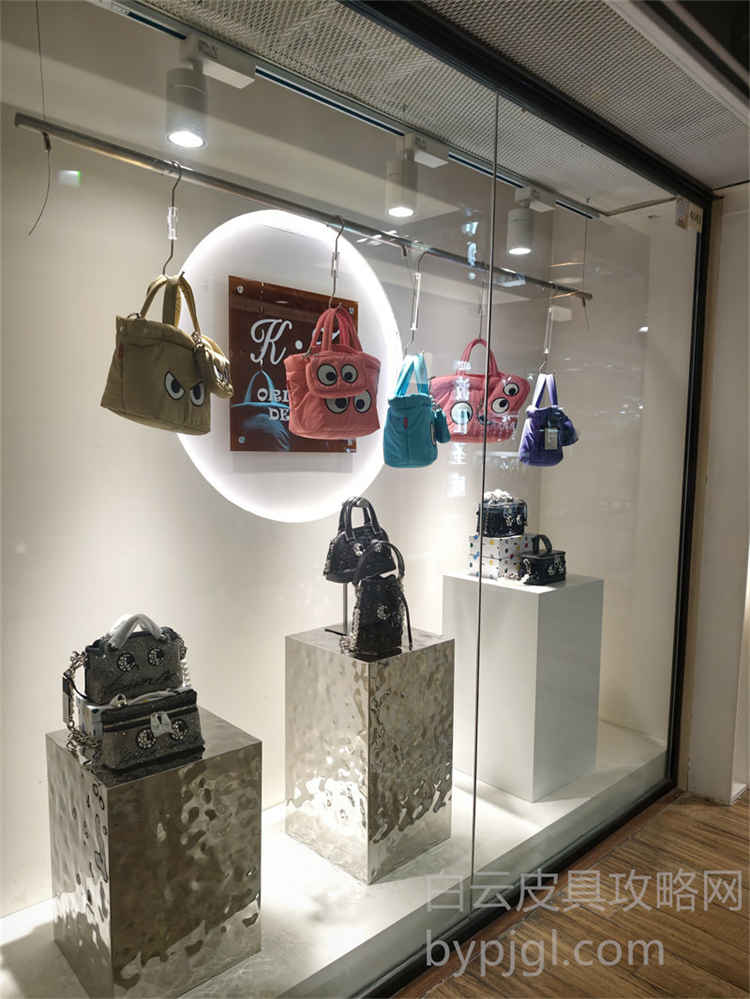
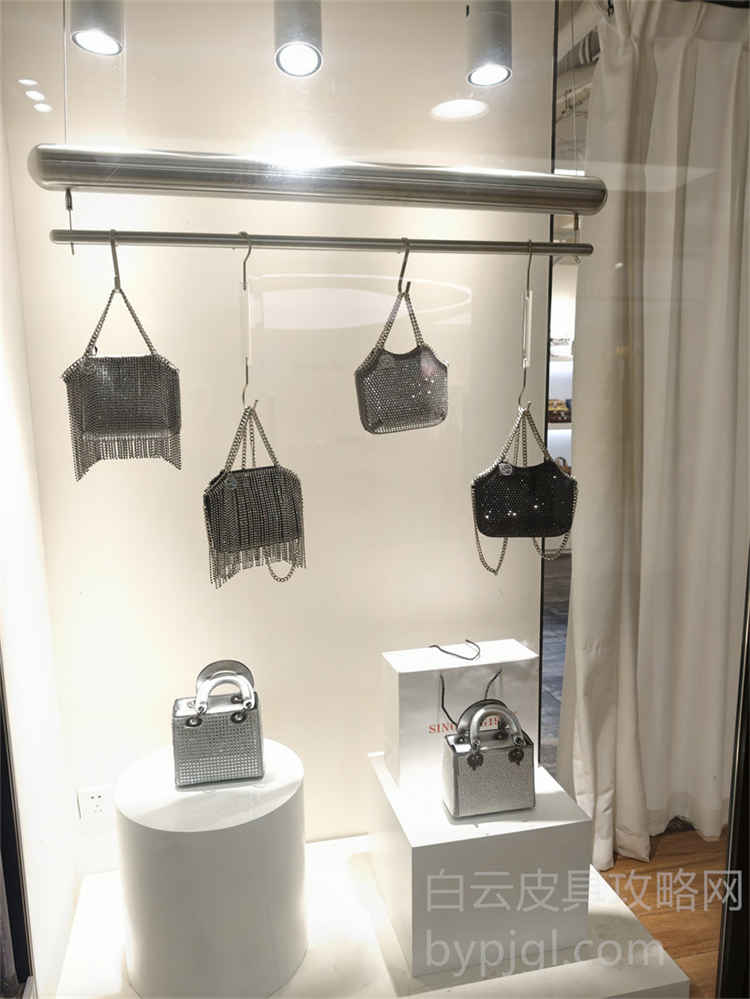
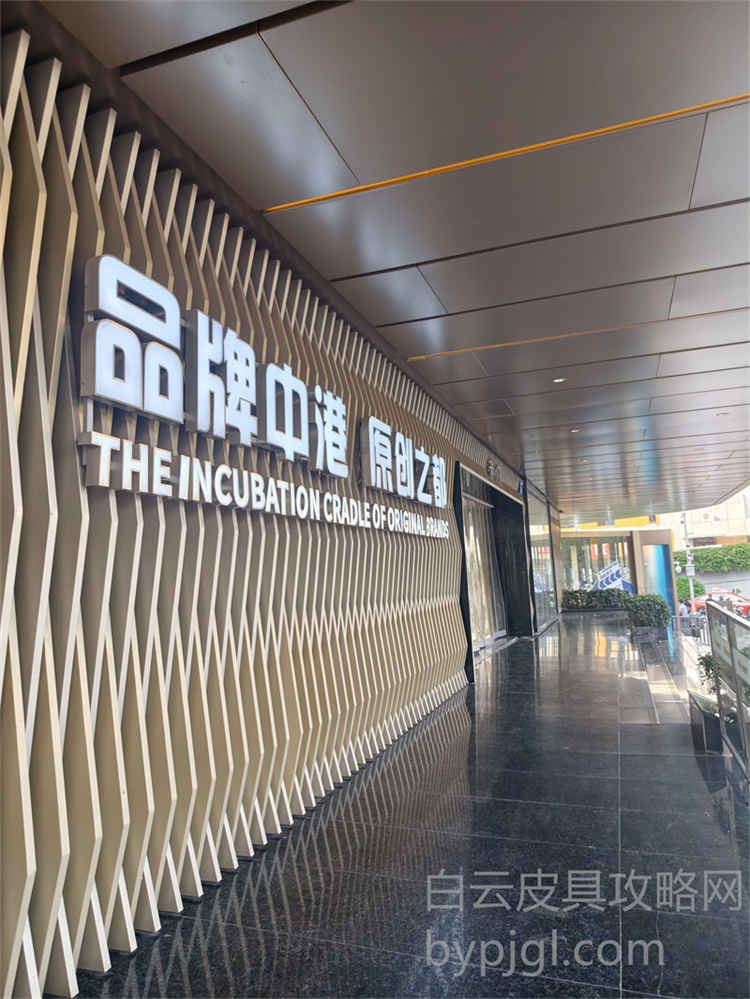
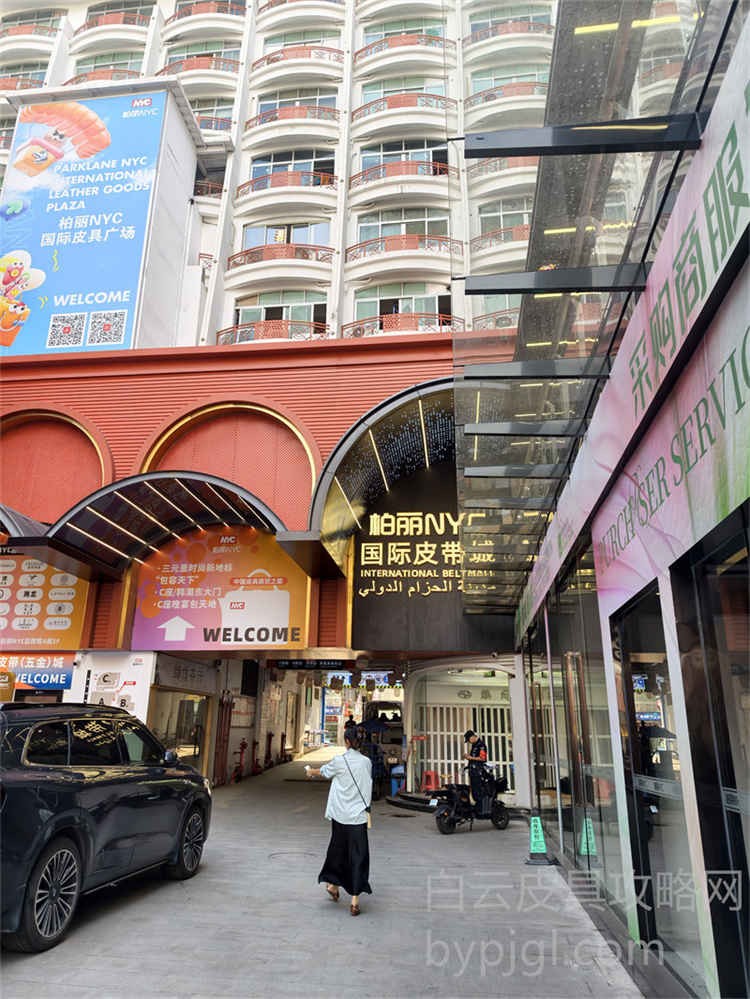
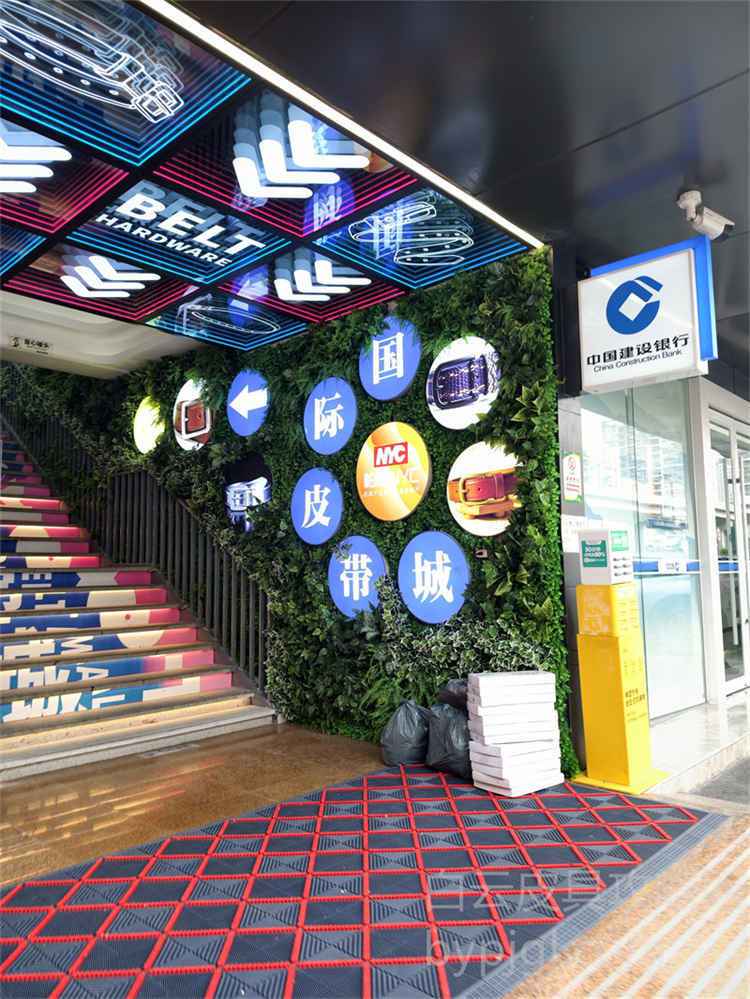
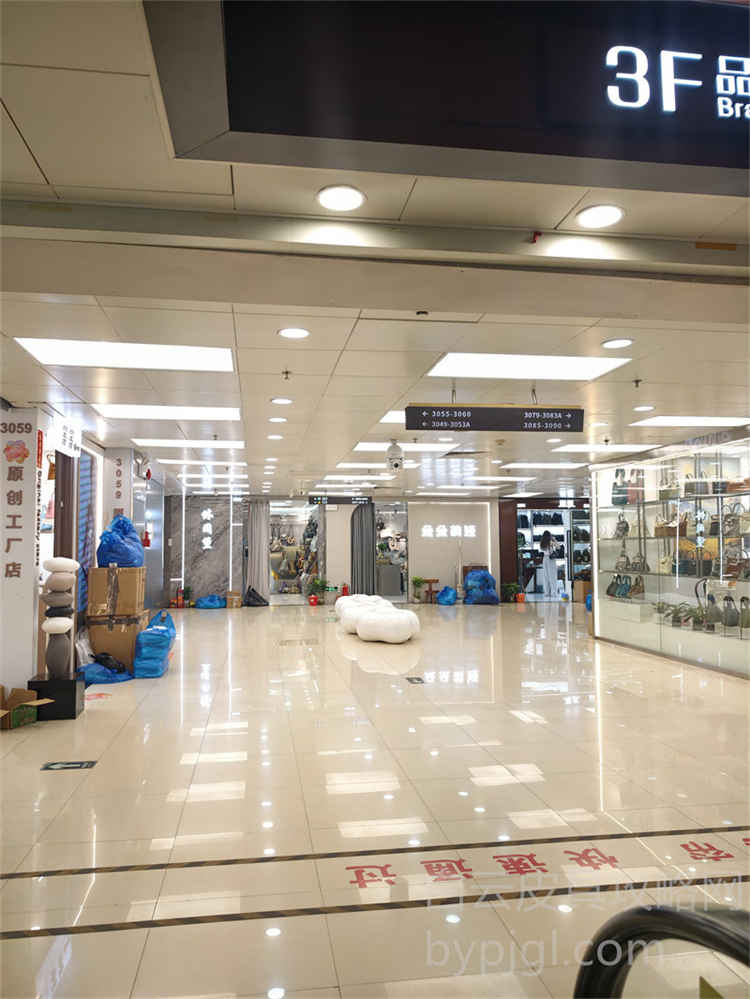
When you first arrive, the main entrance of the Baiyun Leather City looks impressive. There are bright lights, polished floors, and displays that look like high-end boutiques. But let me be honest with you: if you are looking for the best prices and the most authentic production lines, do not spend your whole day in those front-facing halls. Those areas are often designed for tourists or small retailers who want to buy single pieces at inflated prices. The real power lies in the older buildings nearby, the ones that might look a bit worn on the outside but house the most sophisticated factories inside.
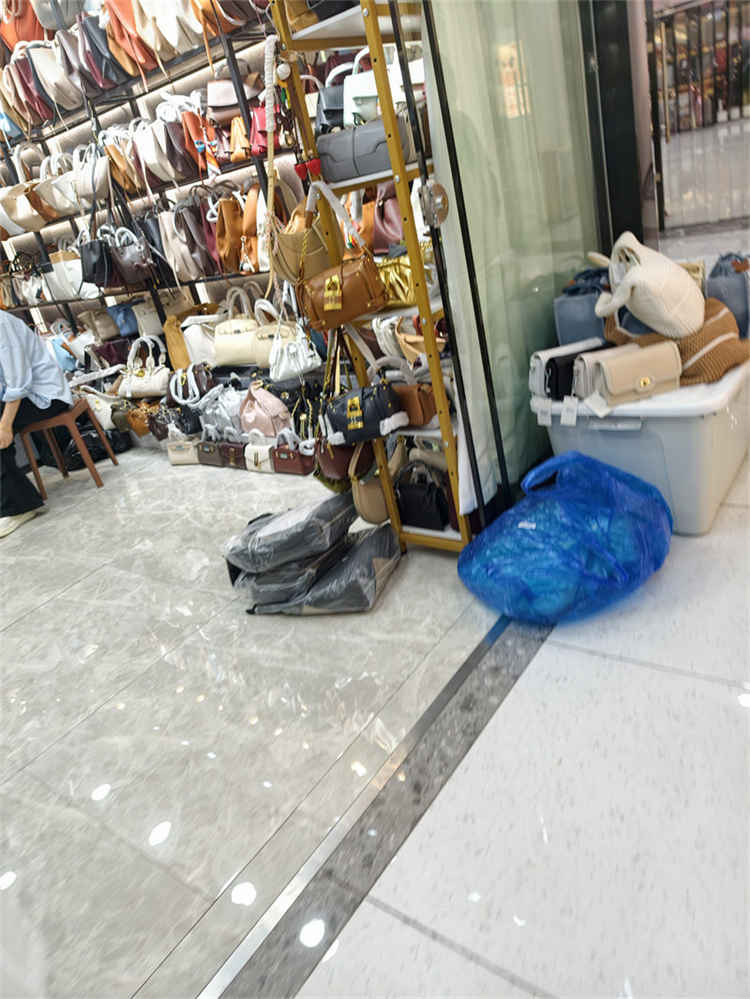
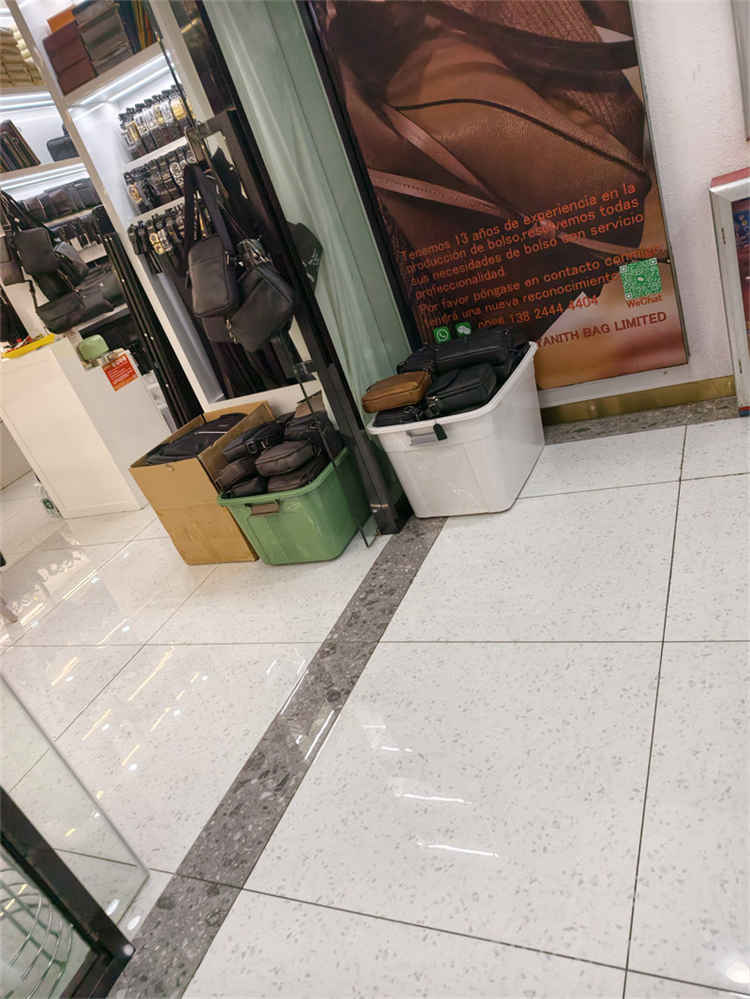
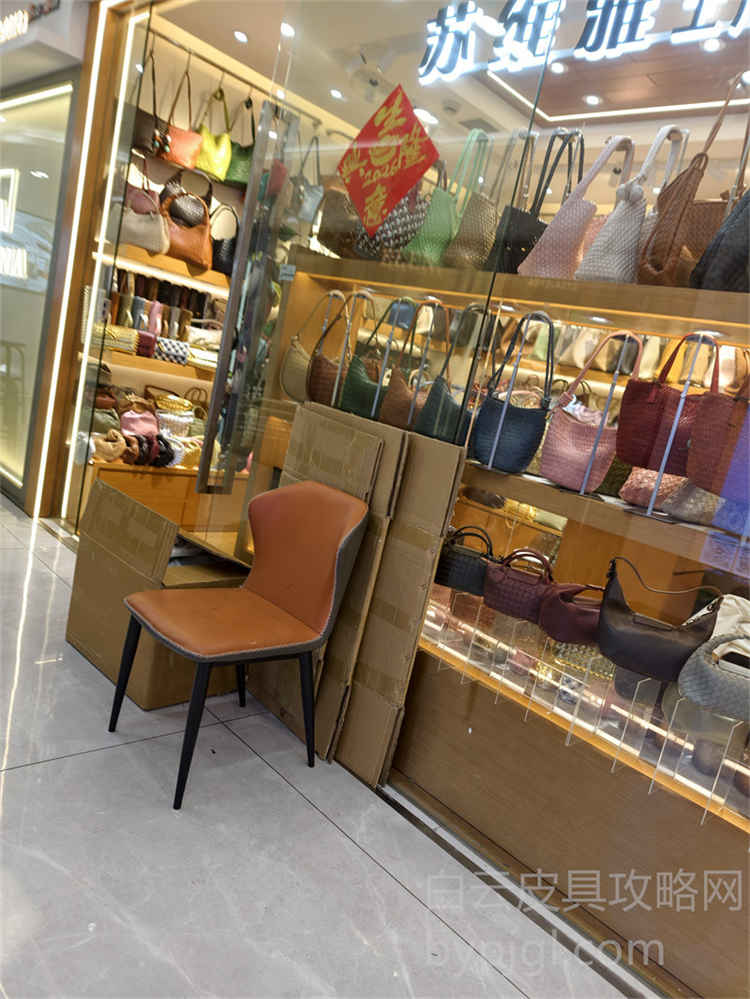
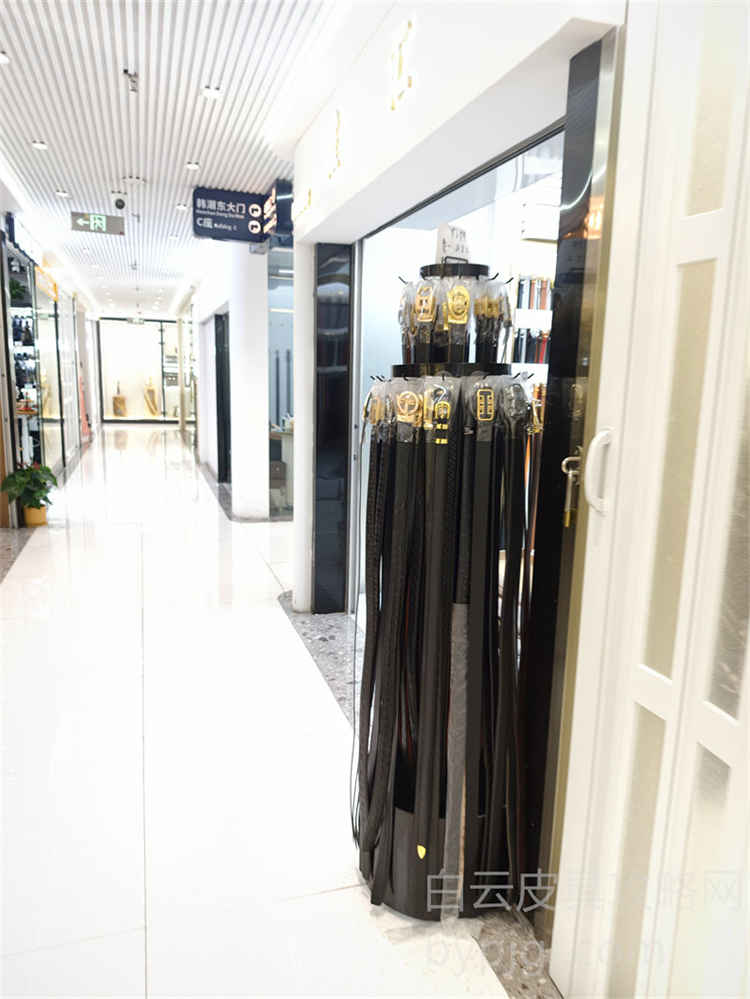
I guide my regular international clients away from the flashy frontage and toward the side streets and alleyways connecting the main blocks. These are the areas where the actual manufacturers keep their sample rooms. Here, the atmosphere is different. It is busy, loud, and focused purely on business. You will see stacks of boxes, workers sewing in the background, and managers who speak broken English but know every stitch of their product. This is where the conversation shifts from "how much does this cost?" to "what is the lead time?" and "can we customize the hardware?"
The Art of Finding the Right Stall Without a Guide
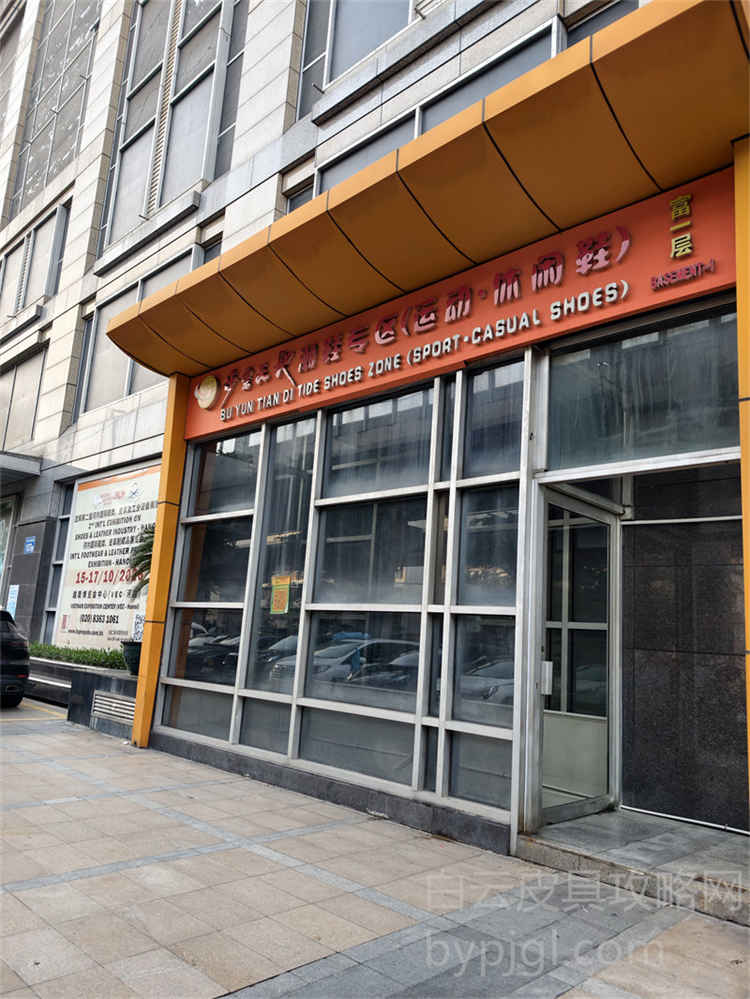
One of the biggest mistakes new buyers make is wandering aimlessly. In Baiyun, the layout can be confusing, and the stalls change names frequently. If you do not have a local contact, you might end up in a stall selling lower-grade items that look okay from a distance but fall apart after a week. I always advise my friends to start by identifying the specific building known for high-quality craftsmanship. There are certain towers and corridors that have built a reputation over the years for producing goods that rival the big names in terms of material and construction.
once you are in the right building, look for the signs of a serious operation. A good stall will have a dedicated sample room, not just a display table. They will show you multiple versions of the same bag, perhaps one with cheaper leather and another with the full-grain option. Do not be afraid to ask to see the "top tier" version. Most vendors will hide their best work until they sense you are a serious buyer. I have learned that patience pays off. Spend ten minutes chatting with the owner, ask about their supply chain, and watch how they handle the merchandise. If they treat the bags with care and explain the differences between grades clearly, you are in the right place.
The Inspection Process: What Actually Matters
Checking Materials and Stitching Up Close
When I am helping a client inspect a bag, I do not just look at the logo. That is the easiest thing to fake. Instead, I focus on the leather grain, the smell, and the stitching tension. In Baiyun, the quality varies wildly even within the same building. Some stalls use genuine cowhide that feels soft and smells rich, while others use synthetic blends that feel plastic-y. You need to touch the leather. Run your fingers over the surface. Does it feel consistent? Is the color uniform?
Then comes the stitching. Look at the angle of the thread. High-end production uses a specific stitch count per inch that creates a tight, durable line. If you see loose threads, uneven spacing, or glue marks near the seams, put the bag down immediately. I have seen too many buyers get excited about a beautiful shape only to realize the stitching was done by hand in a rush. Ask the vendor to show you the inside lining as well. The interior should be clean, with no loose fabric hanging around. The zippers should glide smoothly, not stick or squeak. These details separate the mass-produced junk from the items that last for years.
Hardware and Smell: The Silent Tell-Tales
Hardware is often the first thing to fail on a bag. In the Baiyun markets, you will find options ranging from cheap zinc alloy to solid brass with plating. I always recommend checking the weight of the metal parts. Heavy hardware usually indicates better quality. Look at the engraving on the locks and clasps. Is it crisp and deep, or shallow and blurry? Poor engraving is a dead giveaway of low-quality production.
Another critical factor is the smell. Real leather has a distinct, earthy scent. If the bag smells strongly of chemicals, glue, or artificial perfume, it is likely made with poor-quality materials or treated with harsh chemicals to mask the odor. I have walked out of several stalls because the smell was unbearable. A reputable vendor will not try to sell you a bag that smells like a factory floor. Trust your nose; it is one of the most reliable tools you have when sourcing in person.
Building Relationships and Closing the Deal
Negotiating Like a Local Business Owner
In Guangzhou, negotiation is not just about haggling over price; it is about building a relationship. If you walk in acting like a tourist, you will pay retail prices. If you walk in acting like a business partner, you will get wholesale rates. I tell my clients to bring a notebook and take photos of the items they like. Show the vendor that you are serious and planning to order in volume. Mention that you are looking for long-term cooperation. This changes the dynamic immediately.
Do not be afraid to ask for samples before placing a large order. Many vendors in Baiyun are willing to send a sample to your hotel or office so you can verify the quality firsthand. This is standard practice for serious buyers. once you agree on the price, clarify the payment terms. Avoid paying 100% upfront unless you have a strong relationship. A deposit of 30% to 50% is common, with the balance paid upon inspection or before shipping. Always get a receipt or a written agreement detailing the specifications of the goods.
Avoiding Common Pitfalls and Scams
There are always risks when traveling to a foreign market. One common trap is the "sample vs. bulk" switch. Sometimes, the vendor shows you a perfect sample, but the bulk order arrives with inferior materials. To avoid this, insist on a pre-shipment photo or video call where you can inspect the actual batch before it leaves the factory. Another issue is shipping delays. Logistics in China can be unpredictable during holidays or peak seasons. Build extra time into your schedule and communicate clearly with your supplier about deadlines.
Finally, be wary of deals that seem too good to be true. If a vendor offers a price that is significantly lower than the market average, there is almost always a catch. Quality costs money. In the Baiyun district, you will find a wide range of prices reflecting different levels of craftsmanship. Stick to the mid-to-high range if you want durability and style. By following these steps and trusting your instincts, you can successfully source high-quality leather goods from Guangzhou without falling victim to scams. Remember, the goal is not just to buy a bag, but to build a supply chain that works for your business.