Walking the Floors: My Honest Guide to Sourcing in Guangzhou
I have been standing behind this counter in the Baiyun District for over fifteen years. While you might see tourists snapping photos of the grand architecture outside, I know the real story happens inside these narrow corridors where the air smells faintly of leather dust and fresh glue. If you are flying in from overseas with a list of brands in your head, let me tell you something right now: forget everything you read on blogs about "perfect replicas." That is marketing fluff designed to sell you a dream that doesn't exist in our wholesale reality. What you will find here is a complex ecosystem of craftsmanship, negotiation, and strict quality control that has nothing to do with copying logos and everything to do with building a business.
The First Step: Leaving the Airport for the Real Market
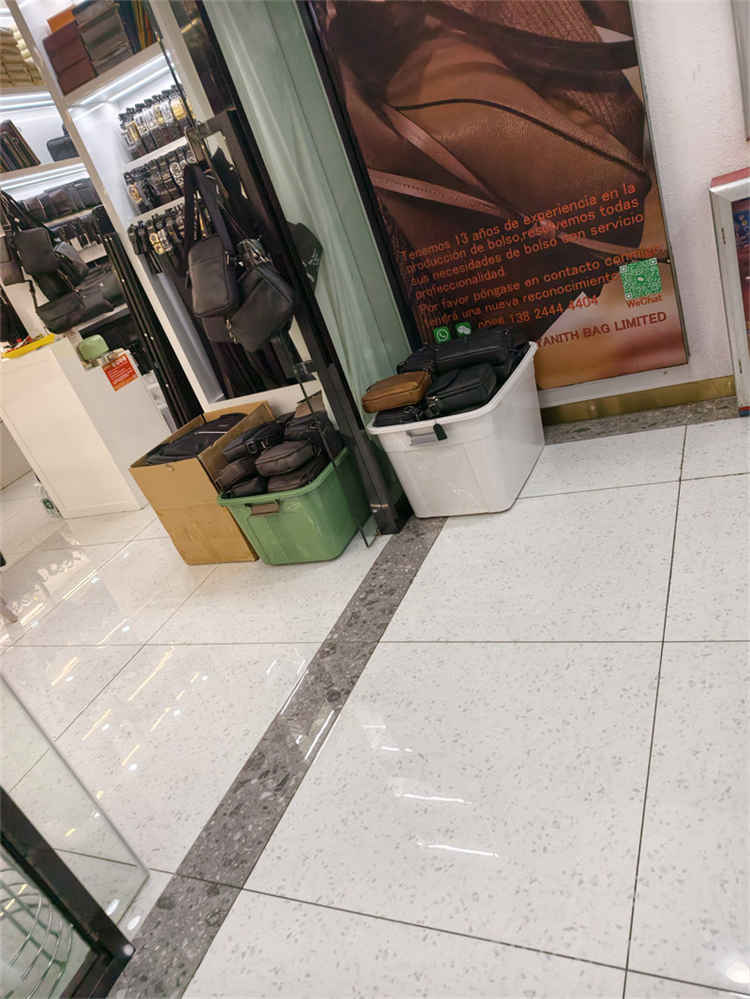
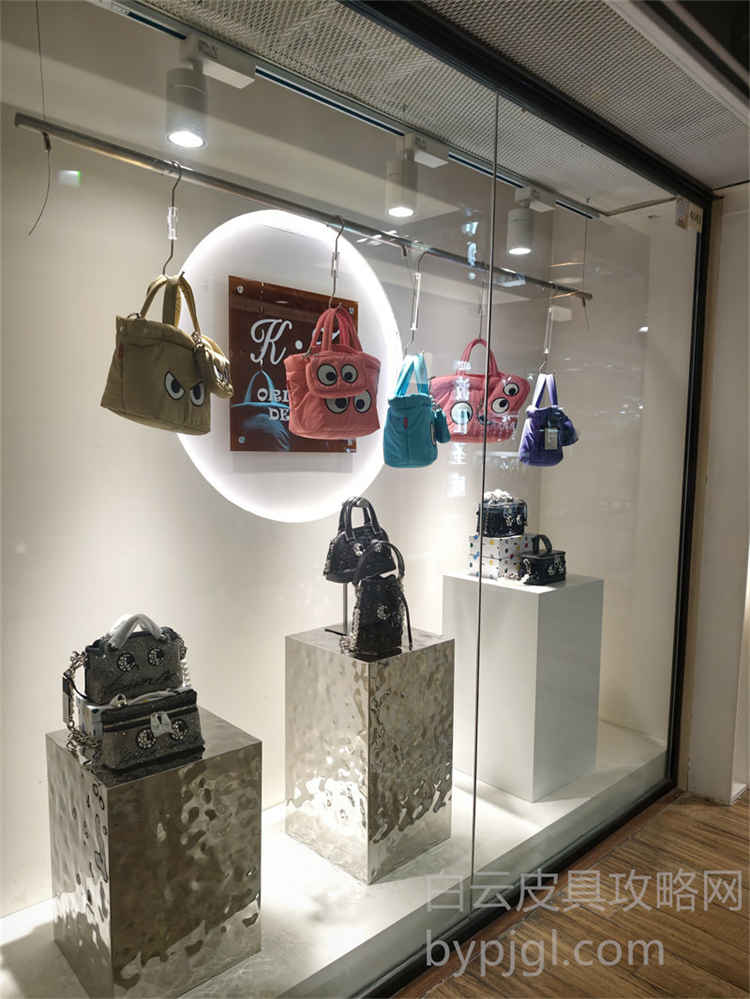
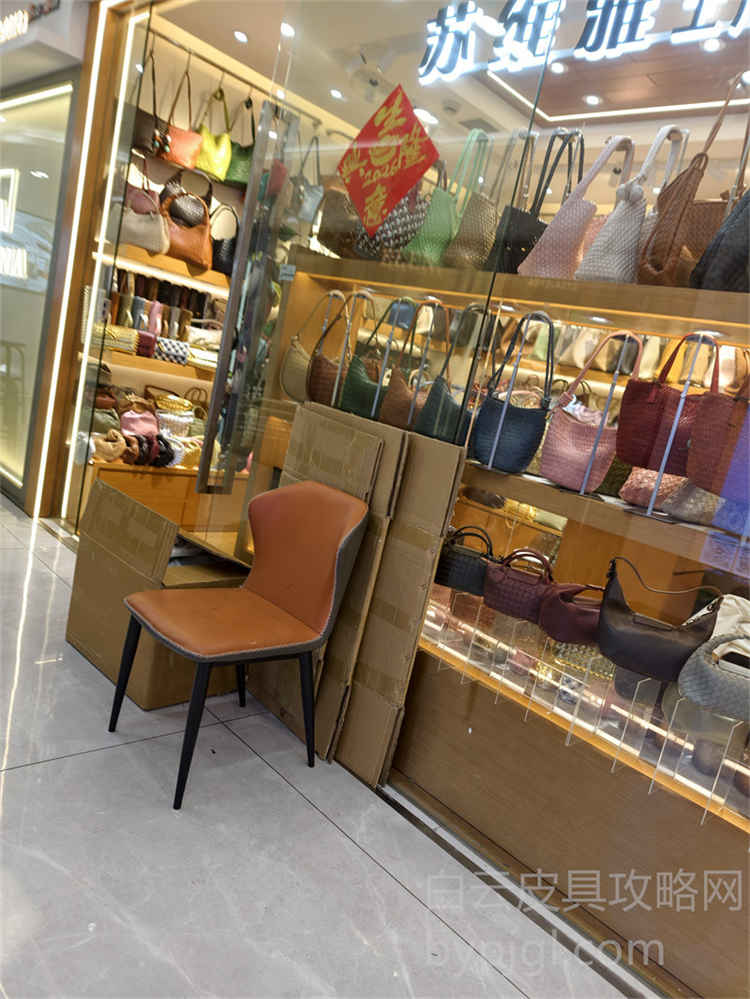
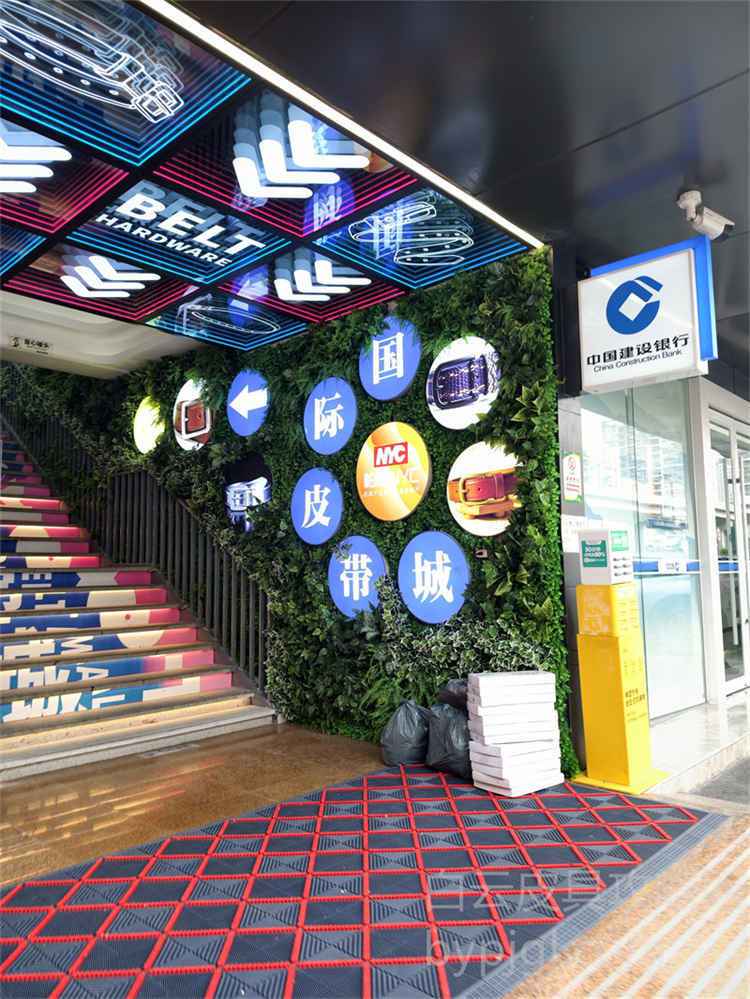
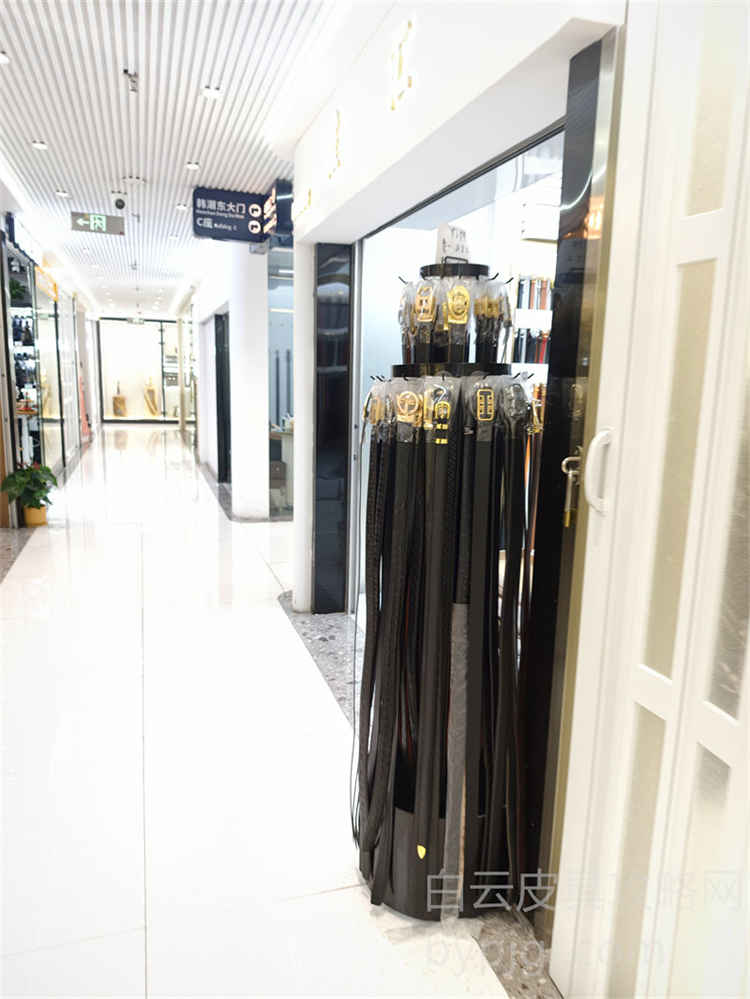
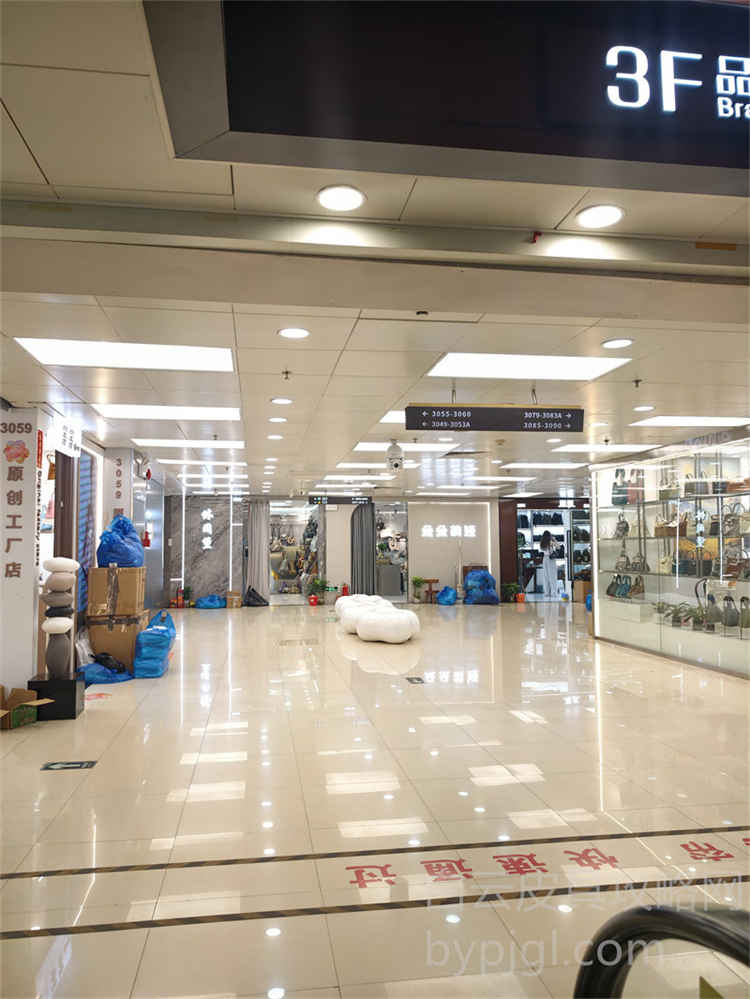
Most first-timers make the mistake of going straight to the big shopping malls or trying to order online before they even touch the product. Do not do that. The internet is full of scammers who send you low-quality junk photos and then disappear when you ask for a refund. You need to be physically present in the Baiyun Leather City area. When you arrive, ignore the flashy storefronts on the main street. Those are often just showrooms for high-end retail clients. You want to go deeper into the older buildings, the ones that look a bit worn but hum with activity. This is where the actual factories and their primary sales floors are located. Walking through these markets, you will hear a mix of Cantonese, Mandarin, and broken English. It can be overwhelming, but it is also where the best deals are hidden away from the casual browsers.
Navigating the Showrooms: How to Spot Quality Without Asking Too Many Questions
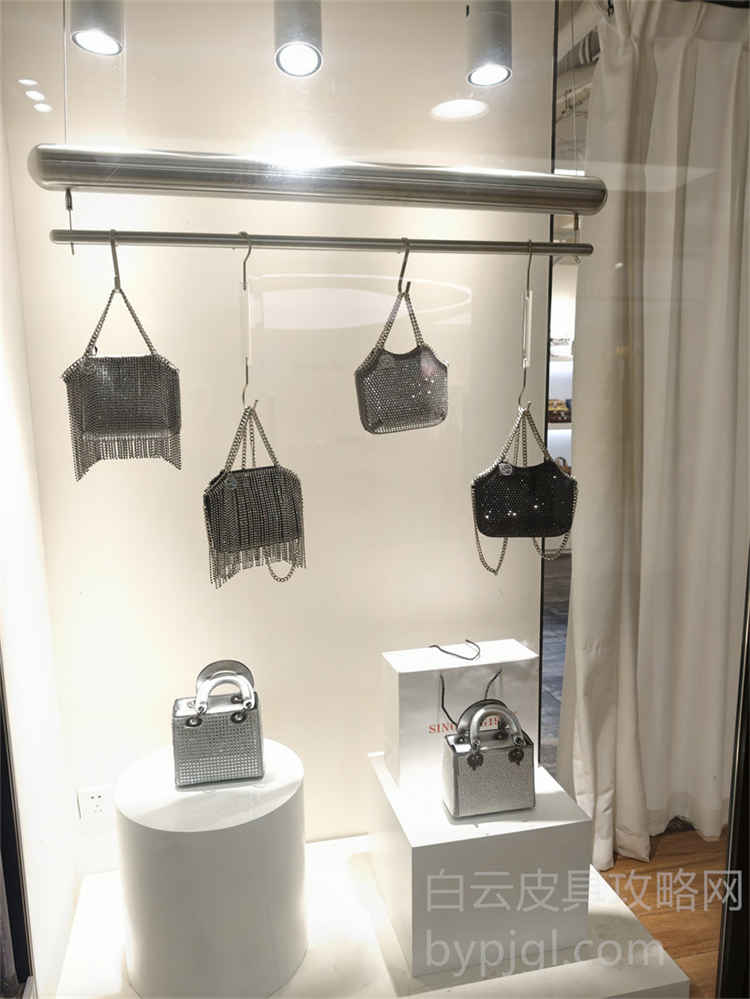
When you walk into a stall, do not start by asking for specific brand names. In fact, mentioning them immediately can get you kicked out or treated like a tourist looking for cheap souvenirs. Instead, point to the bags on the table and ask about the leather grade. We use terms like top-tier cowhide or calfskin. A good vendor will understand exactly what you mean without needing a dictionary. Look at the stitching. In our workshops, we train artisans to count stitches per inch. If the thread looks loose or the spacing is uneven, put it back down. We pride ourselves on consistency. The hardware should feel heavy, not hollow. Cheap zinc alloys tarnish quickly; we source brass and stainless steel that can withstand daily wear. When you hold a bag, run your fingers along the edges. The glazing should be smooth, not thick or sticky. These are the details that separate a factory-grade item from a mass-produced knockoff found elsewhere.
Building Trust with the Stall Owners
Relationships are currency here. I have seen buyers come in once, haggle over fifty dollars, and never return. Then there are those who buy ten pieces a month and become regulars. The difference is how you treat the people behind the counter. Speak politely, take your time to inspect the goods, and show genuine interest in the materials. If you are serious about sourcing, mention that you are looking for long-term cooperation. Most of us prefer steady orders over one-off sales. once you establish a rapport, the owner might pull out samples from under the counter that are not displayed on the shelves. These are the prototypes or the latest batches that haven't hit the general floor yet. They might offer you a better price if you commit to a certain volume. This is the kind of insider access you cannot get from a website.
The Art of Negotiation and Finalizing Your Order
Price is always a topic, but it should never be the only one. In the beginning, the quoted price includes a buffer for negotiation. Do not try to drive the price down to zero; that shows you don't value the work. Instead, focus on the total package. Ask about shipping costs, packaging options, and whether they can customize the interior lining or tags. If you are buying in bulk, ask for a discount tier. For example, ordering twenty units might drop the unit price significantly compared to buying five. Be clear about your payment methods. We accept bank transfers, Western Union, and increasingly, digital wallets. Always insist on a deposit system rather than paying 100% upfront unless you have an established history together. A small deposit secures your spot in the production queue, and the balance is paid upon inspection before shipment.
Inspection Before You Leave
This is the most critical step that many overseas buyers skip. Never leave the market without doing a final check. Lay the bag flat on the table. Check the symmetry of the handles. Open every zipper and ensure it glides smoothly without catching. Smell the leather; it should smell rich and natural, not like chemicals or plastic. If you notice any defects, point them out immediately. A reputable seller will fix minor issues on the spot or offer a replacement. Do not be afraid to ask for a photo of the specific batch you are buying. Sometimes, due to natural variations in animal hides, two bags of the same model might look slightly different. As long as the quality meets the standard we agreed upon, that is acceptable. But if the color is off or the stitching is sloppy, walk away. There are hundreds of other stalls nearby, and you do not want to be stuck with bad inventory.
Logistics and Shipping Your Goods Home
once you have selected your items and settled the price, the next challenge is getting them to your country. Most vendors in Baiyun have relationships with international couriers and freight forwarders. They can handle the customs declaration paperwork, though you must be honest about the contents to avoid seizures. Ask the vendor to pack the bags carefully, preferably in dust bags and sturdy boxes. For larger orders, you might consider sea freight to save on costs, while express air courier is better for urgent, smaller shipments. Always track your package and keep all receipts. Some vendors offer door-to-door service, which simplifies the process immensely. Just remember that shipping times vary based on customs clearance in your destination country. Patience is key. once your goods arrive, inspect them again before selling them to your customers. This ensures that no damage occurred during transit and maintains your reputation for quality.
Why Local Knowledge Matters More Than online Listings
You might wonder why you should bother traveling to Guangzhou when you can order online. The answer lies in the nuance. online listings are static; they show you what the seller wants you to see. In person, you see the texture, the weight, and the smell. You can negotiate face-to-face, read body language, and build a connection that leads to better service. You can also verify the scale of the operation. Seeing the bustling workshop behind the showroom gives you confidence that the business is legitimate. Furthermore, the market changes rapidly. New styles emerge weekly, and trends shift faster than any catalog can update. Being on the ground allows you to spot these trends early and stock up before everyone else does. This agility is what keeps businesses competitive in the global market. So, if you are serious about sourcing high-quality leather goods, plan your trip to the Baiyun District. Walk the floors, talk to the owners, and trust your eyes. That is the only way to truly understand the craft and secure the best products for your business.