Why I've Been in Baiyun for Over Two Decades
If you are reading this, you probably already know that the real action isn't happening on a website or through a cold email. It is happening right here in Guangzhou, specifically in the Baiyun district. I have been standing behind my counter in these markets since before the internet was even a household word. People often ask me why they should bother traveling halfway across the world just to walk through crowded corridors and smell like leather dust. The answer is simple: quality control and access.
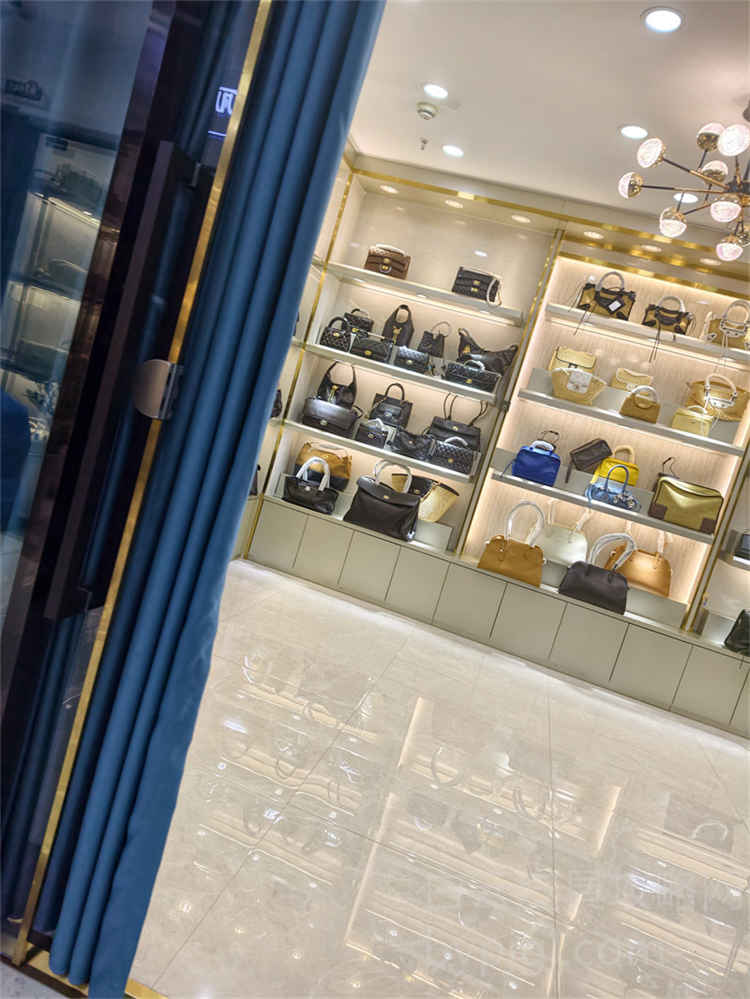
When you search for top-tier bag sources online, you get flooded with generic listings that look identical. But when you step into the actual wholesale hubs of Baiyun, you see the difference between a factory sample and a mass-produced item meant for the discount bin. My shop has survived because I don't just sell; I curate. I know which factories actually make the goods and which ones just slap a label on something cheap. If you want the real deal, you need to understand the rhythm of these markets. It is not about finding a "designer" version; it is about finding the best craftsmanship available in China without paying the luxury markup.
Navigating the Physical Market Landscape
The Layout of the Major Hubs
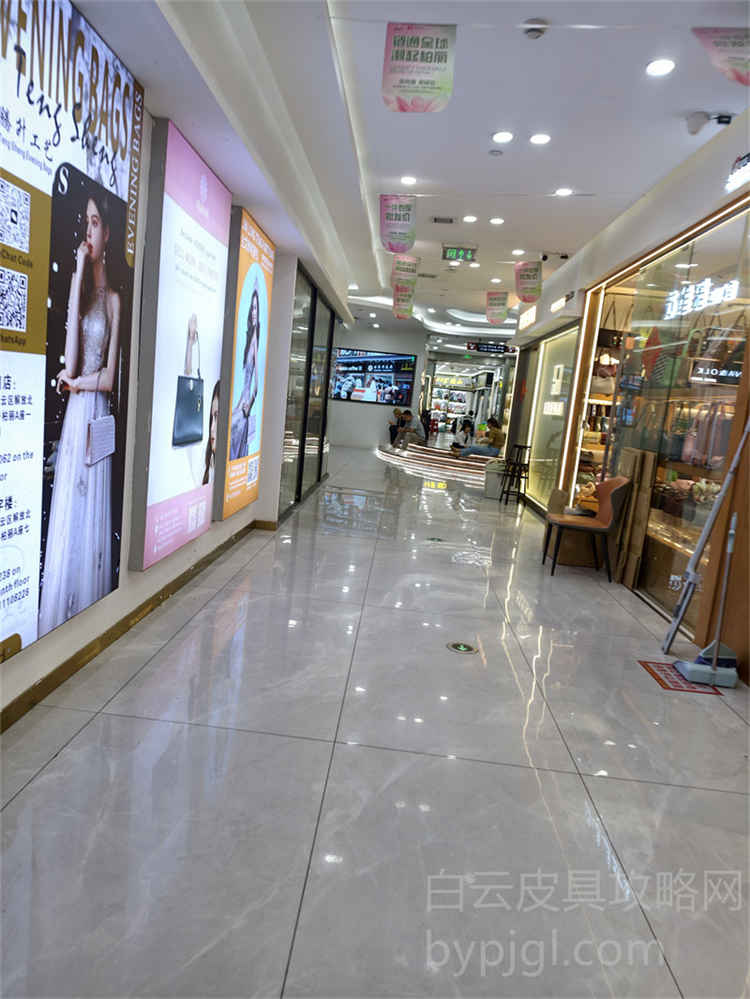
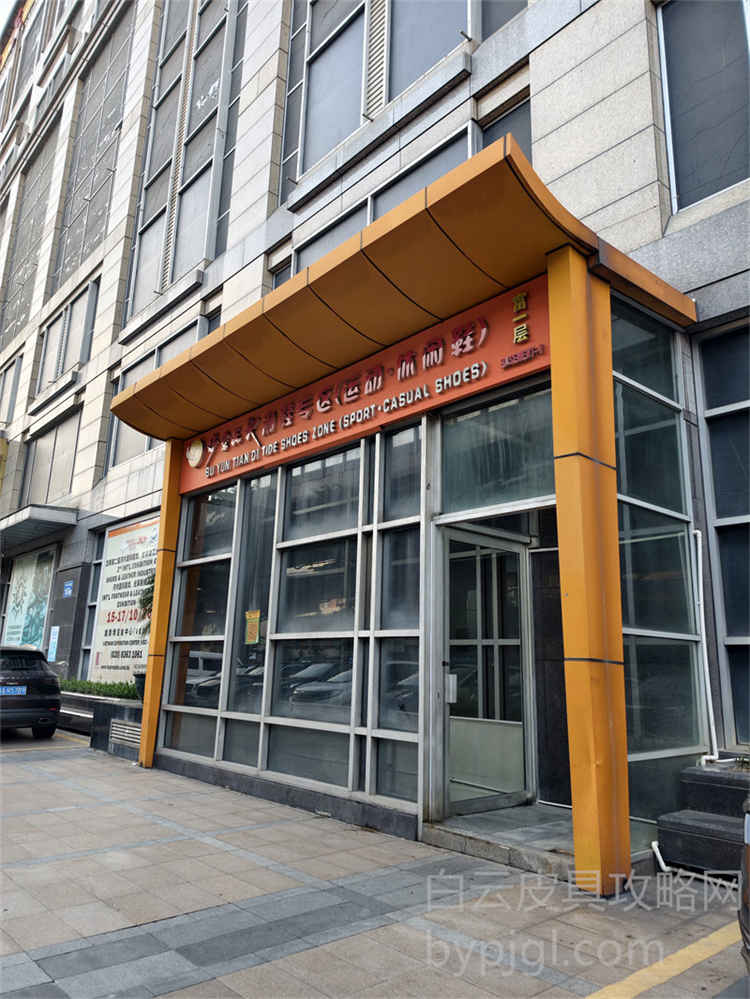
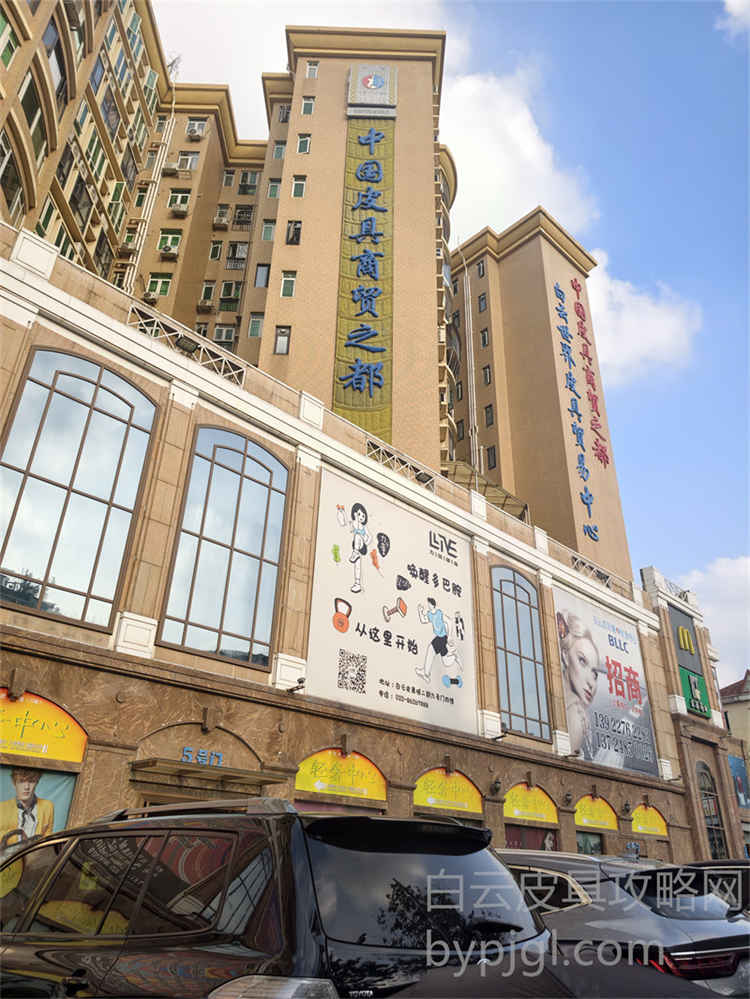
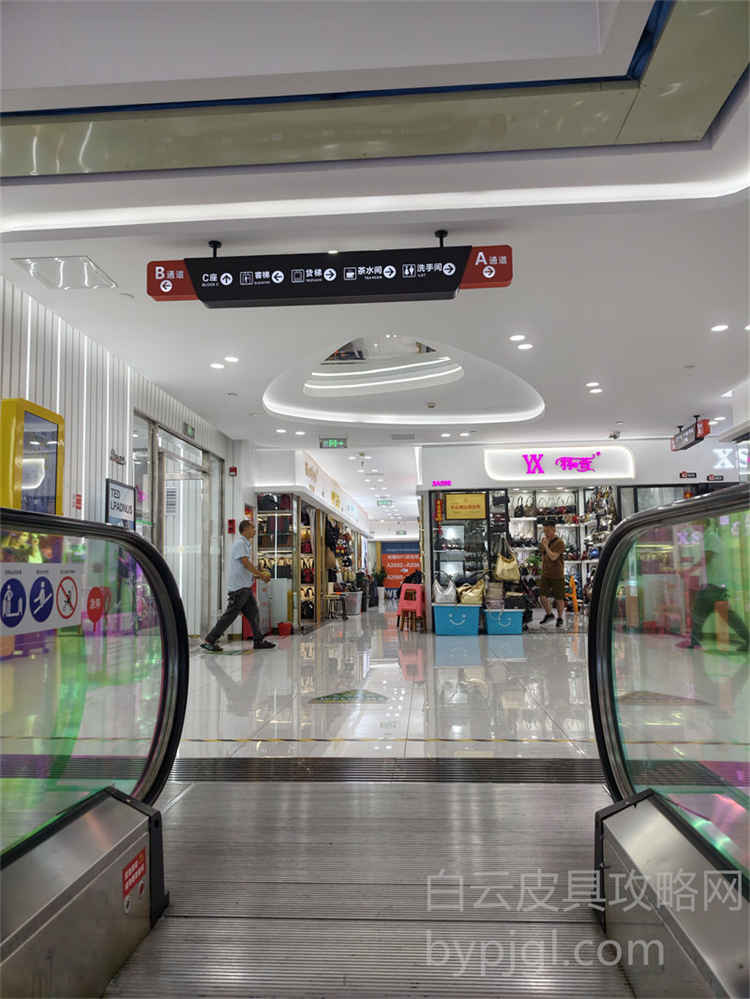
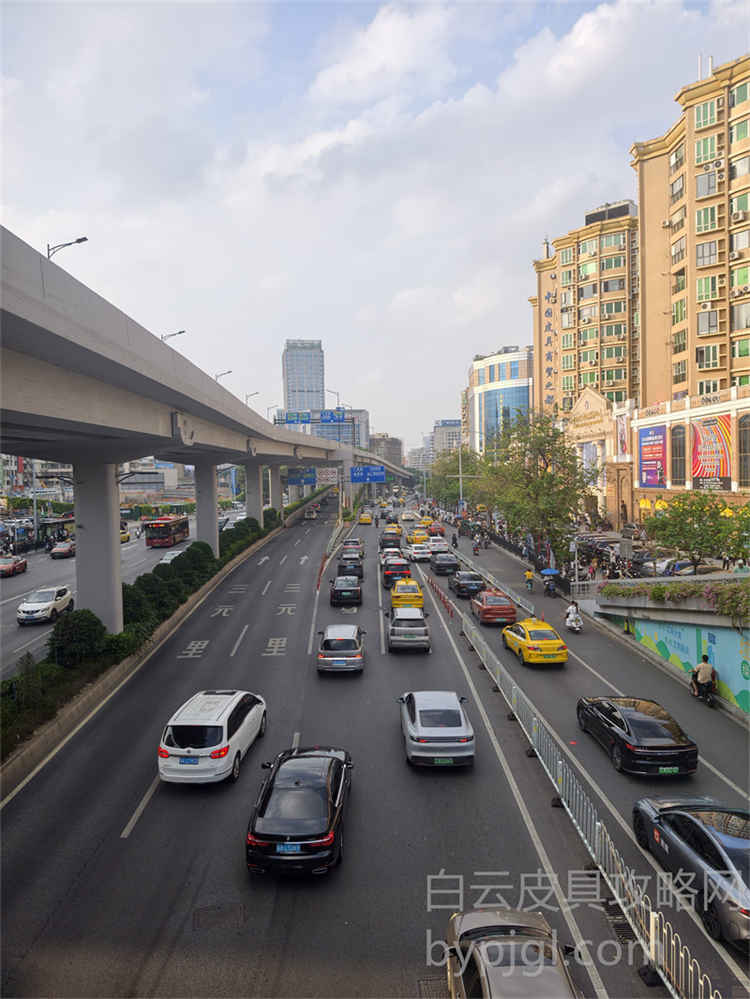
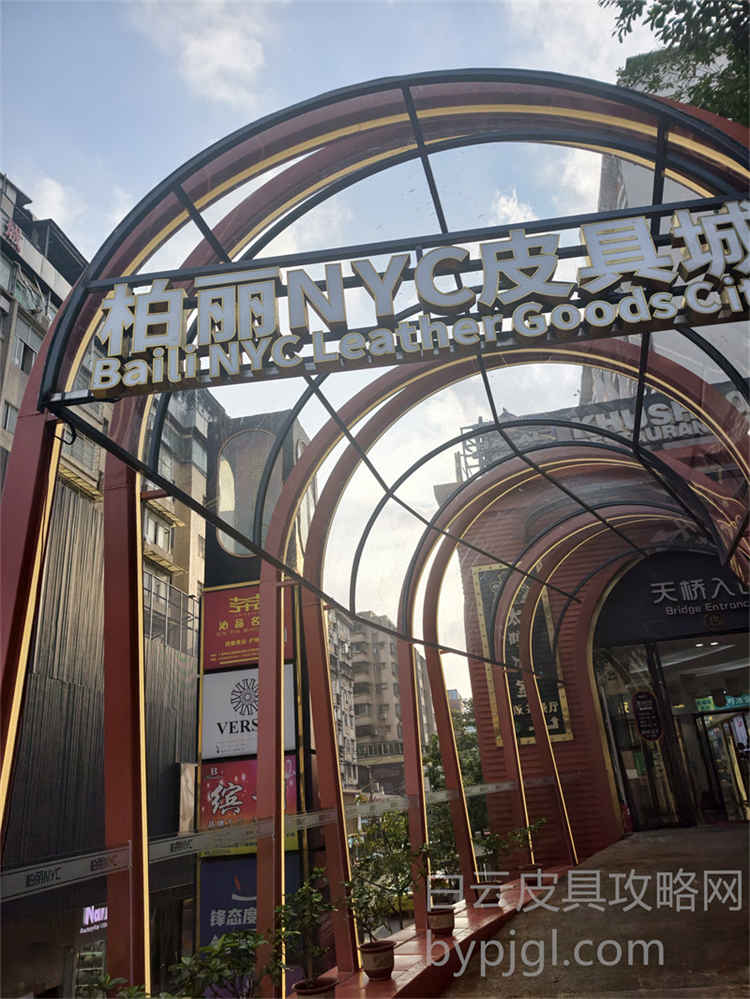
First things first, do not just show up at one building and expect to find everything. The Baiyun area is massive, and the markets are specialized. You have the famous buildings that everyone talks about, but there are also smaller, less touristy blocks where the serious buyers go. When I guide new clients, I tell them to start at the main entrance of the largest complex to get oriented, but then immediately head to the upper floors or the side alleys. That is where the high-end production lines are located.
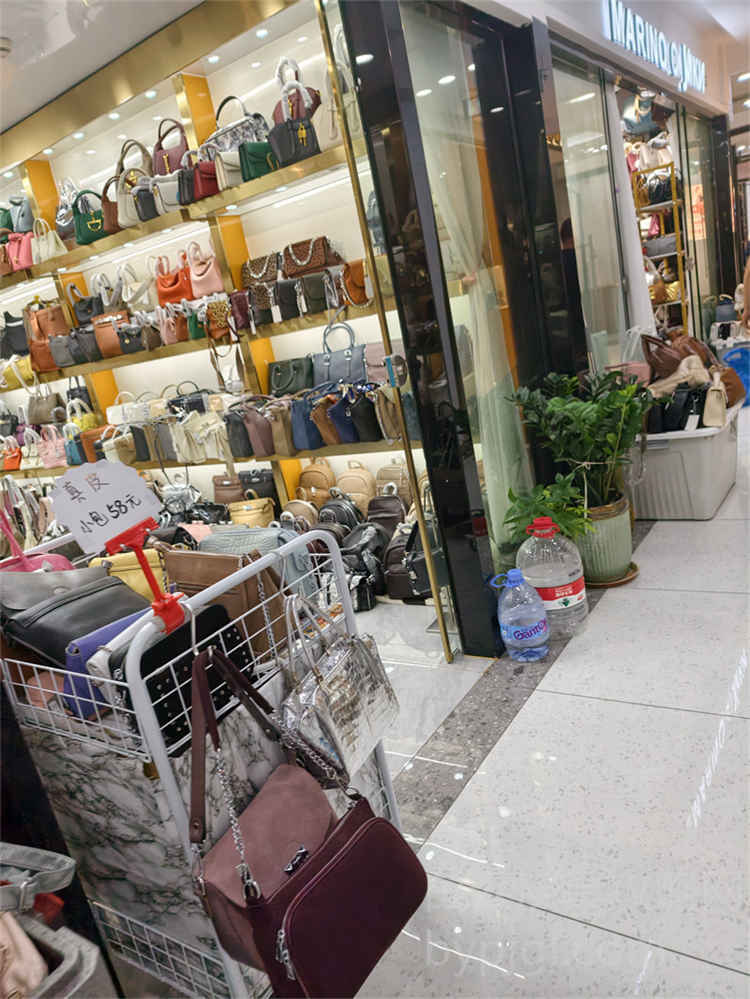
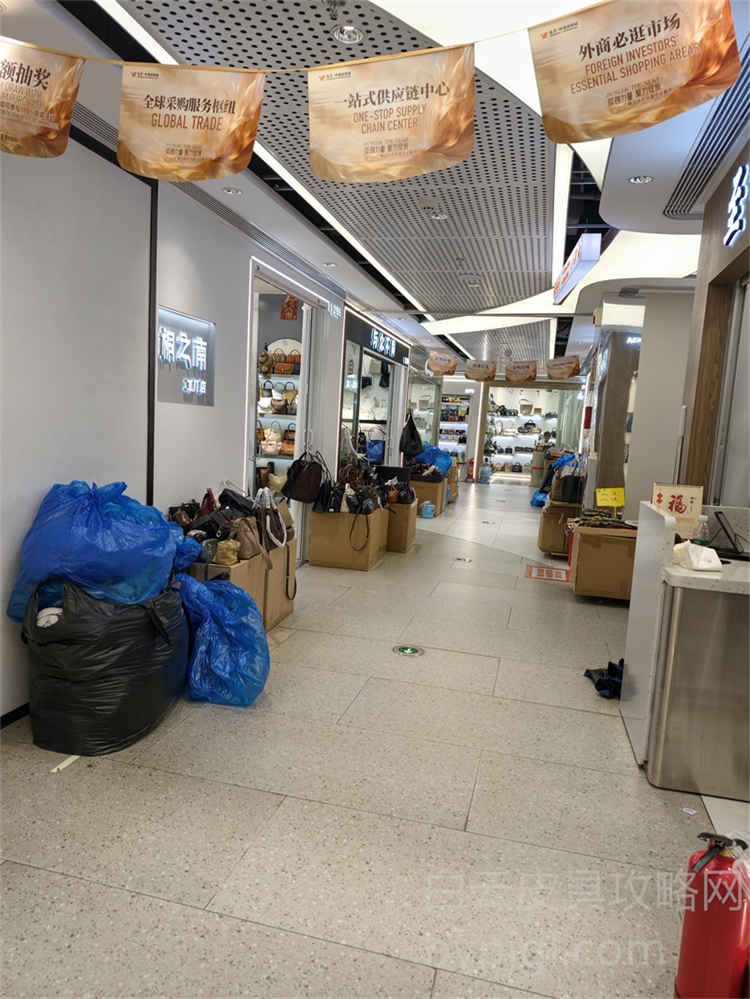
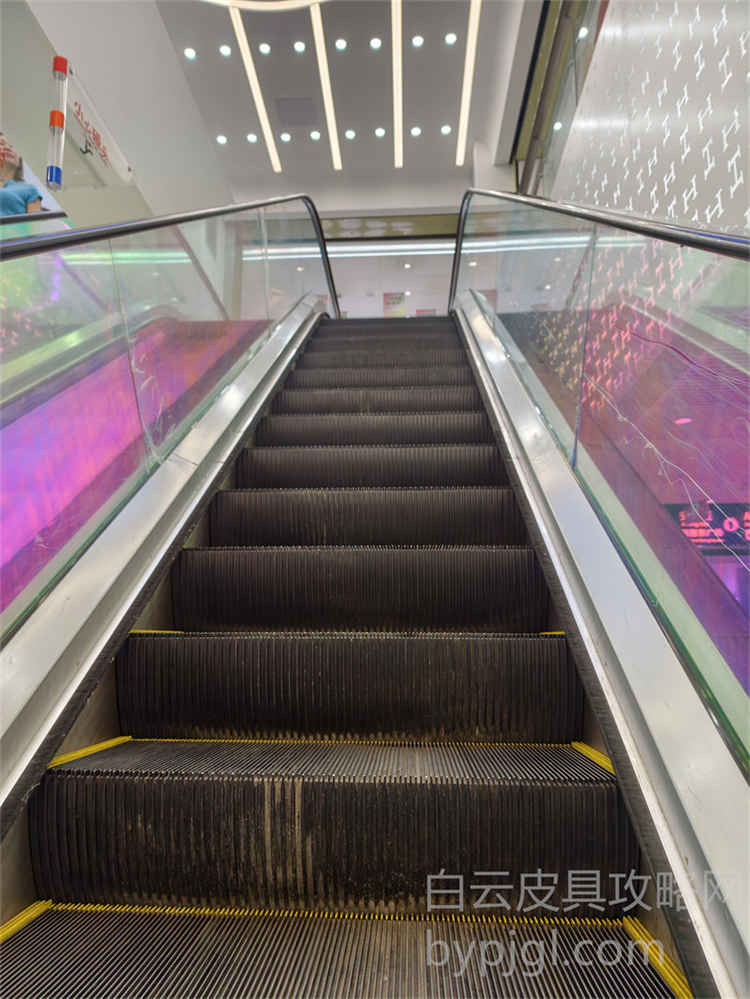
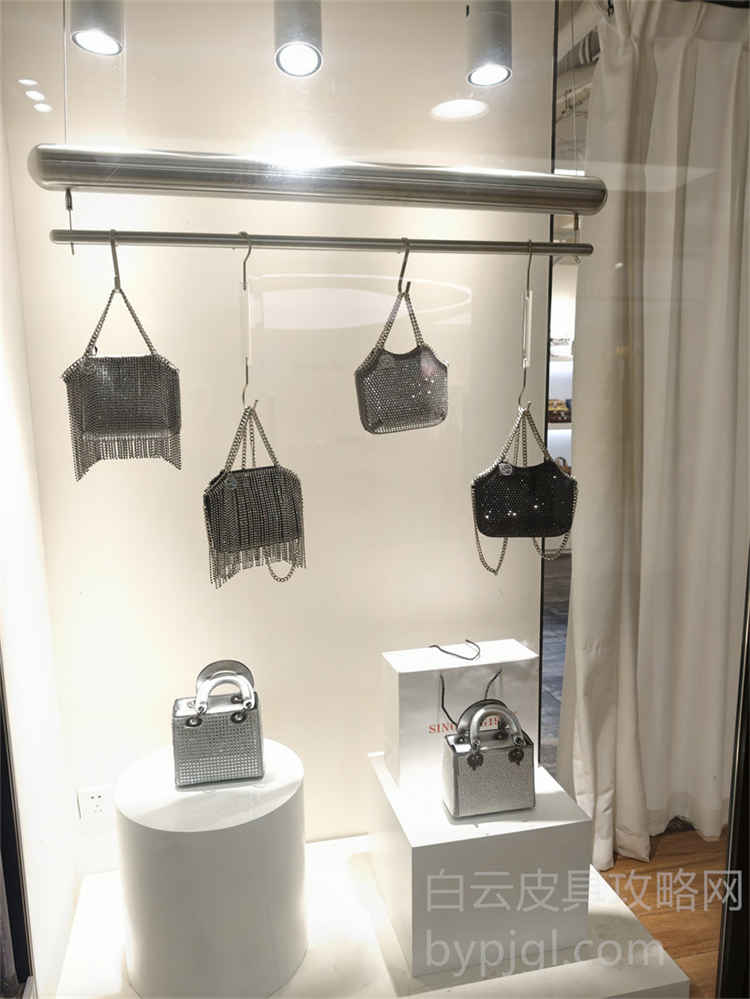
The ground floor is often filled with tourists looking for souvenirs. The real sourcing happens on the second, third, and fourth floors. These areas are packed with booths that display only a few samples but have entire warehouses full of stock in the back. You will notice that the lighting is brighter here, and the staff speaks more English than the guys downstairs. They are used to dealing with international buyers who know what they want. If you stay on the lower levels, you will be stuck negotiating over low-quality items that no serious retailer would touch.
Reading the Booths Like a Pro
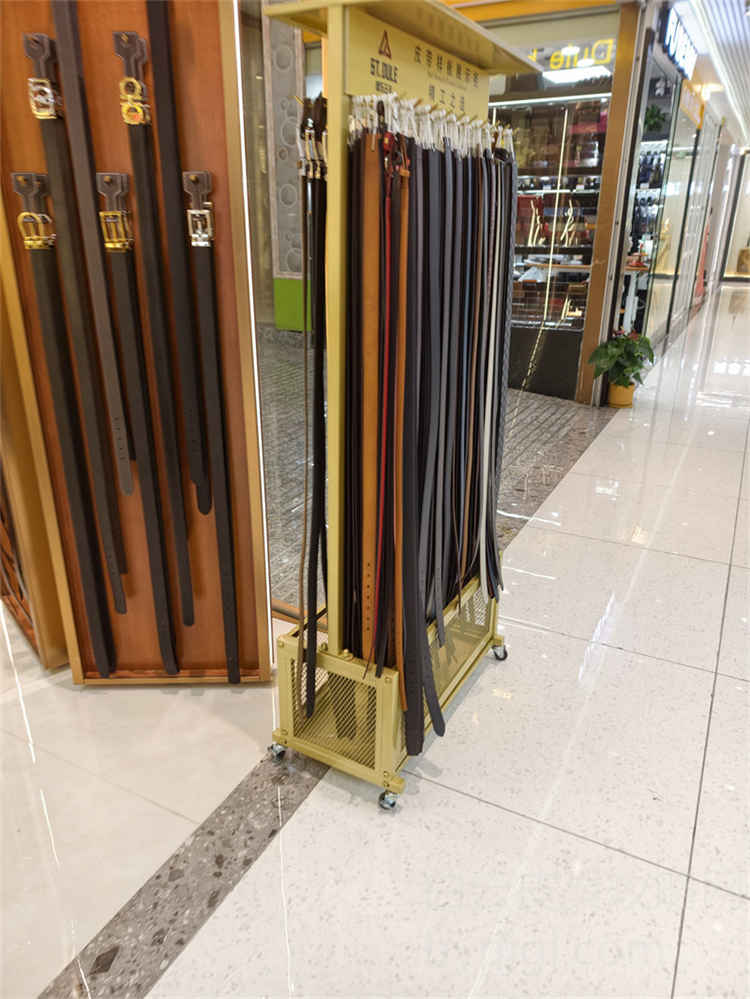
Walking into a booth can be overwhelming if you do not know what to look for. A good stall owner will not try to push you into buying immediately. Instead, they will ask you what kind of style you are targeting. In Baiyun, we categorize our goods by construction method and material grade. Do not be afraid to ask to see the inside lining, the stitching density, and the hardware weight. I always tell my customers to bring a small flashlight. The way light hits the grain of the leather tells you more than any sales pitch.
Some stalls have rows of bags that look perfect from the front but fall apart when you open them. This is the trap. Real top-tier sources will show you the raw materials. They might have a stack of hides nearby or a box of zippers from specific manufacturers. If a vendor cannot explain where their hardware comes from or what type of leather tanning process was used, move on. We pride ourselves on transparency here. The best suppliers in Baiyun are proud of their supply chain because they know it is superior to what you can find elsewhere.
The Art of Selection and Negotiation
Building Relationships Over Transactions
This is the part that confuses most first-time visitors. In the West, you buy a product. Here, you build a relationship. If you treat every interaction as a one-off transaction, you will pay retail prices disguised as wholesale. I have seen buyers come in, haggle over fifty dollars, and leave empty-handed because the supplier felt disrespected. On the other hand, if you approach with respect and show genuine interest in the craft, the doors open.
When I talk to regular clients, we do not just discuss price. We discuss volume, consistency, and future orders. The pricing structure in Baiyun is tiered. The more you commit to ordering, the better the margin you get. But the real value is in the flexibility. A good supplier will allow you to mix styles or adjust minor details if you are ordering a large quantity. This customization is impossible if you are just scrolling through an e-commerce site. You need to be here to negotiate these terms face-to-face.
Inspection and Quality Verification
Never, ever ship anything out of Guangzhou without inspecting it yourself. Even if you have a trusted agent, you need to see the goods. I spend hours checking every single bag in my inventory. I check the symmetry of the handles, the alignment of the pattern, and the smoothness of the zipper pull. In Baiyun, we call this "checking the bones." If the structure is weak, no amount of polishing will fix it.
There is a specific time of day when the best deals happen. Usually, late afternoon is when the owners are wrapping up and willing to offer discounts to clear space for the next shipment. However, do not rush. Take your time. Bring a friend who knows leather if you can. Ask to see the "master sample" versus the "production run." Sometimes the master sample is perfect, but the bulk order is slightly different. A reputable source will admit this and offer a solution, whereas a scammer will try to hide it until you have paid.
Avoiding Pitfalls and Securing Your Supply Chain
Red Flags to Watch For
Even after twenty years, I still see people get burned. One major red flag is a supplier who refuses to meet in person or insists on sending photos via WhatsApp without video calls. Another is a price that seems too good to be true. If a bag costs ten times less than the market average, it is likely made from synthetic materials that will crack within months. In Baiyun, we compete on quality, not just price. The top-tier sources charge a premium because they use better leather and hardware.
Also, be wary of agents who claim to represent multiple factories but never let you visit the actual workshop. Real sourcing means going to the source. If they are hiding the location, they are likely reselling goods they bought from someone else, adding a middleman fee to your cost. Trust your instincts. If something feels off, walk away. There are hundreds of other booths in Baiyun waiting for you.
Logistics and Shipping Considerations
once you have selected your goods, the next challenge is getting them home. Baiyun has excellent logistics networks. Most suppliers have relationships with freight forwarders who specialize in international shipping. Do not try to handle this alone unless you are an expert. Work with your supplier to consolidate your orders. Shipping individual packages is expensive and risky. Consolidation saves money and reduces the chance of damage during transit.
Make sure you have all the necessary documentation ready. Customs can be strict depending on your country's regulations. While we do not deal in counterfeit goods, we do deal in high-quality manufacturing that requires proper declaration. Be honest with your customs broker about the nature of the goods. Transparency prevents delays and seizures. The goal is to get your inventory safely into your warehouse so you can start selling.
Final Thoughts on Sourcing Success
Coming to Guangzhou Baiyun is not just a shopping trip; it is an investment in your business. The knowledge you gain walking these floors, talking to these vendors, and seeing the production process firsthand is invaluable. It sets you apart from competitors who rely solely on online directories. The connections you make here can last for years, providing you with exclusive access to new designs and better pricing.
So, pack your bags, bring your curiosity, and be ready to work hard. The rewards of sourcing directly from the heart of the global leather industry are worth every mile. Whether you are looking for classic styles or trending designs, the answers are waiting for you in the bustling streets of Baiyun. Just remember to keep your eyes open, trust your gut, and always prioritize quality over the lowest price tag.