Walking the Floors: A Veteran's Guide to Sourcing in Guangzhou
Welcome to the real deal. If you are reading this, you probably know that the internet is flooded with photos and promises, but nothing beats standing on the ground in Guangzhou to see what you are actually buying. I have been running a stall in the Baiyun district for over fifteen years. I have seen trends come and go, styles change, and buyers from all over the world walk through my doors. Some leave happy, others leave frustrated because they fell for the wrong pitch. My goal today is not to sell you a dream, but to give you the roadmap I use every single day when I am sourcing high-end leather goods for my regular clients overseas.
The first thing you need to understand is that there is no such thing as a "factory direct" store that just hands out top-tier stock without a relationship. The market here is built on trust and volume. When people ask about the best sources, they are usually looking at the massive wholesale hubs around the Baiyun area. This is where the action happens. It is loud, it is chaotic, and it is incredibly rewarding if you know how to navigate it. Forget the fancy websites; the real inventory lives in these concrete buildings where the air smells of leather and glue.
Navigating the Market Landscape
Understanding the Hierarchy of Wholesale Centers
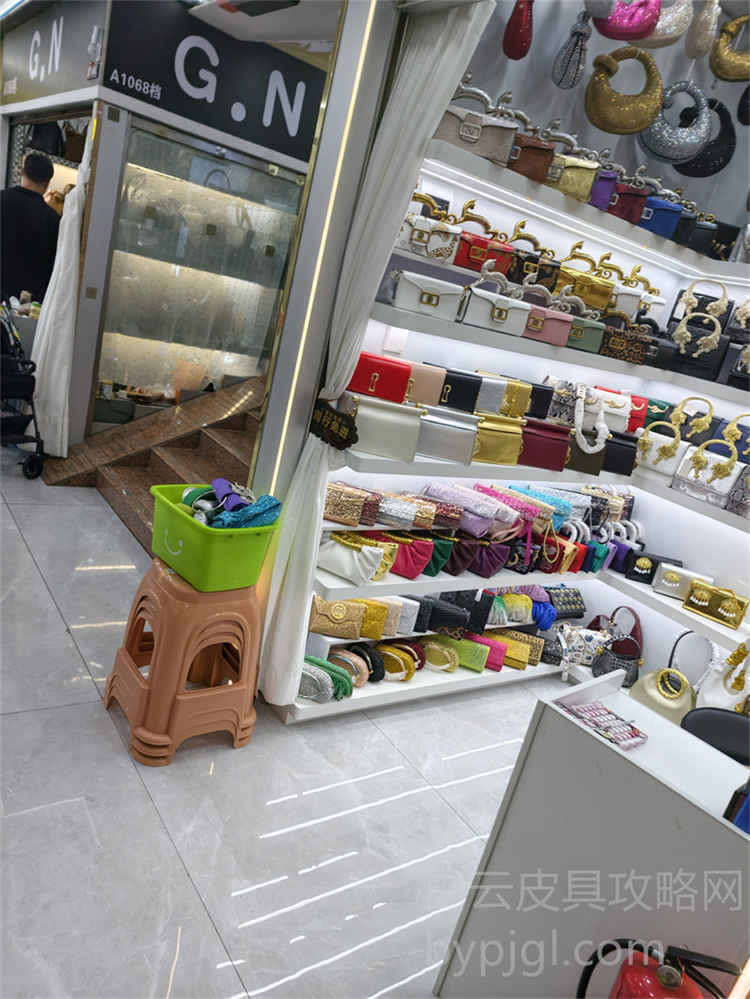
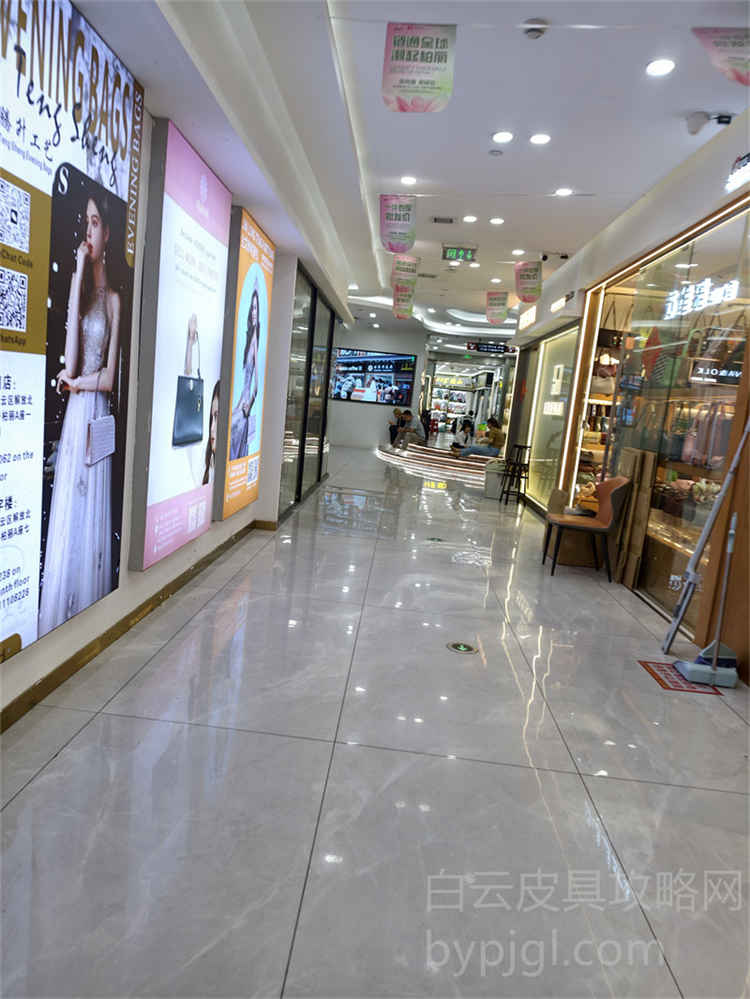
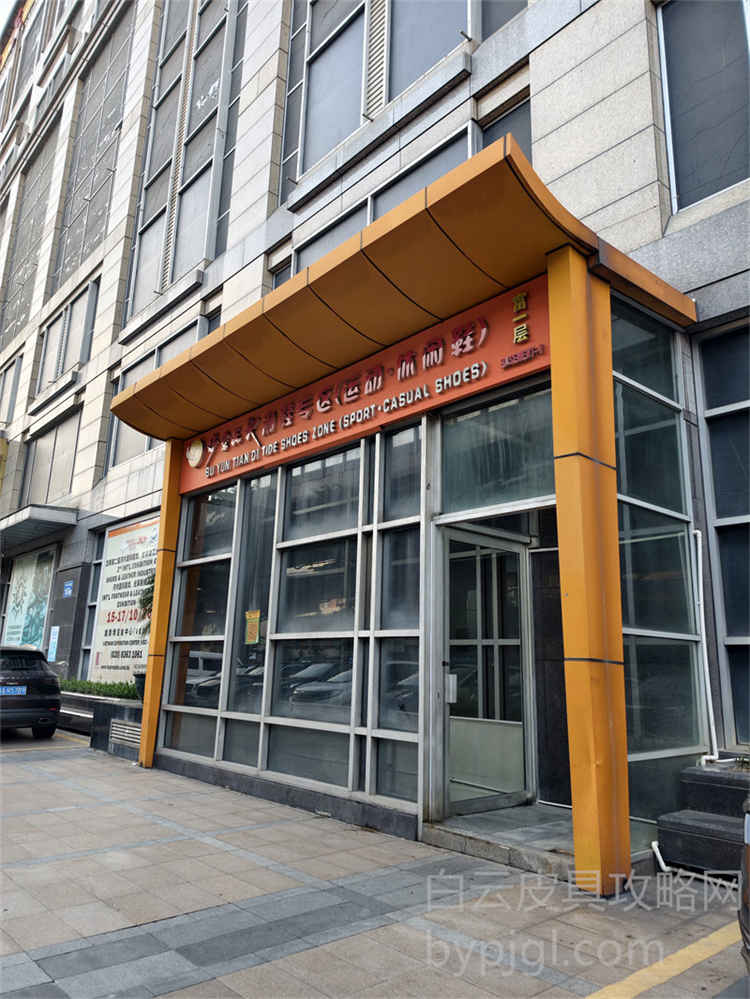
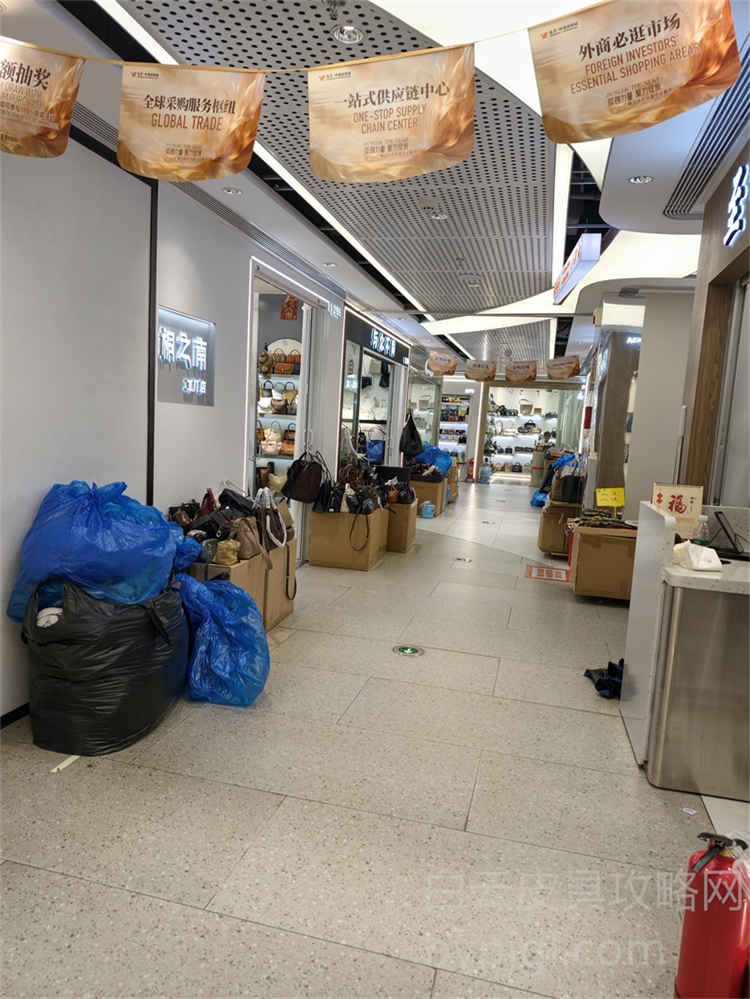
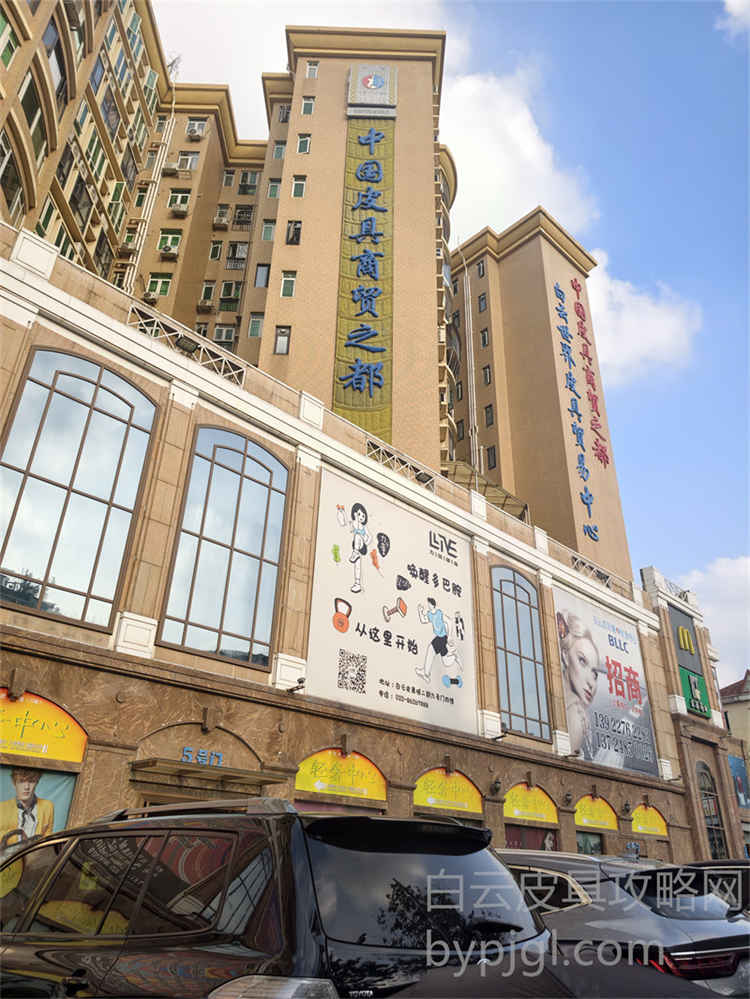
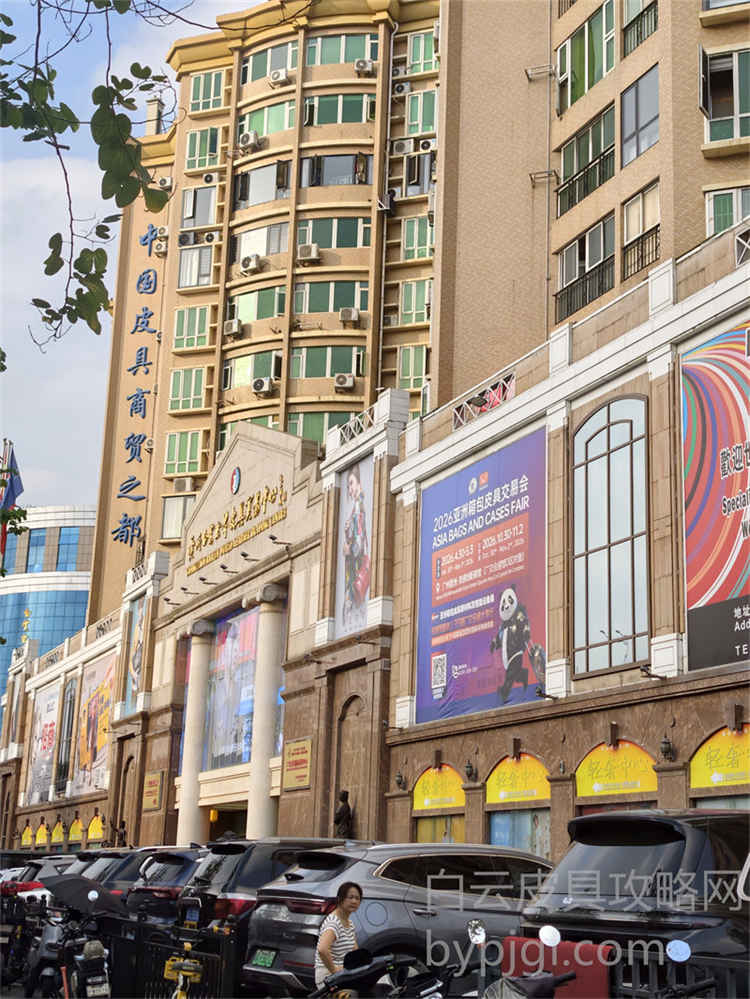
You cannot just wander into any building and expect to find premium quality. The market is stratified. There are the small shops selling low-grade items, and then there are the elite showrooms in places like the World Leather Trade Center or the specific blocks within the Baiyun International Leather City. These are the places where the real craftsmanship lives. When I take a new buyer here, the first step is always to skip the street stalls and head straight for the main corridors of these large complexes. You will see signs everywhere, but do not be fooled by flashy neon lights. Look for the shops with heavy glass doors and well-lit displays inside.
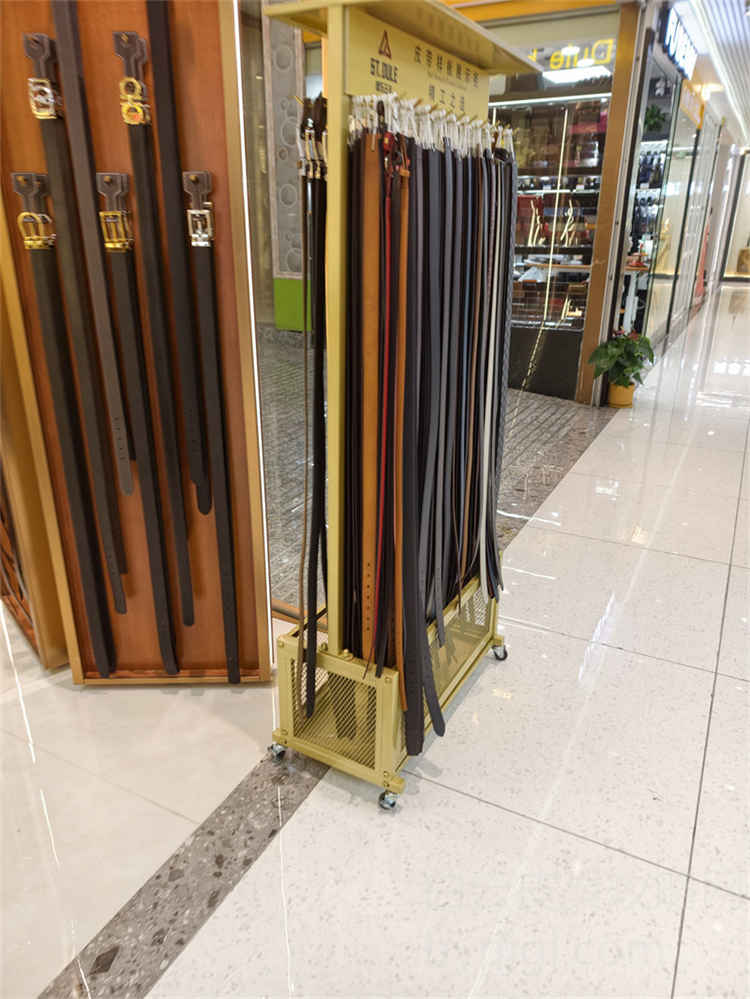
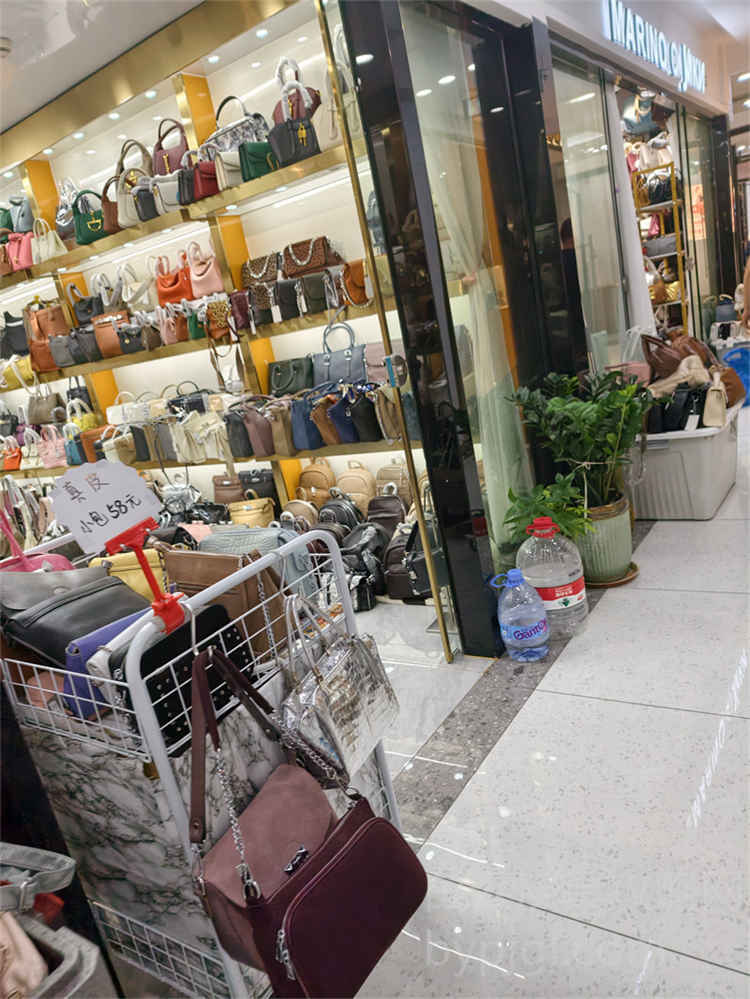
The layout can be confusing if you are not used to it. Think of it like a maze. Some buildings focus on bags, while others specialize in wallets or belts. In the Baiyun district, you will find clusters dedicated specifically to handbags. As you walk down the aisles, notice the difference in the staff. In the lower tier shops, the salespeople might push hard to get a quick sale. In the higher tier showrooms, the owners or senior managers are often behind the counter, ready to discuss details. They know their materials because they source the hides themselves. This distinction is crucial for anyone looking for genuine craftsmanship.
The Art of Selection and Inspection
Touching the Material Before Buying
once you are inside a reputable showroom, do not let them rush you. The most important part of the process is the tactile experience. In my shop, I always tell my international guests to pick up the bag. Feel the weight. Real leather has a specific heft and texture that synthetic materials simply cannot mimic. Run your fingers along the stitching. High-quality production means even, tight stitches with no loose threads. Check the hardware. Does it feel cold and solid? Or does it feel light and hollow? The weight of the metal zippers and clasps tells you everything about the durability.
I also advise buyers to look at the interior lining. Many sellers hide poor workmanship inside the bag where it is hard to see. Open every pocket, check the seams, and smell the leather. Good leather smells rich and earthy, not chemical or plastic-like. When we talk about sourcing, we are talking about finding pieces that hold up over time. If a bag looks perfect in the photo but feels cheap in your hand, walk away. I have seen too many buyers make this mistake because they relied solely on images sent via chat apps. Never buy without seeing the item in person.
Building Relationships and Negotiating
Talking Like a Local Buyer
Here is a secret that most guides won't tell you: price is not the only factor. In Guangzhou, relationships matter more than anything else. When you walk into a shop, do not act like a tourist asking for the cheapest price. Act like a business partner. Ask questions about the tanning process, the origin of the leather, and the production timeline. Show that you care about quality. When I speak with serious buyers, I treat them as long-term partners. We discuss volume discounts, custom orders, and shipping logistics. This approach opens doors that closed to casual shoppers.
Negotiation is an art form here. Do not start by haggling immediately. First, establish the value of the product. once you have inspected the quality and confirmed it meets your standards, then you can discuss the numbers. Be firm but polite. If you are buying in bulk, you have leverage. If you are taking just one piece, you might pay a slightly higher unit price, but you can still negotiate on shipping costs or packaging. Remember, the vendors here want repeat customers. If you treat them with respect and show you understand the industry, they will give you their best prices and priority service.
Avoiding Pitfalls and Ensuring Safety
Red Flags to Watch Out For
Even with the best intentions, things can go wrong if you are not careful. One common trap is being offered a "special deal" by someone who approaches you on the street rather than inside a formal showroom. These individuals often claim to have access to exclusive stock that is not available to the public. This is almost always a scam. Stick to the established markets. Another red flag is when a seller refuses to let you inspect the bag thoroughly or gets defensive when you ask detailed questions about the construction. Trust your gut. If something feels off, it probably is.
Also, be mindful of the payment methods. Always use secure channels that offer protection for both parties. Avoid transferring money directly to personal accounts unless you have a deep, established relationship with the owner. In the Baiyun district, there are many legitimate businesses that operate with full transparency. They provide invoices, clear contracts, and reliable shipping options. By sticking to these professional environments, you minimize your risk significantly. Take your time, do your due diligence, and enjoy the process of discovering the incredible variety of goods this city has to offer.