Why Shijing is the Real Pulse of Guangzhou's Bag Trade
Listen, I've been standing behind this counter in Guangzhou for over fifteen years. While everyone else is talking about the fancy malls or the tourist traps, I know the real action happens where the dust settles and the trucks rumble all night. That place is Shijing. If you are an overseas buyer looking to source bags without getting ripped off, forget what you read on generic blogs. The truth is found in the narrow alleys of Shijing, not in the polished showrooms of Baiyun.
When people ask me where to find the best deals, my first instinct is always to point them toward Shijing. It isn't just a market; it is a massive ecosystem of factories, warehouses, and wholesale stalls that operates on its own rhythm. Unlike the more famous markets that cater to tourists with fixed prices, Shijing is where the actual volume moves. This is the heart of the supply chain, where the goods leave the factory floor and head straight to international buyers. You won't find luxury brand names here because we don't deal in those labels. We deal in quality leather, solid hardware, and designs that sell themselves based on craftsmanship and price, not logos.
Navigating the Chaos: Getting Your Bearings
The First Step: Leave the Tourist Zone Behind
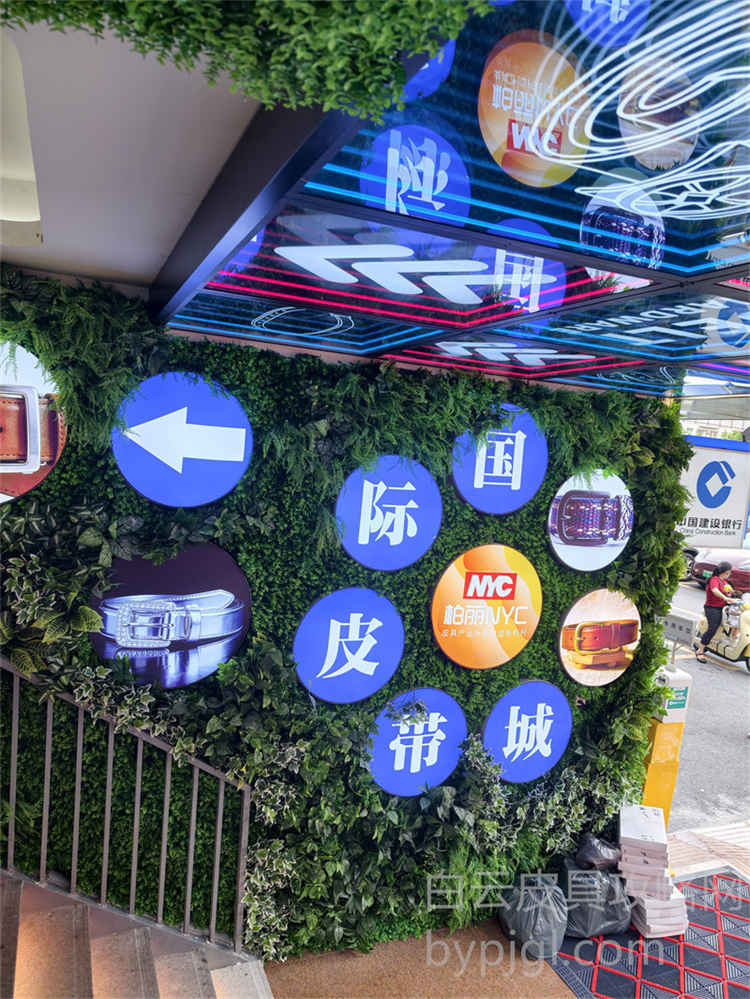
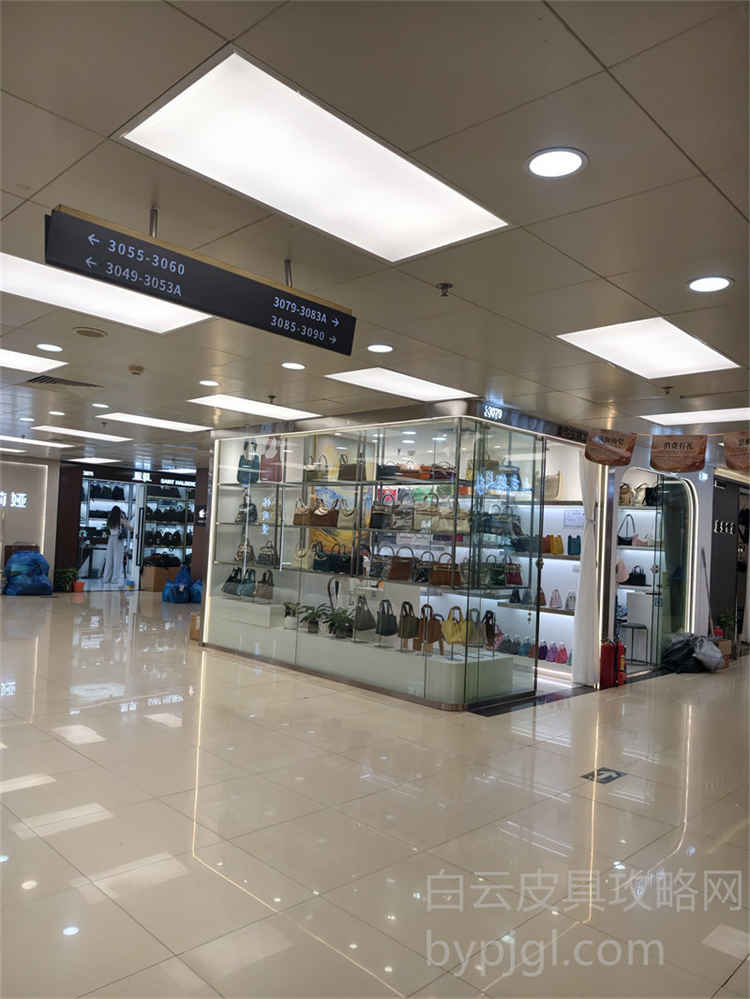
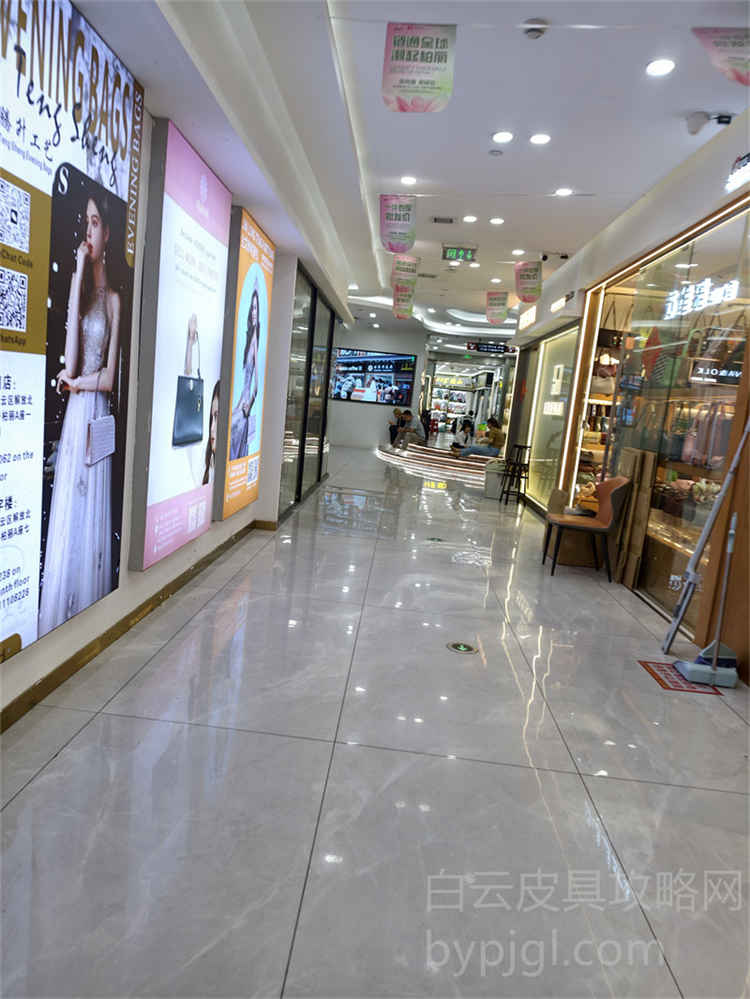
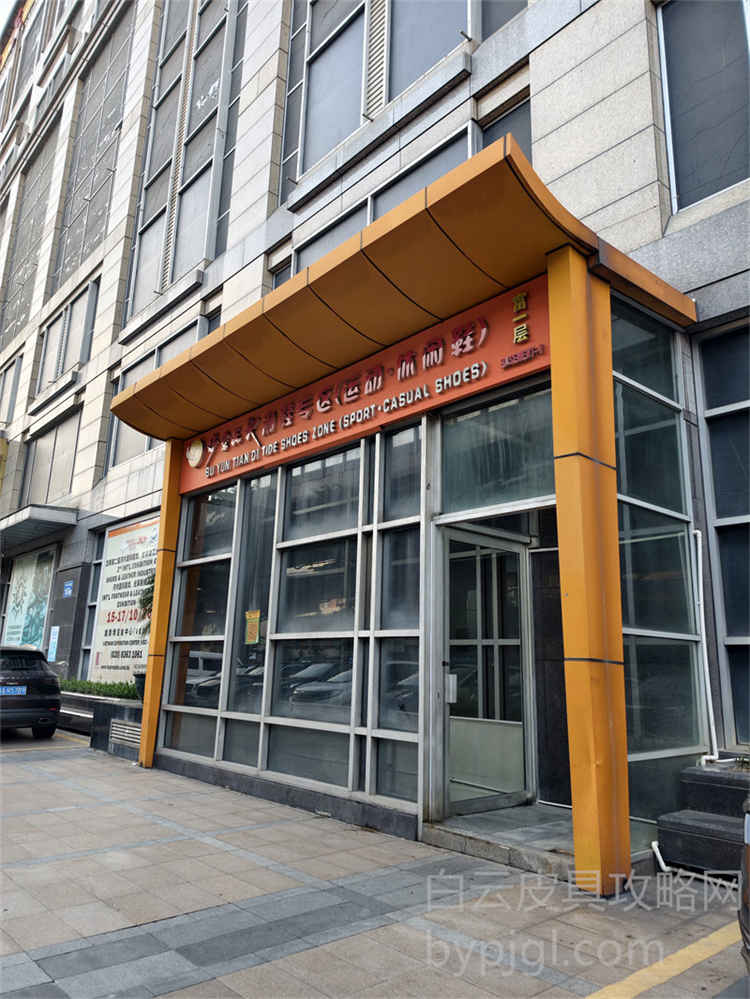
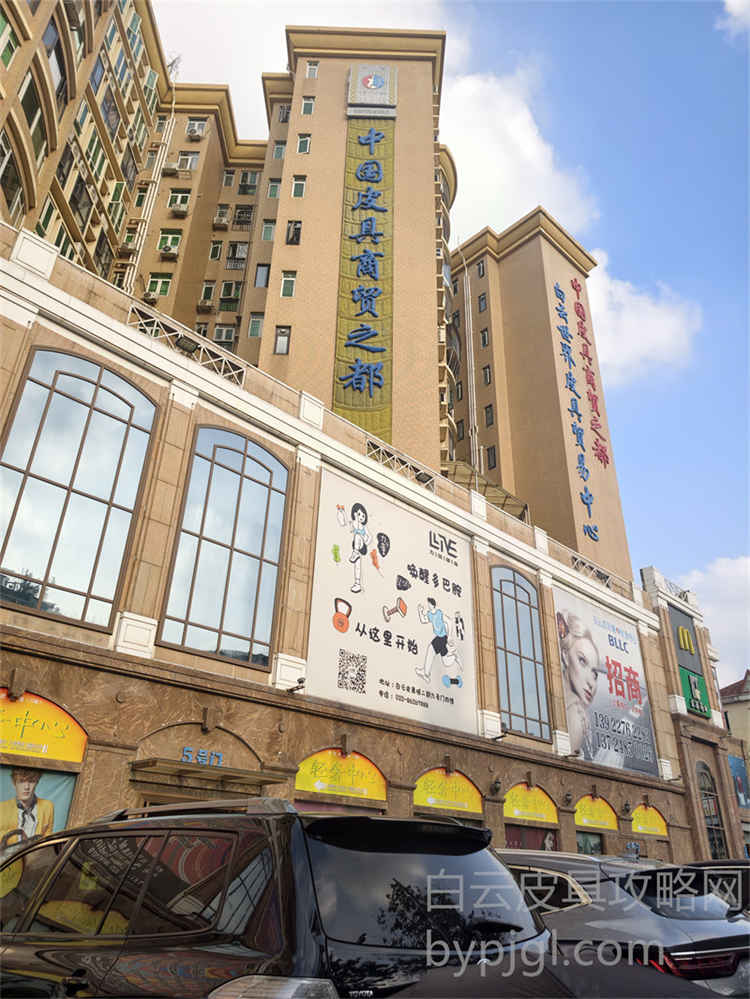
Most first-time visitors make the mistake of staying in the main Baiyun International Leather City area. It's clean, it's air-conditioned, and yes, it has some good stuff, but the margins are thin and the prices are marked up for the casual walk-in. To get the real wholesale experience, you need to head west towards Shijing. The moment you step out of the main metro station and into the streets, the vibe changes. It's louder, busier, and much more authentic.
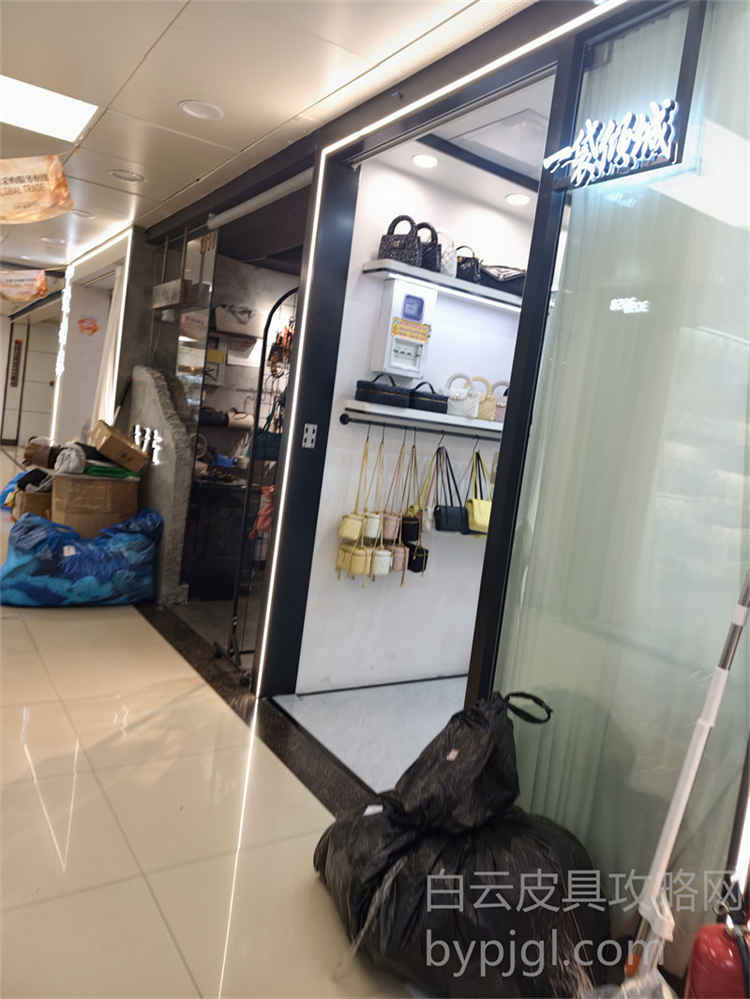
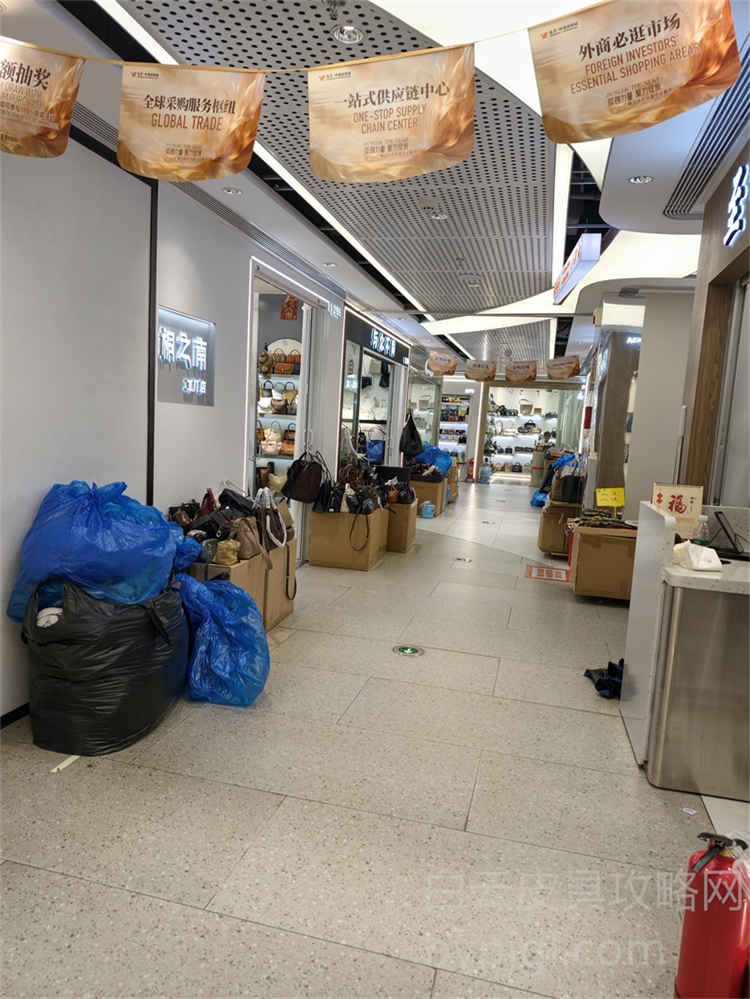
I tell my clients to bring comfortable shoes and be ready to walk. The "markets" here aren't just single buildings; they are clusters of industrial buildings, old residential blocks converted into warehouses, and open-air yards filled with crates. When you arrive, don't look for a sign saying "Wholesale." Look for the trucks unloading pallets at odd hours. That is your signal that business is happening. The layout can be confusing if you haven't been there before, so having a local guide or knowing exactly which building houses which type of supplier is crucial. Don't wander aimlessly; stick to the established corridors where the heavy traffic flows.
Behind the Counter: How to Talk to Suppliers
Ditching the "Tourist" Persona
One of the biggest mistakes foreign buyers make is walking in asking for "samples" like they are shopping for a gift. In Shijing, nobody cares about your sample request unless you look like a serious buyer. You need to change your demeanor. Speak directly, ask about MOQ (Minimum Order Quantity), and inquire about production lead times immediately. If you act like a tourist, you will get the retail price, even if you are buying ten pieces.
Communication is key. Many shop owners speak basic English, but the real negotiations happen when you understand their trade language. Ask about the leather grade, the stitching count per inch, and the weight of the hardware. These are the questions that separate a pro from a novice. When you stand in front of a stall, look at the pile of bags on the table. Pick one up, feel the lining, check the zippers. If the owner sees you inspecting the product seriously, they will respect you and start treating you like a partner rather than a customer.
The Art of Selection and Inspection
What to Look For Before You Pay
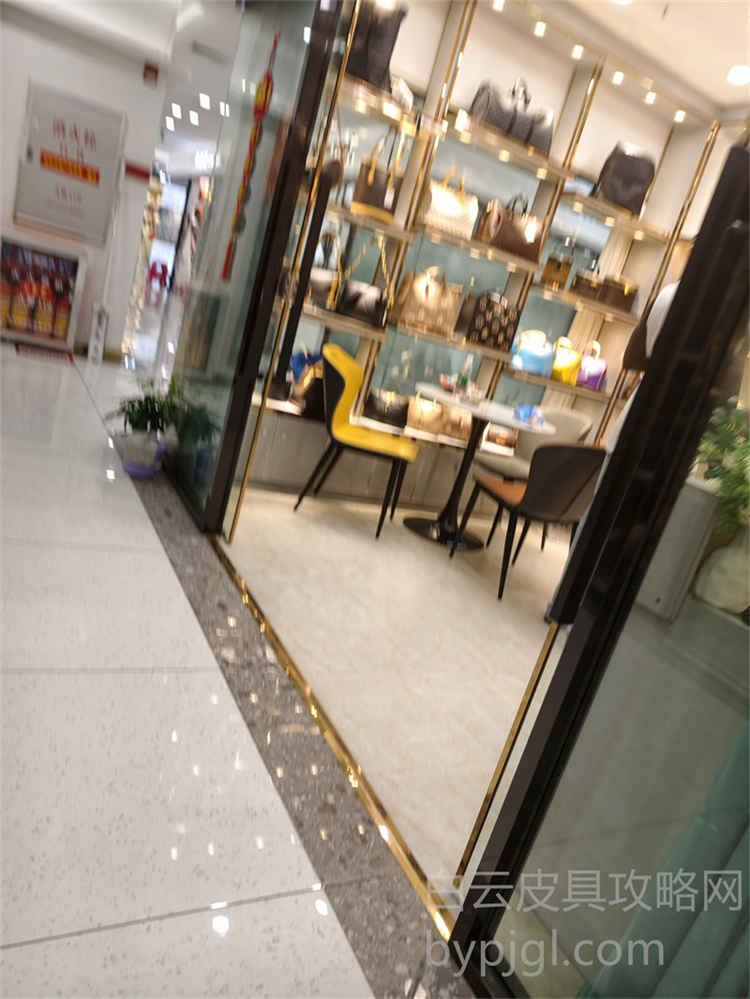
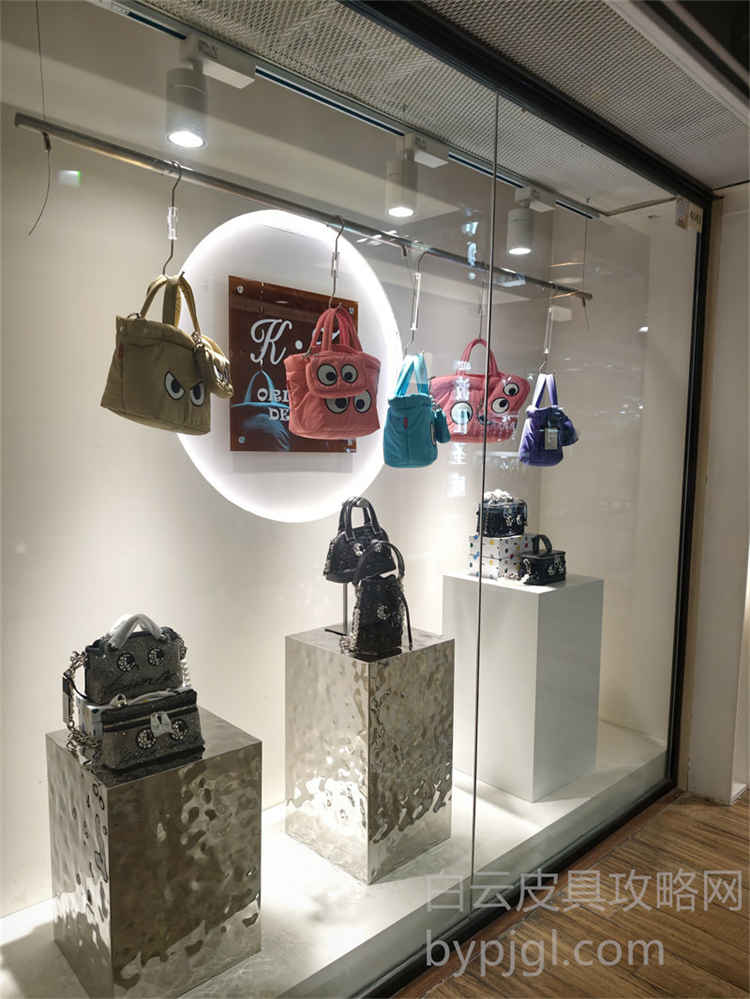
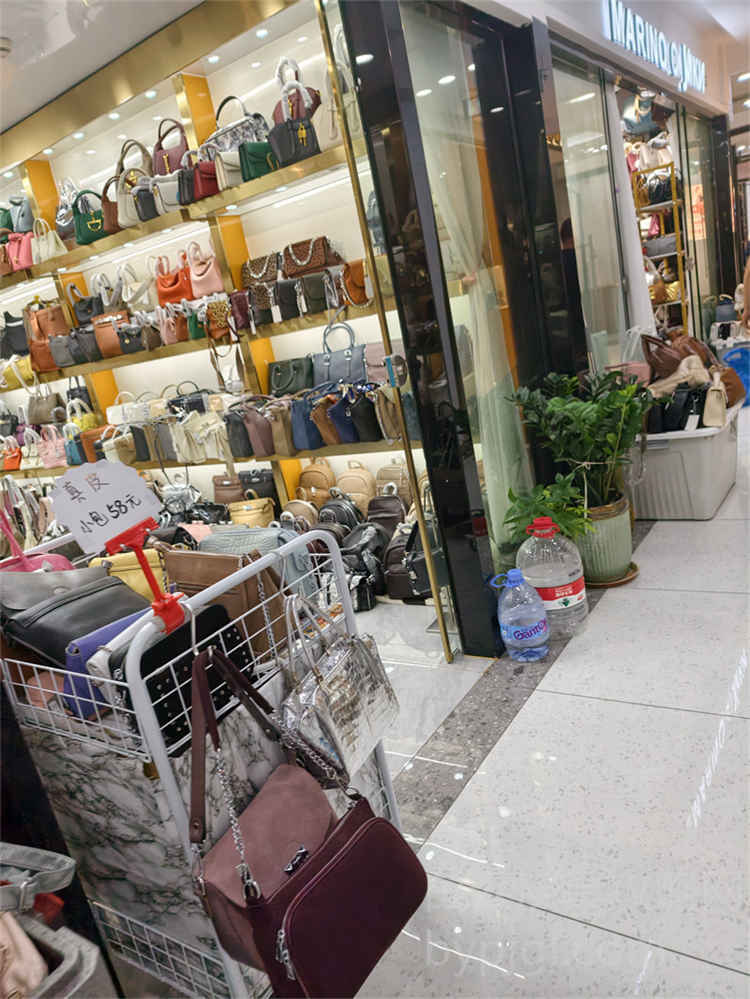
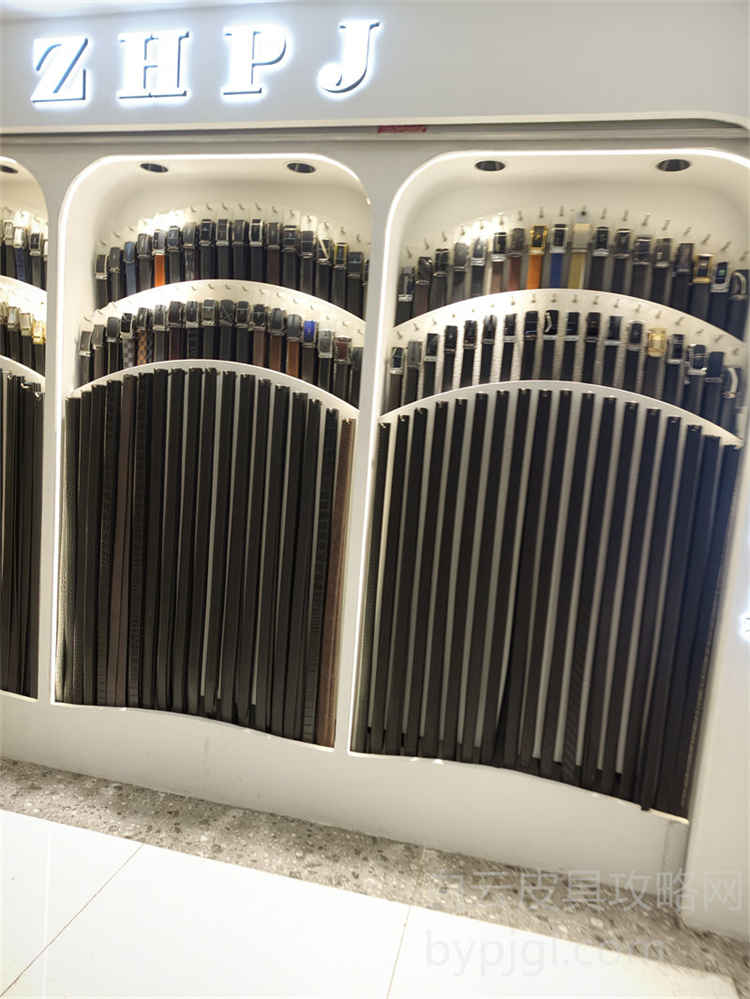
In Shijing, the variety is overwhelming. You will see everything from simple tote bags to structured satchels. But how do you pick the winners? My advice is to focus on the details that matter most to your end customers. Check the symmetry of the handles. Are the side panels aligned perfectly? Is the glue visible anywhere near the seams? In this market, quality varies wildly between stalls, even within the same building.
Never rely solely on photos sent via WhatsApp or WeChat. Those images are often edited to hide flaws. Always insist on seeing the physical stock. If you are ordering a large batch, ask to see a "pre-production" sample or a piece from the current production line. Inspect the interior pockets, the zipper pulls, and the stitching consistency. A good supplier in Shijing will welcome this scrutiny because they know their product holds up. If they get defensive or refuse to let you touch the bags, walk away. That is a red flag.
Negotiation and Logistics: Closing the Deal
Building Trust for Long-Term Orders
Pricing in Shijing is not fixed. It is a dance. Start by asking for the "factory price," not the "market price." Be prepared to negotiate. If you are buying a small quantity, expect to pay a bit more, but if you commit to a larger order, the price drops significantly. Don't be afraid to walk away if the deal doesn't feel right. There are hundreds of other stalls down the street. Competition is fierce here, and that works in your favor.
once you agree on a price, clarify the payment terms and shipping logistics. Most suppliers in this area are used to handling exports, but you must specify your requirements clearly. Do you need custom packaging? Do you need specific labeling? Get these details in writing, even if it is just a message on your phone. Also, discuss the timeline. Production delays are common during peak seasons, so build a buffer into your schedule. Finally, arrange for a third-party inspection if you are placing a massive order. It costs a little extra, but it saves you from receiving a container full of defective goods.
Final Thoughts: The Value of Being On the Ground
There is no substitute for being physically present in Shijing. You can browse catalogs online, but you cannot feel the texture of the leather or smell the quality of the materials through a screen. The relationships you build here, shaking hands with the owners and sharing a cup of tea, are what secure the best deals in the long run. This district is the engine room of the global bag industry, and understanding its pulse gives you a competitive edge that online sourcing simply cannot match. Come with an open mind, keep your eyes sharp, and you will find exactly what you need.