Why I've Been Hiding the Real Goods in Guangzhou for Decades
Listen, if you are scrolling through your phone looking for "Guangzhou Guangzhou bags new style tail goods source," you probably think you can just find a website and click buy. Let me tell you something straight from my shop floor in Baiyun District: that is exactly how you get burned. I have been standing behind this counter for over twenty years, watching thousands of foreign buyers come and go. Some leave with trucks full of gold, others leave with empty hands and a broken heart because they tried to do business without ever stepping foot in the market. The truth is, the real "tail goods" or end-of-season stock isn't sitting on some shiny e-commerce platform waiting for you. It is buried deep in the back rooms of the older buildings, mixed with fresh arrivals, and only visible to those who know how to ask.
The Myth of the online Warehouse
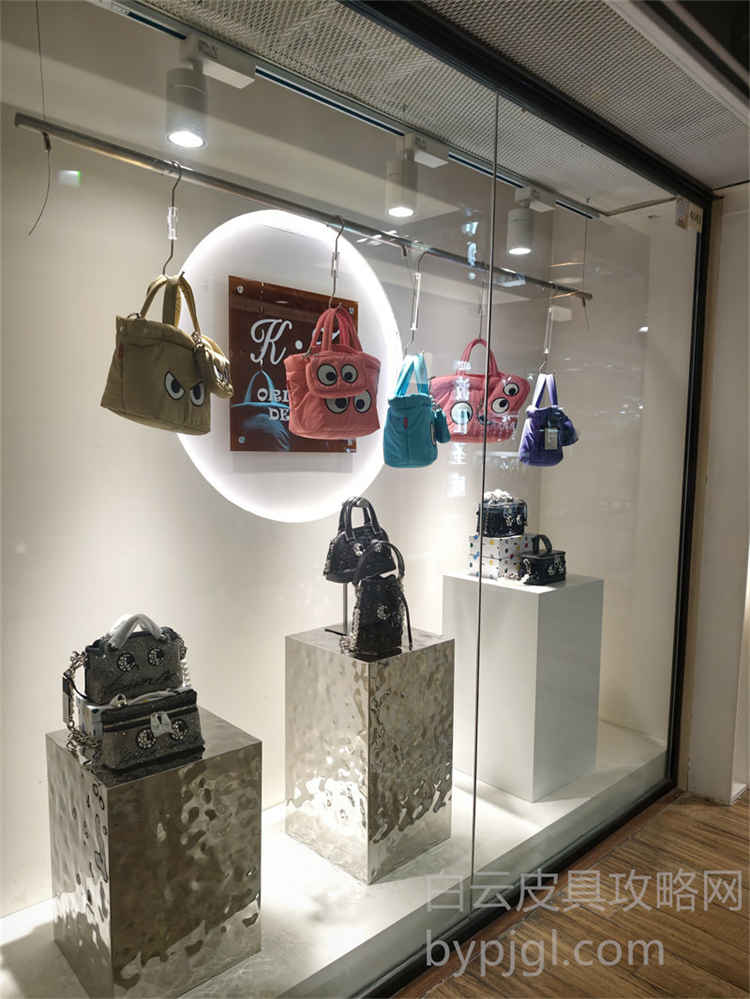
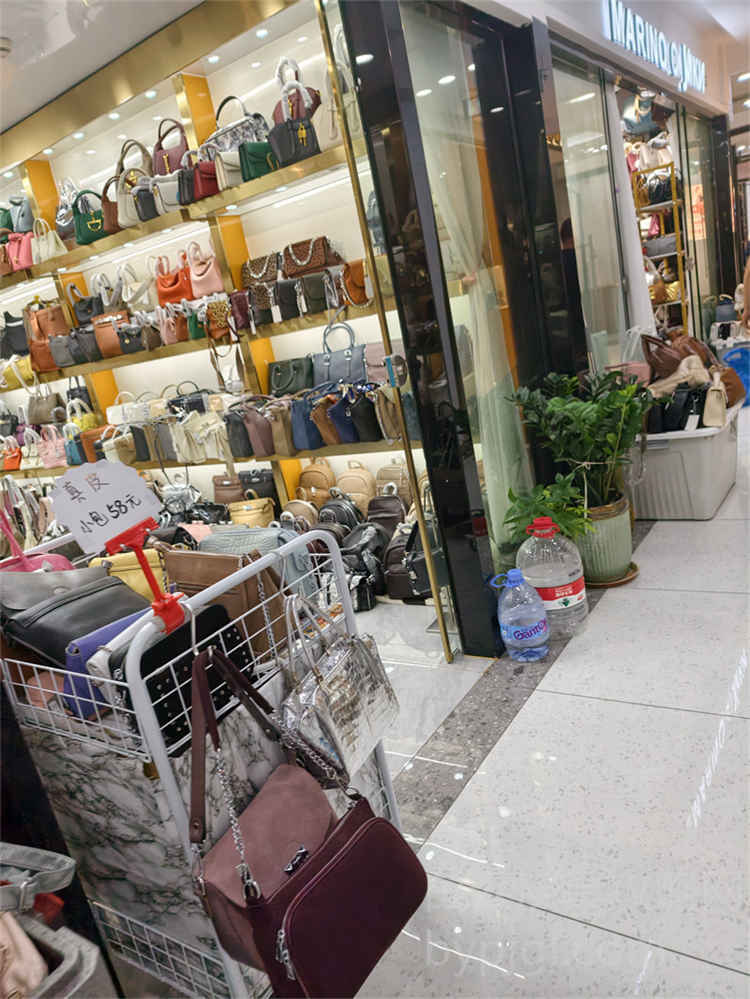
When I see people asking about online sources for these items, I shake my head. The photos you see online? They are often taken three years ago. The lighting is perfect, but the leather smell? You cannot smell it through a screen. In our market, specifically around the area known for high-quality leather goods, the inventory changes every single day. A batch of "new style" might be here today and gone tomorrow, sold out to a local distributor before you even finish your coffee. If you want the actual tail goods—the ones that were made for top-tier brands but didn't make the final cut due to minor flaws or overproduction—you need to be physically present. You need to walk the aisles, touch the zippers, and look at the stitching under the harsh fluorescent lights of the wholesale center.
Navigating the Chaos of Baiyun Leather Market
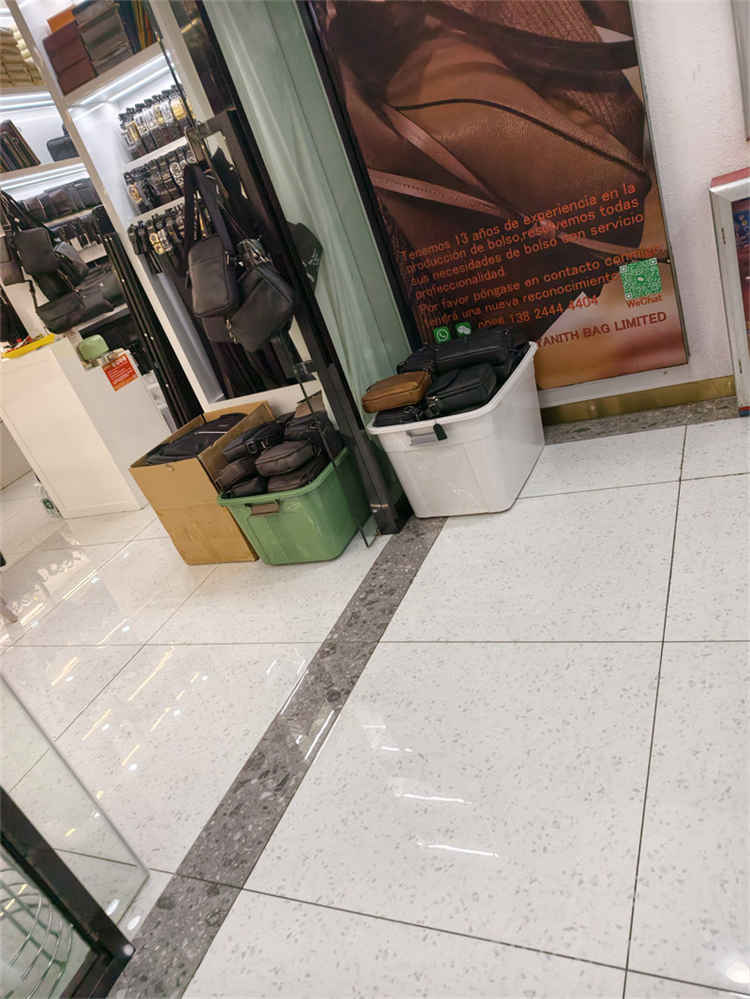
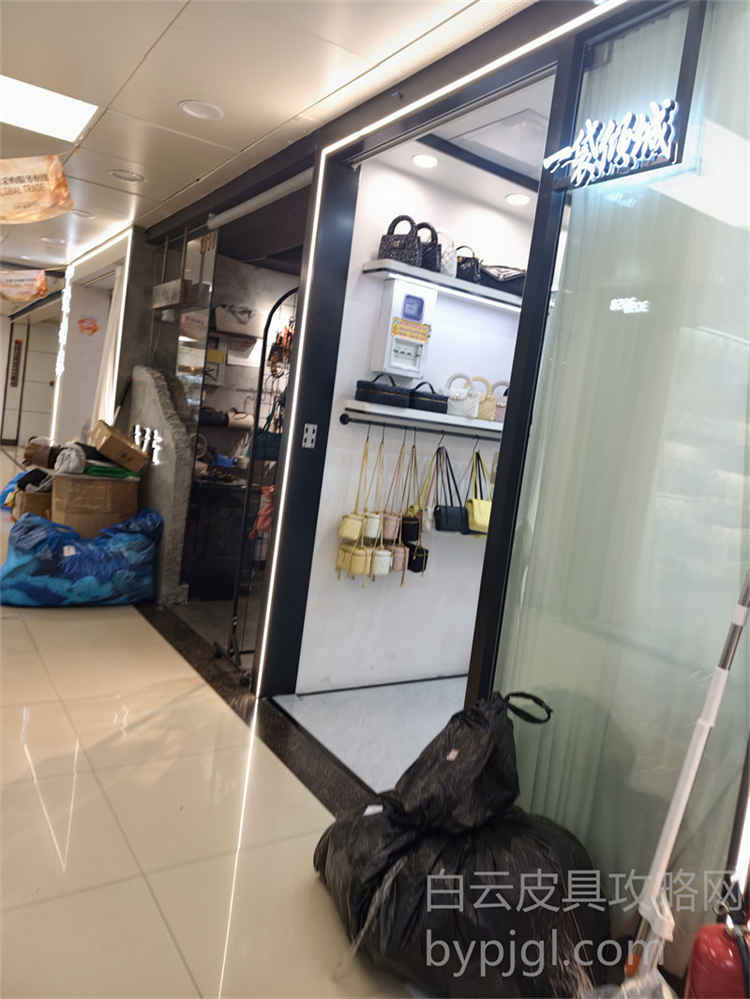
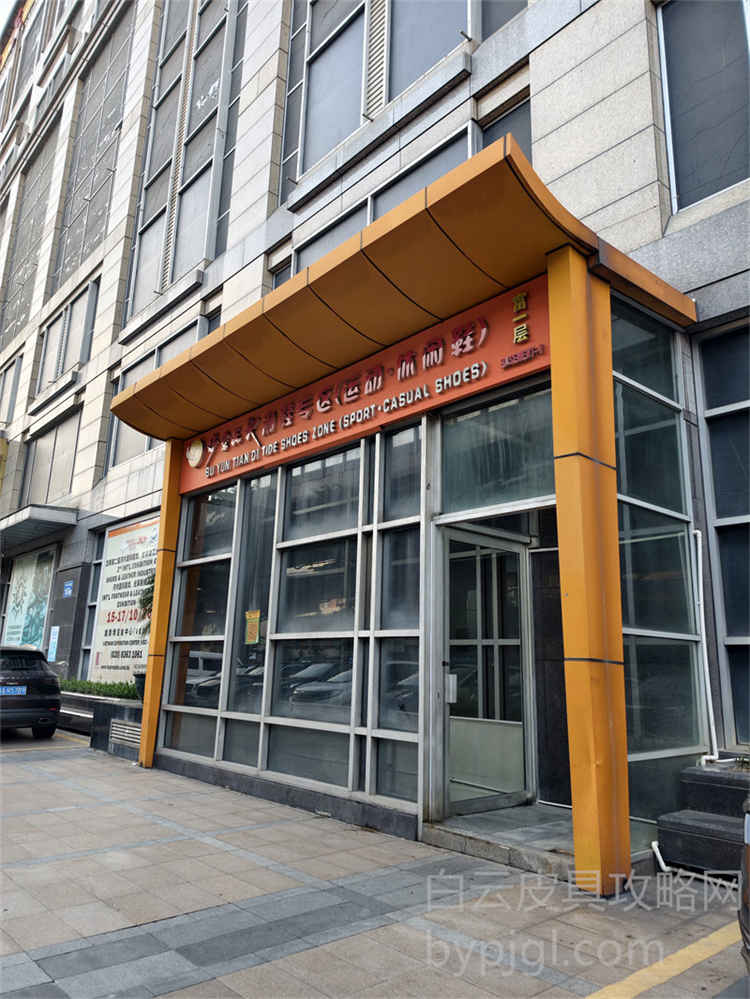
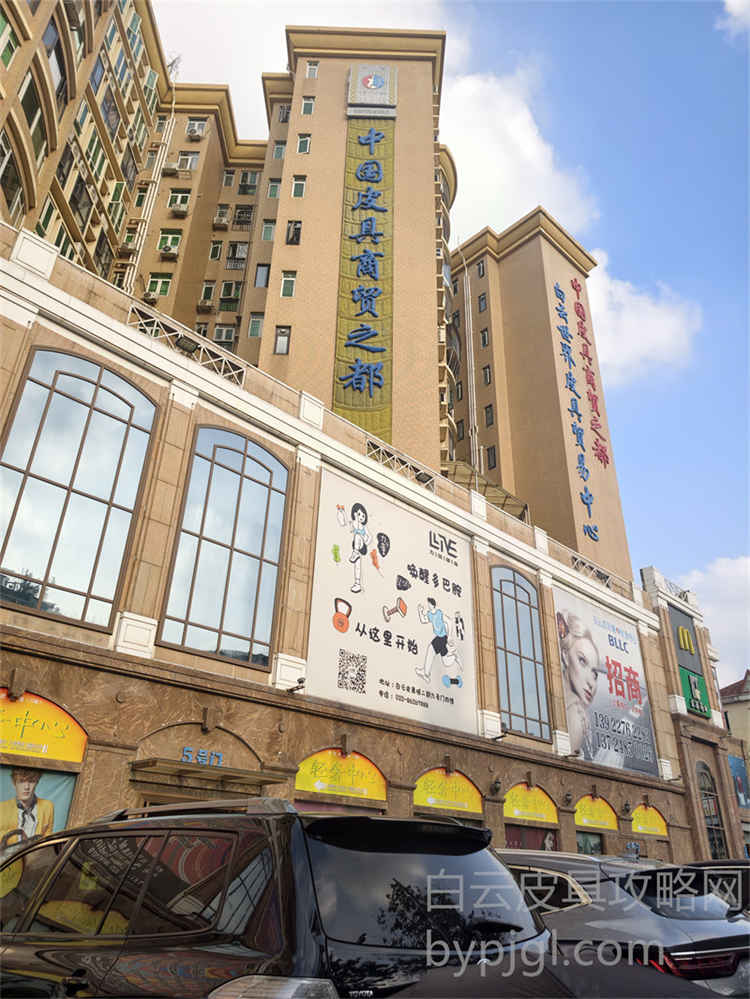
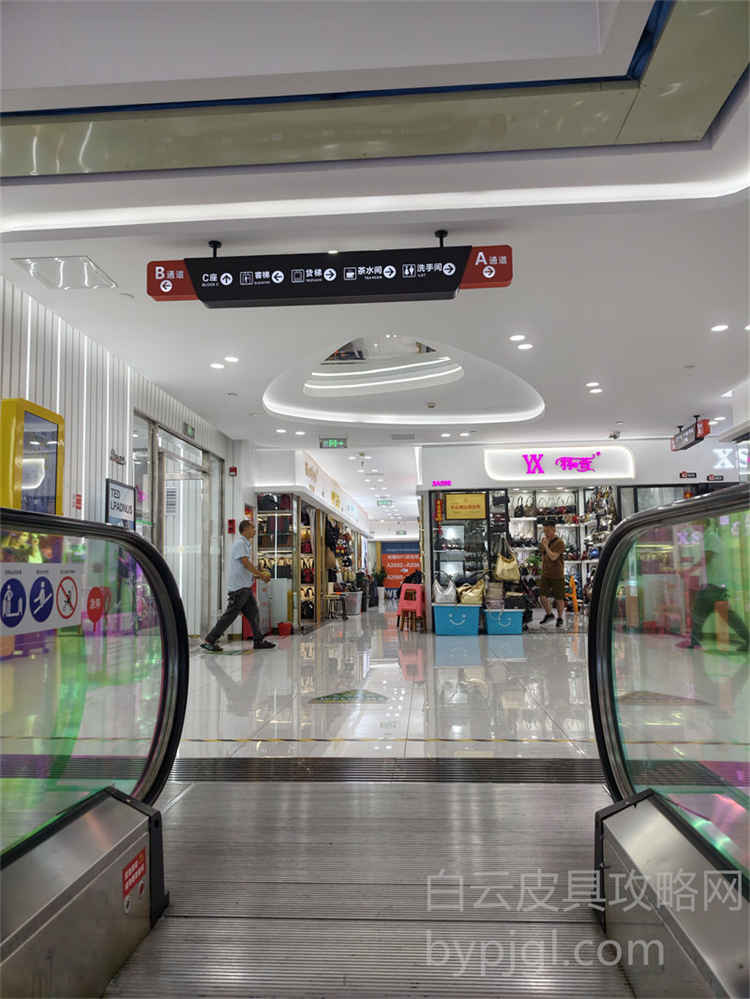
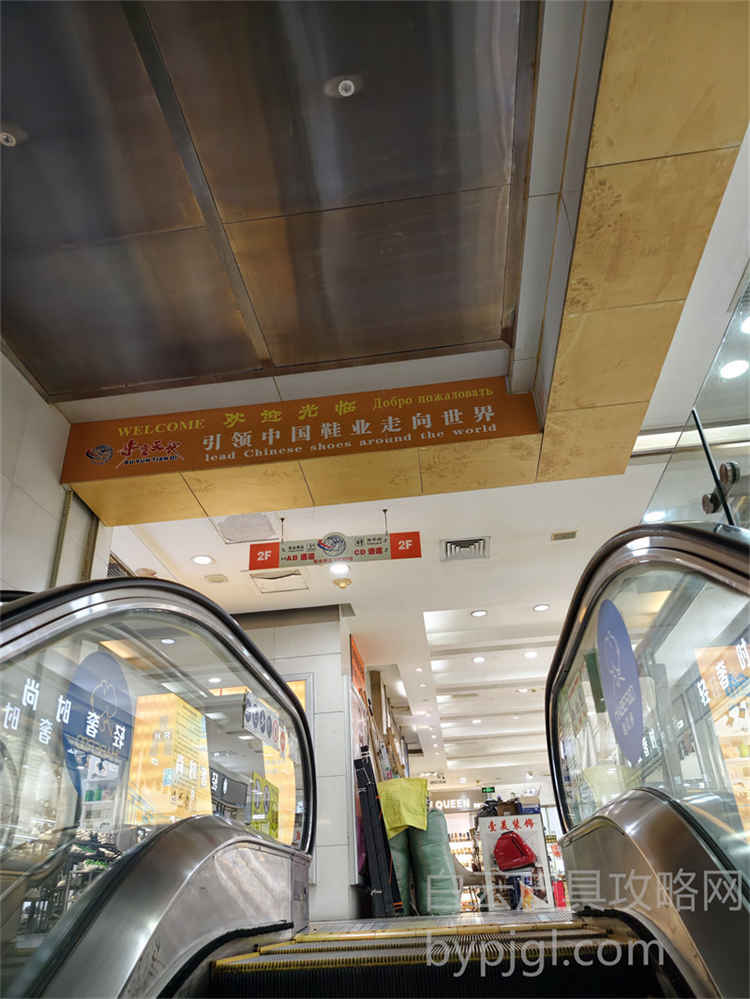
Let's talk about where we actually are. When you arrive in Guangzhou, do not go straight to the fancy malls. Go to the old districts near the railway station and the main bus terminals. This is where the heavy lifting happens. The Baiyun Leather City is massive, but it is not one building; it is a cluster of interconnected structures. There is the famous Golden Plaza, the Zhongda, and then there are the smaller, less glamorous buildings that most tourists never find. These are the places where the real tail goods hide.
Finding the Right Stall Without Getting Lost
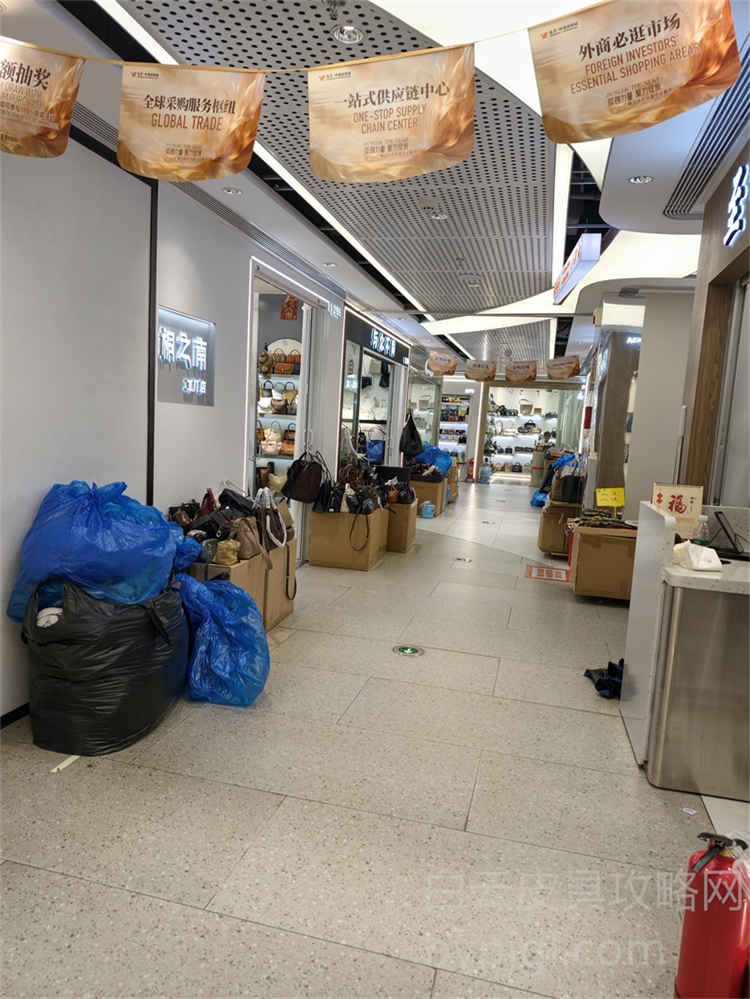
My advice? Don't try to map it all out on Google Maps before you arrive. You will get lost. Instead, walk into the main entrance and start asking the security guards or the porters where the "end of season" or "overstock" stalls are located. They know. They have been working here longer than most of the shop owners. once you find the right building, ignore the ground floor. That is usually for the flashiest, most expensive new arrivals meant for retail markup. Go up to the third or fourth floor. That is where the serious wholesalers keep their bulk stock. The air is stuffier, the crowds are thinner, and the prices drop significantly. This is where you find the "tail goods" that are still brand new but priced like second-hand items.
The Art of Inspection: What to Look For Before You Pay
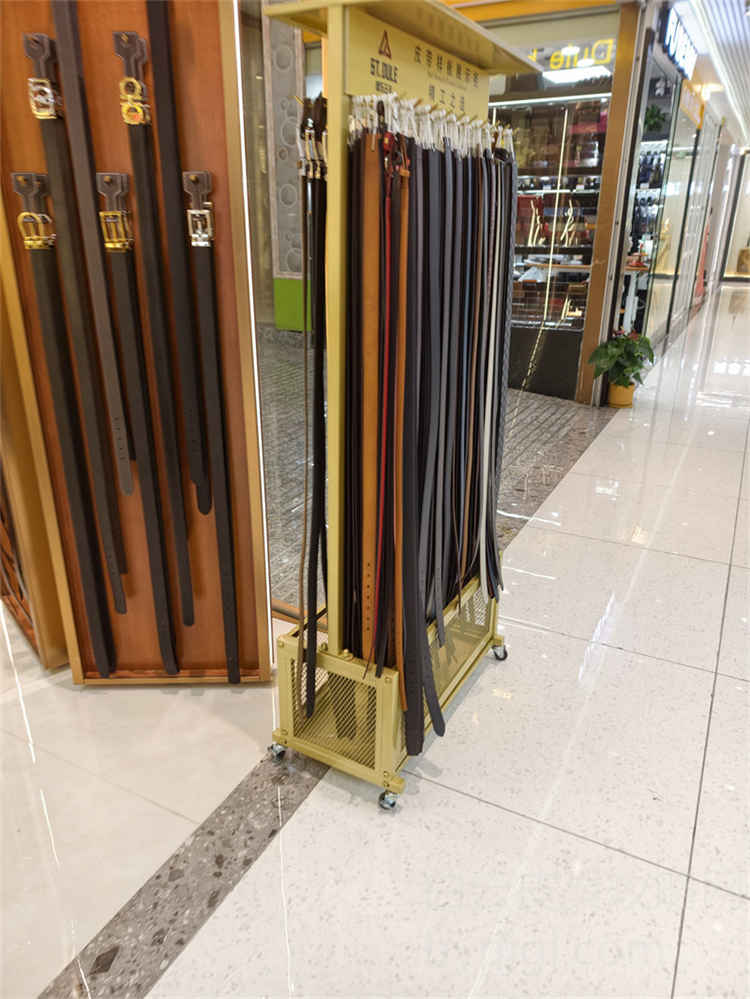
once you are in the stall, do not let the owner show you the best piece first. They will always pull out the perfect sample. Ask to see the pile. Ask to see the bottom of the stack. That is where the real condition of the goods lies. When I am helping clients inspect leather bags, I check three things immediately. First, the hardware. Is the plating thick? Does it feel heavy? Cheap zinc alloy feels light and hollow. Second, the lining. Pull the fabric tight. If it wrinkles easily or smells like cheap glue, walk away. Third, the stitching. Count the stitches per inch. High-end production requires precision. If you see loose threads or uneven spacing, that is a red flag.
Understanding the Flaws in Tail Goods
Here is the secret nobody tells you: tail goods are not always perfect. Sometimes they have a tiny scratch on the handle, or the color is slightly off from the original sample. But here is the thing: if the structural integrity is sound, these flaws do not matter for resale. Many buyers panic when they see a small imperfection. I tell them, "So what?" As long as the leather is genuine and the construction is solid, you can sell these items easily. The key is honesty. Do not try to pass off a flawed item as pristine. Sell it as a "factory direct deal" or "minor defect clearance." Your customers will appreciate the transparency, and you will build a reputation that lasts longer than any single transaction.
Negotiation Tactics and Building Long-Term Trust
Now, let's talk money. In the West, you might be used to fixed prices. Here, negotiation is an art form. Never accept the first price quoted. It is always inflated by 30 to 50 percent. Start low, but be polite. Show that you know the product. Mention the flaws you found during inspection. Say, "This zipper feels a bit stiff, and the leather has a slight mark. Can we adjust the price?" This shows you are a professional buyer, not a tourist. once you establish trust, the owner will open up. They might show you stock that they haven't even put on display yet. That is the golden rule: trust gets you access to the hidden inventory.
Logistics and Shipping from Guangzhou
After you have selected your goods, the next challenge is getting them home. Most stalls in Baiyun do not handle international shipping directly. They work with freight forwarders who specialize in moving cargo from Guangzhou to ports worldwide. Do not try to ship via express courier for large orders; the cost will eat your profit margin. Find a reliable forwarder who can consolidate your goods. Bring your purchases to their warehouse, let them weigh and measure everything, and then choose the shipping method that fits your budget. Air freight is fast but expensive; sea freight is slow but cheap. For tail goods, which are often heavier and bulkier, sea freight is usually the way to go. Just make sure your forwarder knows exactly what you are sending so there are no customs issues.
Final Thoughts: Why Experience Matters More Than Price
I have seen too many buyers try to save a few dollars by buying from a random supplier online, only to receive a box full of junk. The difference between a successful sourcing trip and a disaster is experience. It is knowing which building to enter, which floor to visit, and how to read the quality of the leather with your bare hands. The "Guangzhou Guangzhou bags new style tail goods source" is not a URL; it is a network of relationships built over decades. Come to Baiyun, walk the floors, talk to the locals, and you will find the treasures that the internet can never show you. That is the only way to truly succeed in this business.