Why the "Big Brand" Village in Guangzhou is Still the King of Leather Goods
Welcome to my shop. I've been standing behind this counter in the Baiyun District for over fifteen years, watching the tide of fashion wash over us and recede again. You might have heard rumors about a "fake bag village" near here, but let's be honest: calling it just a place for replicas is like calling the ocean a puddle. It's the heartbeat of the global leather industry. If you are an overseas buyer looking to source high-end goods without breaking the bank, or trying to understand why everyone from New York to Dubai comes here, you need to stop reading generic guides and start listening to someone who actually lives the trade.
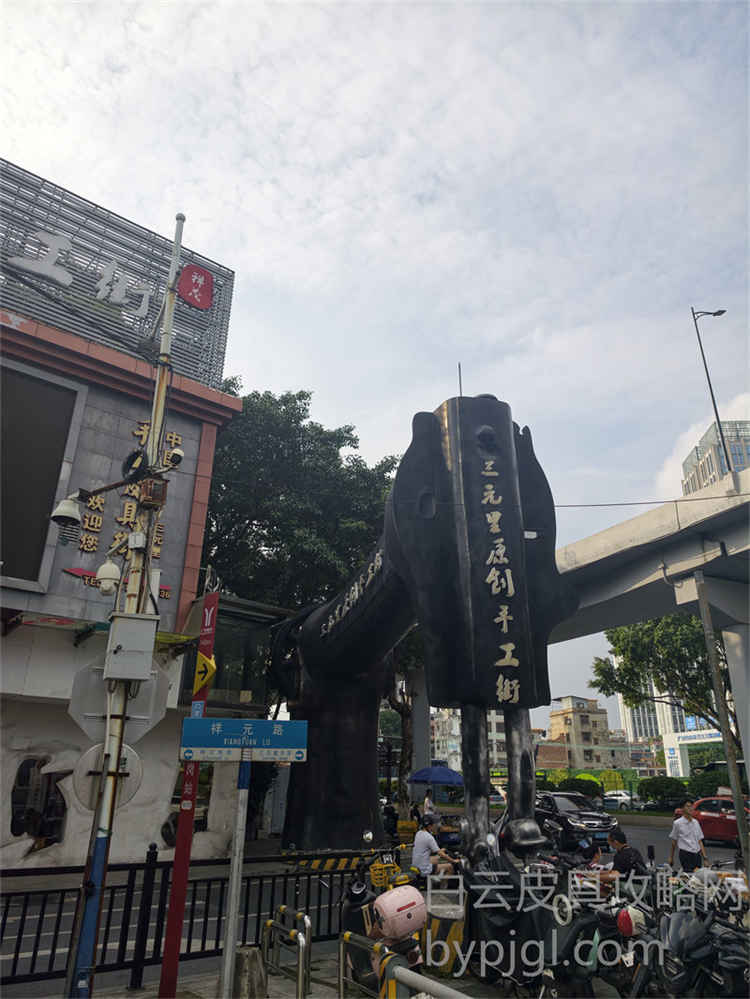
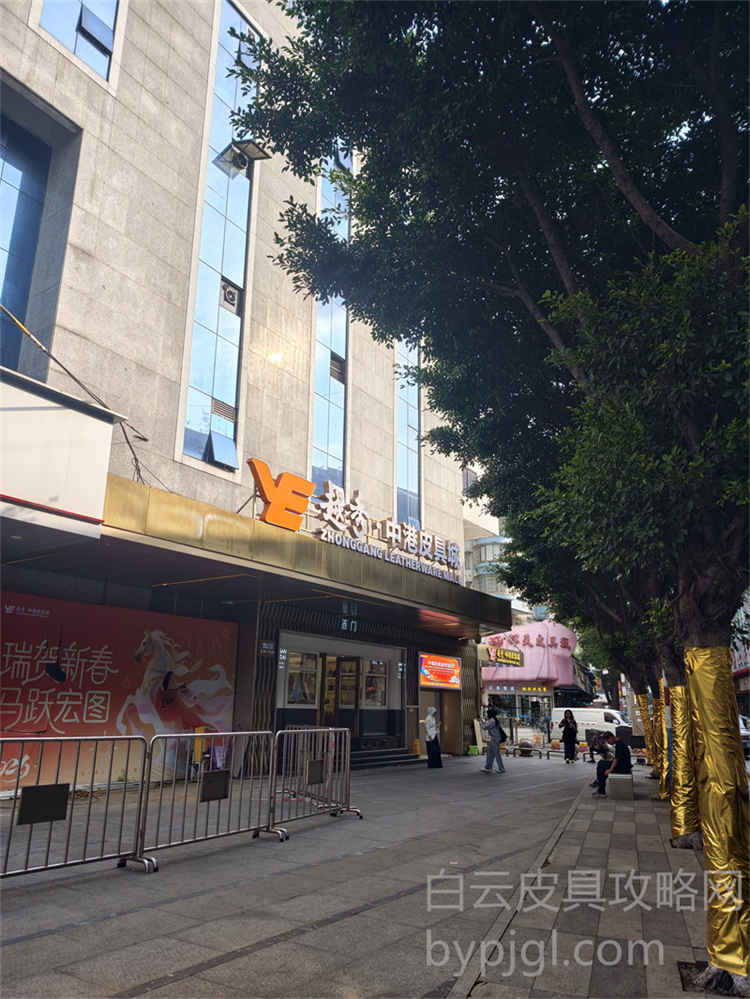
The truth is, the market isn't what you see on TikTok. It's a complex ecosystem of factories, showrooms, and logistics hubs hidden within the concrete jungle of Guangzhou. When people talk about the "Guangzhou Baiyun Leather City," they aren't just talking about one building; they are talking about a sprawling network that includes the iconic World Trade Center, the Zhongda Market, and the smaller, more exclusive alleys where the real magic happens. My job isn't just to sell bags; it's to guide you through the maze so you don't get burned.
Navigating the Physical Markets: Where the Real Action Is
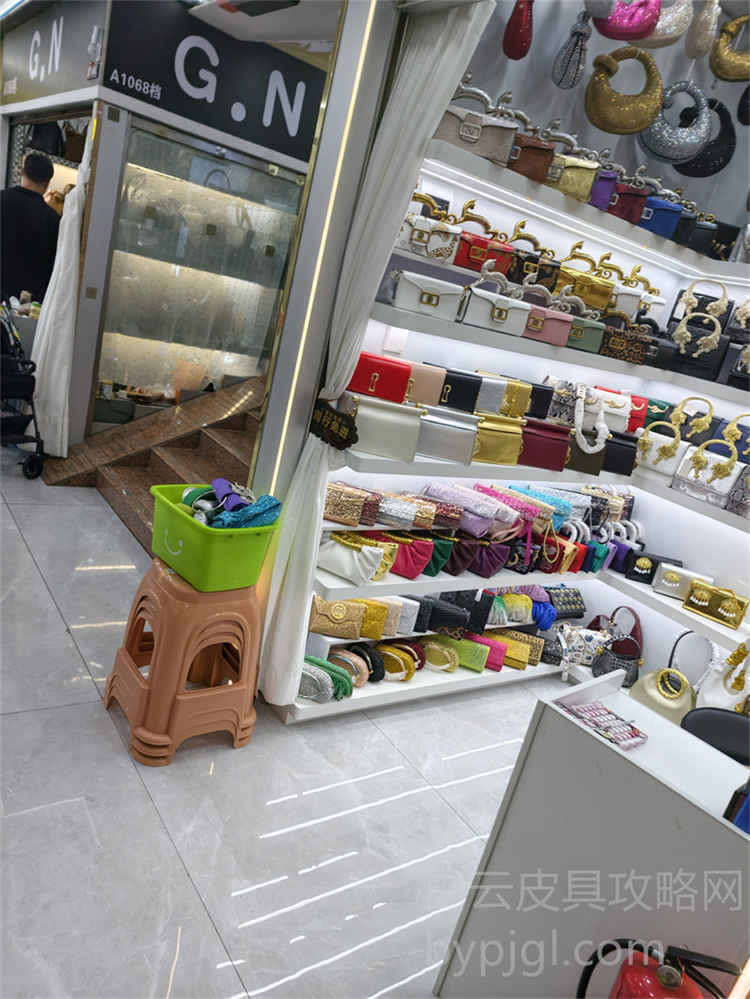
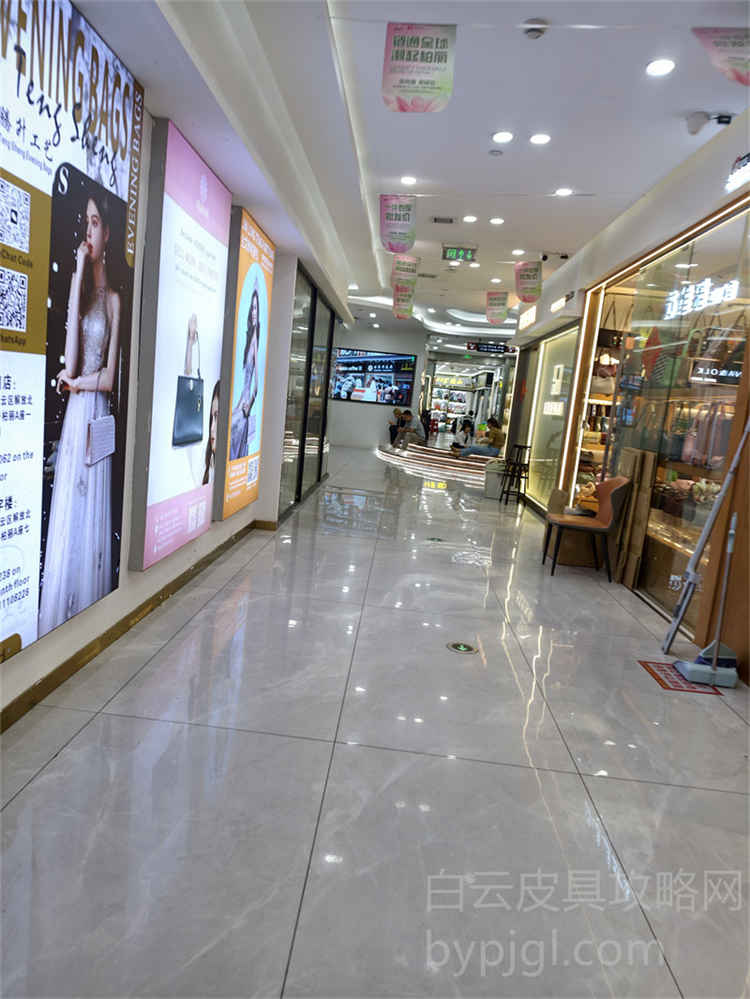
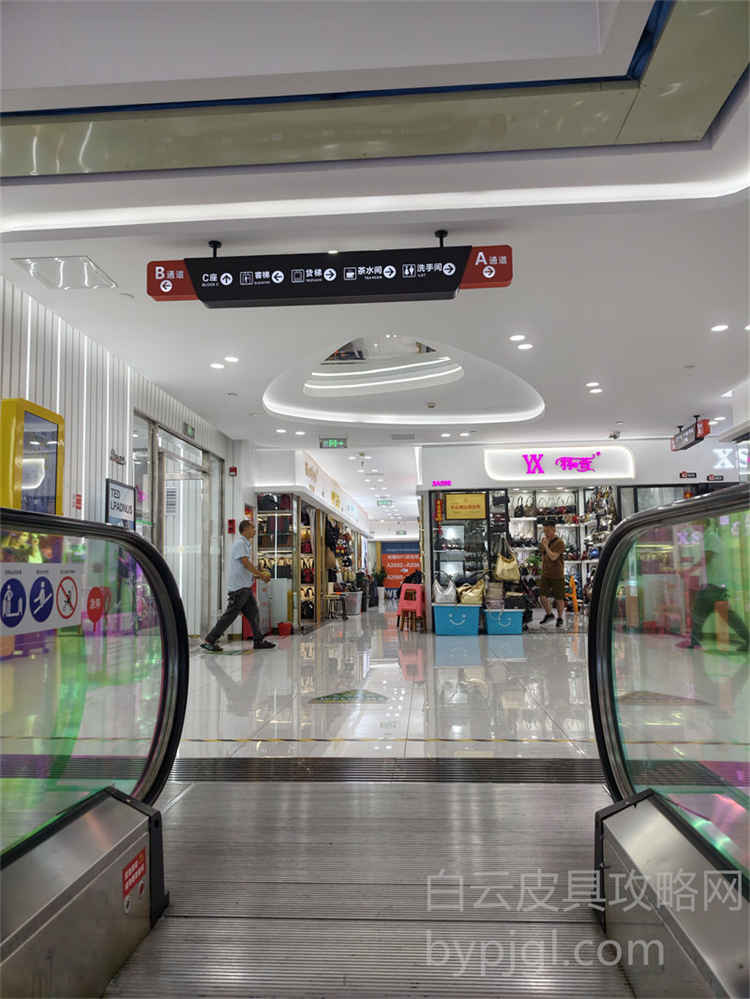
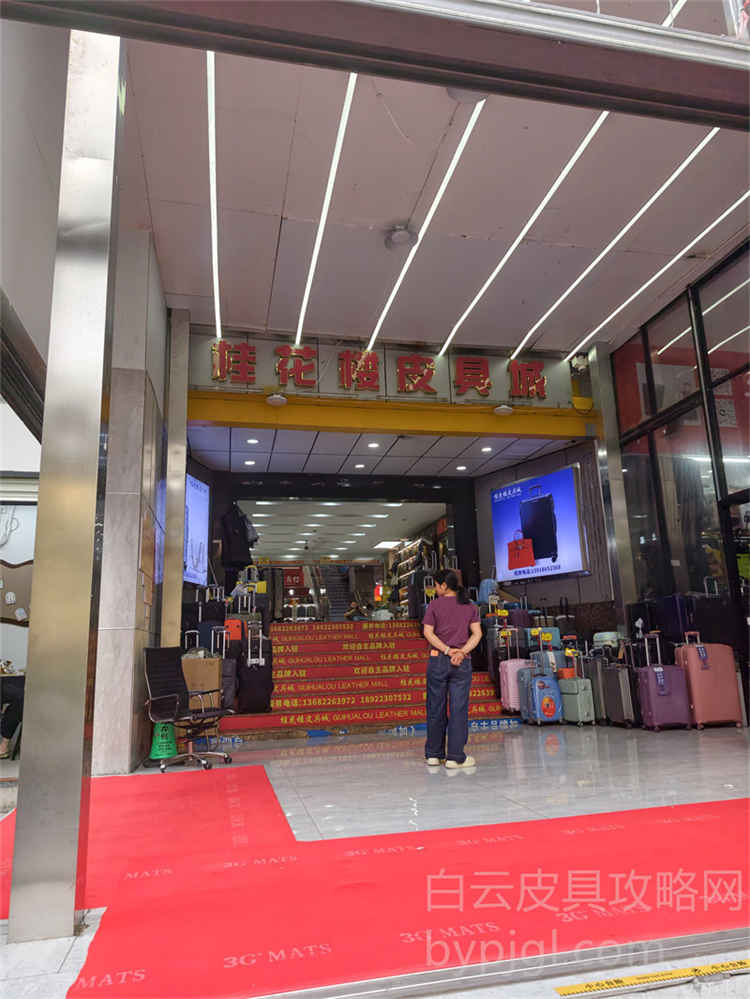
First things first: do not rely solely on online catalogs. The photos on WeChat are often misleading, lighting up the grain of the leather to hide imperfections. You must come here. The best way to start is at the World Trade Center (WTC). This is the flagship of the Baiyun district. On the 3rd floor, you will find the most polished showrooms with the highest quality "top-tier" goods. But if you want volume and variety, head to the Zhongda Market nearby. It's chaotic, loud, and absolutely packed with opportunities.
The Secret Floors and Hidden Alleys
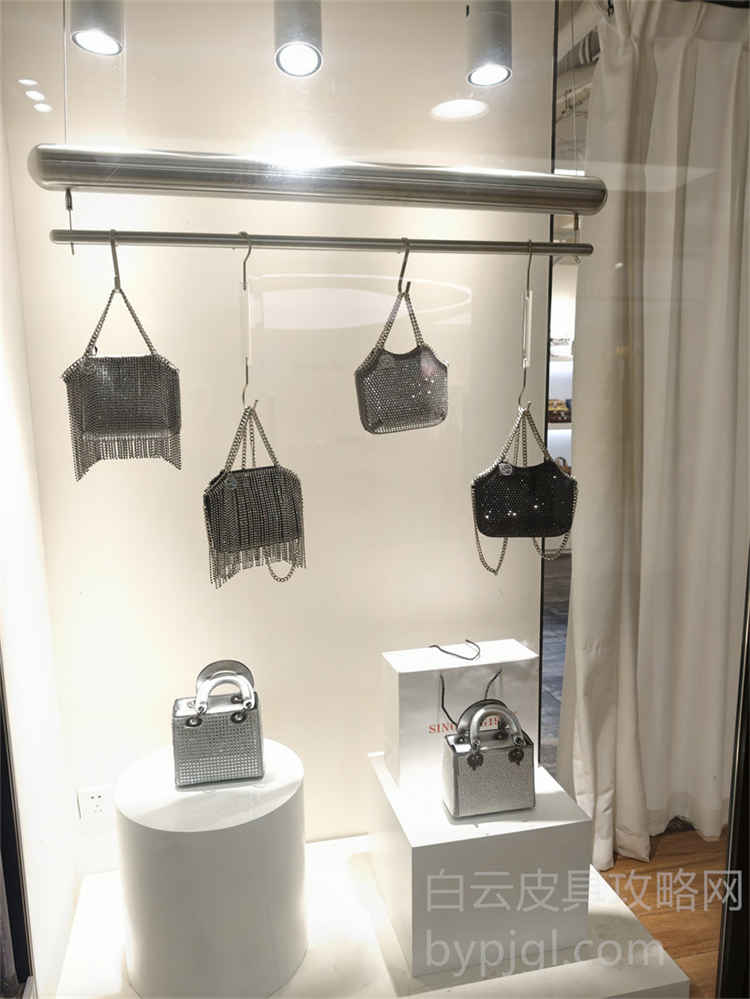
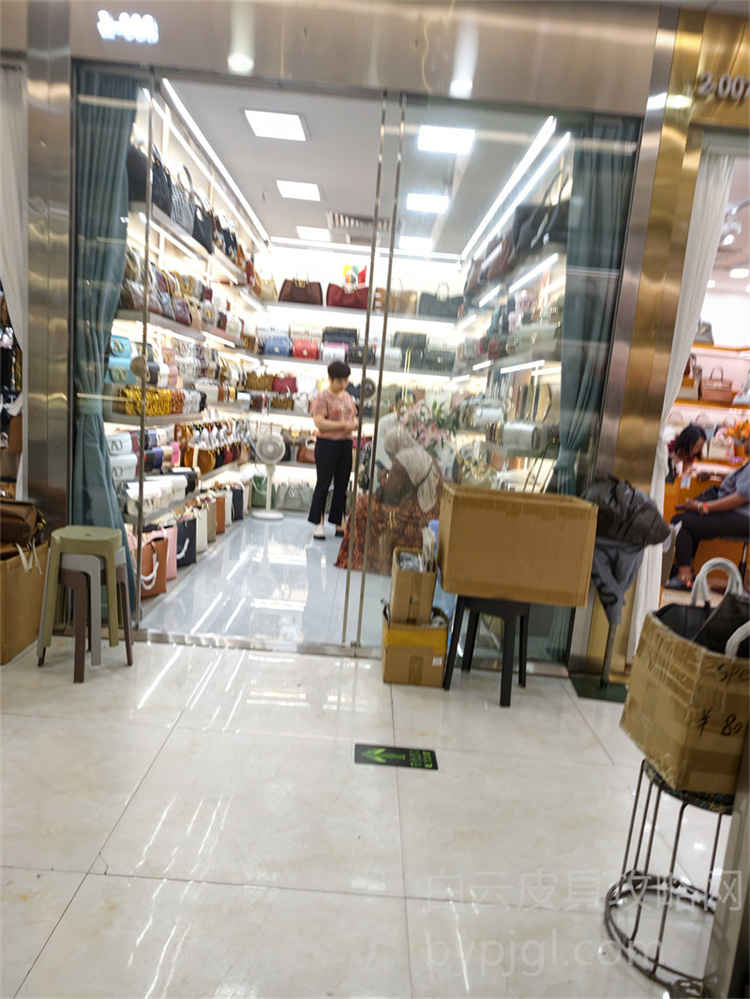
Let me give you a specific map. If you are looking for the absolute best craftsmanship, skip the ground floor of WTC where the tourist traps are. Go straight to the 4th floor. There, you will find shops like Lucky Leather (Shop 402) and Golden Eagle (Shop 415). These aren't just resellers; they work directly with factories in Huadu. I know the owner of Lucky Leather personally; he used to run a factory before opening his showroom. He can tell you exactly which cowhide grade he is using—usually full-grain Italian calfskin for the premium lines.
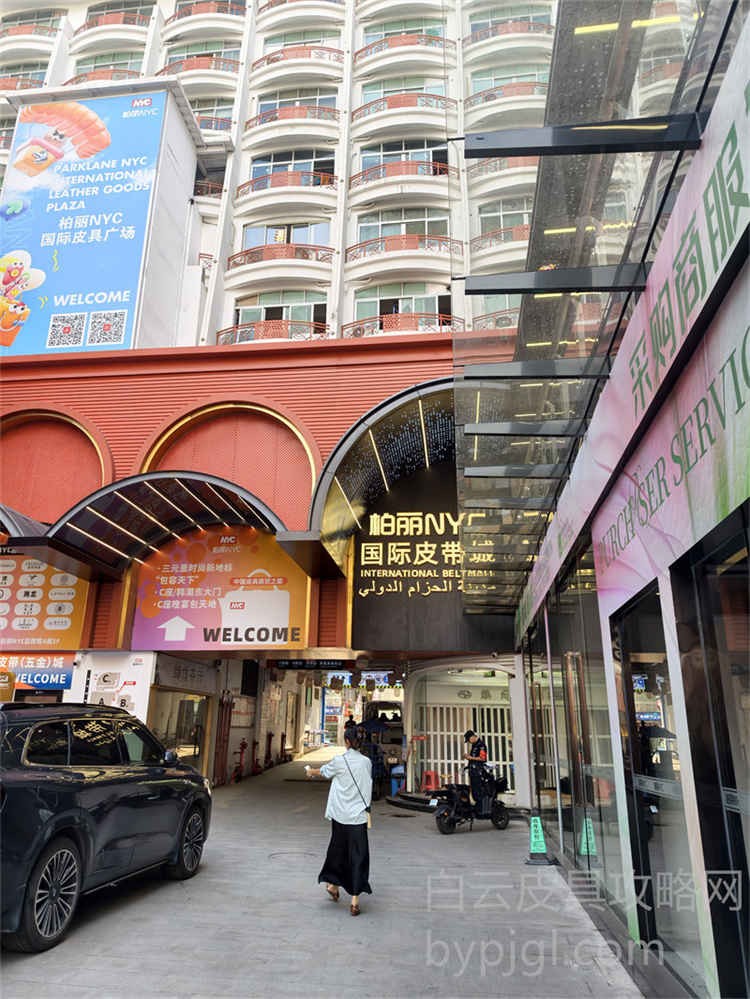
For those hunting for mid-range options with better margins, the side streets connecting WTC to the Baiyun International Hotel are goldmines. Look for the alleyway leading to the Baiyun Leather Plaza. Inside, on the 2nd floor, there is a cluster of small booths known as the "Micro-Factory Zone." Here, you won't find fancy AC or marble floors, but you will find the actual production teams. One specific booth, Shengda Workshop (Booth 208), specializes in hardware that mimics the weight and finish of luxury brands better than anyone else. They use zinc alloy with PVD coating that lasts years, not months.
The Art of Selection: How to Spot Quality Without Getting Scammed
When I walk into a new client's shop, the first thing I ask is, "What is your budget?" Because in this market, price tells you everything. A bag selling for $50 is made of PU leather and glued together. A bag selling for $150 might be genuine leather but poor stitching. The sweet spot for serious buyers is usually between $200 and $400 per unit for "high copy" items that look indistinguishable from the original retail version.
Inspection Techniques That Save Your Reputation
Here is my personal checklist that I teach every buyer who walks through my door. First, check the smell. Genuine leather has a distinct, earthy scent. Cheap synthetic materials smell like chemicals or plastic. Second, inspect the stitching. Luxury brands use a specific stitch count per inch. If you see loose threads or uneven spacing, walk away. Third, and most importantly, check the hardware. Pick up the zipper. Does it glide smoothly? Does it feel heavy? Cheap zippers are light and rattly. High-quality ones, like YKK or Riri clones, have a solid weight.
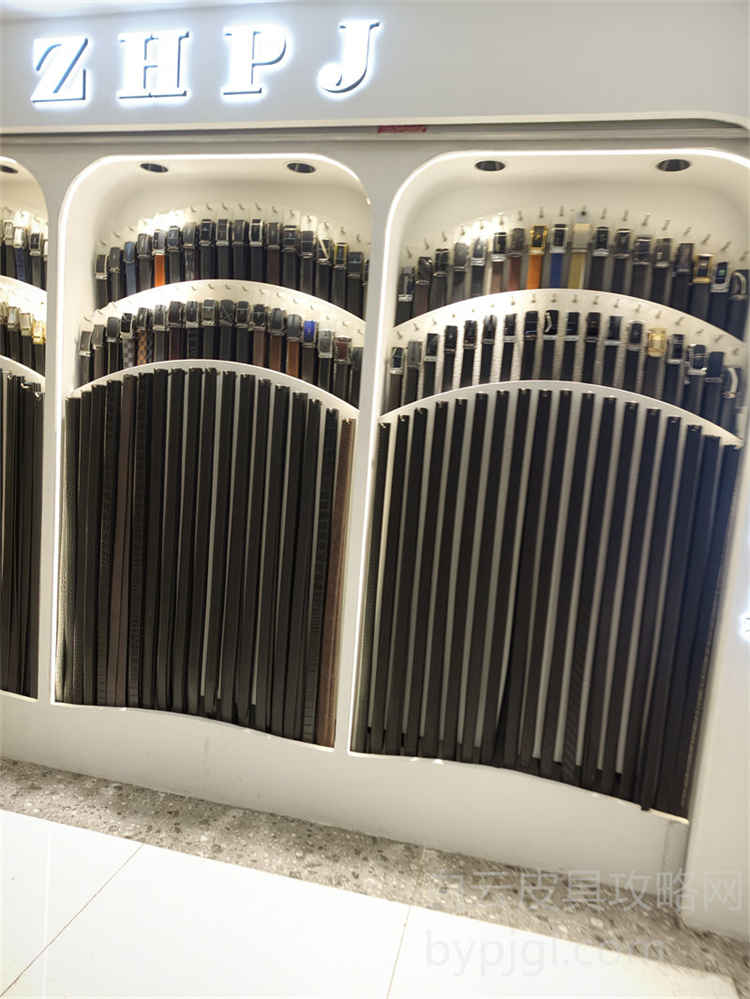
I once had a client from London who ordered 50 bags based on photos alone. When they arrived, the color was slightly off because the screen calibration was wrong. He lost thousands. Never order without seeing the physical sample. In my shop, we always keep a "sample wall" where you can touch the leather, feel the lining, and compare different grades side-by-side. This is the only way to ensure you are getting what you pay for.
Dealing with Suppliers: Negotiation and Logistics
once you find the right product, the negotiation begins. Don't be shy. In Guangzhou, prices are flexible. If you buy in bulk, say 100 units or more, you can easily negotiate a 10-15% discount. However, be careful with the "minimum order quantity" (MOQ). Some factories require 500 pieces for custom designs, while others, like Elite Craft in the Baiyun Leather Plaza, allow mixed orders of 20 pieces across different styles. This is crucial for startups testing the market.
Shipping and Customs: The Silent Killer
The biggest mistake foreign buyers make is underestimating shipping costs and customs risks. Many suppliers offer "DDP" (Delivered Duty Paid) services, but these are often scams. Always insist on DAP (Delivered at Place) or FOB (Free on Board) terms so you control the freight forwarder. I recommend working with a trusted forwarder who specializes in leather goods, such as Global Cargo Solutions located right next to the Baiyun market. They handle the documentation and can help navigate customs regulations in the US or EU.
Also, be aware of the "grey market" reality. While many products are legal to manufacture, importing them as "luxury brands" without authorization can lead to seizure. Always label your invoices correctly as "fashion accessories" or "leather goods" rather than using trademarked names. This protects both you and the supplier.
Summary of Key Locations and Contacts
To wrap this up, here is a quick reference table of the spots I trust most. Use this as your cheat sheet when you land in Guangzhou.
| Market Name | Location/Floor | Recommended Shop/Booth | Specialty | Price Range (USD) |
|---|---|---|---|---|
| World Trade Center | 4th Floor | Lucky Leather (402) | Premium Full-Grain Leather | $250 - $450 |
| Baiyun Leather Plaza | 2nd Floor | Shengda Workshop (208) | High-Quality Hardware & Zippers | $150 - $300 |
| Zhongda Market | Ground Floor | Various Boutiques | Volume & Trendy Styles | $80 - $200 |
| Baiyun International Hotel Area | Side Alley | Elite Craft | Mixed Orders & Customization | $100 - $250 |
Buying from the Guangzhou leather market is an adventure. It requires patience, a sharp eye, and the right local connections. But if you follow the path I've laid out, avoid the pitfalls, and build relationships with the right vendors, you will find that this city offers value that no other place on earth can match. Come visit my shop, let's have a cup of tea, and I'll show you exactly how to build a profitable business with the best leather goods in the world.