Why I've Been Hiding the Real Goods in Guangzhou for 15 Years
Listen, if you are scrolling through Instagram or TikTok looking for "China high-end bag sources," you are already playing a losing game. Most of those posts are just drop-shippers selling low-quality replicas that smell like cheap plastic and glue. I have been standing behind my counter at Baiyun Leather City for over a decade. I watch thousands of tourists walk past my shop, eyes wide, asking for "the best quality" while holding a sample they bought from a street vendor three blocks away. They don't know that the real money is made in the back rooms, not on the front line.
The truth is, the market has changed. Ten years ago, you could just shout "factory price" and get a deal. Today? If you don't know how to navigate the labyrinth of Guangzhou's leather district, you will pay double for half-baked goods. I am going to tell you exactly where the top-tier manufacturers hide, what floor to hit first, and how to spot a fake "top grade" before you even open your wallet. This isn't about marketing fluff; this is about survival in the most competitive leather market on Earth.
Navigating the Beast: Where the Real Action Happens
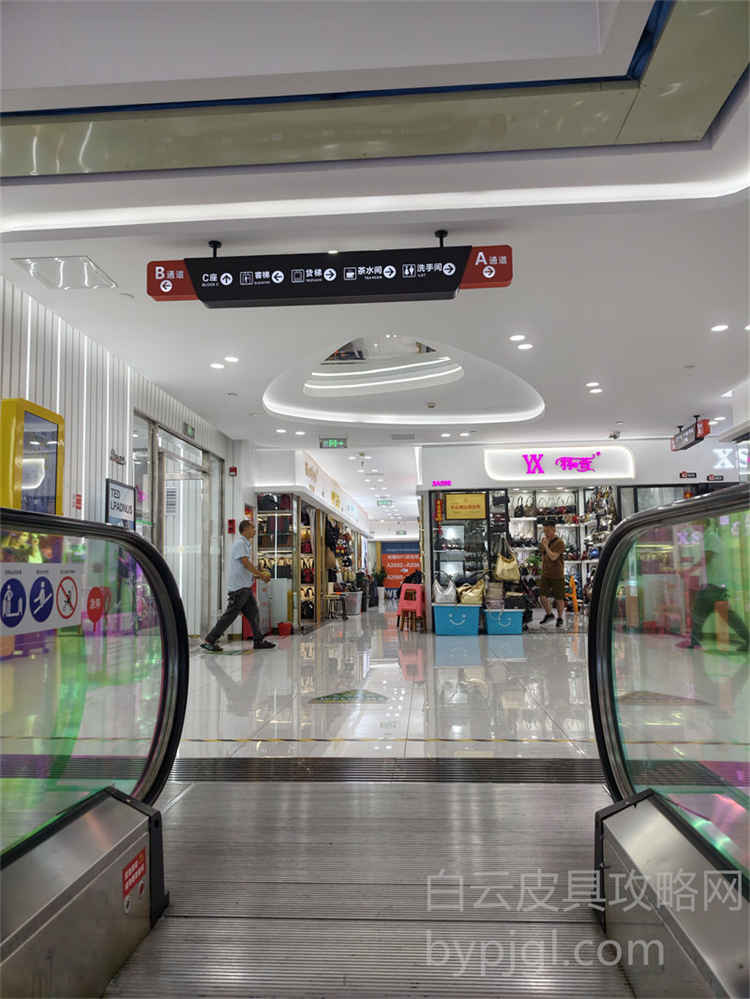
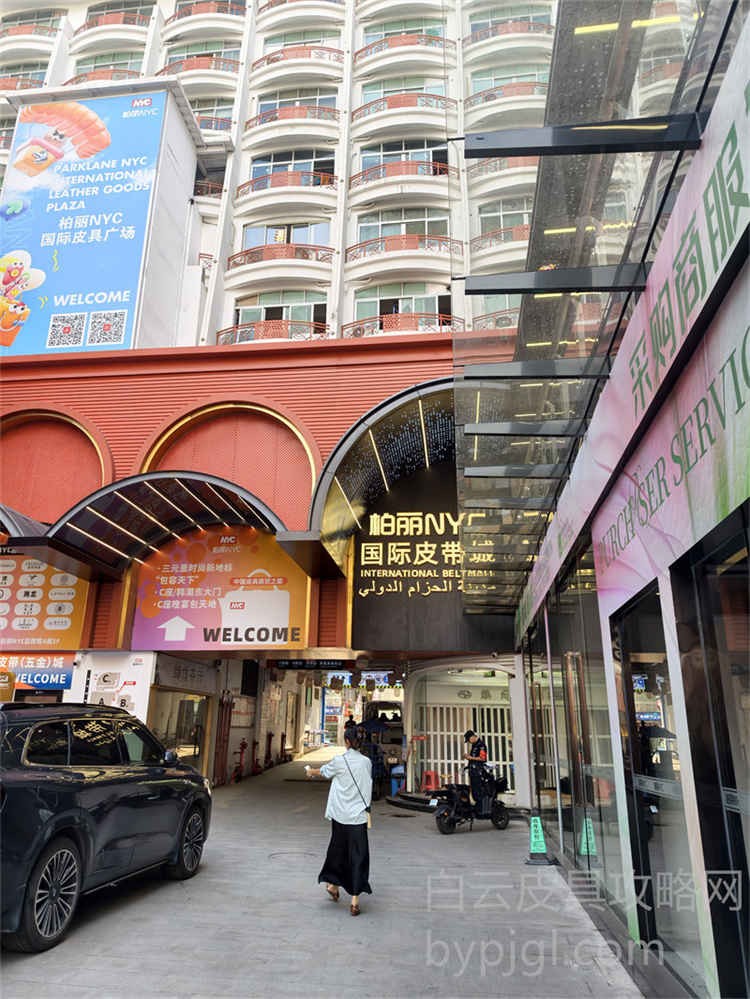
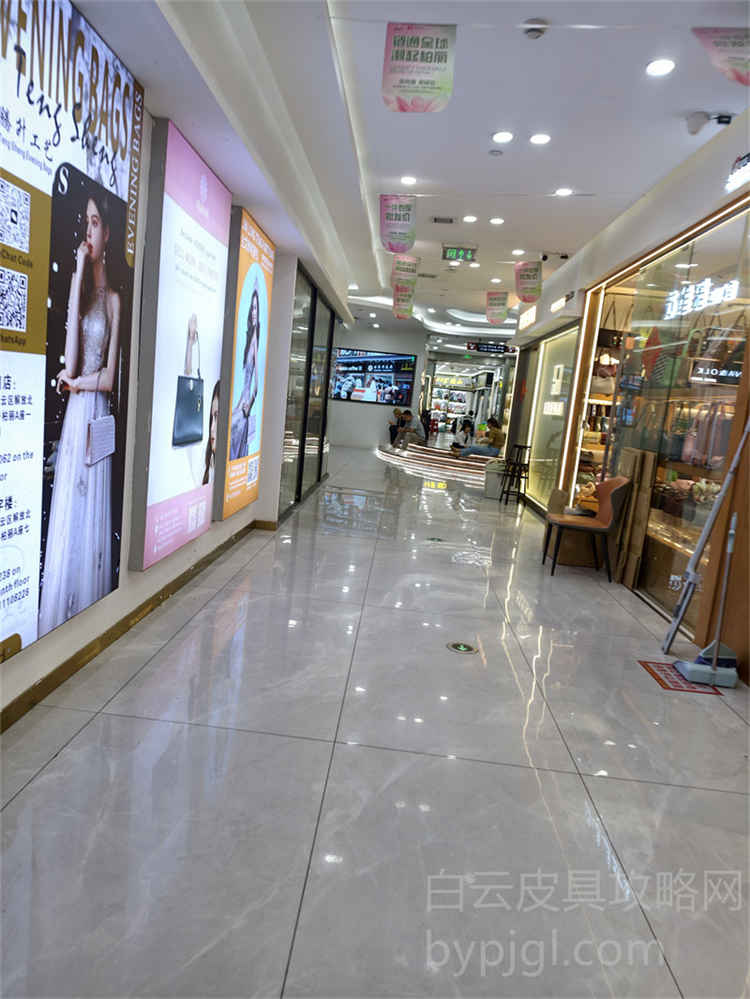
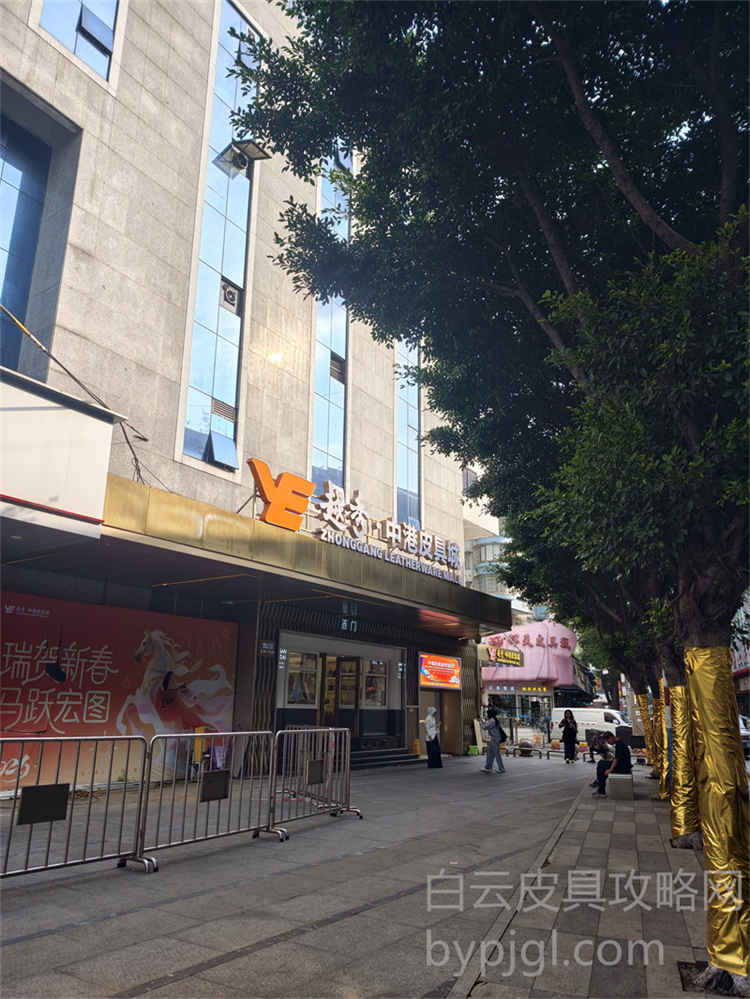
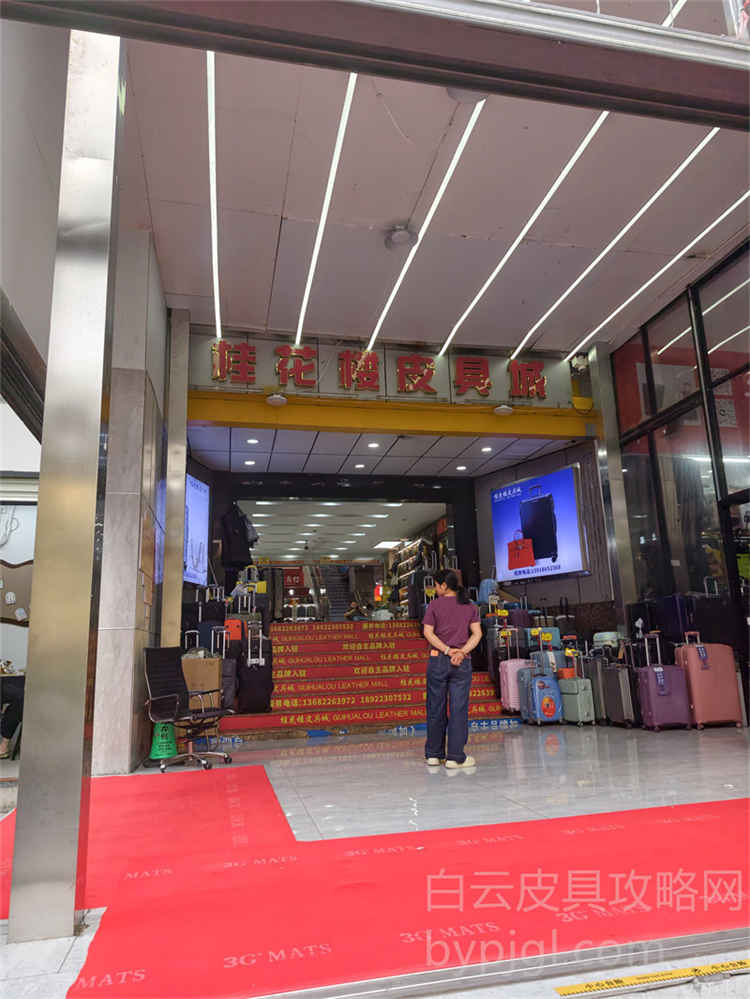
Most people think Baiyun Leather City is one big building. It is not. It is a sprawling ecosystem of interconnected malls, each with its own personality and price point. If you want genuine mid-to-high-end sourcing, forget the ground floor of the main mall. That is where the tourist traps live. You need to go deeper.
The Golden Zone: Building 1 and 2
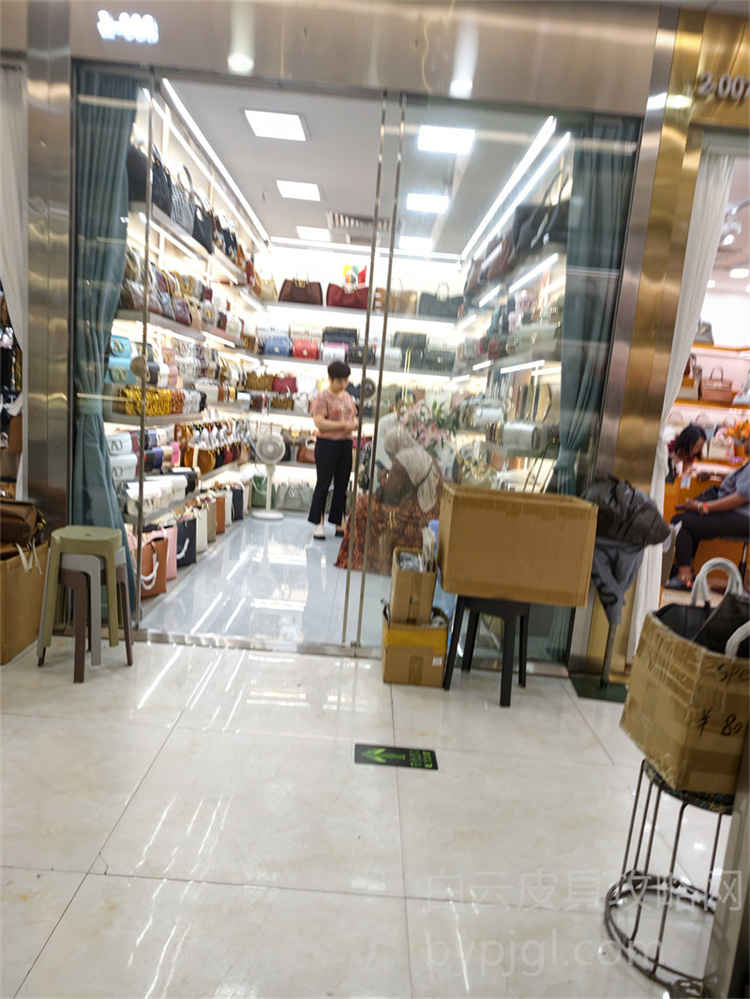
Start your day at Building 1 (Baiyun International). Head straight to the third and fourth floors. This is where the serious buyers hang out. The shops here look less flashy than the ground floor but carry much better stock. I recommend visiting Shengda Leather Trading Co., Ltd. on the 4th floor. They have been around since 2008. Their owner, Uncle Li, doesn't talk much about "luxury brands" because he knows the law, but his craftsmanship rivals anything you see in Milan. His factory is right behind the mall in Panyu. If you ask for their "A-grade" collection, you will see stitching that is tighter than a drum skin.
Next door, on the same floor, is Hongtu Leather Factory Showroom. They specialize in calfskin and exotic textures. Unlike the generic stalls, Hongtu actually shows you the raw materials. They keep samples of the hides they use. This transparency is rare. When I was sourcing for a client last month, we compared their cowhide texture against a competitor's. The difference was night and day. Hongtu uses full-grain leather, while others use corrected grain that feels like sandpaper after a week.
The Hidden Gem: Zhongda Market
If you want to cut out the middleman entirely, you need to cross the street to Zhongda Leather Market. It is older, grittier, and honestly, more authentic. The prices here are lower because the overhead is lower. Look for Golden Eagle Leather Workshop on the second floor. They don't have a fancy sign, just a small table piled with bags. But trust me, these are the bags that end up in boutique stores in New York and London. They focus on custom orders. If you bring a sketch or a photo, they can replicate it within 7 days. Their lead time is faster than almost anyone else in the district.
The Art of Inspection: Don't Get Scammed by "Top Grade"
Here is the hard truth: In Guangzhou, "Top Grade" means nothing unless you verify it yourself. Every stall owner will claim their product is "1:1" or "Original Quality." That is just noise. You need to be a detective. When I inspect a bag, I do three things immediately.
Smell and Touch Test
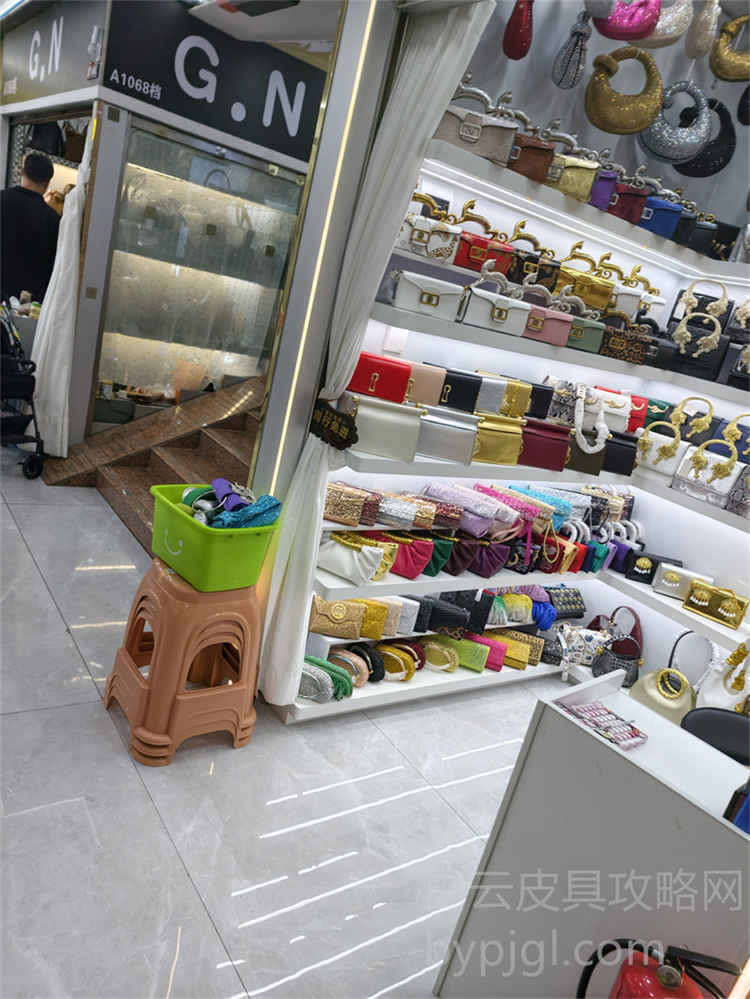
First, smell it. Real leather smells earthy, slightly sweet, and complex. Cheap PU leather smells like chemicals or burnt rubber. Second, touch the lining. High-end bags use soft suede or high-density cotton canvas. If the lining feels slippery or thin, run. Third, check the hardware. I always tap the zipper pull. Real brass makes a dull, heavy thud. Zinc alloy sounds hollow and tinny. At Shengda, I once saw a buyer reject a batch because the zippers were too light. The owner apologized immediately and swapped them. That is the kind of integrity you find when you build a relationship.
The Stitch Count Reality
Let's talk numbers. A standard luxury bag might have 6 stitches per inch. A good replica often tries to match this. But the real secret is the angle. High-end factories use machines that maintain a perfect 45-degree angle. Low-end ones wobble. I measured a bag from Hongtu under a magnifying glass. The stitch count was exactly 7.2 per inch, consistent across the entire strap. Compare that to a random stall down the hall where the count varied between 5 and 9. That inconsistency is the giveaway. Never buy based on photos. Always demand a video call with the actual item in hand.
Negotiation and Logistics: Getting Your Goods Out
once you find the right stall, the negotiation begins. Do not start by asking for the lowest price. Start by asking about the material source. If they hesitate, walk away. Serious sellers love talking about their supply chain. When I negotiate, I usually offer to take a larger volume if they give me a discount on shipping. For example, buying 50 units instead of 10 can save you 15% on the unit price and 20% on freight consolidation.
Shipping and Customs
This is where most overseas buyers fail. You cannot just ship via DHL directly without declaring properly. I work with a logistics partner who specializes in "duty-paid" services for the US and EU markets. They handle the paperwork so you don't get stuck at customs. The cost is higher upfront, but it saves you from paying massive fines later. For instance, shipping 20 bags from Guangzhou to Los Angeles via air freight takes about 5 days and costs roughly $450 total. Sea freight takes 25 days but drops the cost to $120. Choose based on your urgency.
Summary of Top Sourcing Locations
| Market Name | Building/Floor | Recommended Shop/Factory | Specialty | Best For |
|---|---|---|---|---|
| Baiyun Leather City | Bldg 1, Floor 3-4 | Shengda Leather Trading | Premium Calfskin, Custom Orders | High-volume, Brand-conscious Buyers |
| Baiyun Leather City | Bldg 1, Floor 4 | Hongtu Leather Factory | Exotic Textures, Raw Material Transparency | Quality Control Focused Buyers |
| Zhongda Market | Floor 2 | Golden Eagle Leather Workshop | Fast Turnaround, Budget-Friendly Luxury | Startups, Boutique Owners |
| Guangzhou Leather City | Floor 5 | Elite Craft Studio | Hand-stitched Details, Limited Editions | Niche, High-End Collectors |
Final Thoughts: Build Relationships, Not Just Transactions
The biggest mistake I see foreign buyers make is treating every transaction as a one-off. In Guangzhou, relationships are currency. If you come back next season, show your face, and say hello to the boss, you will get access to new designs before they hit the internet. You will get priority production slots during peak seasons. You will get honest advice on what styles are trending in Europe versus America.
So, pack your bags, head to Baiyun, and skip the online scams. Go to the physical locations I mentioned. Touch the leather, smell the glue, and talk to the people who actually make the bags. That is the only way to truly understand the "China high-end bag source" market. It is messy, loud, and chaotic, but if you know where to look, it is also the most rewarding place to do business in the world.