Walking the Floors: My Real Talk on Sourcing Bags in Guangzhou
Welcome to my shop. I have been standing behind this counter in the Baiyun District for over twenty years, watching the dust settle and rise with every new season. You are probably scrolling through endless websites looking for "Guangzhou Taobao agent bag sources," but let me tell you something that no algorithm can show you: the real magic happens when you step off the plane and walk into these crowded corridors. The internet is full of noise, but the ground truth is found in the smell of leather, the sound of haggling, and the sheer volume of inventory stacked floor-to-ceiling.
The Myth of the online Agent
Many overseas buyers think they can just hire a random agent from a forum and get the best deals without ever seeing the product. This is where most people lose money. A good agent is valuable, but a great buyer knows how to navigate the physical market themselves. When I talk about sourcing, I am talking about the tactile experience. You need to feel the weight of the zipper, check the stitching density, and smell the glue. No photo on a screen can capture the difference between a top-tier factory piece and a cheap knockoff made in a basement three streets away.
Navigating the Baiyun Leather City Labyrinth
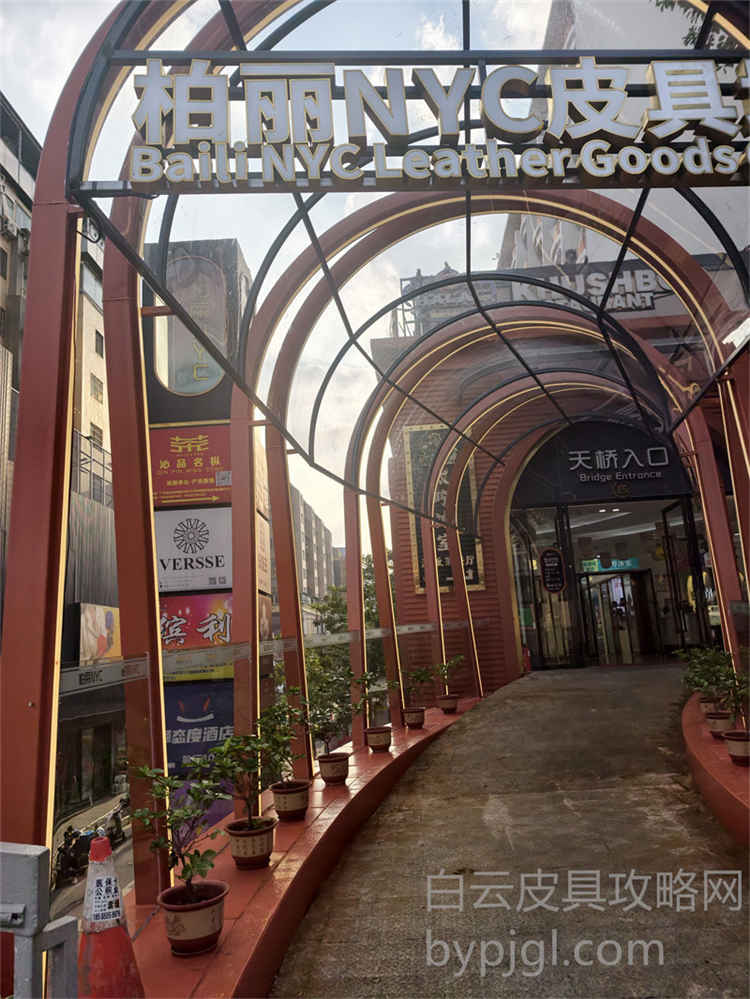
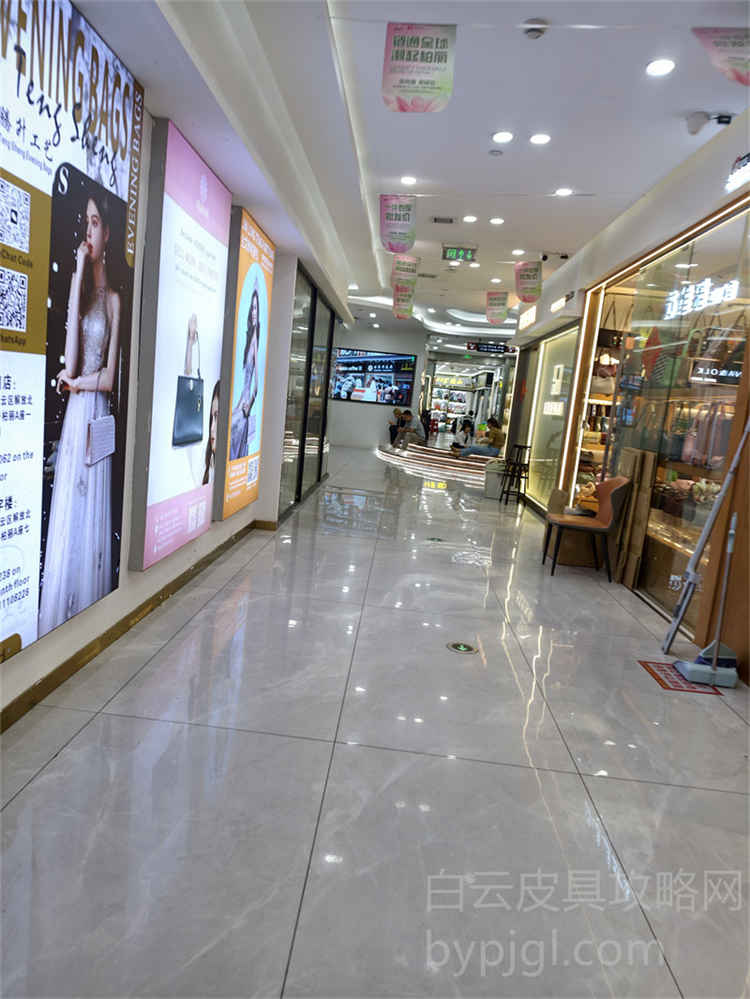
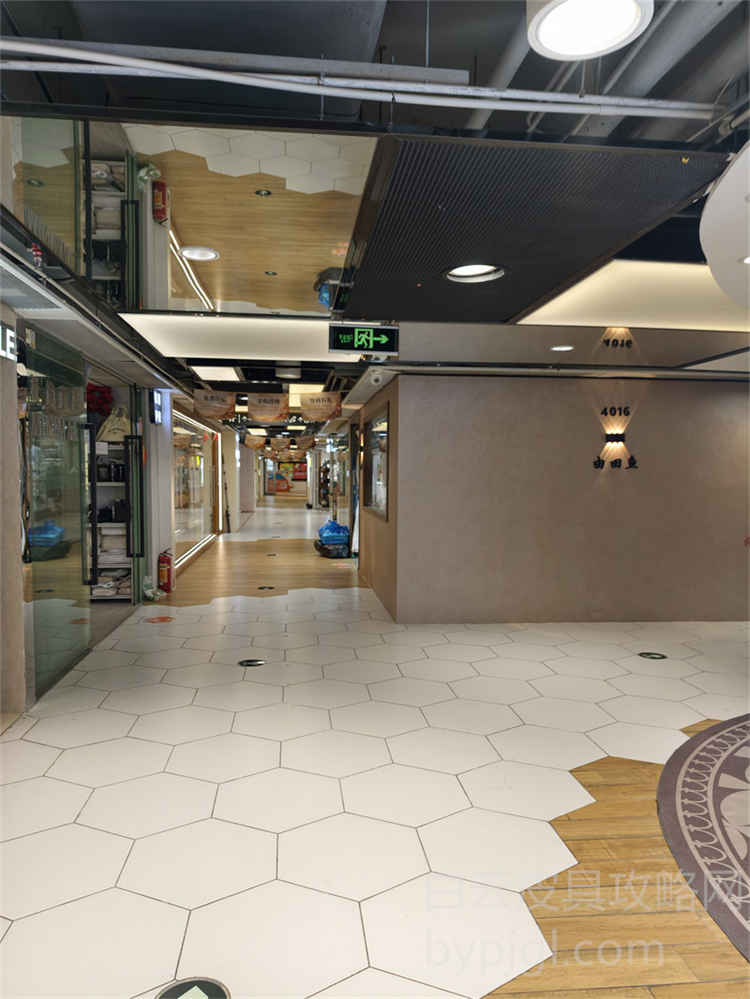
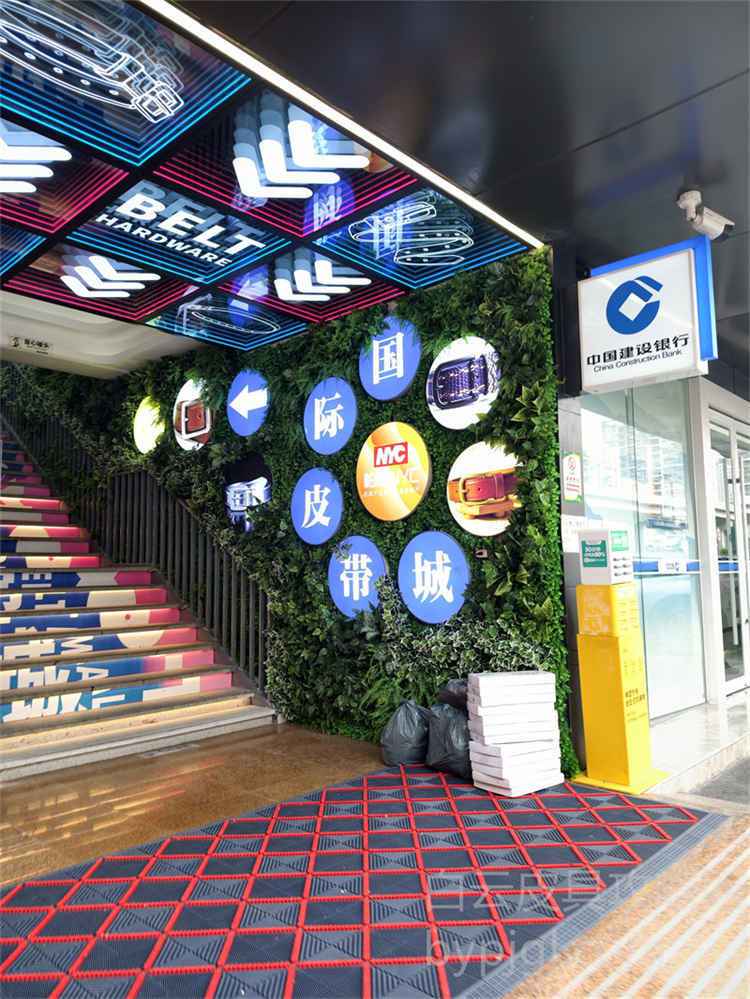
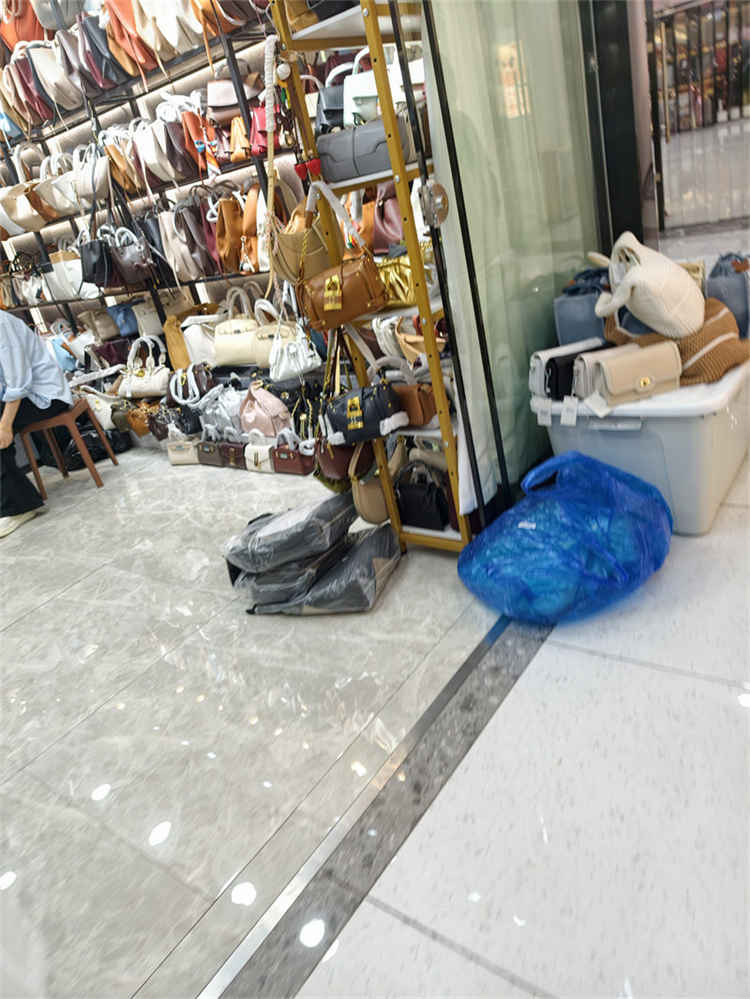
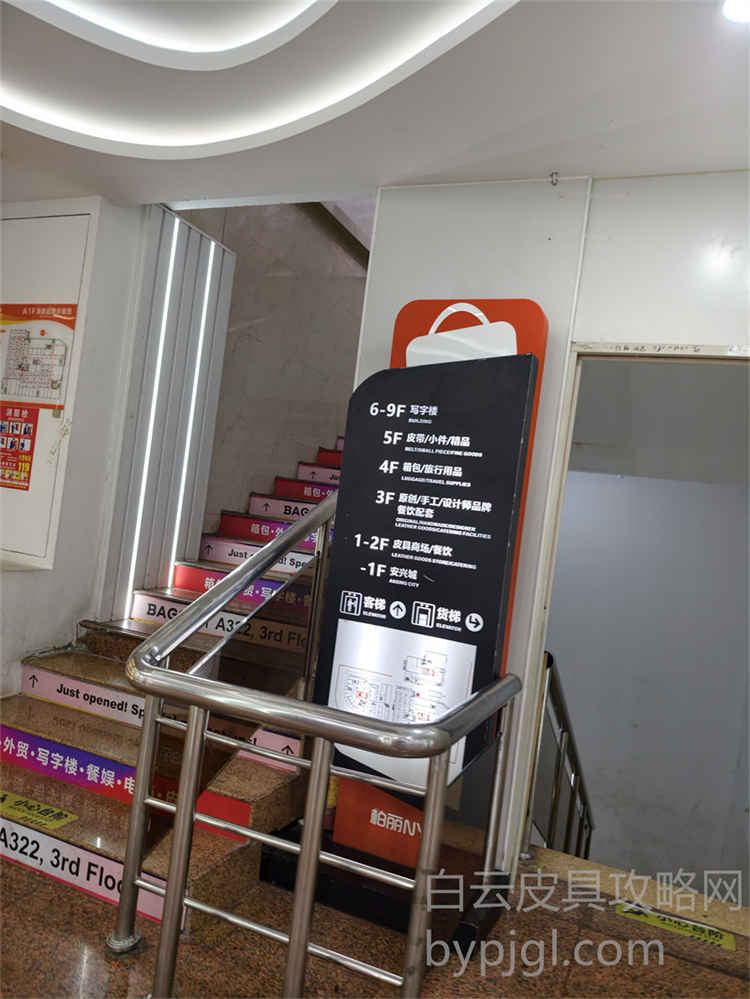
If you want to find the real goods, your first stop must be the massive complexes around Jiahe Wanggang and the main Baiyun Leather City. These aren't just malls; they are industrial hubs where thousands of suppliers operate side by side. The layout is confusing at first, like a maze designed to test your patience, but once you learn the flow, it becomes second nature. The lower floors are often filled with smaller vendors selling generic styles, while the upper floors house the serious manufacturers who supply the big brands and high-end boutiques.
Finding the Right Stall Without Getting Lost
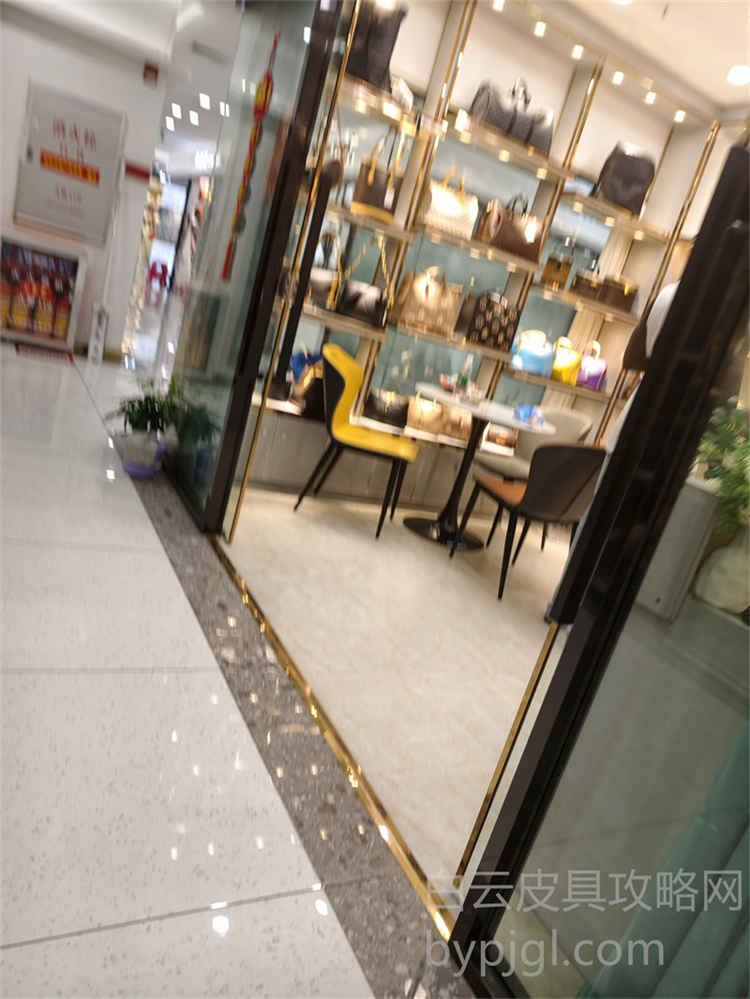
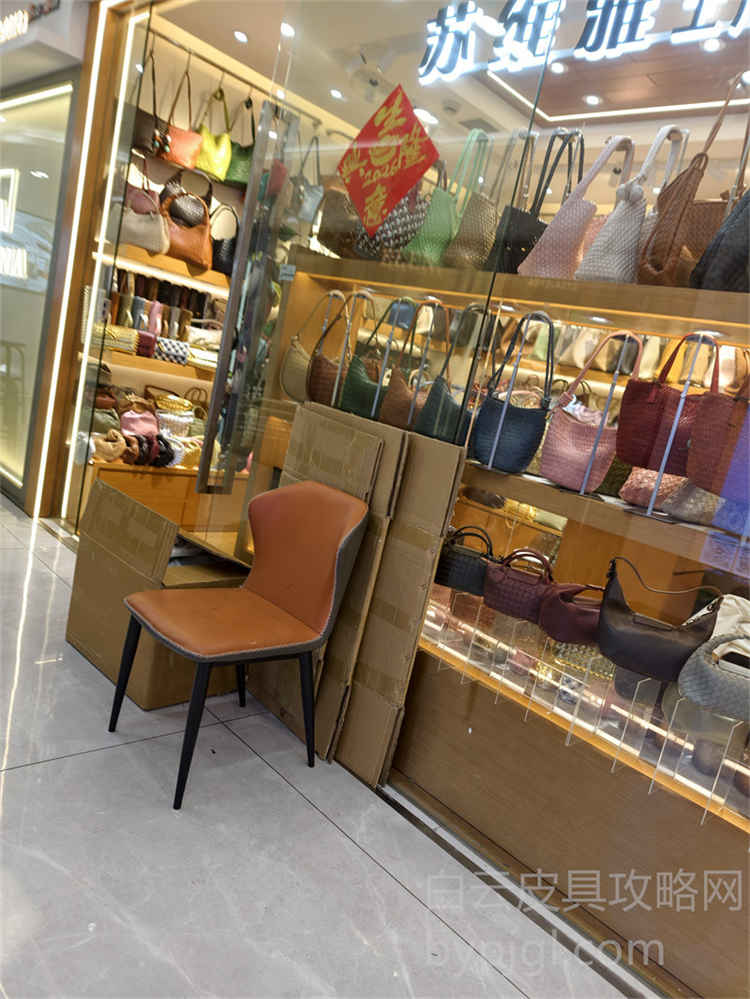
When you arrive, do not wander aimlessly. Look for the stalls with the most activity. If a shop has a steady stream of locals coming in and out, carrying boxes or discussing orders, that is usually a sign of a reliable source. Avoid the flashy storefronts with huge neon signs advertising "luxury" items; those are often traps for tourists. The real action happens in the quieter corners where the owners are busy packing orders. Ask the security guards or even the delivery drivers where the heavy hitters are located. They know the pecking order better than anyone else.
The Art of Inspection and Quality Control
once you find a stall that looks promising, the real work begins. Do not just look at the display models. Those are often perfect, polished versions meant to impress. Ask the owner to pull out their stock from the back room. This is where you see what they actually ship. I always carry a small flashlight to check the interior lining and the stitching inside the pockets. In Guangzhou, the quality varies wildly even within the same factory. You might find one batch with perfect edges and another with loose threads.
Checking the Hardware and Materials
Pay close attention to the metal parts. Cheap plating will turn green or peel after a few weeks of use. Run your finger along the zippers; they should glide smoothly without catching. For the leather, press your thumb into the material. Good leather bounces back quickly; synthetic materials stay dented. Also, check the smell. A strong chemical odor indicates low-quality glues and solvents, which is a red flag for durability. If the owner gets defensive when you ask to inspect the raw materials, walk away immediately. Honest sellers welcome scrutiny because they know their product stands up to it.
Negotiating Prices and Building Relationships
Pricing in Guangzhou is not fixed. It is a dance. The price tag you see is rarely the final price, especially if you are buying in bulk. Start by asking for the wholesale price, not the retail price. If you are a new buyer, expect to pay slightly more until you prove you are serious. However, if you come back next week with a larger order, the price drops significantly. The key is to build a relationship. Treat the shop owner with respect, buy a bottle of water, and chat about the weather or the market trends. once they see you as a partner rather than a one-time customer, you will get access to better samples and priority shipping.
Understanding Minimum Order Quantities
One of the biggest hurdles for overseas buyers is the Minimum Order Quantity, or MOQ. Many factories require you to buy ten or twenty pieces of the same style to get the best rate. This can be daunting if you are testing the market. Do not be afraid to negotiate. Sometimes, if you agree to mix styles, the owner might lower the MOQ per item. Be clear about your needs upfront. If you say you need fifty bags total but spread across five different designs, they might be willing to accommodate you, though the unit price will be higher. Transparency saves time and prevents misunderstandings later.
Avoiding Scams and Logistics Pitfalls
The market is bustling, and distractions are everywhere. One common trick is to offer you a deal that seems too good to be true. If a seller promises a premium product at half the market rate, it is almost certainly fake or substandard. Another pitfall is the logistics. Never send payment directly to a personal bank account without a contract or verification. Use secure payment methods that offer buyer protection. Also, clarify who handles the shipping costs and customs duties before you finalize the deal. Many buyers forget to factor in the freight charges, which can add up quickly depending on the weight and volume of the shipment.
Building Trust with Your Local Partner
If you decide to work with an agent instead of visiting yourself, choose someone who has a physical presence here. An agent who operates solely from a computer room cannot verify the quality of the goods as effectively as someone walking the floors daily. A trusted local partner can visit the factory, take videos of the production line, and ensure the packaging meets your standards before shipping. Remember, the goal is not just to buy bags, but to build a sustainable supply chain that grows with your business. Take your time, trust your instincts, and never rush a deal.