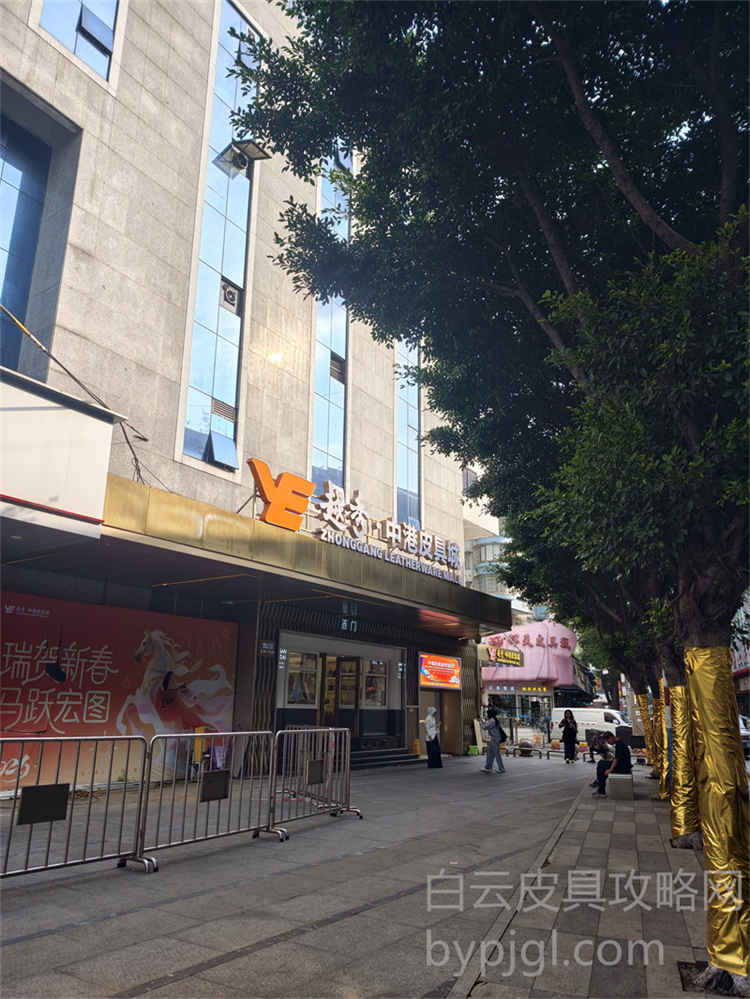
Walking the Floors: My Real Talk on Sourcing from Guangzhou's Bear Bag Scene
I've been standing behind counters in Guangzhou for over twenty years. While the city has changed, the smell of leather and the hum of negotiation in the Baiyun district remain exactly the same. You ask about "Guangzhou Little Bear Attachment Bag" sources? That specific phrase is a bit of a puzzle because it sounds like a direct translation or a niche internet search term that doesn't quite match how we talk here. In my shop, we don't use terms like "attachment bags" or "bear brands." We talk about quality, material, hardware, and price. But I know what you are looking for. You want those cute, plush-style bags, perhaps with bear motifs or soft textures, that have become popular online. Let me walk you through the real process of finding these goods in the flesh, not just reading a website.
The Reality of the Search Term
First, let's clear up a misunderstanding. If you go to a supplier asking specifically for "Little Bear Attachment Bags," they might look at you blankly. The market moves fast, and trends shift weekly. What you are likely seeing online are plush bags, teddy bear charms, or soft leather totes with animal designs. These items are everywhere in the Baiyun Leather City, but they aren't always labeled as a single category. You need to be flexible. When I help clients find these styles, I tell them to describe the vibe: "soft touch," "plush exterior," "cute charm," or "teddy bear design." This opens doors that rigid keywords close. The suppliers here deal in volume, and they know exactly what sells when you speak their language of product features rather than brand names.
Navigating the Baiyun Leather Market Maze
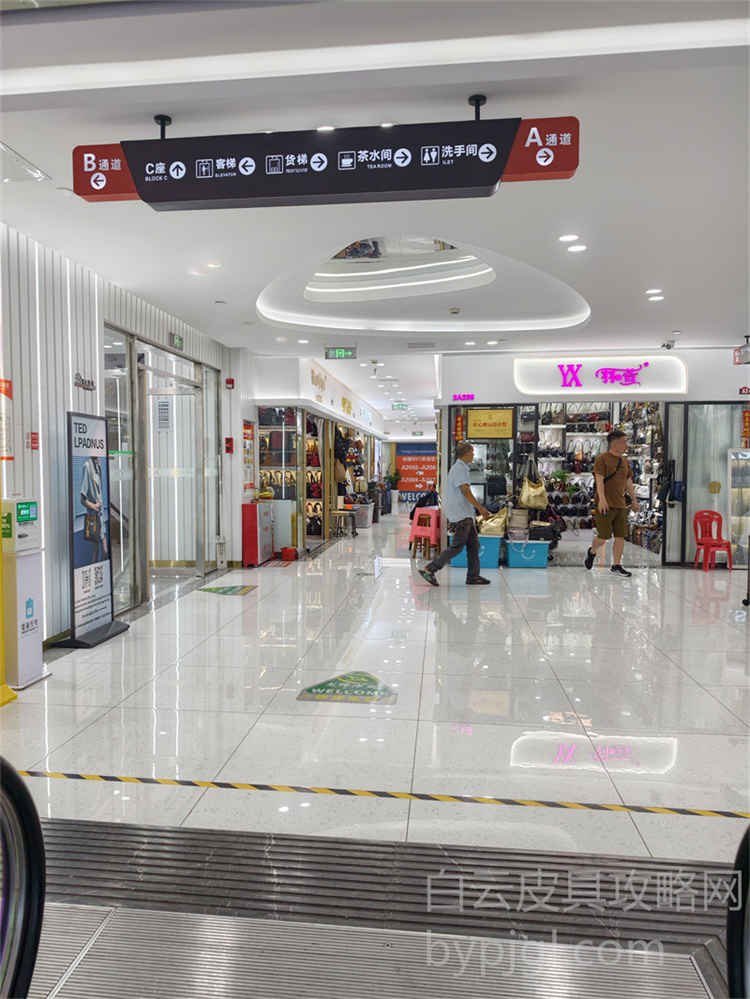
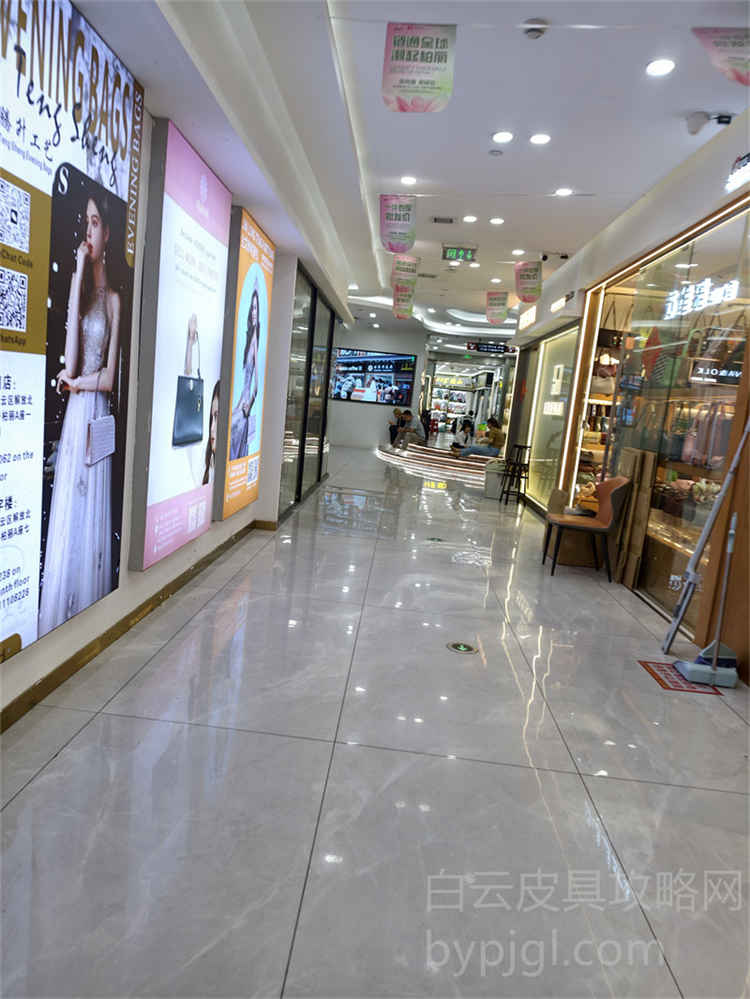
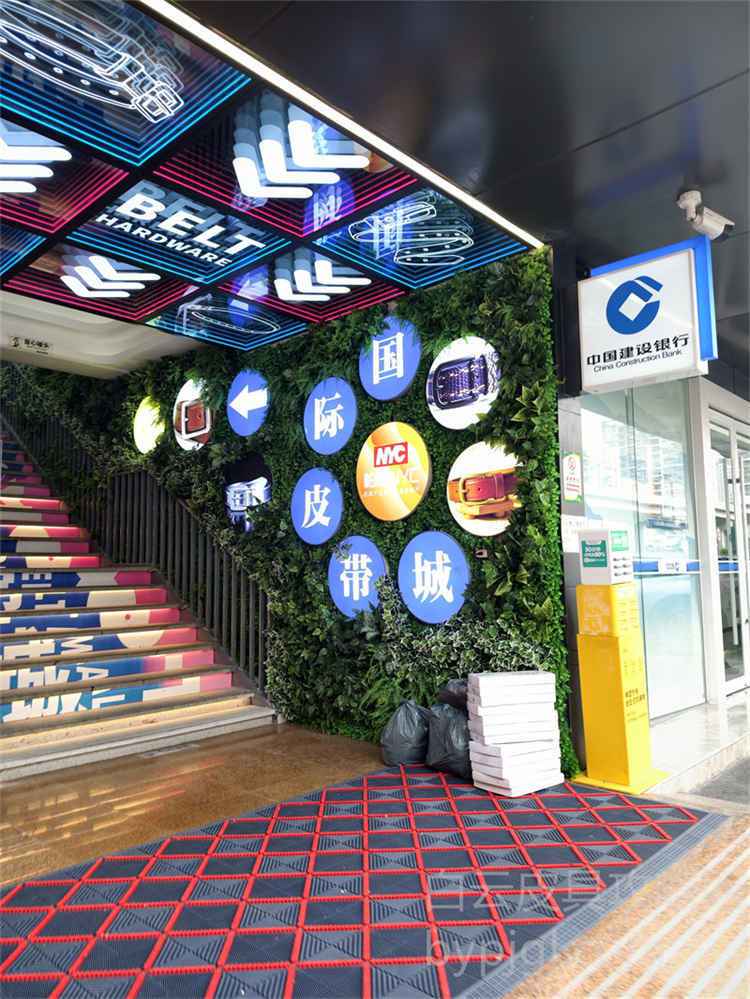
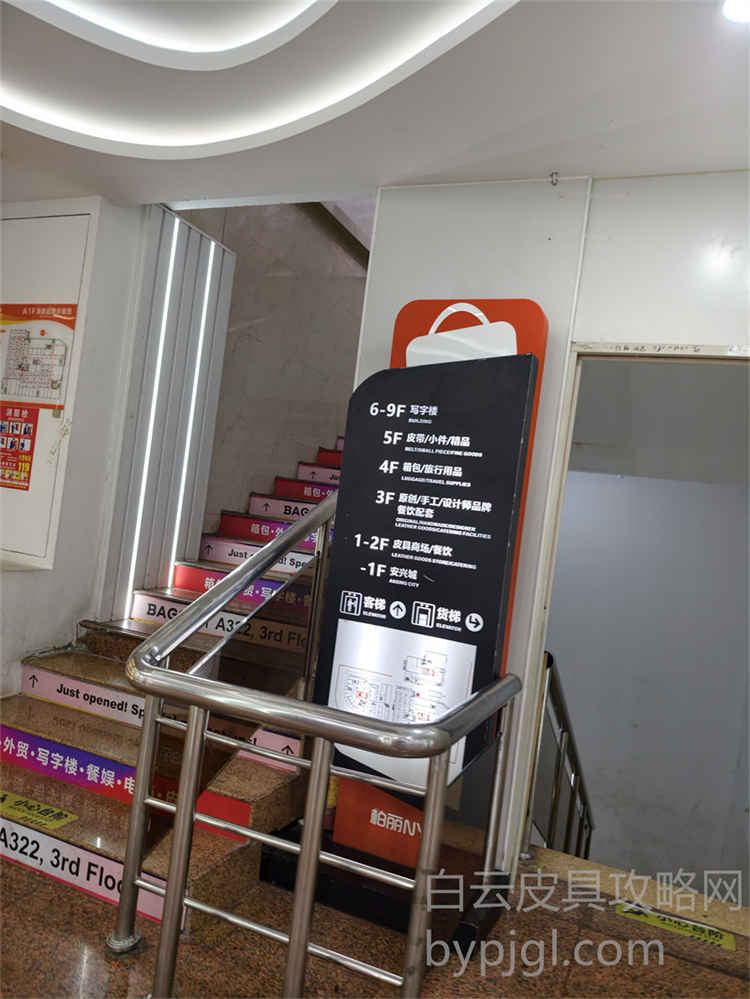
Getting to the source means getting your feet dirty in the Baiyun district. There are dozens of buildings, each with its own personality. For high-quality plush and soft leather bags, you don't want the flashy ground-floor shops that cater to tourists. You need to head deeper into the older buildings or the upper floors where the wholesale factories keep their showrooms. These places are less polished but much more honest. The air is thick with dust and leather scent, and the noise is constant. This is where the real deals happen.
Finding the Right Stall
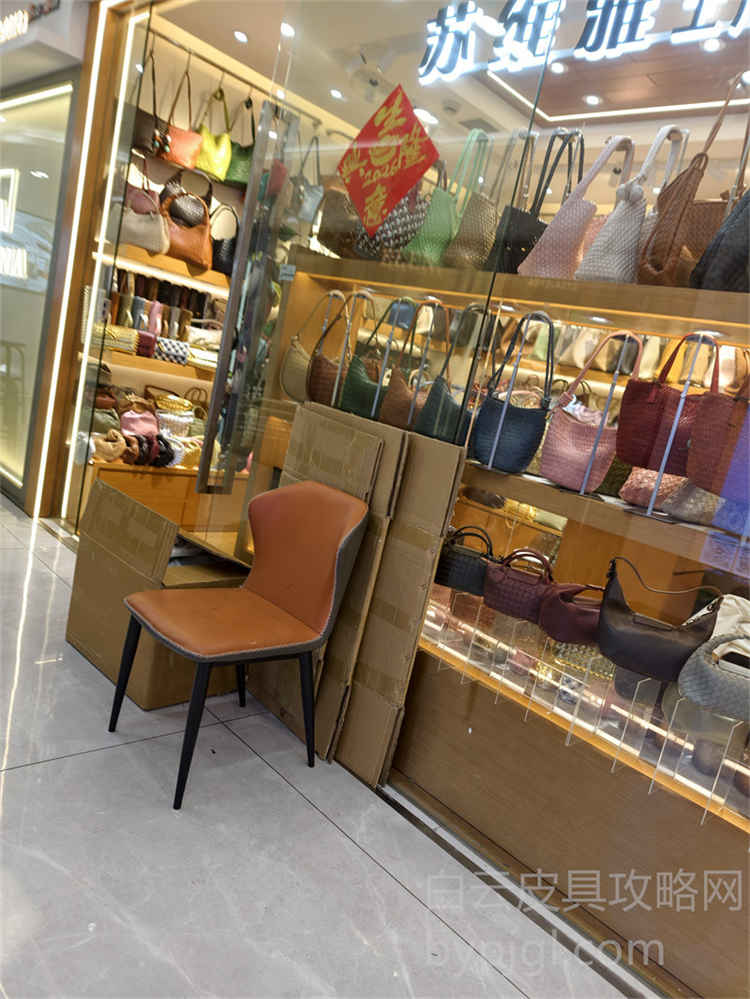
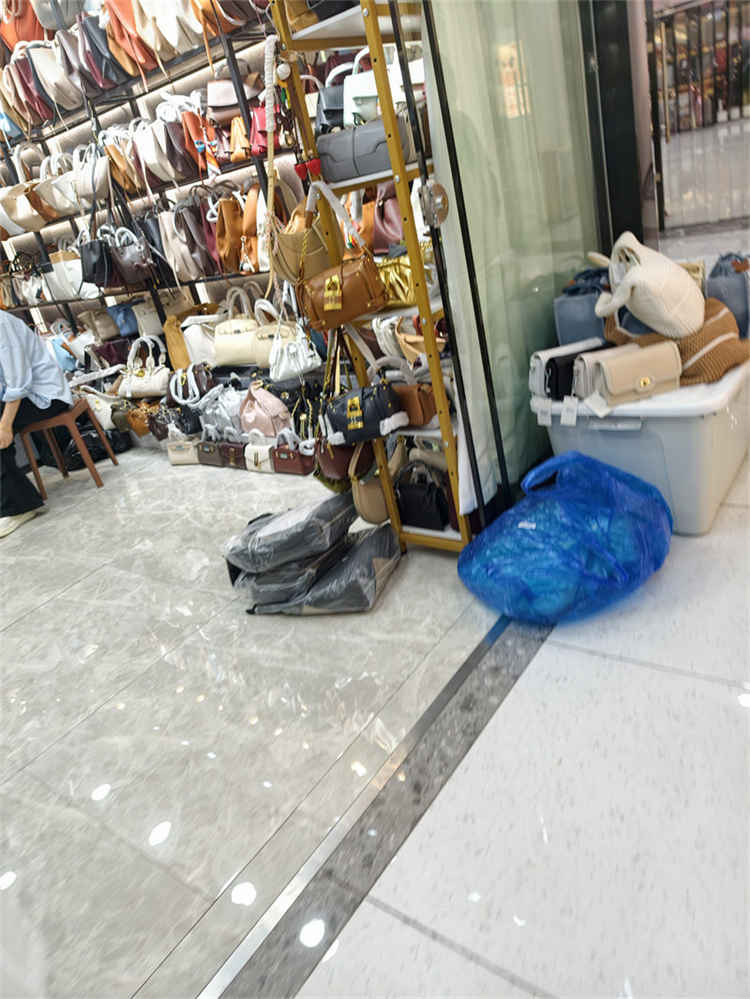
When I walk the aisles, I ignore the mannequins dressed in expensive-looking outfits. Instead, I look at the piles of stock on the tables. The best stalls for these cute, soft bags often have boxes stacked high in the back room. Ask the owner if they have "new arrivals" or "seasonal plush styles." Many owners will pull out samples from under the counter that aren't even displayed. They know that foreign buyers are looking for unique, trendy items that haven't flooded the market yet. Don't be afraid to dig. The most interesting pieces are usually hidden away until you ask for them directly.
Inspection and Quality Control: The Hard Truths
once you find a stall that looks promising, the real work begins. In Guangzhou, you cannot rely on photos sent via WeChat. Those images are often edited to hide flaws. You must hold the bag in your hand. For plush or soft leather items, check the stitching first. Are the threads tight? Is there any loose glue? Then, feel the material. Does it feel cheap and scratchy, or does it have that premium softness you see in high-end catalogs? I always run my fingers over the seams and the zippers. Hardware is where many suppliers cut corners. A heavy, smooth zipper feels different from a light, rattling one. If the zipper sticks, the bag is dead on arrival.
Testing the Durability
Another critical step is testing the attachment points. If your bag has a strap or a charm, pull on it gently. Does it feel secure? In the Baiyun markets, I've seen too many bags fall apart after a few weeks because the thread was too thin. I also check the lining. A good bag has a clean interior with no loose threads hanging around. If you are sourcing for resale, you need to know that these details matter. A customer who receives a bag with a broken strap will never come back. Always ask the supplier to demonstrate the strength of the handle or strap right in front of you. If they hesitate, move to the next stall.
Negotiation and Building Relationships
Price is important, but relationship is everything. In this business, the person who treats you well gets the best stock first. When I negotiate, I don't start by screaming for the lowest price. I start by showing interest in their craftsmanship. Compliment the stitching or the color choice. once the rapport is built, I ask about their minimum order quantity (MOQ). Most stalls in Baiyun are willing to mix colors or styles if you commit to a certain volume. They might say, "Buy ten of this style, and I'll give you five of that new one for free." This is a common tactic to move old stock while keeping your inventory fresh.
Avoiding the Pitfalls
There are traps for the unwary. One major issue is the "sample vs. bulk" discrepancy. Sometimes the sample you inspect is perfect, but the bulk order arrives with slightly different shades or softer materials. To avoid this, insist on a pre-production sample before the full batch is made. Pay for it if you have to; it is cheaper than losing an entire shipment. Also, be wary of suppliers who promise "top tier" quality without showing you the raw materials. If they can't show you the fabric swatches or the leather hides, they are likely reselling someone else's goods. Stick to factories that own their production lines. In the Baiyun area, you can often spot these by the sound of machines humming in the back rooms.
Final Thoughts on Sourcing Success
Sourcing from Guangzhou is not a game of luck; it is a game of preparation and persistence. The "Little Bear" style bags you seek are available, but you have to know how to ask for them. Go to the Baiyun Leather City, walk the floors, touch the products, and build trust with the people behind the counters. Don't rush. Take your time to inspect every stitch and test every zipper. The difference between a successful purchase and a disaster lies in the details you notice on the ground. When you leave the market, you should have a stack of bags that meet your standards and a contact list of suppliers who respect your business. That is the true value of being here in person.