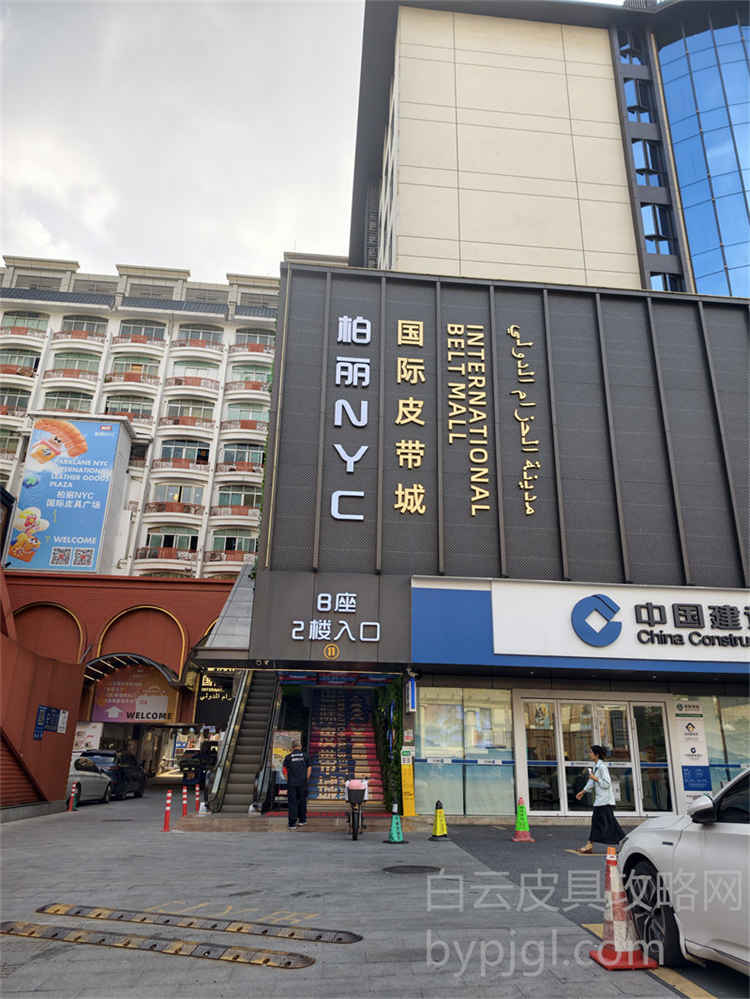
Walking the Floors: A Veteran's Guide to Sourcing Bags in Guangzhou
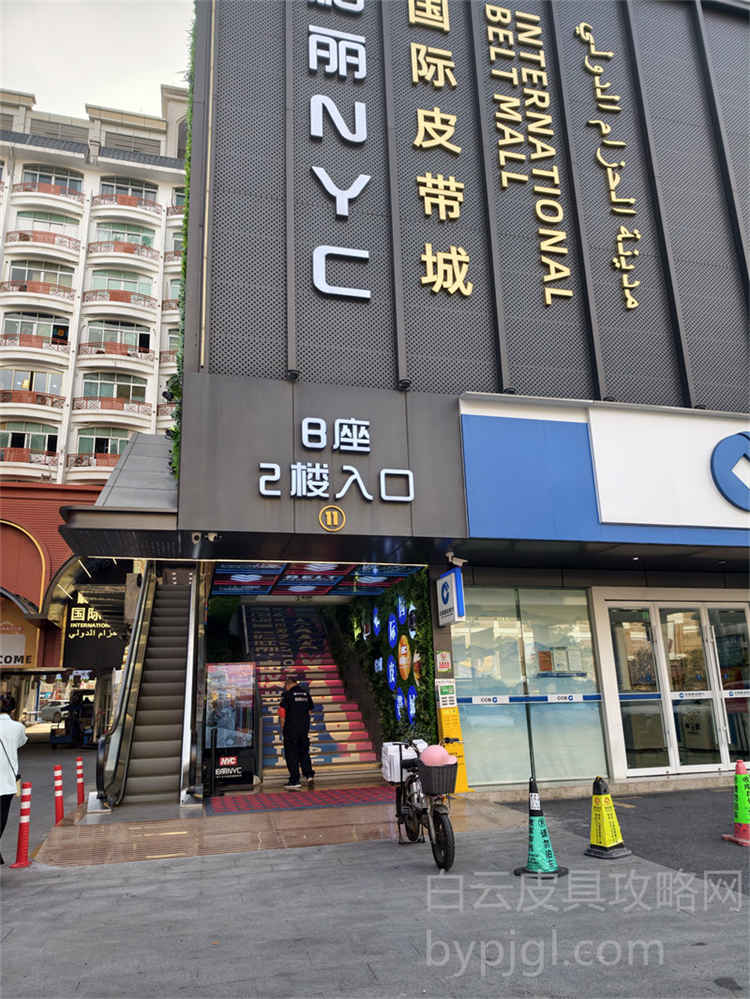
Welcome to the real deal. I've been standing behind my counter in the heart of Guangzhou for over fifteen years, watching the tide of buyers come and go. You see tourists, you see big importers, and you see a lot of folks who think they can just walk in and grab a "designer" bag for fifty bucks. Let me tell you straight from the floor: if you are looking for that kind of thing, you are walking into a trap. But if you want to understand the pulse of the global leather goods trade, there is no better place than the wholesale markets here. Specifically, we need to talk about the massive ecosystem surrounding the Baiyun District. This isn't just a mall; it is a living, breathing factory floor where thousands of transactions happen every single day.
The Reality of the Market Floor
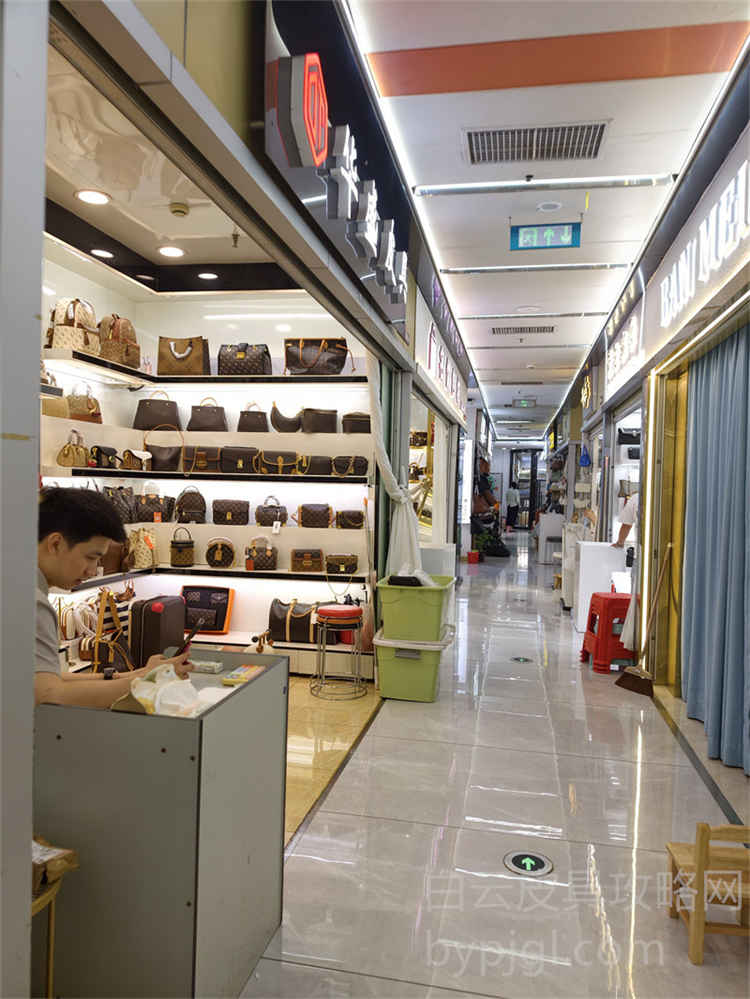
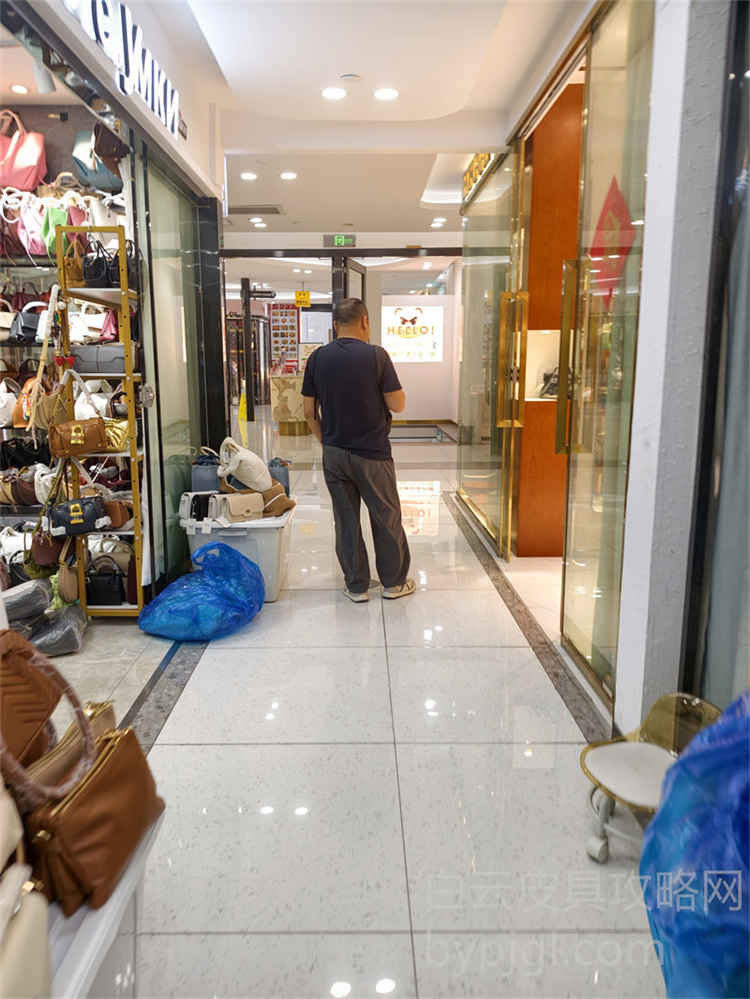
When you first step into the main buildings like the Baoma or the Qianwan, the noise hits you. It is a symphony of Cantonese dialects, Mandarin, and broken English mixed with the sound of zippers and scissors. Most people get overwhelmed by the sheer volume. They wander around looking for specific logos, but that is exactly how you miss the opportunity. The real action happens when you stop looking for brands and start looking at craftsmanship. In these halls, you will find everything from high-end synthetic leathers to full-grain cowhide sourced from Italy and Argentina. The quality spectrum here is vast, and your job as a buyer is to navigate it without getting lost in the hype.
Navigating the Layout: Where to Start Your Hunt
Understanding the Hierarchy of Buildings
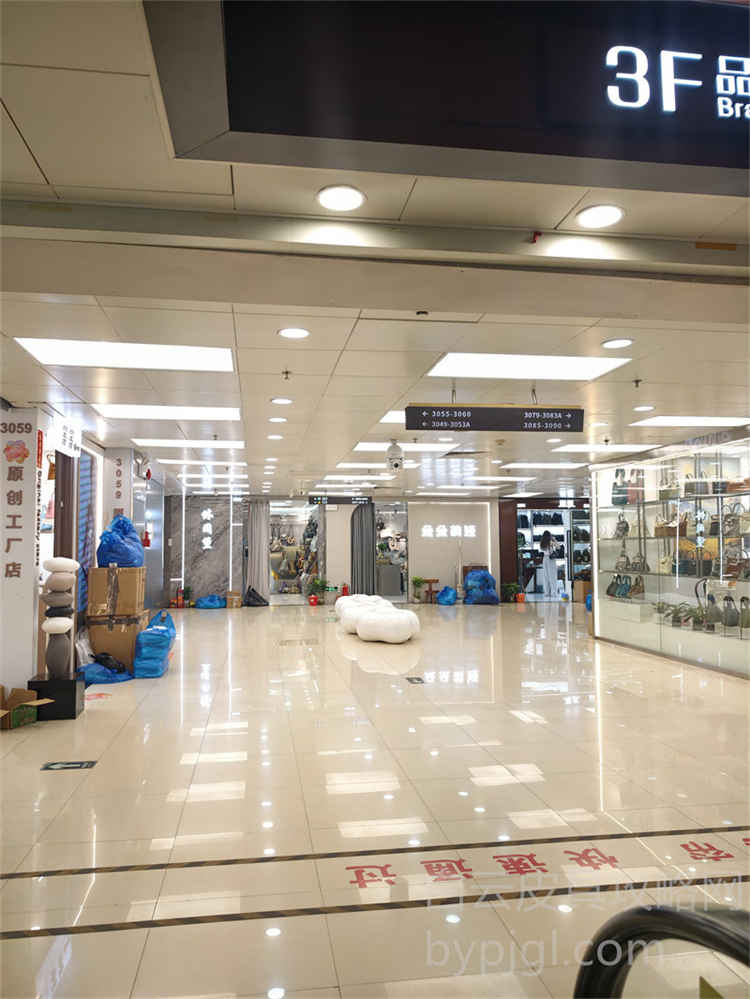
You cannot treat every building the same way. The older sections of the market often house smaller workshops and family-run stalls that might not have flashy displays but offer incredible customization. If you are looking for unique designs or small batch production, you need to dig deeper into the side alleys rather than sticking to the main corridors. On the other hand, the newer, more modern complexes are geared towards larger volume orders and have better lighting and security. As a local shop owner, I always advise my international friends to spend their first day just walking. Do not try to buy anything on day one. Map out which buildings specialize in what. Some focus on luxury-style hardware, others on canvas materials, and some are masters of exotic textures. Knowing this layout saves you hours of wasted time.
The Art of Finding the Right Stall
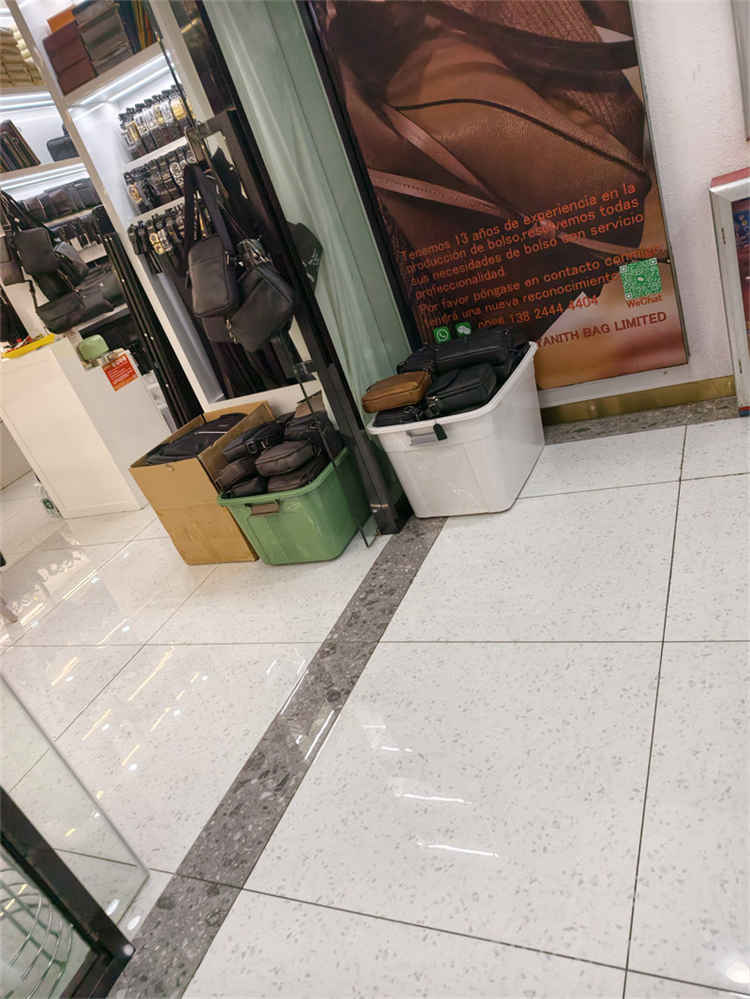
once you know the building, finding the right stall is an art form. Look for the ones that look busy. Not necessarily crowded with customers, but busy with activity. You want to see staff cutting patterns, sewing machines humming, or boxes being packed. These are the active producers. Avoid the stalls that only have mannequins sitting still. Talk to the person behind the counter. Don't ask for "the best quality." Ask them what material they use for their top-tier line. Listen to their answer. If they talk about grain, stitching density, and lining fabric, you are talking to someone who knows their product. If they immediately start talking about famous names or promise you something impossible, walk away. We value integrity over a quick sale.
The Inspection Process: Seeing What Others Miss
Touch and Feel: The First Line of Defense
In the digital age, everyone thinks photos tell the whole story. They don't. You must touch the leather. Run your fingers over the surface. Does it feel cool and smooth, or does it feel plastic? Real leather breathes; synthetics do not. Check the smell. High-quality leather has a distinct, earthy scent. Cheap glue and solvents have a sharp, chemical sting. When I inspect bags for my own stock, I check the corners first. This is where wear and tear starts. If the stitching is loose or the glue is visible at the seams, the bag will fall apart in six months. Also, pay attention to the weight. A heavy bag often indicates solid hardware and thick leather, while a feather-light bag might be hollow inside with flimsy construction.
The Hardware and Stitching Audit
Let's talk about the metal parts. Zippers, clasps, and buckles. Pick up the bag and shake it gently. Does the hardware rattle? That means poor fitting. Look at the plating. Is it even, or does it look patchy? Good plating should be uniform and resistant to scratching. Now, look at the stitching. Count the stitches per inch. Consistent spacing is key. If you see uneven lines or loose threads, that is a red flag. In our market, we pride ourselves on precision. A good stall owner will show you the difference between a standard stitch and a reinforced saddle stitch. They will explain why one costs more. Trust their expertise, but verify it with your own eyes.
Negotiation and Logistics: Closing the Deal
Talking Numbers Without Losing Face
Negotiation in Guangzhou is a dance. It is not aggressive haggling like you might see in street markets. It is a professional discussion about margins and volume. Never start by asking for the lowest price. Instead, ask for the price based on a specific quantity. For example, "If I take fifty pieces, what is your best rate?" This shows you are a serious buyer. Be honest about your target market. If you are selling to mid-range retailers, do not expect them to give you factory-direct prices meant for huge distributors. Build a relationship. Share your business plan. Many of us shop owners prefer working with partners who grow with us rather than one-off buyers who disappear after a single order.
Shipping and Quality Control Before You Leave
Before you pack up and head to the airport, you must finalize the shipping logistics. Most stalls in the Baiyun area have established relationships with freight forwarders who handle air and sea freight globally. Do not try to ship via regular mail unless it is a sample. Use a professional forwarder who understands customs clearance. They can help you consolidate orders from different stalls into one container, which saves you a fortune on shipping costs. Finally, do a final inspection before the box is sealed. Take photos of every item. Check the serial numbers or tags if applicable. once the box leaves the stall, it is hard to claim defects later. Protect yourself by being thorough.
Final Thoughts: Building Long-Term Value
The Guangzhou leather goods market is not a place to get rich quick. It is a place to build a sustainable business. The secrets to success here lie in patience, observation, and respect for the craft. When you visit the Baiyun District, remember that you are entering a community of artisans and traders who have dedicated their lives to this industry. Treat them well, learn from them, and you will find that the doors open wider than you ever imagined. Whether you are sourcing for a boutique in New York, a chain store in London, or an online brand in Dubai, the foundation of your success starts with understanding the ground rules of this market. Come with an open mind, keep your eyes sharp, and you will find the perfect partner to bring your vision to life.