Walking the Floor: A Veteran's Guide to Guangzhou Bag Wholesale
Listen, I've been standing behind a counter in Guangzhou for over fifteen years. While you might be scrolling through websites or reading glossy brochures back home, my world is built on the dust of the corridors, the smell of fresh leather, and the constant hum of haggling voices. If you are asking where to find bag wholesale in China, specifically here in Guangzhou, let me tell you something that no travel blog will admit: the real deals aren't found by clicking a button; they are found by walking until your feet hurt.
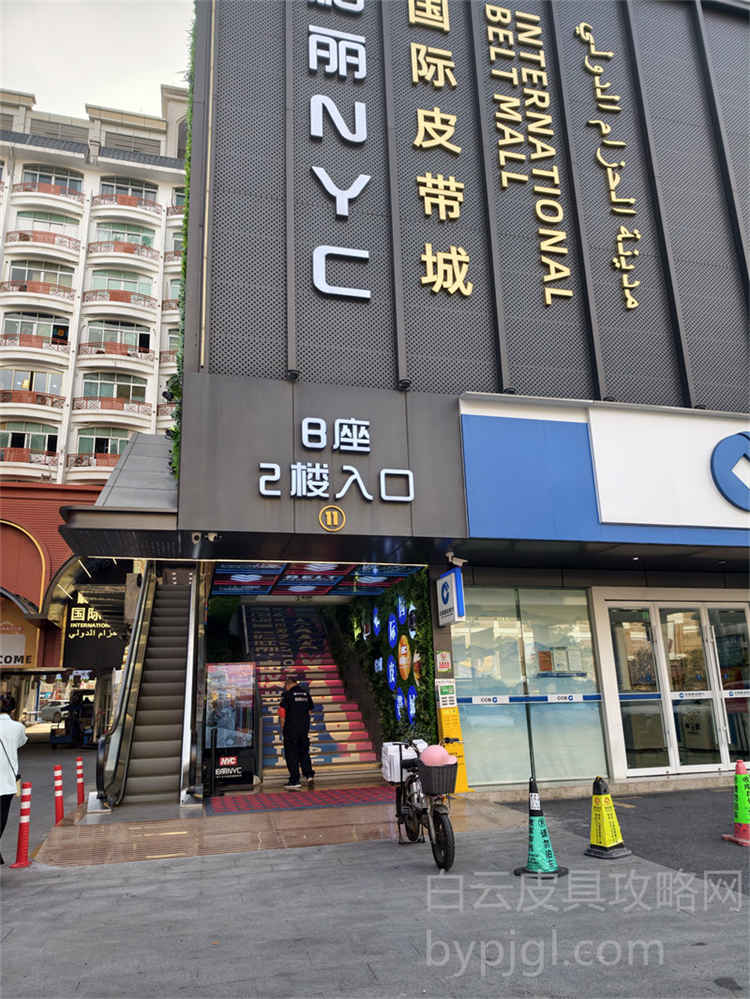
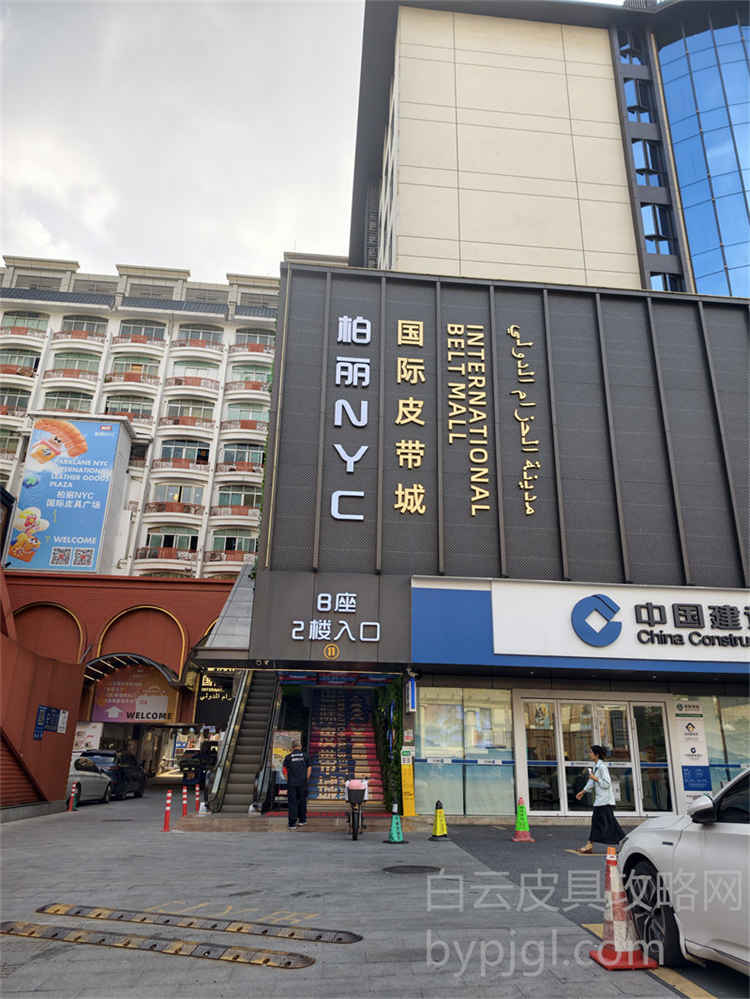
Most foreign buyers come here expecting a magical warehouse where everything is ready to ship overnight. That is a myth. The reality is a chaotic, vibrant ecosystem centered around the Baiyun district. This isn't just about buying products; it is about building relationships with people who have seen every trend cycle since the turn of the century. When you step into the Baiyun Leather City complex, you are entering the heart of the global supply chain for handbags. But without the right strategy, you will get lost, overpay, or end up with goods that don't match your vision.
Navigating the Giants: Where the Real Action Happens
You need to know exactly which buildings hold the gold. There are dozens of markets, but if you want serious wholesale options, you focus on the big three complexes near Jiahe Wanggang and Sanyuanli. These are not tourist traps; they are industrial hubs disguised as shopping malls.
The North Wing vs. The South Wing Strategy
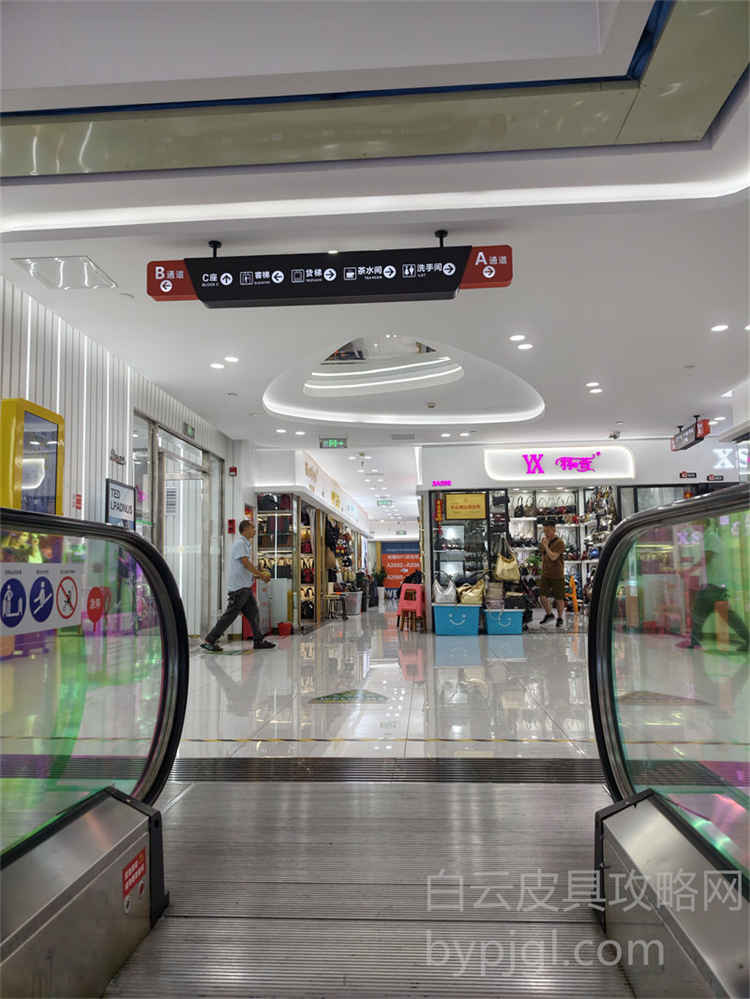
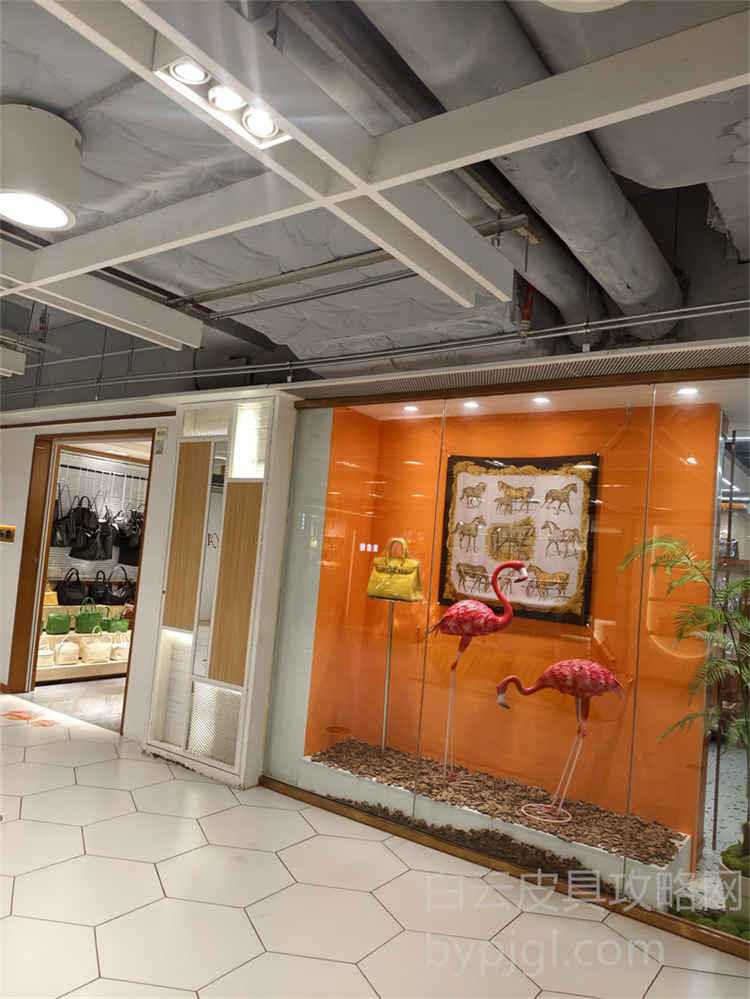
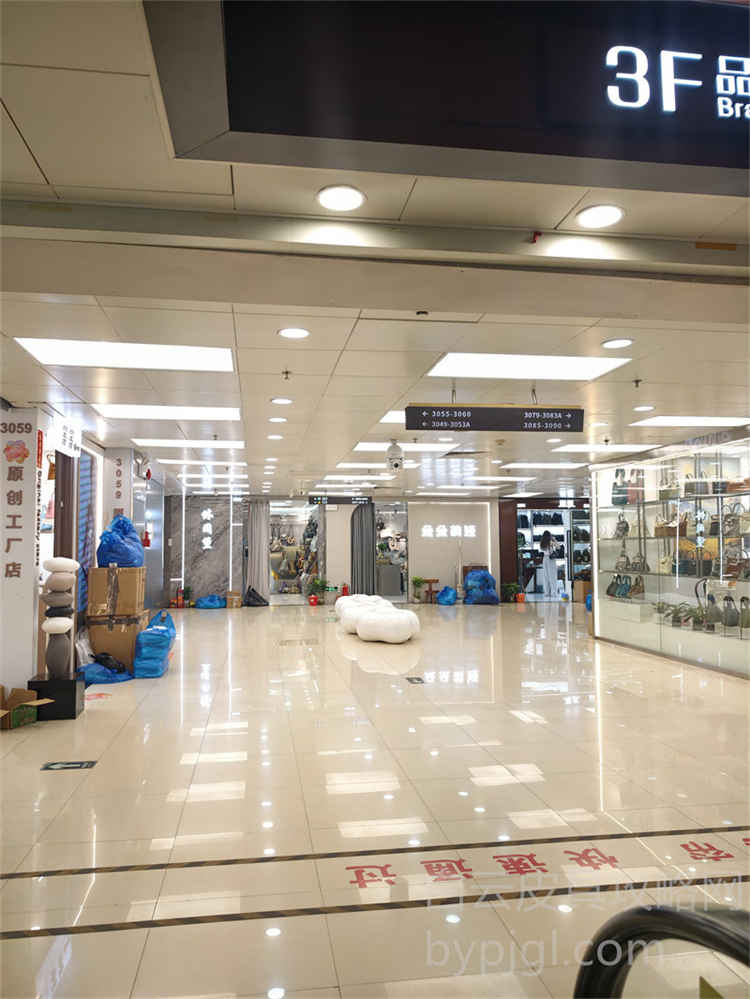
Inside the main Baiyun Leather City building, the layout tells a story. The north wing often houses the higher-end production lines. Here, the craftsmanship is sharper, the materials are thicker, and the prices reflect a commitment to quality. If you are looking for premium leather goods that can stand up to rigorous inspection, start here. The south wing, conversely, is where volume lives. You will see stacks of boxes reaching the ceiling, and the pace is frantic. This is where you go if you need hundreds of units quickly at a lower price point. Do not make the mistake of thinking one side is better than the other; they serve different purposes. My advice? Spend your morning in the north wing to understand the standard of quality, then head south to negotiate the numbers.
The Hidden Gems Around the Main Hubs
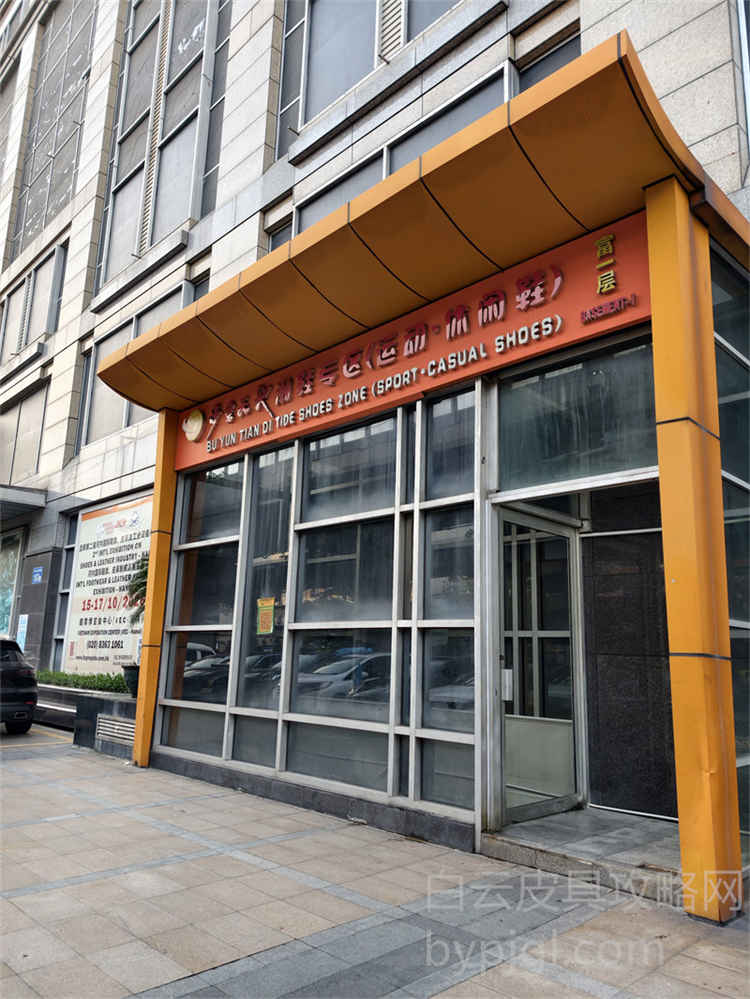
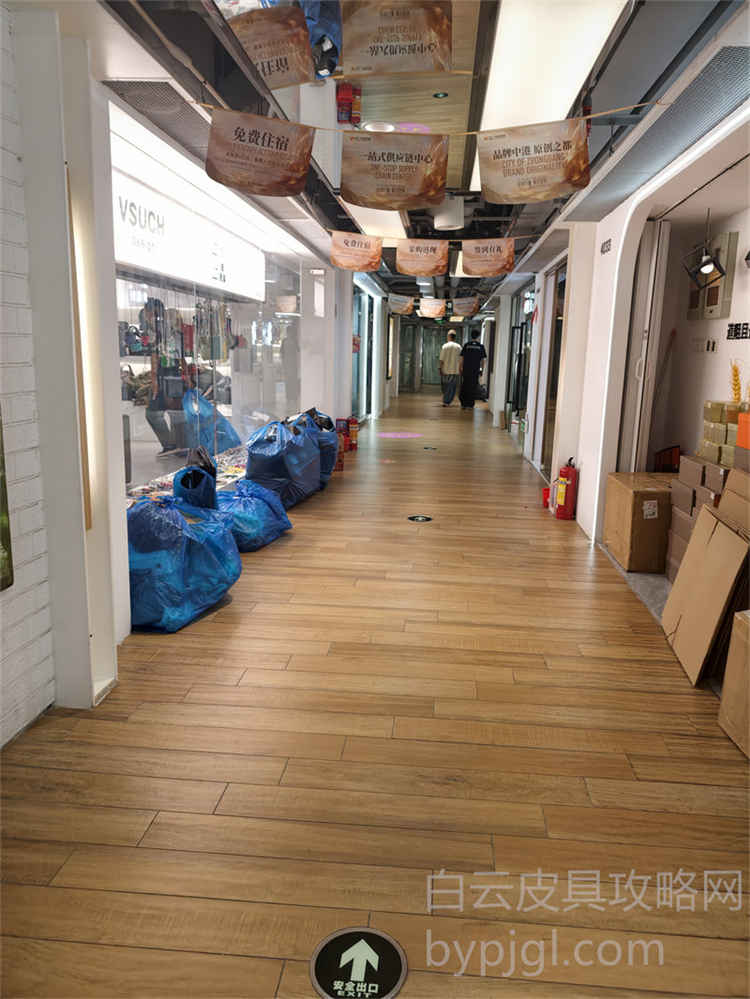
once you have exhausted the main corridors of Baiyun, do not stop. Walk out the back exit and look for the smaller, older buildings nearby. These are the "hidden gems." Many top-tier factories operate out of these less glamorous structures because their rent is lower, allowing them to offer better margins. You won't find flashy signs here, just simple doorways with stacks of samples inside. This is where the most experienced local bosses keep their best inventory. They don't advertise online because they rely on word-of-mouth from repeat clients like me. Finding these spots requires asking the security guards or the shop owners in the main plaza, "Where is the factory outlet?" It is an old-school way of finding the source.
The Art of the Deal: How to Talk Like a Pro
When you walk into a stall, your body language speaks before you say a word. If you look like a first-time buyer, you will get the tourist price. If you look like a partner, you get the real deal. In this industry, trust is currency, and it is earned through specific behaviors.
Reading the Room and the Samples
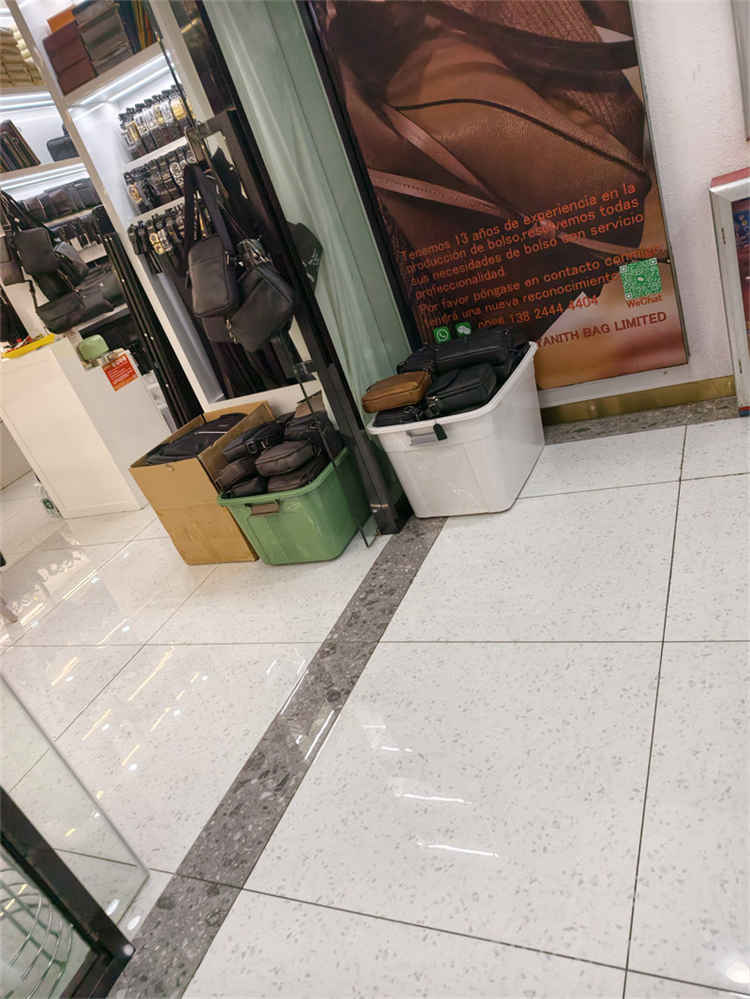
Never ask, "How much is this?" immediately. That is a rookie mistake. Instead, pick up a sample, feel the weight, check the stitching, and ask technical questions. Ask about the type of leather used, the origin of the hardware, or the lining material. When you speak the language of production, the vendor knows you are serious. They will stop treating you like a customer and start treating you like a colleague. In Baiyun, we call this "knowing the trade." If you can discuss the difference between cowhide and lambskin, or explain why a certain zipper brand is superior, the owner will open up their ledger and show you their actual cost structure.
Negotiating Without Burning Bridges
Haggling is expected, but it must be done with respect. Start by expressing genuine interest in the product, then mention your target market and your volume goals. Say, "I am planning to launch a collection next month, and I need 500 units to test the market." This frames the conversation around partnership rather than a one-off transaction. once you establish that you are a potential long-term client, the price negotiation becomes easier. Do not try to drive the price down to zero; that insults the maker. Aim for a fair margin that allows both of us to grow. If the price is too high, politely ask if there is a way to adjust the specifications—maybe a different lining or a simpler clasp—to hit your budget. Most vendors are flexible if you show creativity.
Quality Control and Avoiding Pitfalls
The biggest risk in Guangzhou is not finding the product; it is receiving something different from what you ordered. The gap between a sample and mass production can be wide if you are not vigilant.
The Sample Trap
Always insist on seeing a pre-production sample before you pay for the full order. Even if the vendor says, "The mass production will be exactly like this," do not believe them blindly. Pay for the sample. It costs a little extra, but it saves you from thousands of dollars in losses. Inspect the sample under bright light. Check the symmetry of the handles, the alignment of the pattern, and the strength of the glue. If the sample has flaws, send it back immediately. Do not accept "it will be fixed later" as an excuse. Your reputation depends on the final product, so ensure the foundation is solid.
Logistics and Shipping Realities
Many new buyers forget to plan for logistics until the very end. In Baiyun, shipping is a massive industry in itself. Most stalls have direct relationships with freight forwarders who handle customs clearance and international delivery. Do not try to arrange shipping yourself unless you have a dedicated agent. Ask the vendor to recommend a reliable forwarder who has experience with your destination country. Also, clarify the Incoterms clearly. Are you paying for the goods only, or does the price include packaging and insurance? Get everything in writing, even if it is just a simple WeChat message summary. Ambiguity leads to disputes, and disputes lead to delays.
Building a Sustainable Supply Chain
Finally, remember that this is a marathon, not a sprint. The goal is not to buy one batch of bags and leave. The goal is to build a network of suppliers who understand your brand standards. Return to Guangzhou regularly. Visit the same stalls, meet the same owners, and update them on your sales performance. When you become a familiar face, you gain access to new designs before they hit the general market. You become part of the inner circle.
Guangzhou is a city of opportunity, but it rewards those who are prepared, observant, and respectful. The streets of Baiyun are filled with stories of success, but also cautionary tales of those who rushed the process. Take your time, walk the floor, touch the leather, and talk to the people. That is how you find the best bag wholesale in China. That is how you build a business that lasts.