Why I've Been Selling Bags in Guangzhou for Over Two Decades
Welcome to the real deal. If you are reading this, you probably already know that Guangzhou is the heartbeat of the global leather goods trade. But let me tell you something most travel blogs won't: the magic isn't just in the big names on the signs; it's in the dusty corridors, the stacks of boxes, and the sheer hustle of people who have been doing this since before the internet took over.
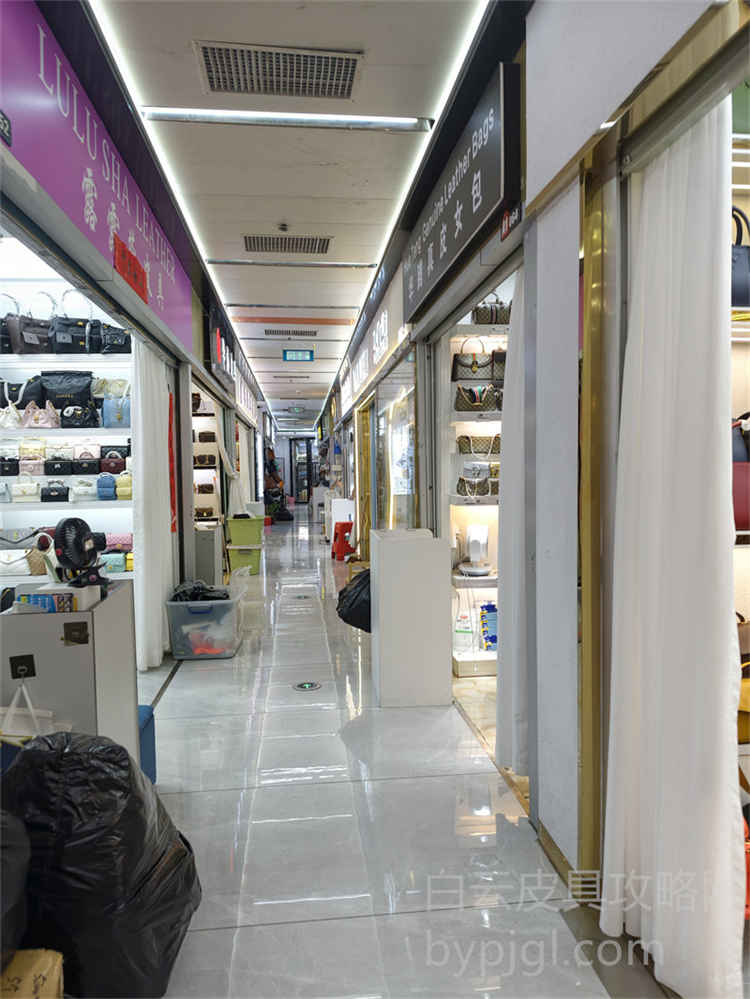
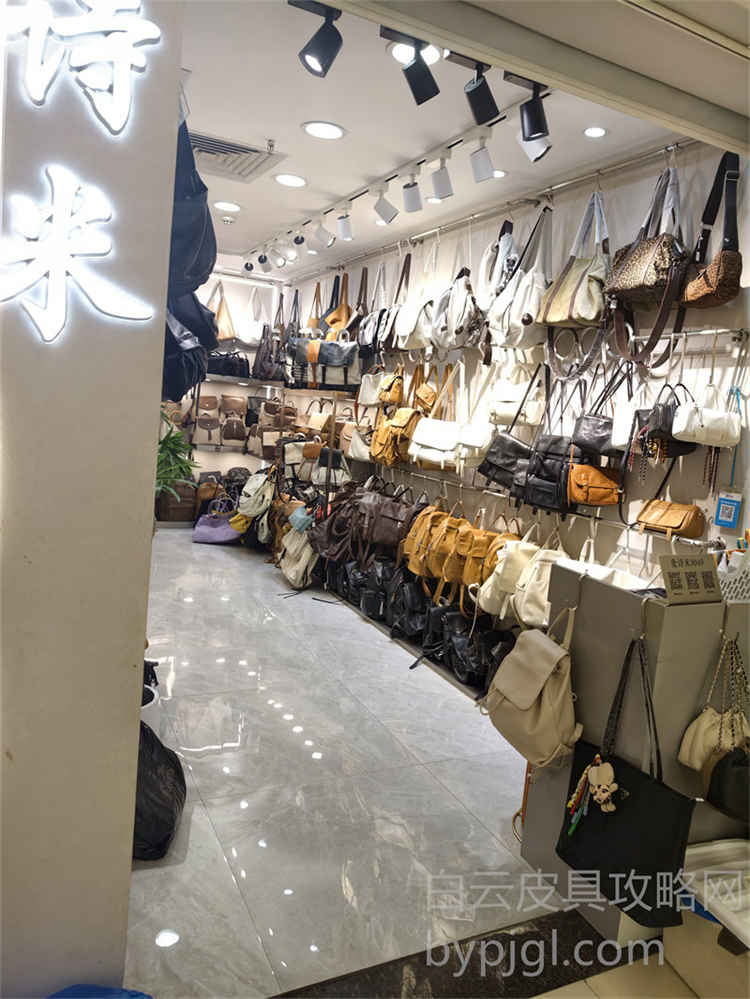
I am an old shop owner right here in the Baiyun district. My stall has seen thousands of buyers come and go, from first-timers with a shopping list to seasoned importers looking for their next big hit. When you walk into the Baiyun Leather City or the surrounding markets like Shiqiao, you aren't just walking into a mall; you are entering a factory floor disguised as a retail space. The air smells like glue, new leather, and ambition. That is where the best deals happen, not online.
Navigating the Labyrinth: Getting Your Bearings
The First Step: Don't Trust Google Maps Alone
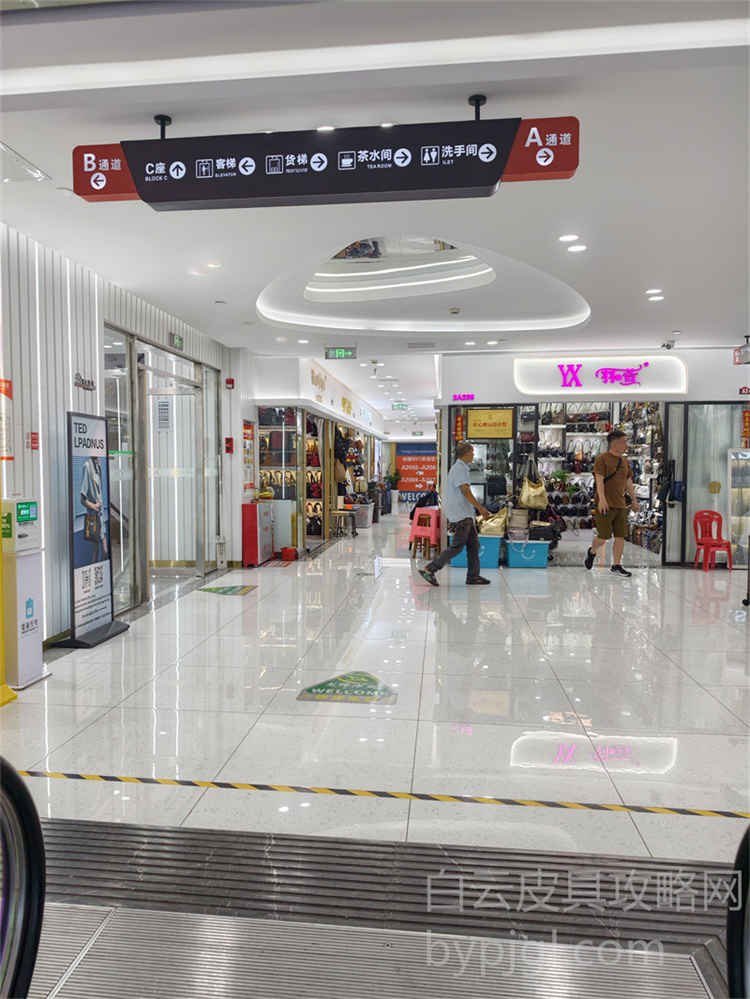
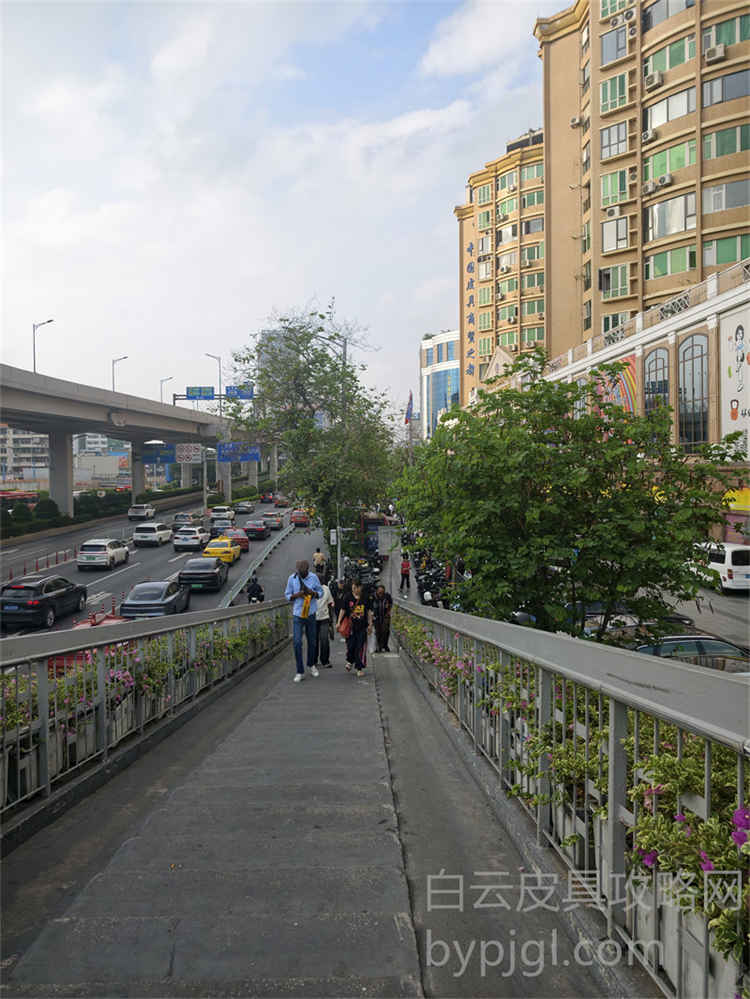
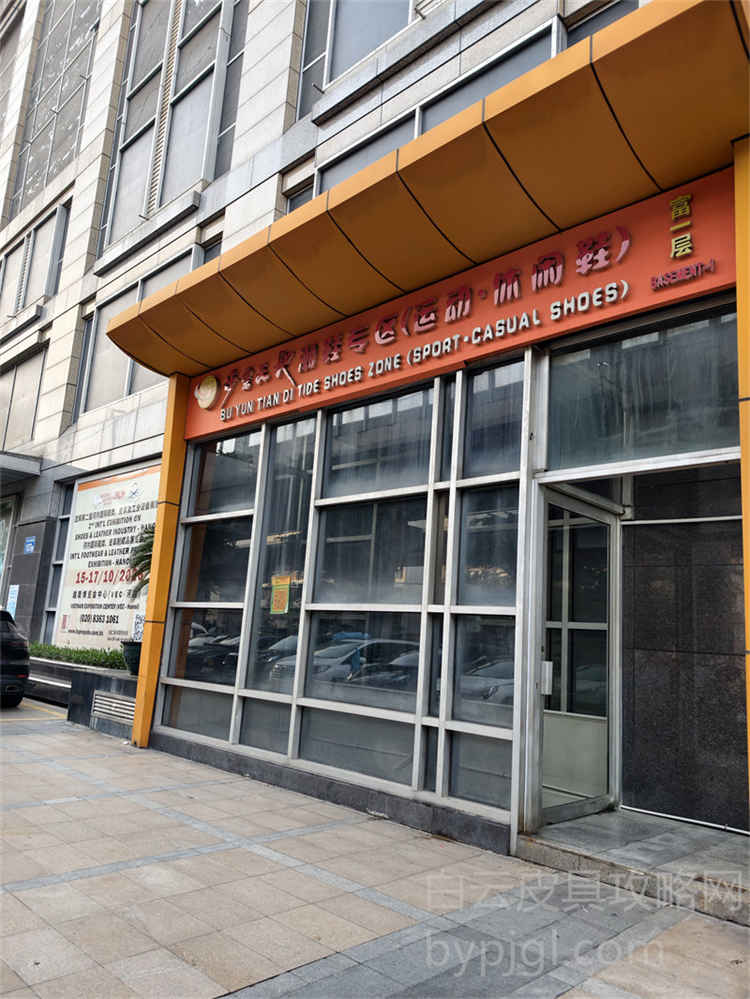
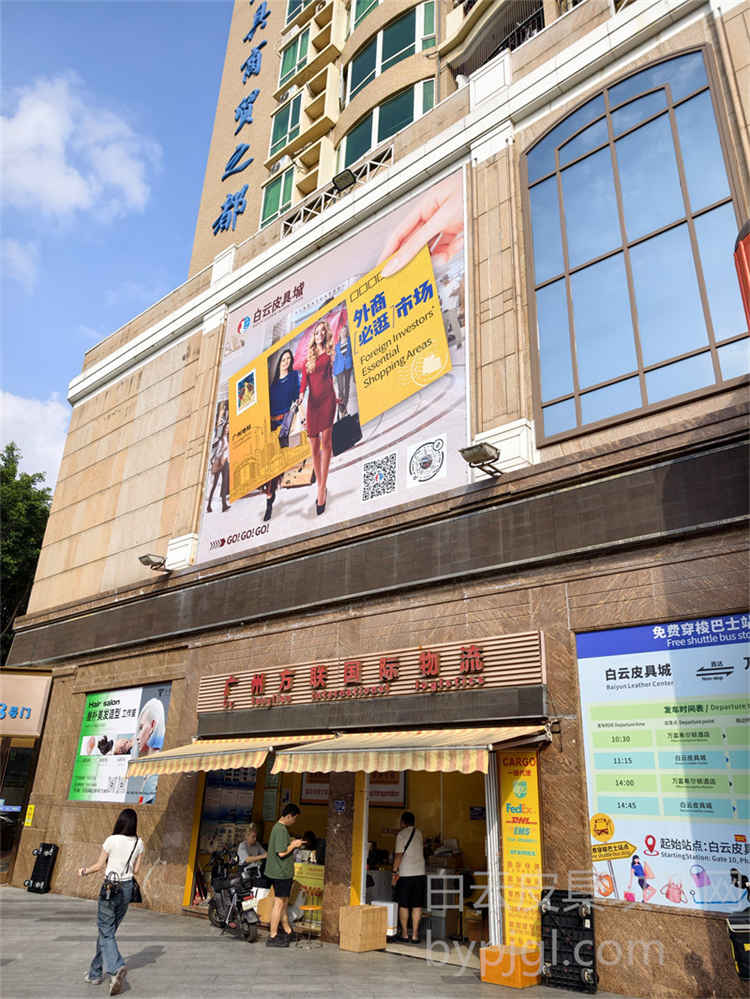
When you first arrive at the Baiyun Leather Market, your phone GPS might lead you to the main entrance, but the real action is often hidden inside. This place is a maze. I remember my first time here, feeling completely lost among the endless rows of stalls. The layout changes slightly every year as vendors expand or move. My advice? Get off the beaten path immediately. The ground floor is usually filled with tourists and quick sales, but the upper floors and the side alleys connecting different buildings are where the serious wholesale business happens.
Look for the signs pointing towards "Shiqiao" or "Yide Road." These areas house the older, more established factories that supply the high-end boutiques. If you want to find the best quality materials without paying retail prices, you need to dig deeper than the main atrium. Walk past the flashy displays and look for the back rooms where the samples are stacked high.
Understanding the Flow of Traffic
You will notice that the crowd shifts throughout the day. Early morning is for the locals restocking their own shops, while mid-morning to early afternoon is when international buyers start filtering in. By late afternoon, the energy drops, and many vendors pack up. If you are serious about sourcing, aim to be there between 9 AM and 4 PM. This is when the owners are present, not just their assistants. They are the ones who can negotiate, explain the leather grades, and show you the latest molds that haven't hit the market yet.
The Art of Selection: What to Look For Before You Buy
Touch and Feel: The Leather Test
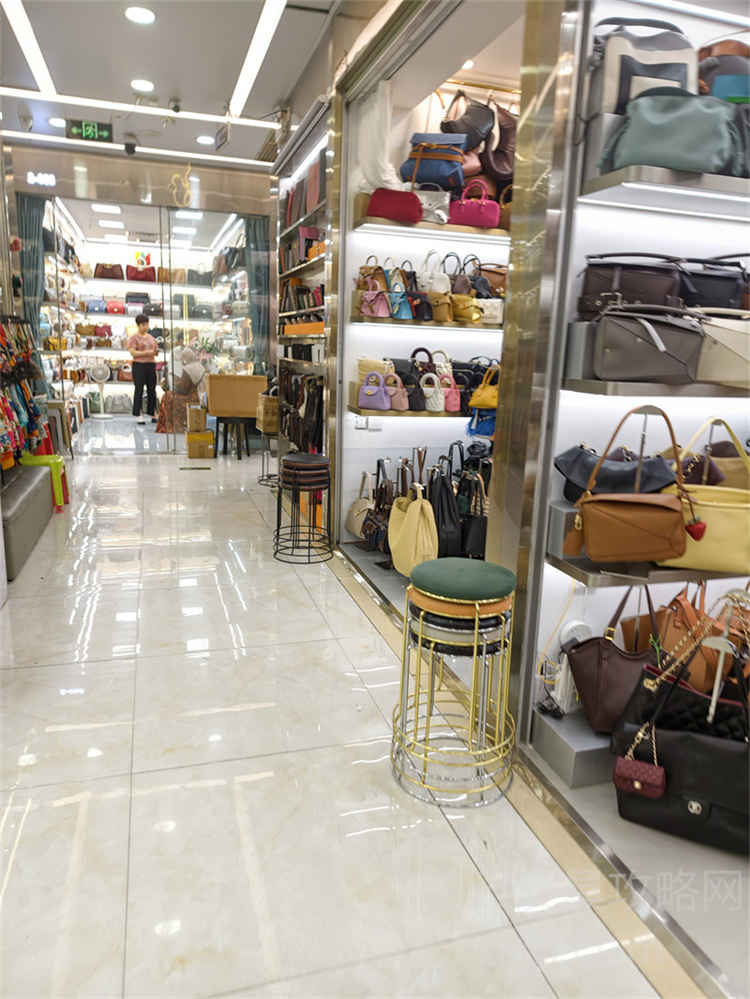
In my experience, the biggest mistake foreign buyers make is focusing too much on the shape and ignoring the material. In Guangzhou, we have everything from top-tier cowhide to synthetic blends. Do not be afraid to ask to touch the bags. A good vendor will welcome this. Run your fingers over the surface. Does it feel soft and supple, or stiff and plastic-like? Check the stitching. Is it even? Are there loose threads? In our line of work, the devil is always in the details. If the stitching looks sloppy on the display model, imagine what the bulk order will look like.
We pride ourselves on using genuine leather that ages beautifully. When you see a bag that feels heavy and substantial, that is usually a sign of quality. Lighter bags often use cheaper cores or thinner hides. Ask the vendor specifically about the type of leather they use. If they hesitate or give a vague answer, walk away. Transparency is key in building a long-term relationship.
Hardware and Zippers: The Silent Quality Indicators
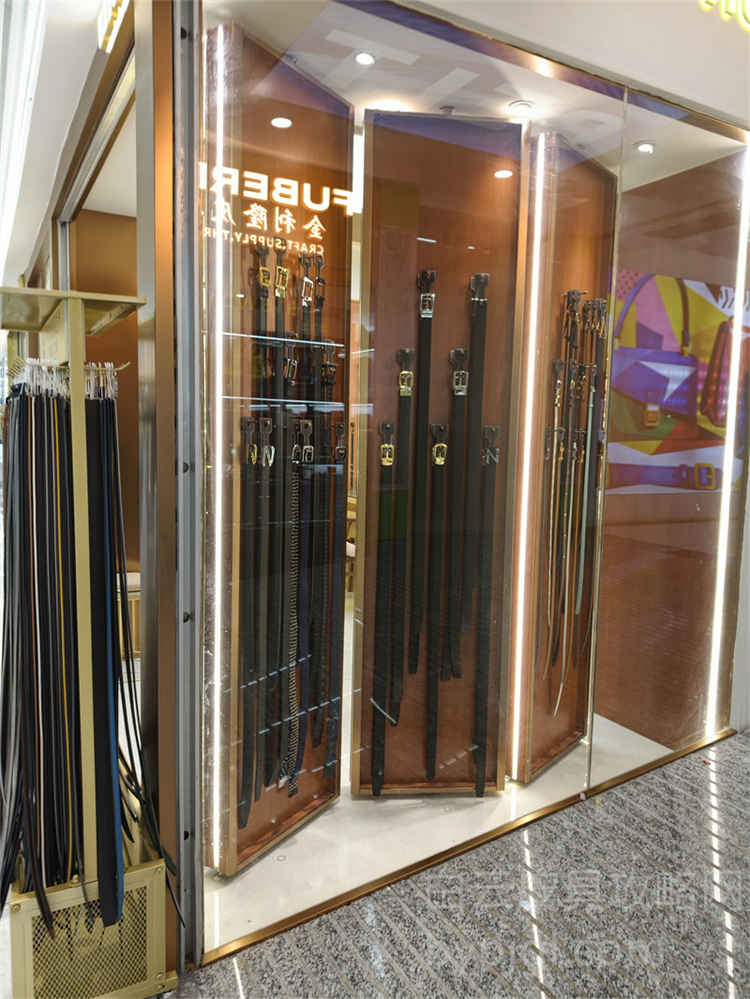
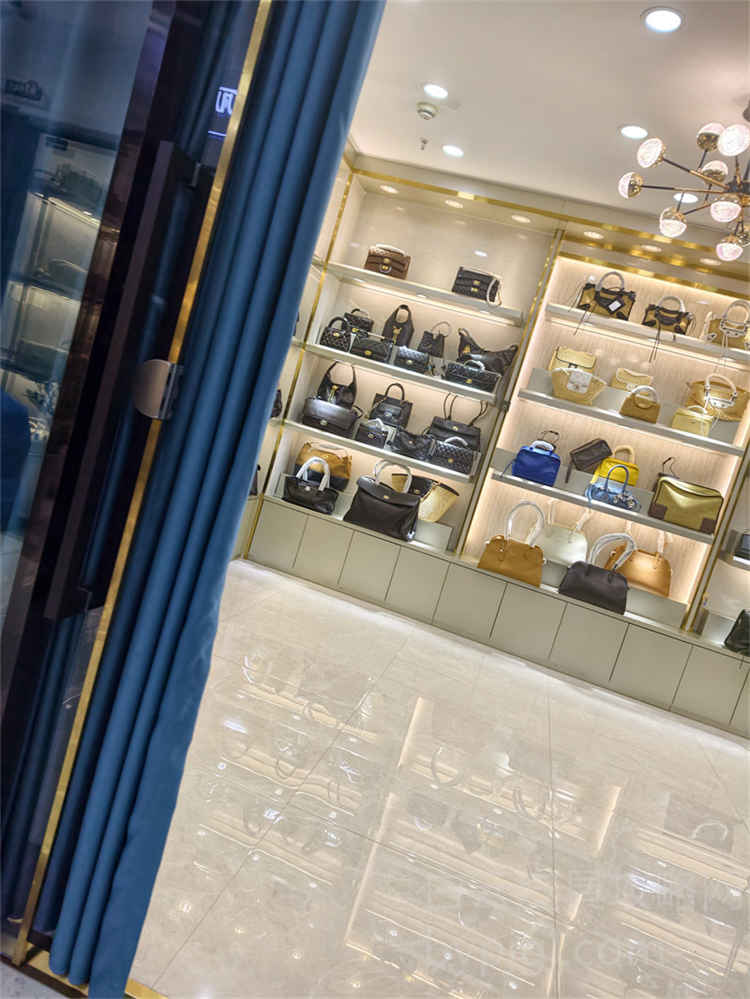
Another area where many get tricked is the hardware. Zippers, clasps, and chains can make or break a bag. In the Baiyun market, you will find vendors offering options ranging from standard metal to high-polish brass and even gold-plated finishes. Test the zippers. Do they glide smoothly? Do they catch on the fabric? A smooth zipper indicates better craftsmanship. Also, check the weight of the hardware. Heavy, solid metal feels premium, while light, hollow pieces feel cheap. I always tell my customers to inspect the plating closely. If the color looks uneven or if you see any green tint, that means the plating is thin and will peel quickly.
Dealing and Negotiation: How to Close the Deal Like a Pro
Building Rapport Before Talking Price
Here is a secret that separates the amateurs from the pros: never start by asking for the lowest price. Start by showing interest in the product. Ask questions about the design process, the origin of the leather, or how long it takes to make one piece. When you show genuine curiosity, the vendor sees you as a partner, not just a customer trying to squeeze them dry. once we establish a connection, the conversation naturally moves to pricing. In Guangzhou, relationships matter more than a single transaction. If I like you, I will give you my best price because I want you to come back next season.
Understanding MOQs and Sample Policies
Most vendors in the Baiyun Leather City operate on Minimum Order Quantities (MOQs). This varies depending on the complexity of the design. Simple styles might have an MOQ of ten pieces, while custom designs could require fifty or more. Do not be intimidated by these numbers. Many shops are willing to mix colors or sizes to meet the total count. Always ask about sample policies first. It is common practice to buy one sample to verify quality before placing a bulk order. Some vendors charge a higher price for samples, but this fee is often deducted from your final bulk order. Clarify this upfront to avoid surprises later.
Avoiding Pitfalls: Protecting Your Investment
Inspection and Quality Control
One of the biggest risks in overseas sourcing is receiving goods that do not match the sample. To avoid this, insist on a pre-shipment inspection. Even if you cannot be there physically, hire a local agent or ask the vendor to send detailed photos and videos of the finished batch. Look for consistency in color, stitching alignment, and hardware finish. In my shop, we encourage clients to visit during the production phase if possible. Seeing the bags being made gives you peace of mind that you are getting exactly what you paid for.
Logistics and Shipping Considerations
once you have secured your order, think about logistics. Guangzhou has excellent shipping infrastructure, but navigating customs and freight forwarders can be tricky for first-timers. Most vendors in the Baiyun market have experience working with international couriers and can recommend reliable freight forwarders who specialize in handling leather goods. Ask them about packaging. Proper packing is crucial to prevent damage during transit. Ensure that each bag is wrapped individually and placed in sturdy cartons. Never compromise on packaging to save a few dollars; damaged goods mean lost reputation and unhappy customers.
Final Thoughts: Why Guangzhou Remains the Best Choice
After all these years, I still believe that nothing beats the hands-on experience of visiting the Baiyun Leather Market. You can see the craftsmanship, feel the materials, and build relationships that last for decades. While online platforms offer convenience, they lack the depth and trust that comes from face-to-face interaction. Whether you are looking for trendy styles or classic designs, the diversity and flexibility of our market are unmatched. Come with an open mind, be prepared to learn, and you will find that Guangzhou is not just a place to buy bags; it is a place to discover the future of fashion.