Stepping Into the Chaos: My First Time in Guangzhou's Leather District
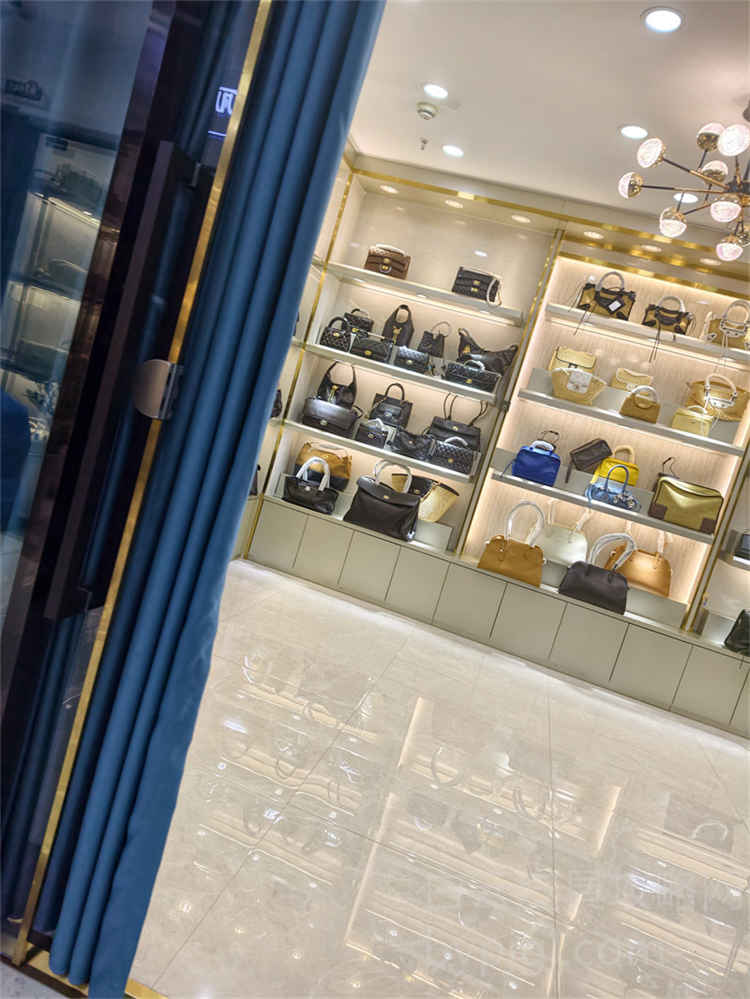
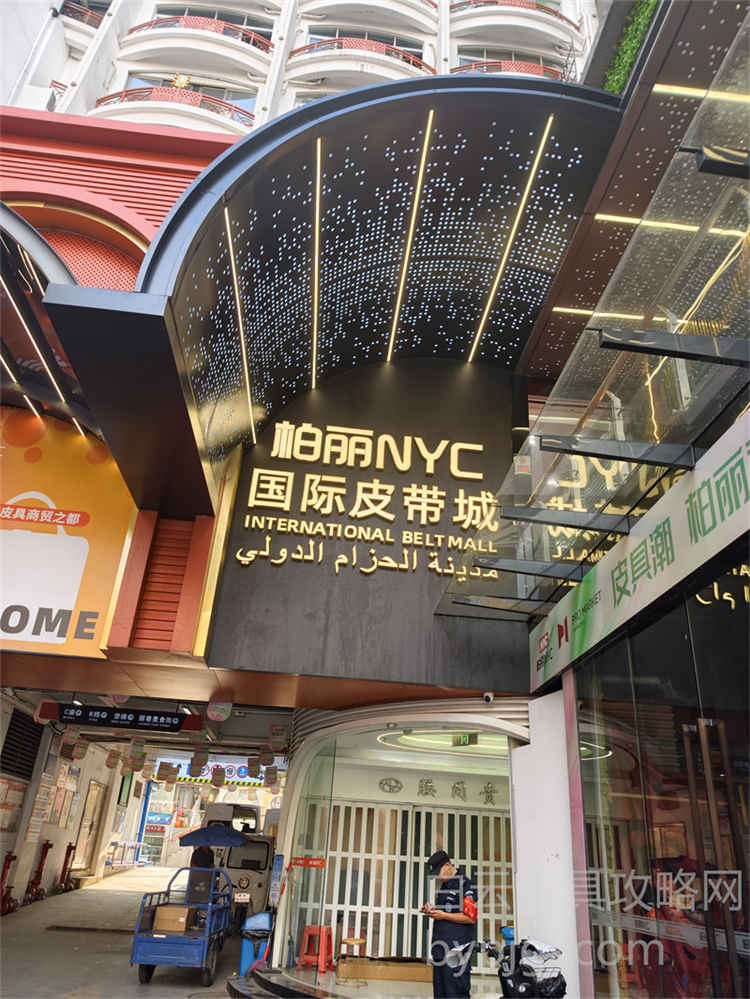
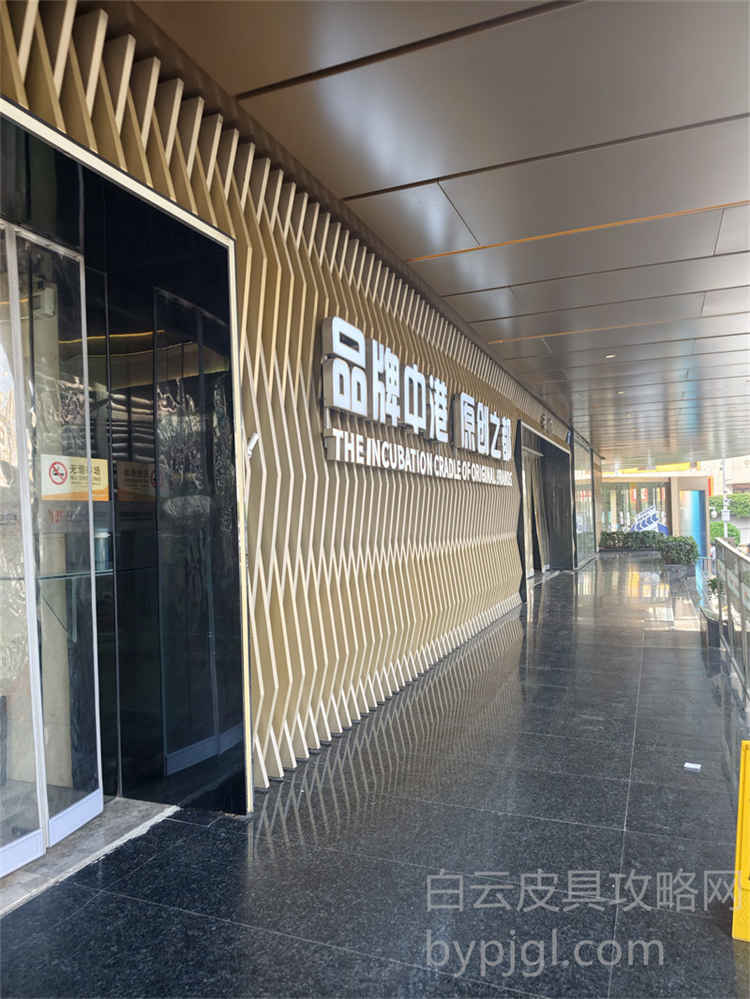
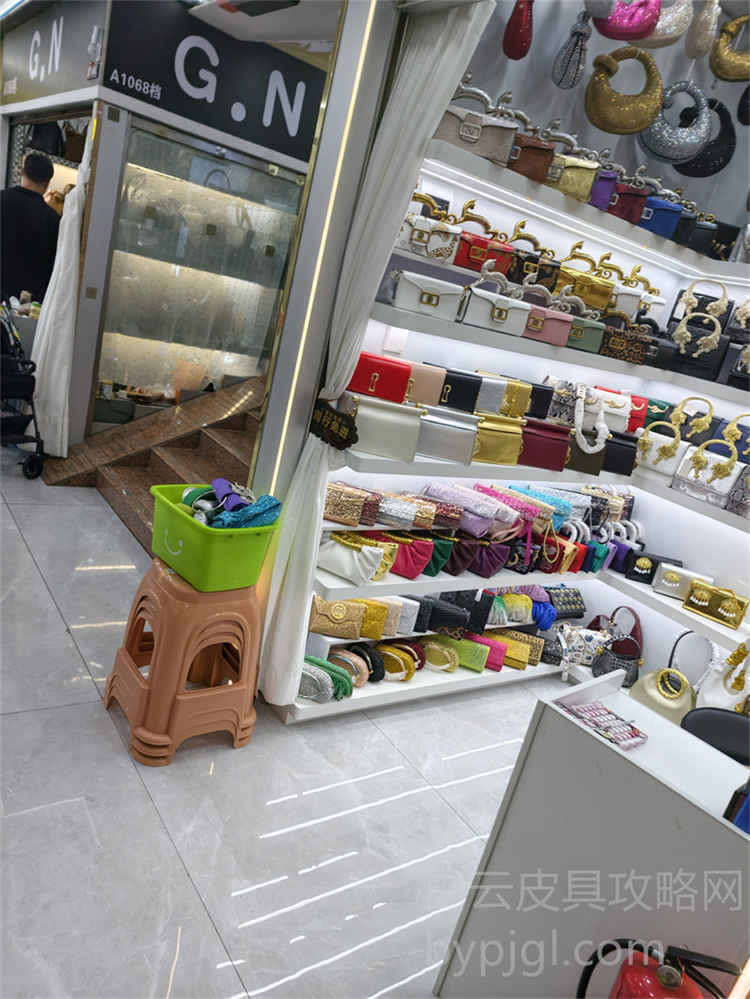
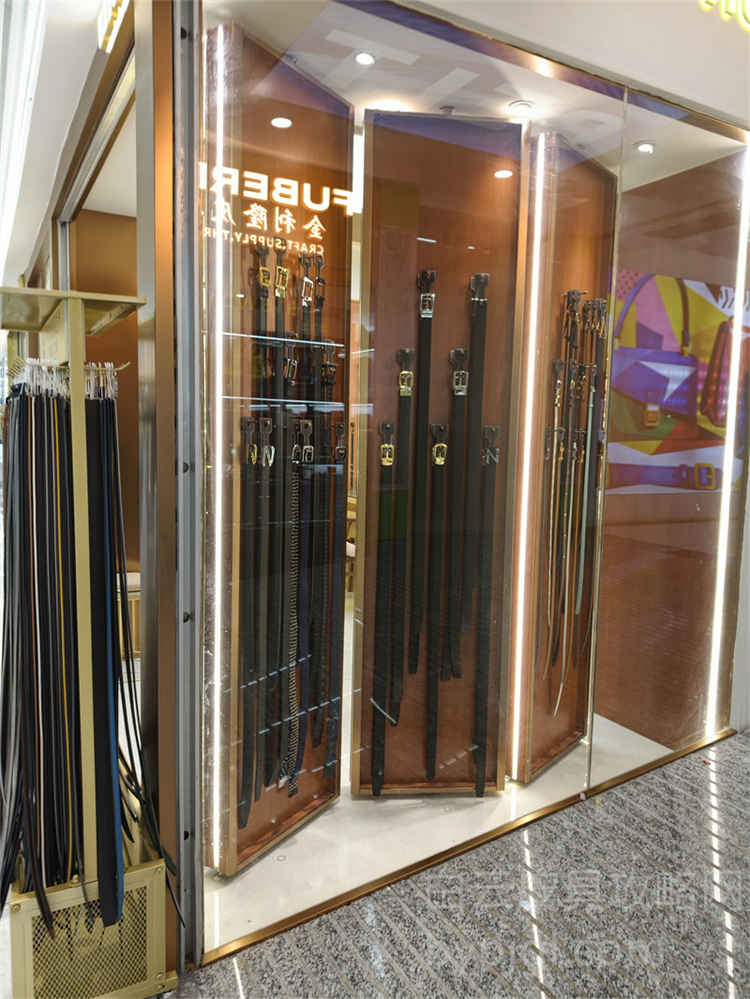
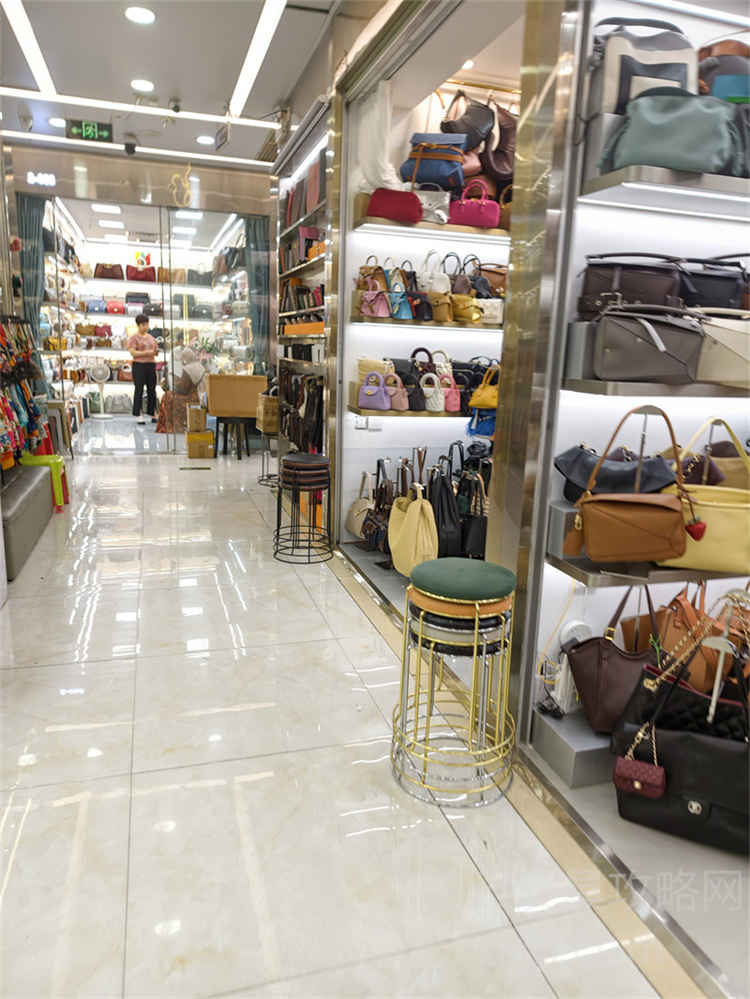
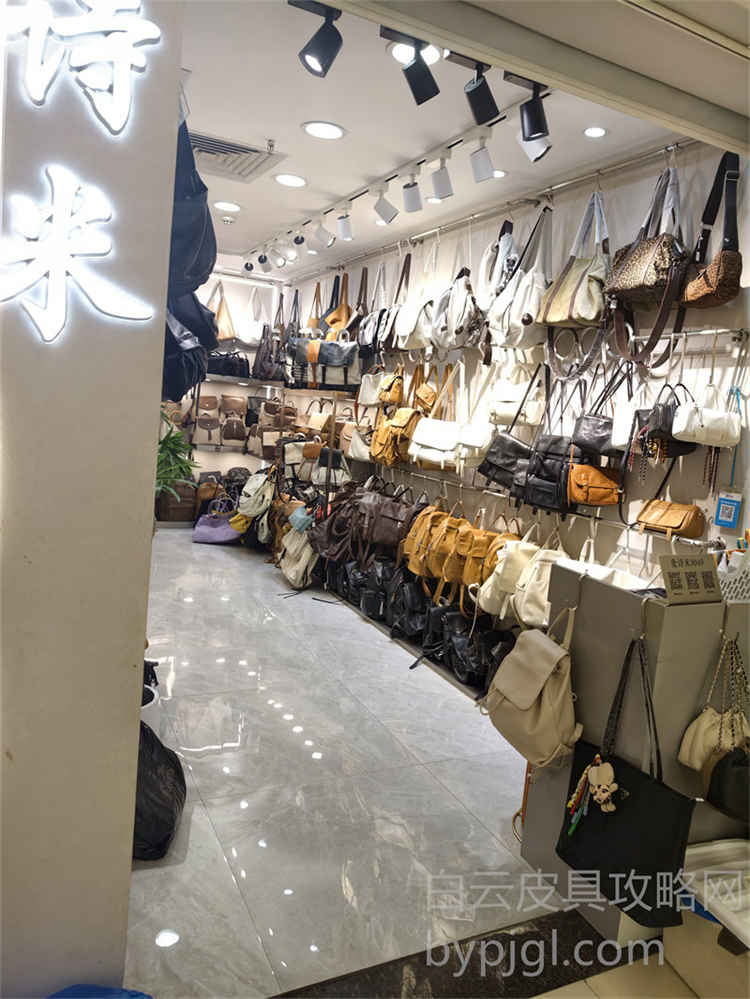
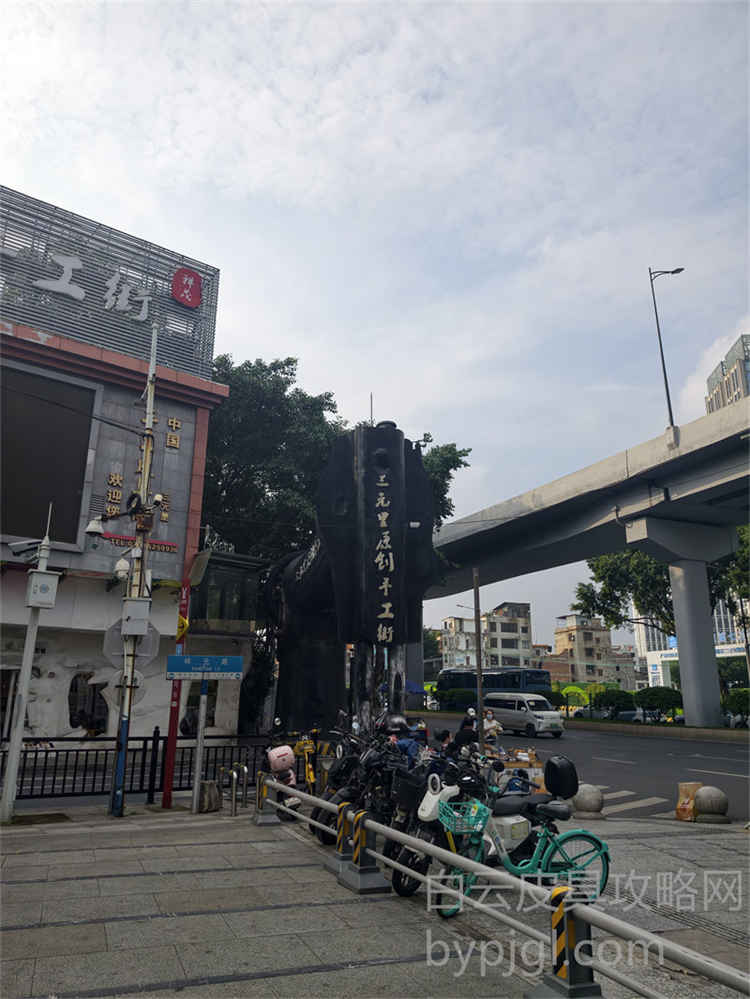
Welcome to the real deal. I've been standing behind this counter in Baiyun for over fifteen years, watching the tide of buyers come and go. You might have seen the glossy photos online, but nothing prepares you for the sheer noise and energy of the actual market. When you walk into the main gates of Guangzhou Baiyun International Leather City, you aren't just entering a mall; you are stepping into a living, breathing ecosystem where fashion moves at lightning speed. Most first-timers get overwhelmed by the maze of corridors and the sea of bags hanging from every rack. They look lost, clutching their phones like life rafts, trying to find a specific "designer" style they saw on social media. Let me tell you something straight from my experience: if you walk in looking for a specific brand name, you will leave empty-handed or with a headache. The game here is about quality, supply chains, and relationships, not copying logos.
Navigating the Labyrinth Without Getting Lost
The layout can be confusing at first glance. There are multiple buildings connected by bridges, each housing hundreds of stalls. Do not try to visit every single shop in one day; it is physically impossible and a waste of time. Start at the ground floor of the main building where the larger factories often display their flagship items. These are usually the more established vendors who have been here since the early days. As you move up the floors, you will notice the styles become trendier and the prices drop slightly, catering to smaller boutiques and online sellers. My advice? Pick one or two buildings to focus on. If you want high-end leather goods, stick to the upper floors of the central complex. If you are looking for trendy, fast-fashion pieces, the side wings are your best bet. Always carry a small notebook or use your phone to take photos of the stall numbers and the unique designs you like. The staff here speak many languages, but English proficiency varies wildly. Having a visual reference is crucial when you need to ask for a specific color or hardware detail.
The Art of the Deal: How to Talk Like a Pro
One of the biggest mistakes foreign buyers make is walking in as a tourist. The moment you step onto the floor, the vendors know exactly what kind of buyer you are based on your body language and how you handle the merchandise. If you treat these bags like museum pieces, touching them gently and asking questions slowly, they will think you are a casual browser. To get the serious treatment, you need to act like a buyer. Walk with purpose. When you pick up a bag, check the stitching, feel the weight of the zipper, and inspect the lining immediately. This signals that you know what you are looking for. once you find a stall that catches your eye, do not hesitate. Ask for the price list, but be prepared for the initial quote to be inflated. In Baiyun, the starting price is rarely the final price. It is a dance. We expect negotiation. If you see a bag priced at 500 yuan, you should start your offer around 300 or 350, depending on the quality and the quantity you plan to order.
Building Trust Over Coffee and Tea
Relationships are everything in this industry. I have seen deals fall apart because a buyer was too aggressive, and I have seen massive orders signed over a cup of tea. When you find a vendor whose products match your vision, sit down. Ask them about their production capacity. Can they handle an order of 500 units? What is the lead time? Do they offer customization for logos or packaging? These are the questions that separate a one-time purchase from a long-term partnership. Many of us in Baiyun have our own workshops attached to our showrooms. This means we can adjust the design, change the leather grade, or modify the hardware without sending your order to a third-party factory. This flexibility is a huge advantage for overseas retailers who need to adapt quickly to changing trends. Don't be afraid to ask for samples before committing to a bulk order. A good vendor will always provide a sample, though you may need to pay for it. This sample is your insurance policy against bad quality control later on.
Quality Control and Avoiding the Pitfalls
Let's talk about the elephant in the room: quality. The market is flooded with options ranging from cheap synthetic materials to top-tier genuine leather. You get what you pay for, but sometimes the price tag doesn't tell the whole story. When inspecting a bag, look closely at the edges. Are they painted neatly, or is there glue seeping out? Check the zippers. Do they glide smoothly, or do they snag? Inspect the interior pockets and the stitching lines. Loose threads are a red flag. In Baiyun, we pride ourselves on craftsmanship, but not every stall maintains the same standard. That is why taking a sample back to your hotel to examine under better lighting is essential. Never rely solely on the photos provided by the vendor. Lighting in the showroom can hide defects. Bring a magnifying glass if you are worried about the grain of the leather. Also, be wary of vendors who promise "perfect quality" at rock-bottom prices. If it sounds too good to be true, it usually is. Real leather costs money, and skilled labor does not come cheap.
Logistics and Shipping Your Goods Home
once you have selected your items and negotiated the price, the next challenge is getting them out of China. Most vendors in Baiyun are used to shipping internationally, but they are not logistics experts. They will hand you the package and say, "It is shipped." While this works for small parcels, for larger orders, you need a freight forwarder. Many of us have trusted partners who handle customs clearance and air or sea freight. Ask your vendor for recommendations, but do your own research as well. Ensure that the packaging is secure enough to survive the journey. Bags can get crushed in transit if they are not boxed properly. Also, clarify the Incoterms. Are you paying for the goods only, or does the price include shipping and insurance? This is a common area of confusion. Make sure everything is written down in the invoice or contract. Finally, keep copies of all receipts and packing lists. Customs officials in your country may ask for proof of value, and having clear documentation will save you from unnecessary delays or fines.
Final Thoughts from the Floor
Shopping in Guangzhou Baiyun is an adventure. It requires patience, observation, and a bit of street smarts. But if you approach it with the right mindset, it is the most rewarding sourcing trip you can take. You are not just buying bags; you are connecting with the heart of the global leather industry. The people here are hardworking, resilient, and incredibly knowledgeable about their craft. Treat them with respect, listen to their advice, and build a bridge between your business and theirs. The market changes every season, new trends emerge, and new vendors arrive, but the core principles remain the same: quality, trust, and fair trade. So, put on comfortable shoes, bring your camera, and dive into the chaos. You never know what hidden gem you might find waiting for you in the next aisle.