Walking the Floors: My Honest Guide to Sourcing in Baiyun
Listen, I've been standing behind this counter in Guangzhou for over twenty years. While you might see me on a screen or read my words online, my real life is spent navigating the concrete corridors of the Baiyun District leather goods market. People often ask me how to find the best sources without getting burned by scams or low-quality junk. Let me tell you, there is no magic button. It's about showing up, knowing what to look for, and having the patience to talk to the right people. If you are planning a trip here to source high-end leather goods, forget what you think you know from reading blogs. The reality is gritty, loud, and incredibly rewarding if you play your cards right.
The First Rule: Don't Trust the Internet Alone
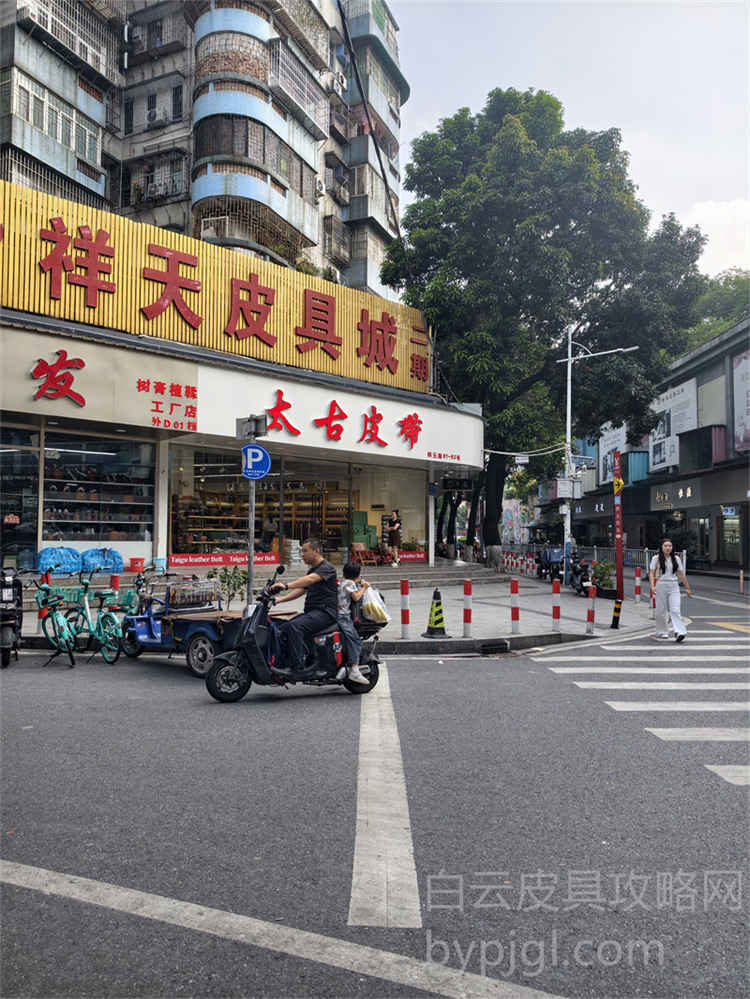
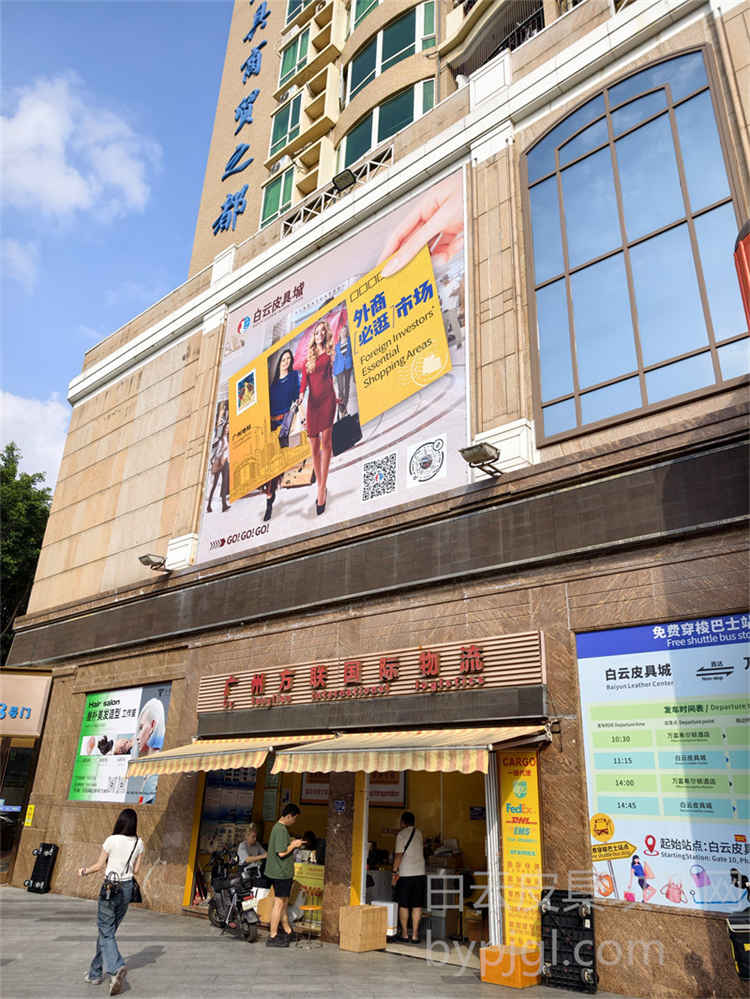
Many overseas buyers try to order via WeChat before they even land in China. They send photos, get a price, and wire money. This is where most people lose their shirts. In my experience, the only way to truly understand the quality is to touch the material. The internet is great for initial contact, but it cannot replicate the smell of genuine cowhide or the weight of a solid zipper. When you arrive at the Baiyun Leather City, you will see thousands of stalls. Do not rush into the first shop that looks fancy. Walk past them. Look at the ones with worn-out counters and stacks of boxes in the back. Those are usually the real factories or the top-tier distributors who don't need flashy marketing because their product speaks for itself.
Navigating the Market Layout
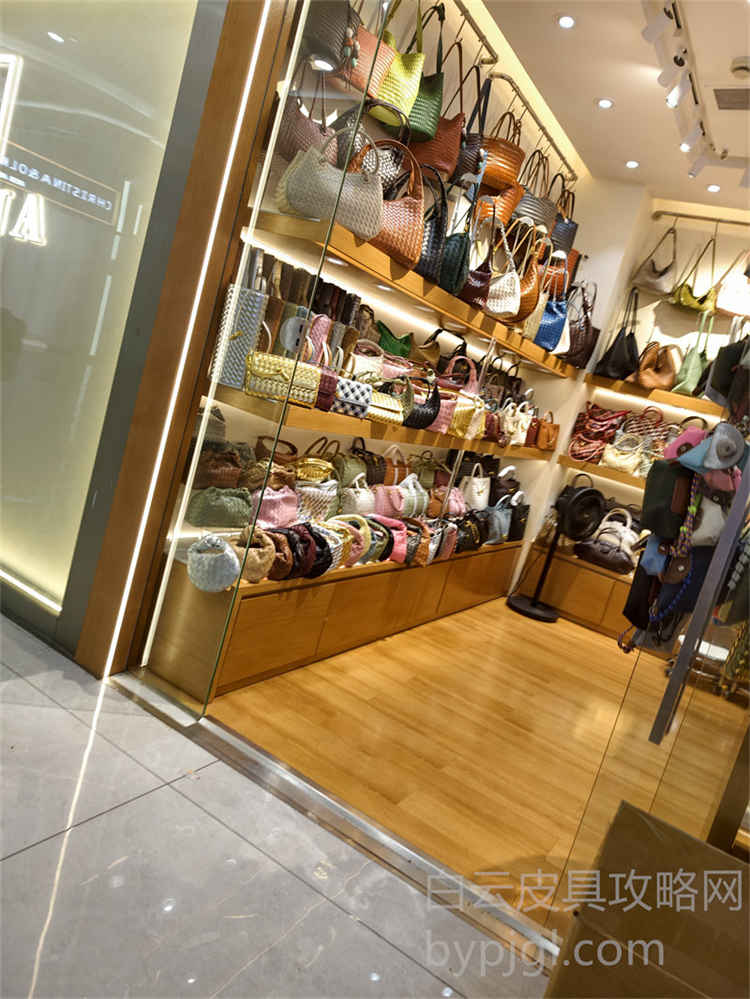
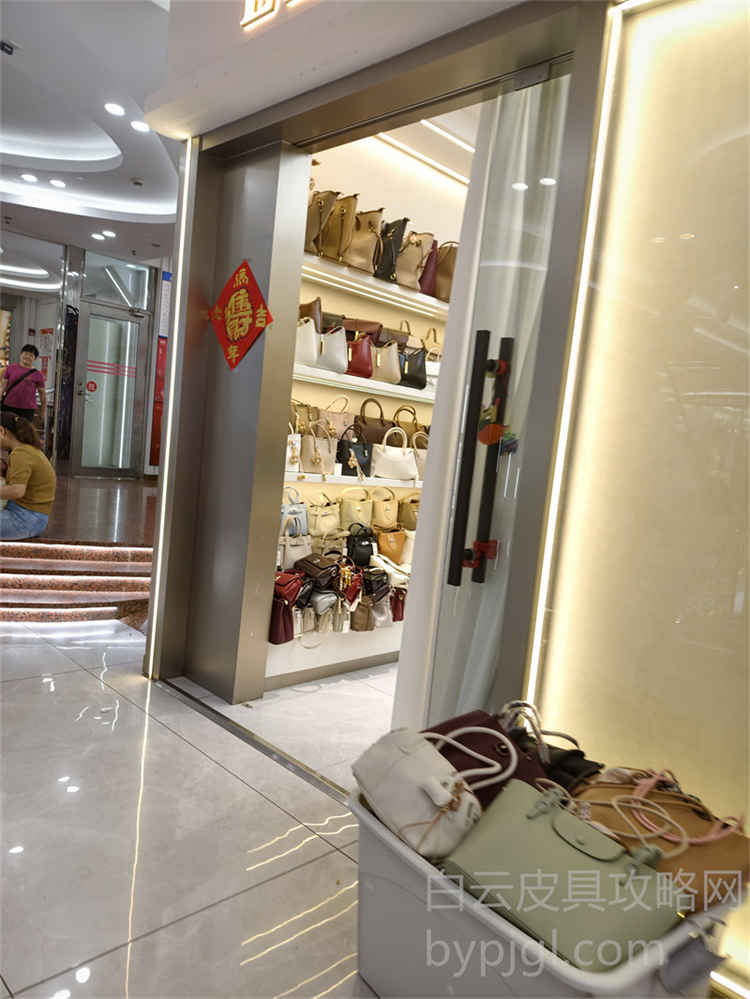
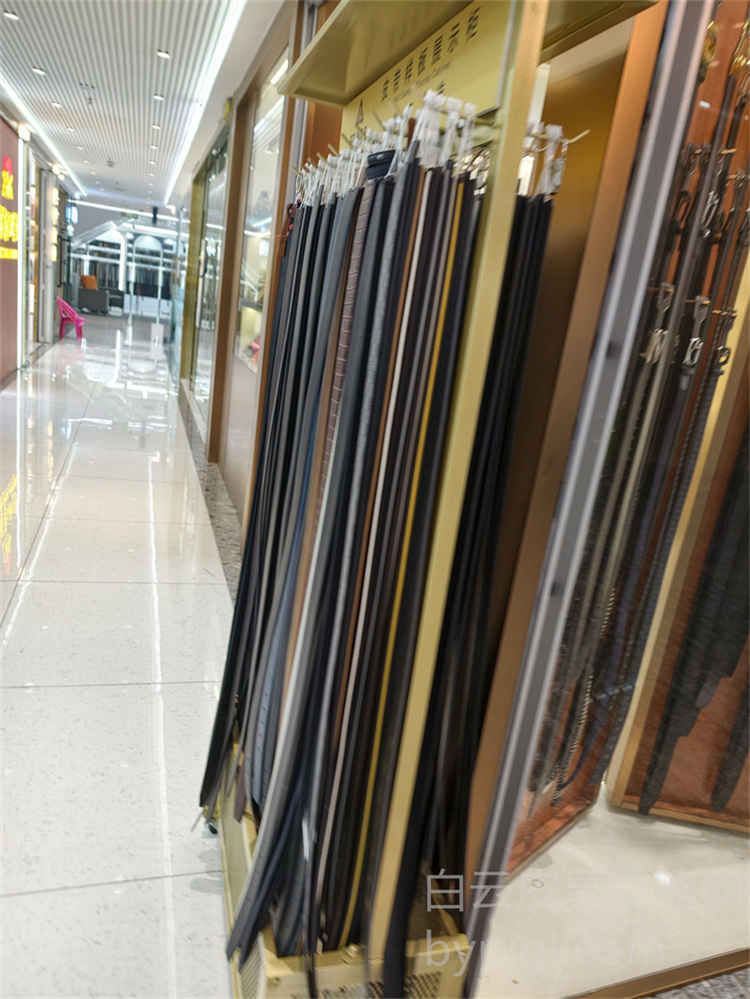
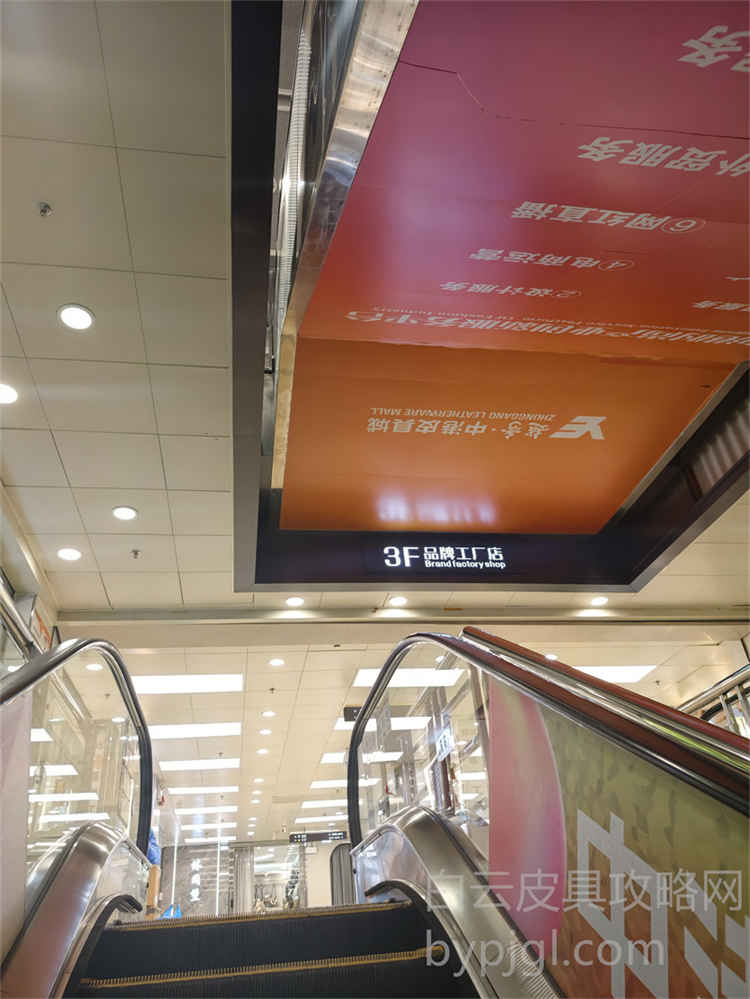
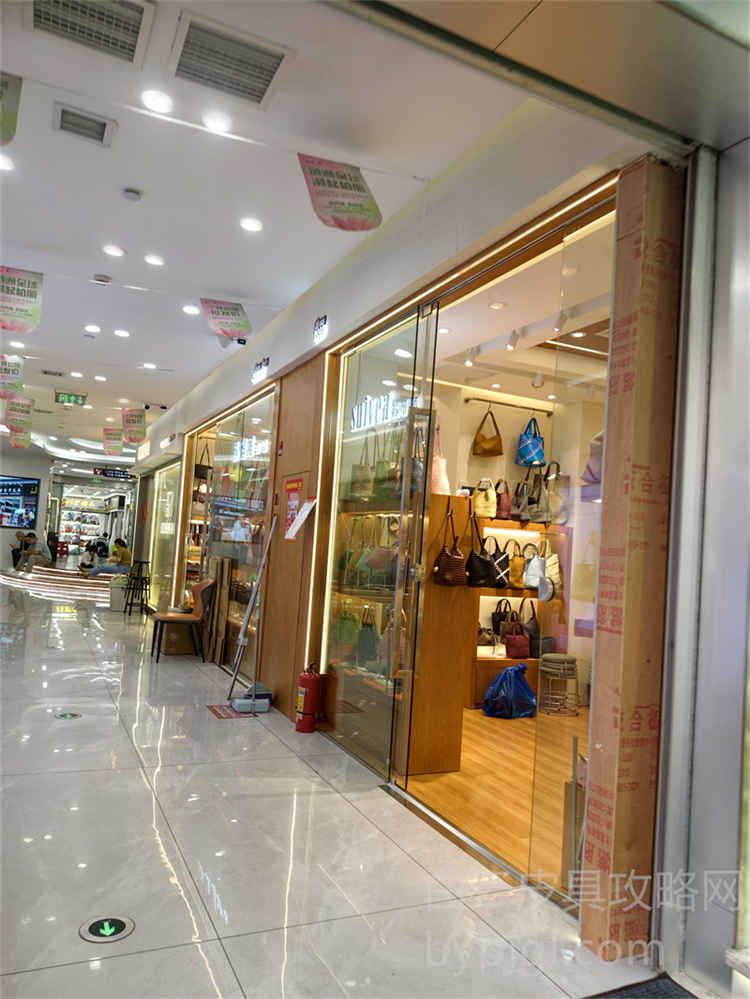
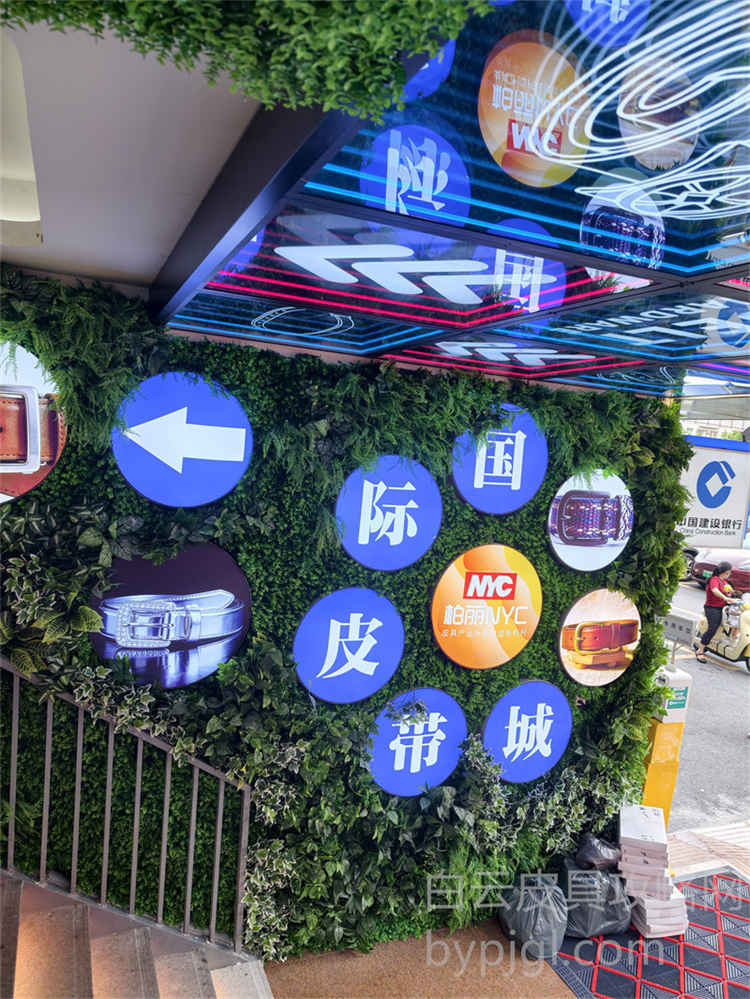
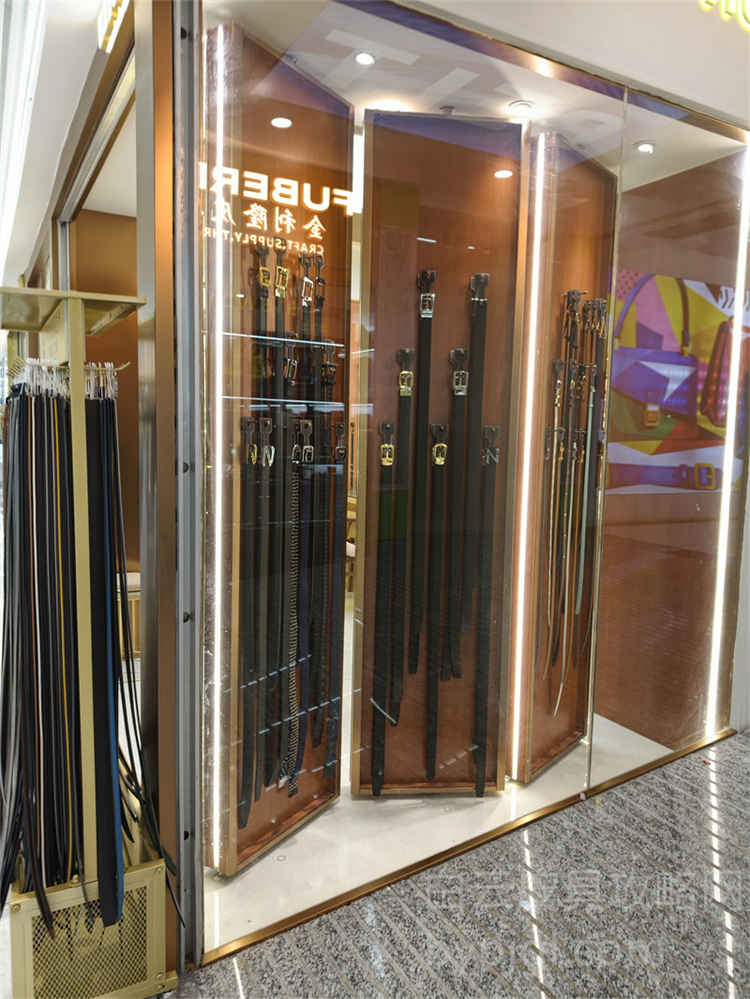
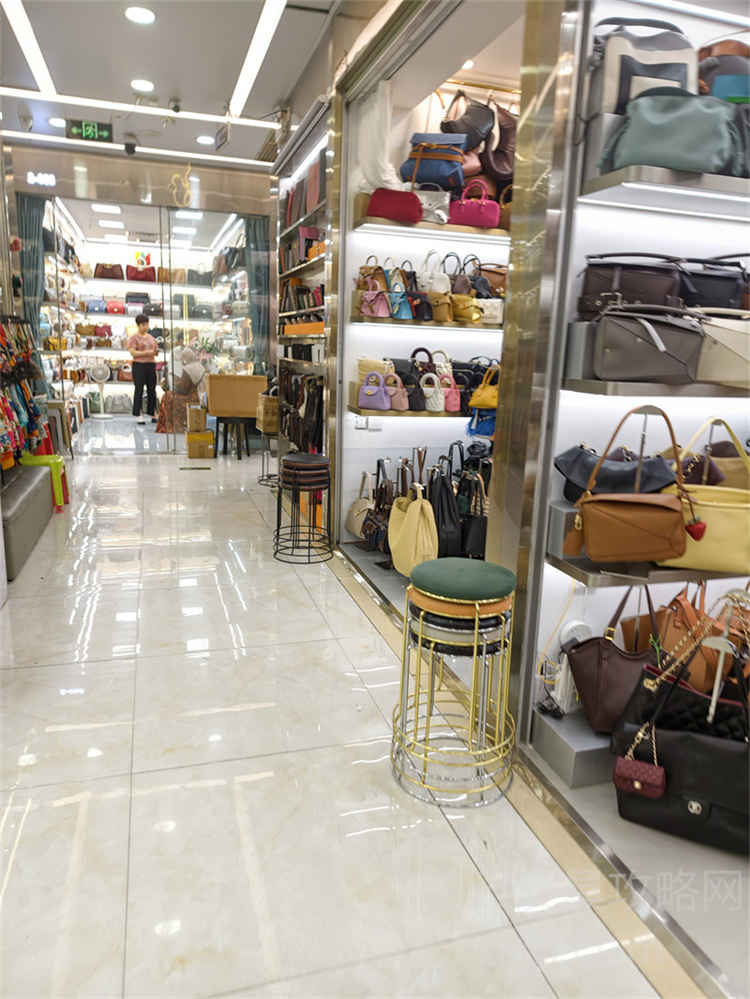
The Baiyun area is not just one building; it is a sprawling ecosystem of markets like Baishiqiao, Zhongda, and the famous World Brand Plaza. Each has its own vibe. The newer malls have air conditioning and glass displays, but the older buildings hold the secrets. That is where the "top tier" goods live. You need to know which floor holds which type of merchandise. The ground floors are often filled with tourists and lower-grade items meant for quick sales. Head straight for the upper floors, especially the third and fourth levels. That is where the serious business happens. You will see men in suits talking quietly in corners, and women checking stitching with magnifying glasses. This is the heart of the supply chain.
Finding the Right Stall Owner
When you approach a stall, do not start by asking for the cheapest price. That immediately marks you as a novice who doesn't care about quality. Instead, ask about the leather grade and the hardware origin. A good owner will appreciate a knowledgeable question. They will show you samples from their private stock, not just the display models. These display models are often perfect, but the real deal comes from the back room. Ask to see the "master pieces." These are the items made with the same materials as the original luxury brands, using the same molds and hardware suppliers. If the owner hesitates or refuses to show you anything beyond the front rack, walk away. There is no trust there.
The Art of Inspection and Verification
once you have found a potential supplier, the inspection process begins. This is where you separate the wheat from the chaff. I always tell my clients to bring a small flashlight and a magnifying loupe. Check the grain of the leather closely. Real leather has natural imperfections; synthetic materials are too uniform. Feel the texture. Does it feel soft and warm, or cold and plastic? Next, check the stitching. High-quality production uses consistent stitch counts per inch. Look for loose threads or uneven spacing. Then, examine the hardware. Is it heavy? Does it have a smooth finish, or does it feel cheap and hollow? The logo engraving should be crisp and deep, not shallow and blurry. Finally, check the lining. Cheap goods use polyester; premium goods use cotton or high-quality microfiber that feels substantial.
Testing the Water with Small Orders
Never place a massive order on your first visit. Even if the sample looks perfect, the bulk production might differ. Start with a small trial order. This allows you to test the communication speed, the packaging quality, and the consistency of the product. A reliable supplier in Baiyun will encourage this. They want long-term partners, not one-time transactions. During this phase, pay attention to how they handle defects. If something goes wrong, do they offer a solution, or do they blame you? The best owners take responsibility and fix issues quickly. This builds the foundation for a lasting business relationship.
Negotiation and Logistics
Talking about price is inevitable, but it should be done respectfully. In Guangzhou, prices are negotiable, especially if you are buying in volume. However, do not expect to buy top-tier goods at rock-bottom prices. If the price seems too good to be true, it is. The cost of genuine leather and skilled labor is high. Focus on value rather than just the lowest number. once you agree on a price, discuss the logistics carefully. How will the goods be shipped? What are the customs regulations in your country? Many local suppliers have experience shipping internationally and can guide you through the paperwork. Do not rely on generic courier services without verifying their track record with customs.
Avoiding Common Pitfalls
There are many traps for the unwary buyer. One common scam involves switching the goods after payment. To avoid this, insist on video calls during the packing process. Ask the supplier to film the specific batch you ordered being packed into the box. Another issue is the "sample vs. bulk" discrepancy. Always request a pre-shipment photo or video of the actual inventory before it leaves the warehouse. Also, be wary of sellers who promise "100% identical" without providing proof of their sourcing. No two batches are exactly alike due to natural variations in leather. A professional seller will manage your expectations honestly rather than making impossible promises.
Building Relationships for the Long Haul
The secret to success in the Baiyun market is not just finding a product, but finding a partner. Treat the stall owners with respect. Buy them tea, ask about their family, and show genuine interest in their craft. Many of these families have been in this business for generations. They value loyalty and trust above all else. If you build a strong relationship, they will give you priority access to new designs, better pricing, and insider tips on market trends. They will also help you navigate any future challenges. This personal connection is something you cannot replicate through an app or a website. It is the human element that makes the Guangzhou leather market unique.
So, when you plan your next trip to Guangzhou, remember that preparation is key. Bring your eyes, your hands, and your patience. The Baiyun District is a treasure trove for those willing to dig deep. It is not a place for quick fixes or easy money. It is a place for serious business, built on trust, quality, and hard work. By following these steps and staying grounded in the reality of the market, you will find the best sources for your needs. Welcome to the world of Guangzhou leather goods. Let's get to work.