Walking the Floors: A Veteran's Guide to Sourcing in Guangzhou
Welcome to the real deal. If you are reading this, you probably know that the internet is full of noise, but nothing beats the smell of leather and the hum of a busy wholesale floor. I have been standing behind my counter in Guangzhou for over fifteen years. I have seen trends come and go, from the early days of basic styles to today's intricate craftsmanship. People often ask me about "China A grade handbags," but let's be clear: we don't use those terms here. In our trade, we talk about quality tiers, materials, and finishing details. When international buyers walk into the Baiyun area, they aren't just looking for a product; they are looking for a partner who understands the nuance of high-end manufacturing.
The First Step: Navigating the Baiyun Leather City
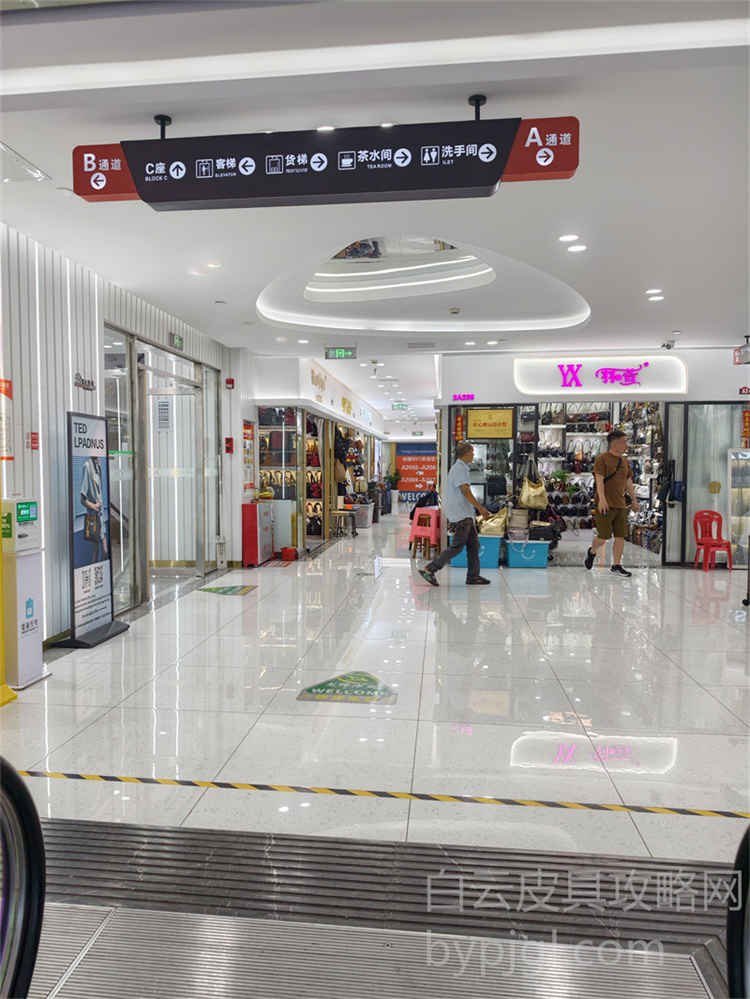
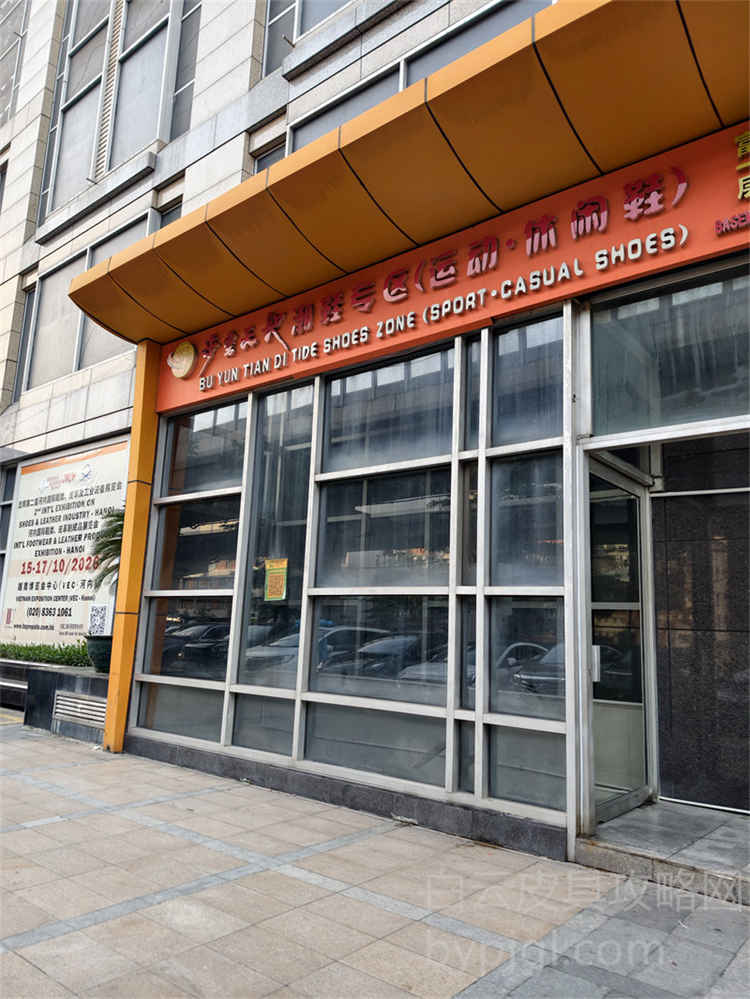
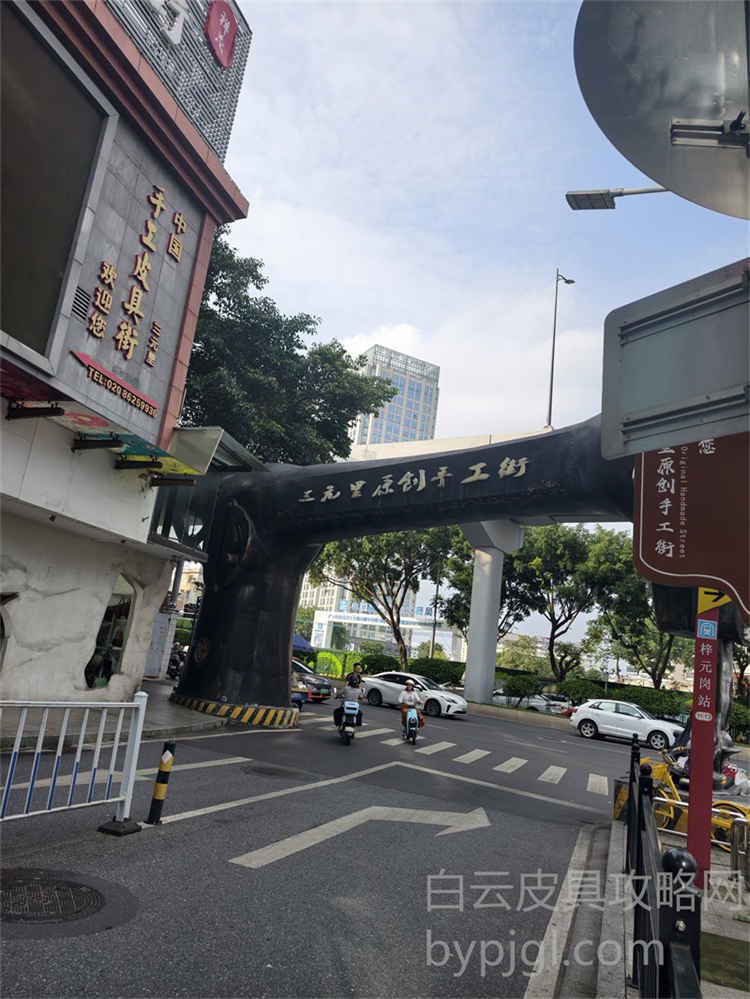
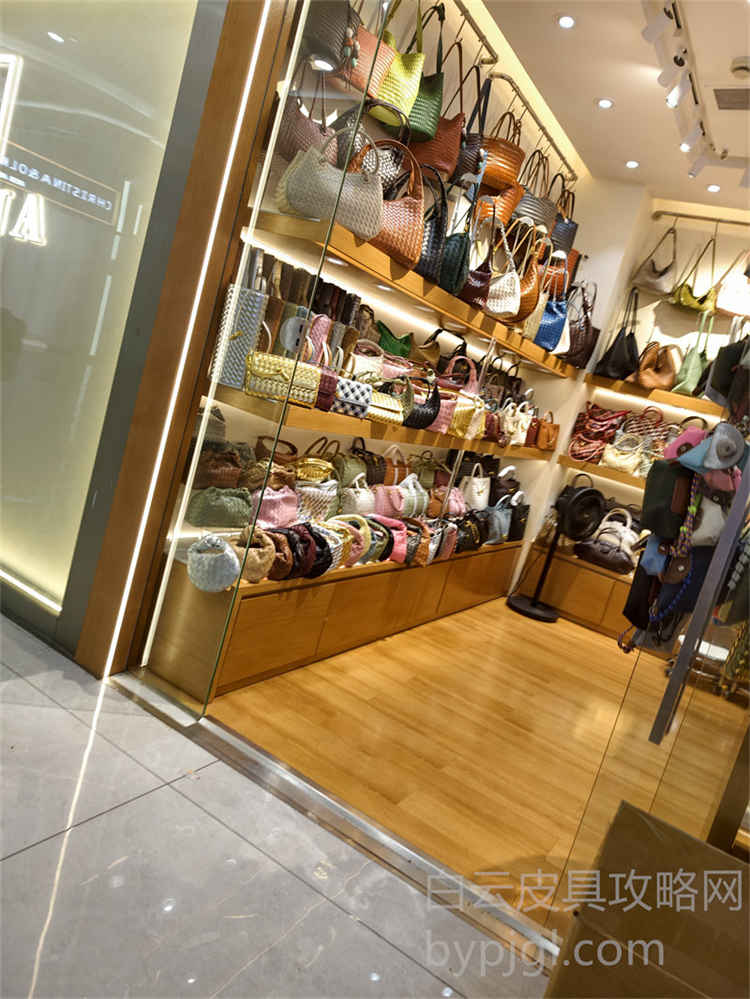
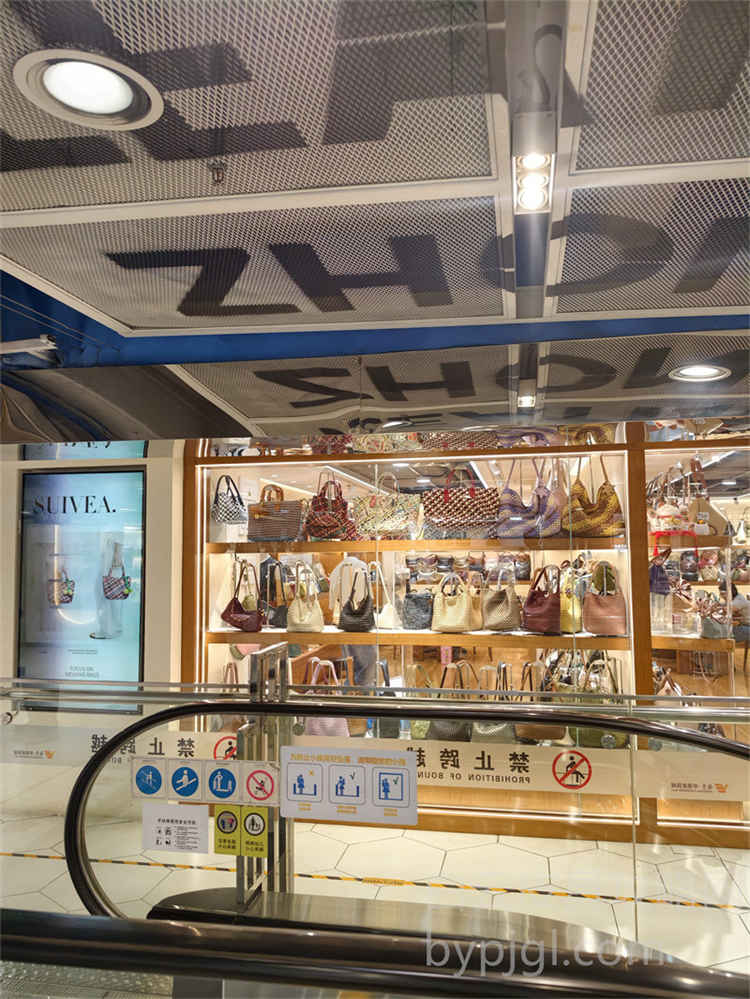
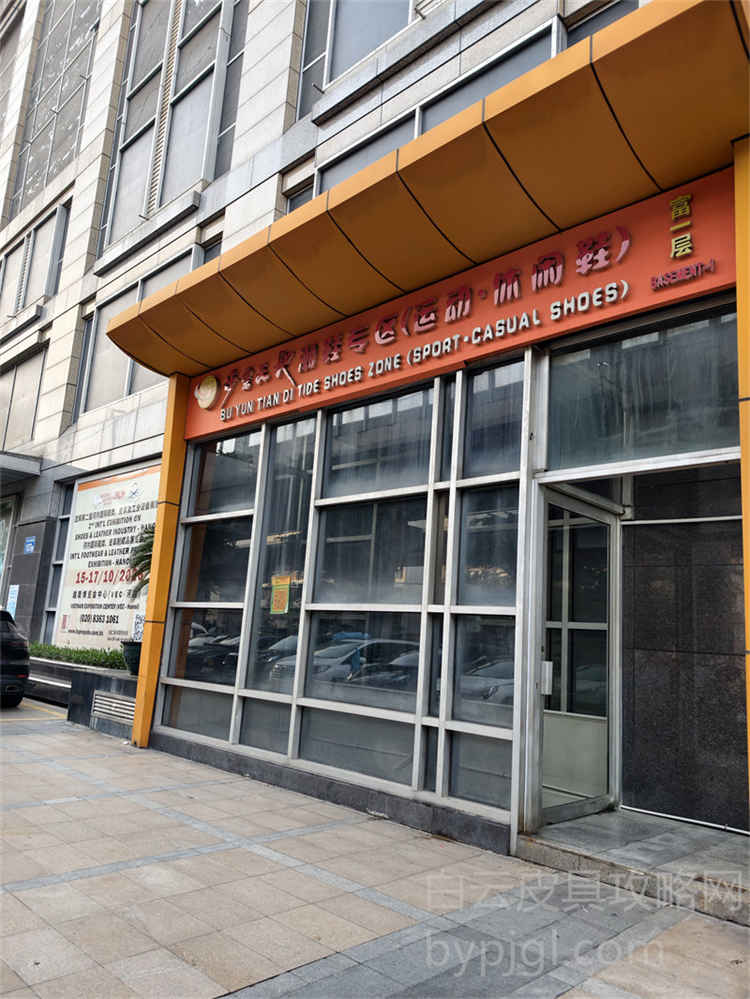
Most first-timers get lost before they even find their way to the right building. The Baiyun Leather World is massive, a sprawling complex with multiple towers connected by skybridges. Do not try to rush. Start at the main entrance and take your time. The ground floors are usually filled with lower-tier goods, while the upper floors house the serious manufacturers and top-tier showrooms. I always tell my clients to skip the flashy displays on the street level unless you are buying bulk stock for a discount market. If you want what we call "top tier" or "A-grade" quality, you need to head to the higher levels where the lighting is better and the staff speaks more English.
Reading the Room: How to Spot the Real Deal
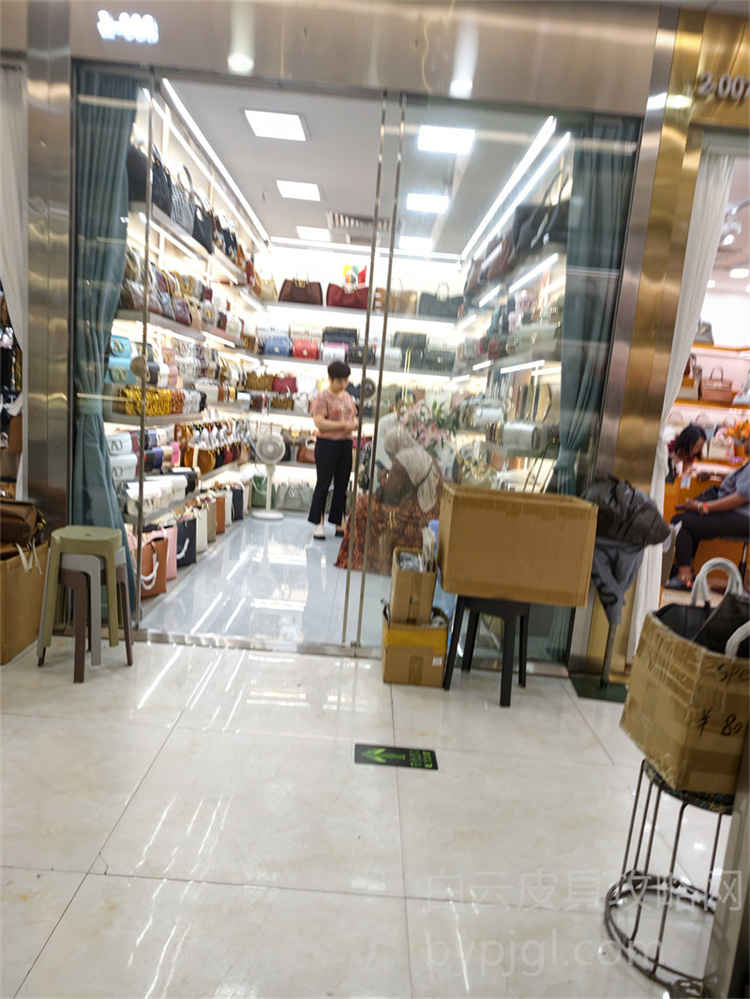
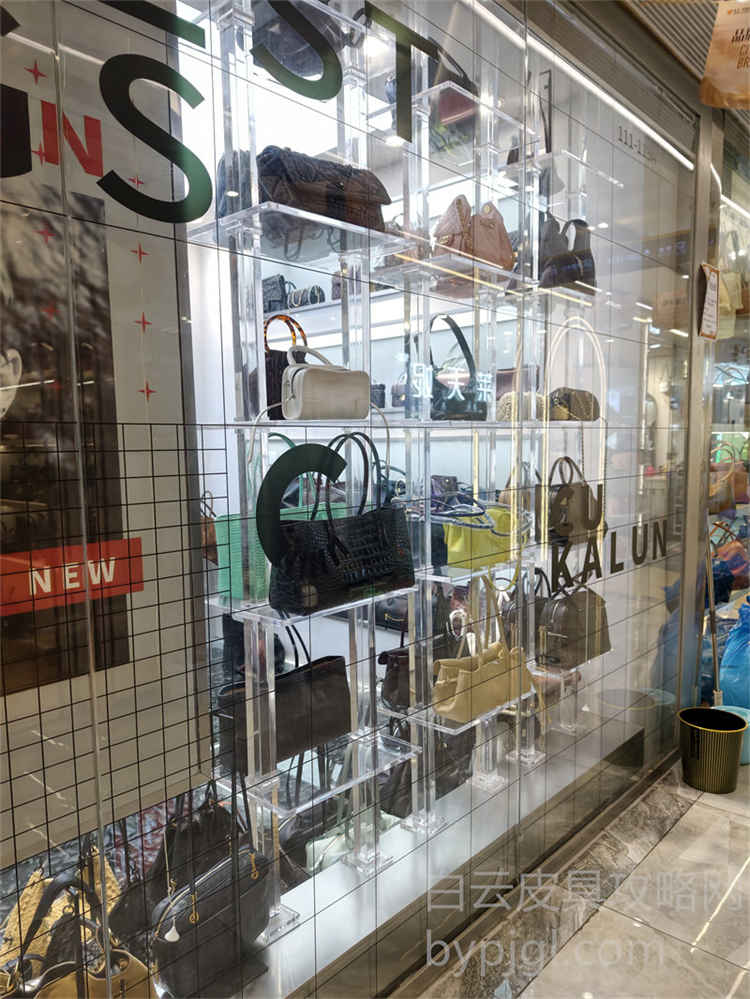
When you approach a stall, do not just look at the price tag. That is the biggest mistake foreign buyers make. In Guangzhou, the price varies wildly based on the leather source, the hardware weight, and the stitching precision. A genuine high-quality bag will feel heavy and substantial. Run your fingers along the edges. If it feels rough or if the glue is visible, walk away immediately. We pride ourselves on clean finishes. Look at the lining inside. Is it smooth? Does it match the exterior color perfectly? At my shop, we insist on using imported linings because cheap polyester tears after a few months. When you see a bag that looks perfect from the outside but has a flimsy interior, that is a red flag. Real quality is consistent everywhere.
The Art of Negotiation: Speaking the Local Language
Negotiation here is an art form, but it is also about respect. Never start by asking for the lowest possible price. Instead, ask about the material composition first. Say, "What kind of cowhide is this?" or "Is the hardware solid zinc alloy or plated?" This shows you know what you are talking about. once you establish that you are a serious buyer, the conversation shifts. For small quantities, we might offer a slightly higher unit price, but for larger orders, there is always room to move. I have seen many buyers get angry when the price isn't zero, but remember, we are running a business, not charity. The best deals happen when you build a relationship. Bring business cards, speak clearly, and be honest about your volume expectations. If you say you need fifty pieces, deliver fifty. Trust is the currency of this market.
Beyond the Showroom: The Hidden Gems of the Surrounding Markets
While Baiyun is famous, the magic often happens in the smaller alleys nearby. There are several other markets within walking distance that cater to different needs. Some focus on vintage styles, others on modern minimalist designs. I recommend spending at least two days exploring these areas. Don't just stick to one building. The vendors in the side streets often have unique samples that haven't made it to the main display yet. They are willing to show you their private inventory if you treat them well. These hidden gems often offer better margins because the overhead costs are lower than in the main towers.
Inspecting the Hardware and Stitching
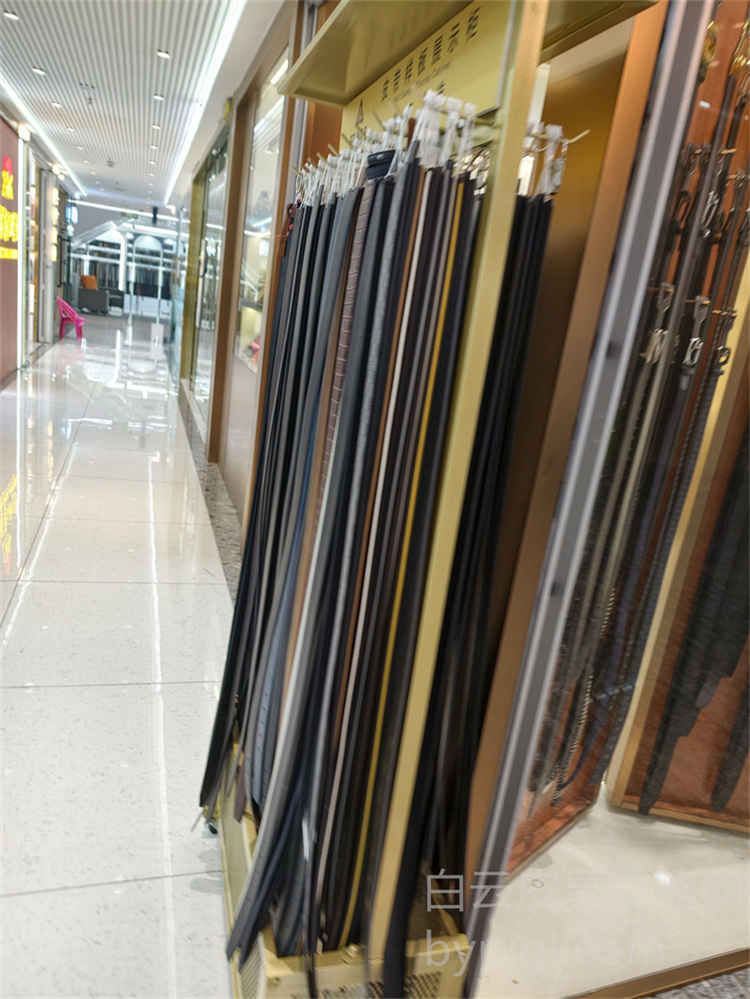
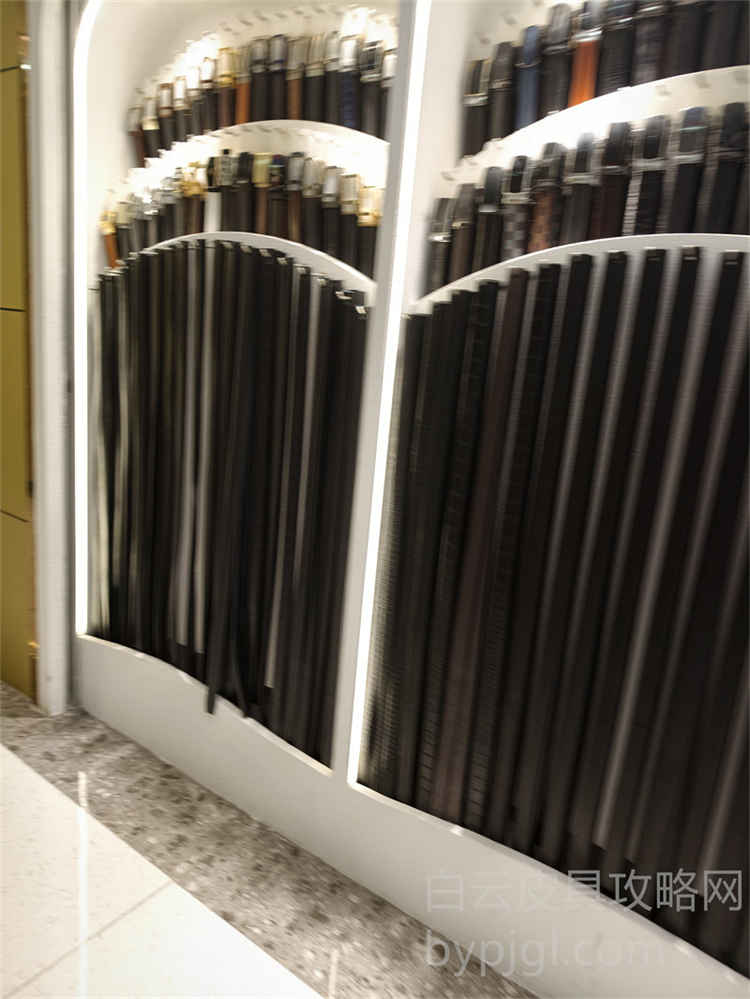
This is where the difference between a good bag and a great bag lies. Hold the zipper. Does it glide smoothly? Check the logo engraving. Is it crisp and deep, or shallow and blurry? In our workshops, we use laser engraving for logos to ensure consistency. If you see a logo that looks like it was stamped by hand with uneven depth, it is likely a lower-quality batch. Also, check the stitching count per inch. High-end production requires tight, even stitches with no loose threads. I once had a client reject a shipment because the thread color was slightly off from the leather, even though the bag looked fine from a distance. Attention to detail is what separates us from the mass producers.
Logistics and Shipping: Getting Your Goods Home
once you have selected your items, the next challenge is getting them out of China safely. Many buyers worry about customs and shipping times. Here is my advice: work with a freight forwarder who specializes in leather goods. They know how to pack the bags to prevent crushing and scratching during transit. Do not ship directly from the factory without proper documentation. We can help you arrange the paperwork, including commercial invoices and packing lists. For air freight, expect delivery within five to seven days, while sea freight takes longer but is much cheaper for large volumes. Always insure your shipment. Leather is valuable, and accidents happen. A reliable forwarder will handle the customs clearance issues so you don't have to stress about it.
Avoiding Pitfalls: What Every Buyer Should Know
The market is competitive, and unfortunately, there are bad actors. One common scam involves showing you a perfect sample and then sending you a inferior batch. To avoid this, always request a pre-shipment photo or video of the actual goods before they leave the warehouse. Insist on seeing the specific batch numbers. Another pitfall is rushing the payment process. Never transfer money to a personal account. Use secure payment methods or escrow services that protect both parties. If a vendor pressures you to pay quickly without giving you time to inspect, run. We value long-term partnerships over quick profits. Take your time, verify everything, and trust your instincts.
Building a Sustainable Supply Chain
Finally, think about sustainability. The industry is changing, and buyers are increasingly concerned about ethical sourcing. While we focus on quality, we also care about the environment. Many of our suppliers now use eco-friendly glues and sustainable packaging. Ask your vendors about their practices. It adds value to your brand story. Building a supply chain in Guangzhou is not just about finding the cheapest option; it is about finding a team that aligns with your values. Over the years, I have worked with buyers from Europe, America, and Asia who have become family. We share ideas, discuss trends, and solve problems together. That is the true spirit of the Guangzhou leather market.
If you are ready to dive in, come prepared. Bring a notebook, wear comfortable shoes, and keep an open mind. The experience of walking through the bustling streets of Baiyun, smelling the leather, and meeting the people who make these products is unforgettable. It is a world of opportunity for those willing to put in the effort. Remember, the best deals are not found online; they are found face-to-face, shaking hands, and building trust. Welcome to the heart of the global leather trade.