Walking the Floors: My Honest Take on Sourcing Bags in Guangzhou
I have been standing behind this counter for over twenty years. While the city outside has changed, turning from a small town into a metropolis of glass and steel, the smell of leather and glue in these markets remains exactly the same. You ask me about China bag sourcing in Guangzhou? Let me tell you, it is not something you can learn from a website or a quick Google search. It is about being here, feeling the pulse of the floor, and knowing which door to knock on.
Many overseas buyers come to me with high hopes but zero preparation. They think they can just walk into the Baiyun Leather City and find the best deals immediately. That is a myth. The reality is that the market is a maze of thousands of stalls, each with its own rhythm, quality tier, and negotiation style. If you want real success, you need to understand the ecosystem. I am going to share what I see every single day, the good, the bad, and the ugly, so you do not waste your time or money.
Navigating the Real Market Landscape
Beyond the Main Entrance
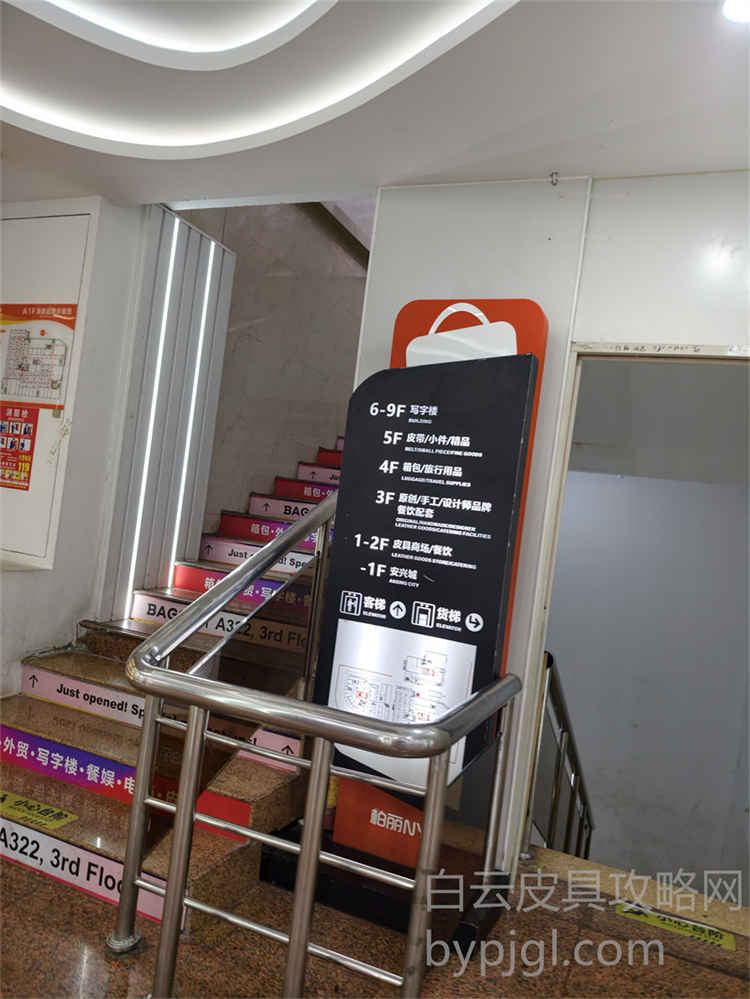
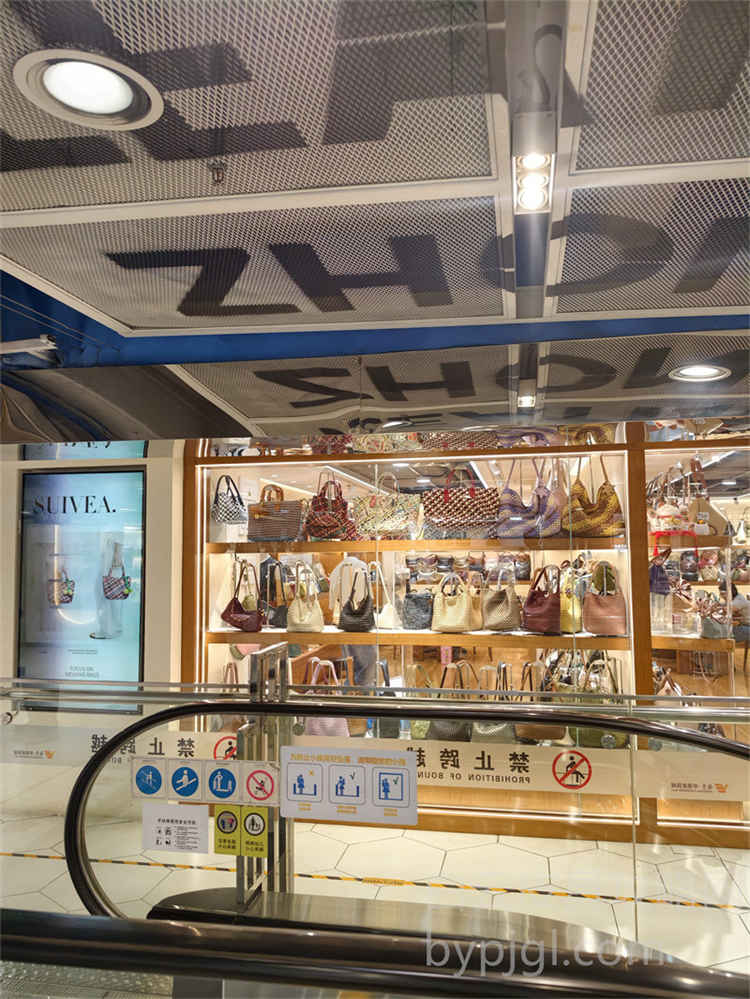
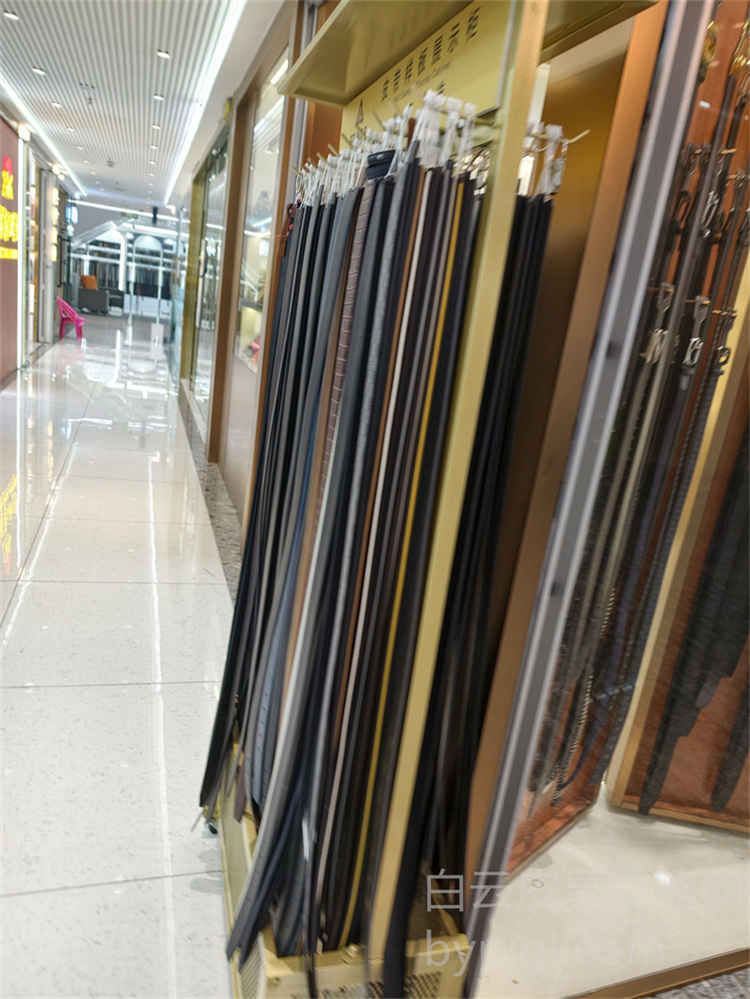
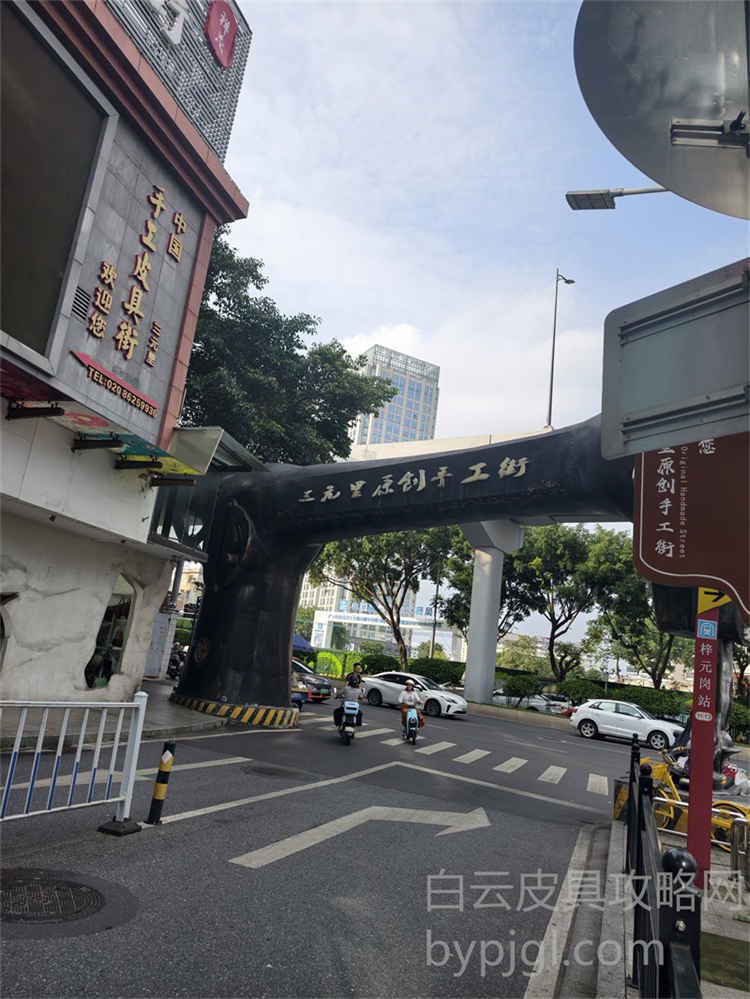
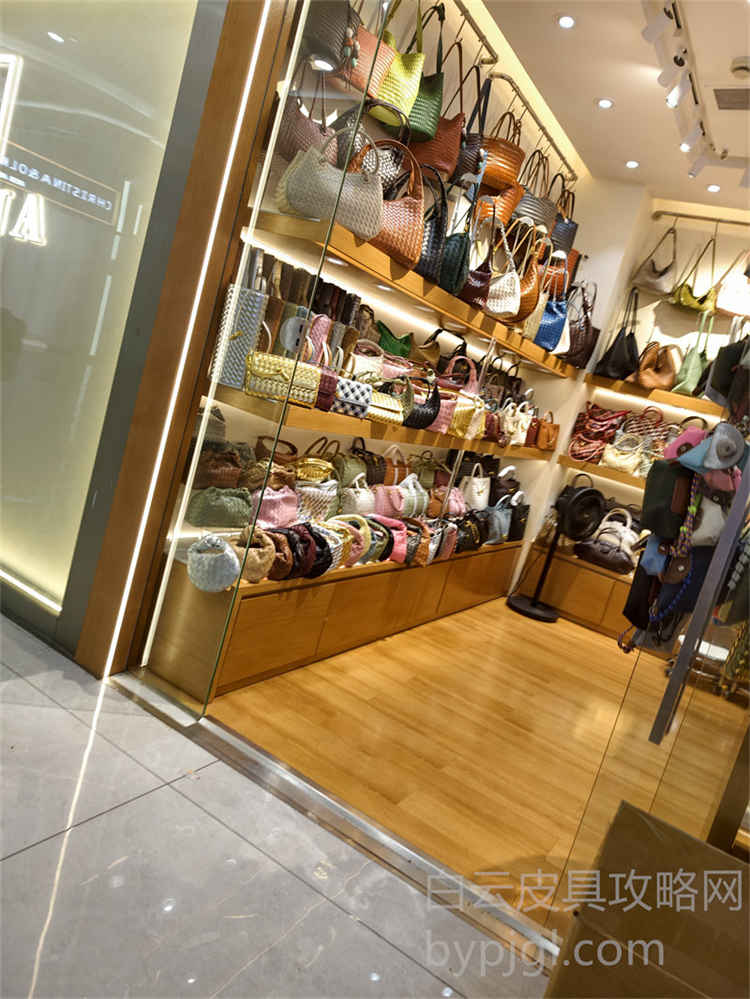
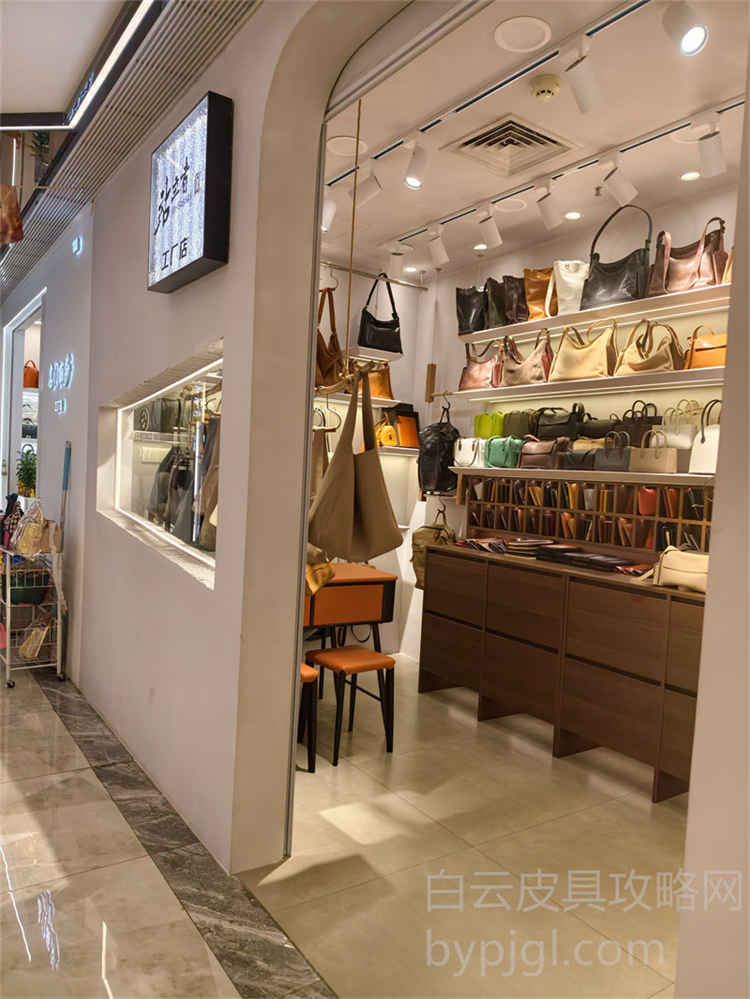
When you first arrive at the Baiyun Leather World, you will be overwhelmed. The main entrance is designed for tourists and casual shoppers. The prices here are marked up, and the selection is often limited to older styles that have already circulated globally. Do not get stuck there. The real action happens deeper inside, in the side corridors and the upper floors where the serious wholesalers operate.
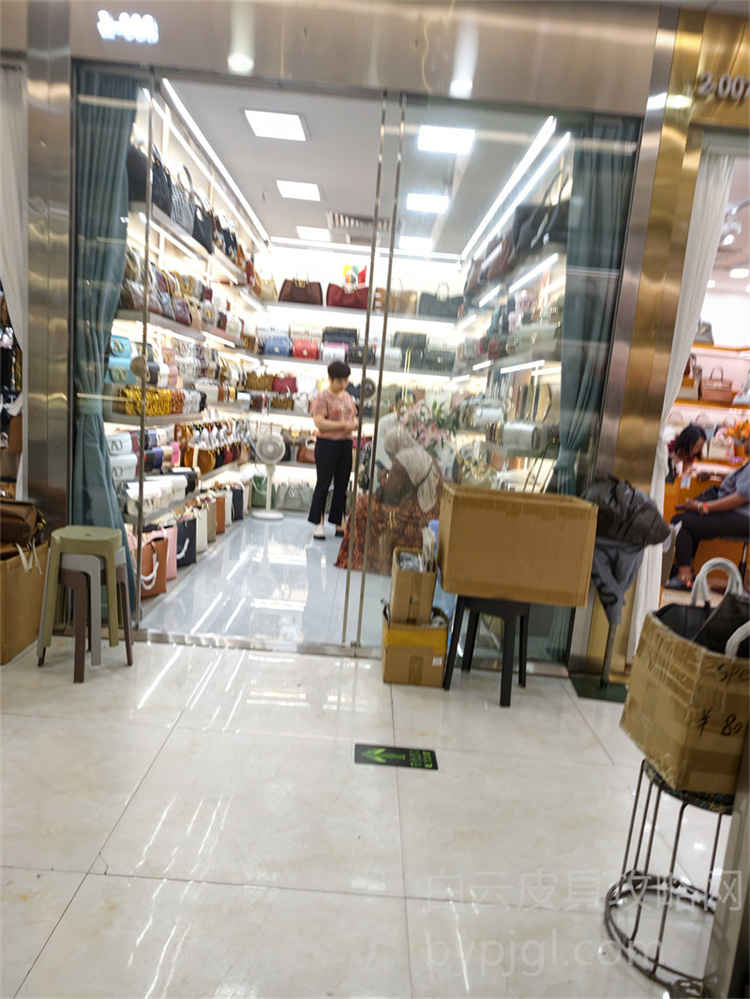
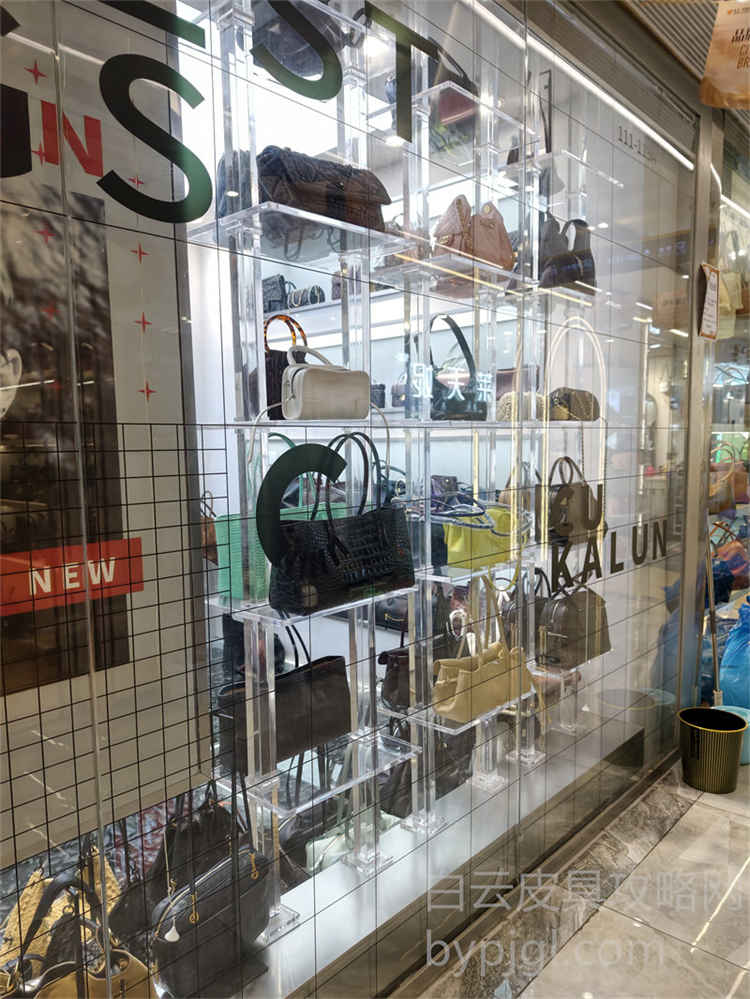
You need to look for the stalls that are busy. Not the ones with empty counters, but the ones where staff are constantly packing boxes, talking on phones, and moving goods. These are the active supply chains. In my experience, the most reliable suppliers are often tucked away in corners, not shouting their wares at the front. They rely on repeat business from established partners, not one-time sales to strangers. When you walk through the aisles, ignore the flashy displays. Look at the stacks of bags behind the counter. That is where the inventory lives.
The Art of Selection and Quality Control
Touching the Material First
Before we even talk numbers, we talk about the feel. In this industry, the difference between a premium product and a cheap imitation comes down to the raw materials. As a local seller, I always tell my international clients to touch the leather. Is it soft? Does it smell like genuine hide or chemicals? A lot of buyers focus only on the hardware, but the leather tells the true story of the bag's longevity.
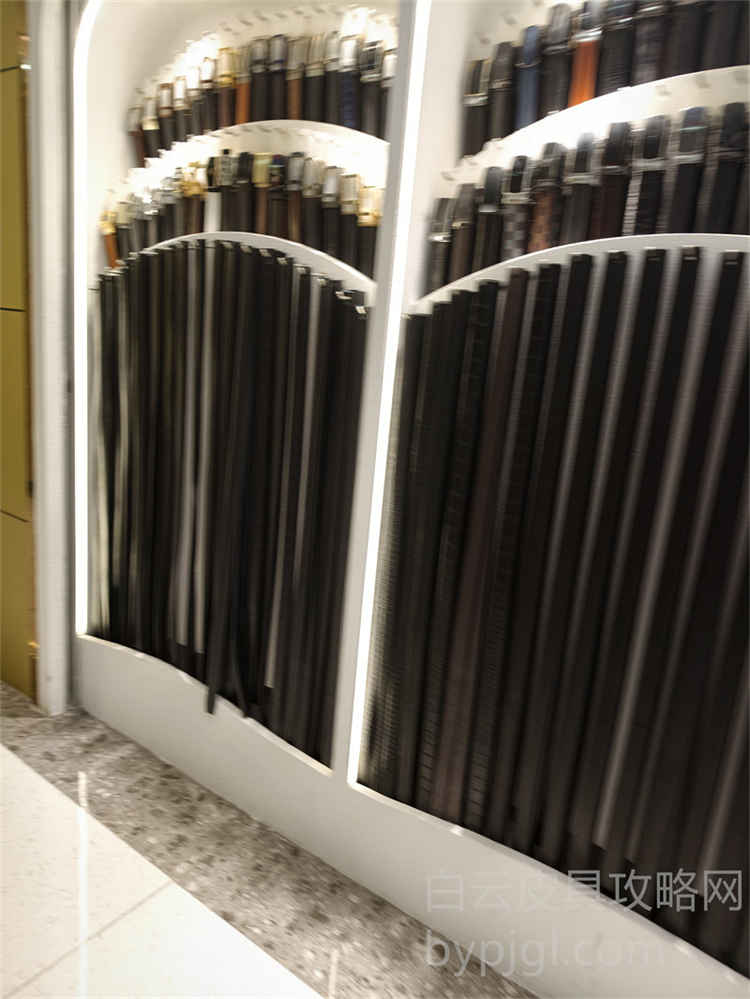
We have different grades of production here. Some stalls specialize in top-tier craftsmanship using imported cowhide and YKK zippers. Others focus on volume, using synthetic blends that look okay from a distance but fail quickly. When you are selecting items, do not just pick the prettiest one. Ask to see the stitching close up. Are the stitches straight? Is the thread tension consistent? Look at the lining. Cheap linings tear easily and make the whole bag look unprofessional. I have seen too many buyers reject shipments because they did not check the interior details before paying.
Understanding the "Sample" Culture
In Guangzhou, the sample is everything. Before you commit to a bulk order, you must take a sample. This is non-negotiable. Many new buyers try to skip this step to save shipping costs, but that is a mistake waiting to happen. The sample allows you to verify the color accuracy, the size dimensions, and the overall finish against what you saw online or in photos.
When you request a sample, be specific. Tell us exactly what you need. Do you want the same leather as the previous batch? Do you need a specific color code? We keep records of our past orders, so if you reference an old style, we can pull the exact same mold and material. However, remember that every batch might have slight variations due to natural differences in animal hides. That is normal. The goal is consistency, not perfection. once you approve the sample, we lock in the specifications for the mass production run.
Negotiation and Building Trust
The Language of Volume
Let's be honest about pricing. No one sells at wholesale prices to someone buying just one piece. The margins in this business are thin, and we survive on volume. When you approach a stall, your tone matters. If you act like a tourist looking for a souvenir, you will get tourist prices. If you speak like a buyer who knows the market, you will get respect.
Start by asking for the price based on quantity. How much does it cost for fifty pieces? One hundred? Five hundred? As the number goes up, the unit price should drop significantly. Do not be afraid to negotiate, but do not be unreasonable. We know our costs. If you offer a price that is too low, we will simply say no. But if you show interest in a long-term partnership, we will work with you. I have built relationships with buyers from Europe and America who visit us once a year and place massive orders. They treat us like partners, not adversaries.
Avoiding Common Pitfalls
There are traps everywhere in the market. One common issue is the bait-and-switch. You see a beautiful bag in the display case, pay for it, and then receive a lower-quality version in the box. This happens when you do not have a clear agreement on the specifications. Always write down the details: leather type, zipper brand, hardware color, and dimensions. Get it in writing, even if it is just a simple chat message or a printed invoice.
Another pitfall is rushing the payment. Never transfer 100% of the money upfront without any protection. Use a secure method that allows you to inspect the goods before final release. We prefer deposits, usually thirty percent, with the balance paid after you confirm the quality of the finished batch. This protects both of us. Also, be wary of sellers who promise "free shipping" but hide the cost in the product price. Calculate the total landed cost, including shipping and taxes, before you sign anything.
Final Thoughts from the Counter
Sourcing bags in Guangzhou is an adventure, but it requires patience and street smarts. The Baiyun Leather City is not just a shopping mall; it is a complex network of manufacturers, traders, and logistics experts. If you take the time to walk the floors, talk to the people, and understand the process, you will find incredible value here. I have seen many businesses grow from a single order placed in this very building. My advice is simple: go slow, check everything, and build relationships. The market rewards those who respect the craft and the people behind it.