Why I Tell You to Skip Shenzhen and Go Straight to Guangzhou
I have been standing behind the counter in Guangzhou for over twenty years. You might hear people talking about Shenzhen sources, but let me be honest with you: if you are looking for real leather goods, Shenzhen is not where you want to start your journey. Shenzhen is great for electronics and high-tech gadgets, but when it comes to bags, the heart of the industry beats right here in Guangzhou. Many overseas buyers get confused by online listings claiming "Shenzhen source," but they often end up paying a premium for goods that were actually made in the factories around Baiyun District. As an old shop owner who has seen thousands of customers come and go, I am going to share exactly how the supply chain works so you do not waste your time or money.
The Myth of the Shenzhen Connection
When you search online, you will see many sellers claiming their stock comes from Shenzhen. In reality, most of these items are just shipped from Guangzhou warehouses to create a false sense of exclusivity. The actual production hubs, the tanneries, the hardware suppliers, and the assembly lines are all concentrated within a thirty-minute drive from my shop. If you go to Shenzhen, you are likely dealing with a middleman who bought the goods here and is now reselling them at a higher price. To get the best deal, you need to cut out the middleman and stand directly in front of the factory floor or the main wholesale market.
Navigating the Baiyun Leather Market Realities
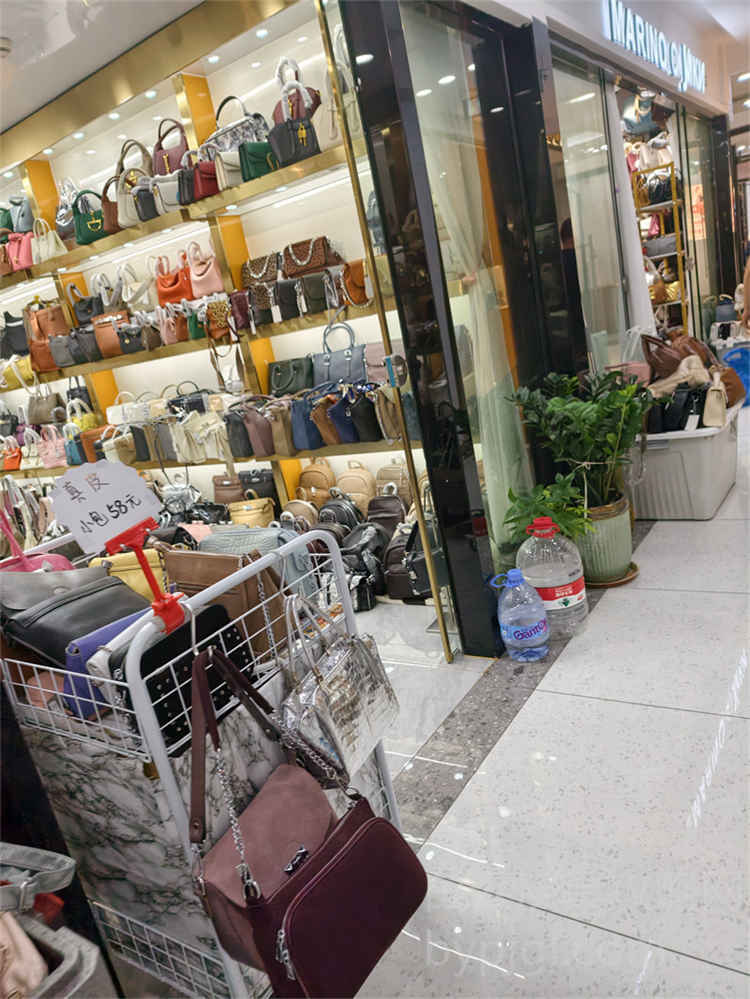
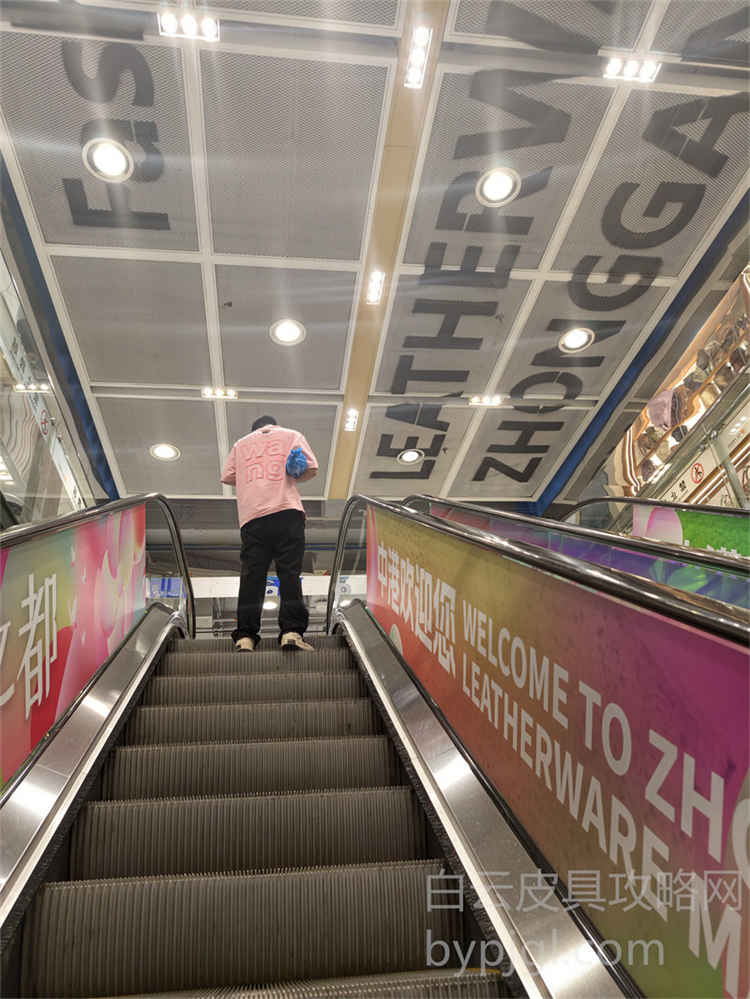
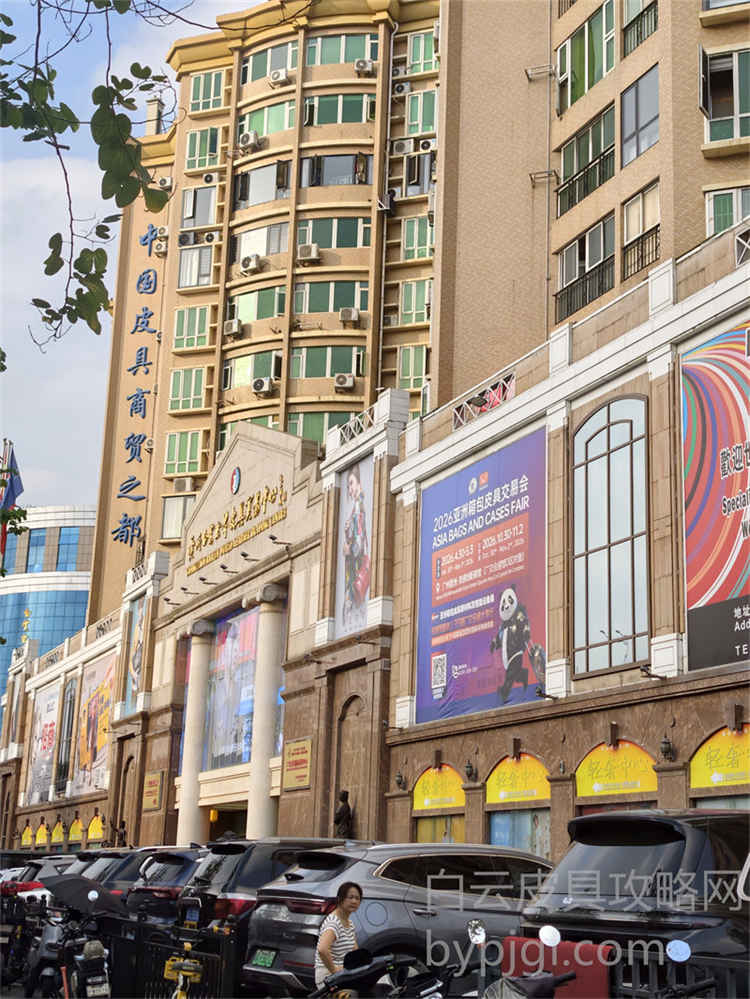
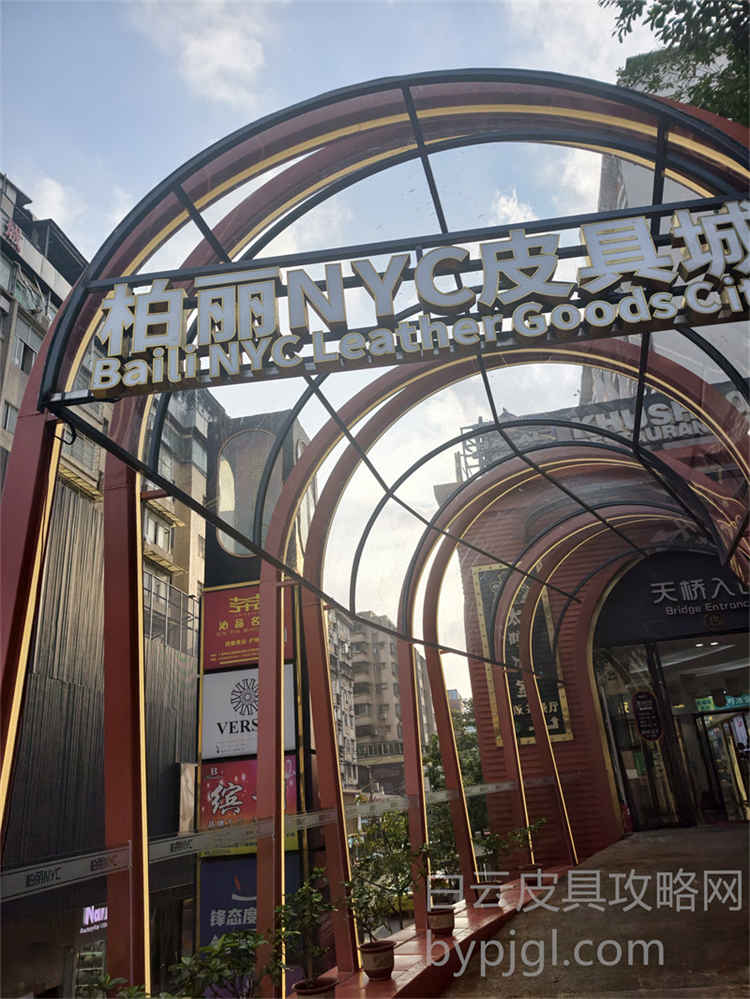
once you land in Guangzhou, head straight for the Baiyun District. This is the epicenter of the global leather goods trade. Walking into the massive complexes like the Baishiqiao area or the famous markets near Jiahe Wanggang can be overwhelming. There are hundreds of buildings, each packed with dozens of stalls. Do not try to visit every single one; you will burn out before noon. Instead, focus on the specific buildings known for high-quality craftsmanship. The layout is chaotic, but once you know the rhythm, it becomes second nature.
Finding the Right Stall Without Getting Lost
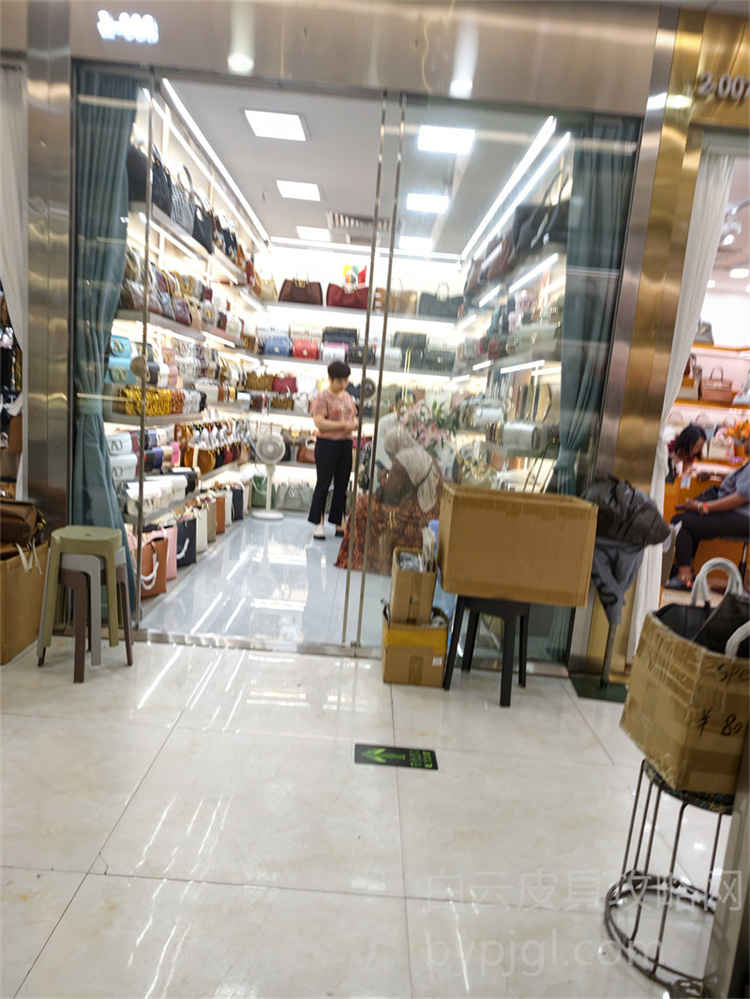
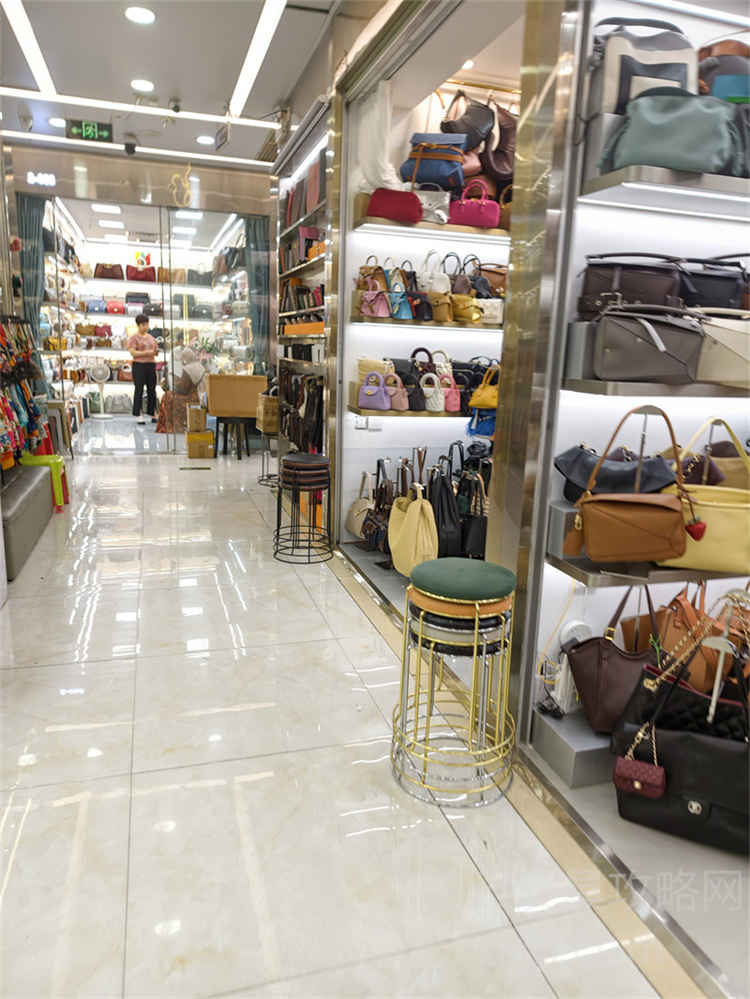
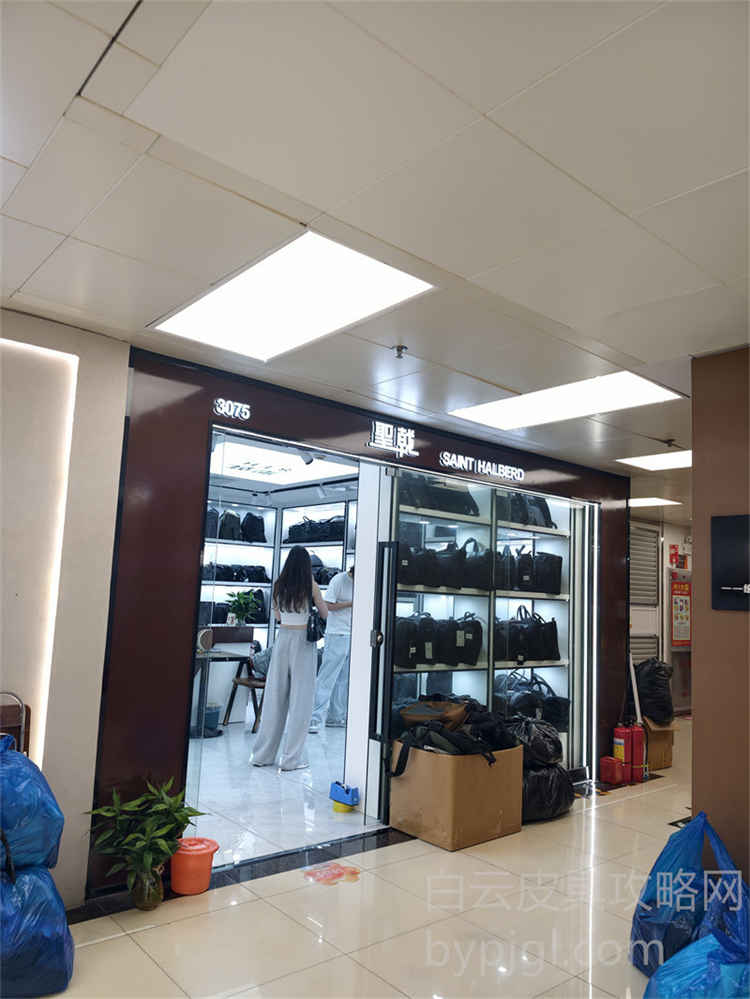
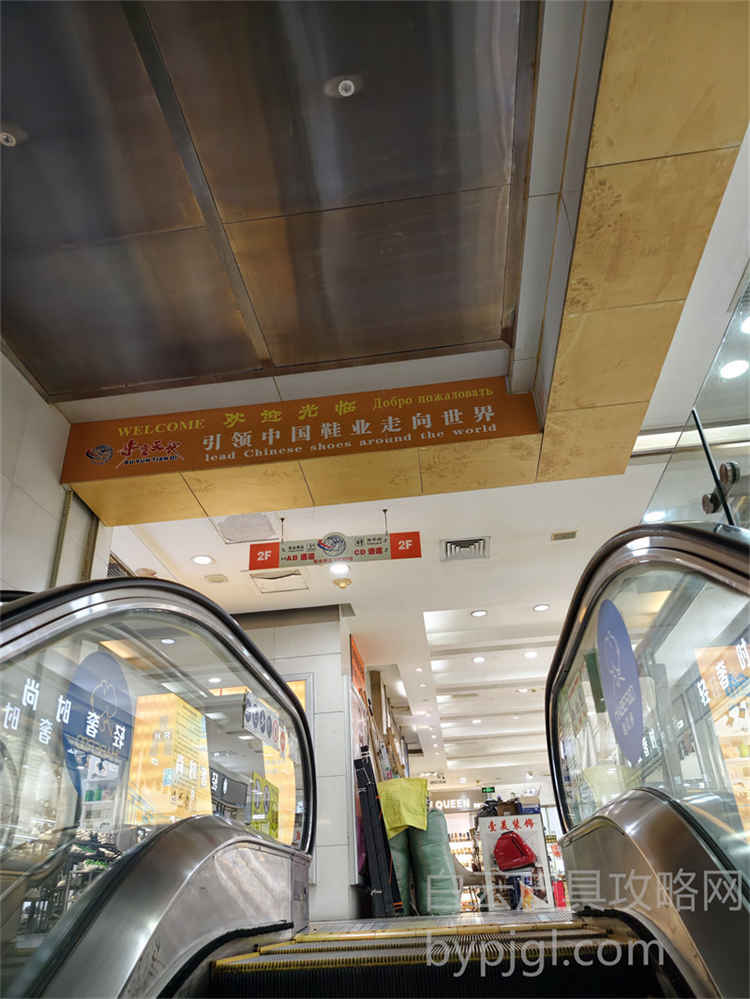
When you enter the market, ignore the flashy signs on the ground floor. The real action happens on the upper floors where the serious wholesalers operate. Look for stalls that display multiple styles rather than just one or two. A good sign of a reliable supplier is a stall that has samples of different materials, from genuine cowhide to top-tier synthetic leathers. Ask the staff directly, "Do you have new arrivals?" or "Can I see the latest batch?" If they hesitate or point you to a catalog instead of showing you the physical product, walk away. We prefer face-to-face interaction because it builds trust.
Inspection and Quality Control Secrets
This is the most critical part of your trip. online photos can lie, but your hands cannot. When you are standing in front of a stall, you need to inspect the bag thoroughly. Run your fingers along the stitching. Is it even? Are there loose threads? Check the lining inside. Does it feel cheap or does it have a smooth finish? Pay close attention to the zippers and the metal hardware. High-quality hardware should feel heavy and solid, not hollow or light. If the metal feels flimsy, it will tarnish quickly after a few months of use.
Smell and Texture Matter More Than Looks
One thing that separates a premium product from a low-end copy is the smell. Genuine leather has a distinct, earthy scent. If the bag smells like strong chemicals or plastic, put it down immediately. Even if the design looks perfect, the material quality is compromised. Also, check the edges of the bag. Good craftsmanship involves edge painting that is smooth and consistent, without any bleeding or rough spots. As a buyer, you must be willing to spend ten minutes examining a single bag. It is better to buy five excellent bags than fifty mediocre ones that will fall apart.
Negotiating and Building Long-Term Relationships
once you find a product you like, it is time to talk business. Do not be afraid to negotiate. In this market, prices are rarely fixed. Start by asking for the wholesale price, not the retail price. If you are buying in bulk, you have leverage. Mention that you plan to return next season if the quality holds up. Suppliers love repeat customers because it guarantees steady income for them. They will often give you a better discount if they think you are a long-term partner rather than a one-time tourist.
Avoiding Common Pitfalls for Foreign Buyers
There are several traps you must avoid. First, never pay a deposit via a personal bank transfer unless you have met the person and verified their identity. Use secure payment methods or meet at a neutral location for large transactions. Second, be wary of suppliers who promise "perfect quality" at rock-bottom prices. If the price seems too good to be true, it usually is. Third, always ask for a sample before placing a large order. Even if you are confident, seeing a single unit helps you verify the color and texture matches what you saw in the stall. Finally, clarify the shipping terms. Who handles the customs clearance? Who pays for the freight? Get everything in writing, even if it is just a simple message on WhatsApp or WeChat.
Final Thoughts on Your Sourcing Strategy
Coming to Guangzhou is not just about buying products; it is about understanding the entire ecosystem. By skipping the fake Shenzhen claims and diving deep into the local markets, you gain access to the true source of the industry. The relationships you build here can last for decades. Take your time, trust your instincts, and remember that the best deals are found by those who are willing to do the legwork. If you follow these steps, you will leave Guangzhou with a collection of bags that stand out in quality and value, ready for your customers back home.