Why Guangzhou Remains the Global Hub for Leather Goods
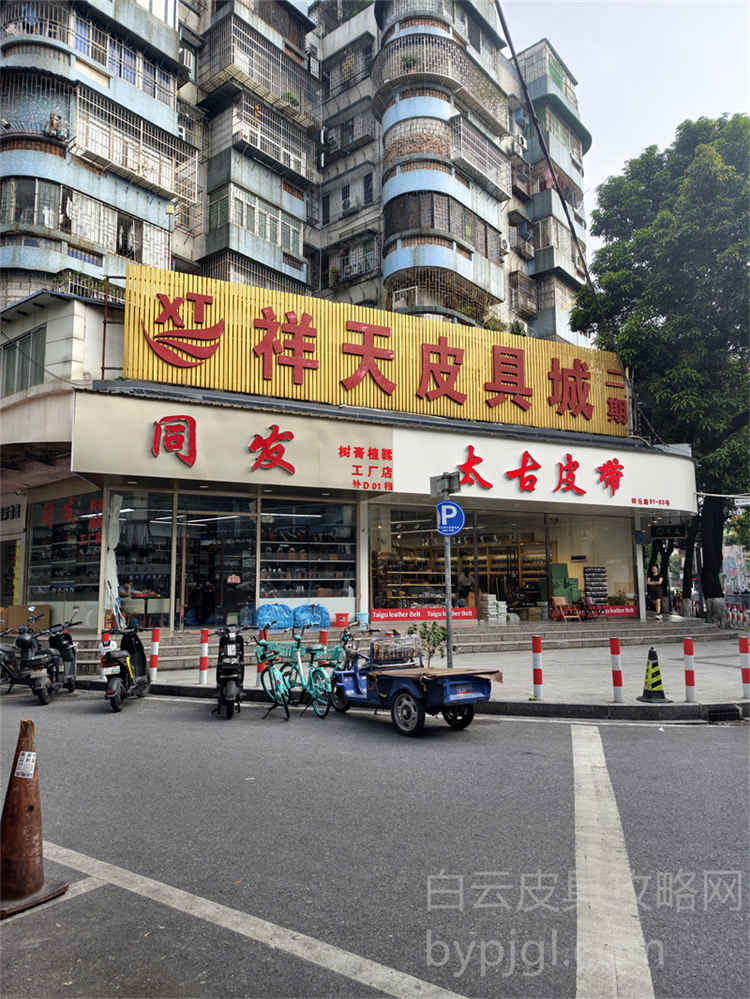
Listen, I've been standing behind this counter in the Baiyun District for over twenty years. While the internet floods with stories about factories and supply chains, nothing beats the raw energy of walking through these markets yourself. You ask me where the production happens? It's not just one building; it's a whole ecosystem stretching from the bustling corridors of the World Trade Center to the quieter, more specialized alleys in nearby districts. When you talk about sourcing high-end leather goods here, you aren't just buying a product; you are stepping into a world where craftsmanship meets commerce.
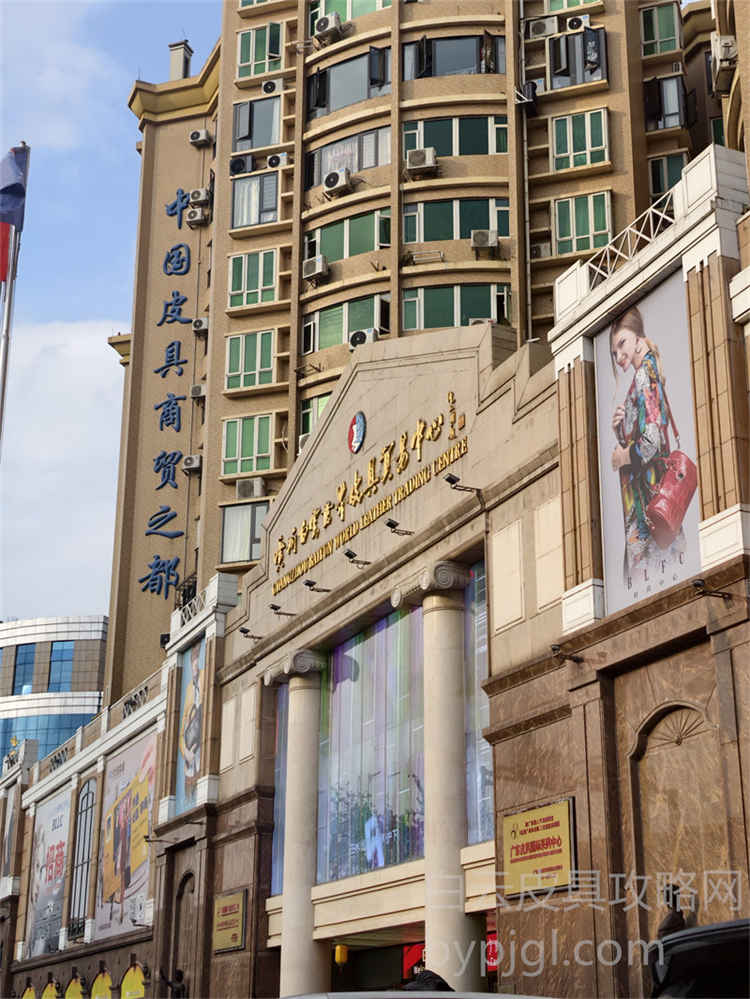
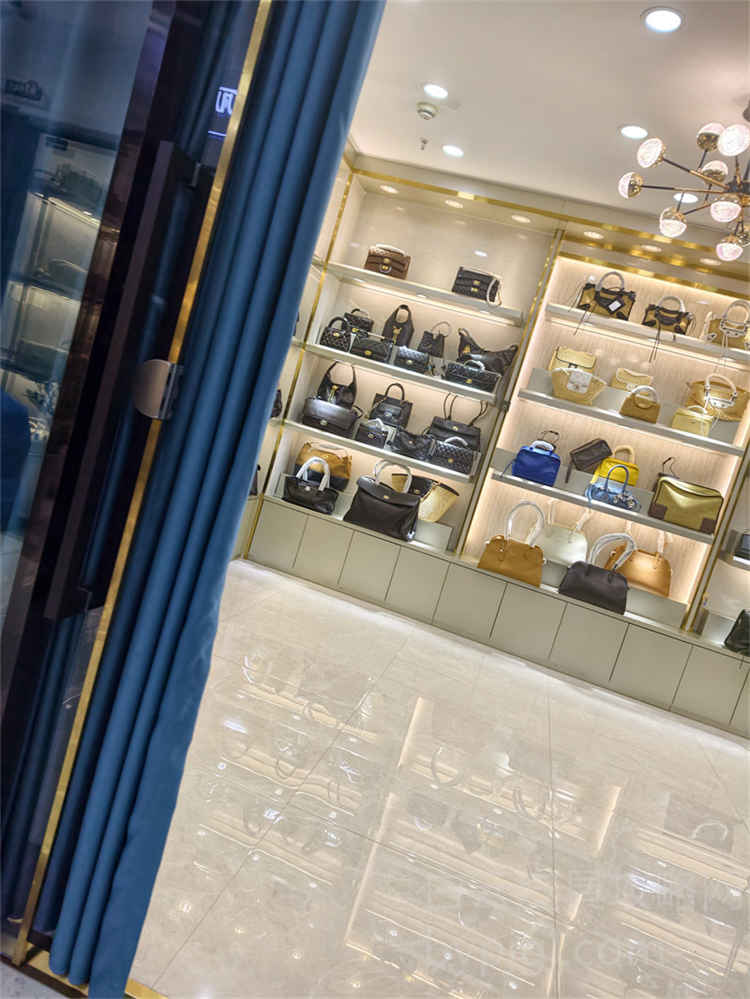
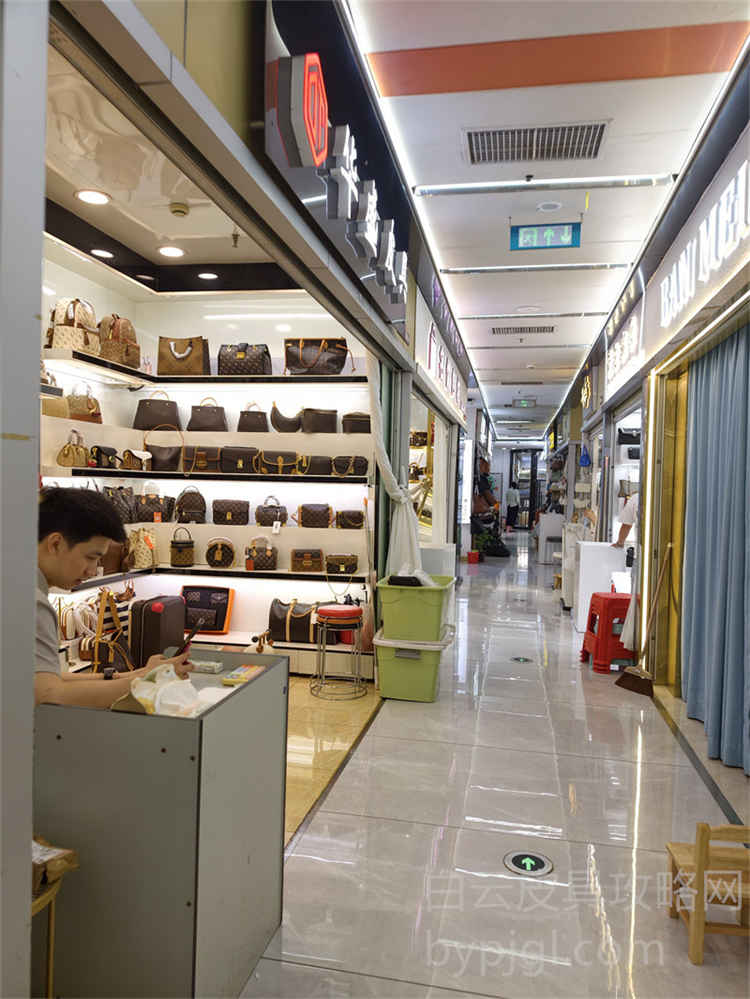
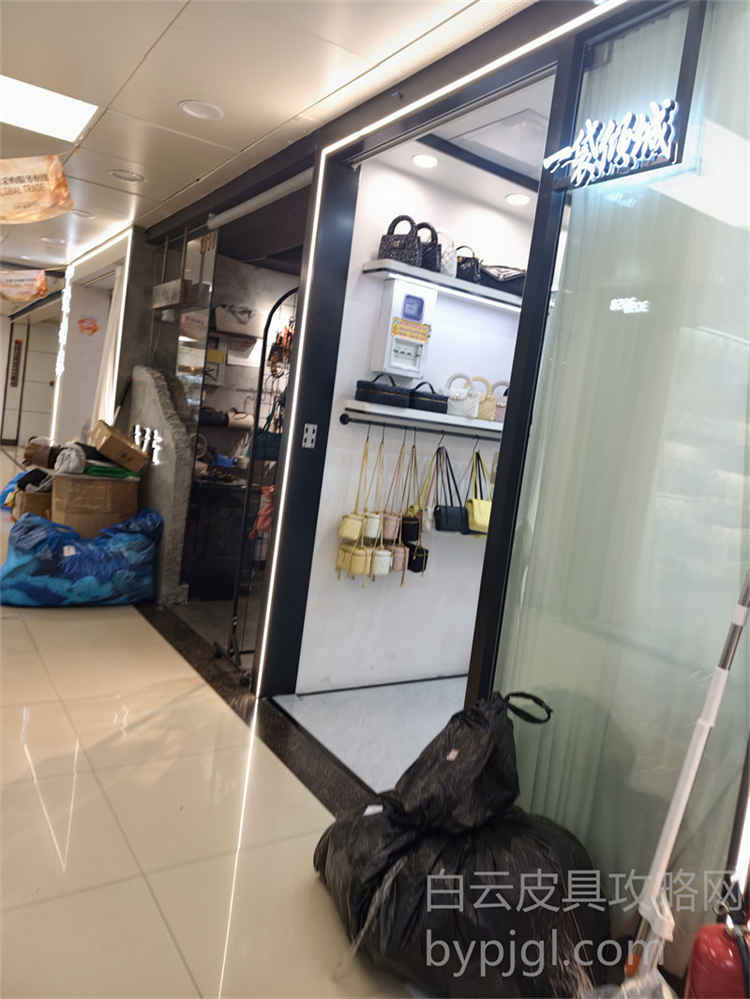
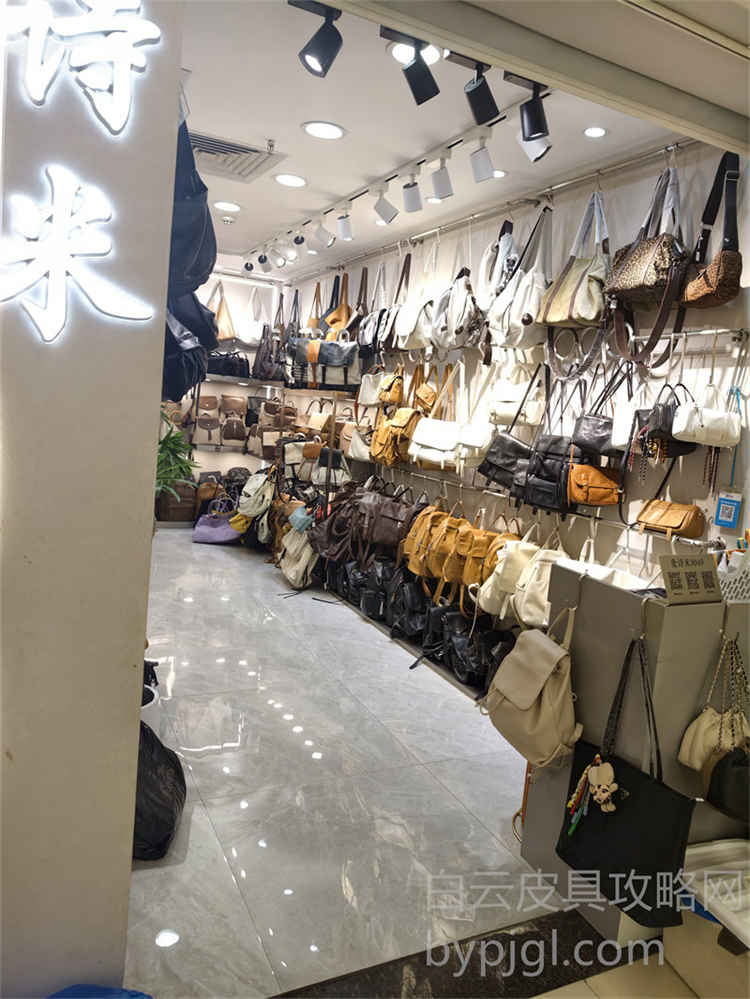
The first thing you need to understand is that "production" here isn't always what you see on the surface. Many buyers think they walk into a factory when they enter a showroom. That's a mistake. What you see in the main halls like the Zhongda or the iconic Baiyun International Leather City are the front lines. These are the showrooms where the real magic of negotiation happens. The actual stitching and assembly often happen in workshops just a few kilometers away, hidden behind residential buildings or industrial parks. This separation is by design. It keeps the operation agile and allows us to pivot quickly based on global trends without the overhead of massive, visible factories.
Navigating the Market: Where to Start Your Search
The First Impression at Baiyun International
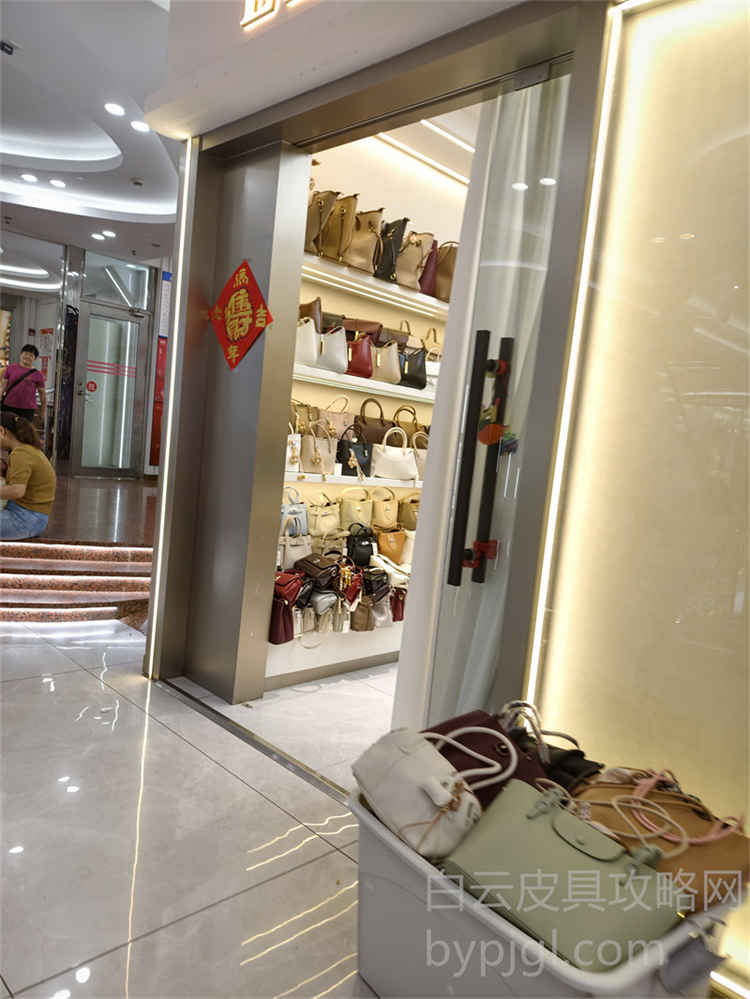
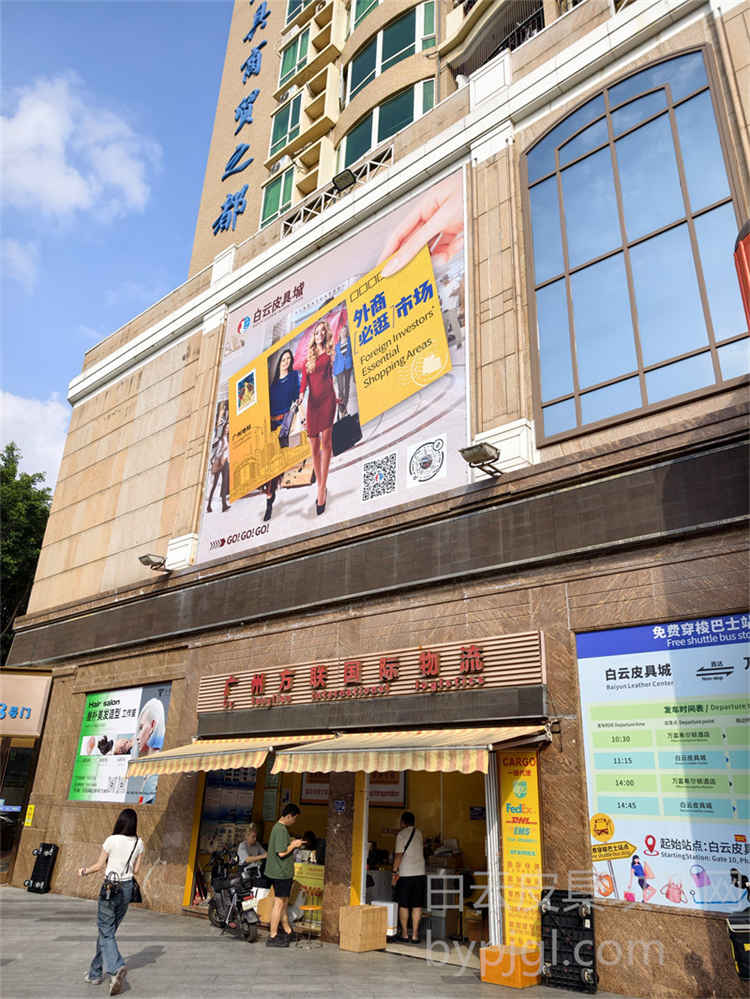
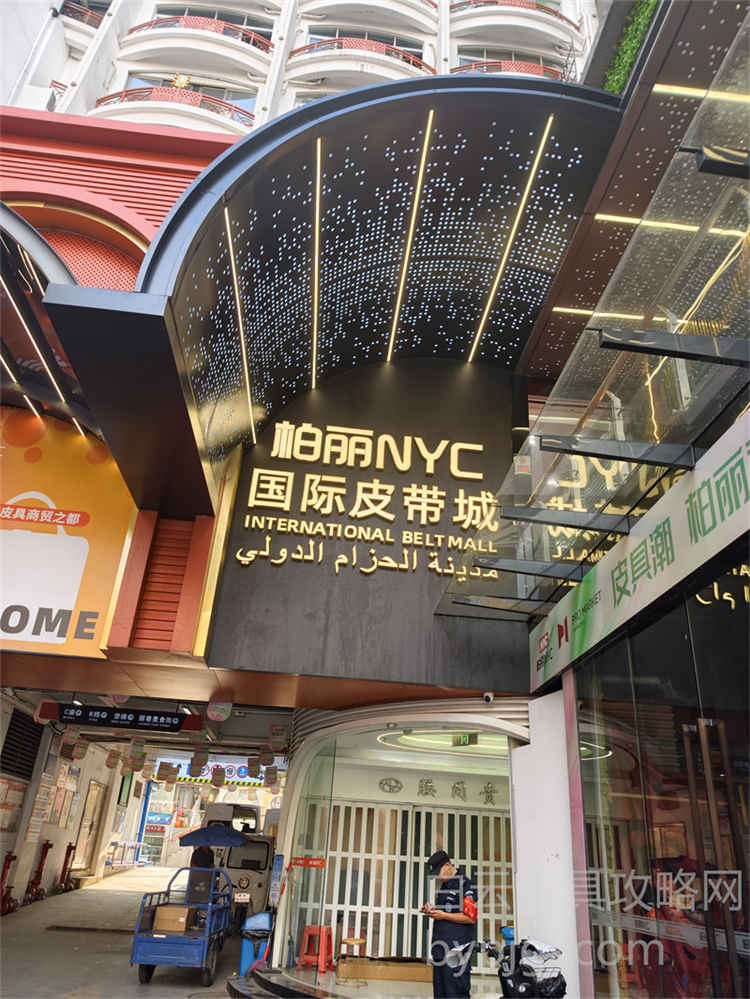
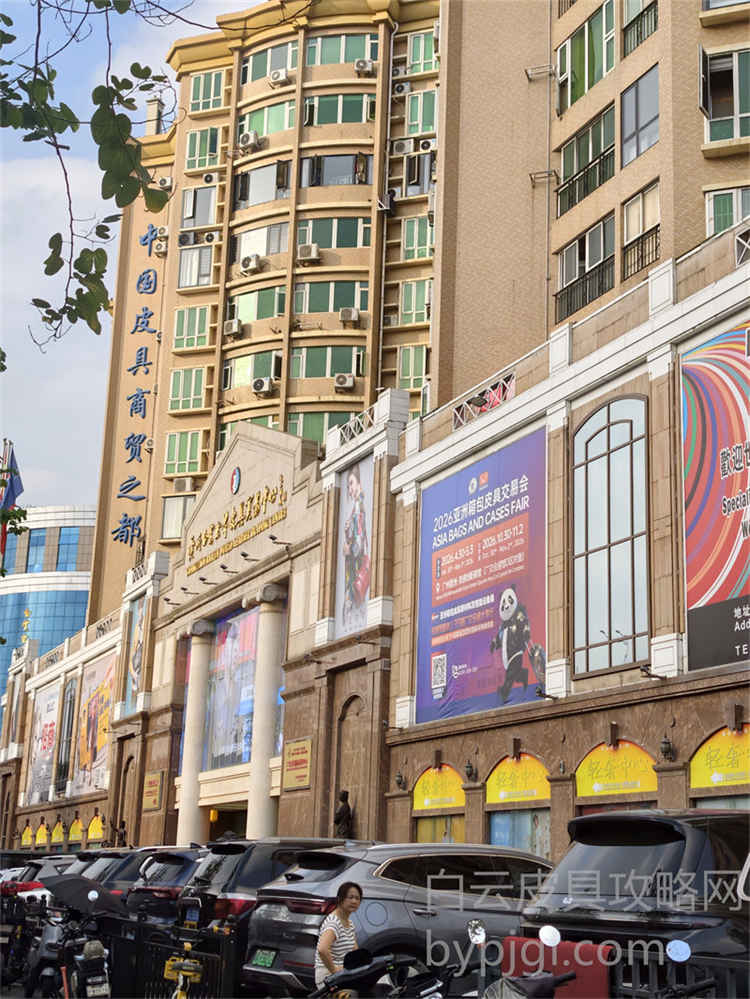
If you are new to this game, start at the Baiyun International Leather City. It is the heart of the industry. Walking in, you will feel overwhelmed by the sheer volume of options. But don't let the noise scare you off. My advice is to ignore the flashy displays on the ground floor for a moment. Head straight to the upper levels where the serious traders operate. These floors are less about impulse buys and more about serious business. You will find vendors who have been here since the early 2000s, people who know their leather better than anyone else.
When you approach a stall, do not ask for "the best." That is too vague. Instead, be specific about the material you want. Do you need top-grain cowhide? Is it calfskin? Are you looking for a specific texture like pebbled or smooth? In my experience, the quality of the leather is the first indicator of the vendor's integrity. If they hesitate to show you the raw hide or refuse to let you touch it, move on. A good supplier in Guangzhou will proudly display their materials because they know the difference between genuine leather and synthetic alternatives.
Understanding the Hierarchy of Showrooms
Not all stalls are created equal. There is a clear hierarchy in these markets. Some vendors cater to tourists with lower-tier items, while others specialize in high-fidelity pieces for international buyers. To find the latter, you need to look for the shops that speak English fluently and have a portfolio of past clients. These are the ones who understand the nuances of construction. They won't just sell you a bag; they will explain the number of stitches per inch, the type of thread used, and the hardware plating process. This level of detail separates the amateurs from the professionals.
I often tell my overseas partners that the real value lies in the relationship. once you establish trust with a specific booth owner, you gain access to their private inventory. These are the pieces that never make it to the public shelves. They might be prototypes, limited runs, or items reserved for VIP clients. This is where you find the unique designs that stand out from the mass-produced crowd. Building this rapport takes time, but it pays off immensely when you are ready to place a large order.
The Art of Inspection and Negotiation
Hands-On Quality Control
Never, ever skip the inspection phase. In Guangzhou, the saying goes that seeing is believing, but touching is understanding. When you are evaluating a piece, run your fingers along the edges. Check the lining. Look at the alignment of the pattern. Does the logo sit perfectly centered? These details matter. I have seen countless buyers get caught up in the price and forget to check the stitching density. A loose thread or uneven spacing can ruin the entire aesthetic of the bag.
Bring a magnifying glass if you have to. Inspect the hardware for weight and finish. Cheap metal feels light and flimsy, while high-quality hardware has a substantial heft. Test the zippers. Do they glide smoothly or do they catch? These small checks can save you from receiving a shipment full of defects. Remember, we are talking about premium goods here. The expectation should be perfection, and our local standards reflect that.
Negotiating Like a Pro
Negotiation is an art form in these markets. It is not about haggling over pennies; it is about establishing a fair deal that works for both parties. When you discuss pricing, be transparent about your volume. If you are planning to buy fifty units, you have leverage. If you only need five, the price will naturally be higher. Don't be afraid to ask for a discount on bulk orders, but be prepared to pay a premium for smaller quantities.
Also, discuss the payment terms carefully. Most reputable suppliers in Guangzhou accept various methods, but cash or direct bank transfers are common for established relationships. Always agree on the timeline for production and delivery before handing over any money. Clarity prevents disputes later. If there is a delay, communicate immediately. We pride ourselves on reliability, and a good partner will keep you updated every step of the way.
Avoiding Pitfalls and Ensuring Success
Red Flags to Watch For
There are always risks in any market, and Guangzhou is no exception. Be wary of vendors who promise prices that seem too good to be true. If a deal sounds suspiciously cheap, it usually means the quality is compromised. Another red flag is a lack of willingness to provide samples. A confident supplier will always offer a sample for you to inspect before committing to a large order. If they refuse, take that as a sign to walk away.
Additionally, be cautious of vendors who try to rush you. Good business takes time. If someone pressures you to decide immediately, they might be hiding something. Take your time to explore different stalls, compare prices, and verify the quality. Trust your instincts. If something feels off, it probably is.
Building Long-Term Partnerships
The ultimate goal of visiting Guangzhou is not just to make a single purchase but to build a long-term partnership. The most successful buyers return year after year, refining their selection and deepening their relationships with trusted vendors. This consistency leads to better pricing, priority production, and access to exclusive designs. By treating these suppliers as partners rather than just transactional contacts, you unlock the full potential of the Guangzhou leather market.
So, when you plan your next trip, remember that the real treasure isn't just in the bags themselves, but in the knowledge and connections you gain. Walk the floors, talk to the locals, and immerse yourself in the culture of craftsmanship. That is how you truly master the art of sourcing in Guangzhou.