Walking the Floors: My Real Talk on Sourcing Bags in Guangzhou
I have been standing behind this counter in the Baiyun District for over fifteen years. While you might see glossy brochures online promising "premium leather" and "exclusive deals," the reality of sourcing bags here is a lot grittier, louder, and more hands-on than that. If you are flying in from overseas to find reliable bag supply sources in Guangzhou, let me tell you something straight: the internet is just the map; the streets are the territory. You cannot get the real deal without walking the floors, sweating through your shirt, and talking face-to-face with the people who actually stitch these goods.
The First Step: Leaving the Airport for Baiyun
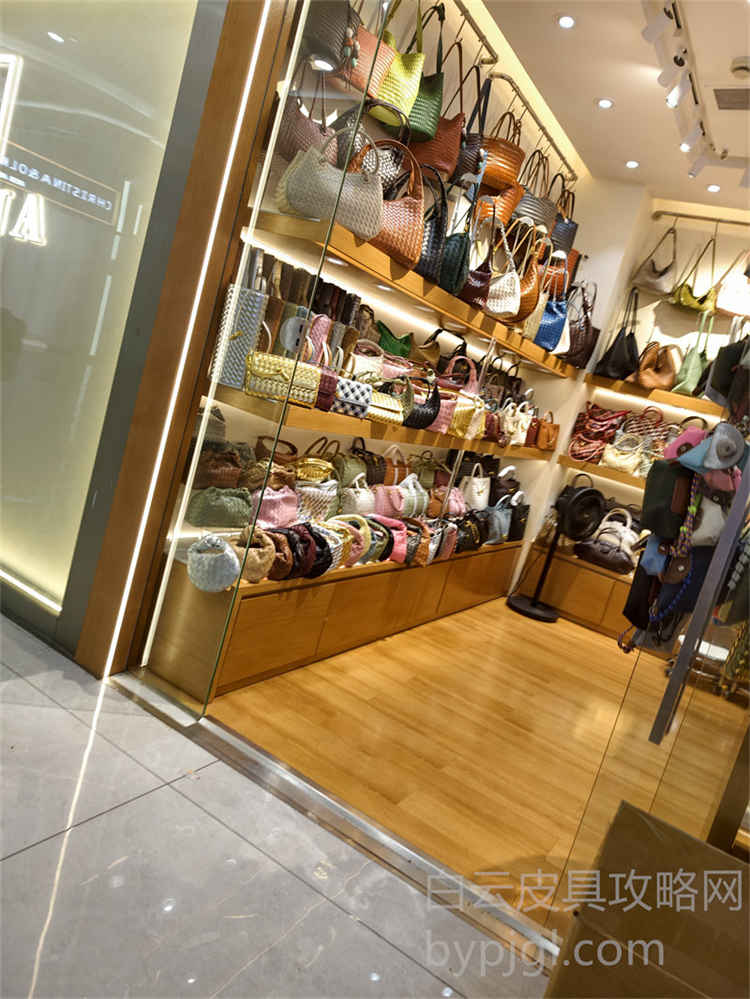
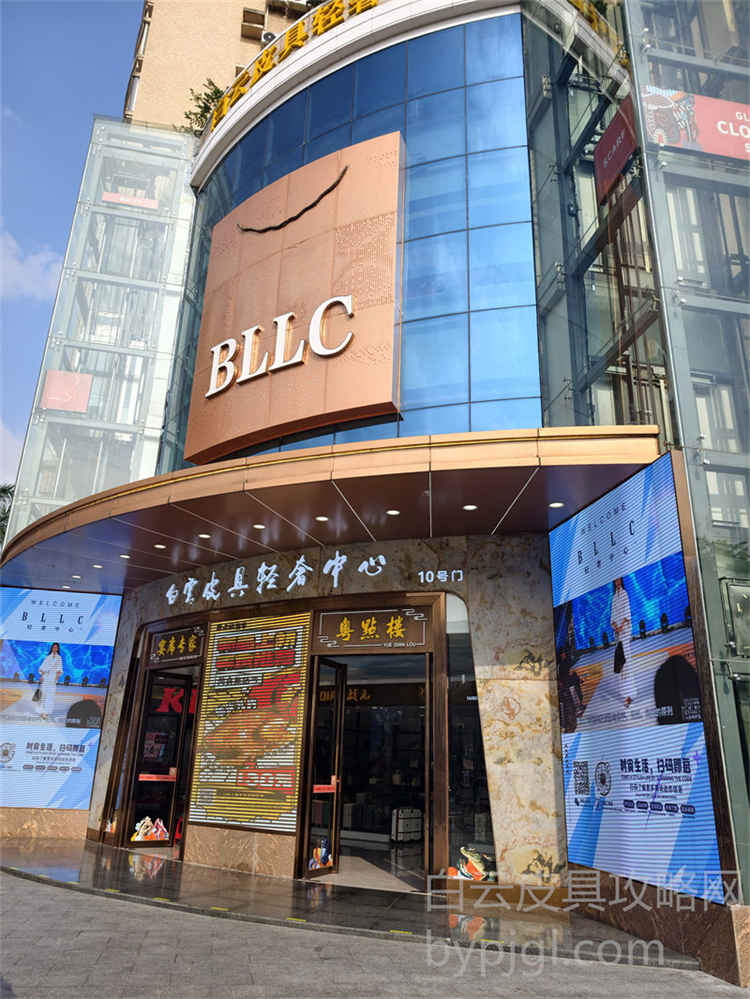
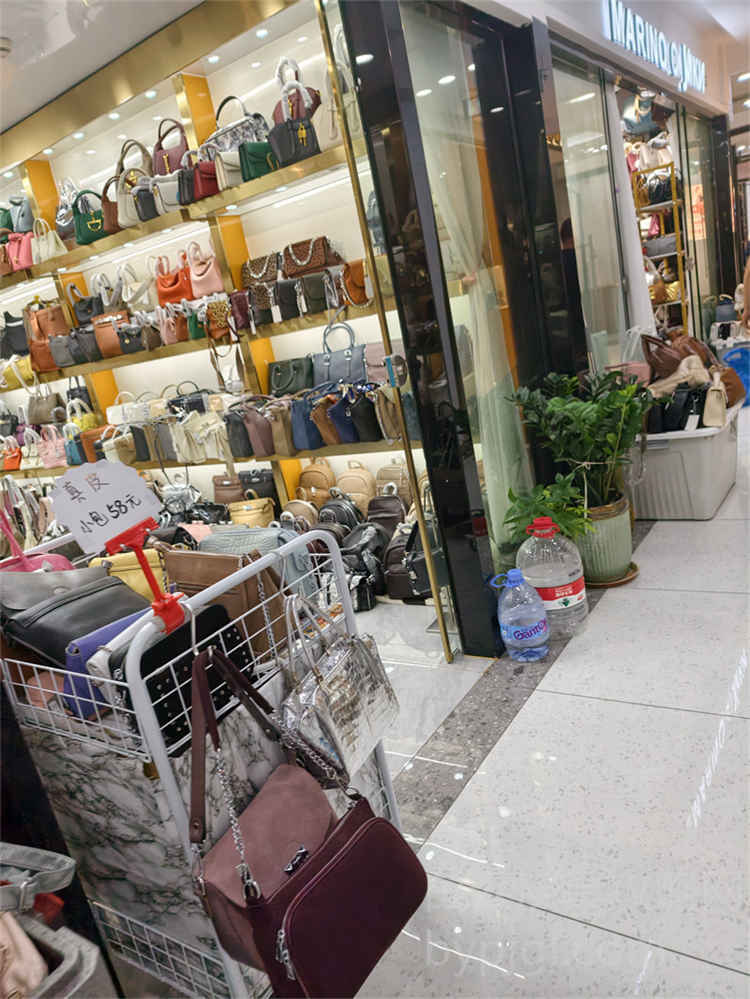
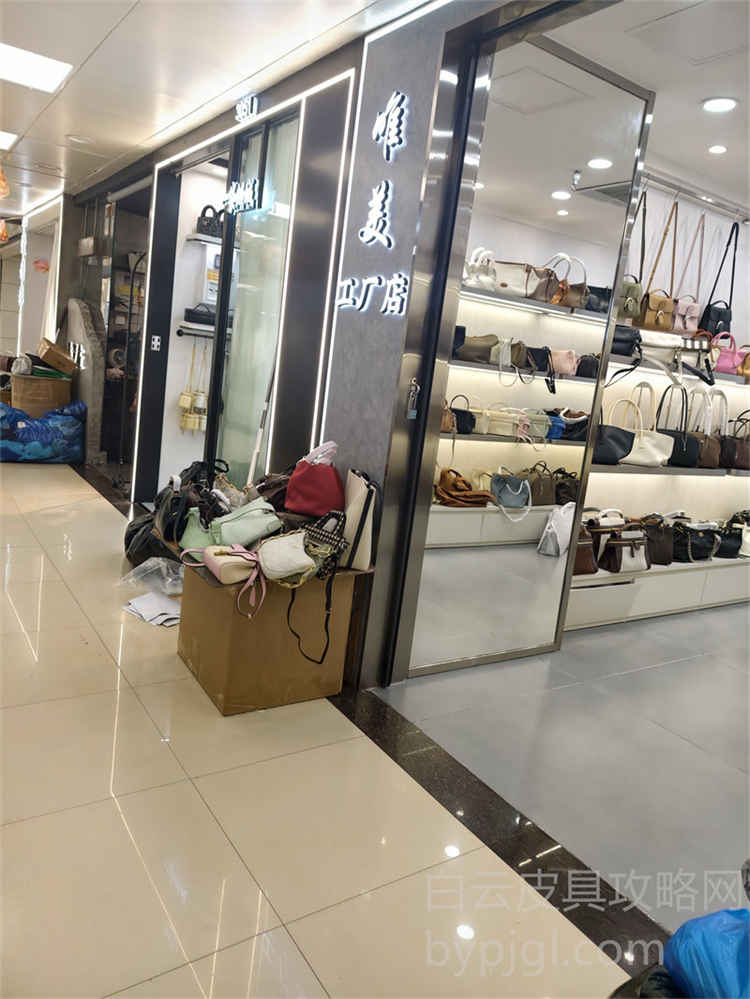
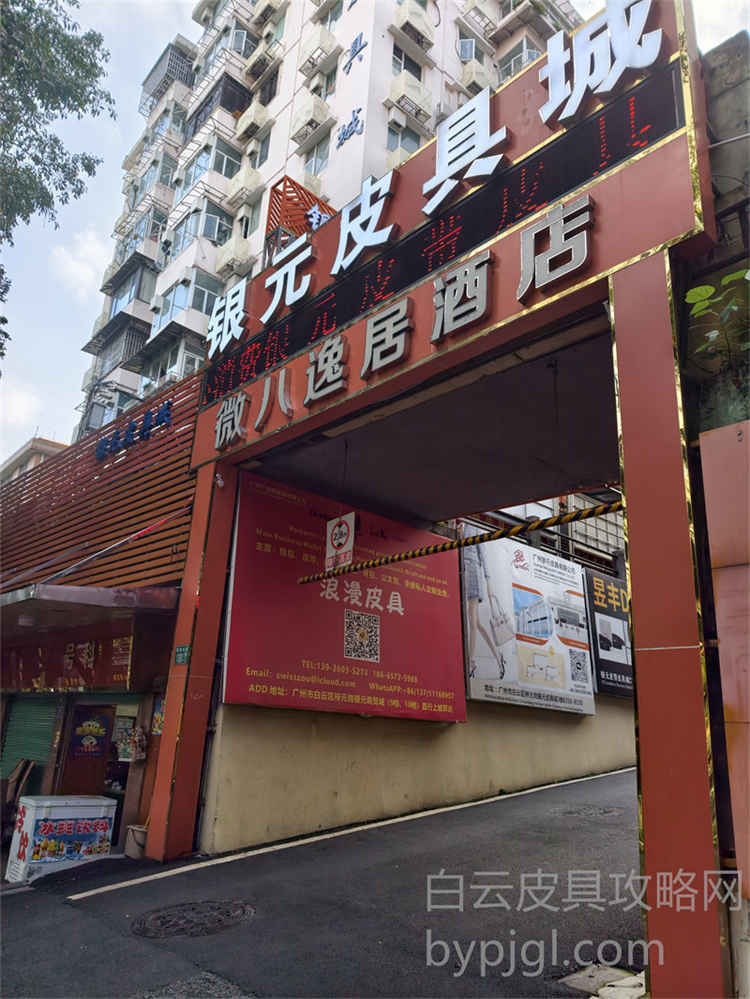
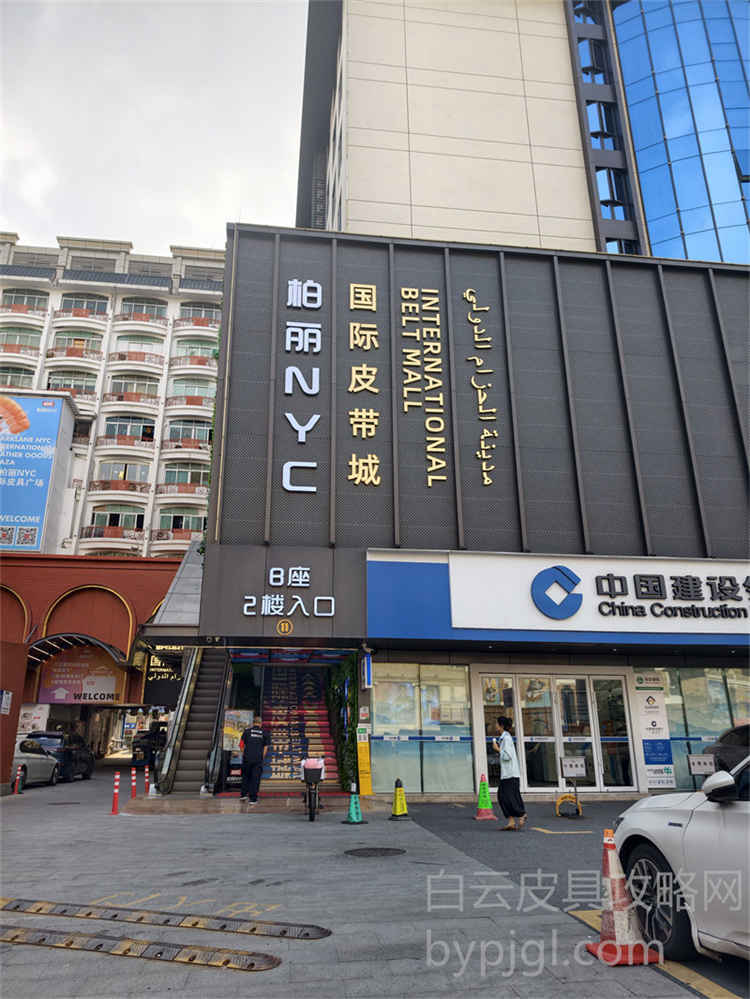
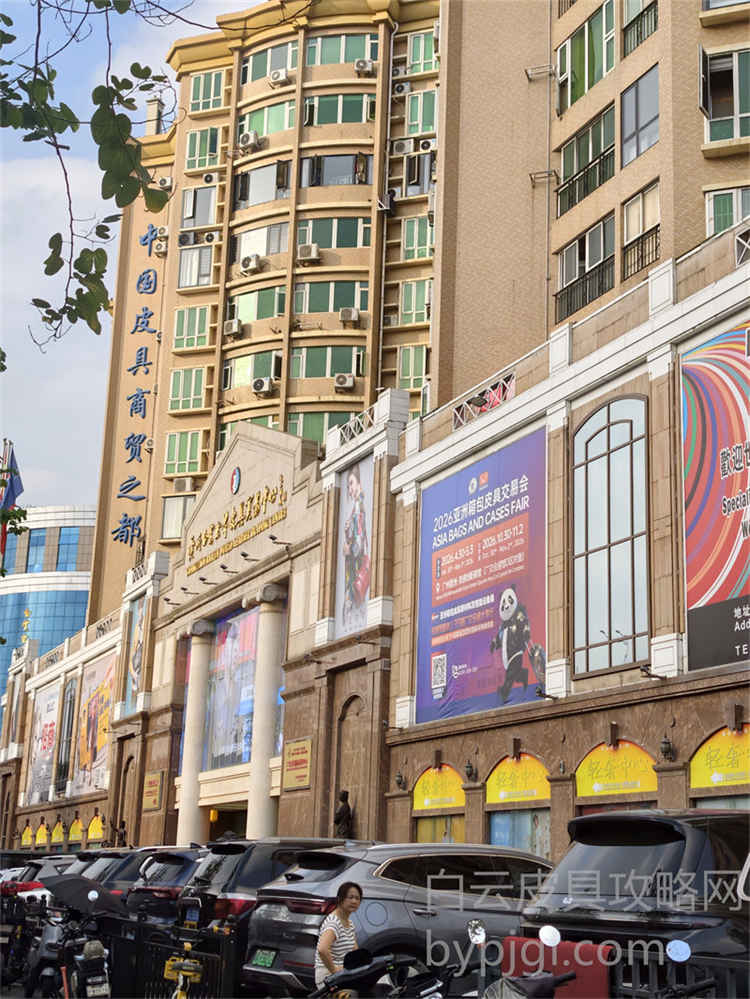
Most first-timers make the mistake of trying to order everything online before they arrive. They think they can just email a supplier and get samples shipped out. That works for small accessories, but for serious bag sourcing, it is a trap. The moment you land, head straight to the Baiyun Leather City area. This isn't just one building; it is a massive ecosystem of interconnected malls like Baoma, Shide, and the newer high-end complexes. When I say Guangzhou Baiyun leather city, I am talking about the beating heart of the global leather trade. Walking into these buildings for the first time feels overwhelming. The noise, the smell of fresh leather, and the sheer volume of racks stacked floor-to-ceiling can be intimidating. But that chaos is where the opportunity hides.
Navigating the Markets: Where to Look and What to Skip
You need to know which building matches your budget and quality target. There is no single "best" market because every mall serves a different tier of buyers. Some places cater to the ultra-high-end crowd looking for top-tier materials, while others focus on fast-moving, affordable styles. As a local owner, I advise you to start at the ground level of the major hubs. Do not trust the guys on the escalators or the street vendors pushing you toward a specific shop unless you already have a relationship with them. They often take a commission cut that eats into your margins.
Differentiating the Tiers Without Saying Names
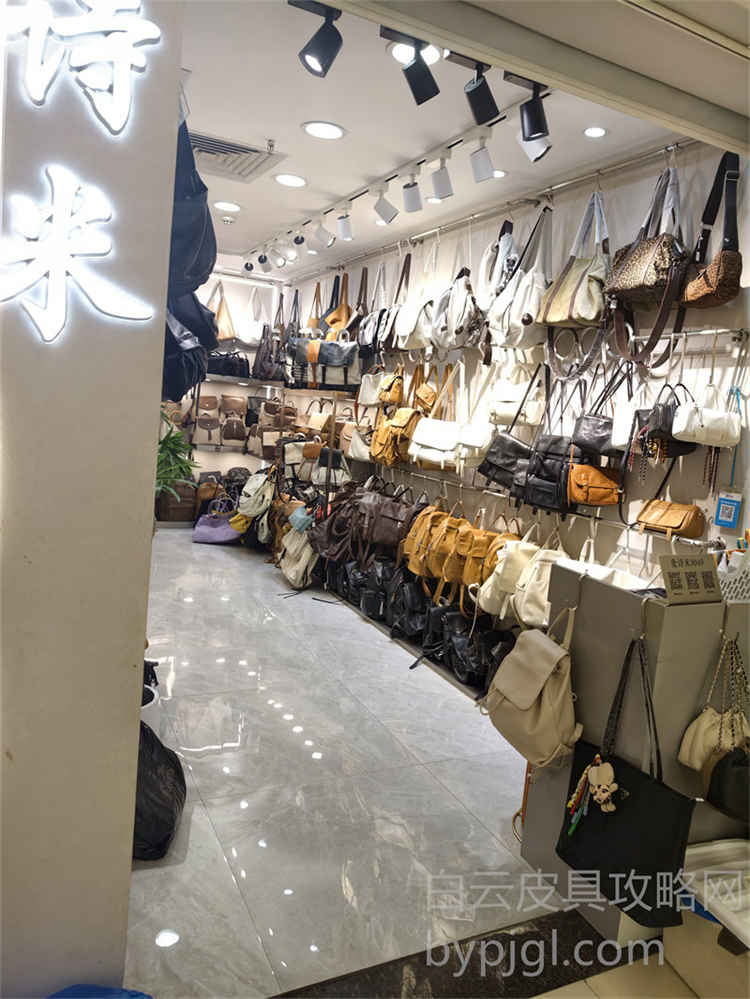
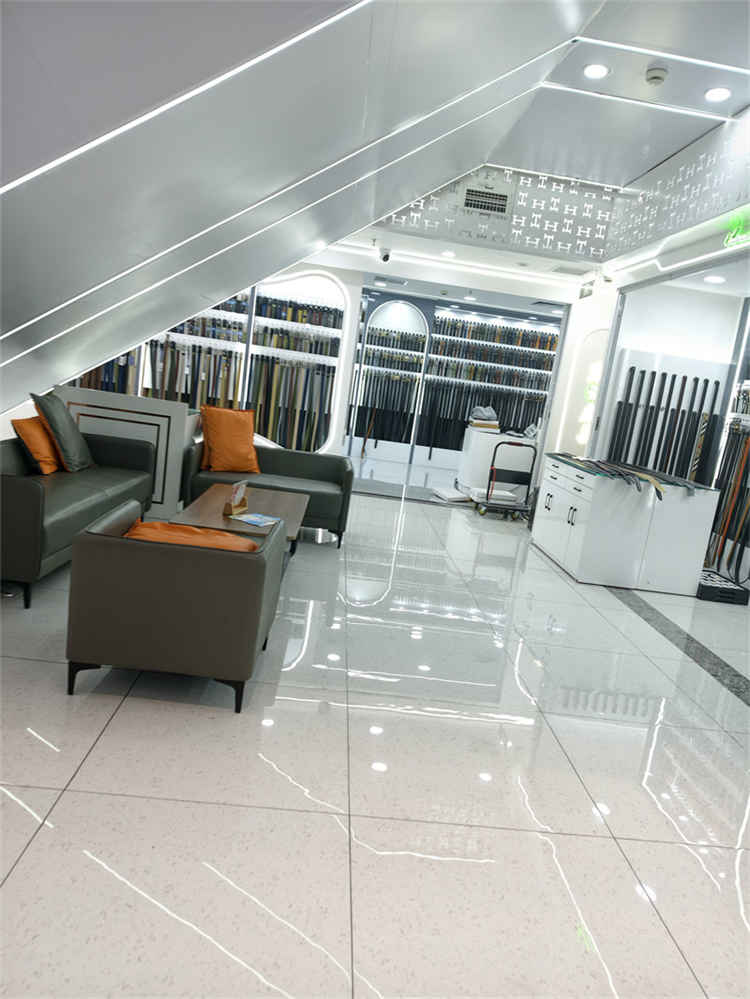
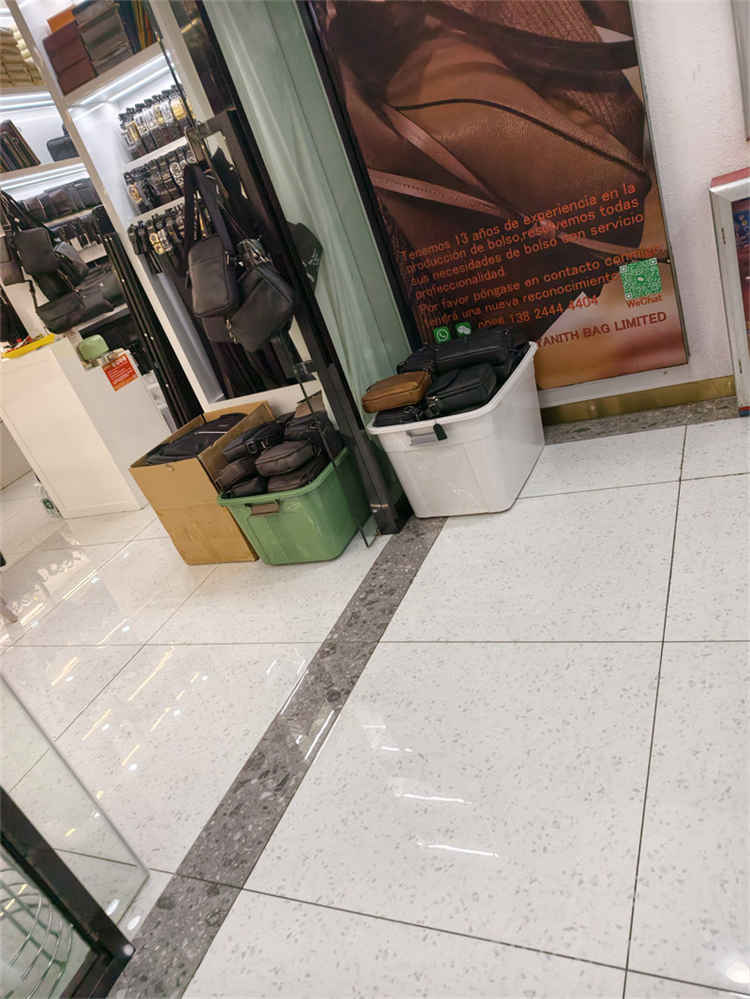
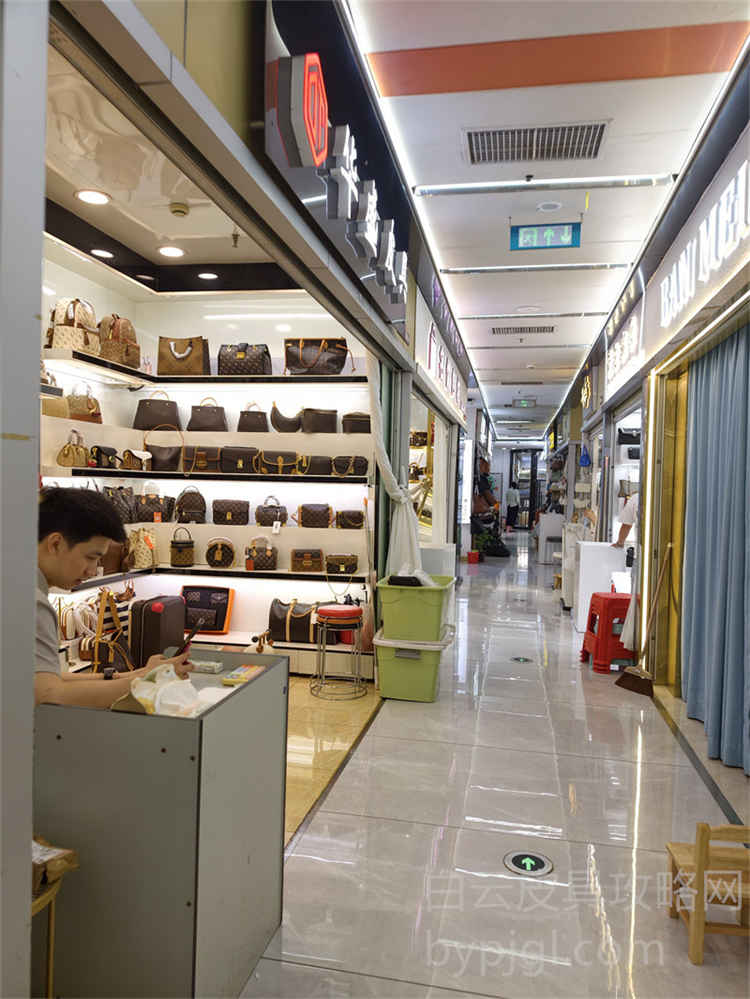
Let's talk about the layout. In the older sections, you will find shops that have been there for decades. These are the ones with the most stable supply chains. They might not have fancy signage, but their stock is deep. If you walk into a newer, flashier complex, you will see better displays and air conditioning, but the prices might be slightly higher because the rent is steep. The key is to look at the back rooms. A good supplier will show you their inventory in the back, not just the front display. If they refuse to let you see the back room, walk away. That is a red flag. We want to show you the raw materials, the stitching process, and the actual production capacity. Transparency is the only way we build long-term business.
The Art of Selection: How to Pick the Right Style
once you are inside a legitimate stall, do not just point at a picture on your phone and ask for that. That is how you get stuck with outdated designs or poor execution. Bring a mood board, yes, but also bring an open mind. The best suppliers here are constantly innovating based on trends from Europe and America. They know what shapes are hot before the magazines even print them. When we discuss selection, we are talking about proportions, hardware weight, and leather grain. A bag that looks perfect in a photo might feel cheap in your hand if the lining is flimsy or the zipper sticks.
Asking the Right Questions about Materials
When you are holding a sample, ask specific questions. Don't just ask "Is this good?" Ask "What grade of cowhide is this?" or "Is this calfskin or synthetic blend?" If they hesitate or give you a vague answer, move on. Good suppliers speak the language of leather. They will tell you exactly where the hide comes from, how it is tanned, and why the color was chosen. In our line of work, we pride ourselves on using full-grain leathers that age beautifully. If you are looking for genuine leather supply in Guangzhou, you need to feel the texture. Run your fingers over the surface. It should feel warm and natural, not plastic-like. Also, check the stitching. Count the stitches per inch. Consistency is king. If the lines wobble, the whole bag is compromised.
Inspection and Negotiation: The Deal-Making Process
This is where many foreign buyers lose money. They see a great sample, agree on a price, and then pay a deposit without doing a final inspection. Never do that. Always inspect the bulk goods before releasing the final payment. When we negotiate, we are not just fighting over pennies; we are discussing terms that affect your profit margin. Volume matters. If you can commit to a larger order, the price drops significantly. But remember, the lowest price is not always the best value. Sometimes, a slightly higher price gets you better QC checks and faster shipping.
The Reality of Minimum Order Quantities
Let's be honest about MOQs. Many stalls here require a minimum order quantity, usually around 50 pieces per style to get the factory pricing. However, some smaller workshops are willing to mix styles if you are a new buyer. Be clear about your needs upfront. If you are testing the market, ask if they can do a mixed container load. We have done this many times for clients coming from the US and UK. We help them combine different SKUs to meet shipping requirements without breaking the bank. Just be prepared to wait a bit longer for production if you are mixing orders. Communication is key here. Use simple English, show pictures, and confirm every detail in writing via WhatsApp or WeChat before production starts.
Avoiding Pitfalls: Protecting Your Investment
The biggest risk in Guangzhou is not the quality of the product, but the reliability of the transaction. There are middlemen everywhere pretending to be factories. They will take your order, mark up the price, and then pass it to a real manufacturer, leaving you with less profit and less control. To avoid this, visit the physical location multiple times. Build a relationship with the person running the stall. If they invite you for tea and show you their family photos, they are likely the real owners. Also, never send money directly to a personal bank account without a contract. Use secure payment methods or escrow services until you have established trust.
Building Trust Over Time
My advice to anyone sourcing from Baiyun is to treat this as a partnership, not a one-off transaction. Come back next season. Show us your feedback. Tell us what customers liked and what they didn't. We adjust our production based on that feedback. This cycle creates a supply chain that evolves with your brand. If you treat us like a vending machine, you will get generic products. If you treat us like partners, we will give you priority access to new molds and exclusive designs. The leather industry here moves fast, and the best spots go quickly. Secure your spot by being present, being professional, and being willing to learn the ropes.
In conclusion, finding bag supply sources in Guangzhou is an adventure that requires patience and presence. The digital world has made it easier to find contacts, but the real magic happens when you stand in the aisle, touch the leather, and shake hands with the people making your future products. Come to Baiyun, walk the floors, and let the experience guide you. That is how you build a business that lasts.