Why Guangzhou is the Real Heart of Global Bag Sourcing
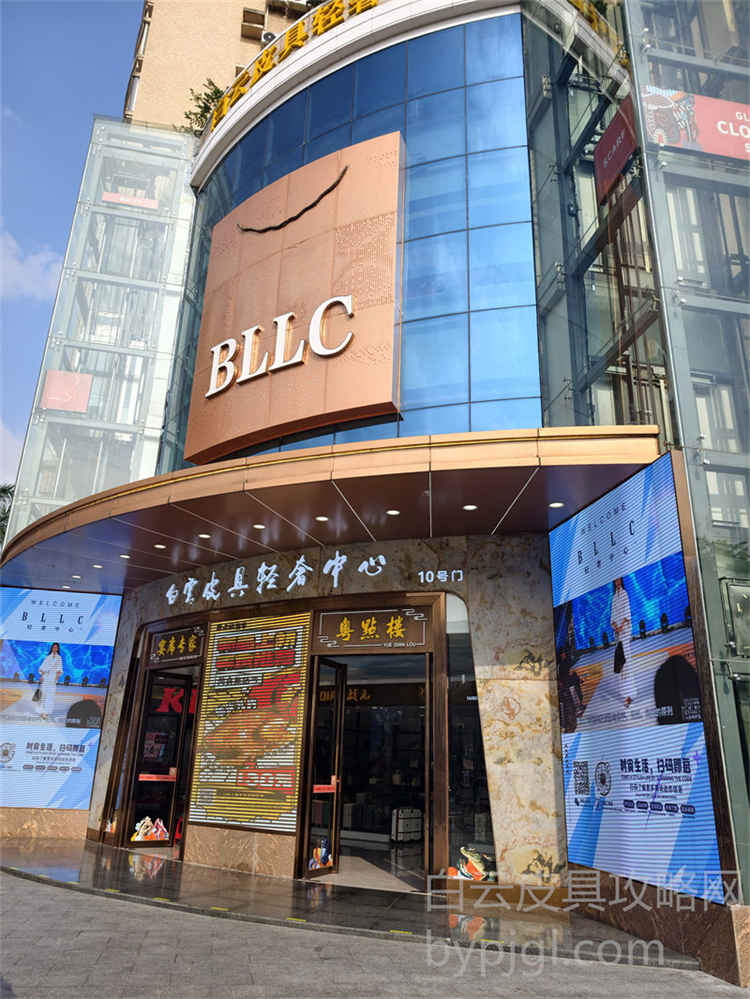
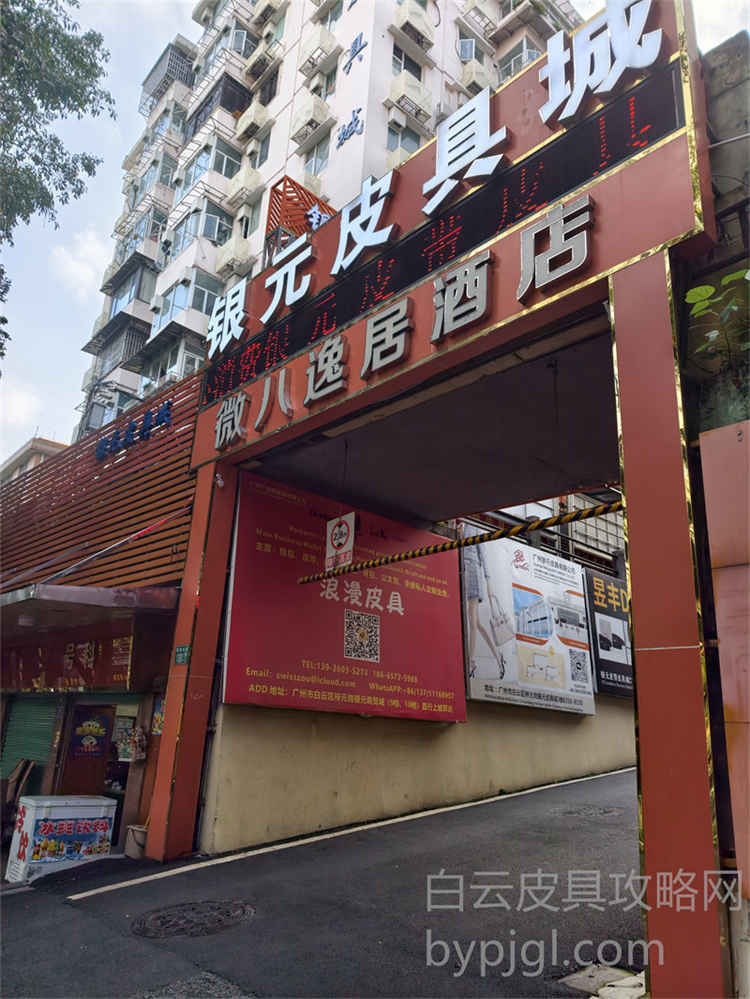
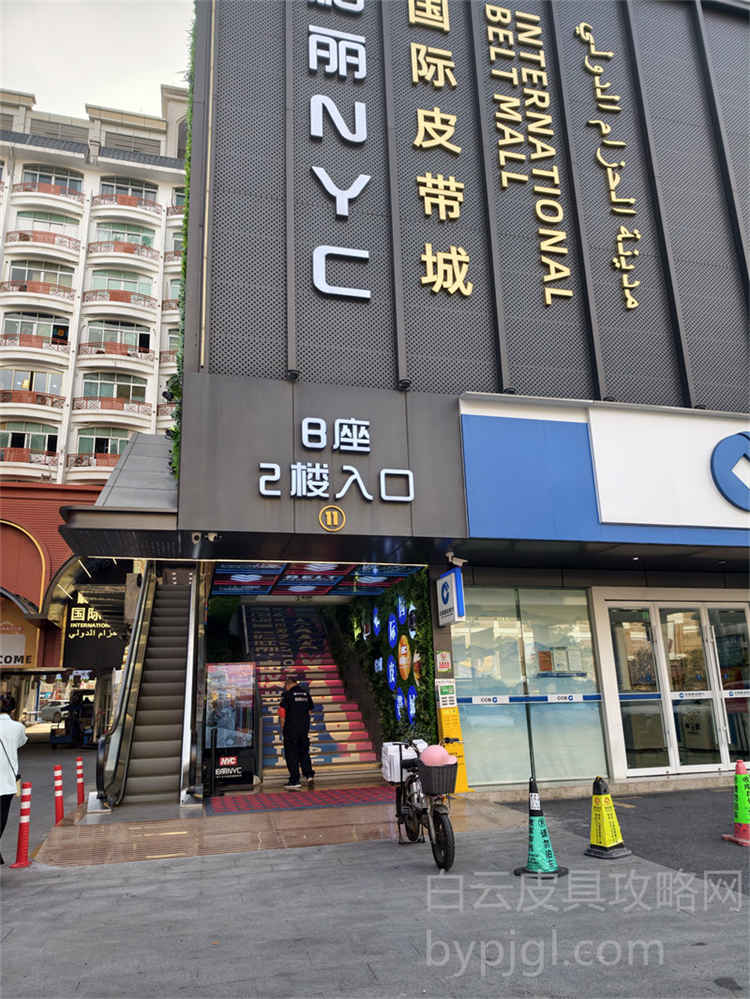
I have been standing in the same spot at Baiyun Leather City for over fifteen years. While many people think "Hunan" or "Guangdong" are just administrative lines on a map, to me, they represent a specific rhythm of trade that you cannot replicate online. When buyers from Hunan or anywhere else ask me about "China Hunan Guangzhou bag sources," I always smile and tell them the truth: the source isn't a province; it is this building right here, surrounded by thousands of trucks loading up every single night.
You might be looking for a factory address in a rural village, but the reality of high-quality leather goods sourcing lies in the dense clusters of wholesale markets in Guangzhou. My shop has survived because I know exactly which floor holds the best stitching and which corridor hides the newest molds. If you want to find real suppliers, you need to stop searching for abstract locations and start walking the floors where the leather dust never settles.
Navigating the Labyrinth of Baiyun Market
The Morning Rush and the Hidden Gems
Let me give you a tip that no guidebook will tell you: arrive before 9 AM. The market opens early, and the energy is electric. Most tourists and first-time buyers show up around noon when the heat is already rising and the best stock has been picked over. In my experience, the most serious buyers are the ones who walk through the corridors with a notebook, not a smartphone camera.
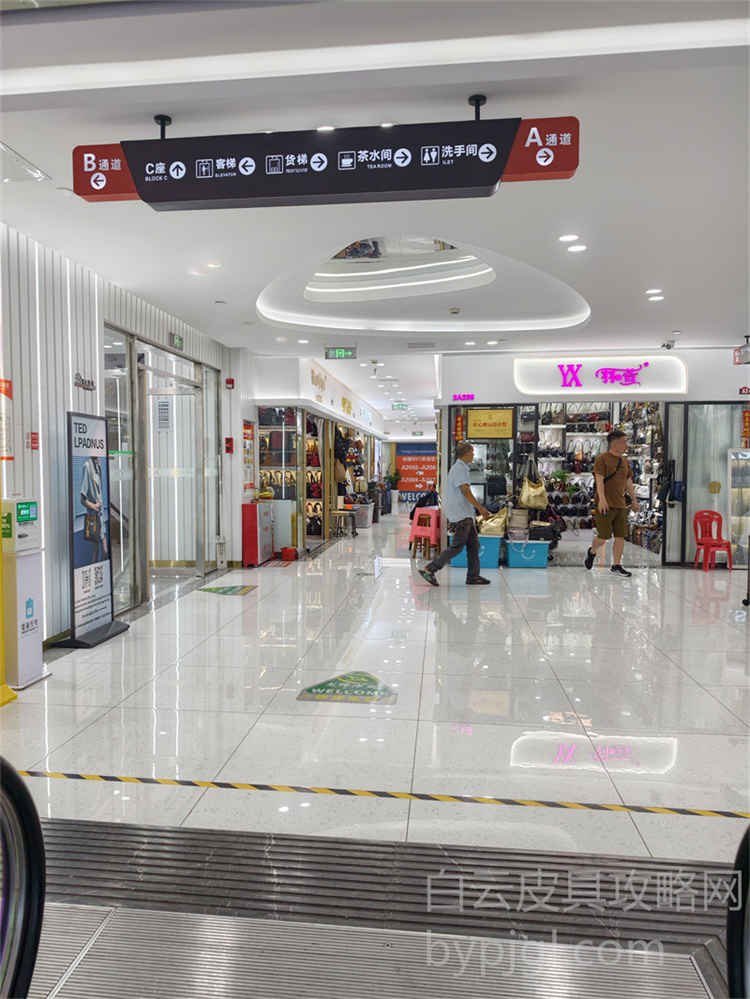
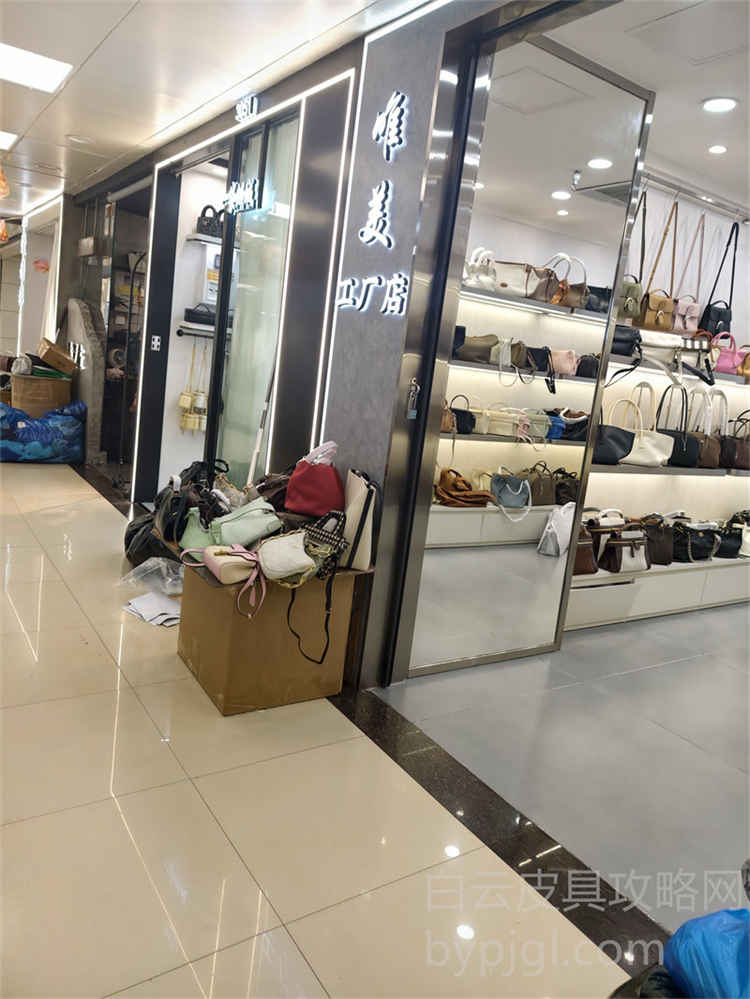
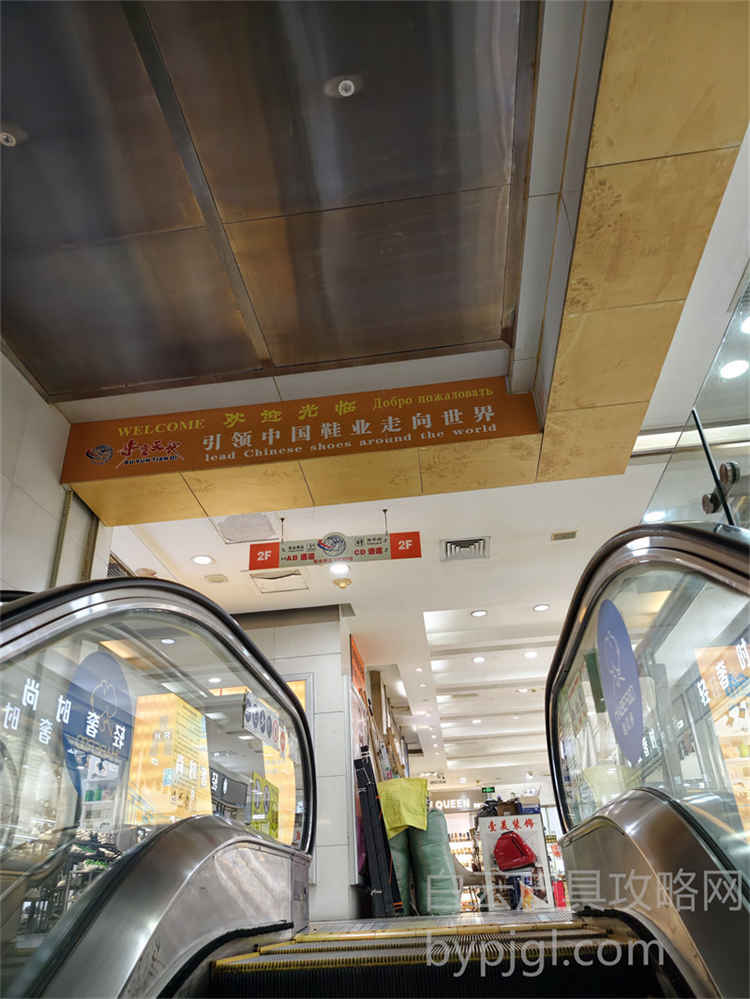
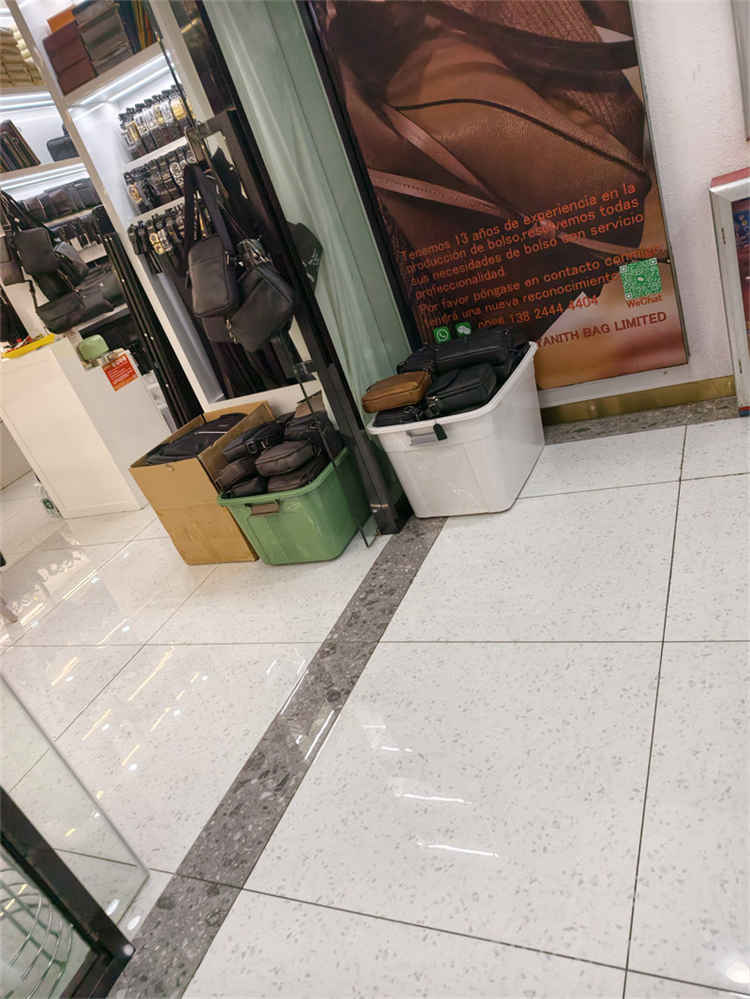
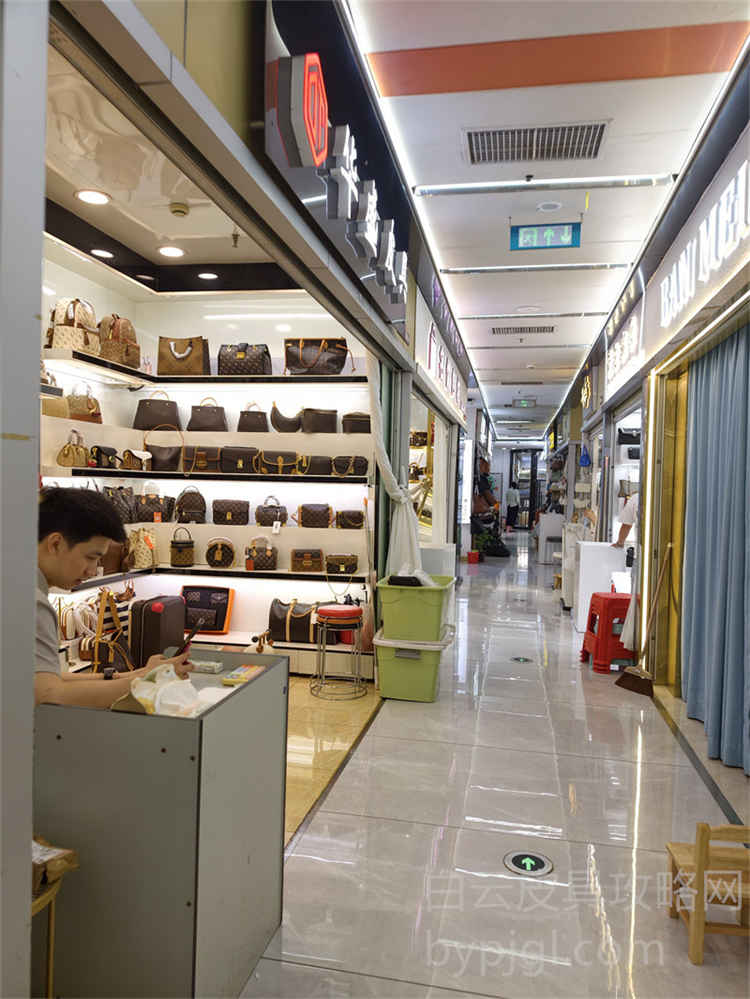
Baiyun Leather City is massive, and if you wander without a plan, you will waste hours. I usually direct my regulars to the upper floors where the quality jumps significantly. The ground floor is often filled with lower-margin items, while the second and third floors house the workshops that supply the top-tier retailers globally. You need to look for the signs that say "Custom Orders Welcome" or "New Arrivals Weekly." These are the signals that the owner is ready to talk business, not just make a quick sale.
Reading the Room: How to Spot a Genuine Supplier
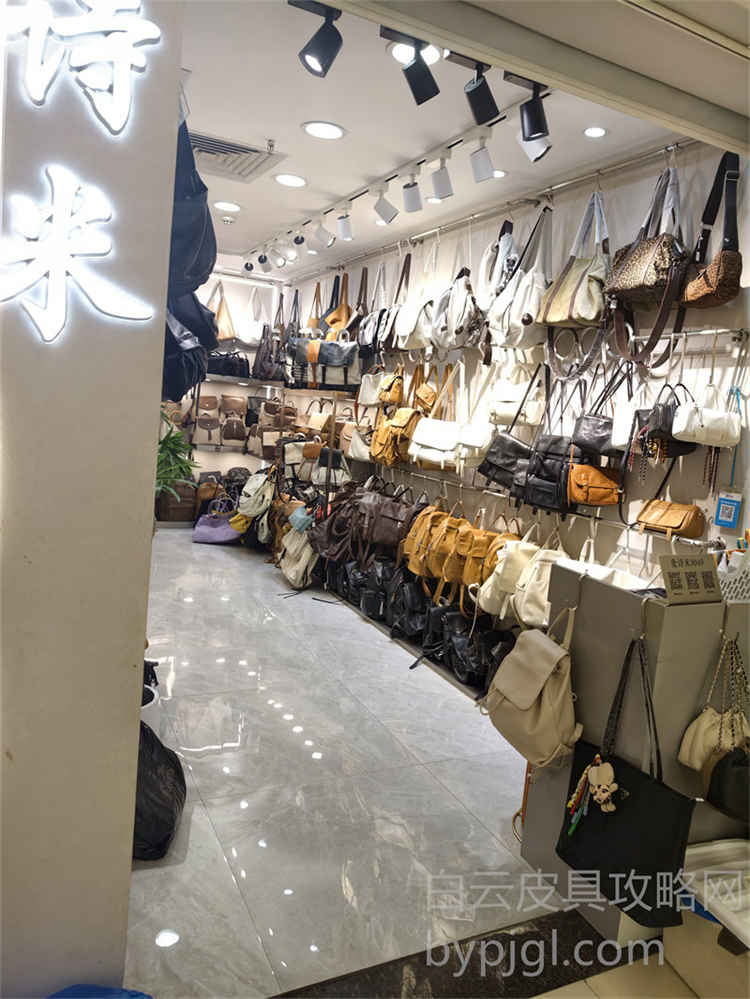
When you enter a stall, do not just look at the bags hanging on the wall. Look at the floor. A serious workshop will have scraps of leather, spools of thread, and sewing machines humming in the back. If the place looks like a showroom with no production happening behind the counter, move on. I have seen too many buyers get stuck with middlemen who claim to be factories but actually just resell what they bought from someone else.
The best way to identify a true source is to ask about their lead times and material sourcing. A genuine supplier will immediately talk about cowhide grades, lining fabrics, and hardware plating processes. They won't hesitate to show you the raw materials. If they dodge the question or only talk about price, you are likely dealing with a broker. Trust your gut; in this industry, transparency is the rarest commodity.
The Art of Selection and Quality Control
Touching the Material Before You Buy
There is nothing like feeling the leather in person. online photos can lie, but your hands cannot be fooled. When I am helping a buyer select their inventory, we spend time pressing our fingers into the grain. We check the smell. High-quality leather has a distinct, earthy scent, whereas synthetic alternatives smell chemical or flat. We also run our nails lightly across the surface to check for consistency in the texture.
Do not ignore the hardware. This is where cheap copies fail. Open the zippers, feel the weight of the clasps, and check the engraving. A good supplier will use solid brass or zinc alloy with durable plating that does not chip easily. I once had a client who saved thousands of dollars simply by refusing a batch of bags because the zipper pull felt too light. That small detail would have caused returns and bad reviews later. Never compromise on the small things.
Verifying the Craftsmanship
Stitching is the soul of any bag. Walk around the stall and inspect the seams under bright light. The stitches should be even, tight, and consistent in color. There should be no loose threads or skipped stitches. If you see uneven spacing, the machine was poorly calibrated, or the worker was rushing. In my shop, we reject anything that doesn't meet our internal standards before it ever reaches the customer.
Ask to see the inside of the bag. The lining should be smooth, with no glue marks or exposed edges. The pockets should be reinforced. A skilled craftsman takes pride in the hidden parts of the product just as much as the visible exterior. If the interior looks messy, the exterior will likely follow suit after a few months of use.
Building Relationships and Closing the Deal
Negotiating Without Losing Respect
Haggling is part of the culture here, but it must be done with respect. Do not try to drive the price down to zero. Instead, focus on volume and long-term partnership. Tell the owner, "I am planning to order fifty pieces this month, and if the quality is good, I will come back next month for another hundred." This approach works far better than demanding a discount on a single item.
Payment terms are also flexible for established relationships. While cash or immediate transfer is common for new clients, trusted partners often negotiate net-30 terms or partial deposits. I have built a network of buyers who visit us twice a year, and we treat each other like family. This trust allows us to handle complex orders and custom requests that larger factories would ignore.
Avoiding Common Pitfalls
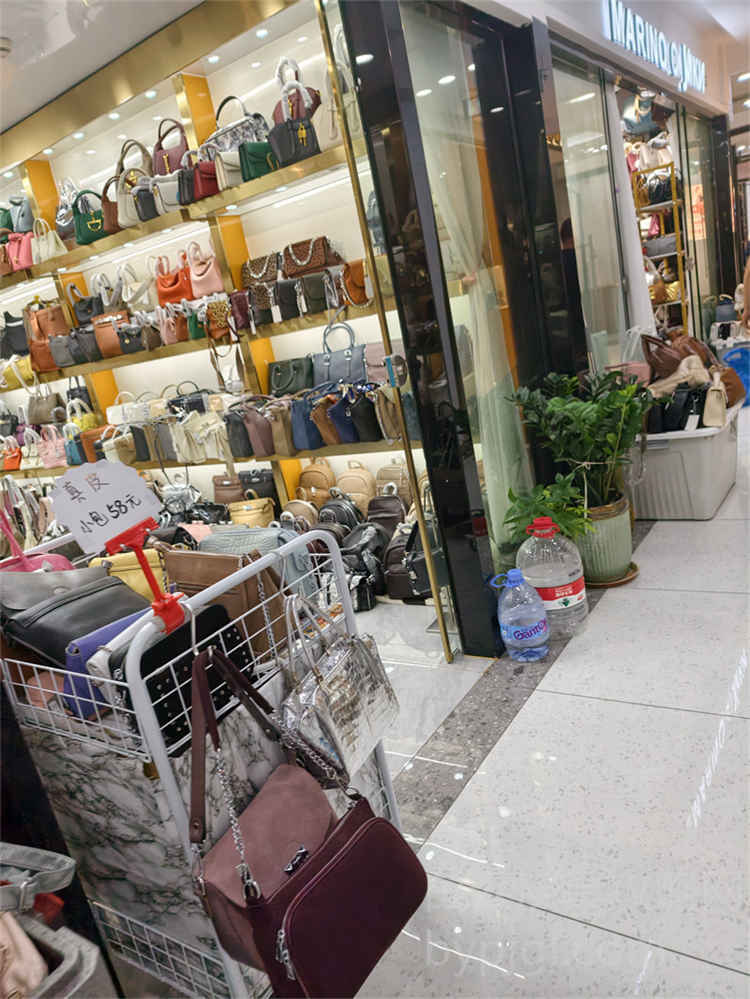
The biggest mistake buyers make is assuming one size fits all. Every market section has its own specialty. Some areas focus on luxury-style designs, while others specialize in casual tote bags or backpacks. Do not buy everything from one stall unless you know their full range. Also, be wary of samples that look perfect but differ from the bulk production. Always request a pre-production sample before committing to a large order.
Finally, logistics can be tricky. Make sure your supplier knows how to pack the goods securely for international shipping. Crates should be sturdy, and moisture-proof wrapping is essential given the humidity in Guangzhou. I have helped countless buyers avoid damaged goods by insisting on proper packaging protocols. It costs a little extra upfront, but it saves you from losing your entire shipment upon arrival.