
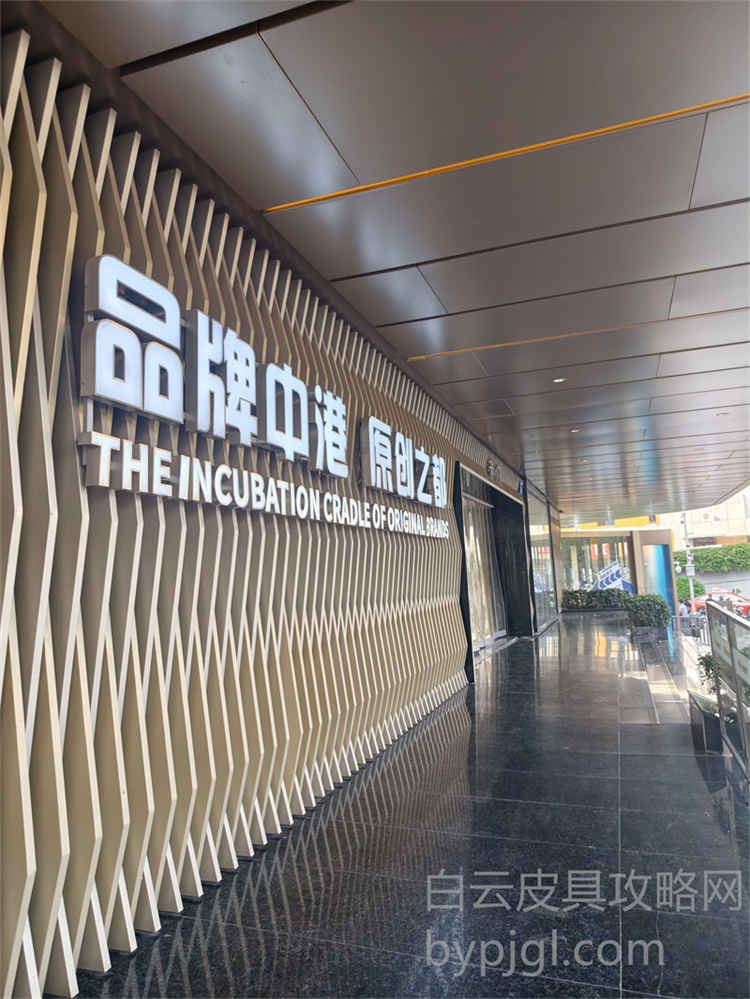
Stepping Into the Heart of Guangzhou Leather Trade
I have been standing behind this counter in the Baiyun District for over fifteen years. While the world talks about supply chains and logistics, I am just a local shop owner trying to help my overseas friends navigate the chaos of the leather market. If you are planning to source bags from Guangzhou, forget what you read on generic blogs. The real experience happens when you step off the subway and into the humid, bustling corridors of the Baiyun International Leather City. This is not a place for tourists; it is a battlefield for serious buyers who know how to talk, look, and negotiate.
The First Step: Arriving at the Source
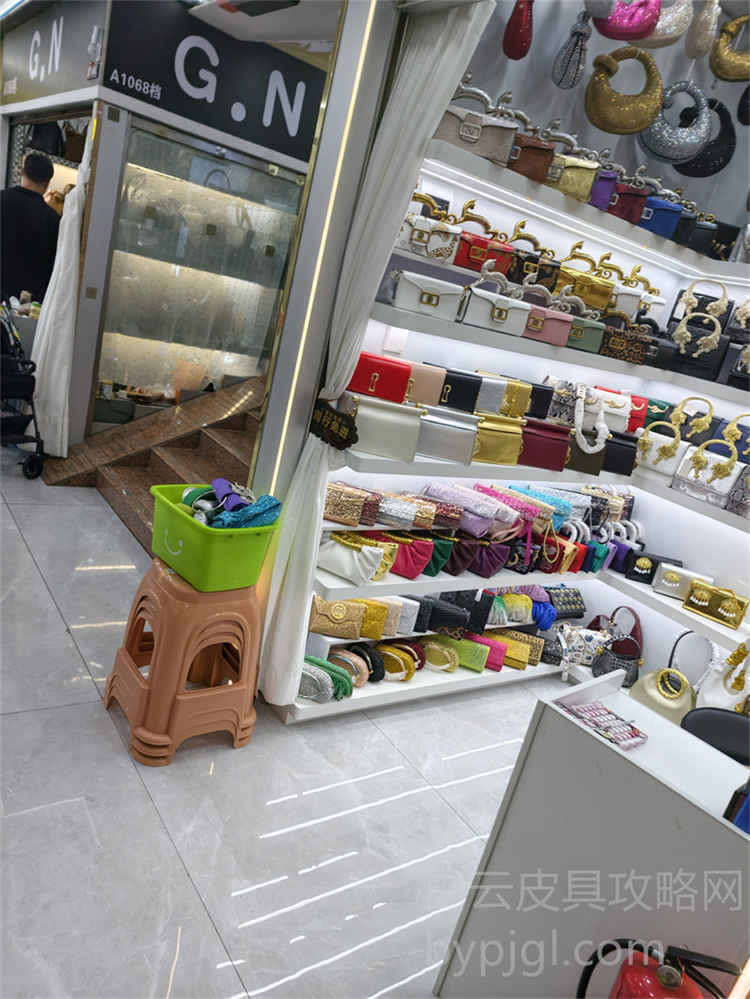
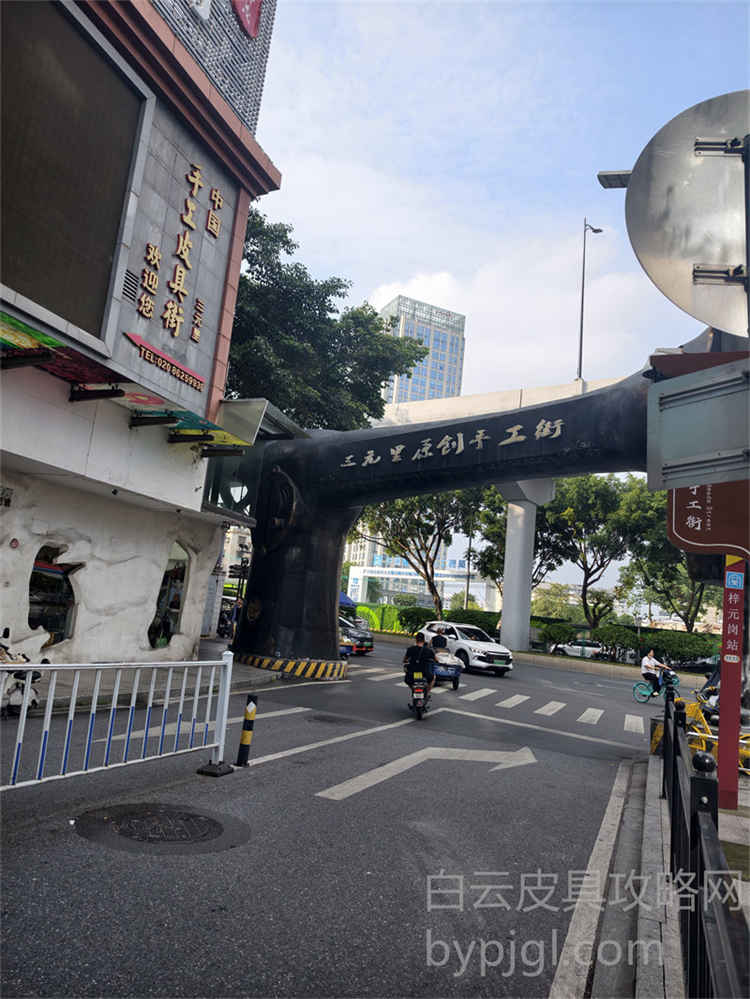
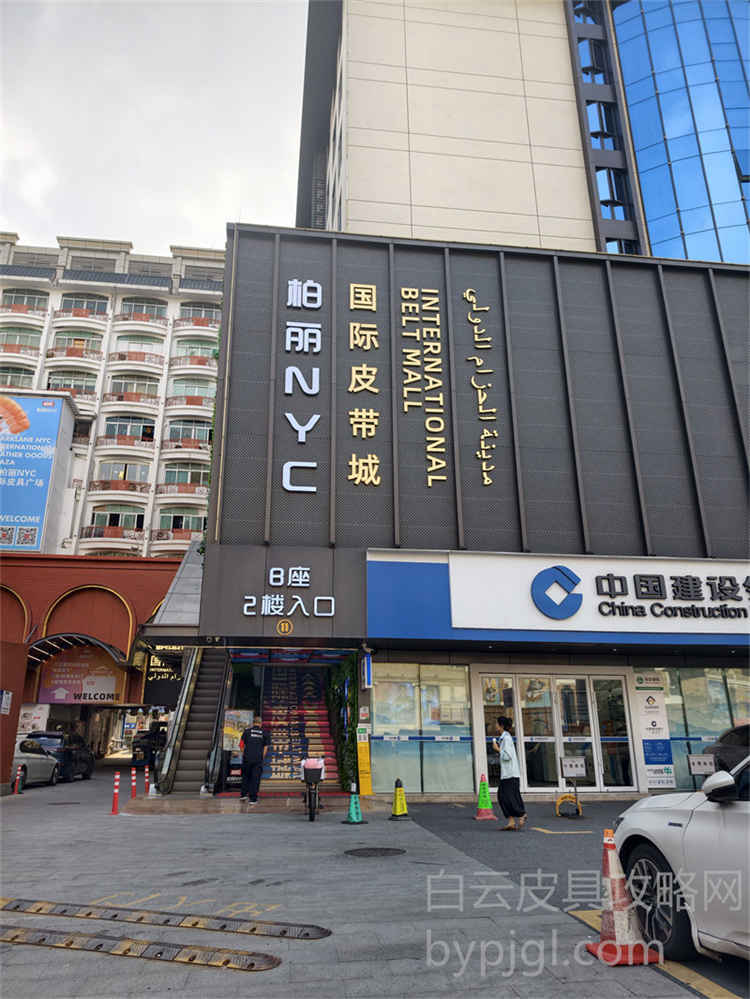
When you first arrive, do not get lost in the maze of streets. The area around Jiahe Wanggang and the main Baiyun markets is wher the action is. You will see trucks loading goods 24/7, but your goal is to find the specific wholesale stalls that hold the best inventory. Many new buyers make the mistake of walking into the fancy showrooms on the ground floor expecting to buy retail prices. That is a trap. The real deals are hidden on the upper floors or in the smaller alleys connecting the main buildings. These are the "dang kou" or booths wher the actual stock lives. Look for the signs with Chinese characters and English numbers; those are your targets.
Navigating the Showrooms and Stalls
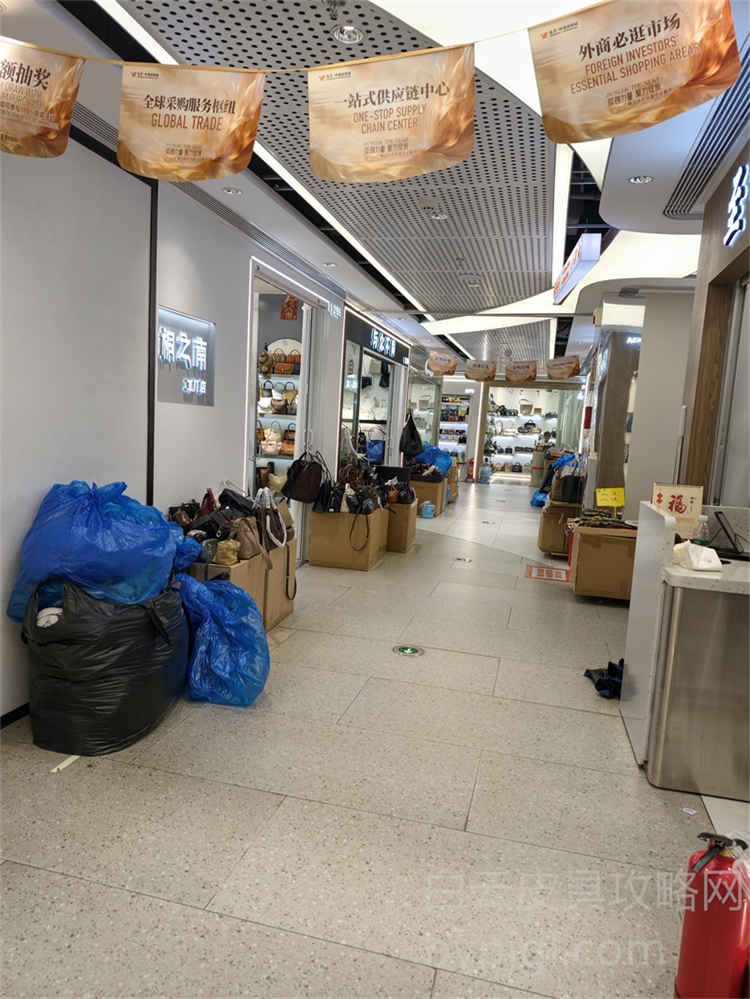
once inside, the noise level is deafening. Phones are ringing, people are shouting prices, and stacks of boxes are everywher. Do not be intimidated. My advice is to walk slowly and observe before you speak. The layout of these markets changes constantly as trends shift, so every visit feels like exploring a new city. You need to identify which section specializes in high-end craftsmanship versus mass production. In the Baiyun market, there are distinct zones. Some areas focus on luxury-style designs, while others cater to casual fashion or travel gear. Knowing this distinction saves you hours of wasted time.
Reading the Room and Spotting Quality
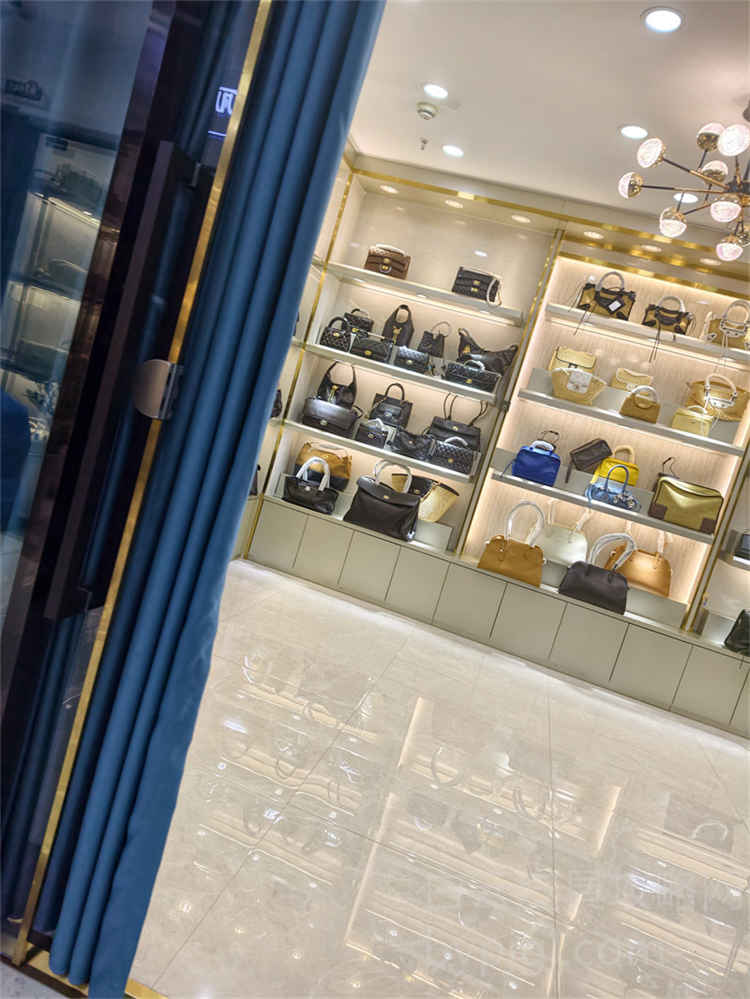
When you approach a stall, do not ask for "the best quality" immediately. That phrase often triggers a sales pitch rather than an honest conversation. Instead, ask to see their latest samples. A good vendor will pull out fresh stock from the back room. Look closely at the stitching. Is it even? Are the threads tight? Check the hardware. Does it feel heavy or cheap? In our trade, the difference between a mediocre bag and a premium one is often in the lining and the edge painting. Run your fingers along the edges; if they feel rough or uneven, walk away. We pride ourselves on finishing touches, and if a seller cannot show you clean edges, they are likely sourcing from lower-tier factories.
The Art of Negotiation and Sourcing
Here is the truth about buying here: everything is negotiable, but only if you understand the rules. Prices listed on tags are rarely the final price. When you ask for a quote, expect a number higher than the base cost. This is standard practice. Start by asking for the "wholesale price" or the "MOQ price." If you are buying in bulk, you have leverage. If you are a small buyer, be honest about your volume. I have seen many foreigners try to bluff their way into better deals, but we can smell insincerity from a mile away. Building trust is more valuable than saving a few dollars on a single unit.
Building Relationships with Local Vendors
Do not treat each transaction as a one-off event. The most successful buyers return to the same booth week after week. When you establish a relationship, the vendor starts treating you differently. They might let you skip the line, show you items before they hit the general floor, or offer better payment terms. In Guangzhou, business is personal. We remember your face, your style preferences, and your budget. If you come back next month and say, "I liked that brown bag last time," we will dig it out for you immediately. This kind of service is impossible to replicate online without a physical presence.
Avoiding Pitfalls and Securing Your Order
There are risks in any market, especially one as vast as Baiyun. One common pitfall is the "sample vs. bulk" discrepancy. Just because the sample looks perfect does not guarantee the entire shipment will match. Always insist on seeing a pre-production sample or a photo of the actual batch before you pay the full amount. Another issue is shipping. Many vendors claim they handle logistics, but they often use slow, unreliable couriers to save money. As a local, I recommend you arrange your own freight forwarder or use a trusted agent who knows the customs clearance process for your country. Never ship directly through a random courier without verifying their track record.
Final Checks Before Payment
Before you hand over the cash or transfer the funds, do a final inspection. Count the items. Check the serial numbers or internal tags if applicable. Ensure the packaging is secure enough to survive the journey. If something looks off, address it right then and there. Do not wait until the goods reach your warehouse to complain; by then, it is too late. We want you to leave happy, but we also need clear communication. Be firm but polite. If you spot a flaw, point it out clearly. Most vendors will fix it immediately to maintain their reputation. Remember, we are in this together. Your success means repeat business for us.
Conclusion: The Value of Being There
Sourcing from Guangzhou is not just about finding cheap products; it is about understanding the ecosystem. The energy of the Baiyun market, the speed of production, and the depth of the supply chain are unmatched anywher else in the world. But you must be prepared. Come with an open mind, sharp eyes, and a willingness to learn. If you follow these steps and build genuine connections with the local shop owners, you will find that the "Guangzhou leather market" is not just a place to buy bags, but a gateway to a thriving global business. Trust the process, trust the locals, and always keep your eyes on the details.


 On-site Visits
 Free Sharing
 Avoid Scams
 Updated Frequently
 For Reference Only