
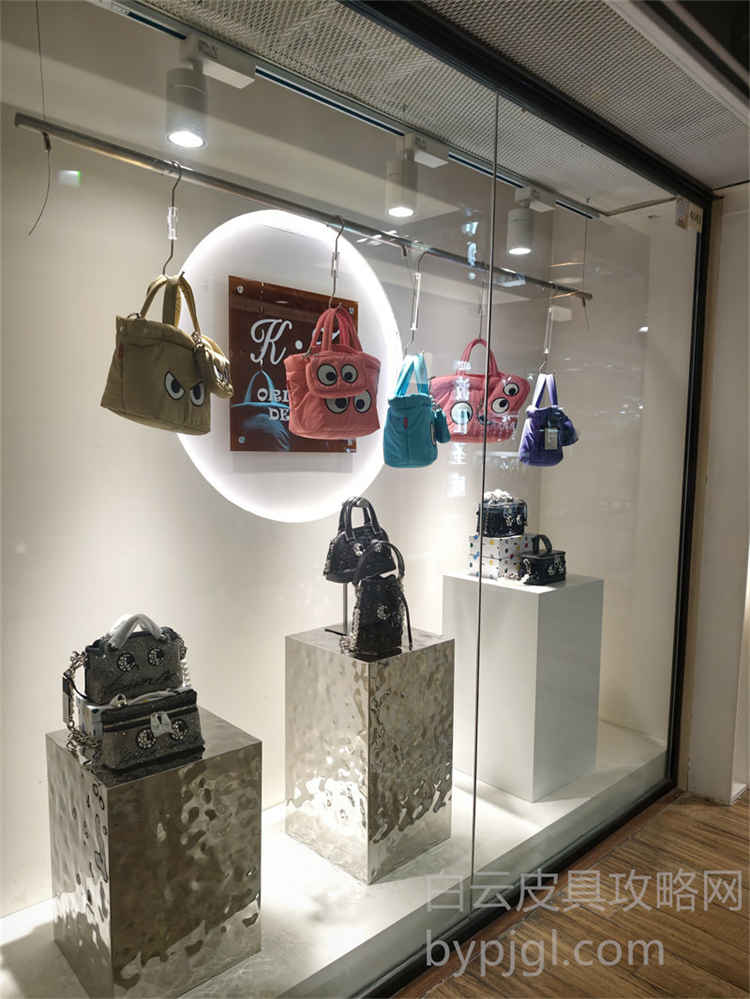
Walking the Floor: A Veteran's Guide to Sourcing in Guangzhou
Welcome to the real deal. I have been standing behind this counter in Baiyun for over fifteen years, watching the dust settle on these marble floors and seeing thousands of travelers come and go. You are probably looking for that specific high-end leather item, but let me tell you something straight from the horse's mouth: forget what you read on those glossy blogs about "perfect replicas." That is a myth sold by people who have never stepped foot inside a wholesale market here. When you walk into the bustling corridors of the Leather City, you are not shopping for knockoffs; you are entering a massive ecosystem of craftsmanship wher quality varies wildly from stall to stall.
The first thing you need to understand is that this place is not a tourist trap like the souvenir shops near the Canton Tower. It is a serious business hub. If you show up expecting to buy a single bag with a credit card machine, you will be disappointed. This is B2B territory. The vendors here speak a language of trade, not retail. They care about volume, consistency, and long-term relationships. My advice? Come prepared to negotiate, come prepared to inspect, and most importantly, come with your eyes wide open.
Navigating the Labyrinth of Baiyun Market
Understanding the Layout and Zones
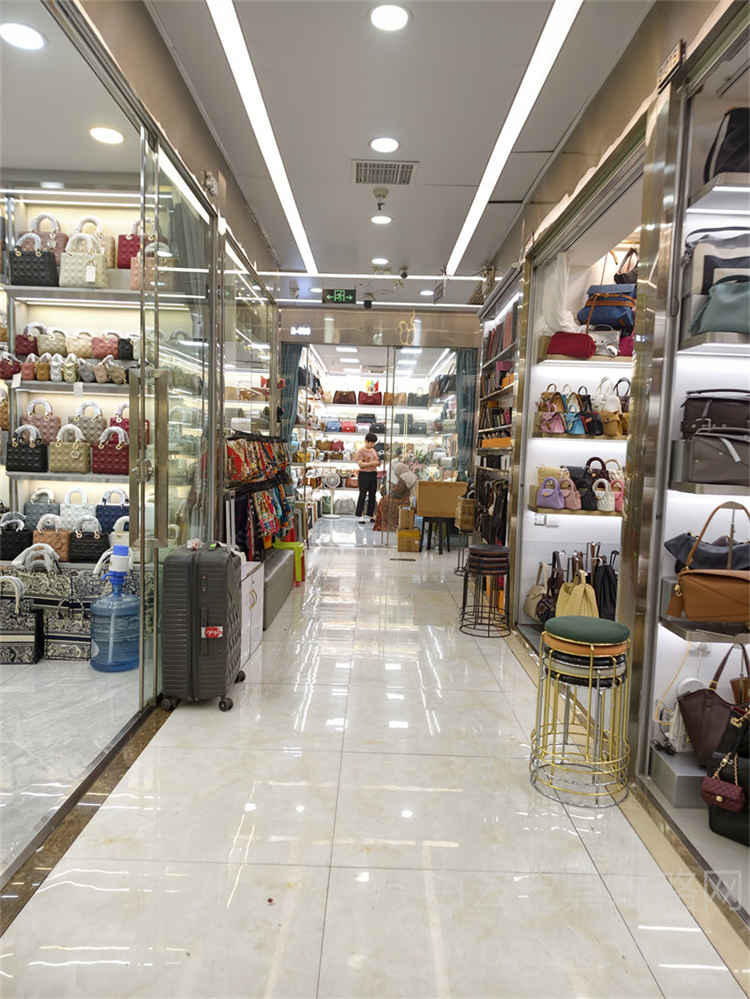
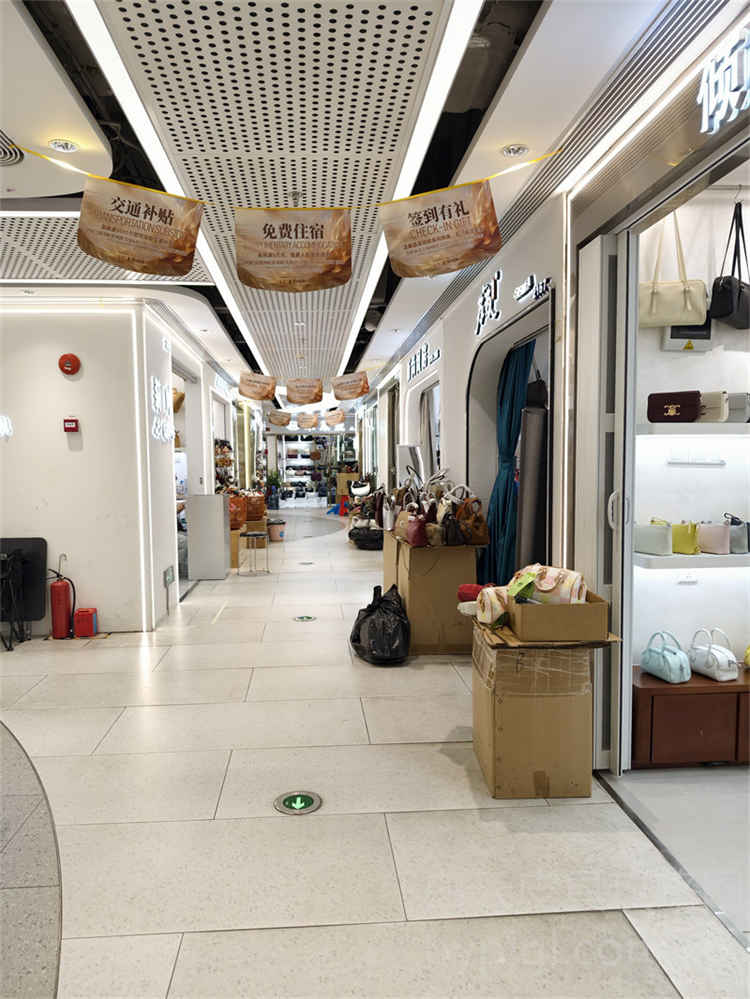
When you first arrive at the main entrance, the sheer scale can be overwhelming. There are dozens of buildings connected by skywalks, each housing hundreds of stalls. Do not just wander aimlessly. The market is divided into distinct zones based on quality and price point. The ground floor often houses the more accessible items, while the upper floors and the newer annexes usually hold the higher-grade production lines. I always tell my overseas clients to start at the top and work their way down. Why? Because if you find a vendor on the lower levels who claims to have "top tier" goods, they are likely lying to you. The real heavy hitters operate in the quieter corners of the upper floors or in private offices within the complex.
You need to know that every building has its own personality. Some specialize in vintage styles, others focus on modern minimalist designs, and some are known specifically for exotic skin textures. Take your time. Walk the entire perimeter before making a single inquiry. Look at the piles of unfinished leather scraps on the floor outside the stalls. If the scraps look cheap and synthetic, the finished product inside won't be much better. Conversely, if you see stacks of full-grain hides and skilled workers stitching by hand, you are in the right place.
The Art of Inspection: Seeing What Others Miss
Touch, Smell, and Stitch Count
This is wher the amateurs get burned. You cannot judge a bag by a photo sent via WeChat. You must touch it. In my shop, I have seen customers reject a beautiful-looking bag because the leather felt too stiff, only to realize later that it was genuine cowhide that needed breaking in. But I have also seen them fall in love with a soft, buttery piece that turned out to be low-quality PU after three months of use. The smell is your first clue. Real leather smells earthy and rich. Fake materials smell like chemicals or plastic. If you walk into a stall and the air is thick with that sharp chemical odor, turn around.
Next, look at the stitching. This is the hallmark of a good maker. Run your finger along the seams. Are the stitches even? Is there any loose thread? High-end production here uses tight, consistent stitching patterns that mimic the precision of luxury brands without copying logos. Check the hardware. Does the zipper glide smoothly? Does the metal feel heavy and cold, or light and hollow? Cheap zinc alloy will tarnish quickly, while solid brass or stainless steel will last a lifetime. I always ask my buyers to bring a small flashlight to check the interior lining and the glue marks. If you see excess glue oozing out from the edges, that is a sign of rushed, low-quality assembly.
Building Relationships and Negotiating Terms
From Stranger to Partner
once you have found a few promising stalls, do not rush to buy. Start a conversation. Ask about their production capacity, their lead times, and their material sources. Show genuine interest in their craft. In Guangzhou, business is built on trust. If you treat the vendor like a customer walking into a mall, you will get the standard retail price. If you treat them like a potential partner, you will get the wholesale rate. I remember a client from Europe who spent three weeks visiting different stalls, drinking tea with us, and learning about our supply chain. By the fourth visit, he was getting priority access to new samples and discounts that no one else received.
When it comes to negotiation, be firm but polite. Never reveal how much you plan to sell the items for or how desperate you are to stock up. Let them make the first offer. Always ask for a sample order before committing to a large batch. Most vendors here are willing to send a single unit for inspection, though you may need to pay for shipping. This is a crucial step. once you receive the sample, compare it against the bulk inventory. If the sample matches the quality you saw in the store, then you are ready to move forward. Discuss payment terms carefully. While many accept wire transfers, using a secure escrow service is safer for first-time transactions to ensure you get exactly what you paid for.
Avoiding Pitfalls and Ensuring Smooth Logistics
Shipping, Customs, and Red Flags
The biggest mistake overseas buyers make is underestimating the logistics. Shipping bags from China can be tricky depending on your country's customs regulations. Do not rely solely on the vendor's word that "everything will be fine." Talk to your local freight forwarder first. Many vendors in Baiyun have established relationships with reliable shipping agents who specialize in handling leather goods discreetly and efficiently. However, you must declare the value correctly to avoid seizures. Also, be wary of vendors who promise "free shipping" with no questions asked. Often, this means they are cutting corners on packaging or insurance.
Another red flag is the pressure to pay 100% upfront. While common in smaller transactions, reputable wholesalers usually prefer a deposit structure, such as 30% down and 70% upon completion or before shipment. If a vendor insists on full payment via an untraceable method, walk away. There are too many scams in this industry. Stick to the well-known buildings and established stalls that have been operating for years. Finally, remember that communication is key. Use translation apps if necessary, but try to learn a few basic phrases in Mandarin. It goes a long way in building rapport. When you leave the market, you should feel confident that you have sourced quality products through a transparent process, not just bought a cheap imitation.




 On-site Visits
 Free Sharing
 Avoid Scams
 Updated Frequently
 For Reference Only