
Walking the Floors: My Real Talk on Sourcing from Guangzhou
I have been standing behind this counter in Baiyun for over fifteen years. While the tourists come and go, looking at shiny displays and asking about prices that sound too good to be true, I see the real work happening in the back rooms. You are probably reading this because you want to understand how the supply chain actually works without getting ripped off by middlemen or ending up with a bag that falls apart after a week. Let me tell you, the market here is not a place for beginners who just want to buy one item off the shelf. It is a battlefield of quality tiers, hidden showrooms, and strict rules about what you can and cannot ask for.
The Myth of the Street Stall
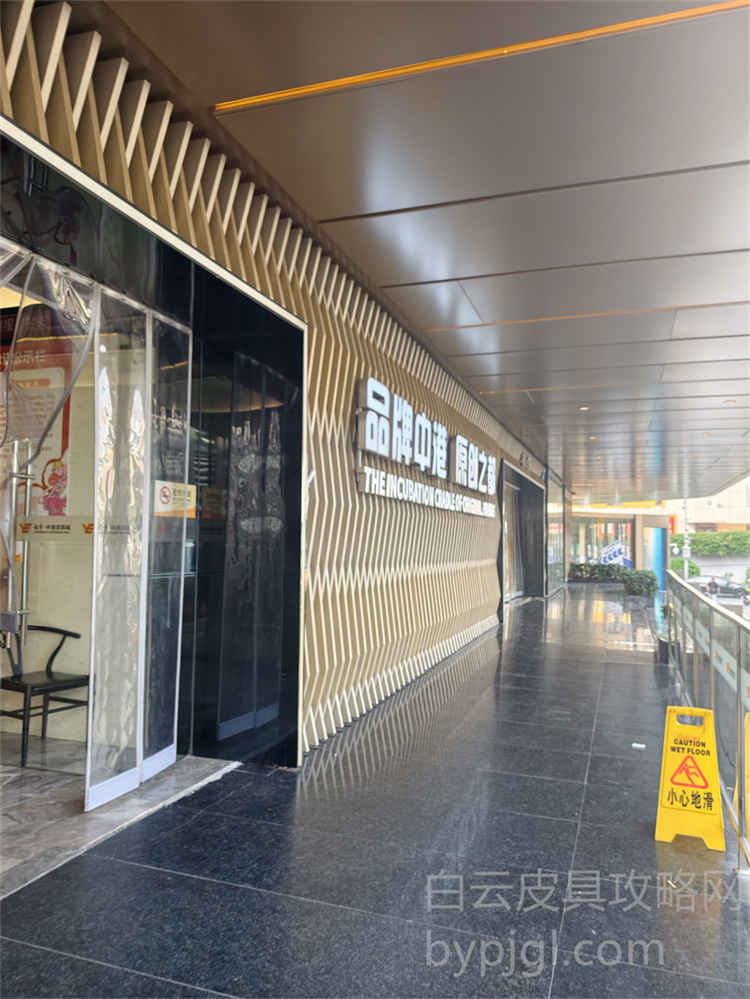
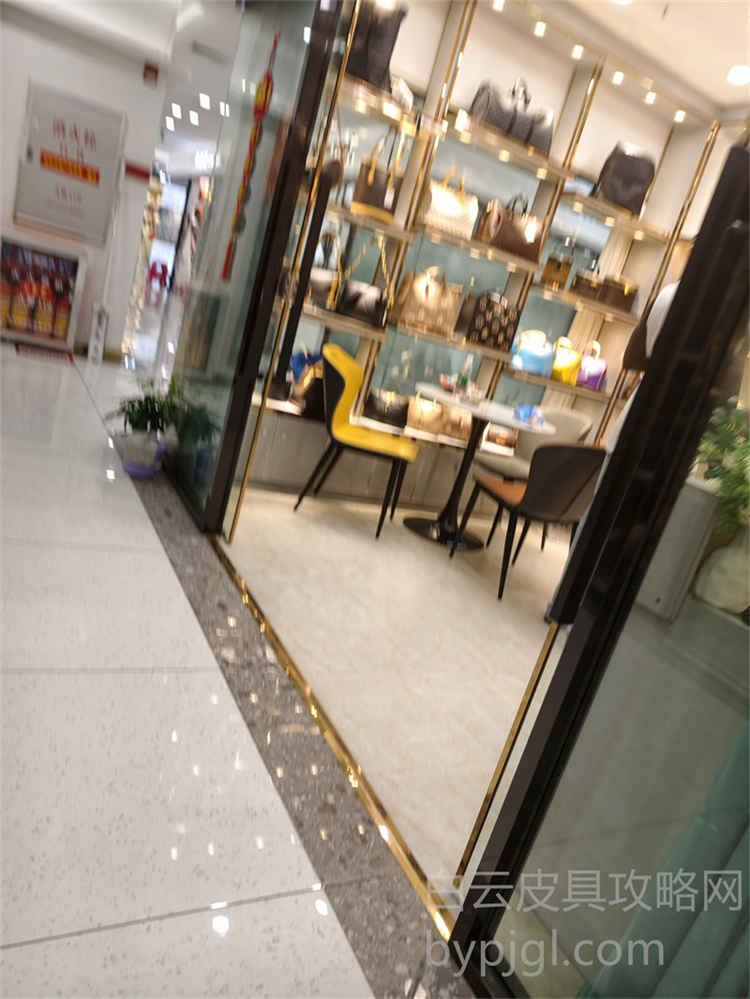
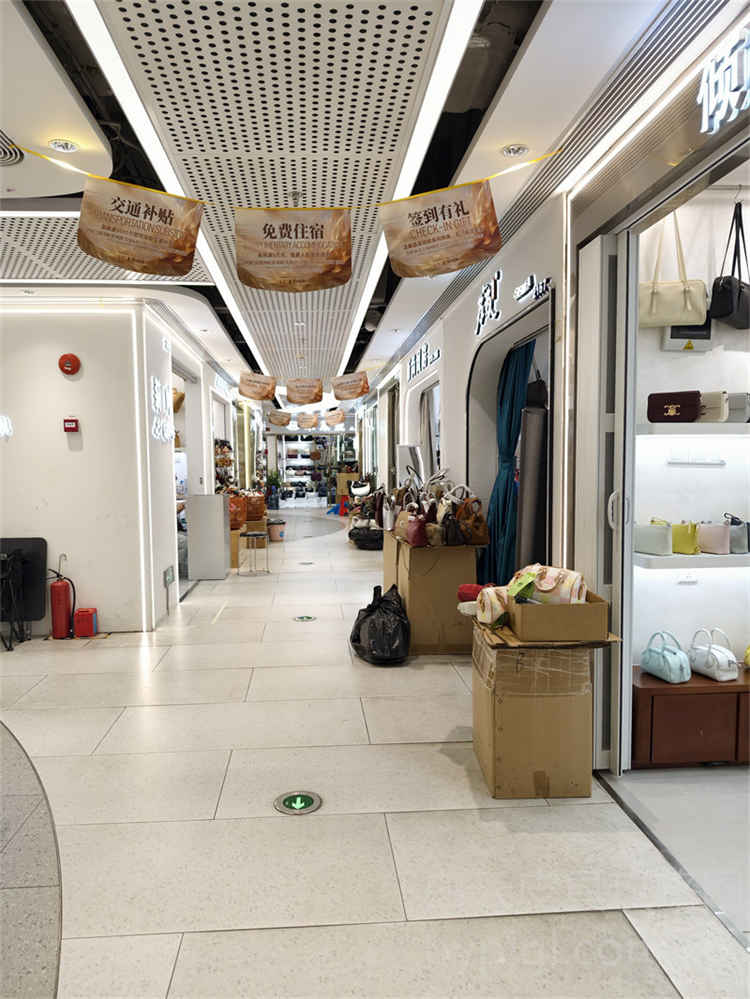
First things first, forget everything you saw on social media about walking into a stall on the street level and buying a "perfect" version. That is a trap. The bags hanging on the racks in the main corridors of the Baiyun Leather City are often samples meant for local wholesale buyers or high-end clients who know exactly what they are paying for. If you walk in there asking for the top-tier version, the shopkeeper will look at you like you are crazy. They might give you a sample, but it will be the lower grade, the kind that looks okay from three feet away but fails under close inspection. The real goods, the ones made with genuine leather and hardware that matches the original specifications, are kept in the back offices or private showrooms upstairs.
Navigating the Tiers of Quality
You need to understand that we do not sell one thing. We sell a spectrum. When you hear terms like "market grade," "mid-range," or "top tier," these are not marketing fluff; they are specific descriptions of materials and craftsmanship. The bottom tier uses synthetic leather and cheap zippers. The mid-range improves on the stitching and uses better glue, but the smell and texture still give it away. The top tier, which is what serious buyers hunt for, involves sourcing the same raw materials as the big brands. This means using calfskin from the same tanneries, ordering hardware from the exact factories, and havin master tailors replicate the internal structure stitch by stitch. To find this, you must skip the front floor and go straight to the second or third floors wher the private offices are located.
Building Trust Before You Buy
In my experience, the biggest mistake foreign buyers make is trying to negotiate price before establishing trust. In Guangzhou, relationships are everything. If you walk in cold and demand the best product immediately, you will be treated as a tourist. Instead, spend time talking. Ask about the leather source. Ask about the hardware plating process. Show that you know the difference between cowhide and lambskin. once I see that you understand the product, I am willing to open the safe and show you the actual stock. This is when the real conversation begins. We discuss the specific details: the angle of the stitching, the color of the thread, the weight of the metal. only then do we talk about volume and price.
The Art of Inspection and Negotiation
once you are in the showroom, the game changes. You are no longer browsing; you are auditing. Do not just look at the outside. Turn the bag inside out. Check the lining. Feel the edges. Smell the leather. A good factory will not hide anything from you because they know their product can withstand scrutiny. If you are buying for resale, you need to verify the consistency across multiple units. One bag might be perfect, but if the next ten are slightly different in shade or stitch count, your business reputation will suffer. This is why I always advise my international partners to order a small batch first, even if the per-unit cost is higher, to test the quality control before committing to a large order.
Reading the Room and the Price
Pricing in Baiyun is not fixed. It fluctuates based on the complexity of the design, the cost of the raw materials, and the quantity you order. If someone quotes you a price that seems incredibly low for a "top tier" item, run. There is no such thing as free lunch in manufacturing. High-quality leather costs money. Skilled labor costs money. If the price is too low, they are cutting corners somewher, usually in the leather or the hardware. Be prepared to pay a premium for the real deal. However, do not be afraid to negotiate. If you are taking fifty pieces, you have leverage. But remember, the goal is not to drive the price down to zero; it is to find a fair margin that allows us both to keep producing high standards.
Avoiding the Common Pitfalls
There are many scams in this industry, mostly involving shipping and payment. Never send money via Western Unio or direct bank transfer without a contract or a verified trade assurance platform. Many buyers lose thousands because they trusted a photo sent over WhatsApp. Always insist on seeing videos of the actual items being packed. Also, be wary of sellers who promise to ship directly to your door without going through a customs broker. The logistics of importing goods from China require careful handling to avoid seizures. Work with a reliable freight forwarder who knows how to handle these shipments legally and safely. The last thing you want is your entire inventory stuck at the border while you argue with customs officials.
Why Local Presence Matters
Many people try to source online, but they miss the nuance that only comes from being on the ground. The internet is full of fake photos and stolen images. What you see online is rarely what you get. By coming to Baiyun, you eliminate the middleman layer. You deal directly with the person who manages the production line. You can see the dust on the floor, the stacks of leather hides, and the machines humming in the background. This transparency builds confidence. It allows you to spot potential issues before they become problems. For example, you might notice that a certain batch of leather has a slight variation in grain, allowing you to request a replacment before the bags are finished.
Long-Term Partnerships Over Quick Deals
My advice to anyone looking to build a brand around these products is to focus on long-term partnerships rather than one-off transactions. The factories in Guangzhou are busy. They prioritize customers who return season after season. If you treat them like a vending machine, you will get mediocre service. If you treat them like partners, investing in their growth and respecting their craft, they will give you access to new molds, better materials, and priority production slots. This is how you stay ahead of the competition. The market evolves every day, and the factories that innovate quickly are the ones that survive. By working closely with them, you get early access to these innovations.
Final Thoughts on the Journey
Sourcing from Guangzhou is not easy, but it is rewarding if you approach it with the right mindset. It requires patience, knowledge, and a willingness to learn the language of the trade. Do not rush. Take your time to walk the floors, meet the owners, and understand the nuances of the craft. The bags you find here are not just products; they are the result of decades of refinement in the leather industry. Whether you are building a boutique or expanding an existing line, the key is to find a supplier who shares your vision for quality. Remember, the best deals are not found in the cheapest stalls, but in the workshops wher pride in craftsmanship drives every decision. Go to Baiyun, look closely, and build something great.




 On-site Visits
 Free Sharing
 Avoid Scams
 Updated Frequently
 For Reference Only