
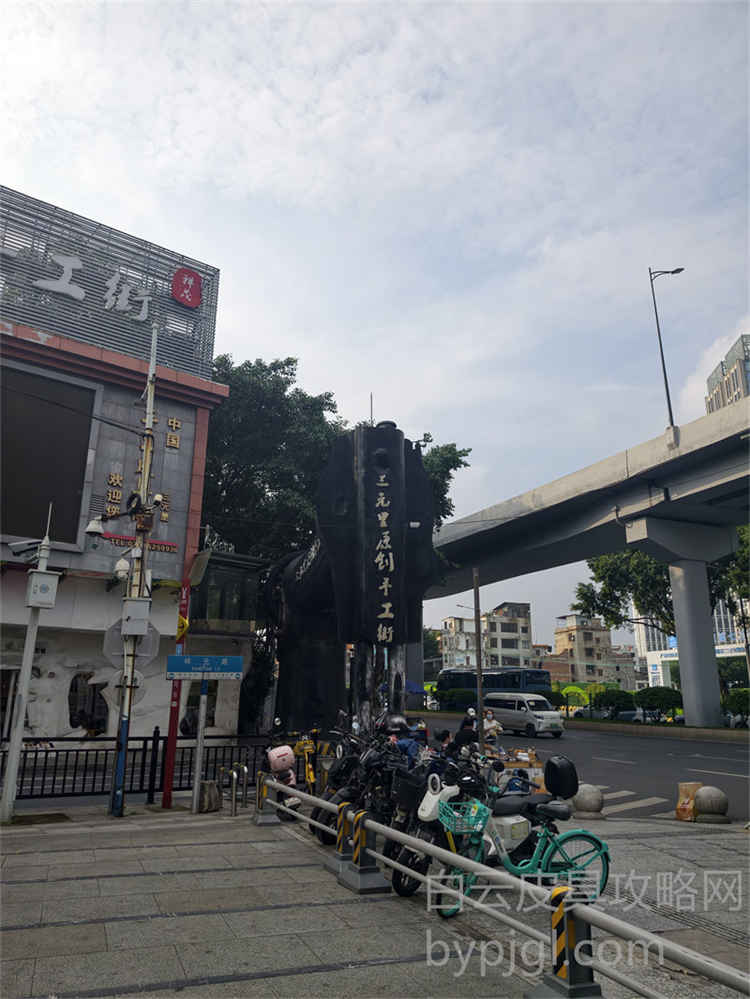
Stepping Into the Heart of Guangzhou's Leather Trade
I have been standing behind the counter in this bustling wholesale market for over fifteen years. While the world outside talks about trends and luxury, my life here is defined by the smell of leather, the hum of sewing machines, and the constant flow of buyers from all corners of the globe. You are asking about the quality of goods coming out of this city, specifically how to navigate the scene without getting lost or ripped off. Let me tell you, there is no magic button. It is all about your eyes, your hands, and knowing exactly wher to look.
The first thing you need to understand is that this is not a single shop. It is a massive ecosystem. When people mention the Baiyun district, they are talking about a whole network of buildings connected by narrow alleys and crowded corridors. The real action happens inside these structures, away from the fancy hotels and tourist traps. If you walk in expecting to see a polished showroom with glass cases, you will be disappointed. This is a working factory floor disguised as a retail space. The "high-end" items are not on display; they are tucked away in back rooms or kept under counters until you prove you are serious.
Navigating the Market Floor Like a Pro
First Impressions and Location Strategy
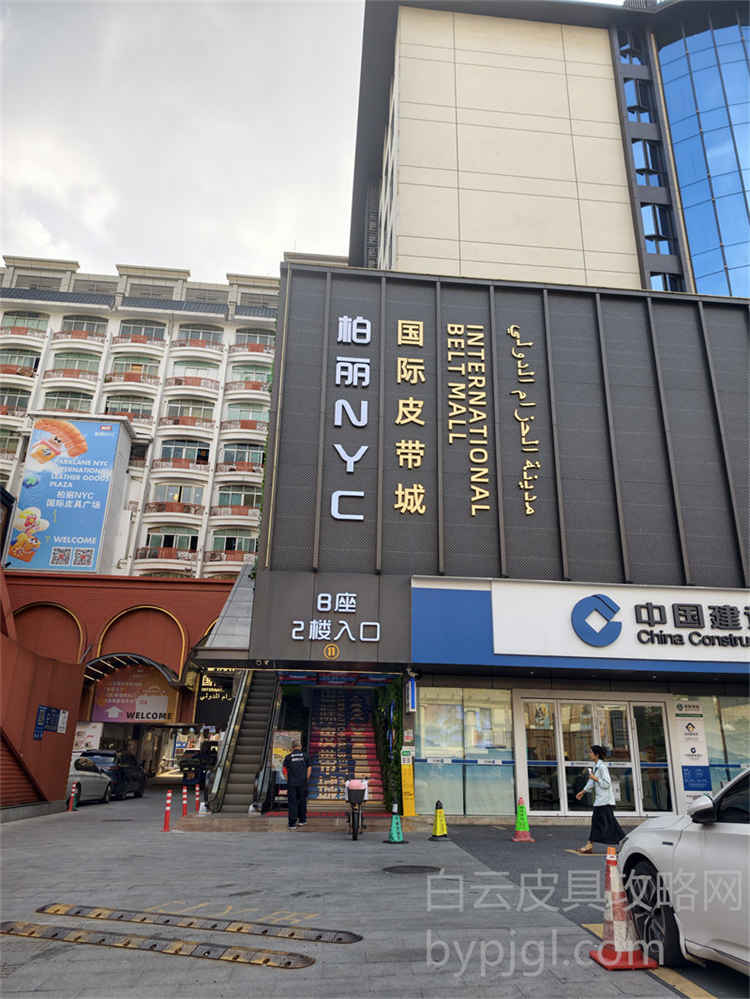
When you arrive at the main complex, do not just wander into the ground floor. That area is often filled with lower-tier stock meant for quick turnover. To find the best pieces, you need to head straight for the upper floors. I usually guide my regular clients to the fourth or fifth level, wher the more established booths are located. These vendors know their craft. They do not waste time showing you cheap materials. Instead, they keep their premium selecions hidden until you ask for them.
You will notice that some shops look messy, with piles of fabric and tools everywher. Do not let that fool you. Often, the messiest looking stall has the most skilled workers right behind the curtain. The clean, air-conditioned boutiques are sometimes just front men for smaller operations. Trust your gut. If a place looks too perfect, it might be hiding something. In this trade, authenticity comes from the work, not the decor.
The Art of Selection and Inspection
Touching the Material and Checking the Stitch
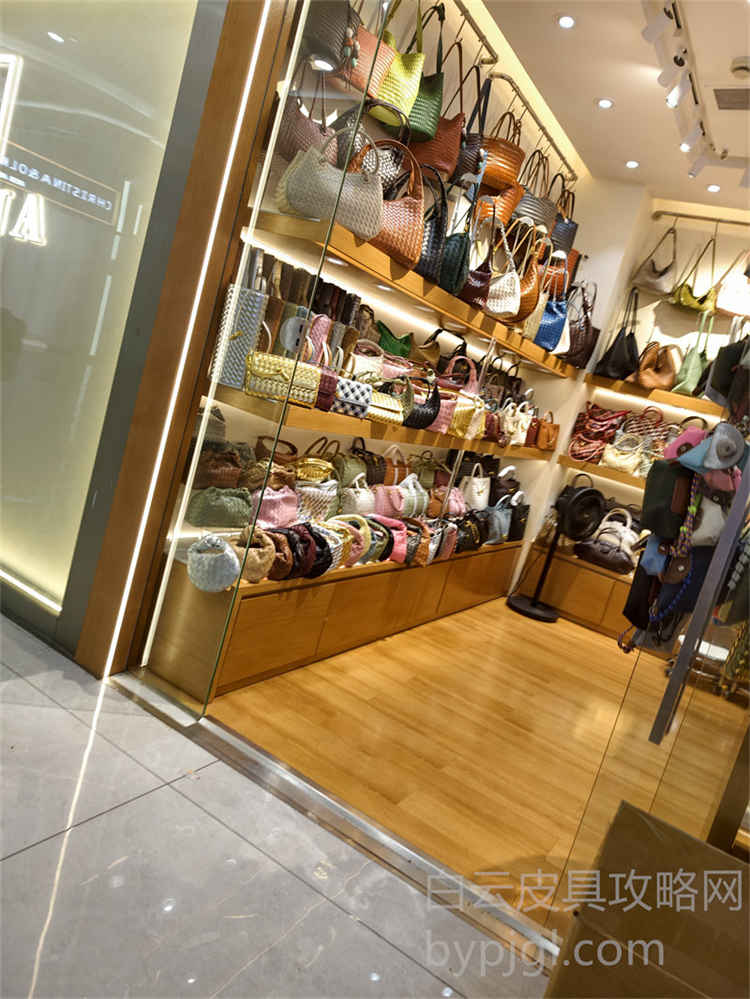
once you are in a booth, the real work begins. Never accept the first item shown to you. Ask to see the "top tier" options. Most vendors will hesitate at first, but if you speak confidently and show you know what you are looking for, they will bring out the good stuff. Now, put down your phone and pick up the bag. Feel the weight. High-quality leather has a specific density and softness that synthetic materials simply cannot mimic. Run your fingers along the edges. Are they smooth? Is the glue visible? Good craftsmanship means invisible seams and perfectly aligned patterns.
Pay close attention to the stitching. Count the stitches per inch. In the best workshops, the thread is tight, even, and consistent. There should be no loose ends or skipped stitches. Look at the hardware. Does it feel heavy? Does it have a solid click when you open the clasp? Cheap metal feels light and hollow. Real metal has substance. Also, check the interior lining. Is it made of durable canvas or flimsy polyester? The details inside are often wher the true quality is revealed. A vendor who hides the inside of the bag is trying to hide a flaw.
Building Relationships and Negotiating Terms
Talking Business and Avoiding Scams
Here is a secret: prices in this market are not fixed. They are fluid. The number on the tag is just a starting point. You need to negotiate. But do not start by screaming for the lowest price. Start by building rapport. Ask about the leather source. Ask about the production time. Show interest in their process. When a vendor sees you care about the product, they are more likely to give you a fair deal. If you act like a bargain hunter looking for trash, you will get trash prices and trash quality.
Be very careful about payment terms. Never transfer money before seeing the goods. Insist on a deposit only after you have inspected the sample. For larger orders, always request a video call inspection before shipping. Many overseas buyers make the mistake of sending full payment upfront based on photos. Photos can be edited; reality cannot. I have seen too many people lose thousands because they trusted a picture over a physical inspection. Always, always verify the actual item.
Another common pitfall is rushing the order. Good leather goods take time to make properly. If a vendor promises you a hundred bags in three days, run away. Quality requires patience. A reputable workshop will tell you the realistic timeline. They will explain that the dyeing process needs days to dry, and the stitching needs hours of precision. Respect the timeline, and you will get a better product.
Final Thoughts on Sourcing Locally
Leaving the market, you might feel overwhelmed by the noise and the crowds. That is normal. But remember, every successful buyer started exactly wher you are now. The key is to stay curious, stay observant, and never stop learning. The supply chain in Guangzhou is deep and complex, but it is also transparent if you know how to look. By focusing on the material, the construction, and the relationship with the seller, you can find products that meet your standards.
This industry is built on trust and reputation. The vendors I have worked with for years are not just selling bags; they are selling their livelihood. Treat them with respect, and they will treat you with the best quality they have to offer. Go to the Baiyun district, walk the halls, touch the leather, and trust your instincts. That is the only way to truly succeed in sourcing here.

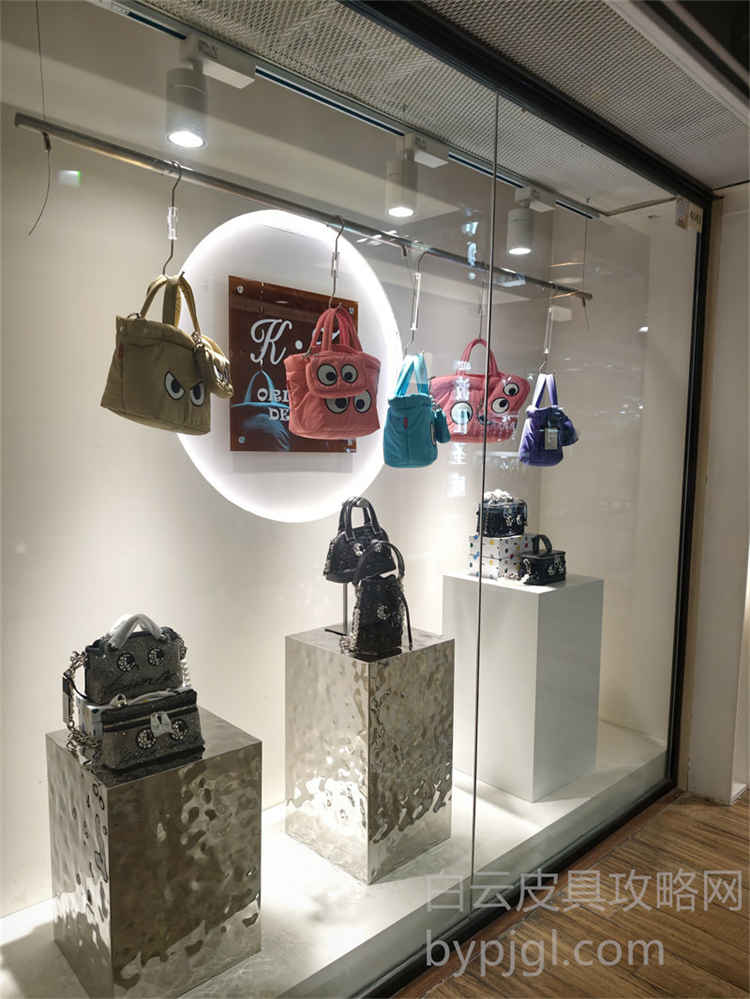
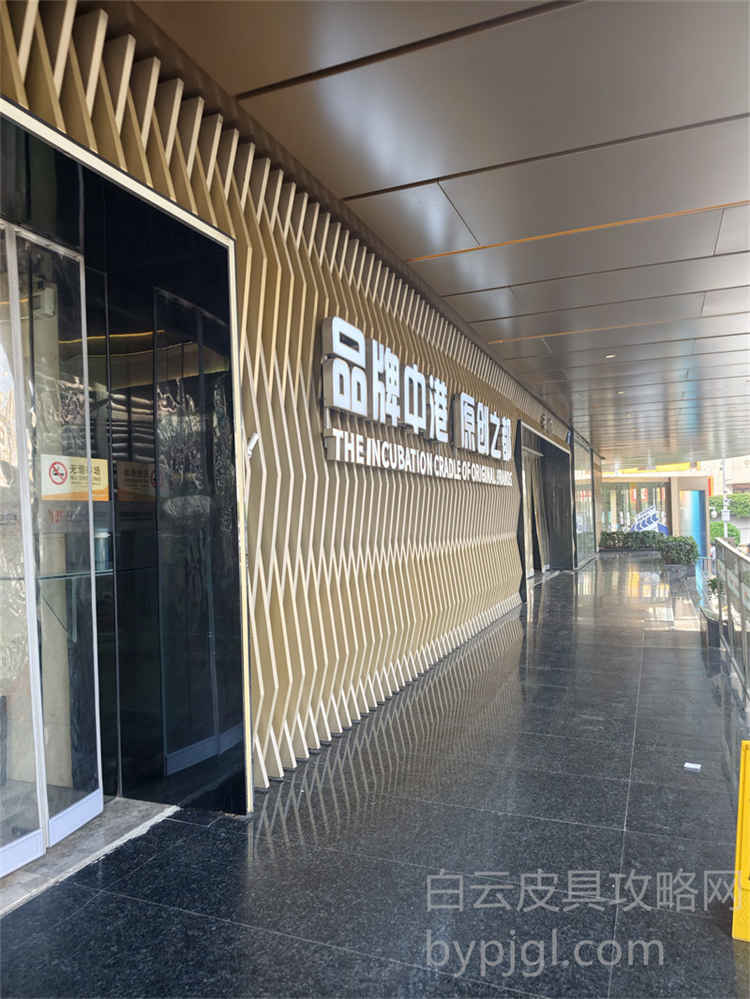
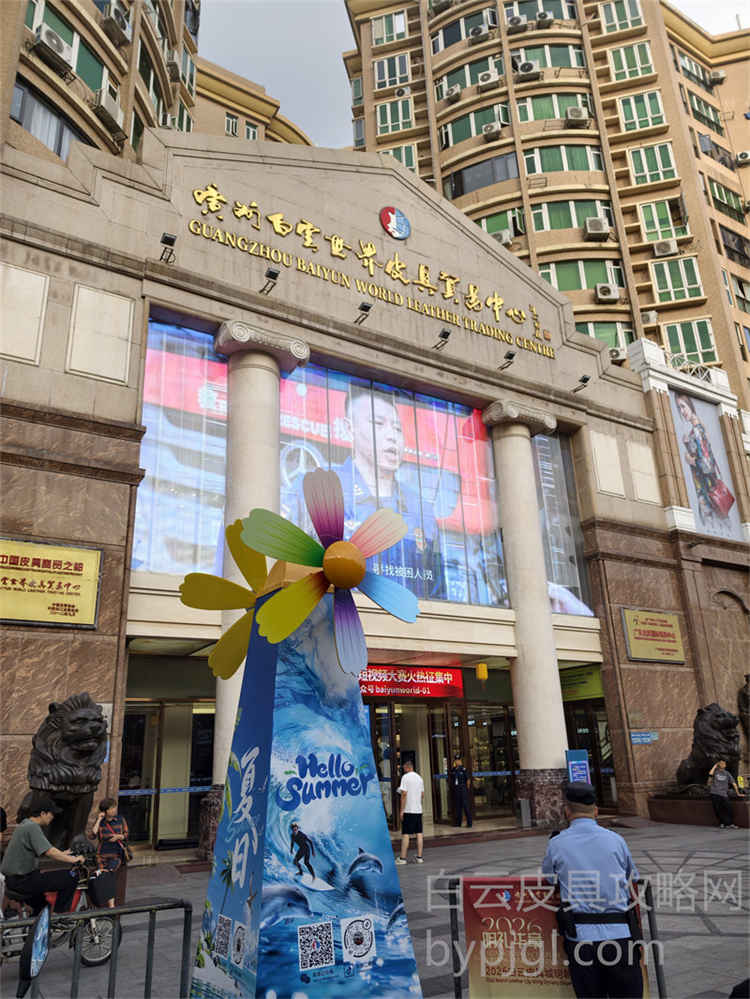
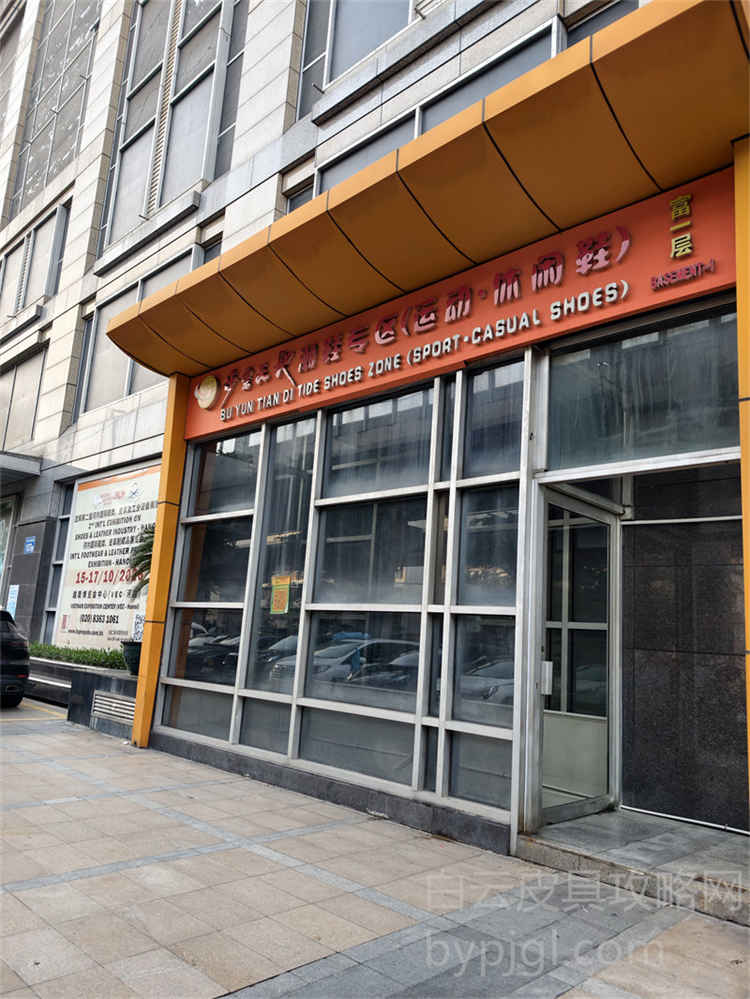
 On-site Visits
 Free Sharing
 Avoid Scams
 Updated Frequently
 For Reference Only