
Stepping Into the Heart of Guangzhou Leather: A Veteran's Guide
Welcome to the real deal. If you are reading this, you probably know that the internet is full of noise about "wher to buy" in China, but most of it is written by people who have never stepped foot inside a wholesale market. I've been standing behind my counter in Panyu and visiting the massive hubs in Baiyun for over twenty years. I've seen trends come and go, from the early days of simple imitations to today's incredibly sophisticated production lines. My goal isn't just to sell you something; it's to teach you how to navigate this ecosystem like a local so you don't get ripped off.
Many overseas buyers think they can just walk into any shop in Guangzhou and find exactly what they want at a bargain. That is a dangerous assumption. The reality is that the market is a maze of specialized zones, hidden showrooms, and strict rules about what you can see versus what you can actually order. Let me take you through the actual experience of sourcing high-end leather goods here, specifically focusing on the supply chain that feeds the world.
Navigating the Markets: Beyond the Front Door
The Difference Between Panyu and Baiyun
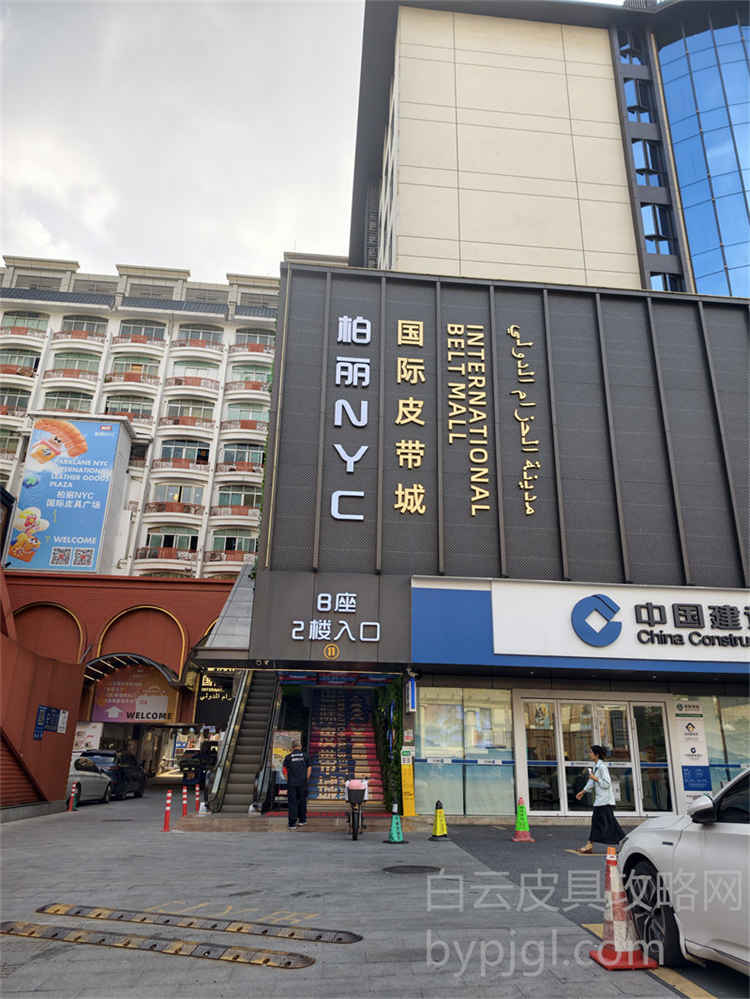
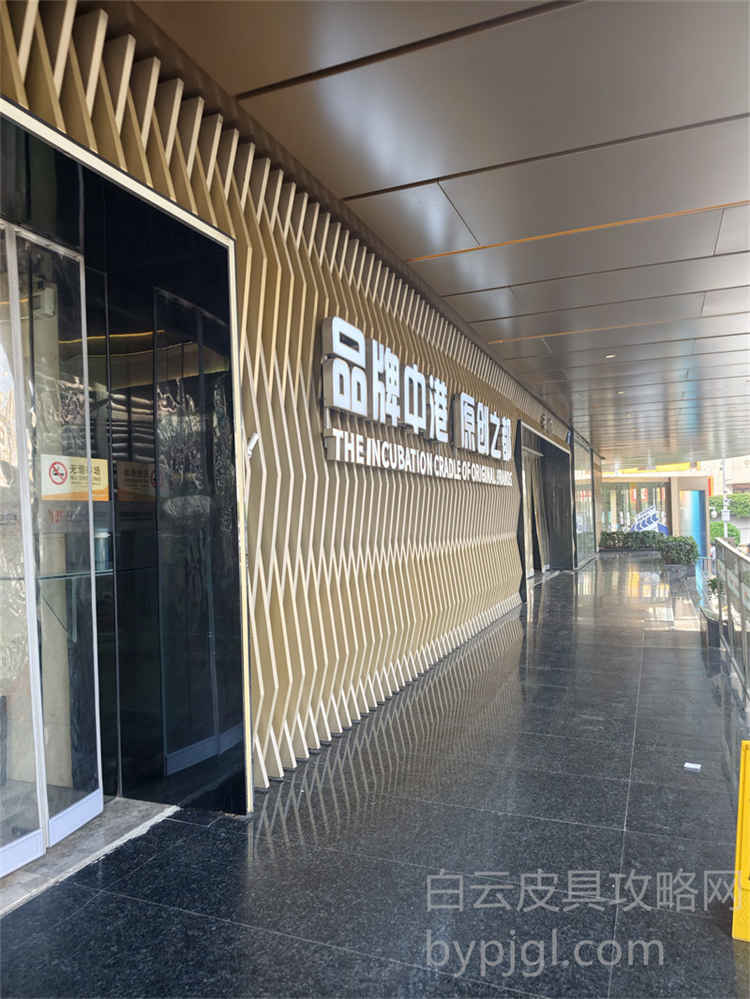
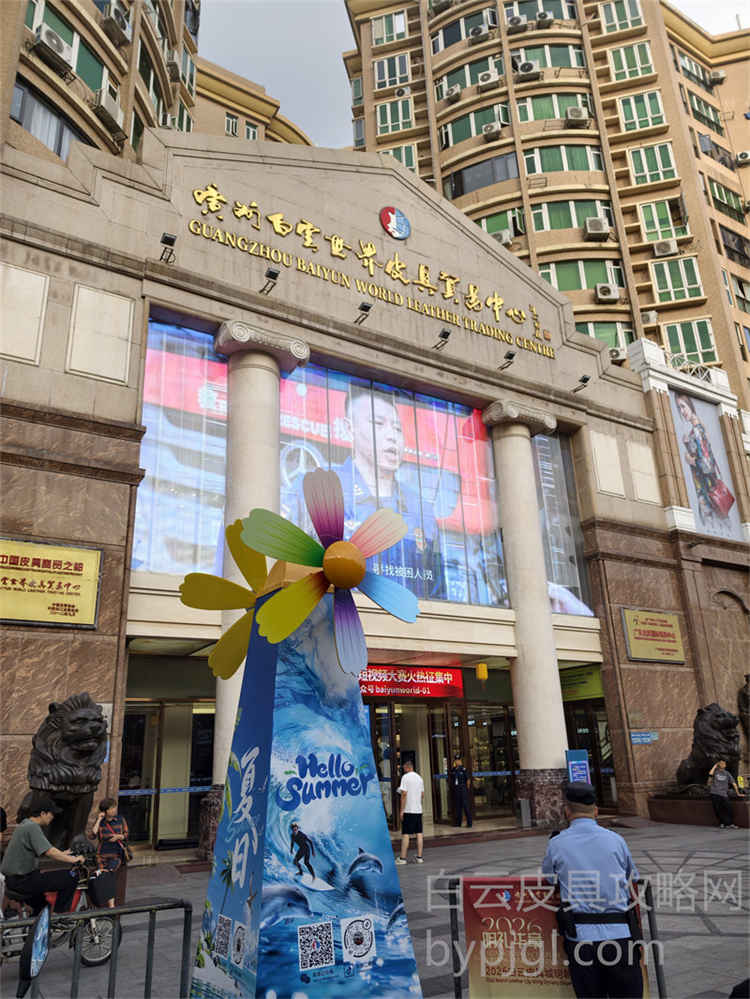
First, let's clear up the geography. You might hear people talking about Panyu, which is famous for its specific cluster of factories and smaller, more exclusive showrooms. However, the true engine of this industry is the Baiyun district. When we talk about the Guangzhou Baiyun Leather Market, we are talking about the epicenter wher thousands of suppliers converge. This is not a single building; it is a sprawling complex of interconnected malls like the Shide Plaza and the World Trade Center.
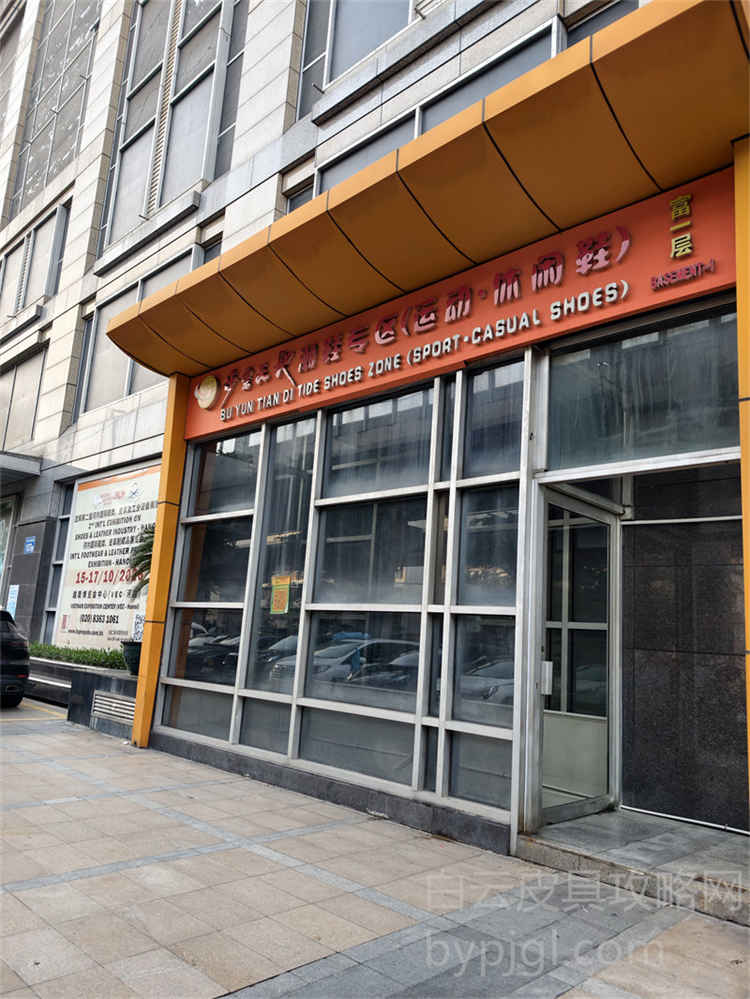
If you are new to this, do not start your day in Panyu unless you have a specific appointment. Start in Baiyun. The volume of stock there is overwhelming. The layout is designed to confuse tourists, but locals know the shortcuts. You will see rows upon rows of stalls, each one claiming to be the best. The trick is to ignore the flashy signs and look at the quality of the leather on display. In Baiyun, you are looking for the Guangzhou leather goods wholesale market experience, which means seeing hundreds of styles in one afternoon.
How to Spot the Real Suppliers
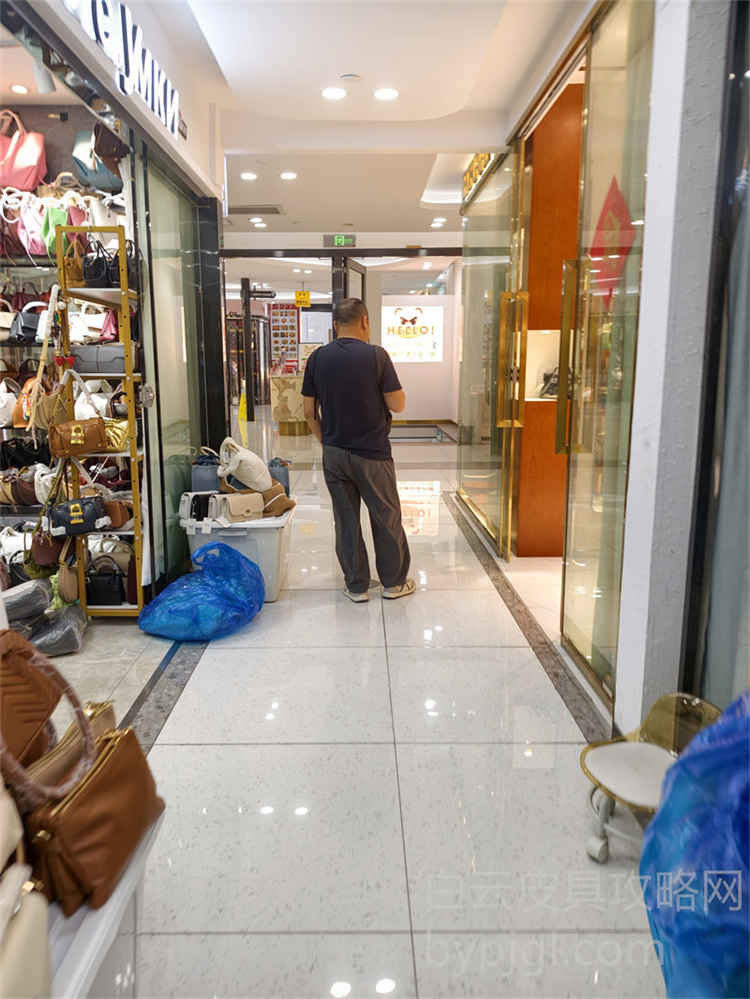
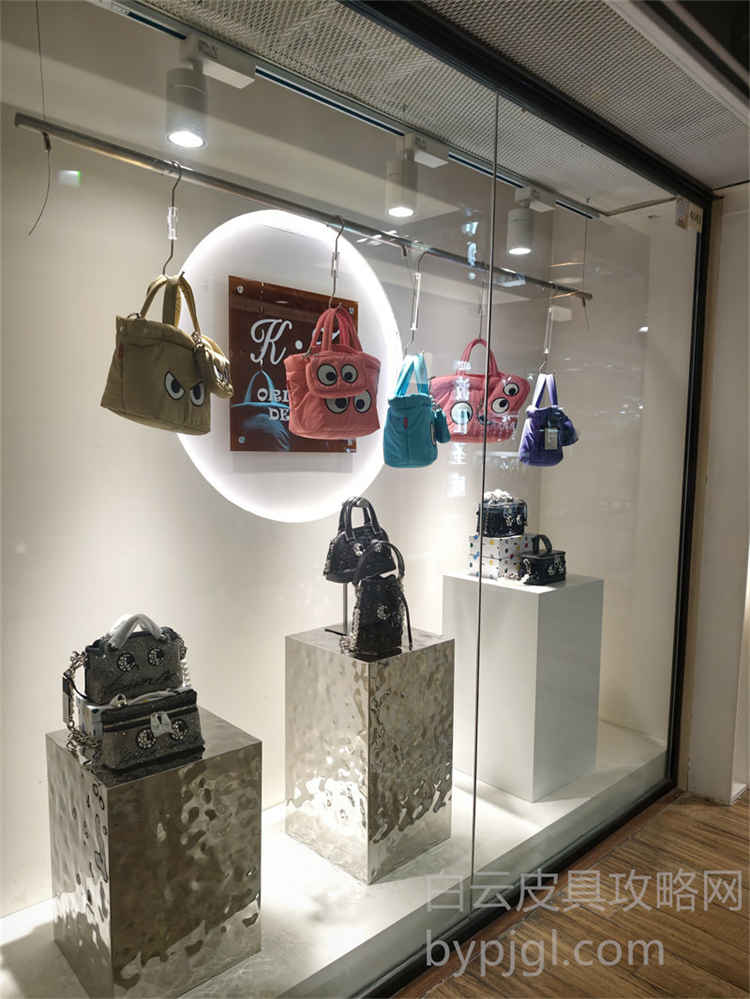
When you walk into these markets, you will notice two types of shops. One is the retail-style stall with mannequins and bright lights, catering to casual shoppers. The other is the serious supplier booth, often tucked away in the back or on upper floors, wher the staff speaks English but focuses entirely on business logic. These are the ones you want. They don't try to upsell you on a single bag; they ask about your volume, your target price point, and your shipping needs.
I always tell my clients to avoid the front row. The best inventory is often kept in the back rooms or in private showrooms nearby. A genuine supplier will invite you to sit down, pour you tea, and show you samples that aren't even on the main floor. This is wher the real negotiation begins. They understand that if you are buying for resale, you need consistency, not just a pretty picture.
The Art of Selecion and Quality Control
Touching the Material Before Buying
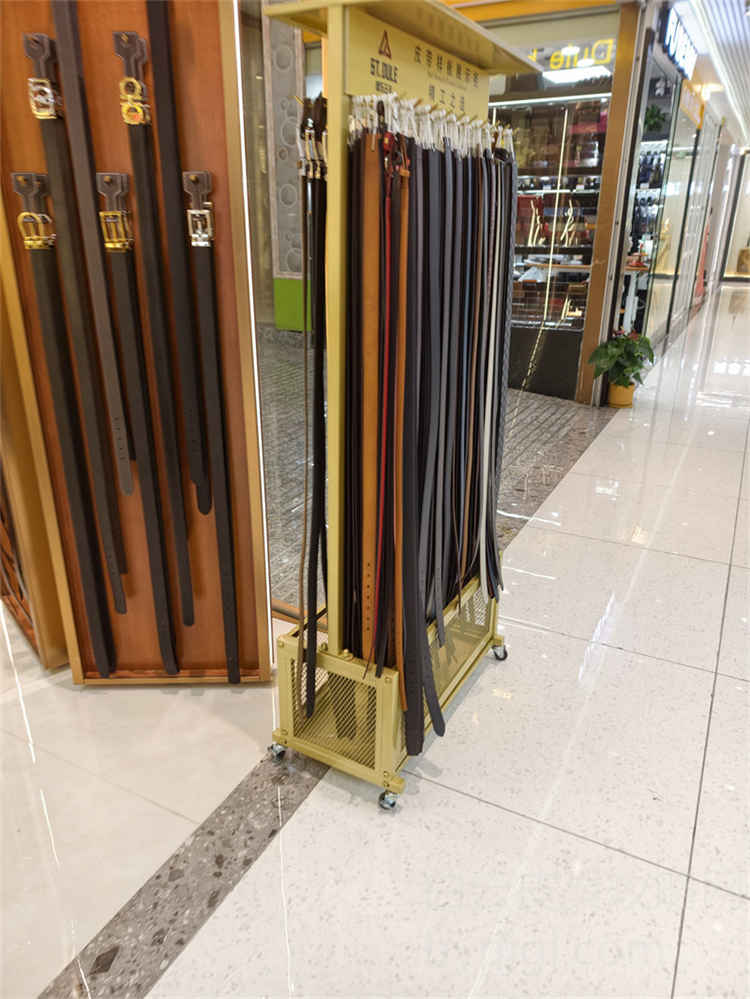
You cannot judge the quality of a bag by looking at a photo online. In our trade, the phrase "seeing is believing" takes on a literal meaning. When you are evaluating a product, run your hand over the leather. Is it soft? Does it smell like genuine hide or chemicals? Check the stitching. High-quality production uses consistent thread tension and straight lines. Look at the hardware. It should feel heavy, not light and hollow.
In the Guangzhou Baiyun leather market, the gap between a top-tier factory and a low-end workshop is visible in these details. A good supplier will openly discuss the grade of leather they use, whether it is imported calfskin or domestic cowhide. Do not be afraid to ask questions. If a vendor gets defensive or vague about materials, walk away. Trust your instincts. We have built our reputation on transparency, and we expect our partners to value honesty too.
Understanding the Production Cycle
once you pick a style, you need to understand the timeline. Unlike retail stores wher you walk out with the item immediately, wholesale involves a production cycle. Even if the sample looks perfect, mass production requires time. A typical lead time ranges from two weeks to a month, depending on the complexity of the design and the current order volume. This is why planning ahead is crucial.
During the selection process, I always advise buyers to request a pre-production sample. This is a prototype made specifically for your order before the full batch starts. It ensures that the color, size, and finish match your expectations perfectly. Skipping this step is a common mistake that leads to disappointment when the bulk shipment arrives. Never skip the verification stage.
Negotiation, Payment, and Avoiding Pitfalls
The Rules of Engagement
Negotiating in Guangzhou is an art form. Prices are rarely fixed, especially for first-time buyers. The initial quote is often a starting point. Be prepared to discuss volume discounts. If you are ordering fifty pieces, you get a different rate than if you are ordering five hundred. The key is to build a relationship. Treat the supplier as a partner, not just a vending machine.
Payment terms are another critical area. Most reputable suppliers in the Guangzhou leather goods wholesale market require a deposit, usually 30% to 50%, with the balance paid before shipment. Be wary of anyone asking for 100% upfront via untraceable methods. Stick to secure payment channels like bank transfers or platforms that offer buyer protection. Always verify the company name matches the invoice.
Common Mistakes to Avoid
One of the biggest pitfalls for foreign buyers is assuming that "cheap" means "good deal." In the leather industry, if a price seems too good to be true, it almost always is. Low prices often indicate poor materials, weak stitching, or hidden costs later on. Another mistake is ignoring the logistics. Shipping large quantities of leather goods internationally requires careful packaging and customs compliance. Work with your supplier to ensure the packaging meets international standards to prevent damage during transit.
Finally, do not rush. Take your time to visit multiple stalls, compare notes, and verify the quality. The Guangzhou Baiyun leather market is vast, and the best deals are found by those who are patient and thorough. By following these steps, you can navigate the complexities of sourcing with confidence and build a sustainable supply chain that serves your business well.

 On-site Visits
 Free Sharing
 Avoid Scams
 Updated Frequently
 For Reference Only