

Walking the Floor: My Honest Take on Sourcing from Guangzhou
I have been standing behind this counter in the Baiyun District for over two decades. While the world outside is obsessed with online listings and shipping times, my life has always been about the smell of leather, the hum of the air conditioning in the corridors, and the constant flow of buyers who know exactly what they want. You might be searching for high-end goods made here, but let me tell you something that no algorithm can teach you: the real value isn't in the label, it's in the handshake and the inspection.
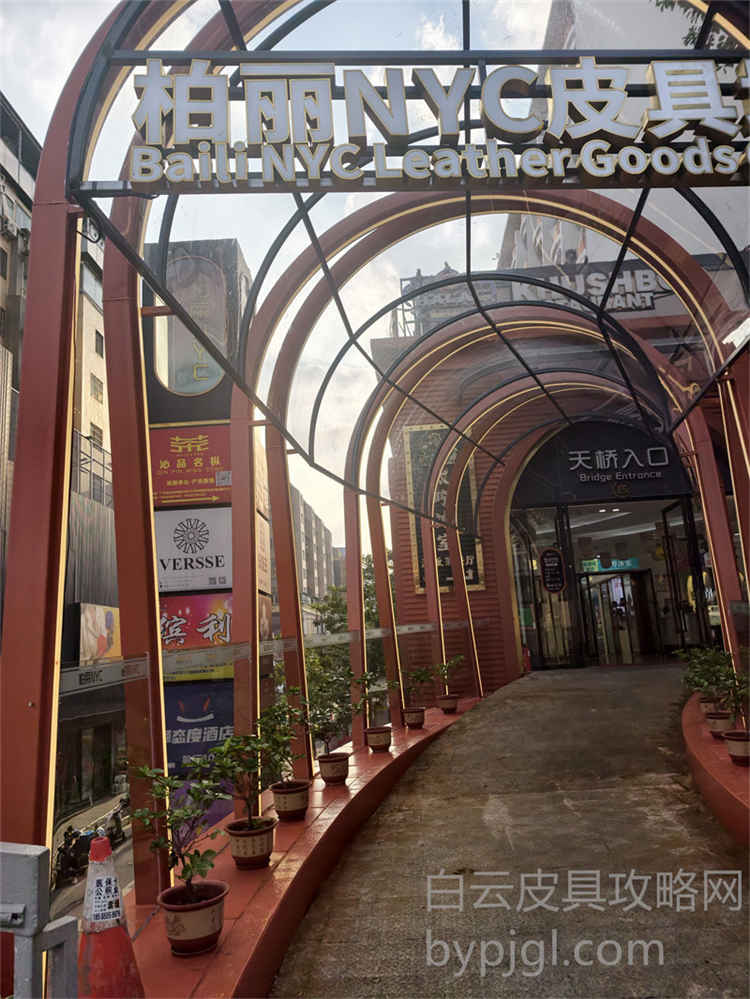
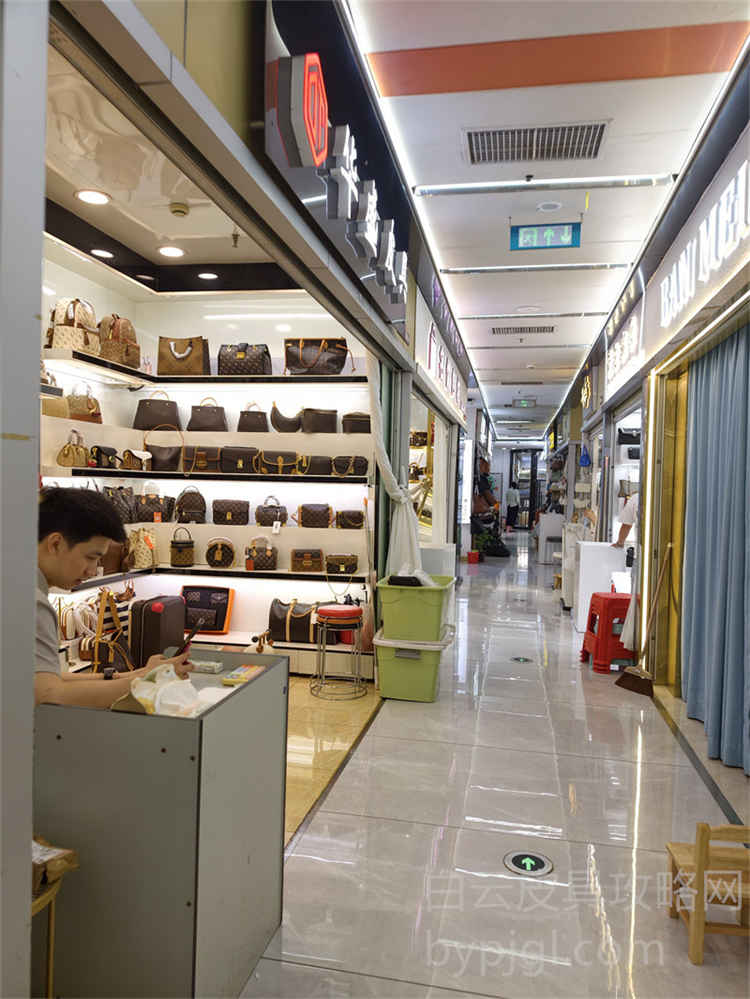
When I first started in the early 2000s, the reputation of our district was just beginning to shift. Today, if you walk into the massive complex known as Baiyun Leather City, you will see rows upon rows of stalls that look identical from the outside but hide completely different realities inside. Many foreign buyers come here expecting a specific "grade" or a secret code, but the truth is far more nuanced. It is not about finding a magic word; it is about building a relationship with the person holding the needle and thread.
Navigating the Labyrinth of Markets
The First Impression Matters
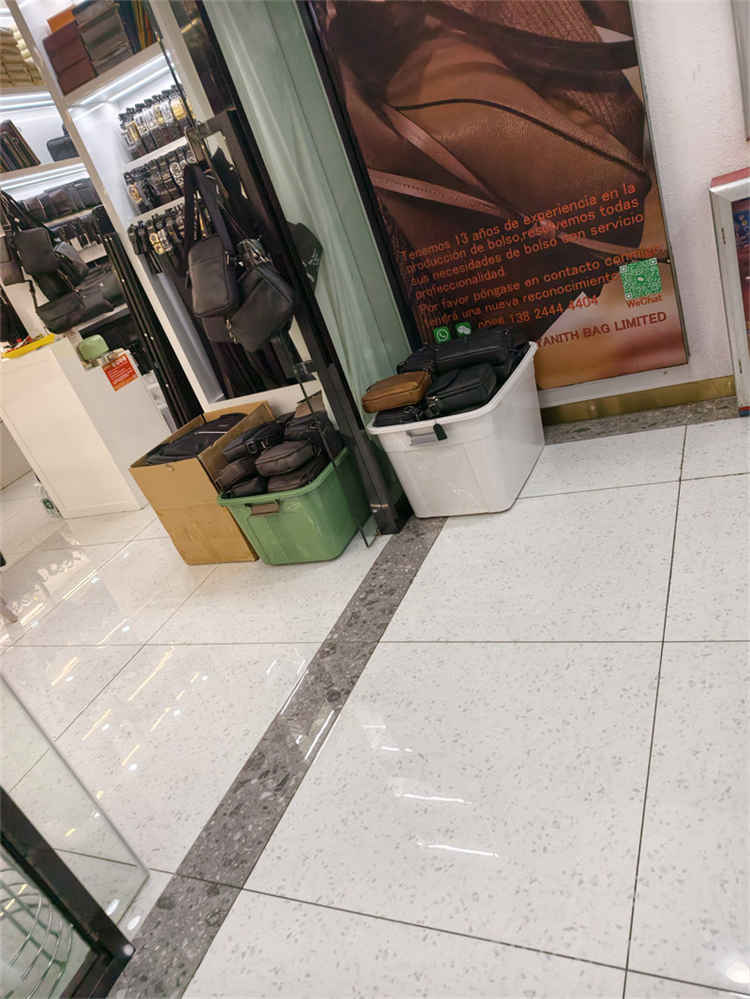
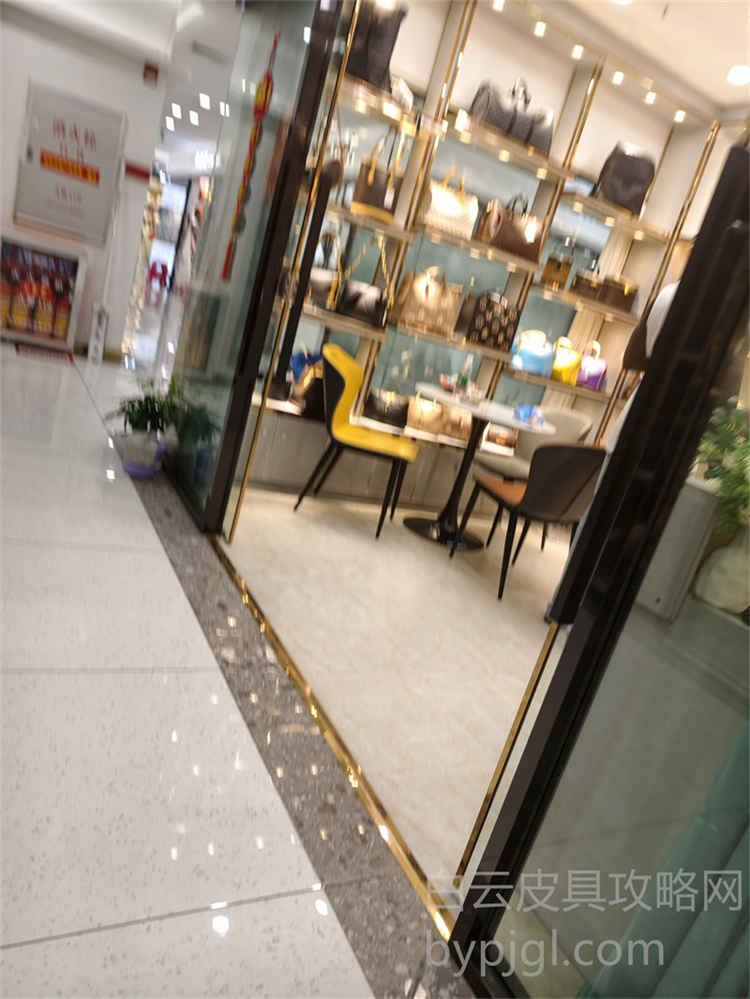
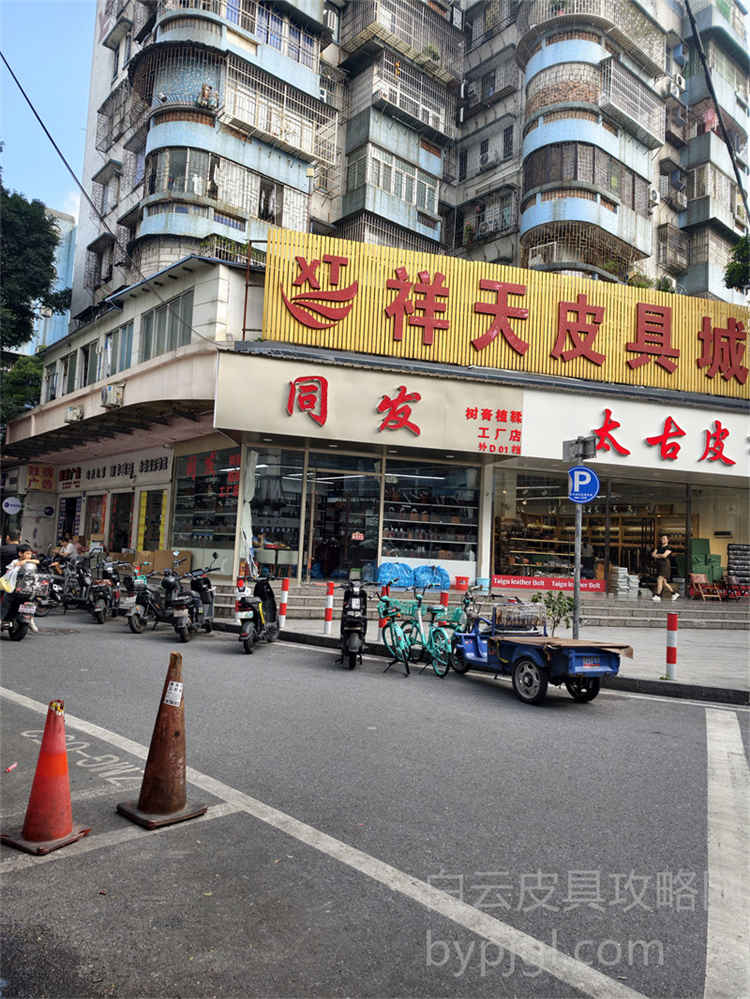
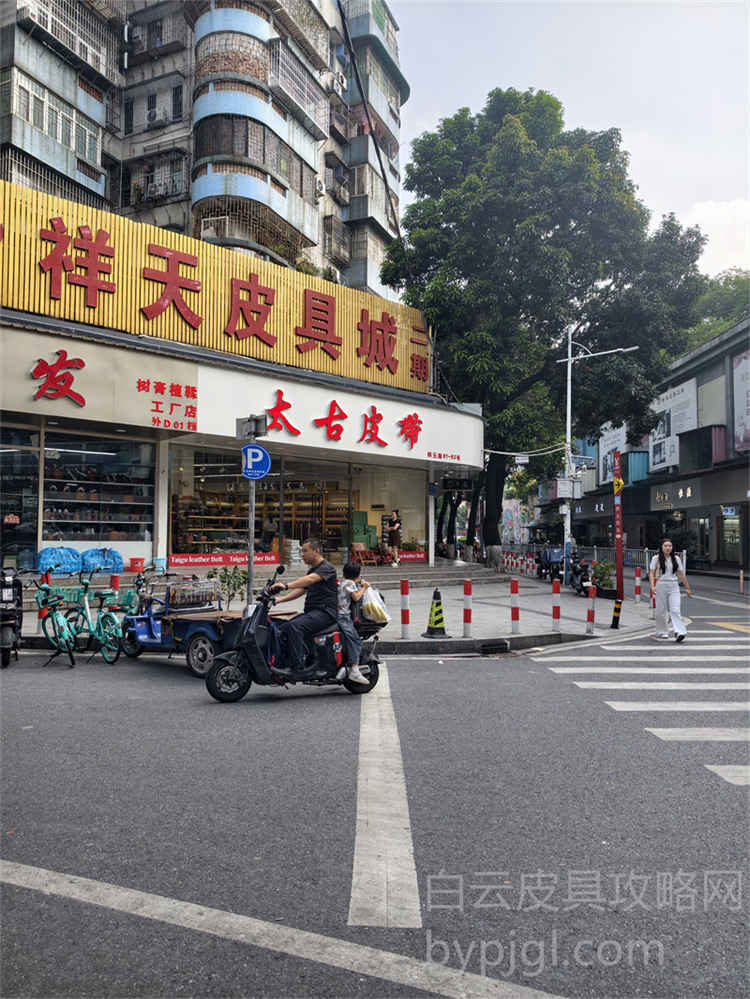
Let's be clear about wher we are. The main hub is the Baiyun Leather City, often referred to by locals simply as the "Big Market." But do not make the mistake of thinking one building holds all the answers. Just around the corner, you have the Qianwan Building, and further down the road, there are smaller, specialized workshops tucked away in residential compounds. If you are looking for the absolute top-tier craftsmanship, you often won't find it in the flashy ground-floor shops with the neon signs. Those places are designed for tourists and quick sales.
The real action happens when you ask the security guard or a shopkeeper for the "upper floor" or the "back rooms." This is wher the serious business happens. I remember a buyer from Europe last year who walked straight past three floors of mediocre stock because he didn't know how to navigate the vertical layout. He ended up buying from a stall on the fourth floor that looked dusty but had the best stitching I have ever seen. The lesson here is simple: ignore the front display. Ask for the samples in the back office.
The Art of Selecion and Inspection
Touch, Smell, and Stitch
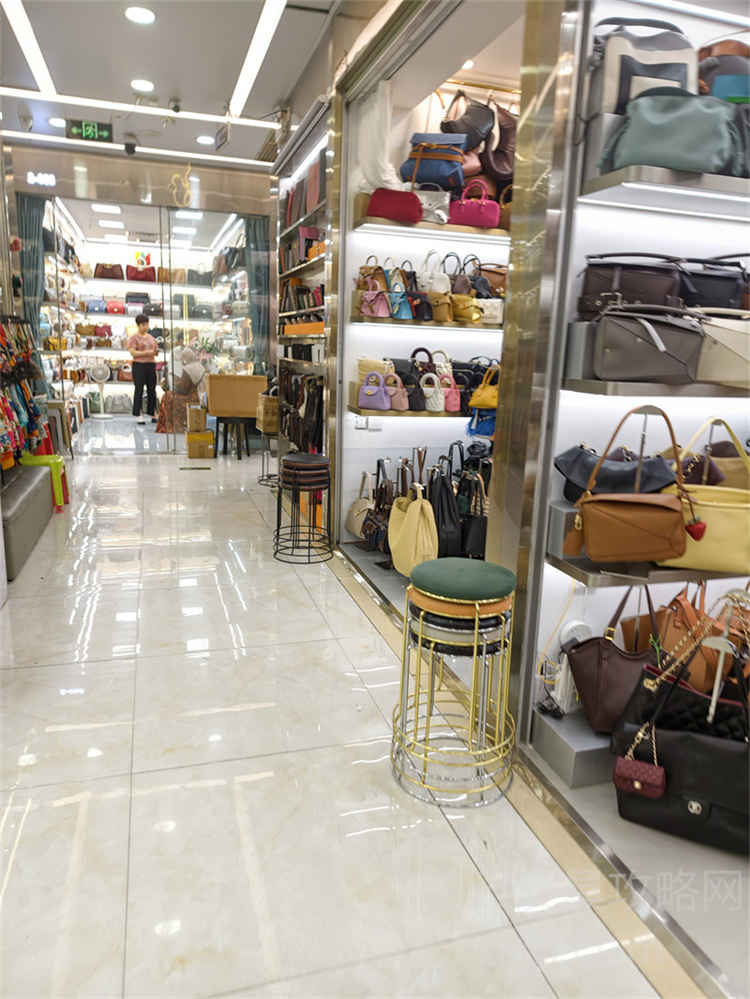
once you are in the right room, the selection process begins. In my experience, the biggest mistake overseas buyers make is focusing too much on the hardware before checking the material. When I show a client a bag, the first thing I do is run my hand over the grain. Are we talking about genuine cowhide, calfskin, or a synthetic blend? The texture tells the story immediately. A cheap imitation feels plastic; a well-made piece breathes.
Next, look at the stitching. This is wher the masters separate themselves from the amateurs. Count the stitches per inch. Is the thread tension consistent? Does the color match perfectly? In the lower-grade sections, you will see loose threads and uneven spacing. In the premium section, the stitching is so tight it looks like a single line. Then comes the smell. Real leather has a distinct, earthy scent. If it smells like chemicals or glue, walk away. Do not let anyone convince you otherwise. I have seen clients get scammed because they were too eager to close a deal without smelling the product first.
Building Trust and Closing the Deal
Communication Without Barriers
Language barriers are real, but they are not insurmountable. Most of us in the market speak enough English to handle basic transactions, but the nuance is lost. That is why havin a local contact or using a translator app effectively is crucial. However, the best way to communicate is through pictures and gestures. Show them a photo of the bag you want, point to the specific features you care about—the zipper brand, the lining color, the logo placement.
When it comes to pricing, never accept the first number thrown at you. The price listed on the tag is rarely the final price. We negotiate based on volume and relationship. If you are buying ten pieces, the price dros significantly compared to buying one. Be polite but firm. I have seen many buyers get angry and leave, only to realize later that the seller was willing to meet them halfway if they had just stayed calm. Trust is built over time. If you come back next month, you will get better prices than you did today.
Avoiding Pitfalls and Ensuring Quality
The Final Check Before Payment
Before you hand over any money, you must inspect the final batch. This is non-negotiable. Even if you have bought from this same stall five times before, mistakes happen. Check every single bag for dust, scratches, or misaligned patterns. Pay attention to the interior pockets and the zippers. Do they glide smoothly? Is the lining secure?
Another common pitfall is rushing the shipping process. Many sellers promise to ship within 24 hours, but logistics in China can be unpredictable during peak seasons. Always build in a buffer. Also, be wary of sellers who refuse to provide detailed photos before payment. A reputable supplier will send you high-resolution images of the actual items, not stock photos from the internet. If they hesitate, your gut feeling is probably right. Walk away. There are thousands of other stalls in Baiyun waiting for your business.
Finally, remember that quality varies. Not every bag sold here is created equal. Some are meant for the mass market, while others are custom-made for discerning clients. Your job is to identify which category fits your needs. By spending time on the ground, asking the right questions, and trusting your senses, you can navigate the complex landscape of Guangzhou's leather markets with confidence. The city offers endless opportunities for those willing to dig deeper than the surface level.

 On-site Visits
 Free Sharing
 Avoid Scams
 Updated Frequently
 For Reference Only