
Why I've Been Selling Bags in Baiyun for Over Two Decades
Welcome to the real deal. If you are reading this, you probably know that Guangzhou is the heartbeat of the global leather goods industry. But let's be honest, most people only see the glossy photos online or hear rumors about "super fakes." They don't see the sweat, the noise, and the sheer hustle of the wholesale markets here. I have been standing behind my counter in the Baiyun District for more than twenty years. I watch buyers come and go, some who get ripped off, others who find absolute gems. Today, I want to talk to you about what it actually takes to source high-quality bags here, not from a textbook, but from the floor wher the magic happens.
The Reality of the Wholesale Floor
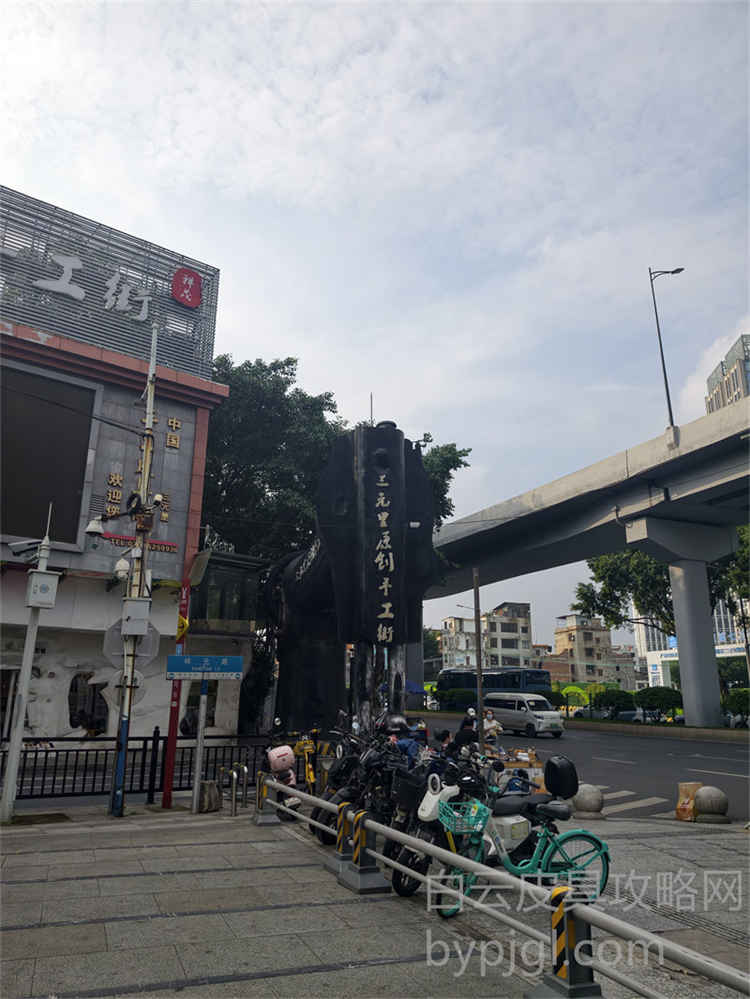
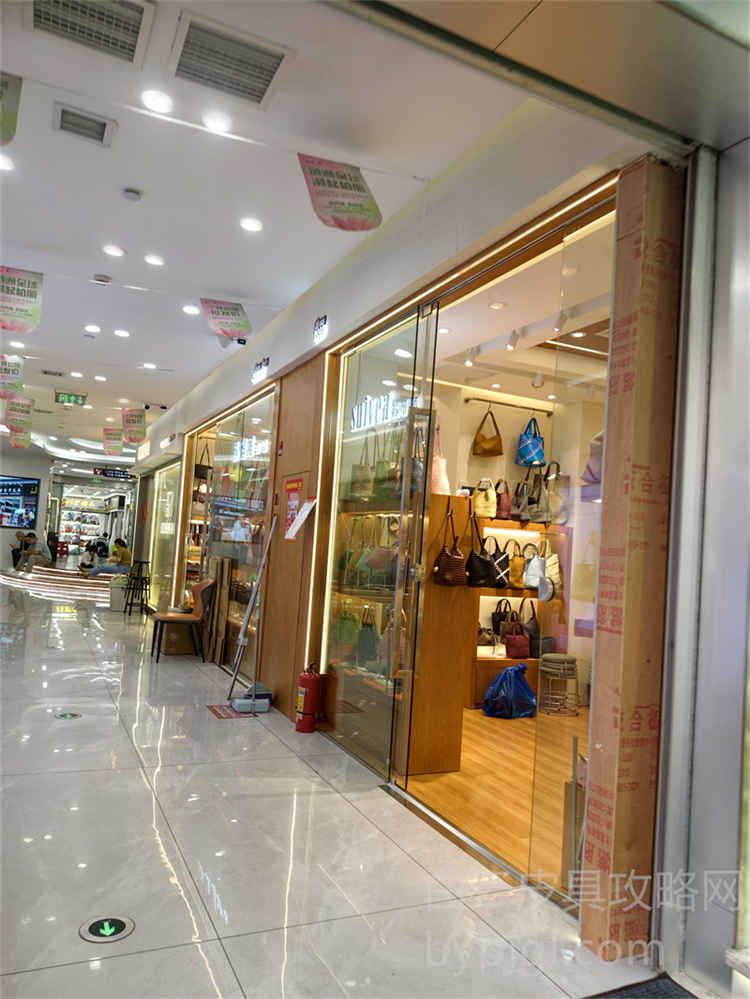
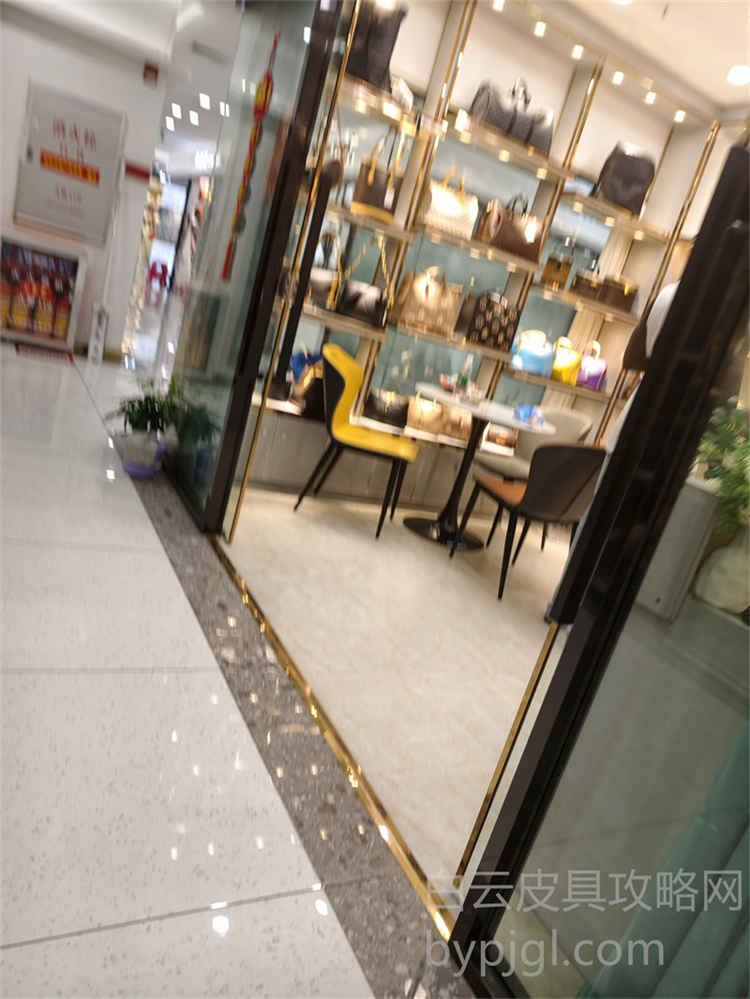
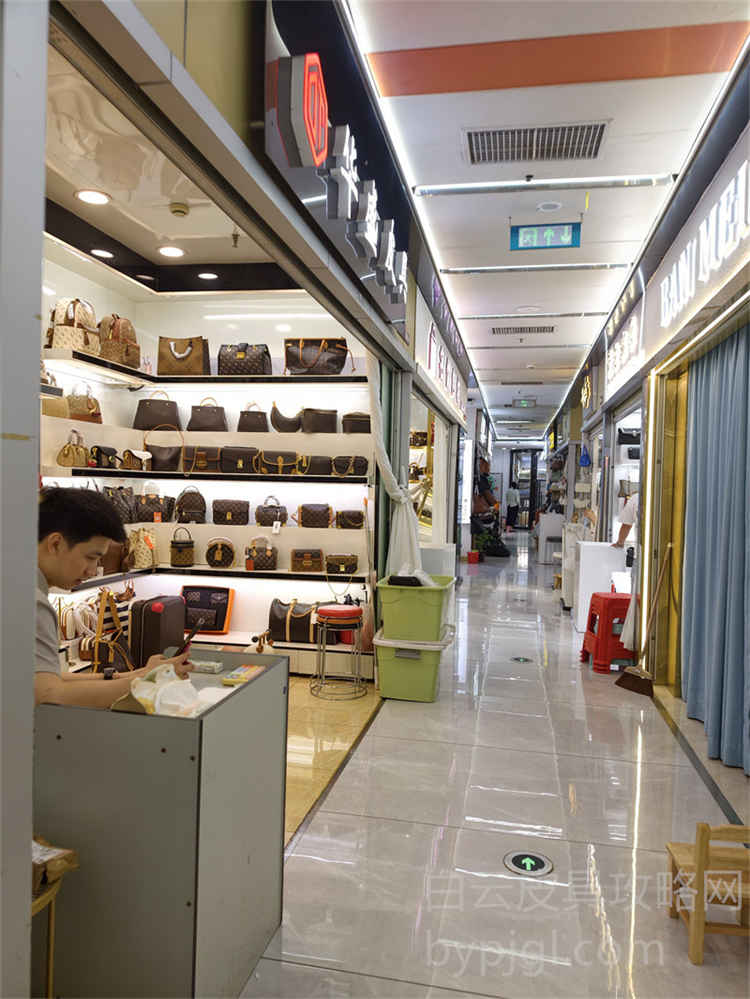
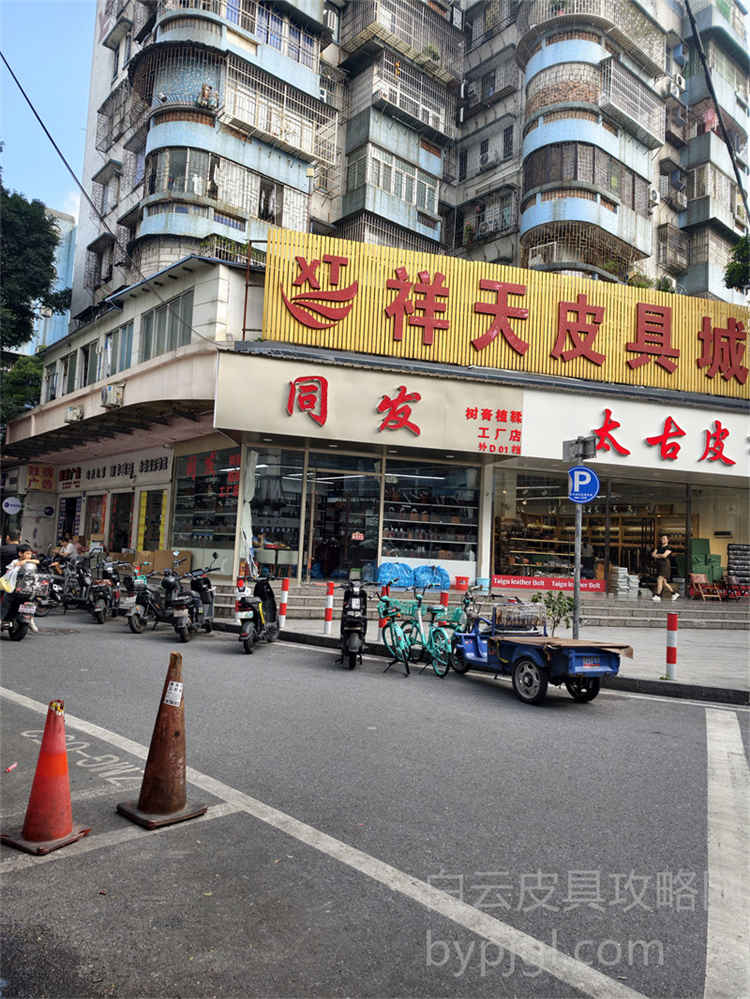
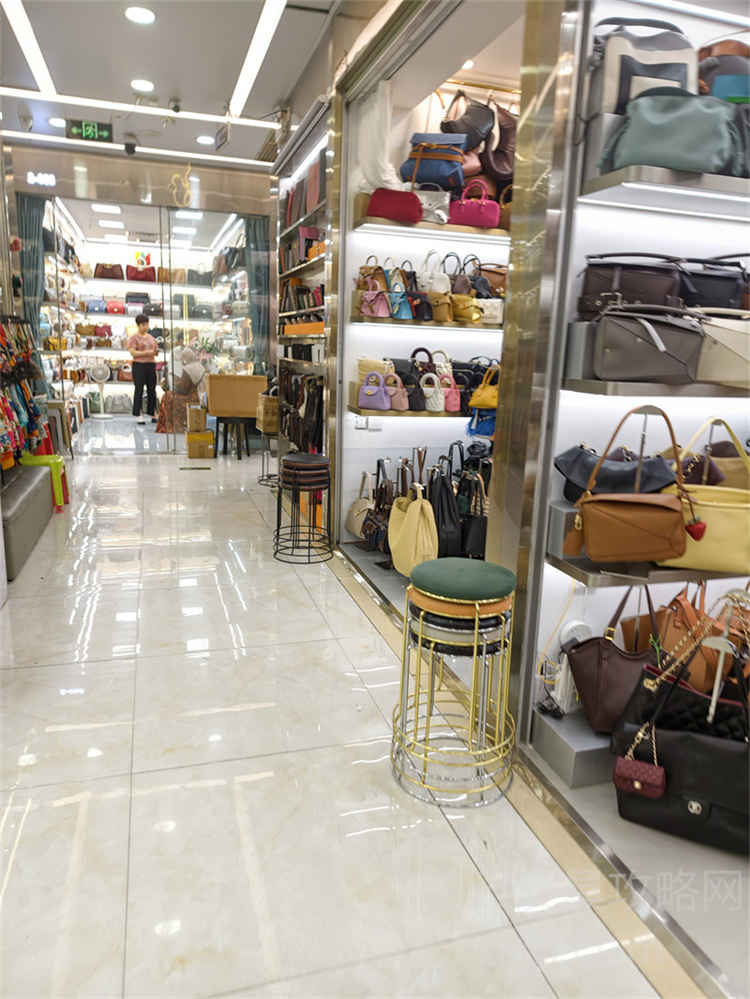
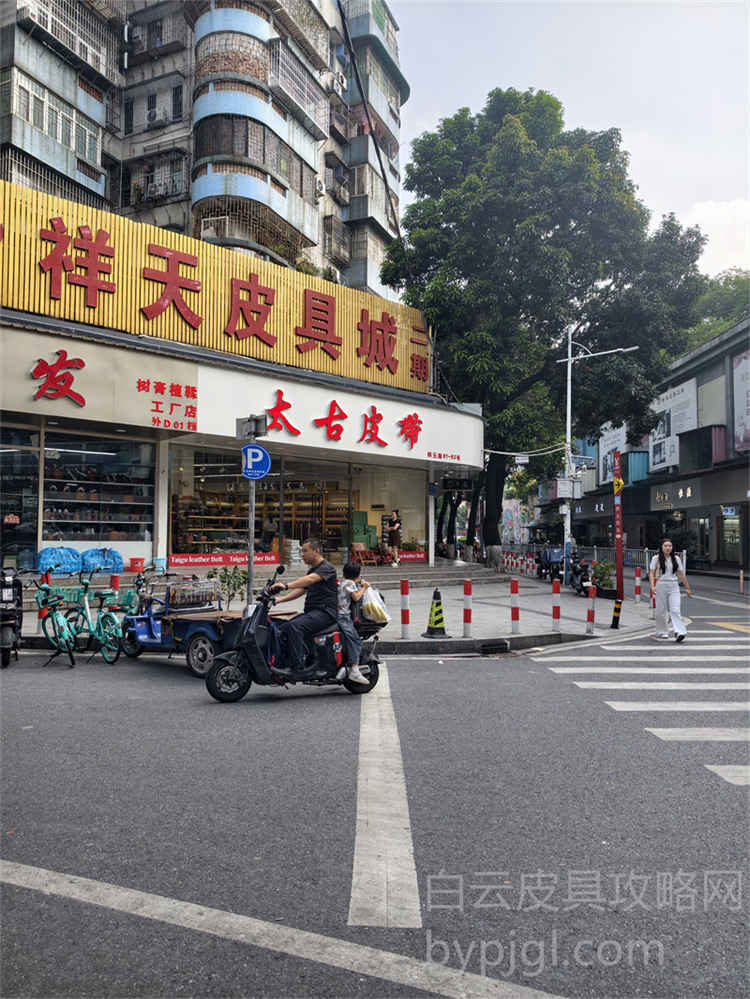
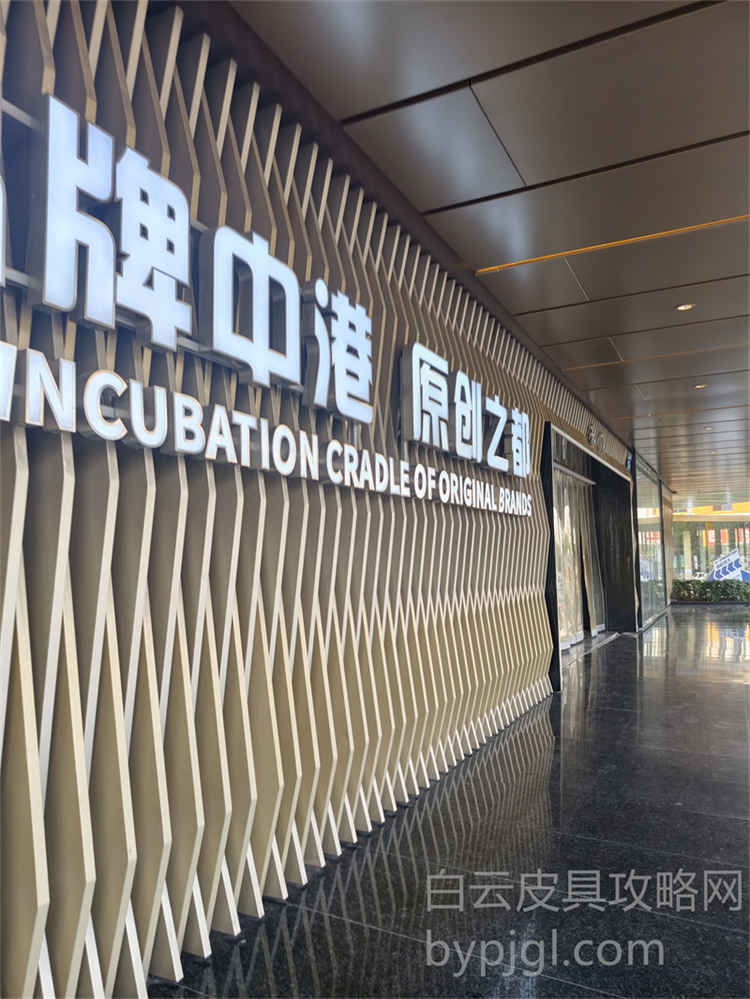
First things first: forget everything you think you know about buying these items. This isn't a retail shopping mall experience. When you walk into the massive complexes like the Baishiqiao area or the newer buildings near Jiahe Wanggang, you aren't greeted by polite staff with brochures. You are met with stacks of boxes, the smell of fresh leather, and owners shouting prices over the din of traffic. The atmosphere is chaotic, yes, but that chaos is wher the best deals are found. The quality you see on your screen often doesn't match what is sitting right in front of you. That is why physical presence is non-negotiable if you want to understand the true value of these products.
How to Spot Quality Before You Even Touch the Bag
When I show a new batch of goods to serious buyers, I don't just hand them the bag and say, "Look at this." I make them look at the details that matter. In our market, we call this "checking the bones." It starts with the hardware. Cheap imitations use zinc alloy that feels light and hollow. Real craftsmanship uses solid brass or high-grade stainless steel that has weight and a specific cold touch. Then there is the stitching. You need to count the stitches per inch. A sloppy job will have loose threads or uneven spacing. We pride ourselves on matching the tension and angle of the original production lines because that is what separates a decent item from a masterpiece.
The Leather Test: Smell and Feel
Let's talk about the material, because this is wher most overseas buyers get confused. Many sellers claim they use "top grade cowhide," but they mean something else entirely. When you are in the Baiyun market, bring your nose. Genuine full-grain leather smells distinctively rich and earthy. Synthetic materials or lower-tier corrected grain have a chemical or plastic scent. Run your fingers over the surface. High-end leather should feel soft yet resilient, with natural pores that vary slightly. If it feels perfectly smooth like plastic or too stiff, walk away. I always tell my clients to trust their senses over the seller's pitch. If the leather doesn't feel right, no amount of marketing will change that.
Navigating the Market: Wher to Go and What to Ask
Guangzhou has dozens of markets, but not all are created equal. For those looking for the highest tier of craftsmanship, the focus should be on the specialized buildings within the Baiyun district. These are the places wher factories sell directly to wholesalers. You won't find the flashy displays of the tourist traps here; instead, you will see rows of tables covered in samples. When you approach a stall, do not ask, "Do you have the famous brand?" That tells me you are a tourist. Instead, ask about the "grade" of the leather, the source of the hardware, and the stitch count. Use terms like "original factory standard" or "same mold." This signals that you know what you are talking about and deserve better treatment.
Bargaining Like a Local
Haggling is an art form here, but it requires finesse. Never start with a lowball offer that insults the owner. Start by examining the product thoroughly, asking questions, and showing genuine interest. once you establish a rapport, you can discuss the price. If you are buying in bulk, the leverage is yours. I have seen buyers get 30% off simply by being polite and explaining their volume needs. However, if you are buying just one piece, the margin is thinner. Remember, the goal is a long-term relationship, not a one-time win. If the price seems too good to be true, it usually is. There is a reason why certain stalls charge more; they invest in better materials and stricter quality control.
Avoiding Pitfalls: What Every Buyer Should Know
There are scams everywher, even in the heart of the leather capital. One common trick is the "sample swap." You inspect a perfect bag, pay for it, and then receive a different, lower-quality item when it is shipped. To avoid this, always take photos and videos of the specific serial numbers or unique markings on the bag you are paying for before you leave the store. Another issue is the shipping logistics. Do not rely solely on the seller's courier. Insist on using a trusted freight forwarder who can inspect the goods before they leave China. This adds a layer of security that protects your investment.
Building Trust with Your Supplier
The biggest mistake foreign buyers make is treating every transaction as anonymous. In Baiyun, relationships drive business. If you return to the same stall multiple times, the owner will prioritize your orders, give you access to new arrivals before anyone else, and offer better pricing. I remember a buyer from Europe who visited us three times over two years. By the fourth visit, he was getting the first pick of the season's collection. He didn't just buy bags; he built a partnership. This is the secret to sourcing consistently high-quality goods without the headache of dealing with unreliable middlemen.
Final Thoughts on Sourcing in Guangzhou
So, how good are these bags? The answer depends entirely on your ability to navigate the market and your willingness to do the legwork. If you stay in your hotel and order online, you might get lucky, but you will likely miss out on the true potential of what this city offers. Come down to the Baiyun District, walk the floors, touch the leather, and talk to the people who make these items. The knowledge you gain from standing in the aisle, smelling the hides, and hearing the stories of the craftsmen is worth more than any guidebook. This is wher the future of luxury-style goods is born, not in a warehouse, but in the bustling, vibrant streets of Guangzhou. Go see it for yourself, and you will never look back.

 On-site Visits
 Free Sharing
 Avoid Scams
 Updated Frequently
 For Reference Only