
Walking the Floors: A Veteran's Guide to Guangzhou Leather Markets
I have been standing behind this counter in Baiyun for over fifteen years. While the world talks about "counterfeit goods" on their screens, I talk about leather grades, stitching tension, and hardware weight with my regulars. If you are flying into Guangzhou to source bags, forget what you read online. The reality is a chaotic, vibrant ecosystem wher quality varies from day to day, and your success depends entirely on how well you navigate the physical space.
The First Rule: Leave Your Expectations at the Door
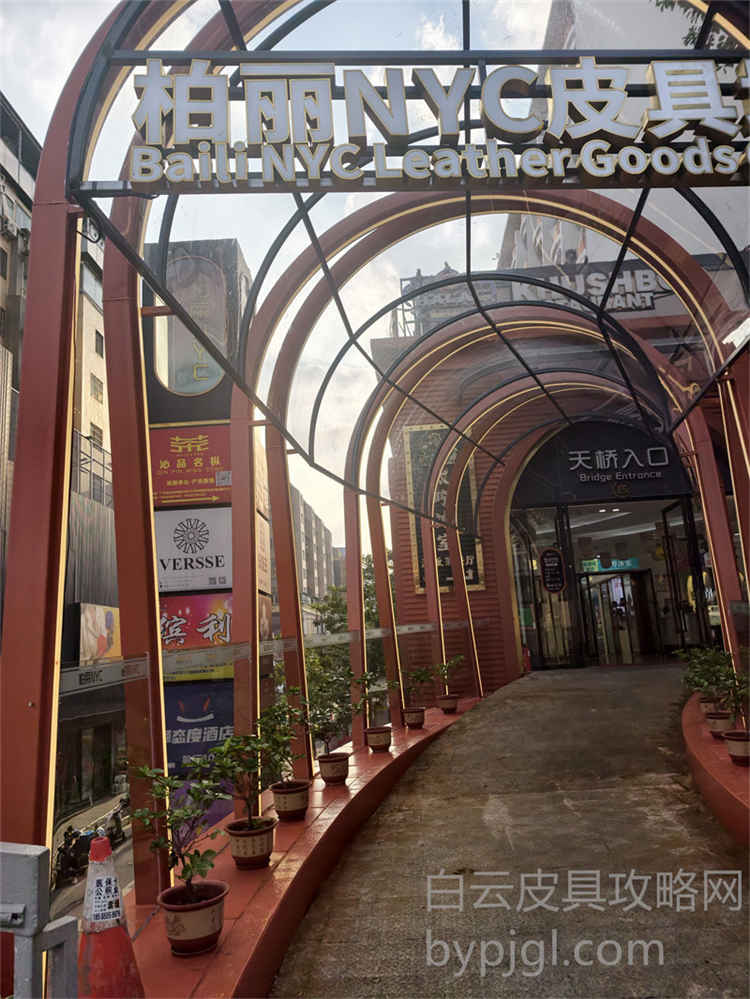
When you first step into the massive complex of Baiyun International Leather City, the noise hits you. It is not a quiet showroom; it is a battlefield of commerce. Many overseas buyers come expecting a specific brand logo to be available immediately. They do not understand that we do not sell "copies." We sell high-end custom manufacturing based on client specifications. If you walk in asking for a specific famous name, you will be ignored or shown low-quality junk designed to waste your time. My advice? Be direct but vague. Tell me you want "top-tier Italian calfskin with gold-plated hardware," and watch my eyes light up. That is when we move to the back rooms.
Navigating the Market Layout and Finding Real Goods
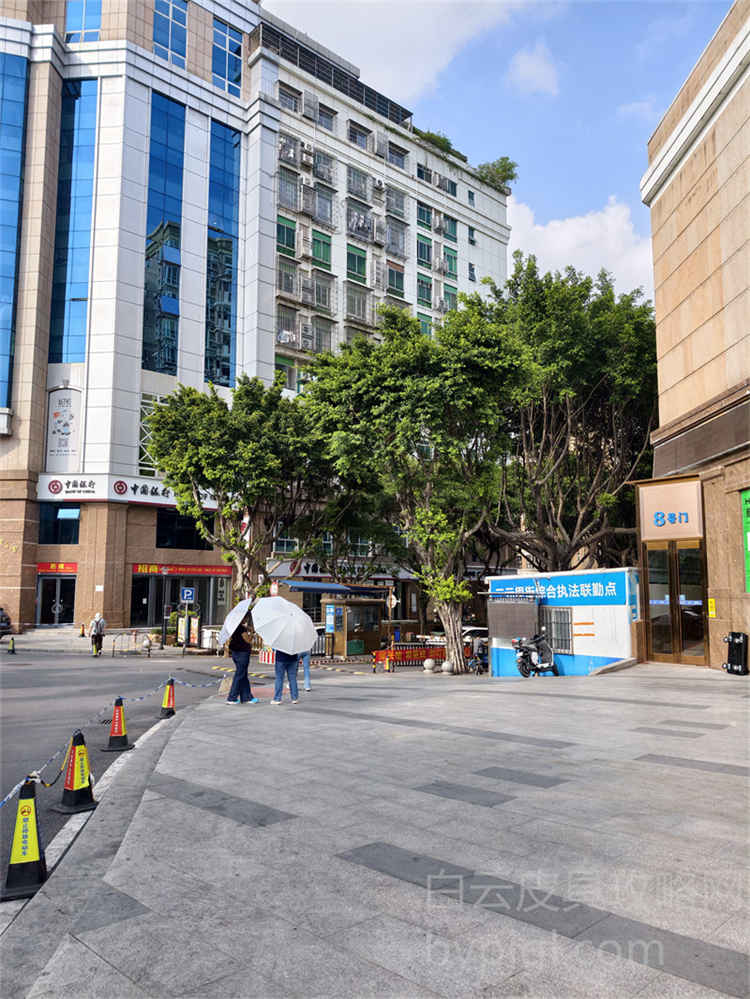
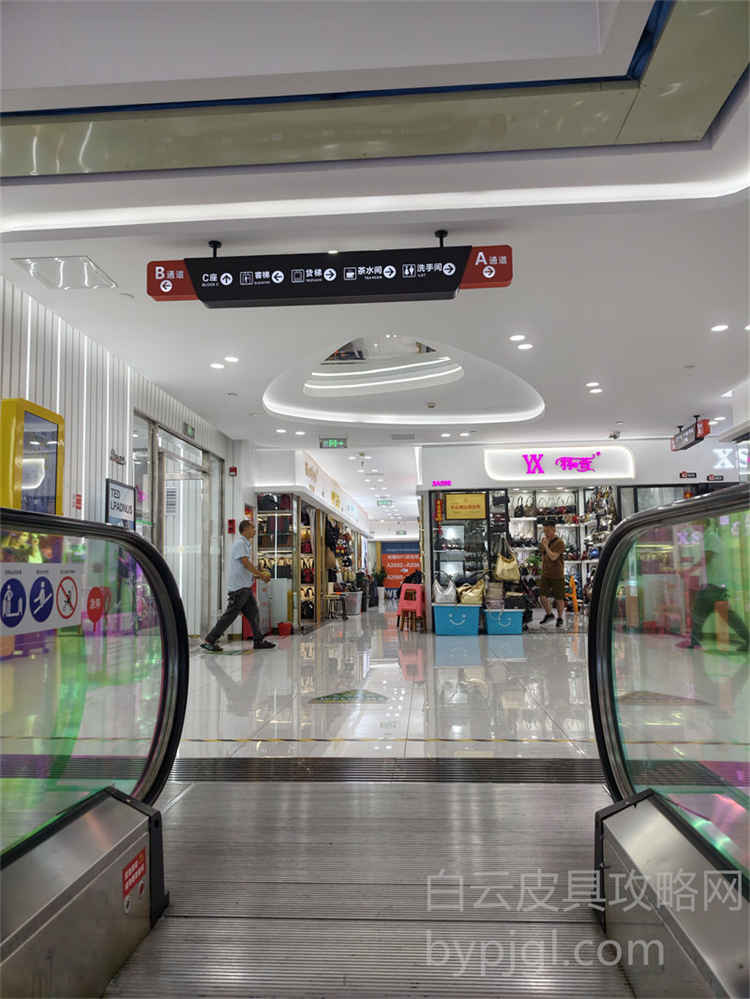
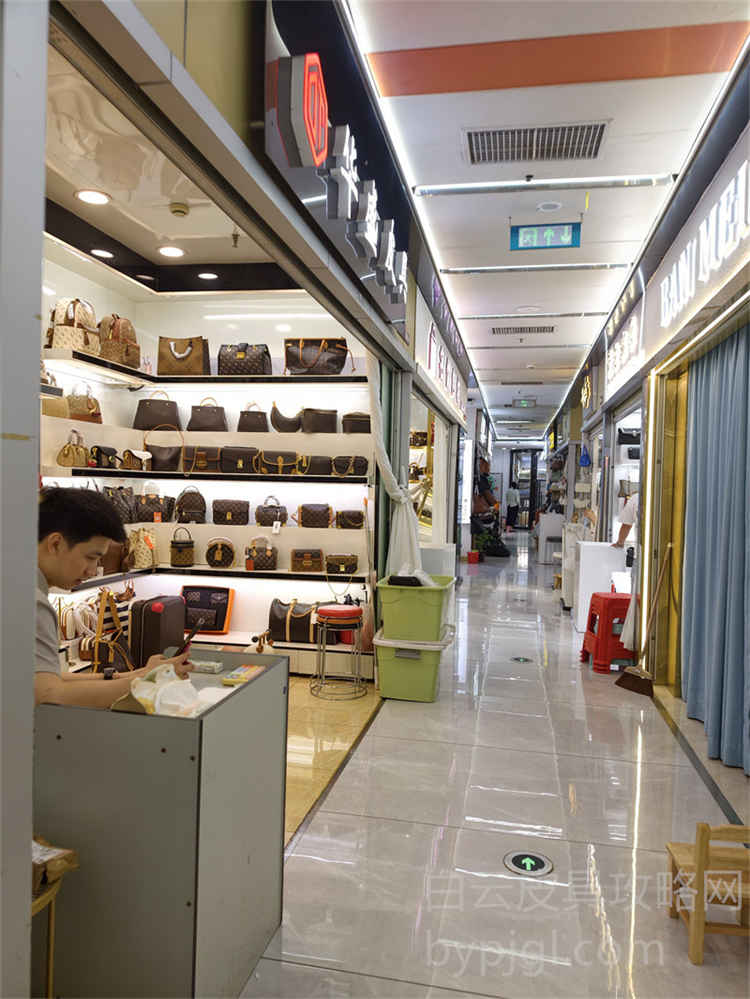
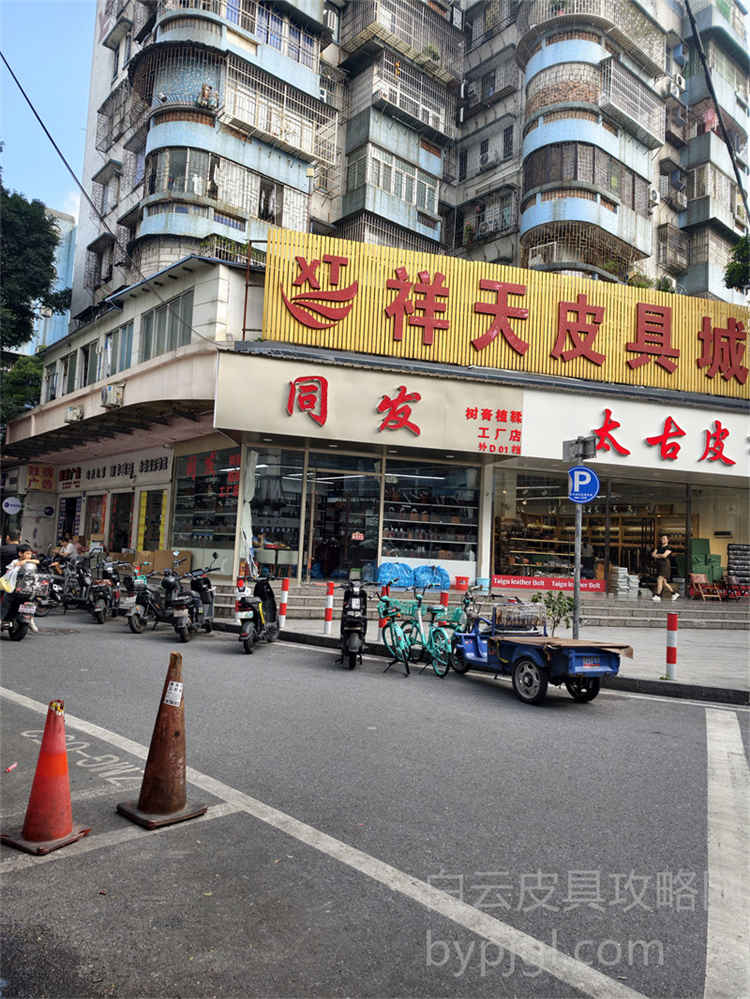
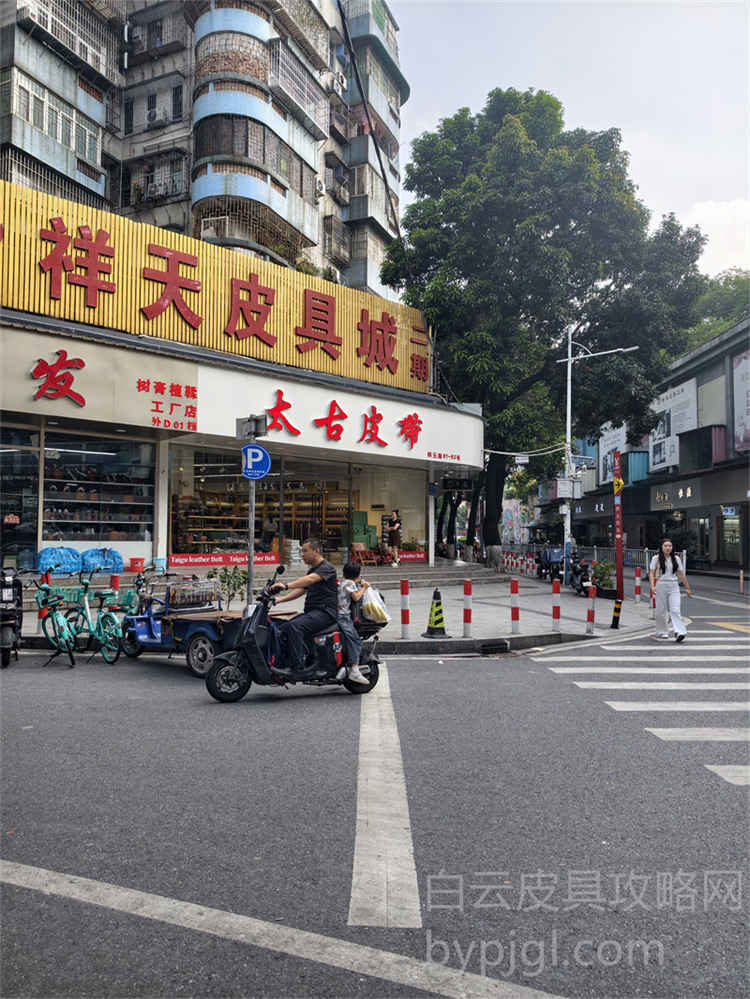
Baiyun is not just one building; it is a sprawling network of connected structures. Most tourists get lost in the ground floor retail areas wher the prices are marked up for foreigners. You need to go deeper. The real action happens on the upper floors and in the smaller alleys connecting the main towers like World Trade Center and Zhongda.
Identifying the Right Stall
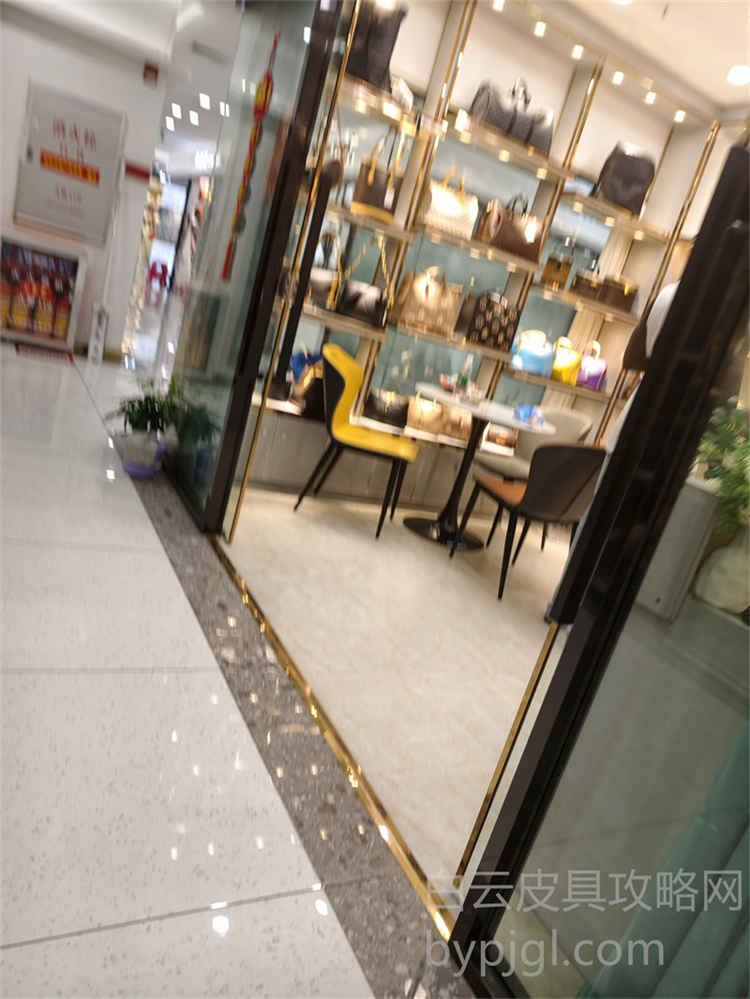
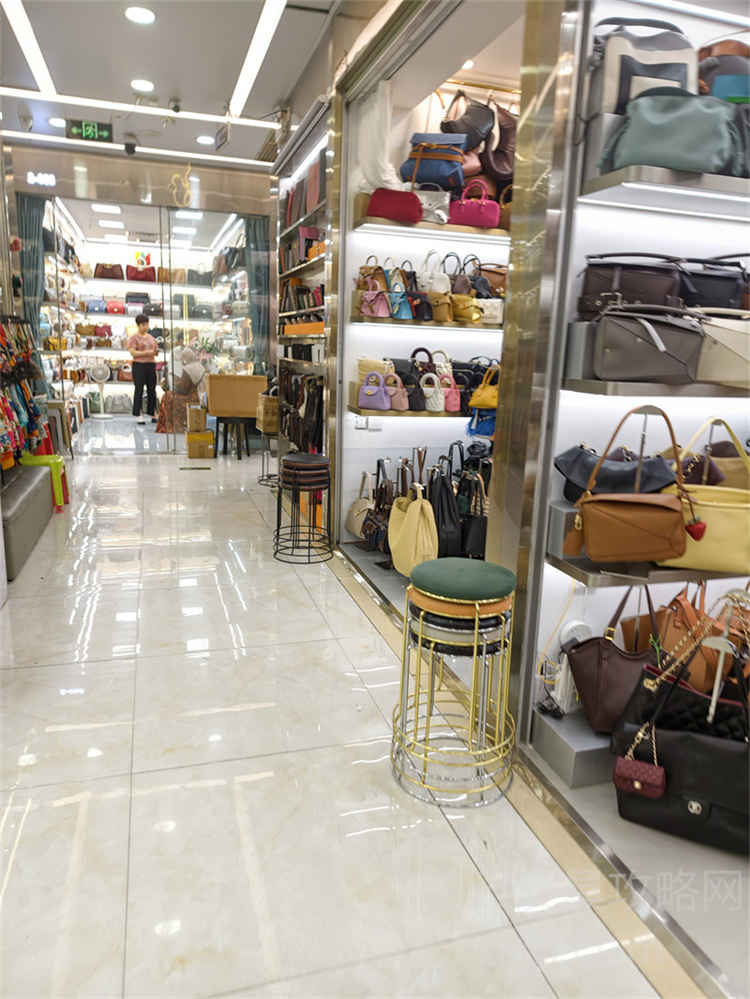
Do not trust the flashy displays in the front. Those are often samples meant to lure you in. Look for stalls with stacks of boxes in the back, not just hanging bags. Ask to see the "factory line" photos. A genuine supplier will show you videos of the cutting process or the stitching machines running. If they hesitate, move on. I remember a buyer last month who spent three hours at a stall only to find out later that the owner was just a middleman reselling goods from a different district. In our trade, transparency is currency. We prefer to build long-term relationships with buyers who know the difference between PU leather and genuine cowhide.
The Art of Inspection and Quality Control
This is wher most people fail. They order based on a photo sent via WhatsApp. Big mistake. Photos can be edited; lighting can hide flaws. When you are here, you must touch everything. Run your hand over the grain. Does it feel soft or plastic-like? Check the smell. High-quality leather has a distinct, earthy scent, wheras cheap synthetics smell like chemicals. I always tell my clients to bring a magnifying glass if they are worried about the stitching density.
Checking Hardware and Zippers
The hardware tells the truth faster than the leather does. Pick up the bag. Is it heavy? Cheap bags use hollow zinc alloy that feels light as air. Good ones use solid brass or steel. Test the zipper. Does it glide smoothly or stick? A smooth YKK or Riri zipper is a sign of a serious manufacturer. I once had a customer reject a batch because the rivets were slightly uneven. He saved himself thousands of dollars in returns by catching it before shipping. Never skip the tactile inspection.
Negotiation Tactics and Avoiding Common Pitfalls
Pricing in Guangzhou is never fixed. It is a dance. If you ask for the price, I will give you a number. If you accept it immediately, I know you are new. Start by asking for the "wholesale price" or "partner rate." Mention that you plan to buy in bulk next season. This signals that you are a serious business partner, not a tourist looking for a souvenir.
Understanding MOQ and Payment Terms
Many foreign buyers are shocked by the Minimum Order Quantity (MOQ). Some stalls require ten pieces per style, while others might allow five if the price is right. Do not be afraid to negotiate. However, never pay 100% upfront without a deposit contract. A standard deal involves a 50% deposit to start production and the balance before shipment. Always use a secure payment method like Alipay or a bank transfer with clear transaction records. Cash is risky and leaves no paper trail. Also, clarify the shipping terms. Are you paying for DDP (Delivered Duty Paid) or FOB (Free on Board)? This distinction saves you from unexpected customs fees upon arrival.
Building Trust Beyond the Transaction
The market changes fast. New styles appear every week, and old trends fade quickly. To stay ahead, you need a reliable contact. I have seen many buyers switch suppliers every few months because they could not find consistent quality. once you find a stall that understands your standards, stick with them. Build a relationship. Bring gifts, share meals, and treat us like partners, not just customers. In Baiyun, personal connection often leads to better deals and priority production slots during peak seasons.
The Future of Sourcing in Guangzhou
As regulations tighten globally, the industry is shifting towards higher quality and more discreet branding. The days of obvious logos are fading. The future belongs to brands that focus on craftsmanship and material integrity. Whether you are sourcing for your own label or looking for unique pieces, Guangzhou remains the hub. But remember, the key to success lies in your ability to distinguish between the noise and the signal. Come prepared, inspect thoroughly, and negotiate wisely. That is how you win in the leather capital of the world.

 On-site Visits
 Free Sharing
 Avoid Scams
 Updated Frequently
 For Reference Only