
Why You Need to Step Out of the Digital World and Into Guangzhou
Listen, I have been standing behind this counter in the Baiyun Leather City for over fifteen years. I have seen thousands of buyers come through these doors, from young entrepreneurs just starting out to seasoned importers looking for their next big hit. Most of them start their journey online, scrolling through endless "Guangzhou bag wholesale websites" or checking Alibaba listings late at night. They think they can find the perfect deal with a few clicks. But let me tell you something straight from the floor: you cannot feel the leather, smell the glue, or judge the stitching quality on a screen. The real magic happens when you walk into the market, stand face-to-face with the boss, and touch the product yourself.
I know what you are thinking. "Is it worth the trip? Is it safe? How do I even navigate this maze?" These are valid questions. The internet is full of noise, fake suppliers, and misleading photos that make a cheap PU bag look like Italian calfskin. That is why I am writing this not as a corporate marketing team, but as an old shop owner who wants you to succeed. If you want to build a sustainable business, you need to understand the rhythm of the wholesale markets here in Guangzhou. It is chaotic, loud, and incredibly fast-paced, but if you know how to play the game, the rewards are massive.
Navigating the Physical Market: More Than Just a Website
The Reality of online Listings vs. In-Store Truth
When you search for "Guangzhou Baiyun leather city wholesale," you will find hundreds of sites claiming to be your direct source. Some are legitimate agents, but many are just middlemen reselling photos they stole from other shops. Here is the hard truth: a website photo is often taken under studio lighting with a filter that hides the texture flaws. When you visit my stall, we talk about the specific grade of material we use. We discuss the hardware weight, the lining fabric, and the thread count. You can negotiate on the spot. On a website, you are stuck with fixed prices and generic descriptions. Walking into the market allows you to see the actual inventory, not just the "hero products" they show online.
Understanding the Layout of Baiyun and Surrounding Hubs
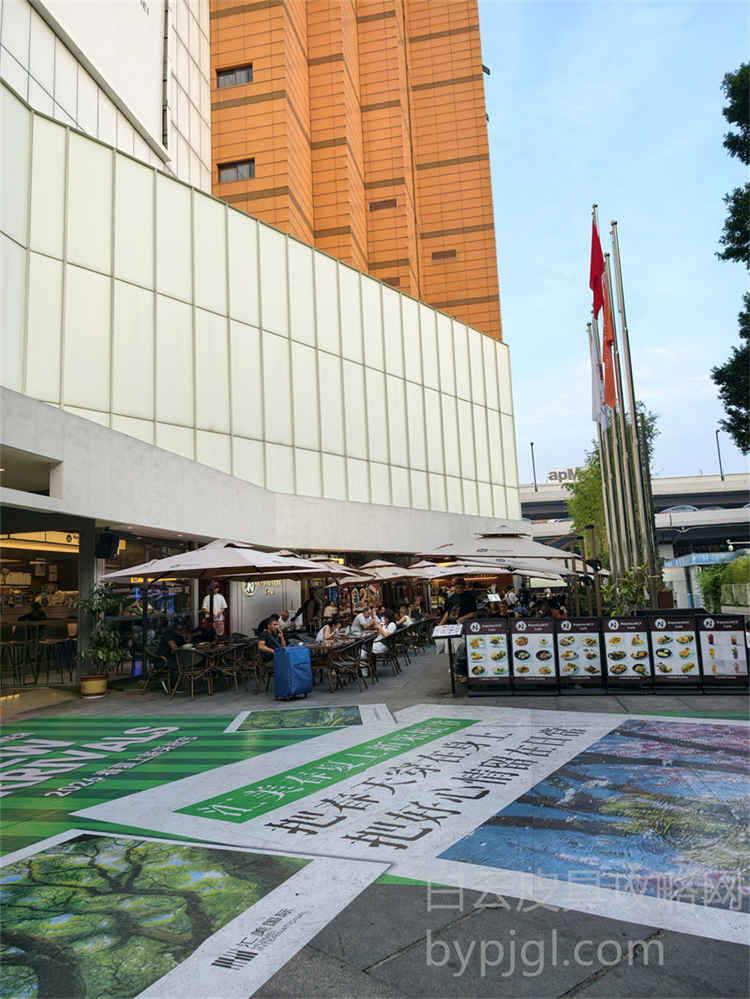
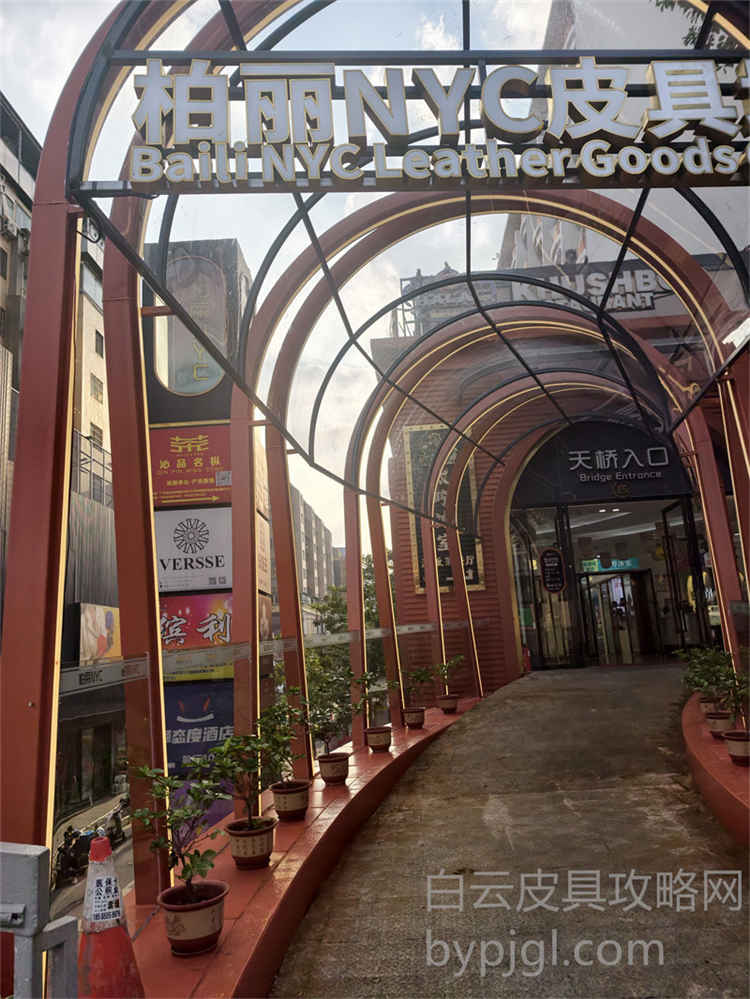
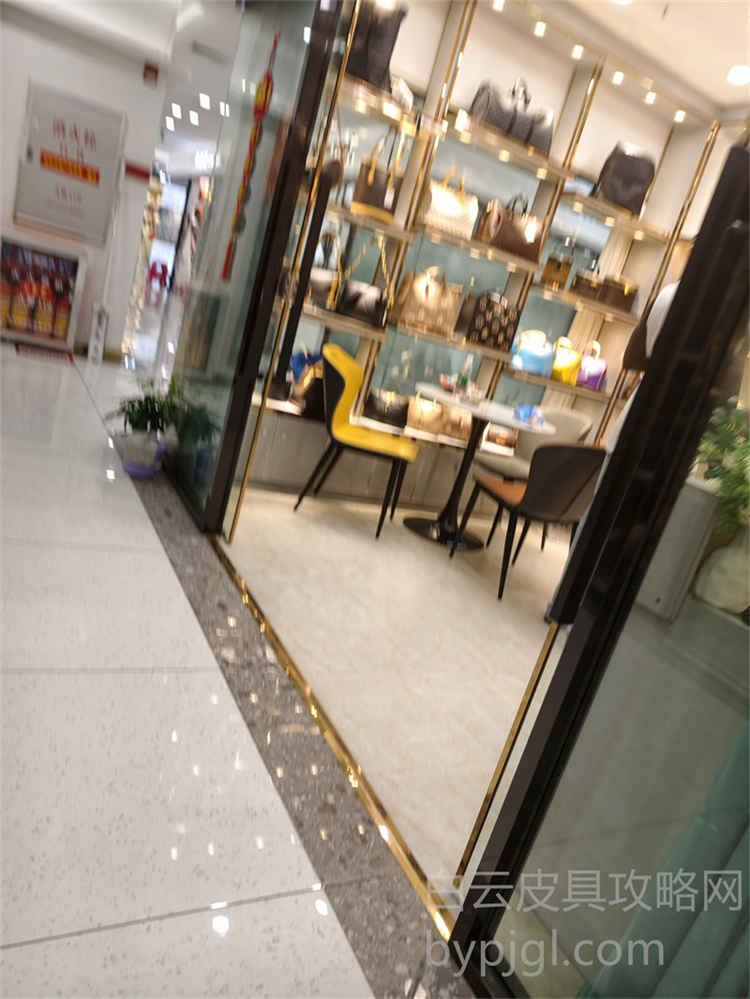
The market isn't one single building; it is a sprawling ecosystem. Baiyun Leather City itself is the heart, but there are dozens of connected buildings like the International Trade Center and the nearby Shiqiao area. Each building has its own vibe and price point. Some floors cater to high-end craftsmanship, while others focus on volume and speed. As a local, I know which elevators to take to avoid the crowds and which corridors hold the best hidden gems. If you rely solely on a website, you miss this geography. You might end up paying retail prices because you visited the wrong section. My advice is to spend your first day just walking around without buying anything. Get a feel for the flow of traffic and the energy of the different zones.
Building Relationships with the Stall Owners
This is the most critical part that no website can replicate. In Guangzhou, business is built on trust and relationships. When you walk into a stall, the way you greet the owner matters. Do not act like a tourist; act like a partner. Ask about their production capacity, their lead times, and how they handle defects. If you treat them with respect, they will open up. They might show you samples that are not listed on any website yet. They might give you a better price because they see you are serious about building a long-term partnership. A website transaction is cold and impersonal. A handshake deal in a bustling warehouse creates loyalty. once an owner knows you are a reliable buyer, you become a priority customer, and that means better stock allocation during peak seasons.
The Art of Selecion and Quality Control on the Floor
Hands-On Inspection Techniques
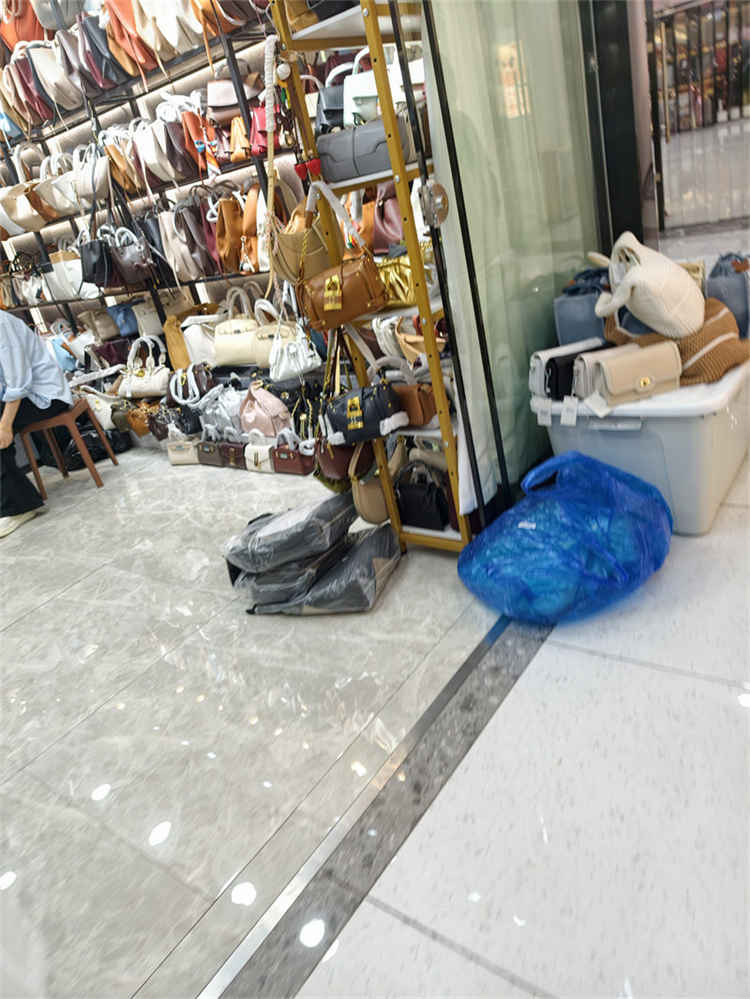
When you are standing in front of a stack of bags, how do you know if the quality is good? You have to get your hands dirty. Squeeze the bag to check the structure. Does it hold its shape, or does it collapse? Run your fingers along the seams to feel for uneven stitching. Check the zippers; do they glide smoothly or catch? Look at the inside lining; is it fraying or loose? These details are impossible to verify through a digital catalog. I always tell my international clients to bring a small flashlight to check the interior stitching and a magnifying glass if they are worried about the grain of the leather. We test everything together right there on the counter. This immediate feedback loop saves you from receiving a container full of subpar goods later.
Selecing the Right Products for Your Market
Just because a design looks trendy on a website does not mean it will sell in your country. Trends vary wildly between regions. What is hot in Europe might be outdated in North America. By being here, you can ask me, "What is selling well this week?" and I can show you the actual sales data from our register. We can discuss color palettes, sizes, and styles that fit your specific demographic. You can mix and match items on the spot to create a cohesive collection. This level of customization and market intelligence is something you simply cannot get from a static e-commerce platform. You are essentially hiring a local consultant who lives and breathes the fashion industry every single day.
Negotiation, Logistics, and Avoiding Common Pitfalls
The Dance of Negotiation and Pricing
Pricing in Guangzhou is never fixed. It is a negotiation. The price on a website is often a starting point, but the real price is determined by your order volume and your relationship. When you are in the store, you can discuss tiered pricing. "If I buy fifty pieces, what is the best rate?" "Can we offer a discount if I pay cash today?" I have seen buyers lose money because they were too shy to negotiate or too aggressive and offended the supplier. The key is to be firm but friendly. Understand the cost structure. If the price seems too low, it usually means the materials are compromised. Don't be afraid to ask, "Why is this cheaper than the other stall?" Honest owners will explain the difference in materials or labor costs. This transparency builds trust and ensures you are getting fair value.
Logistics and Shipping Without the Headaches
once you have seleced your goods, the next challenge is getting them home safely. Many online sellers claim to handle shipping, but they often use slow, unreliable methods. Here in the market, we have established relationships with freight forwarders who specialize in air and sea cargo. We can arrange pickup directly from the warehouse, consolidate your orders from multiple stalls into one shipment, and handle all the customs documentation. I can guide you on how to pack the bags to prevent crushing during transit. We can also discuss Incoterms and insurance options. Havin a local contact who understands the logistics chain is invaluable. You avoid the nightmare of lost packages, delayed shipments, and unexpected customs fees that often plague online-only transactions.
Red Flags to Watch Out For
Even with the best intentions, scams happen. Be wary of anyone who asks for 100% payment upfront before you see the goods, especially if you have never met them. If a website promises "designer quality" at rock-bottom prices, run. Real craftsmanship costs money. Another red flag is a lack of physical address or refusal to meet in person. If they insist on communicating only via email or chat apps without a video call or site visit, they might not exist. Always verify the business license and check reviews from other buyers who have actually visited the market. Trust your gut. If something feels off, walk away. There are plenty of honest suppliers in Guangzhou willing to work with you fairly.

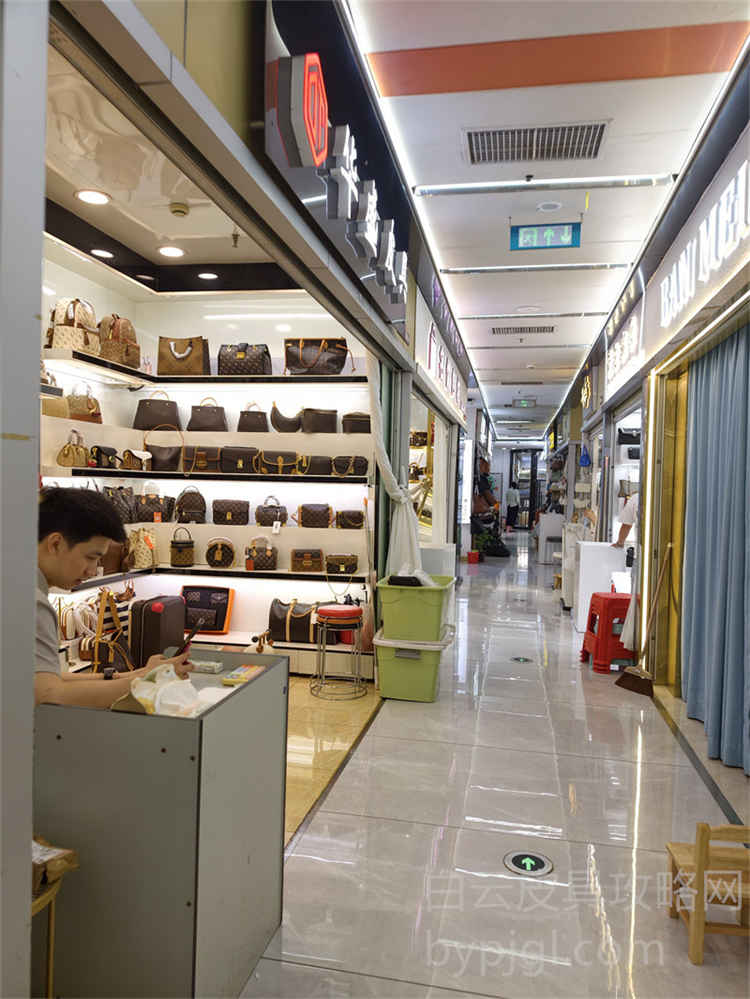
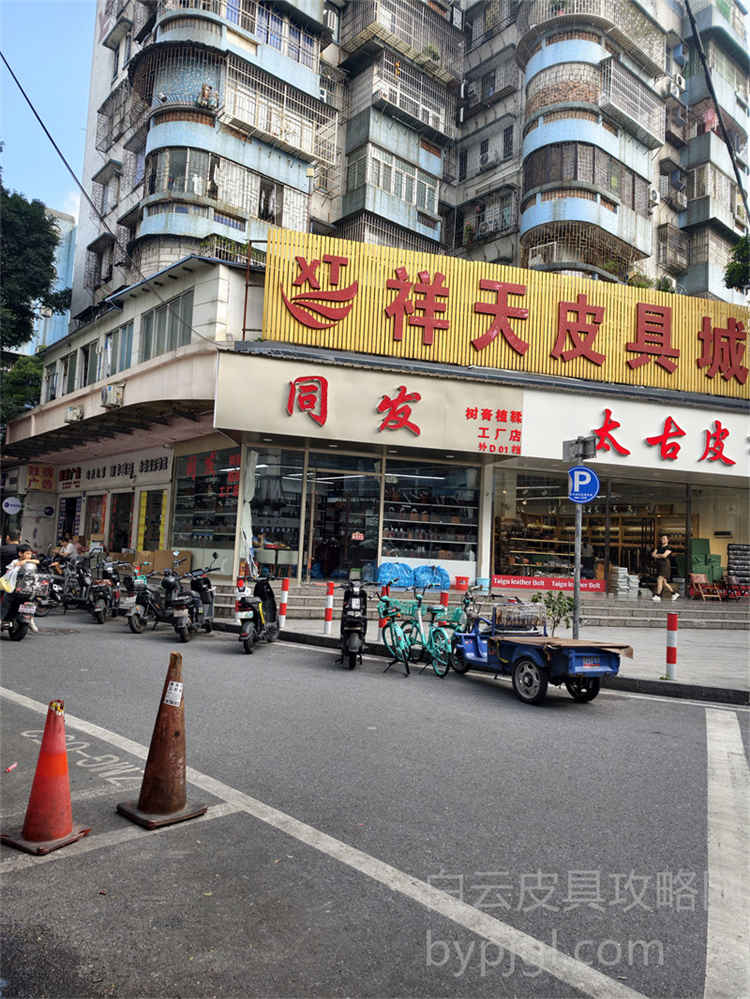
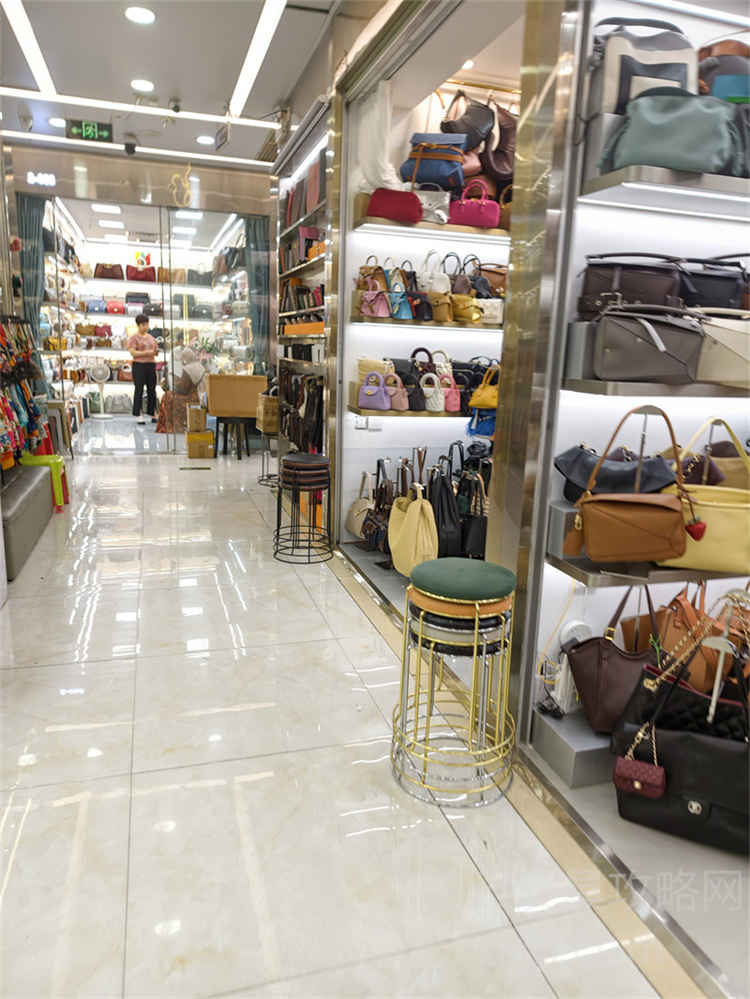
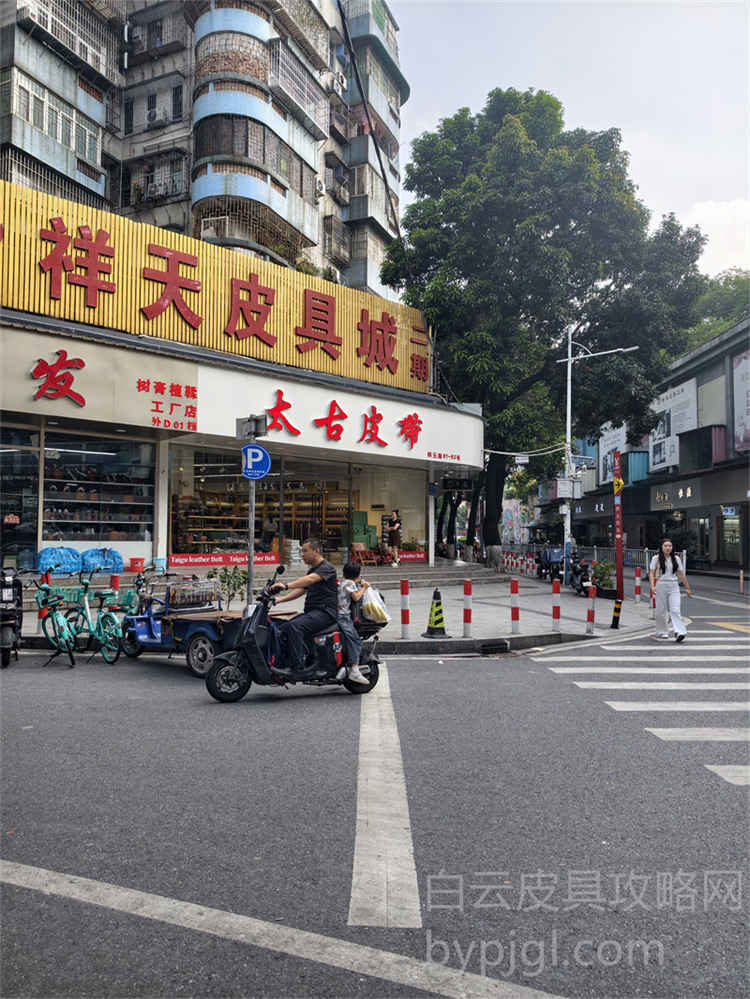
 On-site Visits
 Free Sharing
 Avoid Scams
 Updated Frequently
 For Reference Only