

Walking the Floors: My Real Talk on Sourcing High-End Leather in Guangzhou
I have been standing behind this counter in Baiyun for over twenty years. While you might see me as just another shop owner, I am actually a witness to the evolution of the leather trade here. You are probably asking about those bags that look exactly like the famous ones but carry no logo tags. Let me tell you something straight from the horse's mouth: what you are looking for isn't some cheap knockoff found in a dark alley. It is the result of decades of craftsmanship refinement right here in this district.
The first thing you need to understand is that the market has changed drastically. Ten years ago, you could walk into any stall and find poor quality fakes. Today, the standards are incredibly high. We are talking about materials that rival the originals, stitching that is nearly invisible to the naked eye, and hardware that feels heavy and substantial. If you want to source these items without getting ripped off, you cannot rely on online photos alone. You must come here, put your hands on the leather, and talk to the people who actually make them.
Navigating the Baiyun Leather City Maze
Finding the Right Entrance and Floor
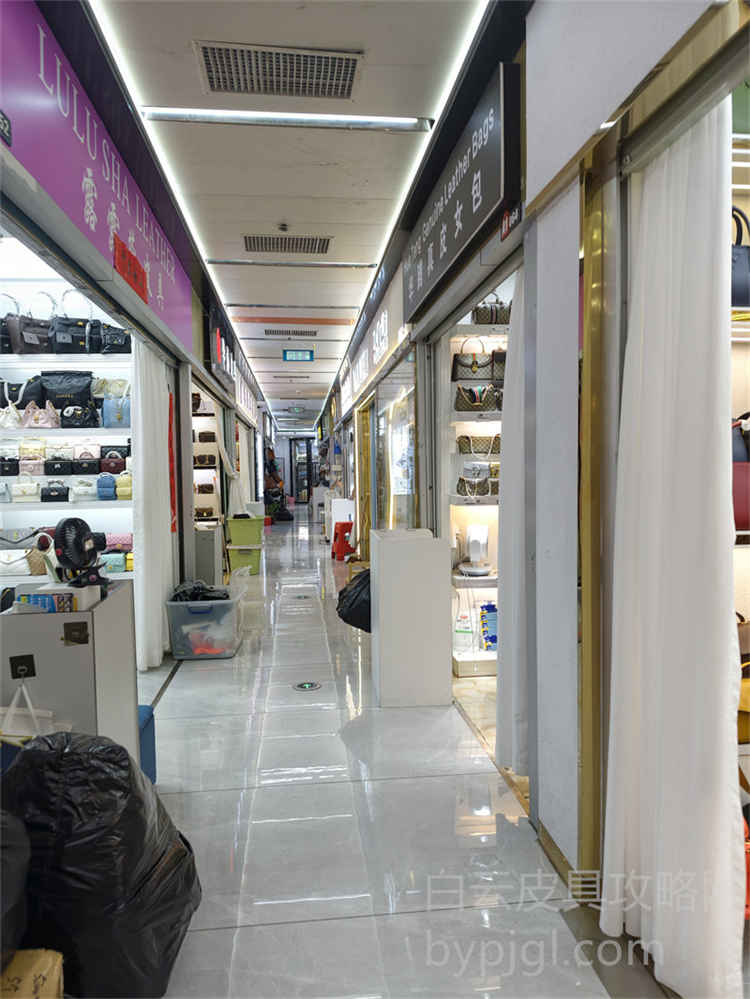
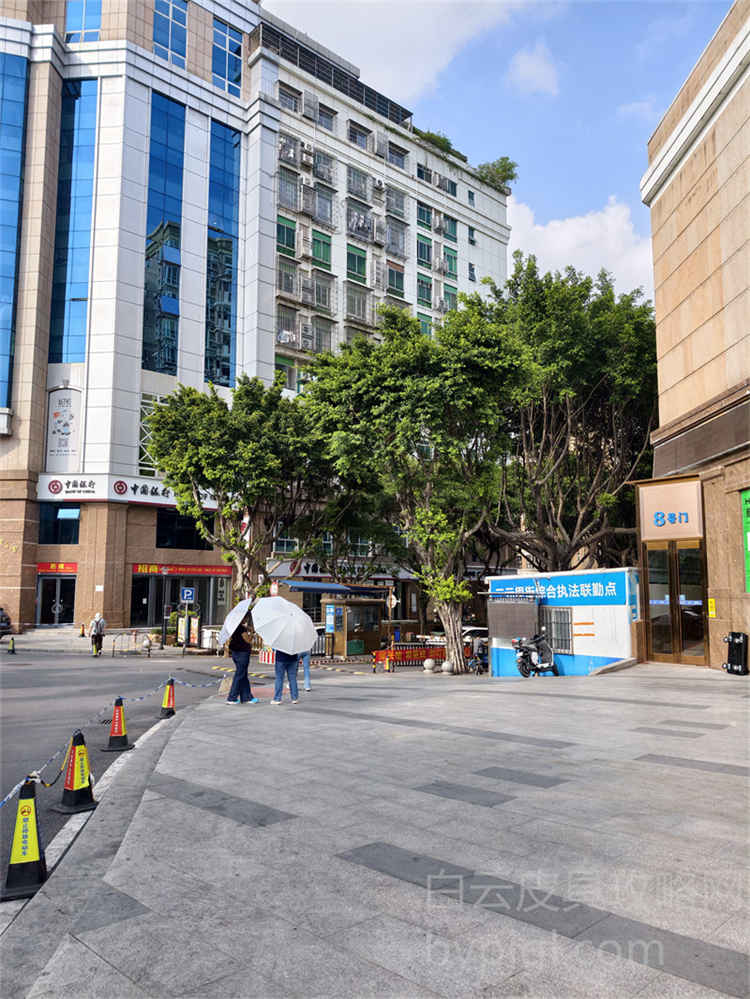
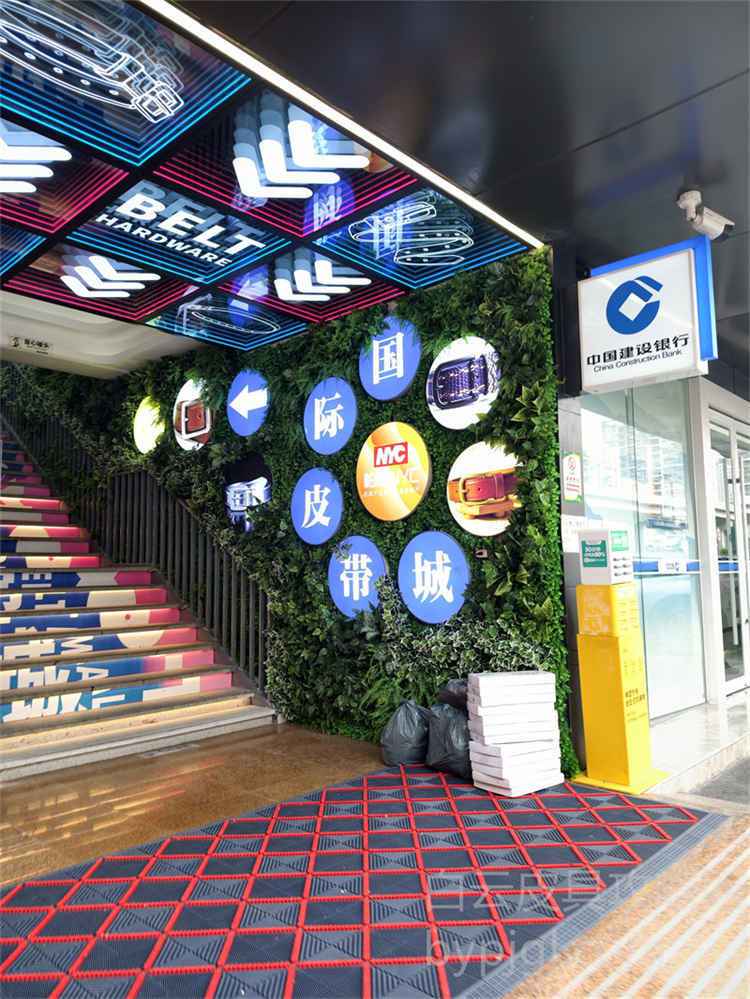
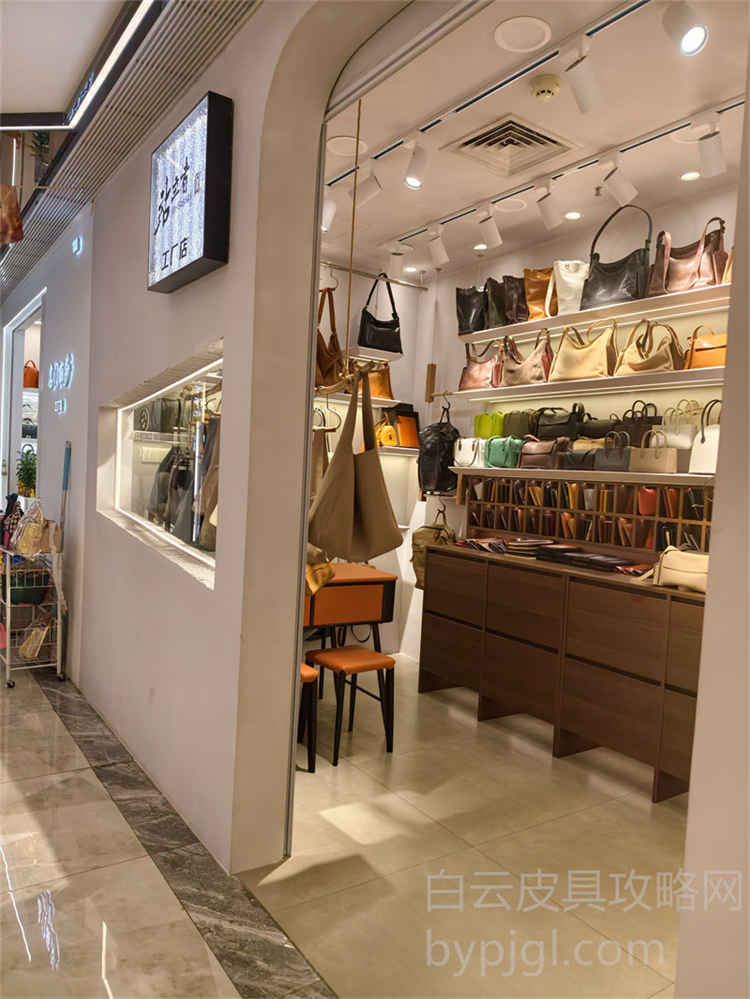
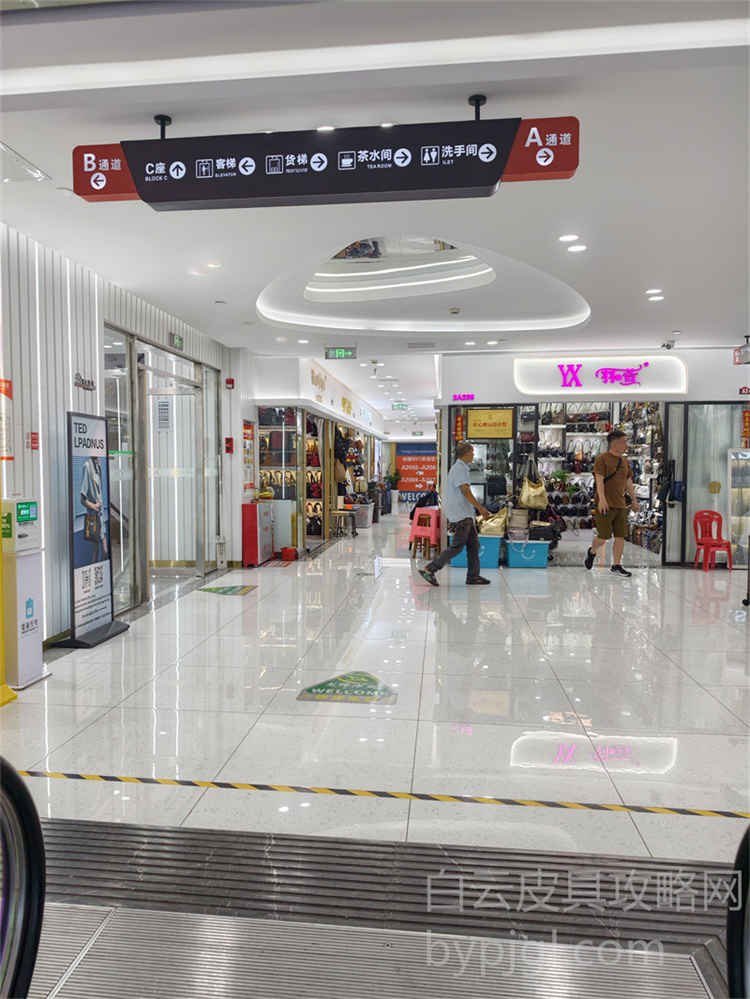
When you step into the Baiyun Leather City complex, it can feel overwhelming. There are so many corridors, so many stalls, and so many people pushing carts. Do not get lost in the main atrium wher the tourists take pictures. The real action happens on the upper floors and in the side alleys. I always advise my international clients to skip the ground floor displays. Those are often just showpieces meant to attract foot traffic. Head straight to the third or fourth floor, wher the serious wholesalers operate.
You will notice that the layout changes slightly depending on which building you are in. Some buildings focus on lower-end goods, while others cater to the premium segment. Look for signs that indicate "high quality" or specific material types. When you enter a stall, do not be shy. Ask to see the "top tier" stock. Most owners know exactly what you mean when you ask for the best version available. They will pull out the bags from under the counter or from the back room. This is wher the magic happens.
Reading the Room and Spotting the Pros
Not every stall owner is honest, but most are pragmatic. You can tell a good supplier by how they handle your questions. If they start listing technical details about the leather grain, the type of wax used on the edges, or the alloy composition of the zippers immediately, you are in the right place. A bad seller will try to sell you a story about why their product is unique without showing you the actual item. A good seller will let you touch, smell, and inspect the bag until you are satisfied.
Pay attention to the staff. In the top-tier shops, the salespeople are often former artisans or have worked in the industry for years. They can explain the difference between cowhide and lambskin, or why one bag costs more than another even if they look identical. They know the nuances of the production process. If you ask about the lining or the internal pockets, they should be able to answer with precision. This level of detail is what separates the genuine wholesale experience from a tourist trap.
The Art of Inspection and Negotiation
Hands-On Quality Control
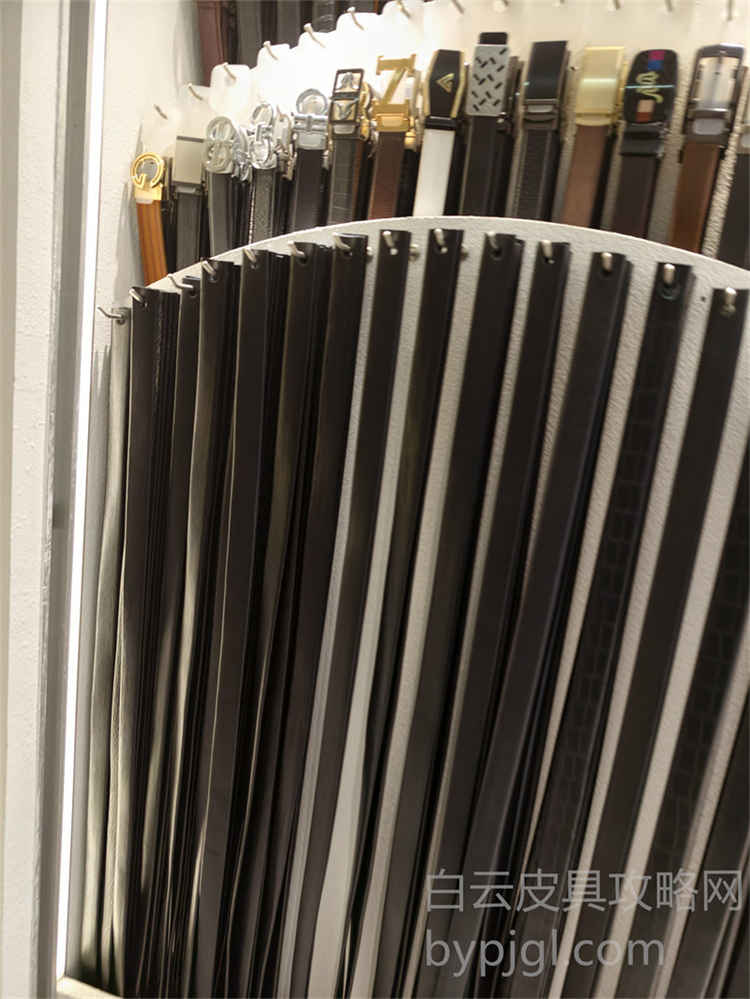
once you have seleced a few candidates, the real work begins. Do not just look at the front of the bag. Turn it around. Check the stitching density. Count the stitches per inch; consistency is key. Run your fingers along the edges to feel the waxing. Is it smooth? Does it rub off on your hand? Inspect the hardware closely. Open and close the zippers multiple times. Listen to the sound. A high-quality zipper should glide silently and smoothly, not click or stick. Check the magnetic clasps and the alignment of the gussets.
Smell is another critical factor. Cheap leather smells chemical and sharp. Good leather has a distinct, earthy scent. If the bag smells like plastic or glue, walk away. Also, check the weight. Many of these bags are designed to mimic the heft of luxury items. If a bag feels too light, the materials are likely inferior. Take your time. Spend at least ten minutes with each bag. If the owner gets impatient, move to the next stall. Patience pays off in this market.
Talking Numbers and Building Trust
Negotiation is an art form here. Prices are rarely fixed, especially if you are buying in bulk. Start by asking for the "wholesale price" or the "factory direct price." Be prepared to hear a number higher than what you expect initially. This is standard practice. once you establish a rapport, you can discuss discounts. If you are buying five pieces or more, you have leverage. Mention that you are planning a long-term partnership or that you will bring friends from other cities next time.
Do not be afraid to ask for samples first. Many suppliers are willing to send a single piece for inspection before you commit to a large order. This builds trust. If you decide to buy a batch, agree on the payment terms carefully. Cash is king, but bank transfers are becoming more common for larger orders. Always get a receipt or a detailed invoice that lists the specifications of the items. This protects both parties and ensures there are no misunderstandings later.
Avoiding Pitfalls and Ensuring Success
Red Flags to Watch For
There are several traps that new buyers fall into. One common mistake is focusing solely on the lowest price. In this industry, if a deal seems too good to be true, it usually is. The cost of high-quality leather and skilled labor is significant. A bag sold for a fraction of the market rate is almost certainly made with inferior materials. Another red flag is a seller who refuses to let you inspect the goods thoroughly. If they say, "No touching," or "Just take the photo," run. You need to see the product before you pay.
Also, be wary of sellers who promise "100% original" or claim they have access to factory secrets. No one has access to the official factories of major brands. Instead, look for sellers who are transparent about their sourcing and manufacturing capabilities. They will admit that they produce high-end replicas based on public designs, not stolen blueprints. Honesty goes a long way in building a sustainable business relationship.
Logistics and Shipping Considerations
once you have secured your order, think about logistics. Shipping these items internationally requires careful planning. Most suppliers in Baiyun have relationships with freight forwarders who specialize in handling leather goods. They can help you pack the bags securely to prevent damage during transit. However, you need to be aware of customs regulations in your country. Different regions have different rules regarding imported goods. It is your responsibility to ensure compliance. Work with your supplier to choose the right shipping method, whether it is air freight for speed or sea freight for cost efficiency.
Finally, remember that building a network is more valuable than a single transaction. The contacts you make in Baiyun today could lead to exclusive deals tomorrow. Keep in touch with the owners, share feedback, and treat them with respect. This market runs on relationships. If you approach it with integrity and a willingness to learn, you will find that the opportunities here are endless. Come with an open mind, trust your instincts, and enjoy the process of discovering what makes this city the hub of global leather craftsmanship.


 On-site Visits
 Free Sharing
 Avoid Scams
 Updated Frequently
 For Reference Only