
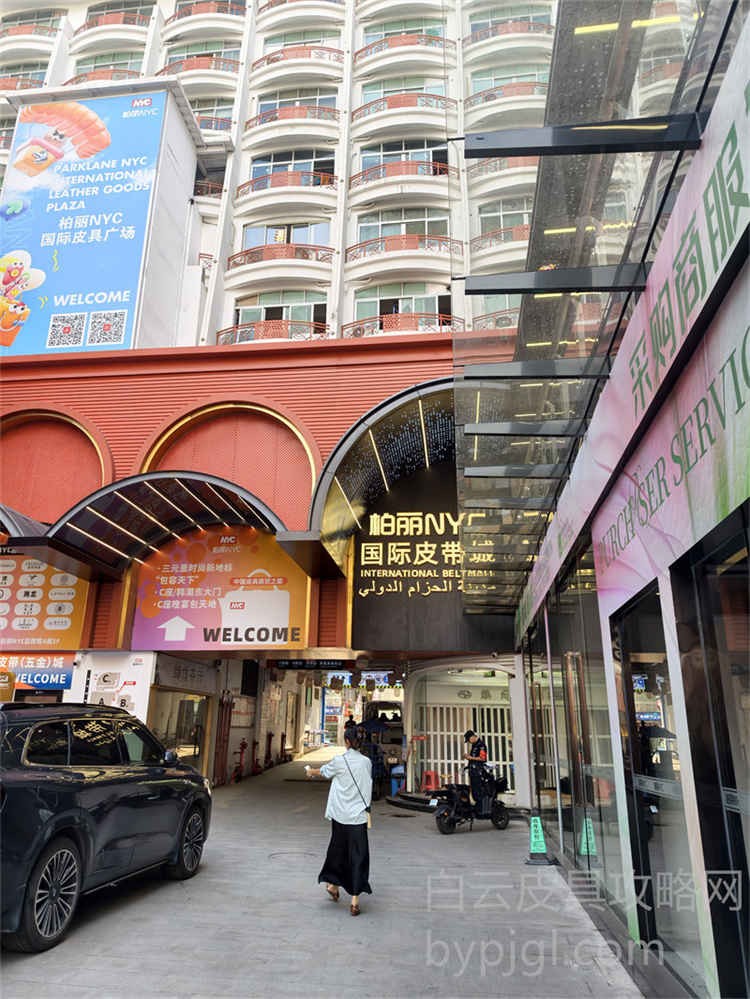
The Real Deal: Inside Guangzhou's Leather Goods Market
Welcome to the heart of the global replica trade. I've been standing behind my counter in the Baiyun District for over fifteen years, watching the industry evolve from small, hidden workshops to massive, sophisticated showrooms. You might be searching for "Guangzhou largest high-end replica bags," but let me tell you, that search term is a trap. The biggest market isn't about size; it's about the hierarchy of quality and the sheer volume of inventory that only exists here.
When foreign buyers first walk into the Baiyun World Trade Center or the nearby Zhongda market, they are often overwhelmed. They see thousands of bags stacked floor-to-ceiling. But if you don't know wher to look, you will end up with low-quality junk that falls apart after two weeks. My job isn't just to sell you a bag; it's to teach you how to navigate this labyrinth so you can find the absolute best product without getting ripped off.
Navigating the Giants: Wher the Best Quality Lives
Many people think the "largest" market is the one with the most square footage, but in Guangzhou, the real power lies in specific buildings within the Baiyun district. If you are looking for top-tier replicas, often referred to as "1:1" or "original version," you need to skip the street-level stalls and head straight for the upper floors of the World Trade Center (WTC) and the Da Dong Fang building.
The Hierarchy of Floors
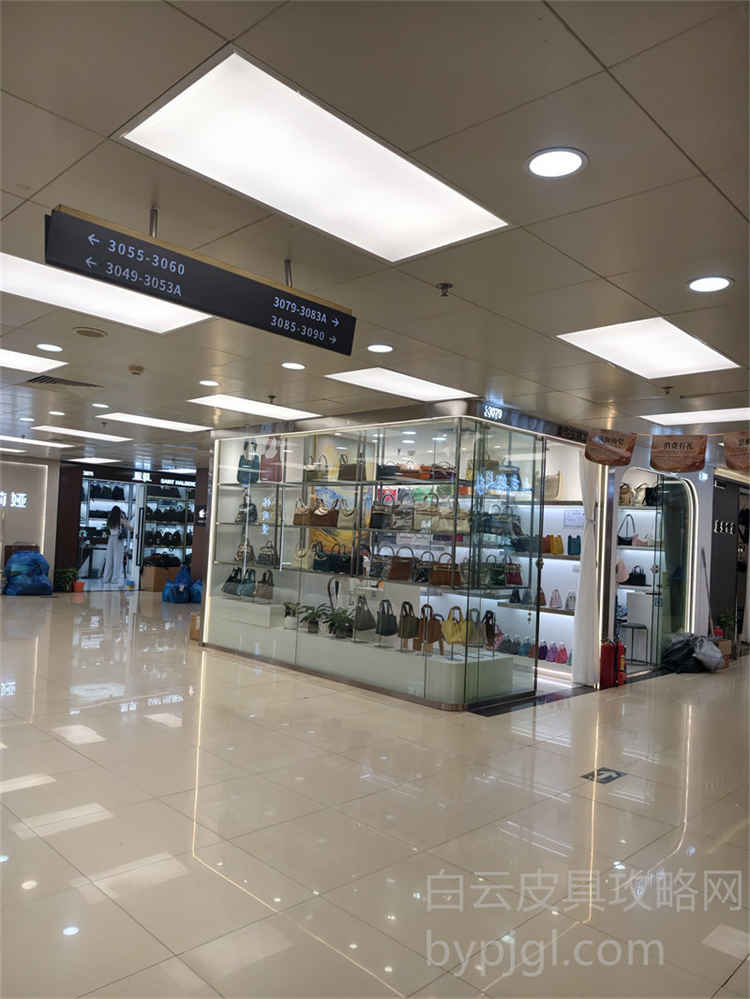
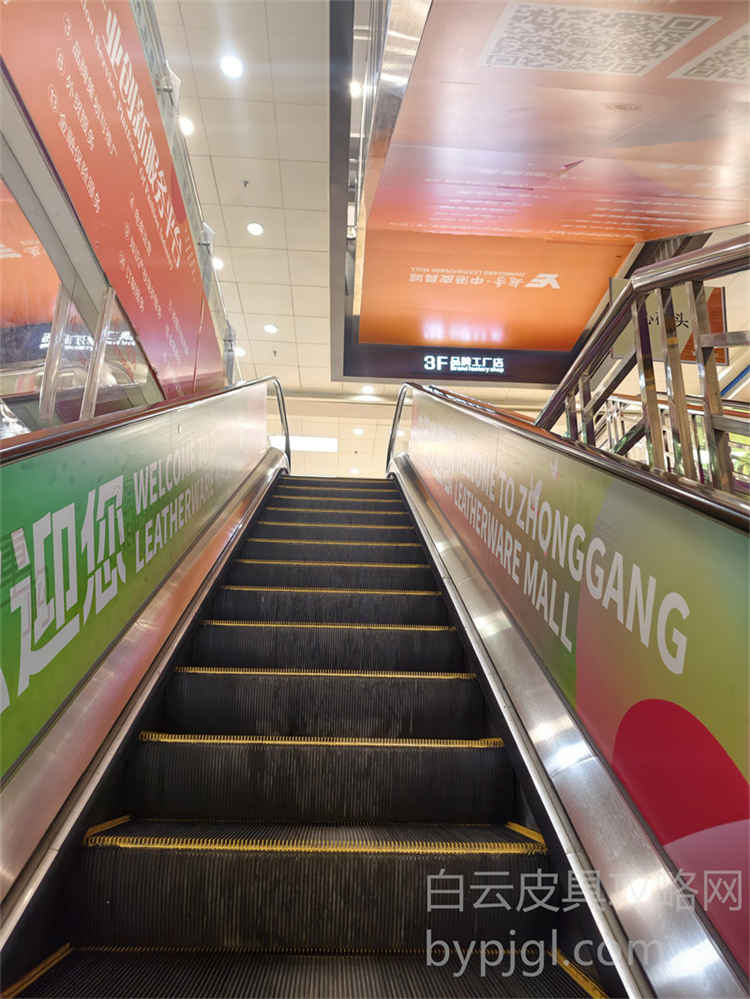
Let's break down the layout because it matters more than you think. On the ground floor of WTC, you will find mass-produced goods meant for tourists or low-budget resellers. The leather is thin, the stitching is sloppy, and the hardware feels like cheap plastic. However, climb to the 4th or 5th floor, and the game changes completely. This is wher the "top tier" factories operate their private showrooms.
I have seen clients spend hours on the lower floors only to realize they were looking at second-rate products. The real action happens upstairs. These floors are less crowded, the staff speaks better English, and the prices reflect the superior craftsmanship. For example, a Louis Vuitton Neverfull copy on the ground floor might cost $60, while the same model on the 5th floor, made with genuine cowhide and YKK zippers, will run you $180-$220. The difference is night and day.
Specific Hotspots for Premium Goods
If you want concrete advice, here is exactly wher you should go. In the World Trade Center, focus on the corridor leading to the elevators on the 4th floor. Look for shops with names like "Top Grade Leather" or "Original Factory Direct." One specific stall, often located near the central atrium on the 5th floor, has a reputation for sourcing materials directly from the same tanneries used by luxury brands. Another spot worth mentioning is the "Golden Eagle" building nearby, specifically the 3rd-floor section dedicated to Hermès-style bags. The artisans there use saddle stitching, which is a hallmark of true luxury construction.
Do not trust online photos alone. A photo of a bag can be retouched to hide flaws. You must physically touch the leather. When I meet clients, I always ask them to rub the bag against their cheek. Genuine calfskin feels warm and soft; synthetic PU feels cold and plasticky. This simple test saves hundreds of dollars in bad purchases.
The Art of Inspection: What Separates Good from Great
once you are in the right building, the next challenge is inspection. Most overseas buyers make the mistake of focusing only on the logo. That is amateur hour. The devil is in the details. I have spent decades teaching my regular customers what to look for before they hand over the cash.
Hardware and Stitching Analysis
First, check the weight. High-quality hardware is heavy. If a gold-plated clasp feels light as a feather, it is likely zinc alloy with a thin plating that will turn green on your skin within a month. Real luxury hardware uses brass cores. Second, look at the stitching. Luxury brands use a specific stitch count per inch. If you see loose threads or uneven spacing, walk away. In the top-tier markets, the stitching is done by machines calibrated to exact specifications, resulting in a consistent, tight line.
Another critical detail is the date code and stamping. While we cannot replicate the internal security chips of modern brands, the font and depth of the heat stamp matter immensely. I once had a client who bought a bag from a competitor claiming it was "perfect." When he brought it back to me, I noticed the font on the interior tag was slightly too bold. It was a dead giveaway of a lower-quality mold. We exchanged it for a batch from our own factory partner, and the difference was immediate.
Material Sourcing Secrets
Wher does the leather come from? This is the secret sauce. The best vendors in Baiyun source their hides from Italy or France, just like the big brands. They call it "imported calfskin" or "Vachetta leather." If a vendor tells you they use "domestic Chinese leather" for a premium bag, they are lying. Domestic leather is fine for mid-range goods, but for the highest tier, you need imported material. Ask to see the raw hide samples. The texture should be natural, with slight imperfections that prove it is real animal skin, not a perfect, uniform pattern of fake leather.
Dealing and Logistics: How to Buy Like a Pro
Now that you know wher to go and what to look for, let's talk business. Negotiation in Guangzhou is an art form. You cannot simply ask for a discount; you have to build a relationship. The vendors here respect those who understand the value of the product.
Pricing and Volume Strategy
Never buy just one bag if you are planning to resell. The unit price drops significantly when you buy in bulk. A single bag might be quoted at $250, but if you order ten, the price could drop to $190 each. I always advise my international clients to start with a "test order" of three to five pieces to verify quality before committing to a larger shipment. This builds trust between us.
Also, be prepared to pay a deposit. Reputable factories require a 30% to 50% deposit via Western Unio or bank transfer before production begins. If a seller asks for 100% upfront payment without any contract or sample verification, run. That is a red flag for a scam. Legitimate businesses in the Baiyun district are transparent about their terms.
Shipping and Customs Risks
This is the biggest concern for overseas buyers. Shipping replica goods carries risks. I recommend using a freight forwarder who specializes in "duty-free" shipping lines. They know how to package the goods to minimize detection. Do not ship via standard postal services like DHL or FedEx unless you are willing to risk customs seizure. Instead, use air cargo lines that consolidate packages and declare them as "gifts" or "samples" with lower values. I have a trusted contact, Mr. Chen, who handles logistics for many of my foreign clients. He ensures the packaging is discreet and the tracking is reliable.
Summary of Key Market Locations and Tips
| Market Area | Floor Level | Quality Tier | Recommended For |
|---|---|---|---|
| World Trade Center (WTC) | Ground Floor | Low/Mid | Tourists, Low Budget |
| World Trade Center (WTC) | 4th & 5th Floor | High/Top Tier | Resellers, Quality Seekers |
| Da Dong Fang | 3rd Floor | Premium | Hermès Style, Handbags |
| Zhongda Market | Upper Levels | Mixed | Bulk Orders, Accessories |
In conclusion, finding the "largest" high-quality replica market in Guangzhou is not about finding the biggest building. It is about knowing the specific floors, the specific vendors, and the specific details that define quality. The Baiyun district is a treasure trove for those who take the time to learn its secrets. By visiting the upper floors of the World Trade Center, inspecting the leather and hardware personally, and negotiating with volume in mind, you can secure the best products available anywher in the world.
Remember, the goal is not just to buy a bag; it is to build a supply chain that works for you. Come to Guangzhou, walk the floors, touch the leather, and you will see why this city remains the undisputed capital of the leather goods industry. Don't settle for less than the best.

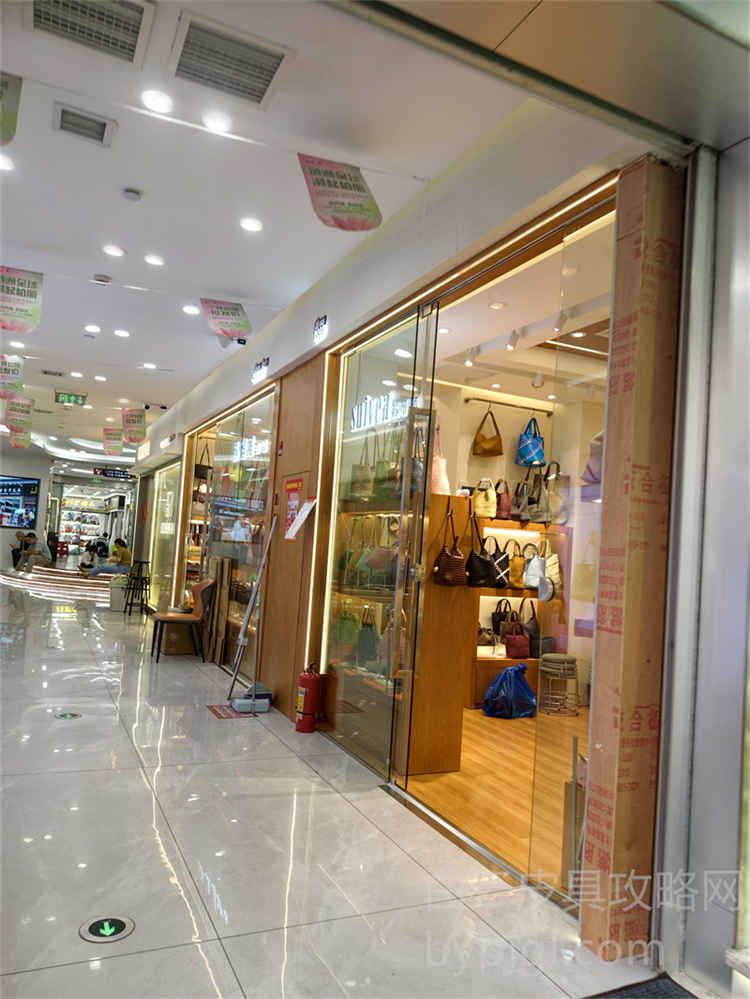
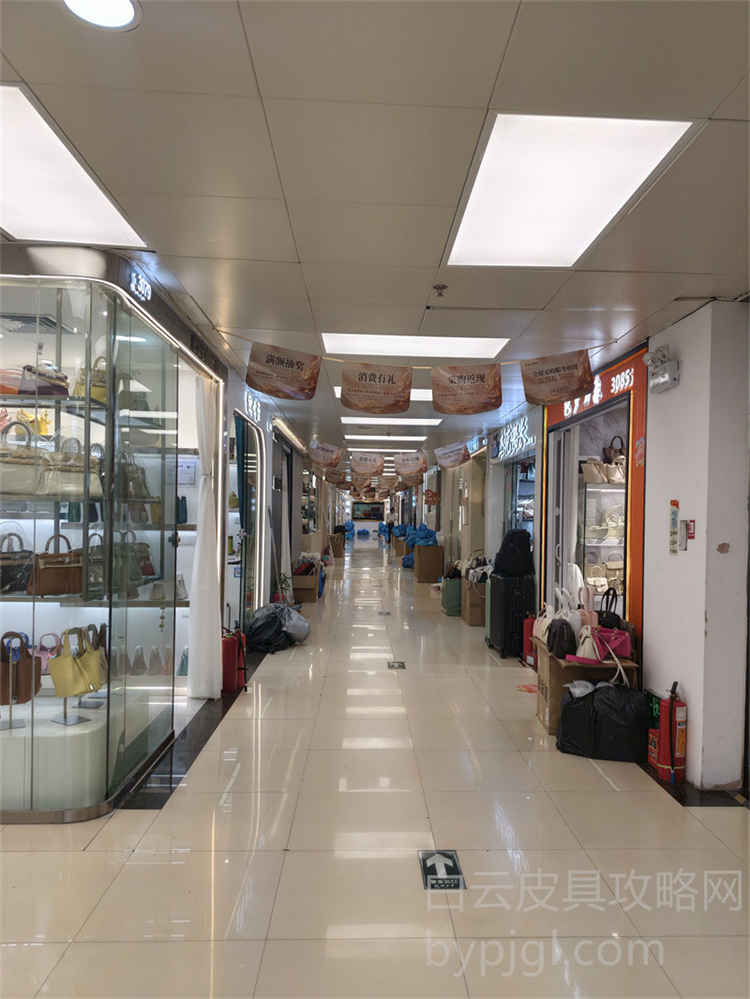
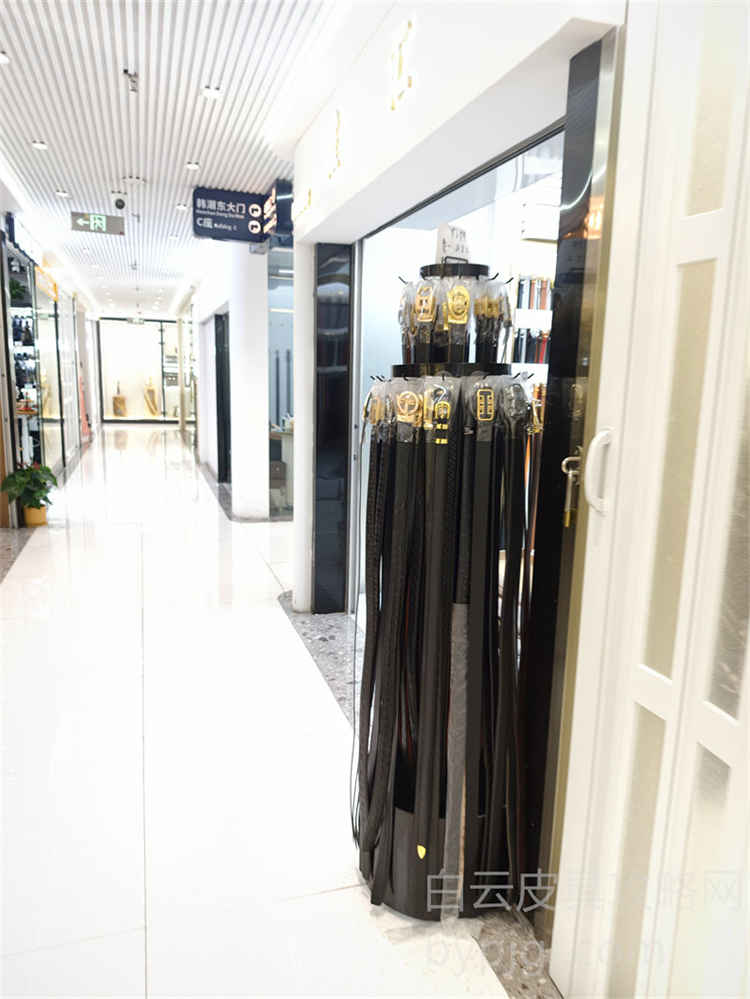
 On-site Visits
 Free Sharing
 Avoid Scams
 Updated Frequently
 For Reference Only