
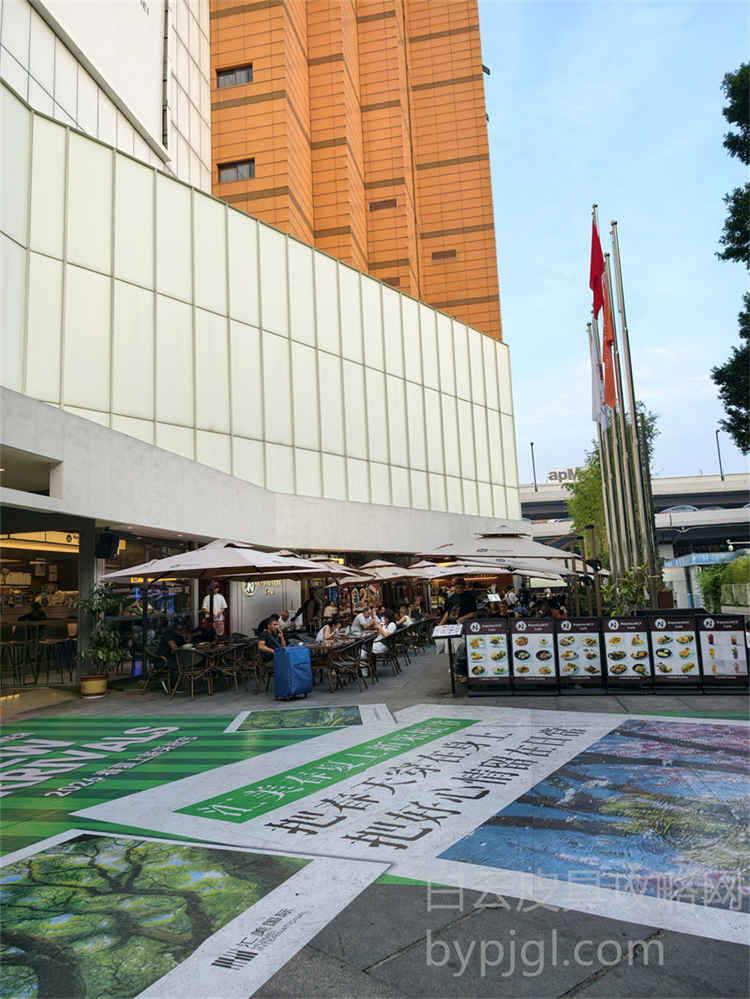
Why You Need to Walk the Floor: My 15 Years in Guangzhou Leather
Listen, I've been standing behind this counter in Baiyun since before your grandparents were born. People keep asking me online, "Wher can I buy replica bags in Guangzhou?" They think there is a magic shop with a neon sign that says "High Quality Fakes." It doesn't exist. If you show up looking for that, you will get walked out of the building faster than you can say "Louis Vuitton." The truth is, the real market isn't about selling fakes; it's about the supply chain. In my experience dealing with overseas buyers, the biggest mistake is trying to order from a website or a WeChat chat without seeing the leather first. The difference between a $30 bag and a $300 bag is not the logo; it is the grain, the stitching tension, and the hardware weight. You have to be here to feel it.
Navigating the Concrete Jungle: Wher the Real Action Happens
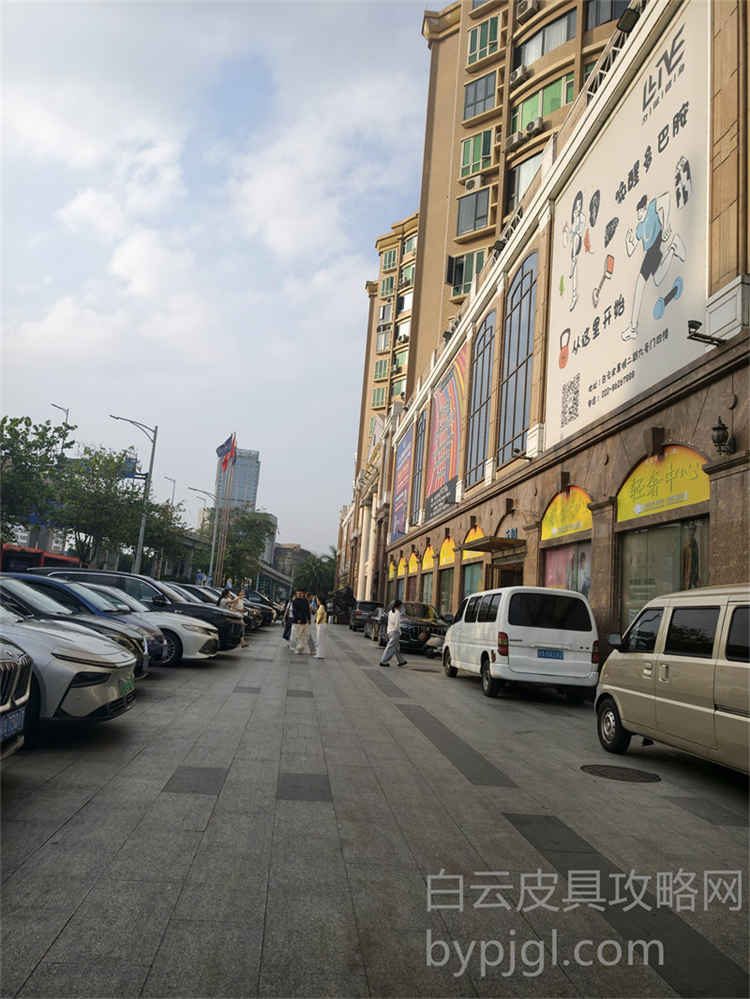
Most tourists go straight to the big tourist traps near the train station. That is wher the low-quality junk lives. If you want goods that actually pass inspection, you need to head to the core of the industry: Jiahe World and the surrounding blocks. Let me give you the layout so you don't waste your time walking in circles.
The Golden Zone: Jiahe World Plaza
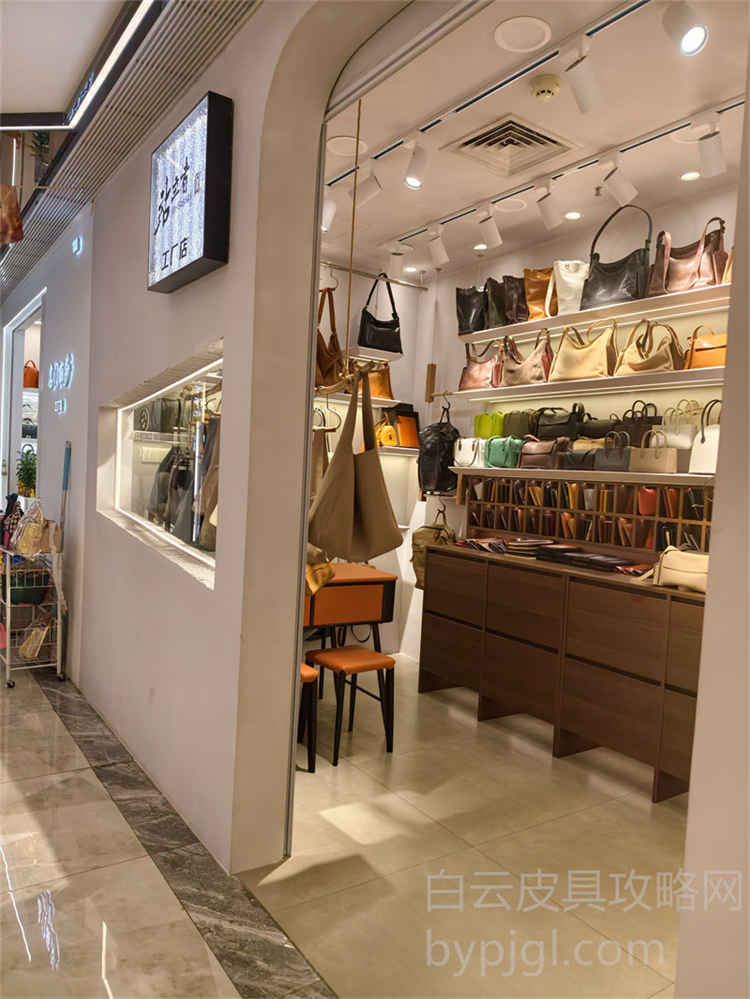
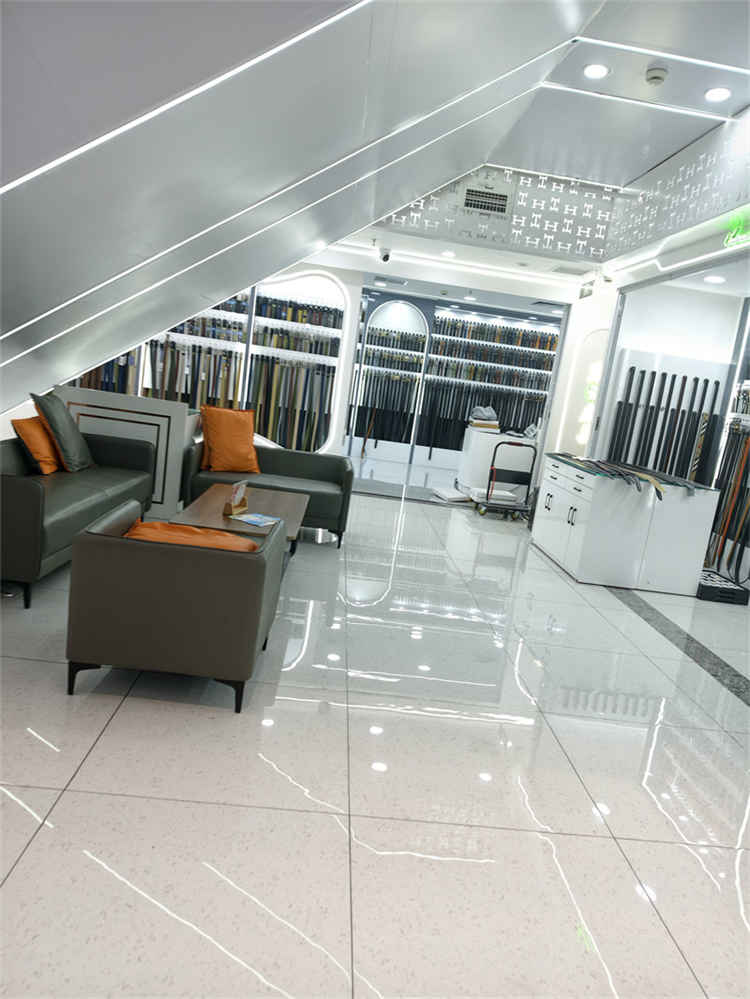
Jiahe World is the new king. It replacd the old chaotic markets with something cleaner, but the quality is still top-tier. Go to the 4th floor immediately. This is wher the "top tier" sellers hang their hats. I remember a buyer from New York last month who wanted to see the "Miyake" line. He went to the ground floor first and saw nothing but cheap PU. He almost gave up until I told him to take the elevator to Level 4. There, at stall number 4B-12, they had the exact same leather as the boutique version. The price difference was huge, but the craftsmanship? Identical. Don't trust the photos on your phone; trust what you see under the fluorescent lights of the 4th floor.
The Hidden Gems: Zhongda and Baima
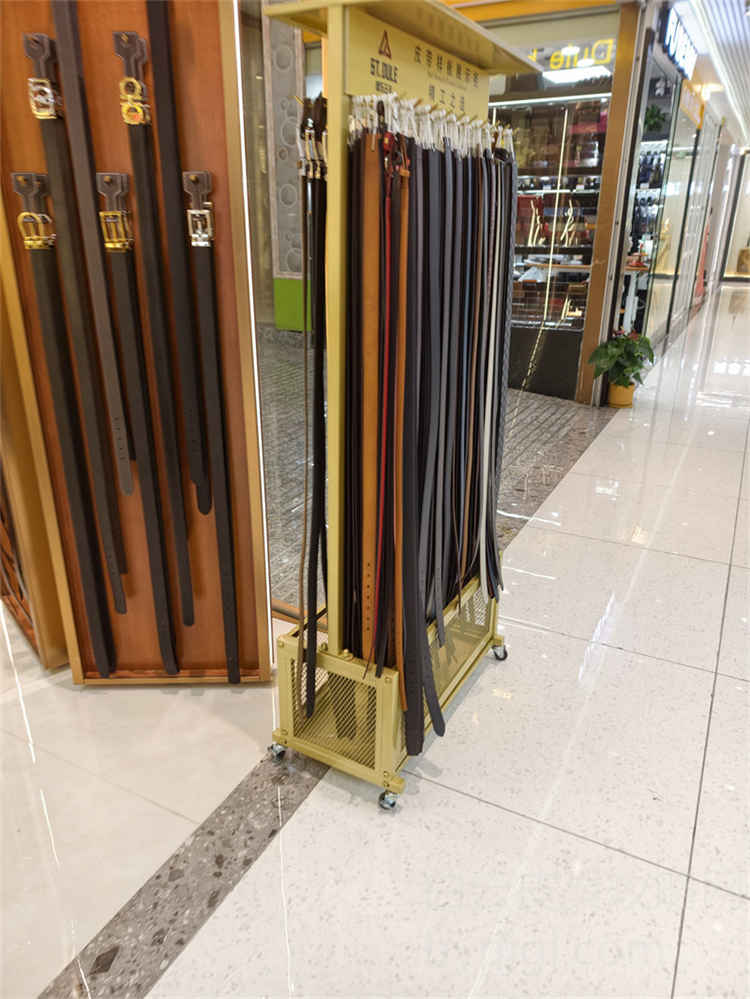
If Jiahe is too crowded, try the older buildings nearby. The Baima Fashion City has some hidden gems on the upper floors, specifically around the 6th and 7th levels. These are often family-run stalls that don't advertise much. One specific stall, run by Uncle Li, specializes in hardware. He doesn't sell the whole bag; he sells the zippers and clasps that make the bag look expensive. If you are sourcing for a brand, talk to him. His contact info is usually passed around via word-of-mouth, not posted online. Another spot is the small alley behind Jiahe called "Leather Street." It's narrow, dusty, and smells like glue and tannin. That is wher the raw materials come from. If you walk down there, you might find a factory outlet selling direct-to-consumer samples.
The Art of the Deal: How to Talk Like a Local Buyer
When you walk into a stall, do not start by saying, "I want to buy a fake Gucci." That makes the seller nervous. They know you are a tourist or a newbie. Instead, ask about the "version." Say, "Do you have the 1:1 version of the Classic Flap?" or "What is the grade of the calfskin you use?" This shows you know the jargon. In my shop, we have three main grades: A-grade (cheap), AA-grade (good), and Top Grade (the real deal). Most people stop at AA-grade because it looks fine from a distance. But if you touch the Top Grade, you will feel the difference in the oil finish.
Price Negotiation and MOQs
Let's talk numbers. A common misconception is that you can buy one bag for $50. That is impossible for high quality. The minimum order quantity (MOQ) for the best stuff is usually 3 to 5 pieces per style. Why? Because the leather cutting and stitching setup takes time. If you only want one, the seller will charge you double the wholesale price. I once had a client from London who tried to buy just one handbag. The owner laughed and said, "We are a factory, not a retail store." After I stepped in and explained he was buying 5 units, the price droped from $180 to $140 per bag. That is the power of volume. Always negotiate based on the total order value, not the unit price.
Quality Control: What to Look For Before You Pay
This is wher most people get scammed. They pay the deposit and then receive a bag that looks okay but feels wrong. Here is my checklist. First, check the stitching. High-end replicas use saddle stitching, which is slanted and tight. Cheap ones use machine stitching that is perfectly straight but loose. Second, smell the leather. Real leather smells like earth and oil. Synthetic leather smells like chemicals or plastic. Third, check the hardware engraving. Look at the font. Is it sharp? Does it fade easily? I once found a batch of bags wher the gold plating peeled off after two days of wear. That happened because the seller used cheap zinc alloy instead of brass. Always ask for a video call before shipping to verify the specific bag you are paying for.
Logistics and Shipping: Getting Your Goods Home Safely
once you have picked your bags, the next step is shipping. Do not use standard DHL or FedEx directly from the stall unless you are ready to pay customs duties. Most sellers in Guangzhou work with specialized freight forwarders who handle "grey" shipping. They consolidate your orders and ship them via air or sea cargo. The cost is usually calculated by weight, around $15-$20 per kilogram for air freight. It takes about 7 to 10 days to reach the US or Europe. Be careful with the declaration. Never write "Designer Bags" on the invoice. Write "Fashion Accessories" or "Leather Goods." This is standard practice in the industry to avoid seizure. I have seen hundreds of shipments arrive safely using this method.
Summary of Key Locations and Tips
| Market Name | Best Floor | Target Audience | Typical Price Range (USD) |
|---|---|---|---|
| Jiahe World Plaza | 4th Floor | Top Tier / High Volume | $120 - $250 |
| Baima Fashion City | 6th - 7th Floor | Mid-High Quality / Niche | $90 - $180 |
| Leather Street (Alley) | Ground Level | Raw Materials / Samples | $50 - $100 |
| Tourist Traps (Train Station) | Any | Avoid Completely | $30 - $60 (Low Quality) |
Guangzhou is not a place for the faint of heart. It is loud, busy, and intense. But if you follow the rules, talk to the right people, and inspect the goods yourself, you will find the best deals in the world. Don't rely on Google Maps alone. Get on the ground, walk the floors, and build relationships. That is how you survive in the leather business. I have seen thousands of buyers come and go. The ones who succeed are the ones who respect the craft and understand the process. So, pack your bags, book your flight, and come see us in Baiyun. The leather is waiting.

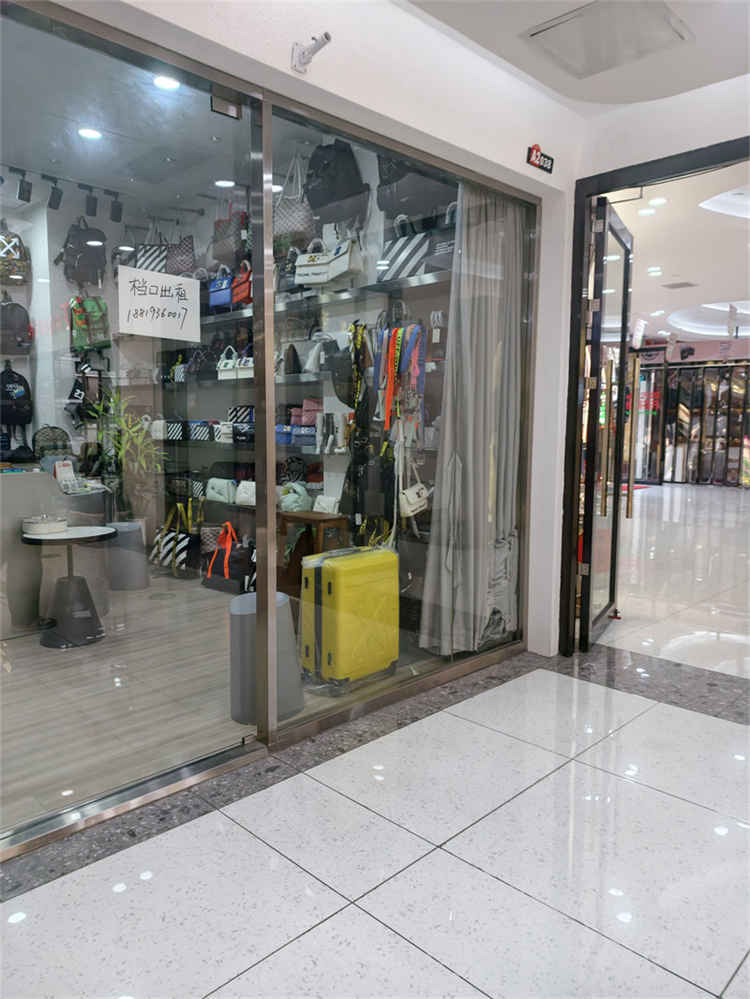
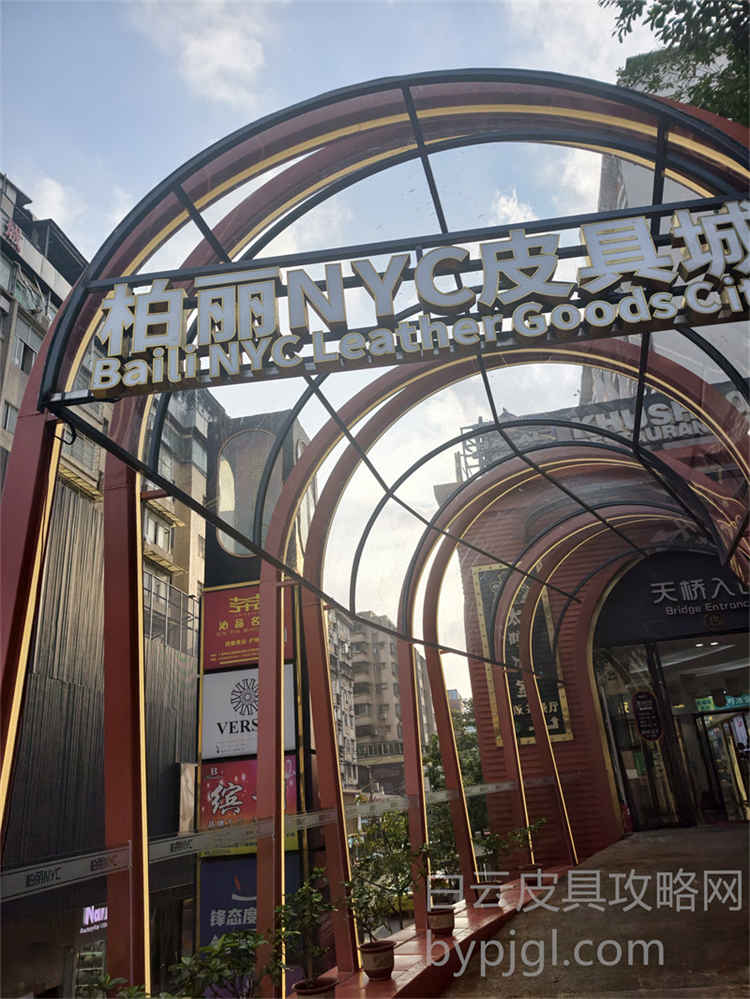
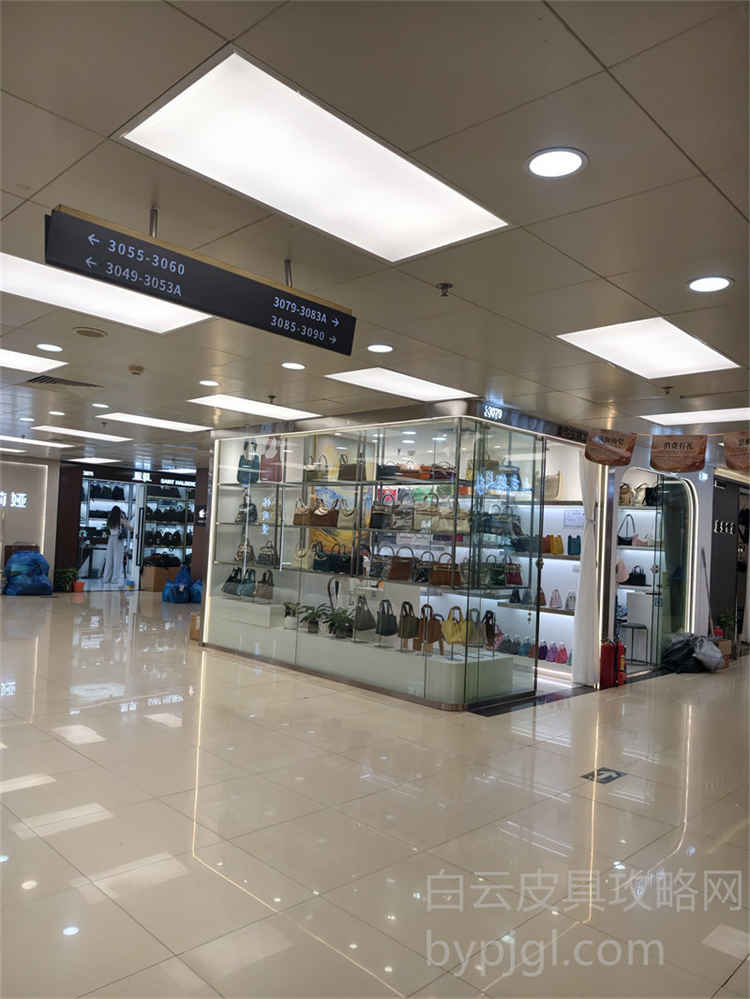
 On-site Visits
 Free Sharing
 Avoid Scams
 Updated Frequently
 For Reference Only