
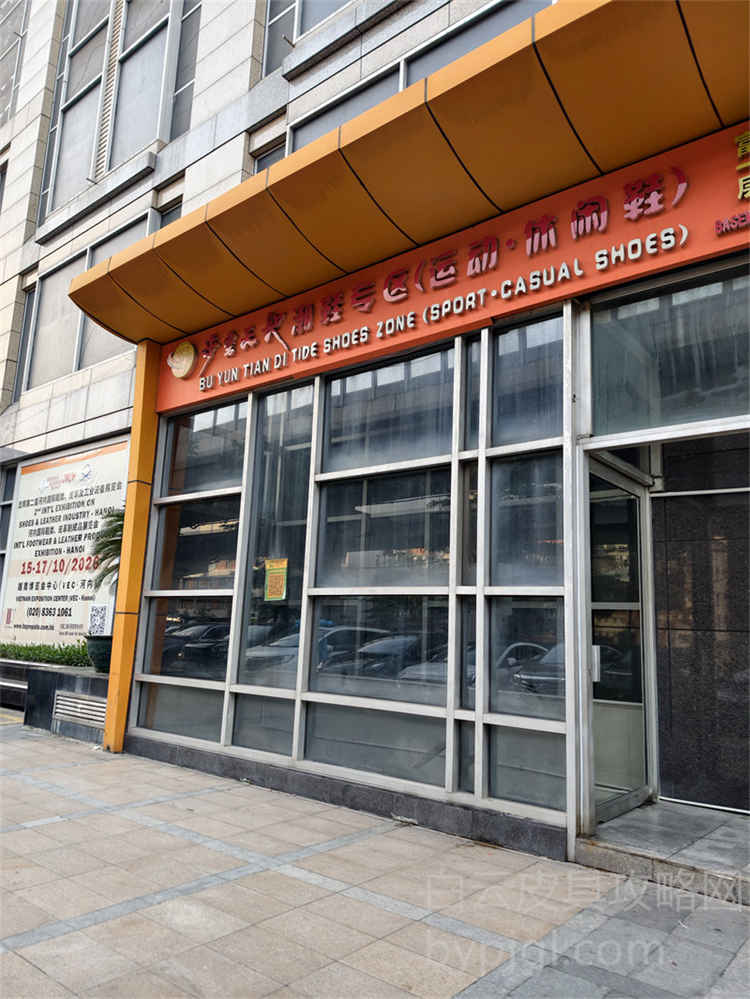
Why I'm Burning My "Fake" Bags: The Real Story from a Guangzhou Veteran
Listen, I've been standing in the same spot at Baiyun Leather City for over fifteen years. While the headlines scream about "Guangzhou fake bag destruction," they miss the gritty reality of what actually happens on the ground. You think it's just a government crackdown? It's so much more than that. It's a survival mechanism for us who are trying to stay legitimate while the market is drowning in copycats. When you hear about "China Guangzhou replica bags destroyed," don't imagine some sterile warehouse operation. Imagine the smell of burning leather, the heat radiating off the piles, and the nervous sweat of shop owners watching their inventory vanish overnight.
I remember one specific Tuesday last year when the news broke about a massive seizure near the station. The panic was palpable. We weren't just losing stock; we were losing our reputation. For years, the narrative was "buy cheap, sell high." But now, with stricter customs checks and global supply chain scrutiny, that model is dead. If you are an overseas buyer looking for deals, you need to understand why the "destruction" phase is actually the most critical part of the supply chain cleanup. It forces the honest dealers like me to separate the wheat from the chaff.
The Reality of Sourcing: What You Actually See vs. What They Tell You
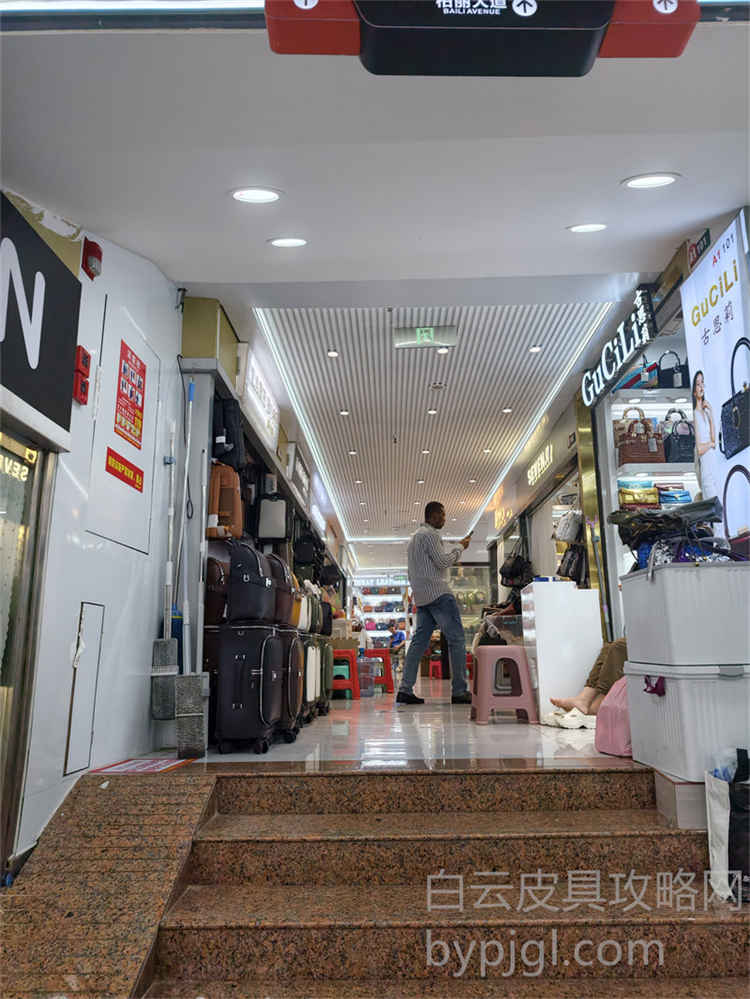
When you walk into Baiyun Leather City, specifically around Floor 3 or 4 wher the "high quality" replicas used to hide, the atmosphere has shifted. Ten years ago, you could ask for "A-grade" goods openly. Today, if you mention "replica" or "fake," the shopkeepers will look at you like you just insulted their mother. They won't say no; they'll just change the subject to "designer-inspired" or "custom made."
The Shift from Open Sales to Private Showrooms
The biggest change I've witnessed is the move from open counters to private showrooms. In the past, you could walk up to a stall like Stall 305 on the 2nd Floor of Zhongda Market and see the goods laid out. Now, those stalls are empty. The real action has moved upstairs to offices or requires a referral. I have a friend who runs a boutique sourcing agency in Baiyun District, Room 12B, Building C. He told me that after the recent raids, only 30% of the original vendors remained. The rest either fled or went underground.
This isn't just about fear; it's about risk management. If you are an importer, you cannot afford to get your shipment seized at customs because you bought from a vendor who got caught. The "destruction" events serve as a warning shot. They tell the market: "Stop selling obvious fakes, or you lose everything." This means the remaining stock is often higher quality, but also harder to find. You can't just walk in and buy; you need a connection.
My Personal Pitfalls: How I Lost $15,000 in One Shipment
Let me share a story that might save you thousands. Two years ago, I tried to source a batch of handbags for a client in New York. I found a vendor in Panyu District, Factory No. 88, who promised "top-tier leather" and "perfect stitching." They showed me samples that looked identical to the luxury brands. I paid a deposit of $5,000. When the goods arrived, the leather felt stiff, and the hardware tarnished within a week. Worse, the shipping company flagged the package as "suspicious goods."
The result? The shipment was held by customs, and eventually, it was confiscated. I lost my deposit, the shipping costs, and my client's trust. That incident taught me a hard lesson: price is not the only indicator of quality. In fact, in the current climate, too-good-to-be-true prices are a red flag. The vendors who are still operating legally are charging premium prices because they are using genuine leather and paying for proper logistics. If a deal looks suspiciously cheap, it's likely a trap involving counterfeit goods that will get destroyed or seized.
How to Navigate the Market Safely: A Step-by-Step Guide
If you want to source from Guangzhou without getting burned, you need a strategy. Here is exactly how I vet vendors today.
Step 1: Verify the Physical Location
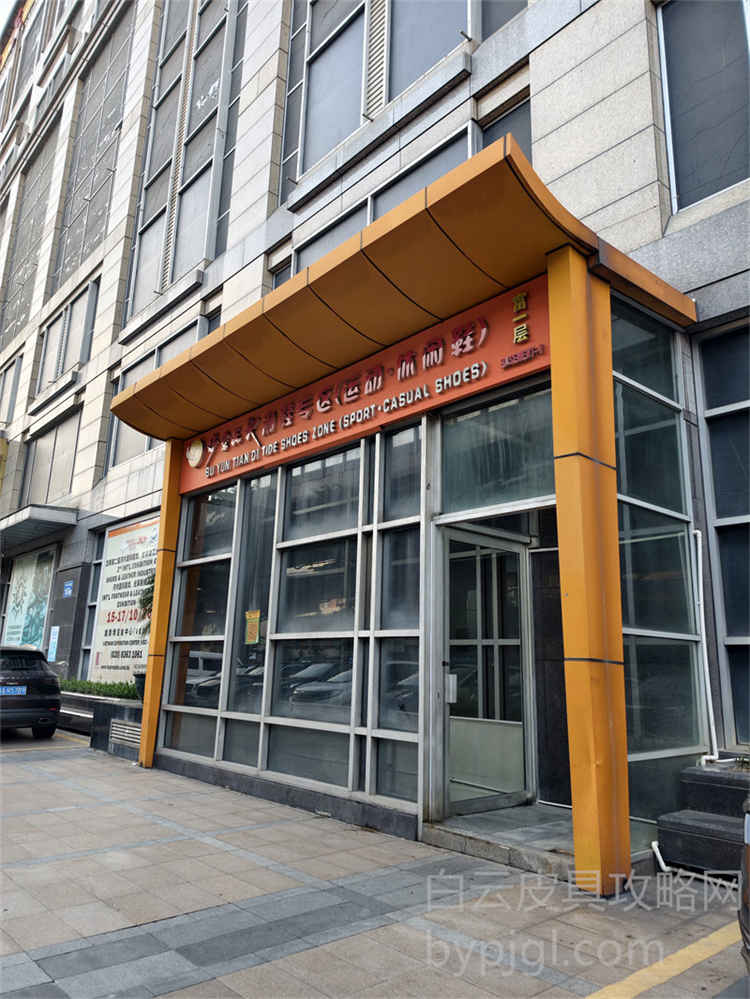
Never pay a deposit based on a photo. Go to the physical location. I recommend visiting Baiyun International Leather Trade City directly. Look for vendors who have a permanent office address, not just a temporary stall. Ask for their business license. Legitimate businesses in China are required to display this. If they hesitate, walk away.
Step 2: Inspect the Materials Personally
Bring a magnifying glass and a UV light. Check the grain of the leather. Genuine leather has natural imperfections; synthetic materials are too uniform. Also, check the stitching. High-quality stitching should be consistent, with no loose threads. I once found a vendor in Shiwan Market who claimed to use Italian leather, but under the UV light, the glue residue glowed, indicating cheap adhesives.
Step 3: Negotiate with Transparency
Be clear about your requirements. Do not ask for "fakes." Ask for "original design" or "custom manufacturing." This shifts the conversation to legal territory. Most reputable vendors will appreciate the professionalism. If they insist on calling it a "copy," they are not the right partner for long-term business.
Comparison: Old School vs. New School Sourcing
| Feature | Old School (Pre-2023) | New School (Current Market) |
|---|---|---|
| Location | Open stalls in Baiyun Market | Private offices, Panyu factories |
| Product Type | Direct copies of luxury brands | Original designs, OEM/ODM services |
| Risk Level | High (Seizure, Destruction) | Moderate (Requires due diligence) |
| Price Point | Very low, negotiable | Higher, fixed pricing for quality |
| Communication | Informal, face-to-face only | Formal contracts, digital verification |
Final Thoughts: Why Destruction is Good for Business
It sounds counterintuitive, but the destruction of counterfeit goods is actually good for the industry in the long run. It clears out the bad actors who ruin the reputation of Guangzhou leather goods. As a veteran owner, I welcome these crackdowns. They force us to innovate, to create our own designs, and to focus on quality rather than copying others. If you are an overseas buyer, you should too. Don't chase the cheap knockoffs that end up in landfills or seized containers. Instead, invest in relationships with vendors who are building a future, not just selling a quick buck.
The next time you hear about "Guangzhou replica bags destroyed," remember that it's not just a tragedy for the sellers; it's a necessary evolution for the entire supply chain. By understanding this shift, you can navigate the market with confidence, avoiding the pitfalls that trap the unprepared. Stay safe, stay smart, and always verify before you buy.

 On-site Visits
 Free Sharing
 Avoid Scams
 Updated Frequently
 For Reference Only