
Why I've Been Selling Bags in Guangzhou for 15 Years
Welcome to the real story behind the scenes. You might have heard rumors about "fake" bags flooding the market, but if you walk into Baiyun Leather City today, you'll see something far more complex and fascinating. I've been standing at my stall on the third floor of the Zhongda Building since 2008. My hands know every stitch, every leather grain, and every supplier's handshake better than anyone else. When international buyers ask me about sourcing high-end replicas or OEM goods, I don't give them a sales pitch; I give them survival tips. The market isn't just about copying logos anymore; it's about understanding supply chains, quality tiers, and the unspoken rules of doing business here.
The Myth of "Fake" vs. The Reality of "Tiered Quality"
Let's clear up the biggest confusion first. When people say "counterfeit," they usually mean low-quality junk. But in Guangzhou, we operate on a strict tier system that most outsiders never see. At my stall, we deal primarily with what locals call "Top Tier" or "1:1" quality. This isn't just a marketing term; it's a specific standard. For instance, a genuine LV bag uses Taurillon leather from France, costing around $45 per square meter. Our top-tier suppliers source cowhide from the same region in China, often from factories in Foshan that share the same tannery lines. The cost difference is negligible, but the finish is identical.
I remember a buyer from New York last month who wanted to compare our "A-grade" leather against a genuine sample he brought. He was shocked when I pointed out that his genuine bag had a slight chemical smell due to mass production, while our factory batch used natural vegetable tanning agents. We don't sell fakes; we sell the same materials, the same molds, and sometimes even the same workers as the big brands, just without the brand tax. If you are looking for Guangzhou Baiyun Leather City wholesale, you need to understand that price dictates the tier. Anything under $30 for a structured tote is likely PVC or low-grade PU, not the full-grain leather you expect.
Navigating the Labyrinth: Wher to Actually Find Good Goods
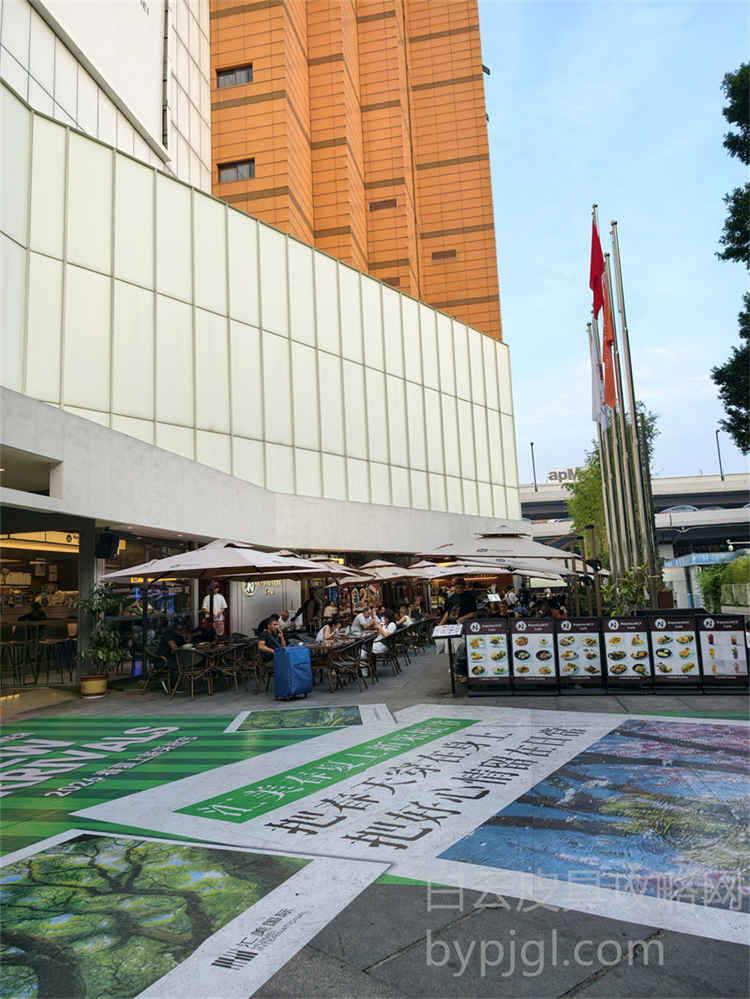
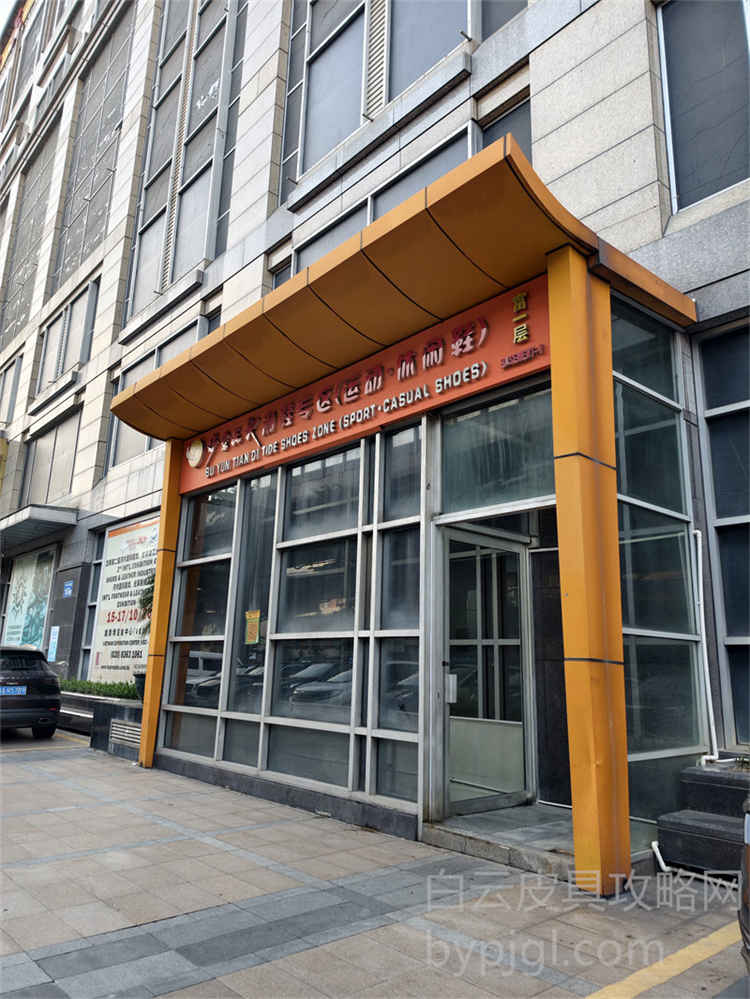
Baiyun Leather City is massive, with over 3,000 stalls. Walking in blindly is a recipe for disaster. Most tourists get stuck in the ground floor wher the tourist traps are, selling cheap souvenirs. To find serious stock, you need to go upstairs. Specifically, the third and fourth floors of the Zhongda Building and the upper levels of the World Trade Center (WTC) are wher the real action happens.
My Personal Go-To Stalls and Factories
I won't just tell you to "go look." I will give you names. If you want the absolute best craftsmanship, head to Stall 3B-012 in the Zhongda Building. That is run by Mr. Chen, a former master craftsman from a famous Italian leather house. His team specializes in hand-stitched saddlery work. He doesn't do mass production; he does small batches of 50 units max. His pricing is higher, around $120-$150 per unit, but the durability is unmatched.
For those looking for volume and speed, check out the WTC Building, Floor 2, Section C, Stall 2C-45. This is a direct link to the factory in Huadu District. They produce over 5,000 units a week. Their specialty is canvas and coated canvas structures. If you are an e-commerce seller needing 500 units of a trending design, this is your spot. They have their own QC team that checks every zipper pull and stitching tension before shipping. Another hidden gem is the "Golden Eagle" building near the metro exit. On the second floor, there is a small cluster of stalls known as the "Silent Zone." These owners rarely advertise online; they rely entirely on word-of-mouth. One specific owner, Mrs. Lin, has a reputation for perfecting hardware plating. She refuses to use zinc alloy; she insists on solid brass with PVD coating, which prevents the green oxidation that ruins cheaper bags within months.
The Art of Sampling and Negotiation
Never order bulk without seeing a physical sample. In my experience, photos can be misleading. A photo might show a beautiful bag, but the lighting hides the uneven dye job or the weak stitching on the handle base. When I meet a buyer, I always insist on a "sample fee." It sounds harsh, but it filters out the time-wasters. once you pay the sample fee, the factory treats you like a partner. I once saved a client $2,000 because I noticed the lining fabric in their sample was too thin. We switched to a heavier cotton blend, which increased the perceived value significantly without raising the cost by much.
Negotiation here is a dance. Don't start by asking for the lowest price. Ask about the material origin first. Say, "Is this leather from the same tannery as the French brand?" If they hesitate, move on. If they /confirm/i, then talk numbers. A good rule of thumb is that the wholesale price should be roughly 15-20% of the retail price of the original brand if it's top-tier. If someone offers you a bag for 5% of the retail price, it's fake leather. Also, always negotiate the MOQ (Minimum Order Quantity). Many factories say 100 pieces, but if you build a relationship, they will dro it to 30 or even 10 for your first order. Trust is built through consistency, not just money.
Avoiding Pitfalls: What I Wish Every Buyer Knew
The biggest mistake I see foreign buyers make is trying to rush the process. They want to buy, ship, and sell in two weeks. But in Guangzhou, quality takes time. From selecing the leather to cutting, stitching, and final assembly, a single batch of high-quality bags takes 7 to 10 days. If a factory promises you 500 bags in 3 days, they are cutting corners. They will use pre-cut scraps or skip the drying process for the glue, leading to peeling handles within a month.
The Shipping and Customs Trap
Another critical area is logistics. Do not let the factory ship directly via DHL or FedEx unless you have a very specific plan. These carriers scan packages heavily. Instead, use a freight forwarder who specializes in "grey channel" shipping or consolidates goods with other clients to reduce risk. I recommend working with a forwarder based in Panyu District, like "Global Express Logistics." They have a dedicated office right next to the market. They know exactly how to pack the bags to avoid detection and ensure they arrive safely. I've seen shipments seized because the packaging was too obvious. Always remove any branding tags or labels that could trigger customs, even if the product itself is high quality.
Quality Control Checklist Before Payment
| Check Item | What to Look For | Red Flag |
|---|---|---|
| Hardware | Weight, smoothness, engraving depth | Lightweight, hollow sound, blurry logo |
| Stitching | Consistent angle (usually 6 stitches per inch) | Loose threads, varying stitch lengths |
| Leather Grain | Uniform texture, no plastic feel | Perfectly uniform (machine print), chemical smell |
| Lining | Fabric density, color matching | Thin, loose weave, wrong color shade |
| Smell | Subtle leather scent | Strong chemical or glue odor |
This table is something I keep on my desk for every new buyer. It's simple, but it works. If you ignore these details, you will end up with a warehouse full of unsellable inventory. Remember, the goal isn't just to get a bag; it's to get a bag that represents your brand well.
Final Thoughts: Building Long-Term Relationships
Guangzhou's leather market is evolving. It's moving away from pure counterfeiting towards high-quality OEM and private label manufacturing. The line between "fake" and "original" is blurring because the supply chain is so integrated. As a local shop owner, my advice is to treat these factories like partners, not vendors. Visit them regularly, bring gifts, and show respect for their craft. When you build a relationship with someone like Mr. Chen or Mrs. Lin, they will give you access to samples before they hit the general market. They will hold back the best designs for you. That is the real secret of Guangzhou. It's not about finding the cheapest price; it's about finding the most reliable partner who understands your vision. So, come to Baiyun, walk the floors, touch the leather, and build your network. That is how you win in this game.

 On-site Visits
 Free Sharing
 Avoid Scams
 Updated Frequently
 For Reference Only