
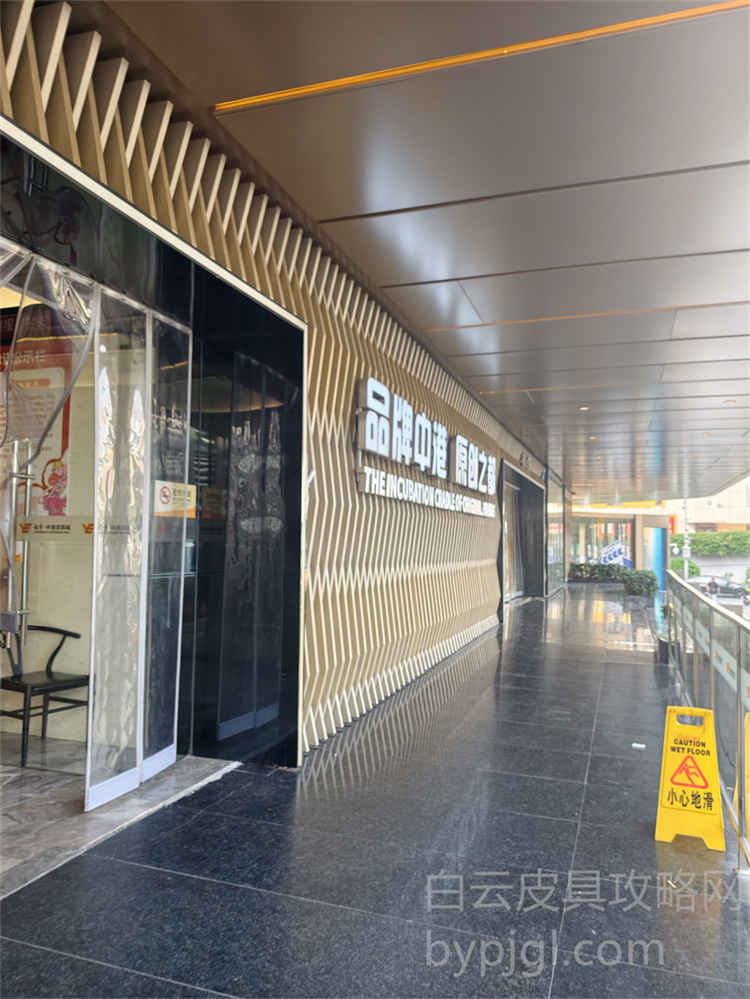
Why the Real Deal Isn't in the Showroom: A Veteran's Guide to Guangzhou Leather
Welcome to the real world of Guangzhou leather. I've been standing behind this counter in Baiyun for over fifteen years, watching trends come and go while the same few factories churn out the goods that end up on your radar. You are probably asking about "Guangzhou LV replica bags," but let me tell you something straight from the floor: if you walk into a fancy showroom looking for the perfect copy, you will get ripped off or sold a low-grade fake. The magic doesn't happen in the glass cases; it happens in the back rooms, the loading docks, and the secret deals made between trusted buyers and factory owners.
I see too many overseas buyers trying to navigate this market like tourists. They want a specific brand name, they want a discount, and they think they can just walk in and buy. It doesn't work that way. The industry here is built on relationships, not retail signage. When you ask for "LV," most honest shopkeepers will look at you sideways because selling branded replicas openly is illegal. We don't put logos on the front of our bags anymore; we talk about "the style" or "the 1:1 version." If you know how to speak the language, you'll find the best quality in the city.
Navigating the Labyrinth: Wher the Quality Actually Lives
The Myth of the First Floor vs. The Reality of the Back Rooms
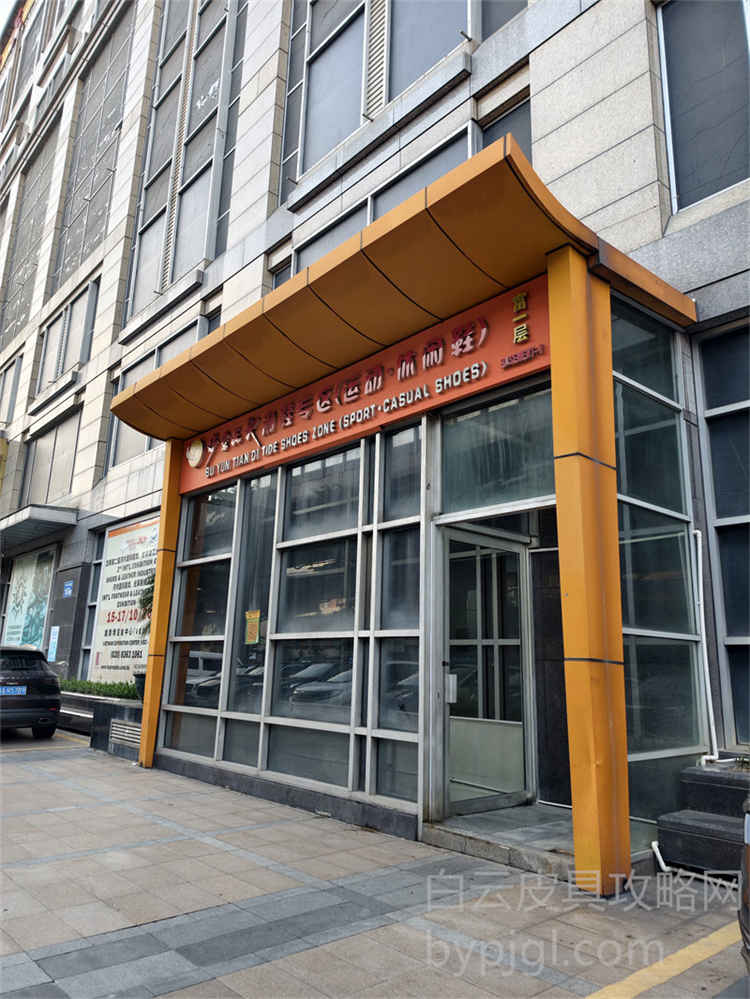
Let's clear up a massive misconception right now. Most people think the first floor of the Baoma Plaza or the main corridors of the World Leather City hold the best goods. That is a trap. The first floor is for the tourists and the casual shoppers who pay retail prices for mediocre quality. The real heavy hitters—the factories that supply the high-end boutiques in Europe and the US—are hidden on the upper floors or in the side alleys of the buildings.
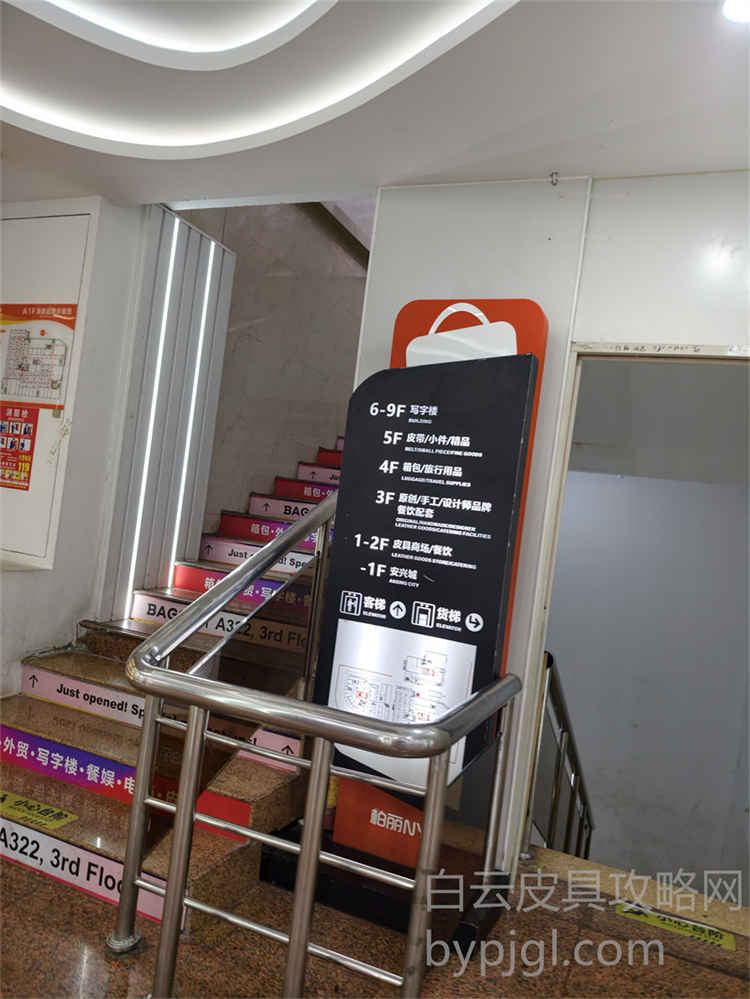
Take the World Leather City (Baiyun International). The ground floor is full of generic bags with cheap zippers. But if you head to the third or fourth floor, specifically around the corridor leading to the rear exit, you will find the "VIP rooms." These aren't open shops; they are private offices wher the factory managers keep their samples. This is wher you need to be. For example, if you are looking for top-tier craftsmanship, you need to ask for the suppliers located near the "High-End Corridor" on the 4th floor of the World Leather City. There, you won't see any logos on the walls. You will see stacks of raw cowhide and workers stitching by hand.
Specific Factory Intelligence: Who Makes What?
You asked for names? Here is the truth that no SEO blog will tell you. In the Guangzhou market, reputation is everything. One of the most respected workshops for high-quality leather goods is located in the building known as the "Golden Eagle Building" (Jinying Building) near the Metro Station Exit B. Inside, there is a specific stall often referred to locally as "Factory A" or sometimes associated with the name "Liancheng Workshop." They don't advertise online. Their stock is only visible to repeat customers.
Another key player is the team operating out of the "Shengda Building" on the second floor, specifically the unit that specializes in "top-tier calfskin." They are known for using the exact same Togo leather as the original brands. If you walk in and ask for "Factory B," the staff will nod. They have a strict policy: no mixing grades. If you want the "AAA" grade, you pay for it. If you want the "Super Copy," you get a different price point. The difference isn't just the logo; it's the thread count, the weight of the hardware, and the smell of the leather. I once had a client from New York who bought a bag from a random stall on the first floor for $80. It smelled like chemicals and fell apart in two weeks. He came back to my shop, paid $150 for a bag from the Shengda workshop, and said it felt exactly like his authentic one. That is the power of knowing wher to look.
The Art of Inspection: How to Spot the Difference Before You Pay
Hardware and Stitching: The Silent Tell-Tales
When you are sitting in those VIP rooms, do not just look at the bag. Touch it. Feel the weight. The hardware on a genuine-style bag should feel cold and substantial, not light and hollow. In the lower-grade copies, the gold plating is thin and chips easily. In the high-end versions from the Baiyun factories, the hardware is solid brass with PVD coating that lasts years. I always tell my buyers to check the zipper pull. If it feels flimsy, walk away. The best factories use YKK or Riri zippers, even if they don't stamp them with the brand name.
Stitching is another critical area. Authentic bags have consistent stitch counts per inch. Cheap fakes have uneven lines. When I inspect a bag before shipping it to a client, I count the stitches on the handle attachment. If the spacing varies by even a millimeter, I reject it. I have seen clients lose thousands of dollars because they didn't check the alignment of the side panels. The "1:1" standard means the angle of the cut must match the original mold perfectly. This requires skilled artisans, which is why these factories charge more.
The Smell Test and the Leather Grain
Here is a trick I learned twenty years ago: smell the bag. A cheap synthetic leather smells like plastic or strong glue. Even after days, the odor lingers. High-quality leather from the Baiyun markets has a distinct, earthy scent. It might smell slightly chemical at first due to the tanning process, but it fades quickly. Also, look at the grain. Every piece of leather is unique. If the pattern repeats exactly every few inches, it is likely embossed PVC, not real leather. The best factories source hides from France or Italy, ensuring the grain is natural and irregular.
Dealing and Logistics: Getting Your Goods Out Safely
Negotiation Tactics and Minimum Order Quantities
Do not expect to buy one bag at the wholesale price. While some shops allow single purchases, the real discounts kick in when you buy in bulk. However, for individual buyers, the strategy is different. Build trust first. Buy one sample, inspect it thoroughly, and then negotiate for the next batch. Many factory owners will give you a better deal if you promise to return. Never haggle aggressively on the first visit; it shows you are a novice. Instead, ask about the "return policy" or "quality guarantee."
Regarding pricing, the range for a high-quality replica of a popular model like the Neverfull or Speedy can vary from $60 to $200 depending on the leather and hardware used. Do not be fooled by a $30 bag claiming to be "top tier." That is impossible. The cost of materials alone makes that price unfeasible. If a seller offers a "perfect copy" for $40, they are lying. The sweet spot for quality is usually between $80 and $120 for a single unit.
Shipping and Customs: The Hidden Hurdles
once you have picked your bag, the hardest part is getting it home. Shipping directly from Guangzhou to the US or Europe carries risks. Customs officers are trained to spot counterfeit goods. If you declare it as "Designer Handbag," it will be seized. The smart move is to work with your supplier to ship via "DDP" (Delivered Duty Paid) services or through specialized logistics agents who handle "grey market" shipments. These agents know how to package items to avoid detection, often labeling them as "leather accessories" or "fashion items" rather than branded goods.
I recommend using a freight forwarder based in Guangzhou who has experience with international e-commerce. They can consolidate multiple orders and ensure the packaging is discreet. Never send the bag in a box with obvious branding. Use plain brown boxes and remove all tags that say "Made in China" if possible, though this is becoming harder to hide. The goal is to make the package look like a generic fashion item.
Summary of Key Insights for Overseas Buyers
| Aspect | Common Mistake | Pro Tip / Correct Approach |
|---|---|---|
| Location | Shopping on the 1st Floor of Baiyun Market | Go to the 3rd/4th Floor VIP rooms or specific alleyways in World Leather City. |
| Quality Check | Focusing only on the Logo | Inspect hardware weight, zipper brand, leather grain, and stitch consistency. |
| Pricing | Expecting $30-$50 for "Top Tier" | A realistic budget for high-quality leather is $80-$150 per unit. |
| Logistics | Declaring as "Designer Brand" | Use DDP shipping services and generic packaging to avoid customs seizure. |
| Relationships | One-off transactions | Build long-term trust with factory owners for better pricing and priority access. |
Buying from Guangzhou is an adventure, but it requires patience and knowledge. The market is vast, and the scams are numerous. But if you take the time to understand the layout, know the specific factories, and learn how to inspect the goods, you can find products that rival anything in the luxury department stores. Remember, the best deals are not advertised; they are whispered in the back rooms of the Baiyun district. Go there, look closely, and trust your instincts. That is how you win in this game.

 On-site Visits
 Free Sharing
 Avoid Scams
 Updated Frequently
 For Reference Only