
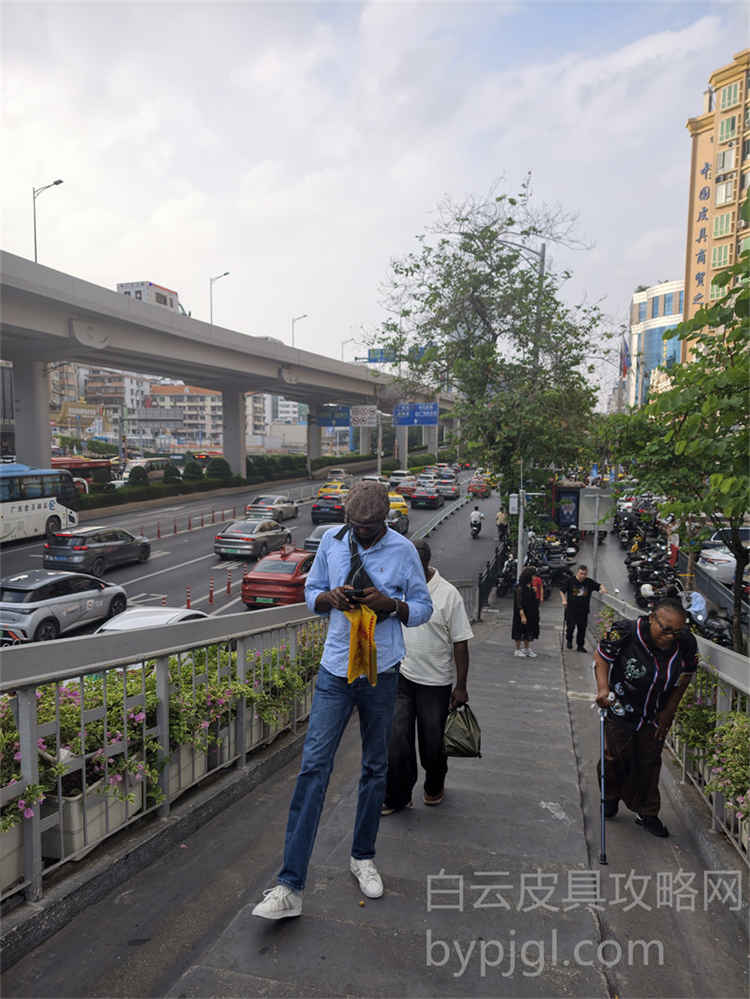
Why I've Been Selling Bags in Guangzhou for 15 Years and What You Need to Know Before You Fly Here
Welcome to the real deal. I'm Old Chen, and I've been standing behind my counter at Baiyun Leather City since before you were born. If you are reading this from New York, London, or Dubai, thinking about flying to Guangzhou to source "replica" bags, stop and listen. The internet is full of lies. They tell you it's easy, that you can walk in, buy a Hermes Birkin for $200, and ship it home without a hitch. That is not how business works here. It is a jungle, yes, but if you know the rules, you can make a fortune. If you don't, you will lose your deposit and your dignity.
I have seen thousands of foreign buyers come through my door. Some leave with high-quality stock that sells out in weeks; others leave crying because they bought junk. The difference isn't luck. It is preparation. Today, I am going to share exactly what happens inside the market, wher the real goods are hiding, and how to avoid the traps that cost newbies their money.
Navigating the Beast: Wher the Real Action Happens
First things first. Do not just go to "Guangzhou Market." There are dozens of them. Most tourists get lost in the cheap stalls selling fake Gucci scarves for $5. That is not what we are talking about. We are talking about the top-tier leather goods district in Renhe Road, specifically the area around the Baiyun International Leather Trade Center.
The Hierarchy of Markets: From Junk to Masterpiece
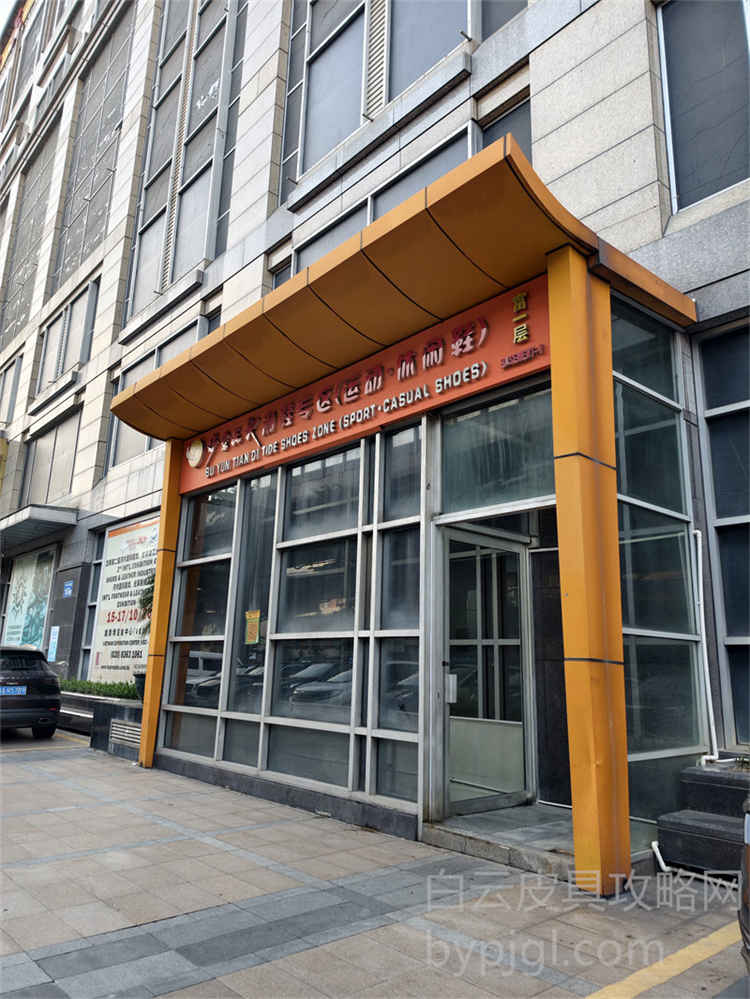
You need to understand the geography. The main building, Baiyun Leather City (Baiyun), is wher the heavy hitters operate. But inside that massive complex, there are floors dedicated to different quality tiers. Floors 1 and 2 are mostly low-end fashion bags, the kind you see on street corners. If you want quality that rivals the original brands, you must head to the upper floors, specifically Floor 4 and above, or move to the adjacent buildings like the World Trade Center (Zhongda) and the Da Dong Hai Plaza.
I remember a buyer from Canada last year who walked straight into the ground floor of Baiyun and spent three hours haggling over a bag he thought was "top tier." He paid $80 for something that would fall apart after two weeks. He didn't even know that the "A-grade" bags he saw were actually made in a basement workshop in Huadu, using glue that smells like chemicals. The real factories, the ones making the "1:1" copies that pass inspection, are often located in the back rooms of these malls or in the industrial zones nearby. You have to ask the right questions to find them.
My Personal Recommendation: The Hidden Gems
Let me give you specific names. This is the gold mine. In Baiyun Leather City, look for the stall named "Golden Eagle" on Floor 5, near the escalator. They specialize in high-end hardware and stitching. Their owner, Uncle Li, has been in the game for 20 years. He doesn't talk much, but his work speaks. If you want a bag that looks exactly like the latest Chanel collection, go there. Another spot is "Skyline Leather" in the World Trade Center, Floor 3, Stall 305. They focus on the "original mold" technique. They use the same steel molds as the big factories in France.
Do not trust the guys shouting outside the mall entrance. They are middlemen trying to take a cut. Go straight to the counters. When you enter a stall, do not say "I want a fake." Say, "I am looking for the best quality, the one that matches the original factory specs." If they hesitate, walk away. The good bosses know exactly what you mean.
The Art of Selecion: How to Spot Quality Without Getting Scammed
once you are in the stall, the real test begins. Many buyers think they can judge quality by looking at the logo. That is amateur hour. The logos are easy to copy. The real quality is in the details that no one sees unless you hold the bag up to the light.
Hardware and Stitching: The Truth Behind the Shine
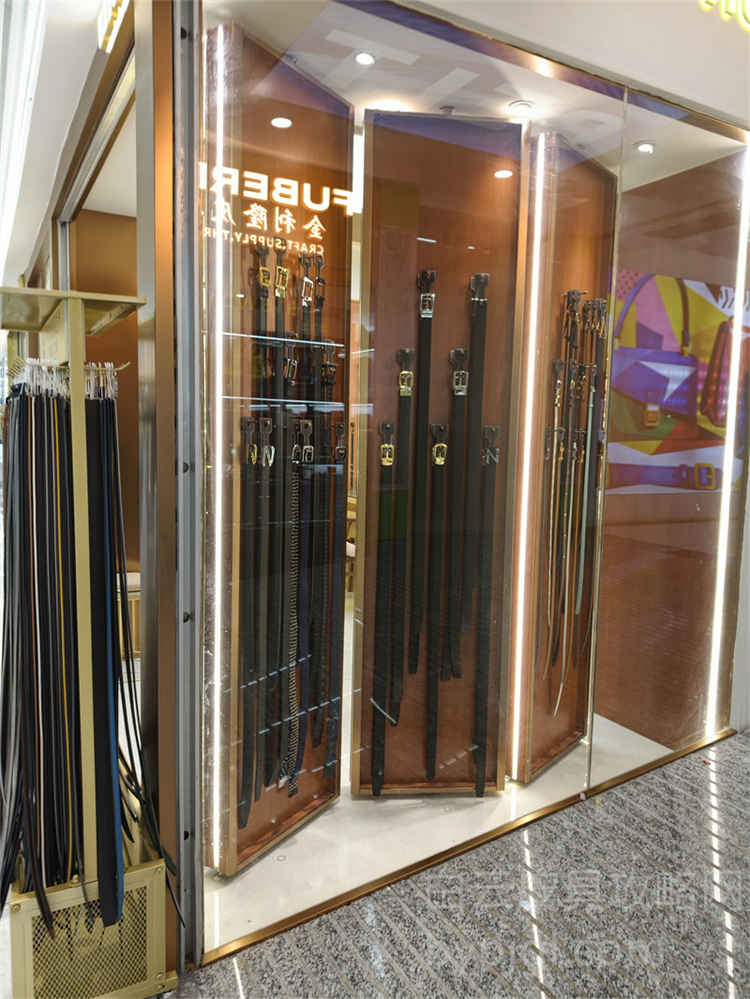
Here is a rule I teach every single customer: Touch the metal. Cheap replicas use zinc alloy that feels light and cold. High-end copies use solid brass plated with 24k gold or palladium. It should feel heavy. Run your finger along the zipper. Is it smooth? A YKK or Riri zipper is a sign of a serious manufacturer. If the zipper sticks, throw it back.
Look at the stitching. Count the stitches per inch. On a genuine bag, it is usually 6 to 7 stitches per centimeter. On a bad copy, it might be 4 or 5, and the thread will be loose. I once had a client bring me a bag he bought online for $150. He thought it was great. I looked at the handle attachment point and saw the thread was fraying. The leather was also too stiff. It was cowhide treated with cheap wax, not the supple calfskin used in the originals. I told him, "This is not worth shipping. It will crack in six months."
Leather Grading: What the Sellers Won't Tell You
There is a secret code in our industry. When sellers talk about "Grade A," "Grade AA," or "Top Grade," they are lying. These terms are meaningless marketing fluff. Instead, ask for the leather source. Are they using French Togo leather? Italian Nappa? Or is it synthetic PU? The best shops will show you a swatch book. If they refuse, they are hiding something.
In my experience, the best leather comes from the same tanneries as the luxury brands, but they sell the "seconds" or off-cuts to us. This means the grain and texture are identical, but the color might vary slightly. This is why you need to inspect the bag in natural daylight, not under the harsh fluorescent lights of the mall. I always tell my customers to step outside the shop and check the bag in the sun. If the color looks dull or the grain looks plastic-like, it's a no-go.
Negotiation and Logistics: Closing the Deal Like a Pro
Now, let's talk money. In Guangzhou, everything is negotiable. But do not try to negotiate like a tourist. If you start at 10% of the asking price, they will laugh at you. Start at 60-70%. Show them you are serious. Mention that you are buying in bulk or that you plan to return next month. Volume is your friend.
The Sample Strategy: Don't Buy Blindly
Never place a large order without seeing a sample first. Even if you have seen photos, the screen lies. Ask for a "sample" of the specific model you want. Pay for it. Yes, pay extra. This shows you are a professional buyer. once you receive the sample, inspect it thoroughly. Check the smell. Good leather has a distinct, earthy scent. Bad leather smells like burning rubber or chemical solvents. If it smells bad, it will ruin your inventory.
Also, discuss the shipping logistics immediately. Do not rely on the seller's courier. They might use a slow, cheap method to save costs. Arrange your own freight forwarder. I recommend using a company like SF Express for domestic shipping within China, and then a specialized air cargo agent for international shipping. Air freight takes about 5-7 days to the US or Europe. Sea freight is cheaper but takes 30-45 days. For high-value items, air is safer.
Avoiding the Customs Trap
This is the biggest fear for everyone. Can you import these bags? Yes, but you need to be smart. Do not declare them as "Genuine Brand Name Bags." That is illegal and will get your goods seized. Declare them as "Fashion Accessories" or "Leather Goods" with a generic description. The value should be realistic. If you declare a bag worth $2,000 as $50, customs will flag it. If you declare it as $2,000, you will pay huge duties. The sweet spot is usually declaring the actual cost of production plus a small margin, but keeping the brand name out of the paperwork entirely.
Summary Table: Quick Reference for Buyers
| Aspect | What to Look For | Red Flag |
|---|---|---|
| Location | Baiyun Leather City (Floors 4+), World Trade Center | Street vendors, Ground Floor stalls |
| Recommended Stalls | Golden Eagle (Floor 5), Skyline Leather (Stall 305) | Shouting outside the mall, No fixed address |
| Hardware | Heavy, solid brass, smooth YKK/Riri zippers | Lightweight, hollow sound, sticky zippers |
| Leather | French/Italian source, earthy smell, soft touch | Chemical smell, stiff, plastic-like grain |
| Pricing | Negotiate starting at 60-70% of asking price | Fixed prices, refusal to negotiate |
| Shipping | Use your own freight forwarder, declare generically | Relying solely on seller's courier, declaring fake brands |
Final Thoughts: Build Relationships, Not Just Transactions
Guangzhou is not just a place to buy things. It is a community. If you treat the sellers with respect, they will treat you with respect. Come back, build a relationship, and you will get access to the newest styles before anyone else. I have seen many buyers become regulars, coming here twice a year to restock their stores. They know the secrets, they know the people, and they know the quality.
So, pack your bags, bring your camera, and come to Baiyun. But remember, knowledge is power. Do not walk in blind. Inspect, negotiate, and verify. The market is vast, but the opportunities are endless for those who are willing to dig deep. Welcome to the world of Guangzhou leather goods. Let's do business.

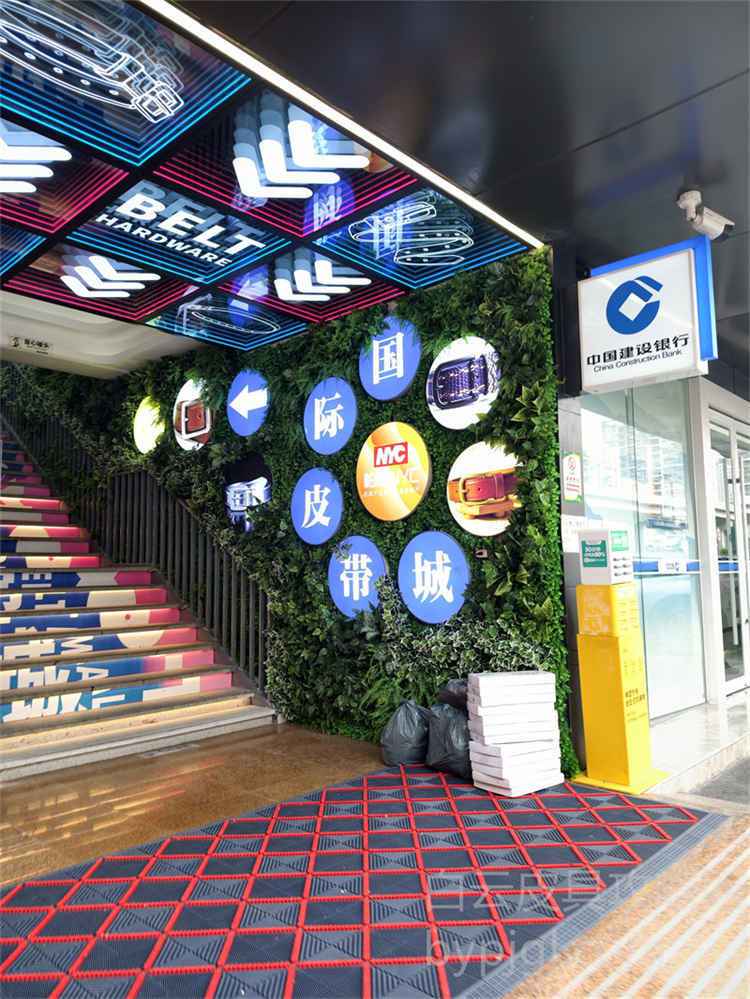
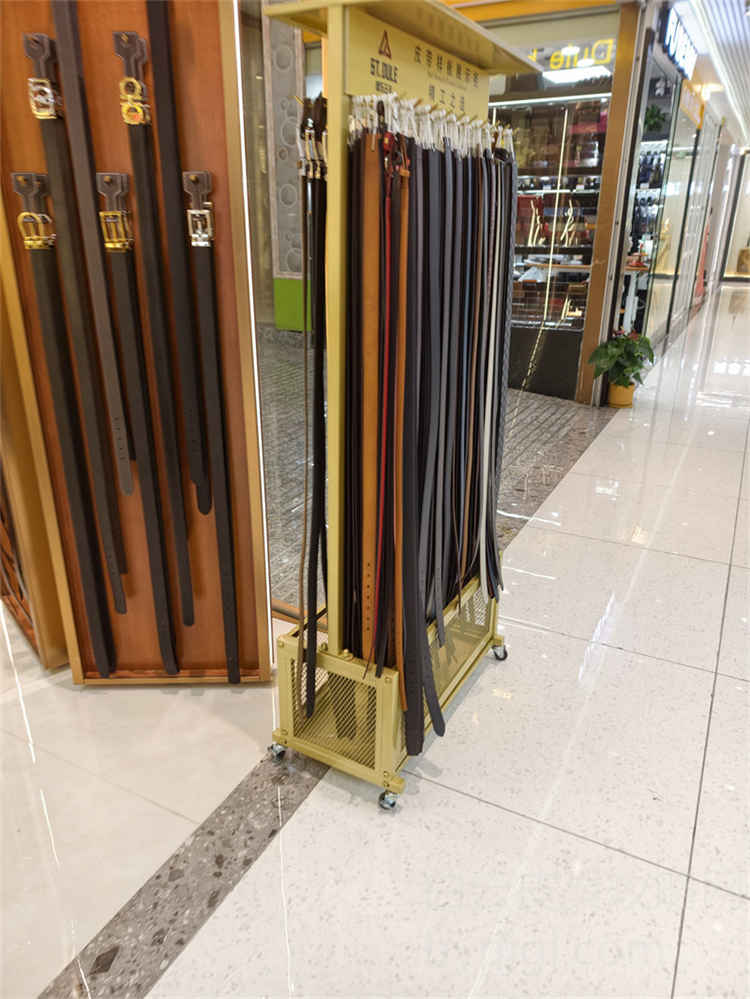
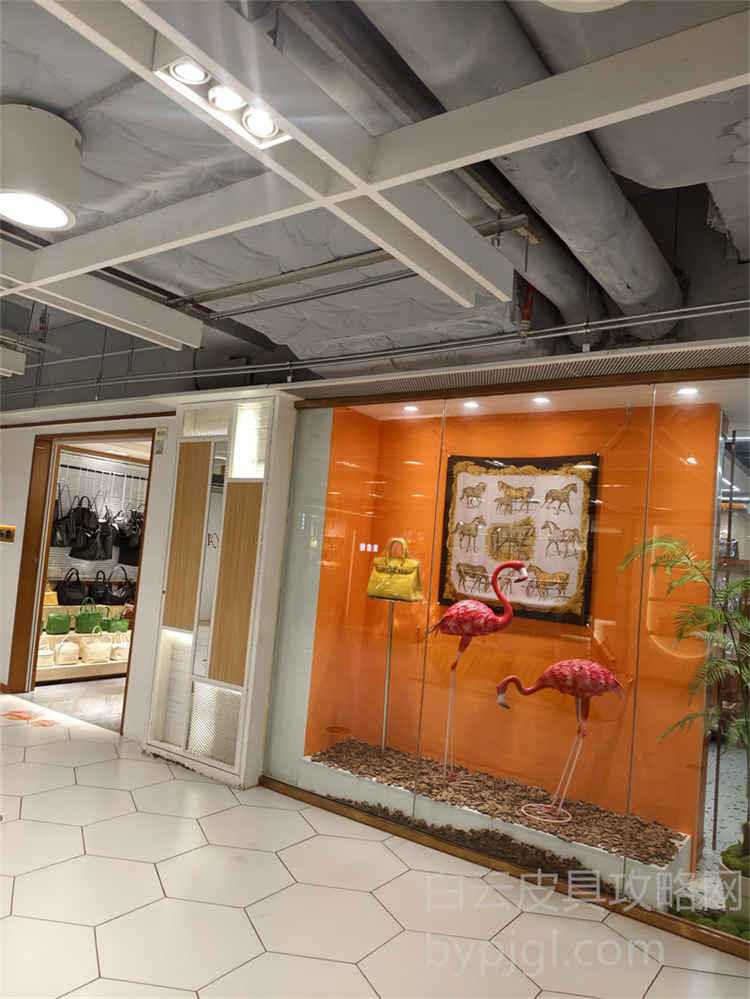
 On-site Visits
 Free Sharing
 Avoid Scams
 Updated Frequently
 For Reference Only