
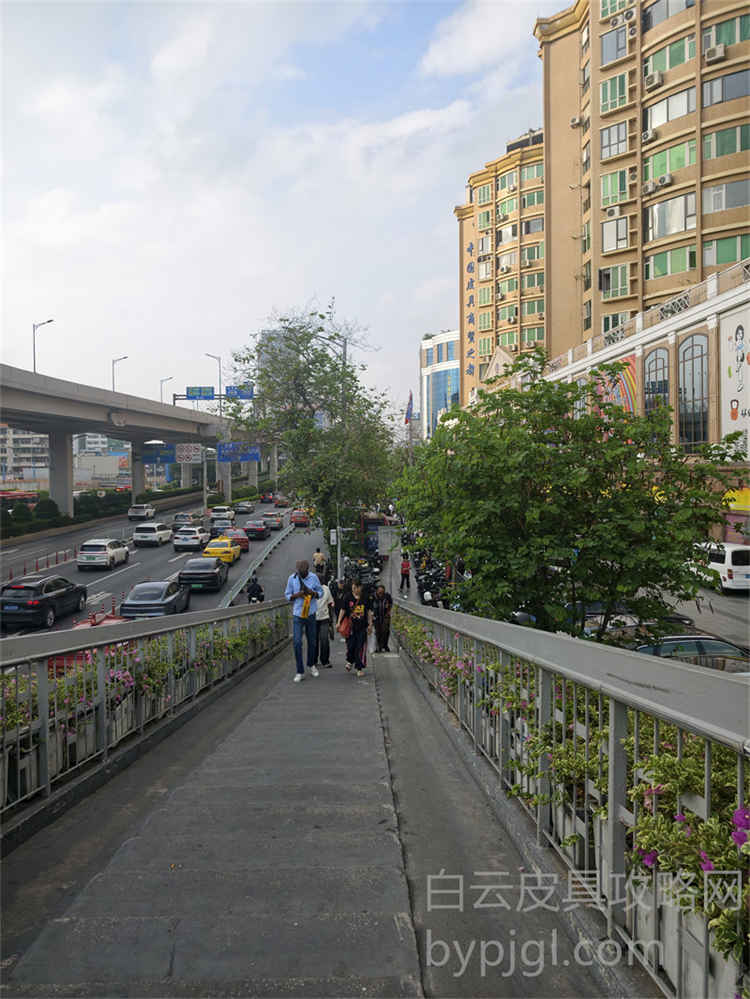
From the Floor of Baiyun: My 15-Year Guide to Sourcing in Guangzhou
Listen, I've been standing behind this counter in the Baiyun Leather City for over a decade. While you guys are scrolling through Instagram ads or clicking on "Guangzhou replica bags" links that lead to sketchy websites, I'm watching the real supply chain move. The internet is full of noise, but the ground truth? That's only found here, in the concrete corridors of the markets. If you are an overseas buyer looking to source high-end leather goods without getting scammed, forget what you read online. You need to come here, walk the floor, and talk to people like me.
The Myth of the "online Only" Source
Many buyers think they can just message a WeChat ID and get the "top tier" quality delivered to their warehouse in New York or London. Let me tell you a hard truth: 90% of those "online suppliers" are middlemen who have never touched a factory machine. They are just reselling photos from the real factories. When you order online without seeing the product, you are gambling. In my shop, we deal with hundreds of international clients every year, and the ones who succeed are the ones who fly here, stay for three days, and inspect the goods personally.
Navigating the Real Markets: Wher the Action Is
Guangzhou isn't just one building; it's a massive ecosystem. Most tourists get lost in the fancy malls, but the real action happens in specific zones. If you want the best quality, you need to know wher to go.
Baiyun Leather City: The Heartbeat
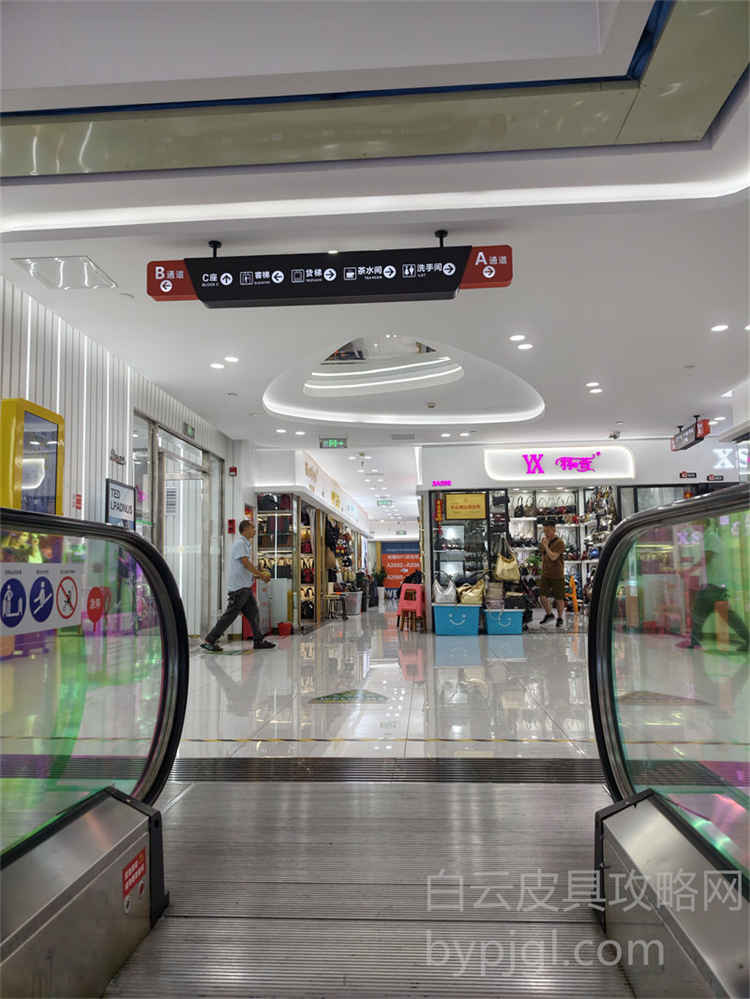
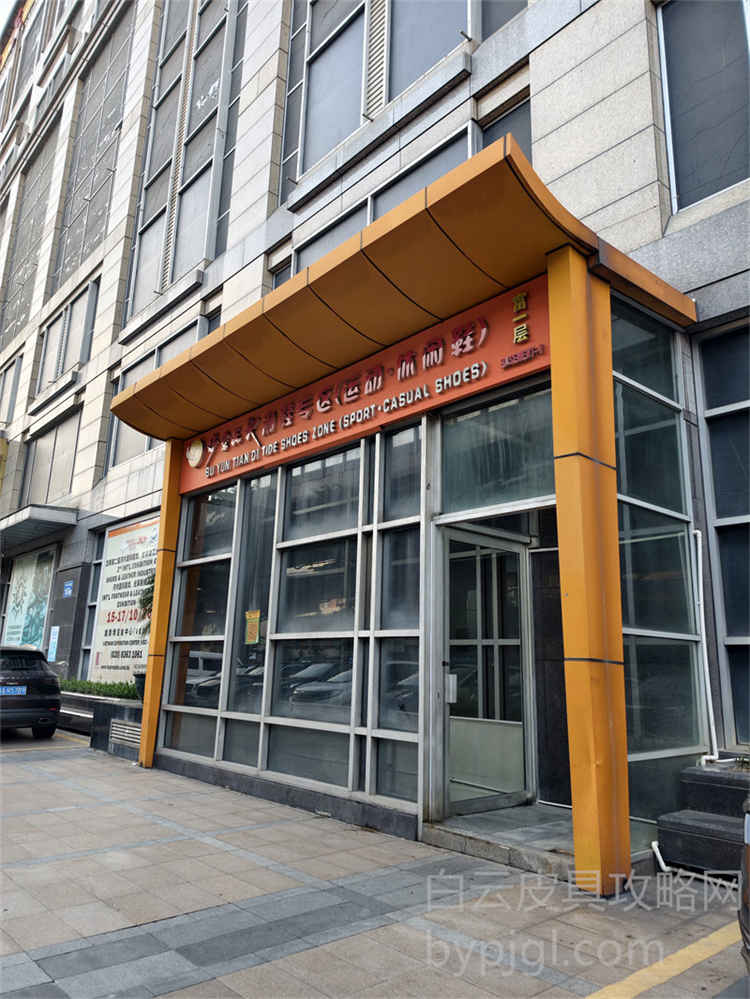
This is wher I operate. Located at No. 168 Jiahe Road, this place is chaotic, loud, and absolutely packed with opportunity. It's not a clean, air-conditioned showroom like the luxury brands in Paris. It's raw business. The top floors (usually levels 4 and 5) house the factories that make the goods for the world's biggest luxury houses. These aren't small stalls; these are serious operations with showrooms.
The Hidden Gems: Zhongda and Shiqiao
If you want to dig deeper than the main Baiyun crowd, head to the Shiqiao area nearby. This is wher the older, more established workshops hide. They don't advertise much because they rely on word-of-mouth. I recommend visiting the Shiqiao Leather Market, specifically the section near the old bus station. Here, you will find the artisans who handle the most complex stitching and hardware. For example, if you are looking for a specific brand's bag structure, ask around for the workshop near Shop 302 on the 3rd Floor of the Shiqiao Building. They specialize in calfskin and have been doing this since the 90s.
How to Spot Quality: A Buyer's Checklist
When you walk into a stall, don't just look at the price tag. Look at the details. I've seen too many buyers get burned by "fake fakes." Here is how I teach my regular clients to spot the difference between a $50 knockoff and a $500 masterpiece.
The Hardware Test
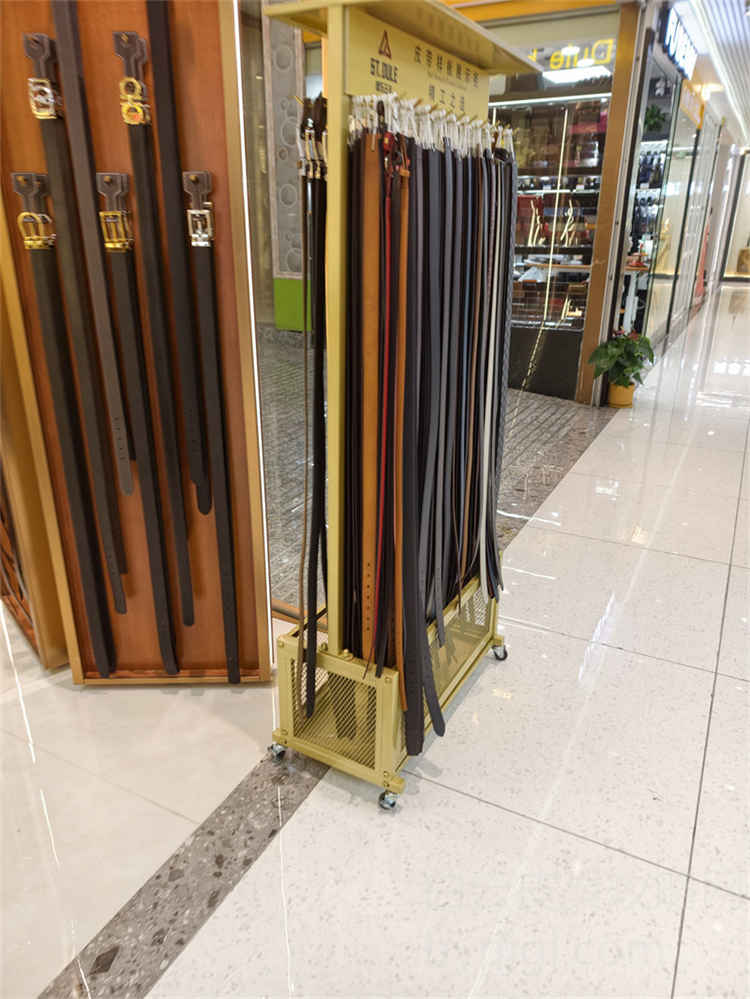
First, touch the zippers and clasps. Cheap replicas use hollow, lightweight metal that feels cold and flimsy. High-quality sourcing uses solid brass or zinc alloy with a heavy feel. At my stall, we insist on YKK or Riri zippers. If a vendor hesitates when you ask about the zipper brand, walk away. Also, check the engraving. On a genuine-style bag, the logo engraving should be crisp, deep, and perfectly aligned. Blurry edges mean a low-quality mold was used.
The Leather Smell and Grain
Smell is your best friend. A cheap PU leather smells like chemicals or plastic. Good leather, even if it's high-grade cowhide or lambskin sourced locally, has a distinct, earthy scent. Run your fingers over the grain. Does it feel uniform? Or does it have natural imperfections? Real leather has character. If the texture looks like a perfect, repeating pattern stamped onto plastic, it's a fake material.
Dealing with Vendors: Negotiation and Trust
You cannot buy here like you buy on Amazon. There is no fixed price. Everything is negotiable. When you walk into a stall, don't say "I want to buy one." Say "I am looking for stock for my store." This changes the dynamic immediately. They will treat you as a partner, not a tourist.
The MOQ Reality
Most factories in Baiyun have a Minimum Order Quantity (MOQ). For standard models, it might be 5 pieces per color. For custom orders, it could be 20. If you try to buy just one piece, you will pay retail prices, which defeats the purpose. However, some smaller workshops in the Old Baiyun Market are willing to do small batches if you build a relationship. I always advise my clients to start with a sample order of 3-5 units to test the quality before committing to a larger shipment.
Avoiding the "Sample Trap"
Here is a trick I learned the hard way. Some vendors show you a "golden sample" that is perfect, but the bulk order is different. To avoid this, always ask to see the "production line" samples. Ask them to pull a bag from the back room that hasn't been polished up for display. If they refuse, that's a red flag. I once had a client who ordered 50 bags based on a photo, only to receive goods with uneven stitching. He came back to me, and we spent two days re-inspecting the entire batch before shipping. It saved his business.
Logistics and Shipping: Getting It Home
once you have seleced your goods, the next challenge is getting them out of China safely. Don't just use DHL or FedEx directly unless you want to pay huge customs duties. The smart move is to use a freight forwarder who specializes in "grey market" shipping. Many of the stalls in Baiyun have partnerships with forwarders who know exactly how to pack and declare goods to minimize risk.
The Forwarder Network
I work closely with a few trusted forwarders located right across from the market entrance. They handle everything from consolidation to final delivery. For example, if you are buying from five different stalls, they can consolidate all your packages into one box. This saves you money on shipping and reduces the chance of customs interception. Just make sure to communicate clearly about the value declaration. Never lie about the value being zero; that gets flagged faster than anything else.
Summary: Your Action Plan
Sourcing in Guangzhou is not easy, but it is the only way to get the real deal. Here is a quick summary of what you need to do:
| Step | Action Item | Key Tip |
|---|---|---|
| 1. Preparation | Book a flight to Guangzhou | Stay near Jiahe Road for easy access to Baiyun Market. |
| 2. Market Visit | Visit Baiyun & Shiqiao Markets | Focus on floors 4-5 for high-end options. |
| 3. Inspection | Check hardware, leather, stitching | Ask for production samples, not just display items. |
| 4. Negotiation | Discuss MOQ and pricing | Start with a small sample order to test quality. |
| 5. Logistics | Use a specialized forwarder | Consolidate shipments to save costs and reduce risk. |
Don't let the fear of travel stop you. The experience of walking the floor, smelling the leather, and shaking hands with the owners is something you cannot replicate online. If you follow this guide, you will find the best sources in Guangzhou that the average consumer will never know about. Come to Baiyun, meet me, and let's build your business the right way.

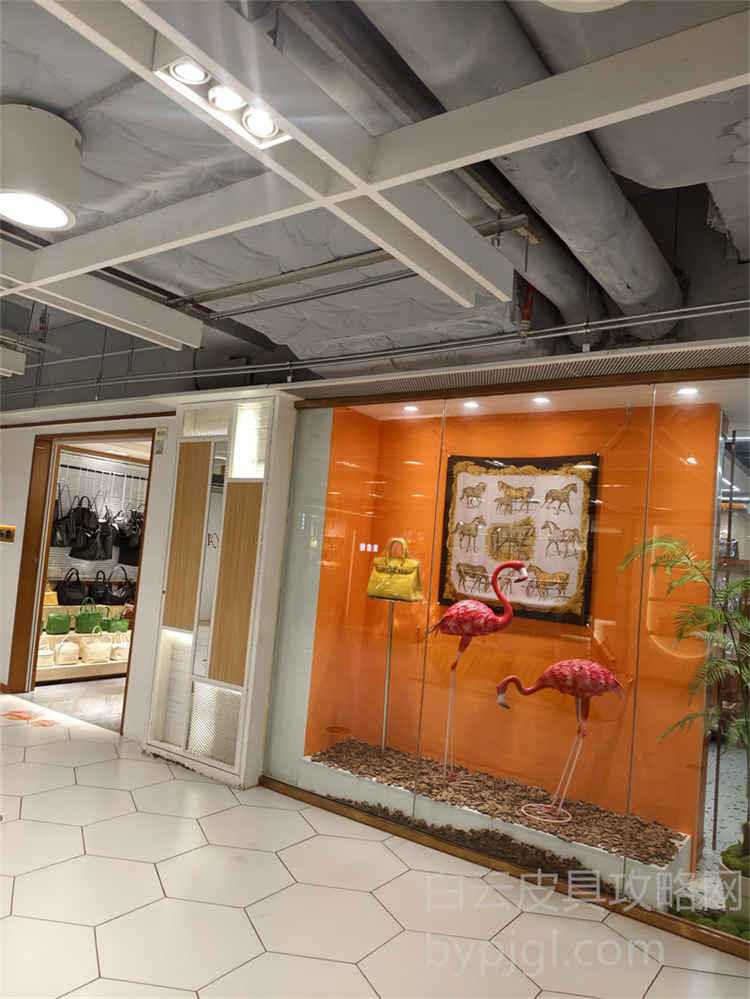
 On-site Visits
 Free Sharing
 Avoid Scams
 Updated Frequently
 For Reference Only