
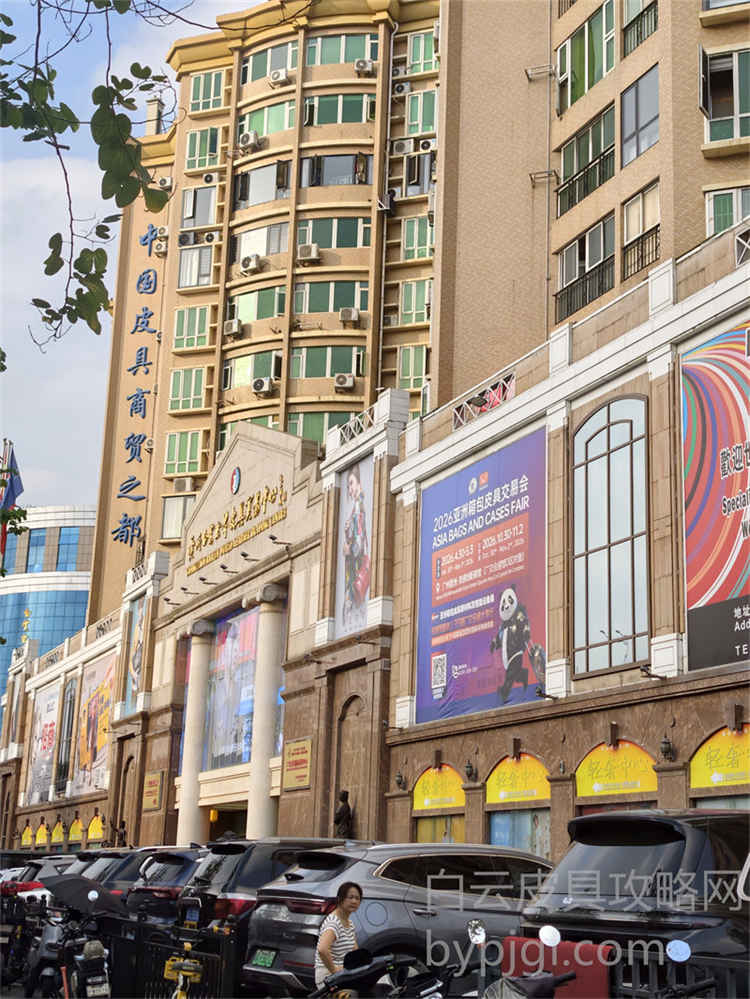
Why Guangzhou is Still the King of Bag Liquidation
I've been standing in this same spot at Baiyun Leather City for over fifteen years. While everyone else is talking about "supply chain optimization" or "digital transformation," I'm just counting cash and moving boxes. If you are an overseas buyer looking for "Guangzhou bag tail goods" or liquidation stock, let me tell you something straight: the internet lies to you. You cannot find real, high-quality clearance stock on Alibaba or even 1688 without getting burned. The real treasure is here, in the dusty corridors of Baiyun, wher the air smells like glue and leather dust.
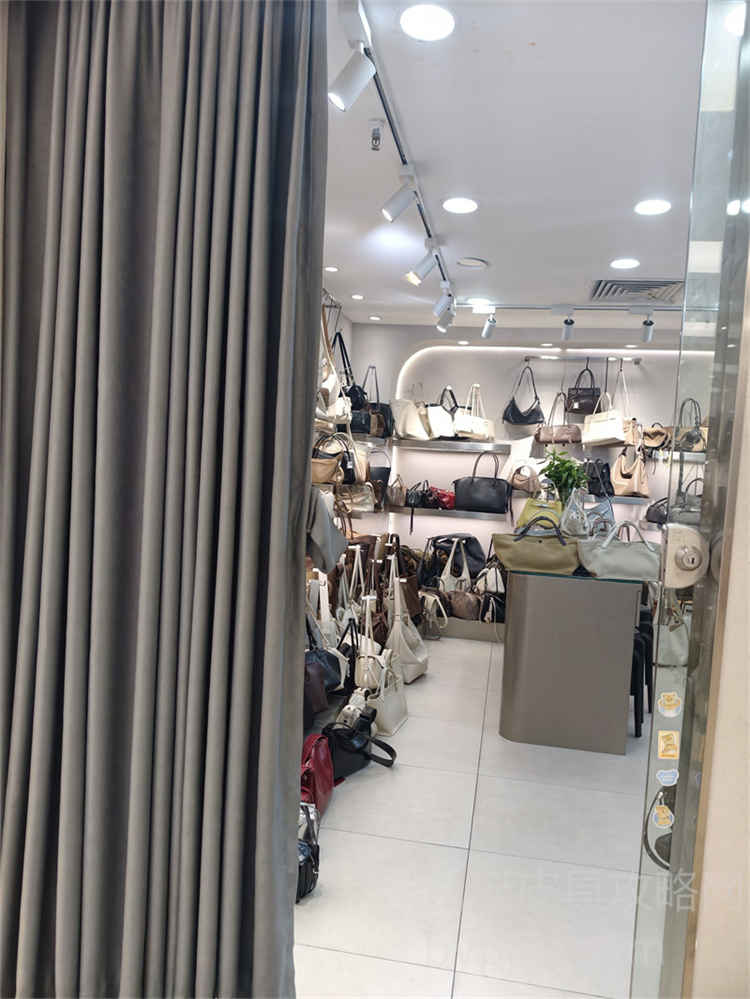
Most foreign buyers think they can just walk in and buy a truckload of cheap bags. They don't understand that "tail goods" (we call it wei huo here) isn't just one thing. It's the leftover inventory from top brands, the rejected pieces from factories, and the unsold seasonal stock from local designers. To get the best prices, you need to know which floor holds the rejects and which warehouse holds the genuine leftovers. I've seen too many tourists pay double because they went to the wrong building.
Navigating the Real Market: Wher to Actually Find Stock
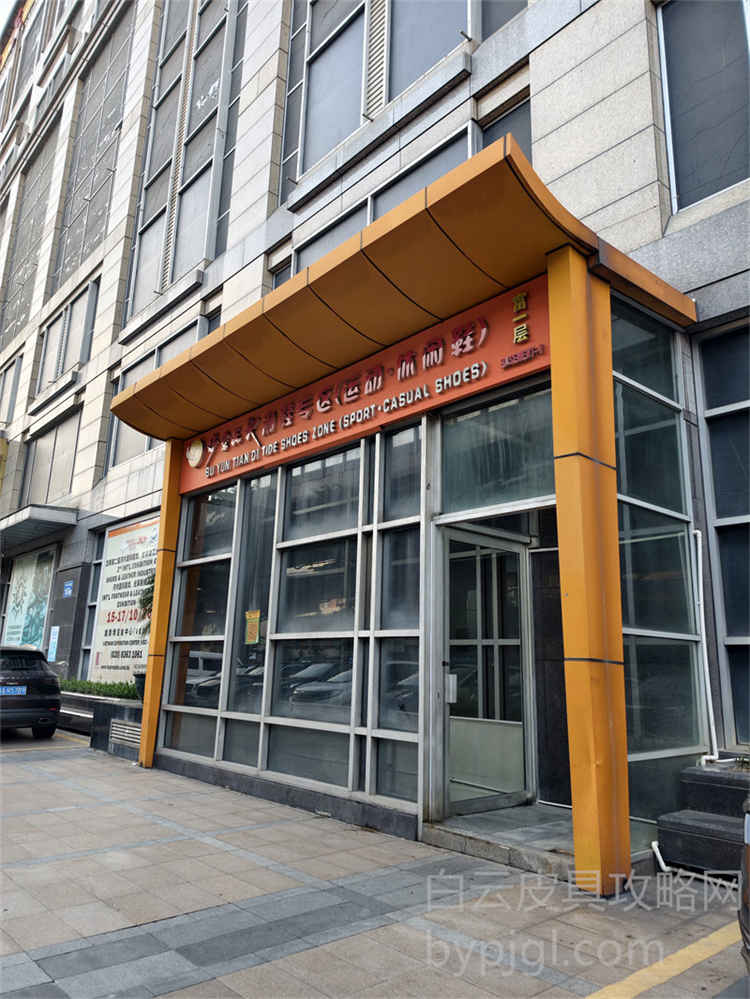
Let's cut through the noise. When people say "Guangzhou Baiyun Leather City," they usually mean the massive complex near Jiahe Wanggang Metro Station. But inside that complex, there are zones. Zone A and B are mostly for brand new, high-end replicas or custom orders. That is not wher you want to be if you are hunting for liquidation. You need to go deeper into the older sections, specifically around the back alleys of Building 3 and the side streets connecting to the old wholesale district.
The Hidden Gems: Specific Stalls and Floors
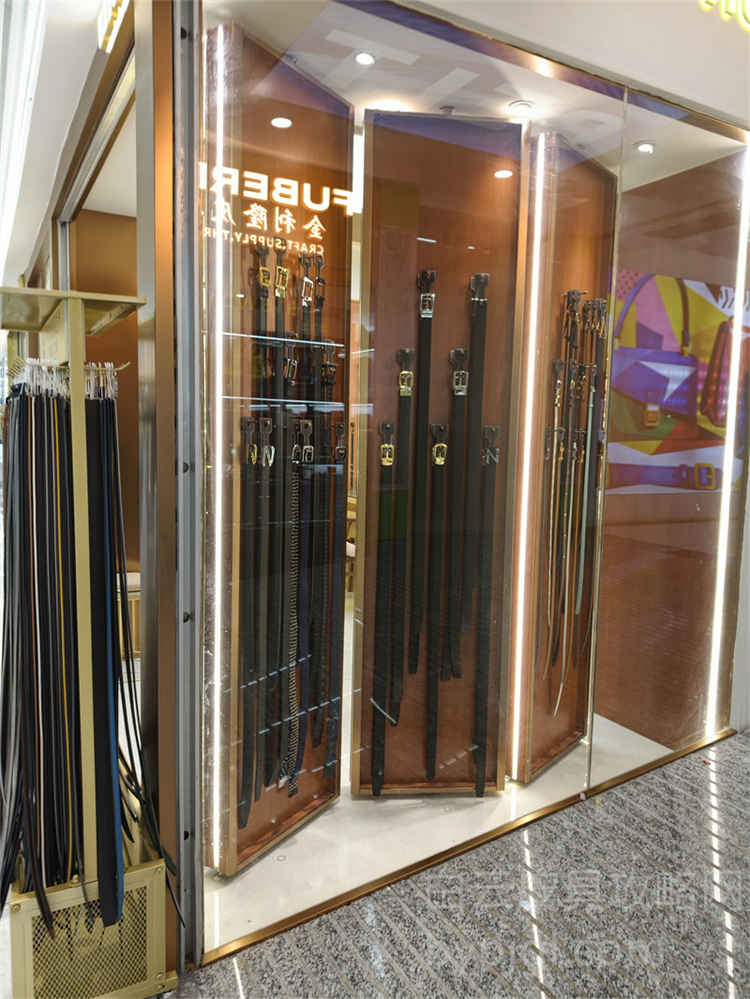
I won't give you vague advice like "go to the basement." Let me give you names. If you are looking for genuine factory overruns, head to the third floor of the Baiyun International Trade Center. Look for the stall named "Golden Eagle Leather Goods". This isn't a fancy showroom; it's a cluttered room stacked with boxes. The owner, Uncle Li, doesn't speak much English, but he knows exactly what he has. He deals exclusively in "B-grade" stock—bags with minor stitching errors or color mismatches that still sell perfectly well in secondary markets.
For bulk liquidation, you must visit the Yide Road Wholesale District, specifically the area behind the main Baiyun entrance. There is a small warehouse run by Fengshun Leather Factory. They don't have a storefront; you have to knock on the door. They specialize in end-of-season stock from major e-commerce brands. Last month, I helped a client from Brazil clear out 500 units of tote bags that were returned due to shipping damage. The cost was $4 per unit, retail value $25. That is the kind of margin you miss if you stay online.
The Art of Inspection: Don't Trust Your Eyes Alone
When you finally find a supplier, do not just nod and sign. In my experience, 30% of "tail goods" are actually damaged goods repackaged as clearance. Here is my personal checklist when I inspect a batch of bags.
Checking the Hardware and Stitching
First, check the zippers. Many factories use cheap alloy zippers that rust within months. Squeeze them. If they feel light and hollow, put them down. Next, look at the stitching density. On a standard production line, it should be 12 stitches per inch. If you see loose threads or uneven spacing, that is a rejection reason. I once saw a buyer accept a shipment of 200 handbags because the leather looked fine, only to find the lining was peeling off after two weeks. Always ask to see the "reject pile" next to the good stock. If the seller refuses to show you the bad ones, they are hiding something.
Understanding the "Grade" System
You will hear terms like "A-grade," "B-grade," and "C-grade." In Guangzhou, these aren't official standards; they are slang. "A-grade" means perfect. "B-grade" means minor flaws like a scratch on the handle or a slight color variation. "C-grade" is often dead stock or items with structural issues. When negotiating, always ask for "B-grade mixed with C-grade" to lower your average cost. For example, if you buy pure B-grade, you might pay $15 per bag. If you mix in 20% C-grade, the price dros to $9, and you can still sell the majority as premium quality.
Negotiation Tactics: How to Get the Real Price
Foreigners often make the mistake of asking "How much?" immediately. That is a rookie move. In Guangzhou, the first price quoted is always inflated by 30-40%. You need to build rapport first. Start by asking about the origin of the leather. Ask, "Is this cowhide or PU?" Even if you know, asking shows you care. once they trust you, bring up the volume. Say, "I am planning to order 500 units next month, but I need to test this batch first."
The Power of Cash and Volume
Cash is king here. If you can pay in RMB via WeChat or Alipay on the spot, you can negotiate an extra 5% discount. Also, never buy just one style. Mix and match. Tell the vendor, "I want 100 black totes, 50 brown satchels, and 50 backpacks." This allows them to clear their entire inventory faster, and they will give you a better bundle price. I remember a deal wher I bought a mix of 300 bags from Hongxing Leather Warehouse on the second floor of the Baiyun Complex. By mixing styles, I saved $2,000 compared to buying single SKUs.
Pitfalls to Avoid: What I Learned the Hard Way
There are traps everywher. One common scam is the "sample trap." They send you a perfect sample, then ship you a box full of junk. Another is the "hidden fee." Some vendors quote a low price but add a "handling fee" or "customs fee" later. Always agree on the final price including all costs before you leave the shop.
Logistics and Shipping
Don't try to ship everything yourself. Most vendors in Baiyun have relationships with freight forwarders who specialize in international shipping. Use them. They know how to pack fragile items to prevent crushing. If you ship via air, expect delays during peak seasons like Chinese New Year. Plan your orders at least three months in advance. Also, be careful with customs declarations. Declare the correct HS code to avoid seizures. I once had a shipment held because the invoice said "leather accessories" but the actual weight didn't match the description. Always ensure your paperwork matches the physical goods exactly.
Summary of Key Locations and Strategies
To wrap it up, here is a quick reference guide based on my years of experience. This table summarizes the best spots for different types of buyers.
| Location | Best For | Key Contact/Name | Typical MOQ |
|---|---|---|---|
| Baiyun Int'l Trade Center (Floor 3) | B-Grade Overruns | Golden Eagle Leather Goods | 50 Units |
| Yide Road Back Alleys | End-of-Season Bulk | Fengshun Leather Factory | 200 Units |
| Baiyun Complex (Side Streets) | Mixed Styles & Clearance | Hongxing Leather Warehouse | 100 Units |
| Old Wholesale District | C-Grade Liquidation | Various Small Stalls | 500+ Units |
Remember, the market changes fast. What works today might not work tomorrow. But the core principle remains: go there, touch the product, talk to the boss, and trust your gut. If you follow this path, you will find the best "Guangzhou bag tail goods" source that no algorithm can ever replicate. Happy hunting.

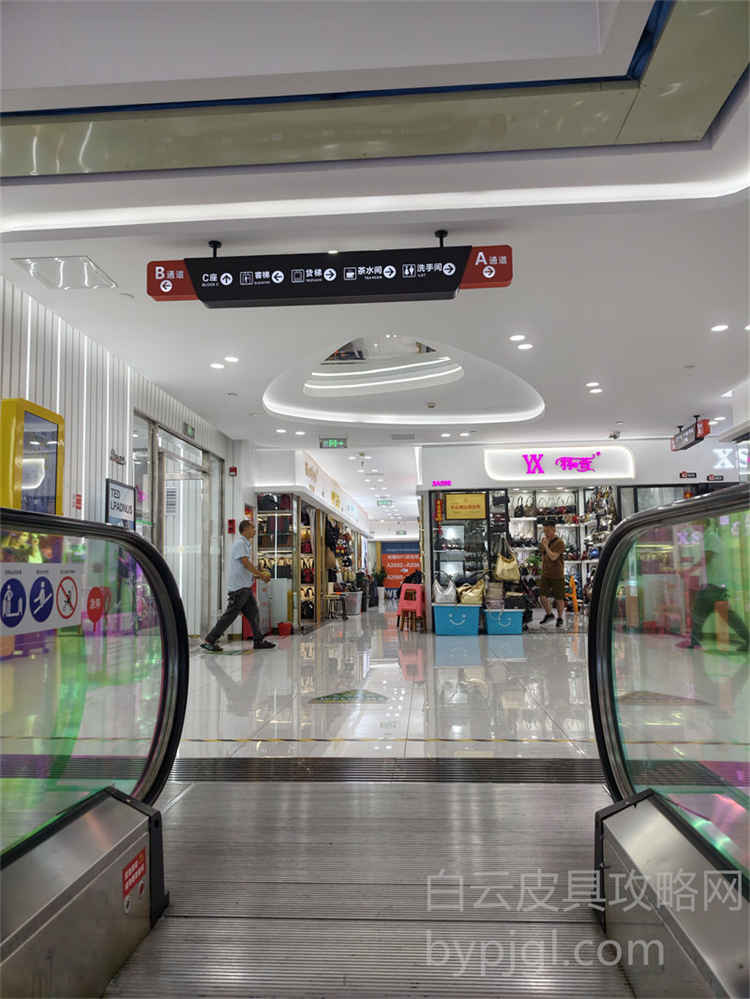
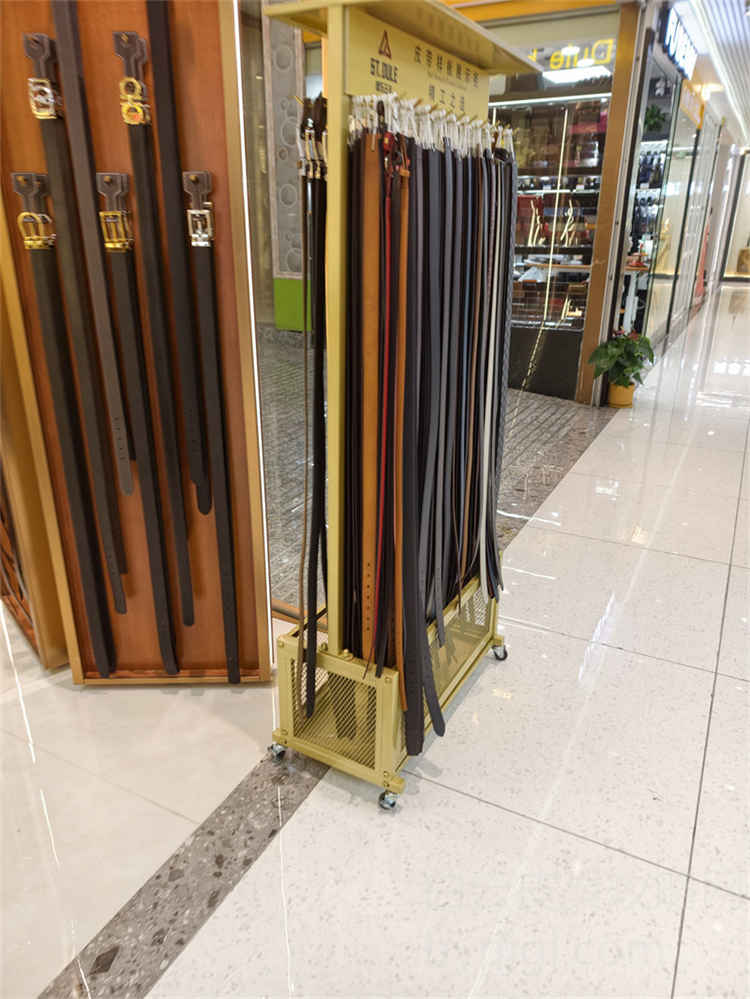
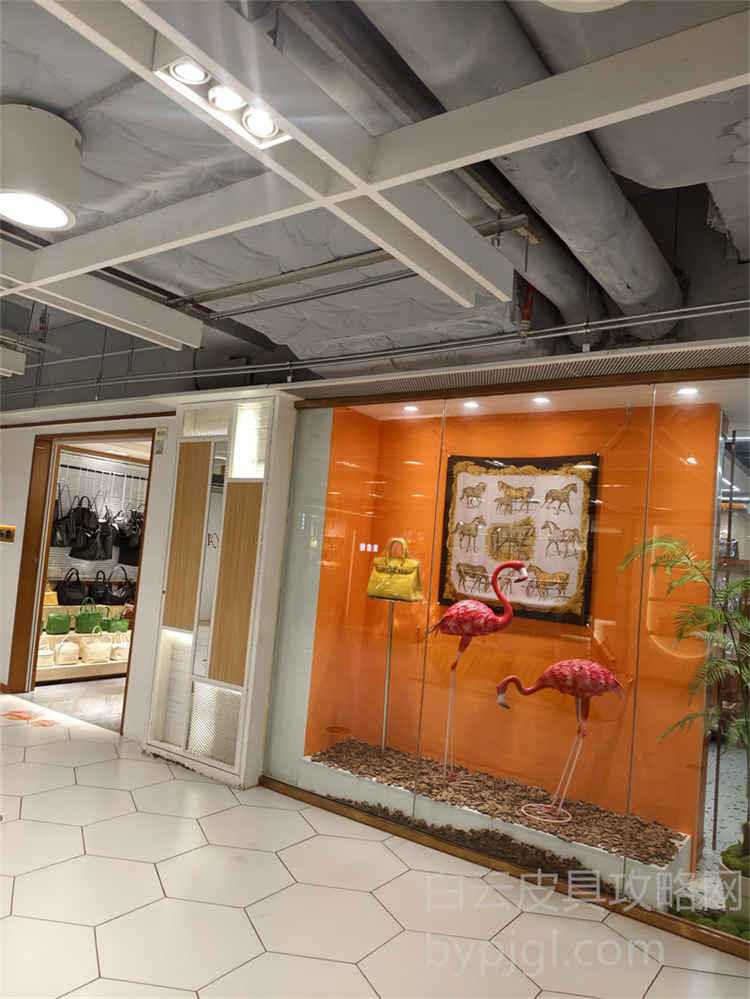
 On-site Visits
 Free Sharing
 Avoid Scams
 Updated Frequently
 For Reference Only