
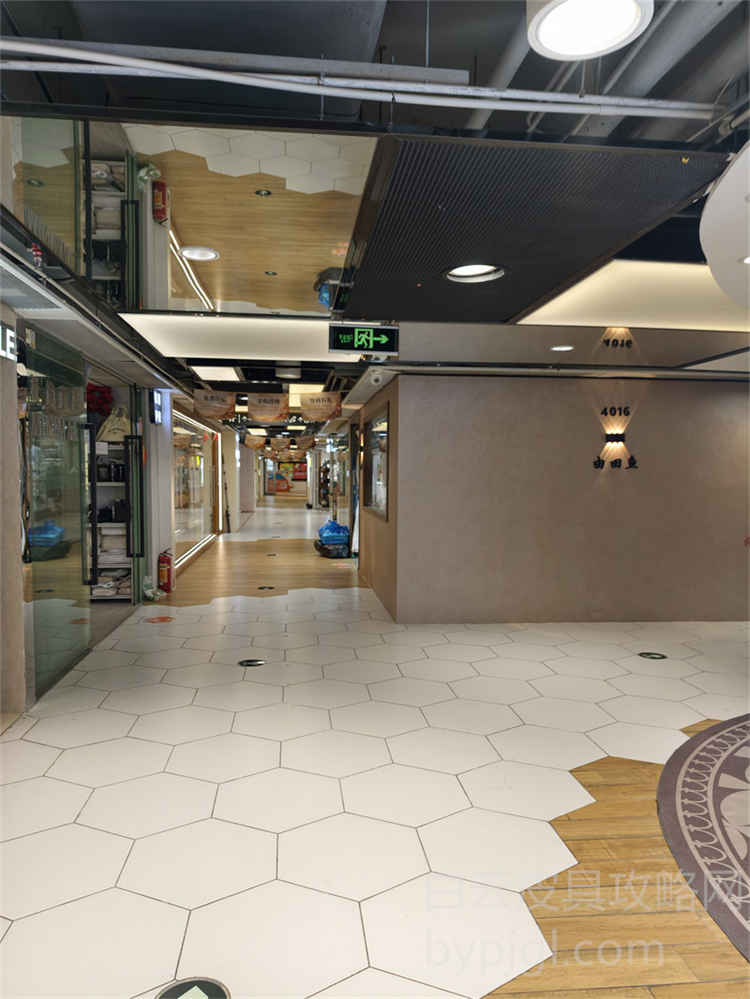
Why You Need to Walk the Floor: My 15 Years in Guangzhou Leather Markets
If you are sitting in your office in New York or London, staring at a laptop screen trying to source bags from China, let me tell you something straight: you are missing the most critical part of the game. I have been standing on the same floor of the Baiyun Leather City for over fifteen years. I've seen thousands of tourists come and go, some leaving with gold mines of inventory, others walking away with nothing but a headache and a few low-quality samples. The internet is full of "top suppliers," but the real truth about Guangzhou wholesale handbags lives only in the dust and noise of the market streets.
When I first started back in 2008, the market was chaotic. Today, it is sophisticated, but the rules haven't changed. If you want to succeed in Guangzhou self-service bag wholesale, you cannot rely on WeChat messages alone. You need to smell the leather, feel the stitching, and look into the eyes of the factory owner. Let me walk you through exactly how we do business here, step by step, so you don't make the mistakes that cost me my first year of trading.
The Real Layout: Navigating Baiyun and Beyond
Most foreigners think there is just one big building called "Baiyun." That is a myth. The reality is a sprawling ecosystem. When you arrive, you aren't just entering a mall; you are entering a battlefield of supply chains. The main hub is the World International Trade Center (often called Baiyun Leather City), but if you stop there, you are already behind.
Level 3 vs. Level 4: Wher the Quality Lives
Let's get specific about wher you should be looking. In the World Trade Center, Level 1 and 2 are mostly for tourists and low-end knockoffs. Do not waste your time there unless you are buying souvenirs. The serious buyers head straight to Level 3 and Level 4. This is wher the factories with their own workshops operate.
I recommend starting at the Yiwan Plaza right next door. It is less crowded than the main center but houses some of the most aggressive exporters. For example, if you are looking for high-end luxury replicas or top-tier OEM work, visit the stall Room 3056 in Yiwan. The owner, Uncle Chen, has been here since 2005. He doesn't talk much, but his leather quality is unmatched. He sources cowhide directly from the inner Mongolia tanneries, which cuts out the middleman. Another spot you must check is Room 2108 in the World Trade Center. They specialize in canvas and nylon travel bags, perfect for the US streetwear market. Their MOQ (Minimum Order Quantity) starts at just 50 pieces, which is rare for this tier of quality.
The Art of Sampling: Don't Trust Photos, Trust Your Hands
Here is the biggest trap I see every day. A buyer sends a photo to a supplier, gets a quote of $15 per bag, and thinks they got a deal. Then they order 500 units, receive them, and realize the hardware is cheap zinc alloy that turns green after two weeks. This happens because photos lie. In Guangzhou Baiyun leather market, the lighting in the showroom is always brighter than reality.
How to Test Hardware and Stitching Like a Pro
When you are at the stall, do not just ask to see the sample. Ask to open it. Pull the zipper. Seriously, pull it hard. If the zipper sticks, walk away. Check the thread count. A good factory will use 12-14 stitches per inch. If you count fewer than 10, the bag will fall apart in six months. I once saw a buyer accept a bag because the lining looked nice, but when he turned it inside out, the glue was visible on the seams. That is a sign of a rushed production line.
Another trick: bring a magnet. Many "gold" plated zippers are actually brass painted gold. A magnet will stick to the base metal. If it doesn't stick, it might be plastic or aluminum, which feels light and cheap. At Stall 402 in the Da Dong Building, they actually encourage you to test the hardware. They know their stuff is solid. They even have a small anvil in the back room to show you how thick their metal plates are compared to the cheap ones sold online.
Negotiation Tactics: The Language of Volume and Cash
You cannot negotiate like a tourist. If you say "I am interested," you will get the retail price. To get the wholesale price, you need to speak the language of volume. In Guangzhou, the price is never fixed until you sit down and discuss the numbers. The standard markup for a factory selling to a reseller is usually 20-30%. If a bag costs them $10 to make, they won't sell it to you for $12. They will aim for $13 or $14, depending on your order size.
The Power of the "Cash Deposit"
Here is a secret that changes everything. If you pay cash or transfer immediately upon agreement, you can often knock another 5-10% off the price. Factories in Baiyun run on thin margins and high turnover. They love cash flow. When I was negotiating with Factory A in Room 1012 of the Tianyu Building, I told the manager, "I will pay 50% deposit now, and the rest before shipping. But I need the price reduced by 8%." He hesitated, then nodded. Why? Because he knew he could reinvest that money immediately into raw materials. Never threaten to leave unless you are ready to walk. The moment you turn your back, they will call you back with a better offer, but only if you show confidence.
Avoiding the Pitfalls: What Happens After You Pay
once you sign the deal, the real work begins. Many buyers think they are safe once the money is sent. It is not. The biggest risk in Guangzhou handbag wholesale is the "sample vs. bulk" discrepancy. The factory shows you a perfect sample, but when they mass-produce, they cut corners on the lining or use cheaper thread to save costs.
The Inspection Protocol
Never ship without a third-party inspection or a personal visit. If you are far away, hire a local agent who knows the market. But if you are here, go to the factory. Most stalls in Baiyun have a warehouse attached. Go there. Look at the piles of unfinished goods. Are they organized? Is the air clean? A messy warehouse means a messy production process. I once visited a stall that promised delivery in 7 days. When I went to check, I found half the machines were broken. They missed the deadline by three weeks, and my client cancelled the order. Always build a buffer into your timeline.
Summary of Key Locations and Tips
To wrap up, here is a quick reference guide based on my years of experience. Use this table to plan your route so you don't waste time wandering aimlessly.
| Market Name | Best Floor/Zone | Specialty | Recommended Stall/Contact | MOQ Range |
|---|---|---|---|---|
| World Trade Center (Baiyun) | Level 3 & 4 | Luxury Replicas, OEM Bags | Room 3056 (Uncle Chen) | 50 - 100 pcs |
| Yiwan Plaza | All Floors | Travel Bags, Canvas, Nylon | Room 2108 | 30 - 50 pcs |
| Tianyu Building | Ground Floor & basement | Low Cost, Fast Fashion | Stall 1012 | 100+ pcs |
| Da Dong Building | Level 2 | Hardware Testing, Heavy Duty | Stall 402 | 20 - 50 pcs |
Remember, the market in Guangzhou is dynamic. What works today might change tomorrow. But the principles remain: touch the product, verify the factory, and negotiate with cash in hand. If you follow these steps, you will find that sourcing from Guangzhou Baiyun leather market is not just a transaction; it is a partnership built on trust and quality. Don't settle for what you see online. Come here, see it yourself, and build a brand that lasts.

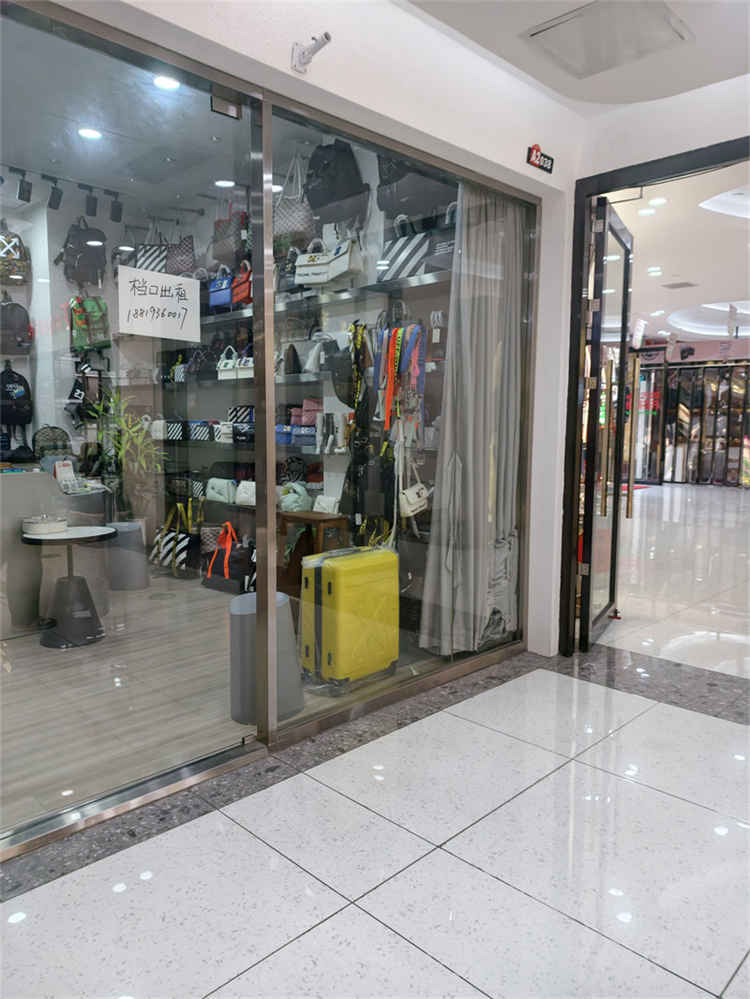
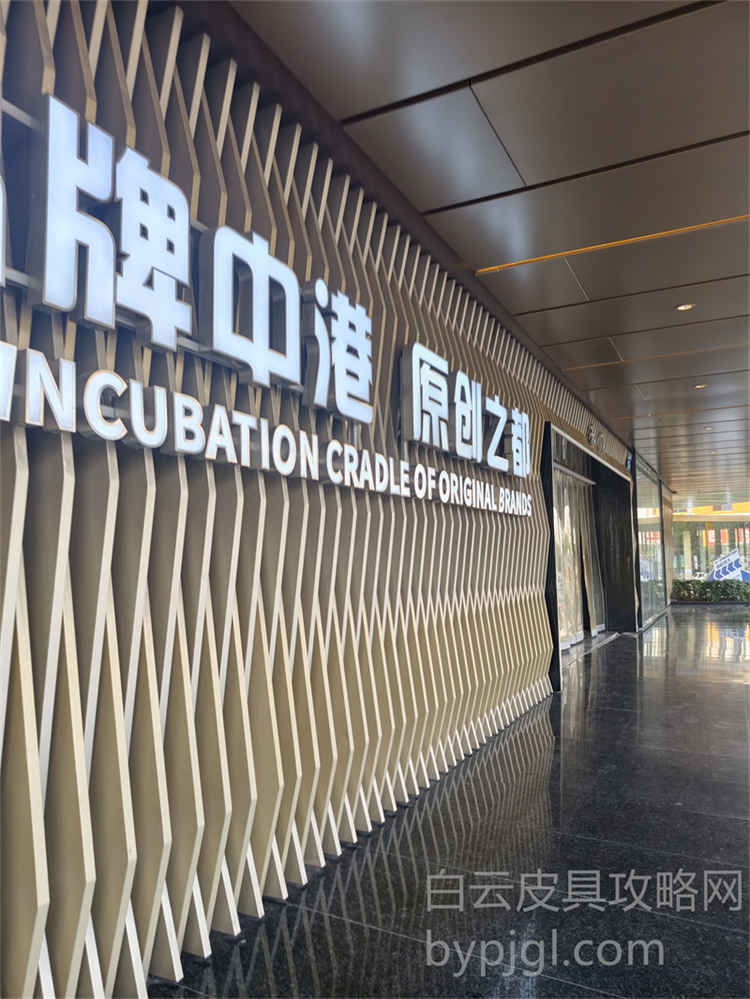
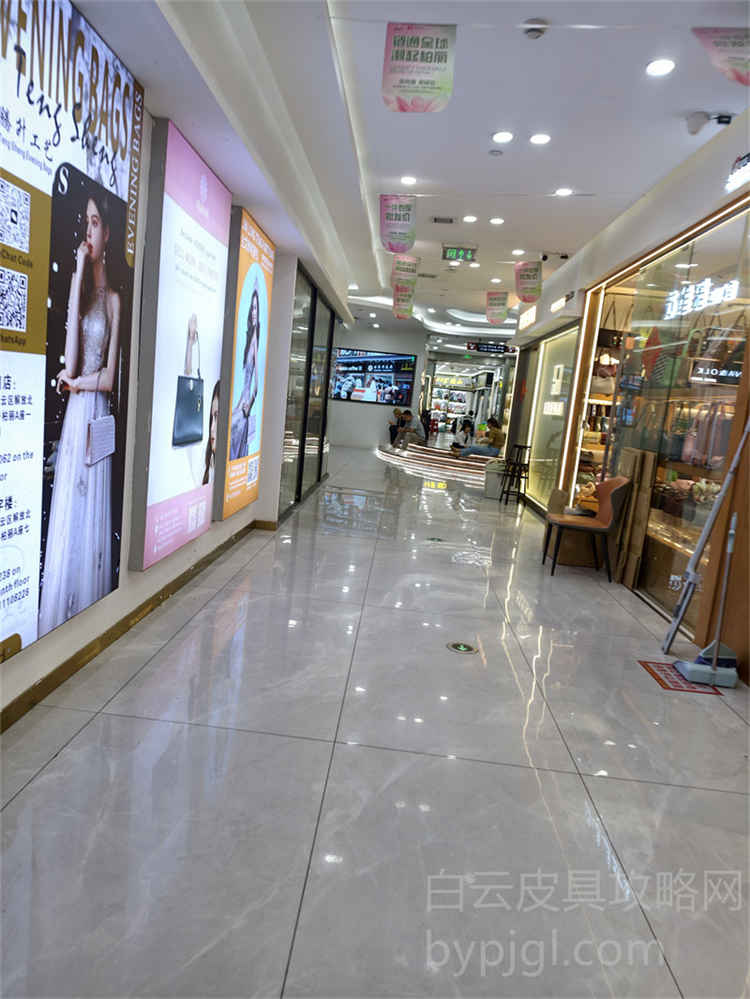
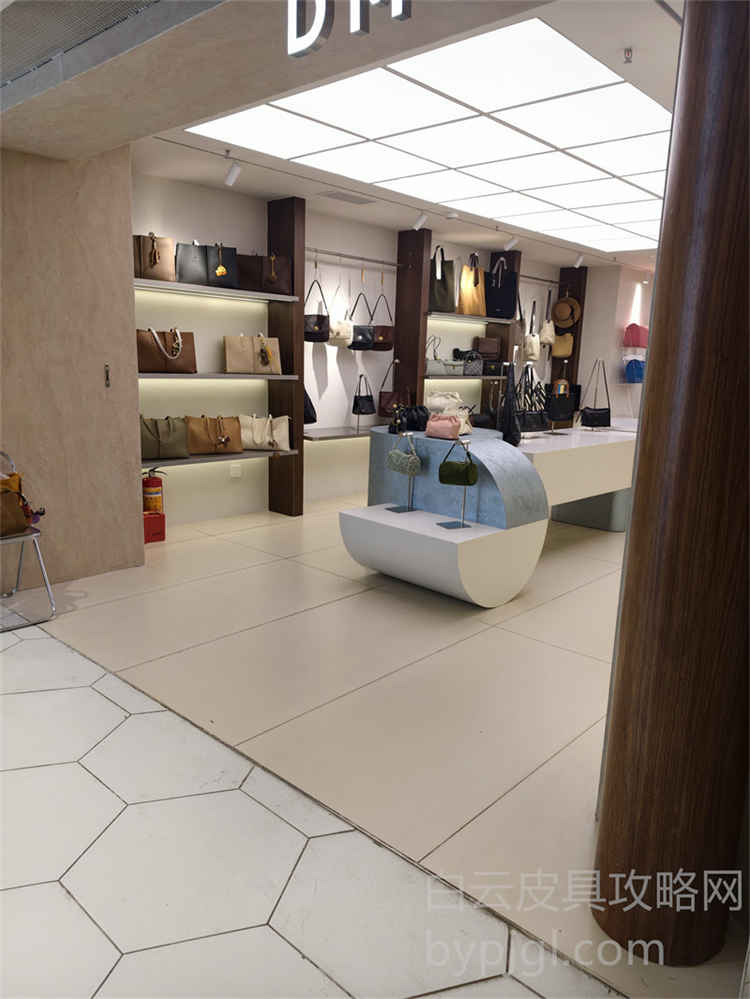
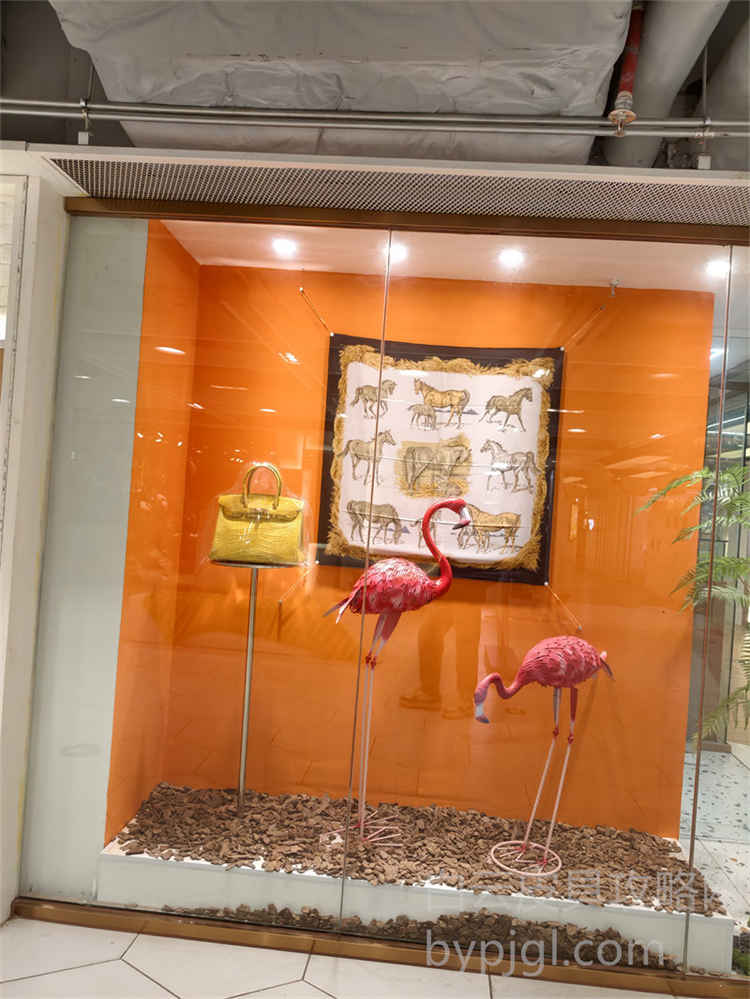
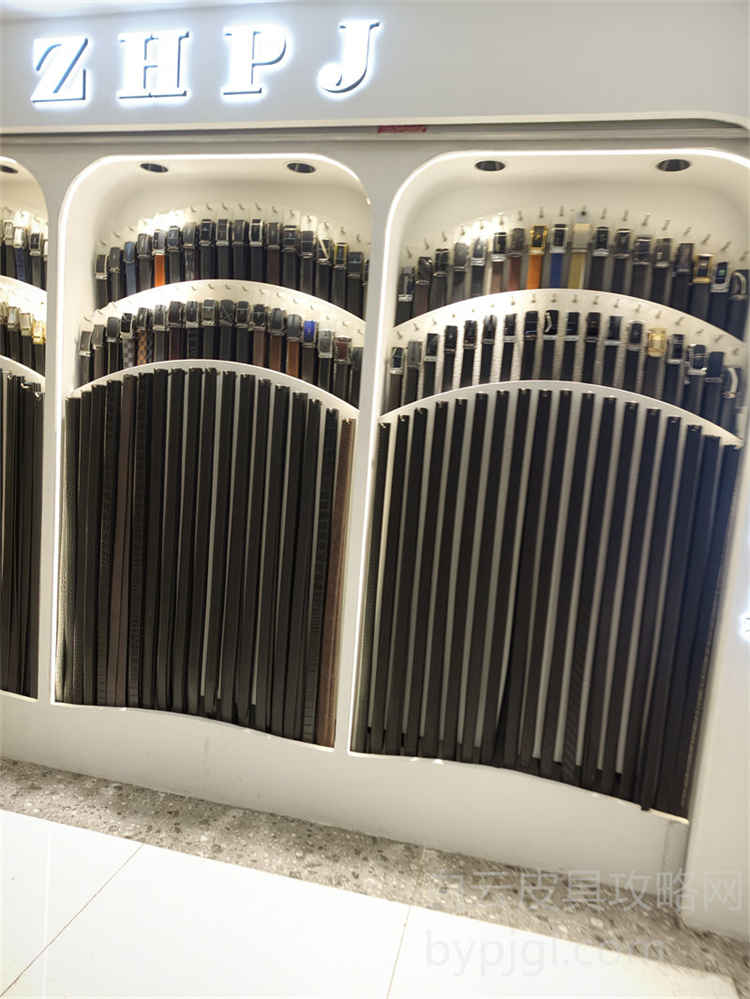
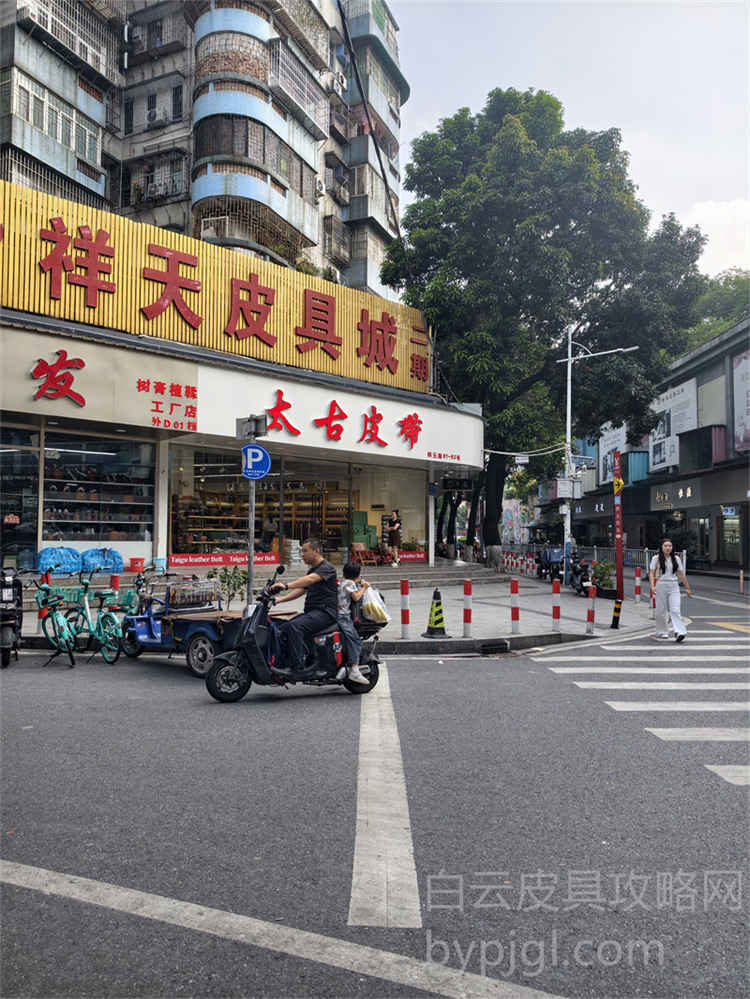
 On-site Visits
 Free Sharing
 Avoid Scams
 Updated Frequently
 For Reference Only