
Why Your Next Shipment Must Come from Guangzhou's Leather Heart
I've been standing behind the same counter in Guangzhou for over fifteen years. While you are reading this on your screen, thousands of miles away, I am likely shouting at a delivery driver or negotiating with a factory owner who just brought in a new batch of cowhide. If you think buying bags from China is as simple as clicking "Add to Cart" on an app, let me stop you right there. The real magic, the real margins, and the real quality secrets only exist when you step into the dusty, chaotic, and incredibly vibrant streets of Baiyun District.
Most overseas buyers fail because they treat Guangzhou like a supermarket. It isn't. It is a battlefield of supply chains wher information asymmetry is the currency. When I tell my clients to come here, I don't mean for a vacation. I mean for war. You need to know exactly which floor holds the high-end replicas that pass for luxury, which alleyway hides the genuine leather workshops, and how to spot a fake invoice before you sign it. Let me walk you through what actually happens when you source "Guangzhou wholesale bags" in person.
Navigating the Beast: Inside Baiyun International Trade City
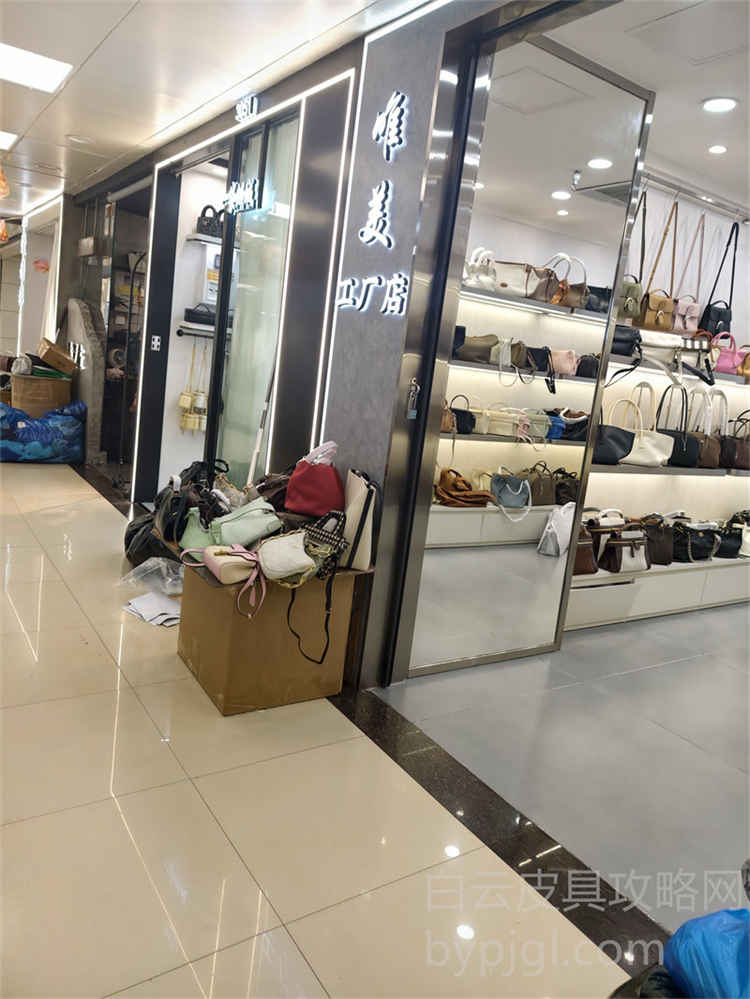
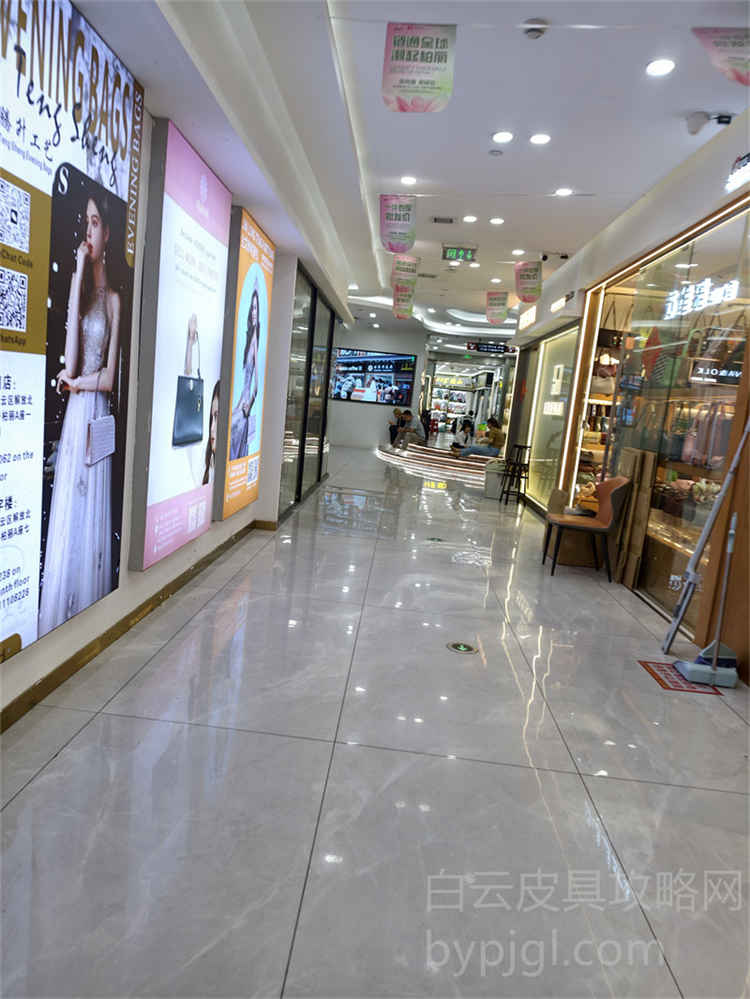
The first thing you will notice is the sheer scale. Baiyun International Trade City is not one building; it is a sprawling complex of interconnected towers that smell faintly of glue, fresh leather, and diesel fumes. If you go straight to the ground floor, you will be swarmed by touts selling low-quality PU leather that looks good in photos but falls apart after two weeks. That is the trap.
The Golden Rule: Go Up, Don't Stay Down
Here is a hard truth I learned the hard way: the best goods are never on the first three floors. Those levels are designed for tourists and small-time resellers looking for quick cash. The serious wholesalers, the ones who supply the big brands in Europe and the US, operate from the 4th floor upwards. Specifically, head to Floors 5 and 6. This is wher the "high copy" (as we call them) meets the "genuine leather" market.
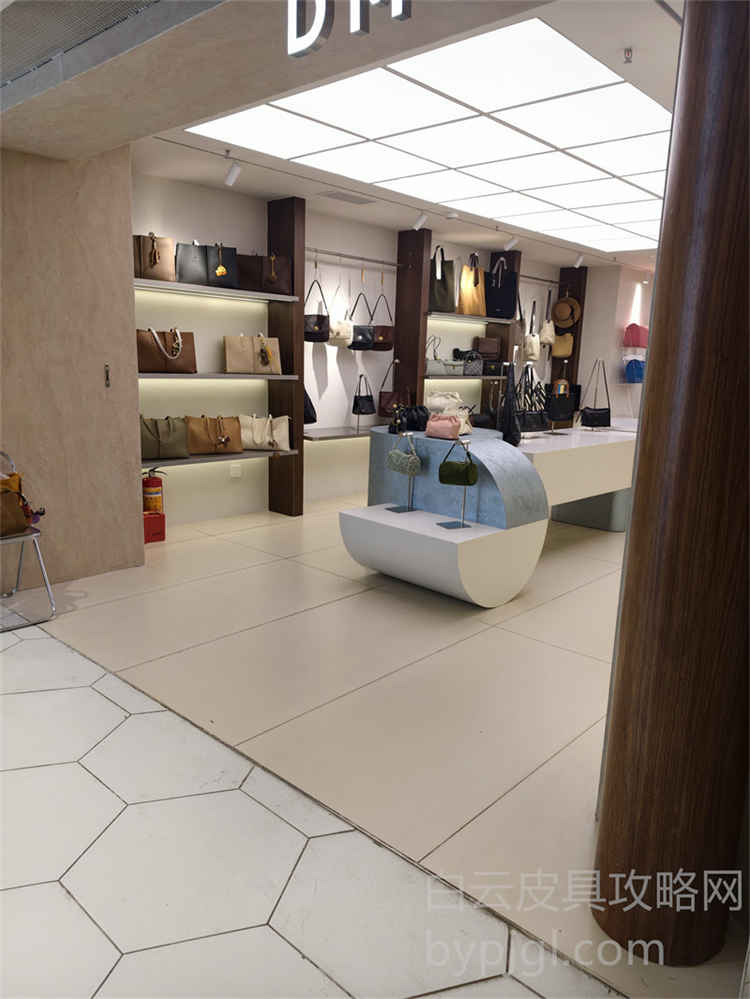
For example, if you are looking for structured handbags, avoid the stalls near the escalators. Instead, walk down the corridor towards the back of Floor 6. There, you will find a cluster of shops belonging to factories like Hengda Leather Goods. They don't have flashy signs. Their counters are cluttered with samples, and the owners are busy cutting patterns. But their quality control is tighter than any brand you can name. I once saw a buyer reject a bag from a ground-floor stall for $15 because the stitching was loose, only to buy the exact same model from Hengda for $18, knowing it would last five years instead of five months.
The Hidden Gem: The Old Market Behind the Mall
Don't forget the smaller markets surrounding Baiyun, like the Jingxiu Leather Market. While Baiyun is polished, Jingxiu is raw. This is wher you find the custom work. If you want to create your own brand, you need to talk to the people here. I recommend visiting the workshop area on the second floor of the old block. Look for the shop named Golden Eagle Leather Factory. They specialize in small-batch customization. Unlike the big factories that require orders of 500 units, Golden Eagle will take an order of 50 pieces if you bring the design. I helped a client from Canada launch her brand using exactly this approach. She saved 40% on tooling costs compared to ordering from Shenzhen.
The Art of Negotiation: How to Talk Like a Local
When you walk into a stall, do not start by asking, "What is the price?" That is a rookie mistake. In Guangzhou, price is fluid, but reputation is fixed. If you ask about price immediately, they know you are a tourist. Start by asking about the material. Say, "Is this full-grain cowhide or top-grain? What is the tanning process?"
Reading the Room: The Language of Leather
You need to speak their language. If you see a bag labeled "Genuine Leather," ask for the "oil wax finish." If they hesitate, it's probably coated. I remember a specific incident wher a buyer wanted to purchase 200 tote bags. He asked for the "best quality." The vendor gave him a sample that looked perfect. But when he touched the lining, he felt the cheap polyester. I stepped in and said, "Show me the lining from the back room." The vendor pulled out a roll of Italian canvas. The price difference was $2 per bag, but the perceived value jumped by 30%. That is the power of inspection.
Never accept the first quote. In Guangzhou, the first number is always inflated by 30-50%. If they say $25, offer $18. Then meet in the middle. But be careful: if you push too hard, they might switch you to lower quality stock. The sweet spot is usually around 20% off the initial quote for bulk orders.
Quality Control: The Pitfalls That Cost Thousands
This is wher most international buyers lose money. They rely on photos sent via WeChat. Photos lie. A photo cannot show you the smell of the glue, the stiffness of the zipper, or the consistency of the dye. You must physically inspect every single bag before payment.
The Three-Point Inspection Method
When I guide my clients, I teach them the "Three-Point Check." First, check the hardware. Open and close the zippers ten times. Do they feel smooth or gritty? Second, check the stitching. Pull the threads gently. If they snap easily, the thread count is too low. Third, check the smell. High-quality leather has a distinct, earthy scent. Cheap synthetic leather smells like chemicals or plastic. I once had a client who ordered 1,000 bags based on a video call. When they arrived, the smell was so strong they couldn't sell them in the EU due to safety regulations. They lost $15,000. That is why you must be here.
Also, watch out for the "sample vs. bulk" trick. Sometimes the sample you hold is perfect, but the bulk production uses cheaper materials. Always ask to see the "production line" or at least a random selecion from the current batch. At Baiyun Plaza, specifically on Floor 7, there are several vendors who allow you to visit their warehouse. This transparency builds trust. If they refuse, run.
Logistics and Shipping: Getting Your Goods Home Safely
once you have negotiated the deal and inspected the goods, the next challenge is shipping. Many buyers get stuck here because they try to ship directly from the factory. It is often cheaper and safer to use a freight forwarder located within the Baiyun district. These companies handle customs clearance, consolidation, and insurance.
Consolidation Saves Money
If you are buying from multiple stalls, do not pay for separate shipments. Find a forwarder like Guangzhou Express Logistics near the main exit of Baiyun. They will consolidate your packages from different vendors into one container. This reduces your shipping cost by up to 40%. I have seen clients save hundreds of dollars on a single shipment just by doing this. Also, ensure they provide a tracking number that works internationally. Some local couriers only track within China.
Summary: Your Action Plan for Success
Sourcing from Guangzhou is not easy, but it is the only way to get true value. Here is a quick checklist based on my years of experience:
| Step | Action Item | Key Tip |
|---|---|---|
| Location | Baiyun International Trade City | Avoid Ground Floor; Target Floors 5-6 |
| Vendors | Hengda Leather, Golden Eagle Factory | Look for hidden workshops, not flashy signs |
| Negotiation | Start with Material Quality | Offer 20% below initial quote; Meet in middle |
| Inspection | Three-Point Check (Hardware, Stitch, Smell) | Never pay without physical inspection |
| Shipping | Use Local Forwarders | Consolidate shipments to cut costs by 40% |
Remember, the goal is not just to buy a bag; it is to build a relationship. In Guangzhou, relationships are everything. If you treat the vendors with respect, learn their trade, and show up consistently, they will give you access to goods that no one else sees. So, pack your bags, book your flight, and come to Baiyun. The leather waits for no one.

 On-site Visits
 Free Sharing
 Avoid Scams
 Updated Frequently
 For Reference Only