
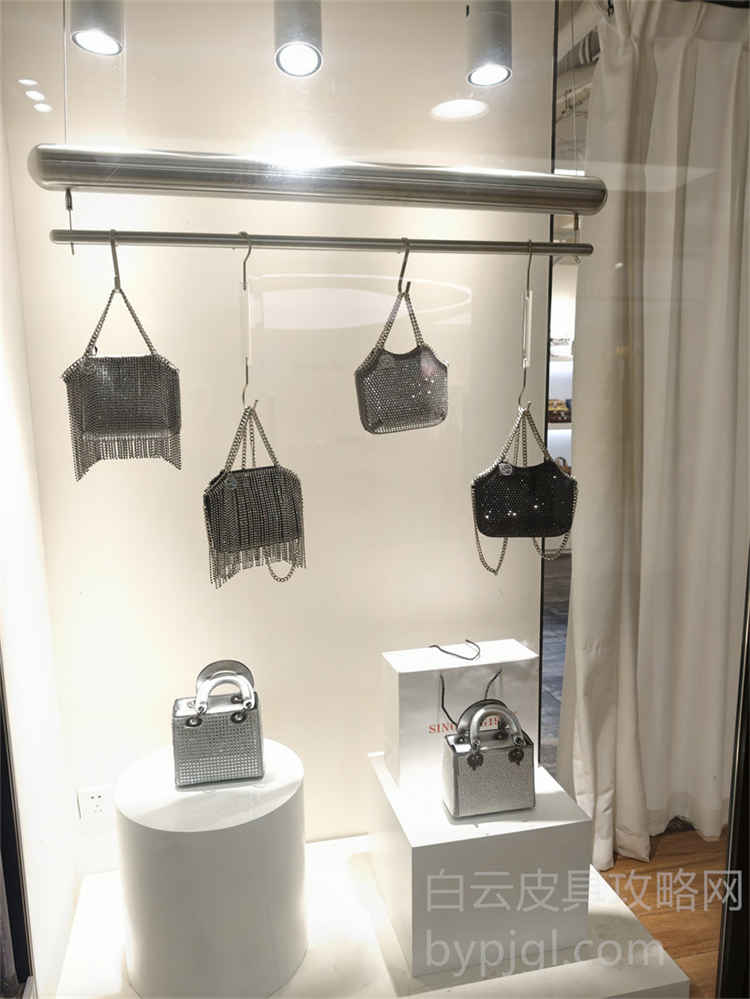
Walking the Floors: My Real Talk on Sourcing Bags in Guangzhou
Listen, I have been standing behind this counter in the Baiyun District for over twenty years. While you are reading this from your office or home, I am likely wiping down a display table, arguing with a driver about freight costs, or showing a new sample to a regular customer who has flown in from Europe or America. The internet is full of glossy photos and fake promises, but if you want the real deal on wher to find the best goods, you need to get out of your hotel room and walk the streets of Guangzhou. This isn't about buying "replicas" or copying famous brands; it is about finding high-quality leather goods at factory-direct prices that actually sell well in your market.
The First Rule: Leave Your Expectations at the Door
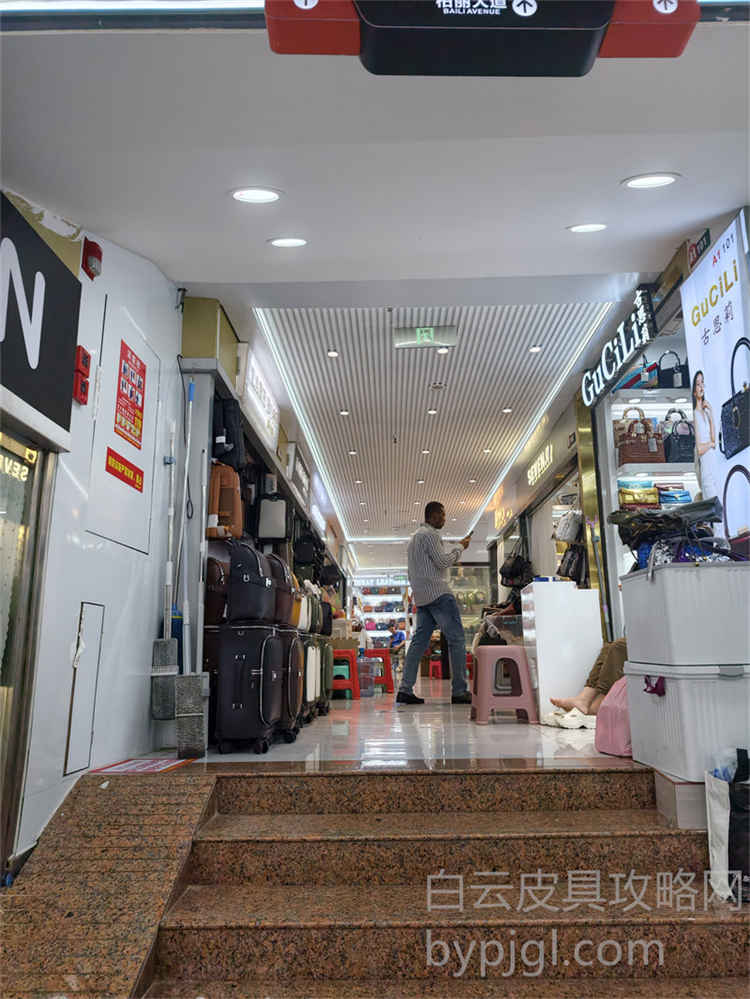
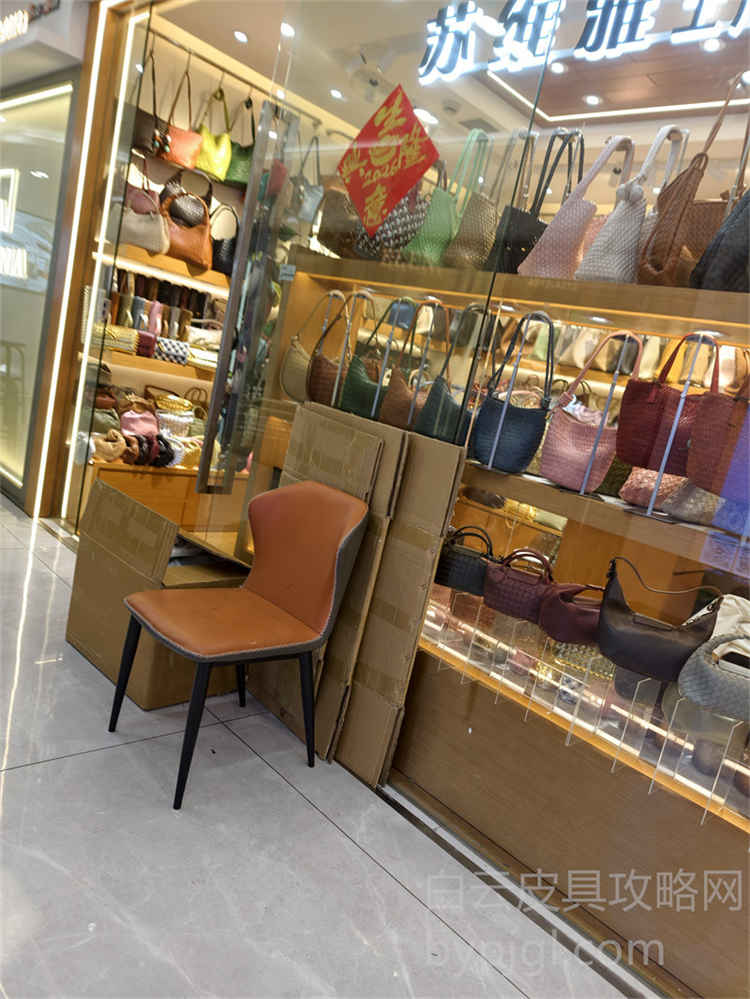
When first-timers arrive here, they often look confused. They expect bright lights, polite service, and neat displays like in a mall. Forget that. The wholesale markets here are chaotic, loud, and intense. You will smell leather dust, hear shouting, and see piles of boxes everywher. This is not a bug; it is a feature. It means business is moving fast. If you walk into a shop looking for a quiet conversation, you will be ignored. You need to show confidence. Walk in, point at what you like, and ask for the price. Do not be shy. The vendors here respect people who know how to move quickly.
Navigating the Baiyun Leather City Maze
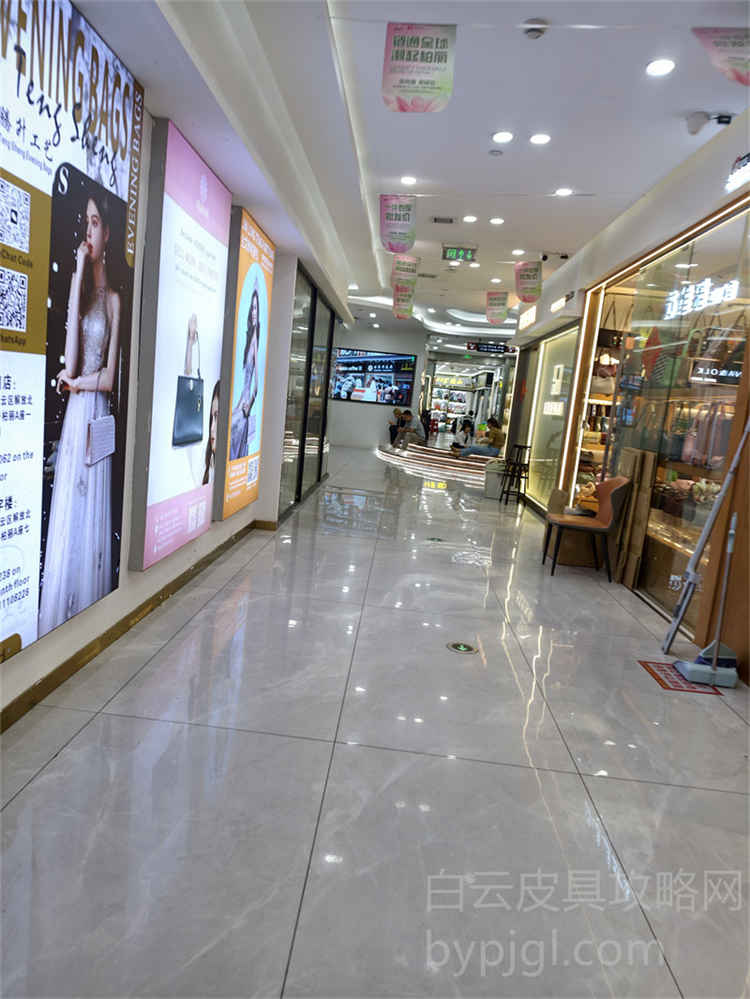
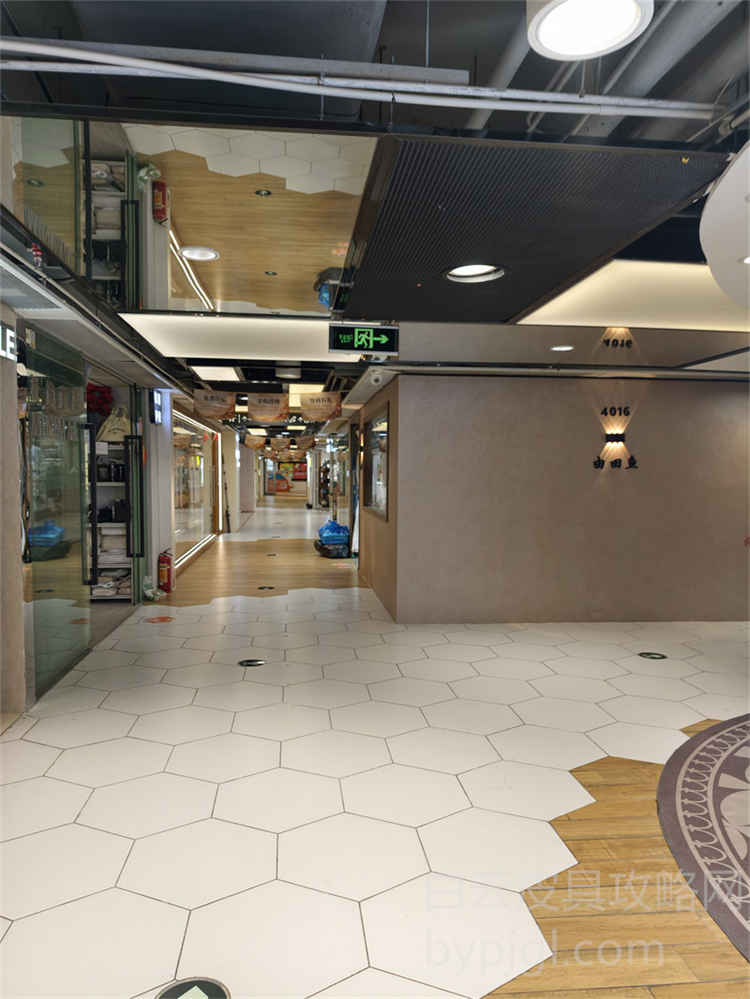
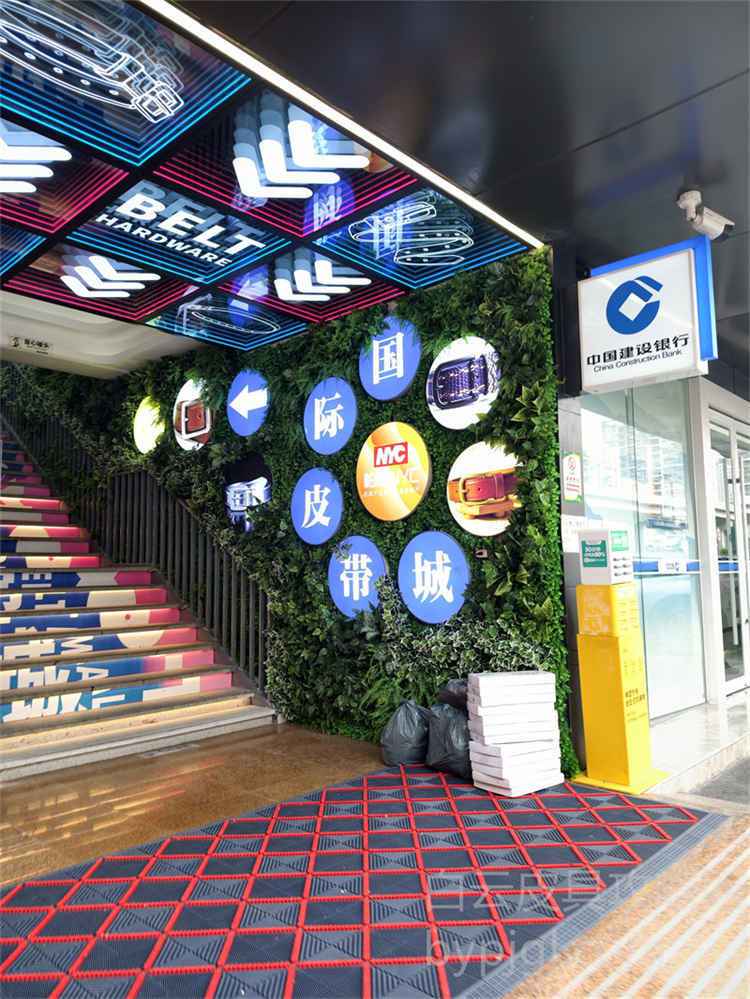
Guangzhou Baiyun Leather City is the heart of this industry, but it is huge. There are dozens of buildings, each with its own vibe. Some floors are dedicated to high-end cowhide, while others focus on trendy canvas bags or budget-friendly options. As a local owner, my advice is simple: do not try to visit every single building in one day. You will burn out before you even find a good supplier. Start with the main hubs wher the big factories have their showrooms. These places usually have better quality control because they rely on repeat business from serious buyers.
Finding the Right Stall Amongst the Noise
You might think the flashiest stall has the best products, but that is often a trap. Sometimes the most expensive-looking items are just old stock sitting there for months. Instead, look for stalls that are busy. Watch how the staff interacts with other customers. Are they rushing? Are they explaining details clearly? A good vendor will show you the inside stitching, the lining material, and the hardware weight without you asking. If they hide the back of the bag or refuse to let you touch the leather, walk away immediately. In our trade, transparency is the only way to build trust.
The Art of Inspection: What to Look For Before You Pay
This is wher most overseas buyers make mistakes. They see a photo online and send money without checking the physical item. Never do this unless you have a trusted agent. When you are standing right in front of the product, you need to inspect it like a hawk. Check the grain of the leather. Is it consistent? Does it feel soft or stiff? Run your fingers along the seams. High-quality stitching should be straight, tight, and free of loose threads. Look at the zippers and clasps. Do they slide smoothly? Do they feel heavy and solid, or light and cheap?
Asking the Right Questions about Materials
Do not just ask, "Is this good?" That is too vague. Ask specific questions. Tell them, "I need genuine calfskin," or "I need PU that mimics the texture of Italian leather." See how they react. A knowledgeable seller will explain the difference between grades of leather or types of hardware plating. If they hesitate or give you a generic answer, they might be trying to pass off lower-grade materials as premium. We pride ourselves on honesty here. If a bag is made with synthetic leather, we tell you upfront so you can decide if it fits your brand strategy. We want you to succeed, not to return a shipment of bad goods.
Negotiating and Closing the Deal Like a Pro
Pricing in Guangzhou is not fixed. It is a dance. The price on the tag is rarely the final price you pay. When you start negotiating, do not offer the lowest possible amount immediately. That insults the seller. Start by asking for a discount based on volume. Say, "If I take fifty pieces of this model, what is your best price?" Then wait. Let them calculate. Often, they will come down a bit, then stop. You can push a little more, maybe offering to pay cash or commit to a larger order next time. Remember, we are partners. If you squeeze us too hard, we might cut corners on quality later. Find a middle ground wher both of us make a fair profit.
Understanding Minimum Order Quantities
One of the biggest hurdles for new importers is the MOQ, or Minimum Order Quantity. Some factories require you to buy fifty units of one style, while others might let you mix styles in smaller batches. Be clear about your needs before you start talking numbers. If you are testing a new market, ask if they can do a trial run with fewer units. Many of my regular clients started with small orders and grew into massive accounts. We are flexible if you show potential. Just be honest about your capacity. Do not promise an order you cannot fulfill, or you will lose credibility fast.
Avoiding Pitfalls and Building Long-Term Relationships
The biggest risk in sourcing here is communication gaps. Even with translation apps, nuances get lost. Always confirm the details in writing after a verbal agreement. Send a message summarizing the color, size, material, quantity, and price. Make sure everyone agrees before you transfer any money. Also, be wary of deals that seem too good to be true. If a bag looks perfect and costs half of what others charge, something is wrong. It could be poor glue, weak stitching, or hidden defects that will ruin your reputation when you sell to your customers.
The Value of Returning Again and Again
My best advice is to treat this as a long-term game. Come back. Visit the same stalls repeatedly. When you become a familiar face, the treatment changes. Vendors will pull out their best samples from the back room, give you priority shipping, and warn you about upcoming trends. They will help you solve problems if something goes wrong with logistics. This relationship is built on consistency. Show up, be professional, and pay on time. In return, you get access to the supply chain secrets that keep your business competitive. Guangzhou is not just a place to buy things; it is a network of relationships that can grow your business for years to come.
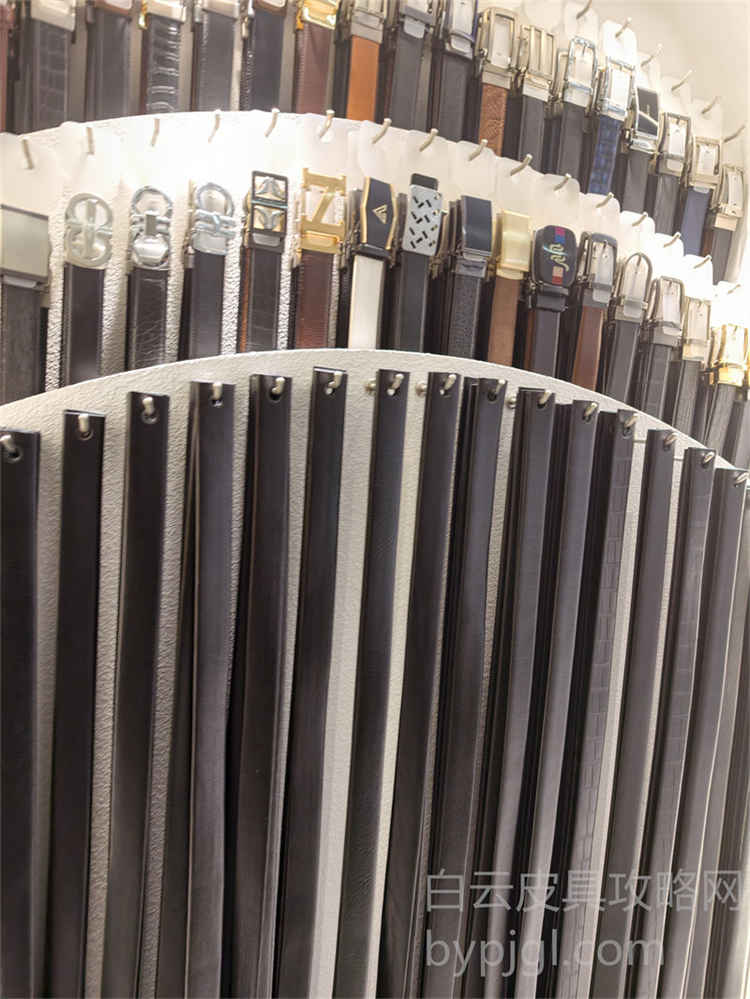
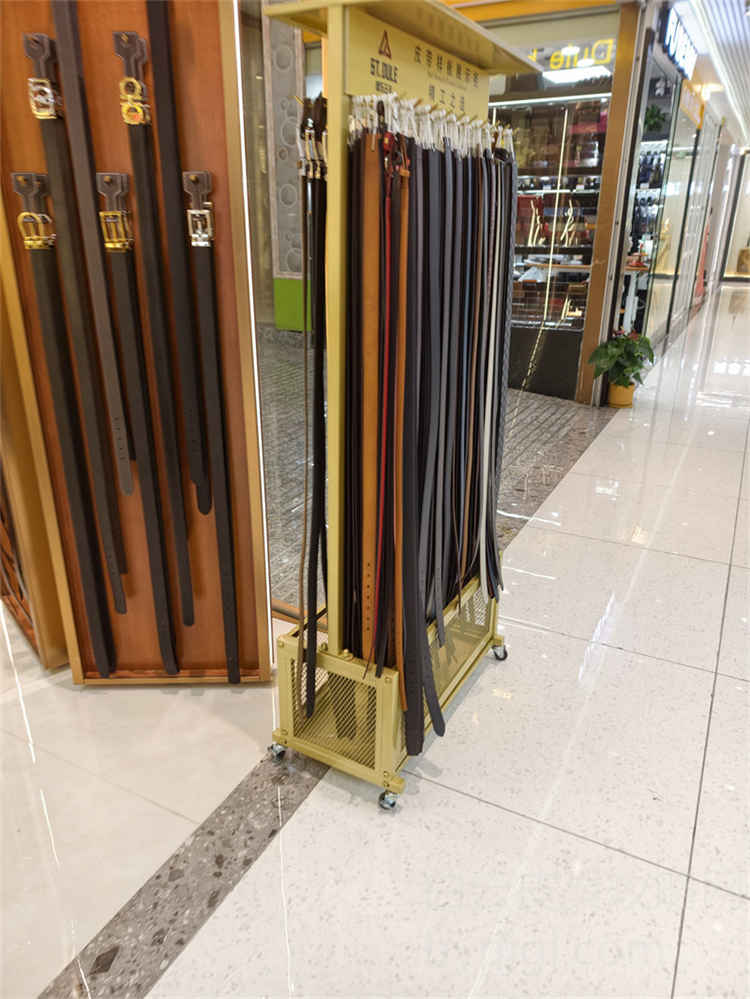
 On-site Visits
 Free Sharing
 Avoid Scams
 Updated Frequently
 For Reference Only