
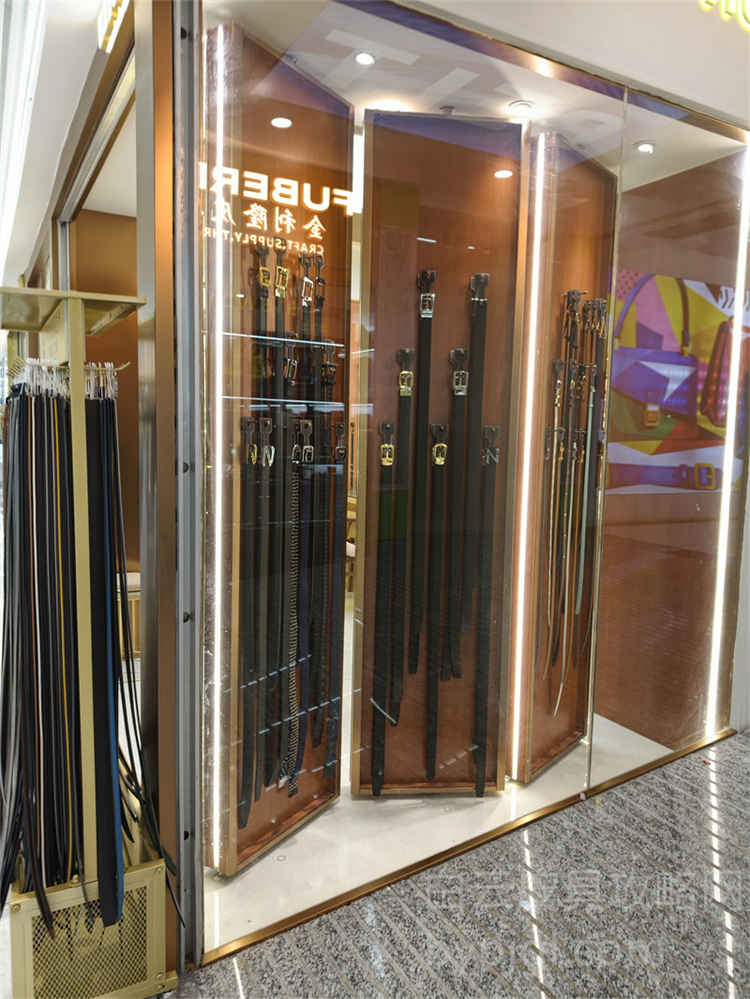
Why I've Been Selling Bags in Guangzhou for Over Two Decades
Welcome to the real deal. If you are reading this, you probably think you know about the leather goods scene in China. You've seen the videos on TikTok, read the blog posts from "experts," and maybe even tried to navigate the massive wholesale districts online. But let me tell you something: nothing beats being here, standing right in front of a stall, feeling the texture of the leather with your own hands, and talking face-to-face with the people who actually make these products. I have been running my shop near the Baiyun Leather City for over twenty years. I've seen trends come and go, I've watched new markets rise and old ones fade, and I've helped hundreds of international buyers find their next big hit. Today, I want to skip the fluff and give you the raw, unfiltered truth about sourcing bags in Guangzhou.
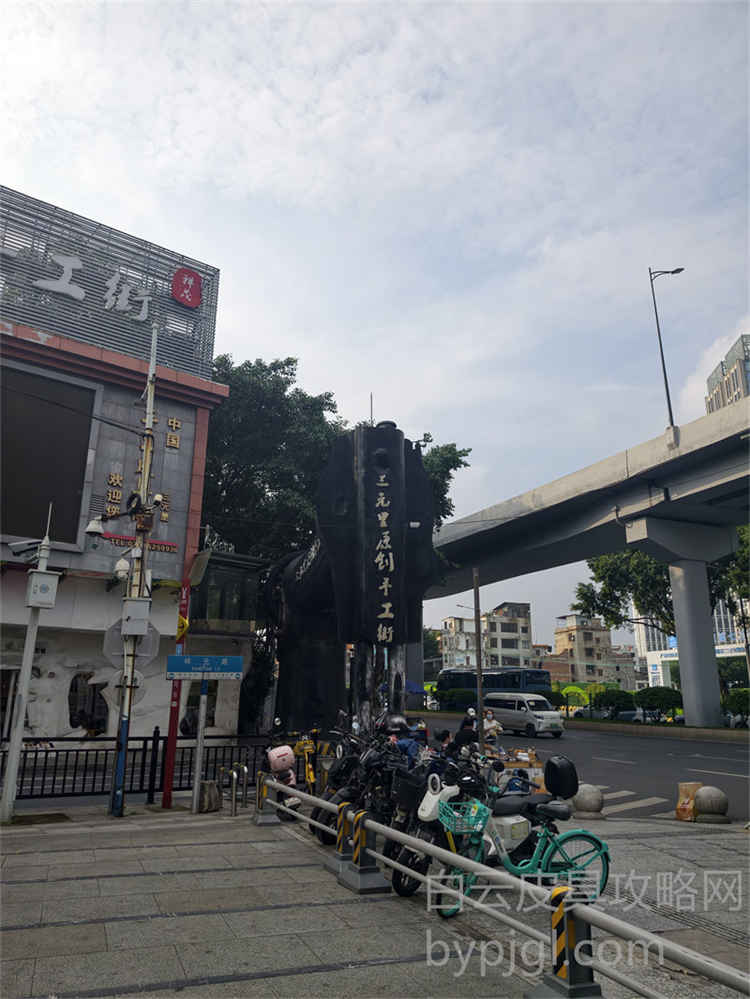
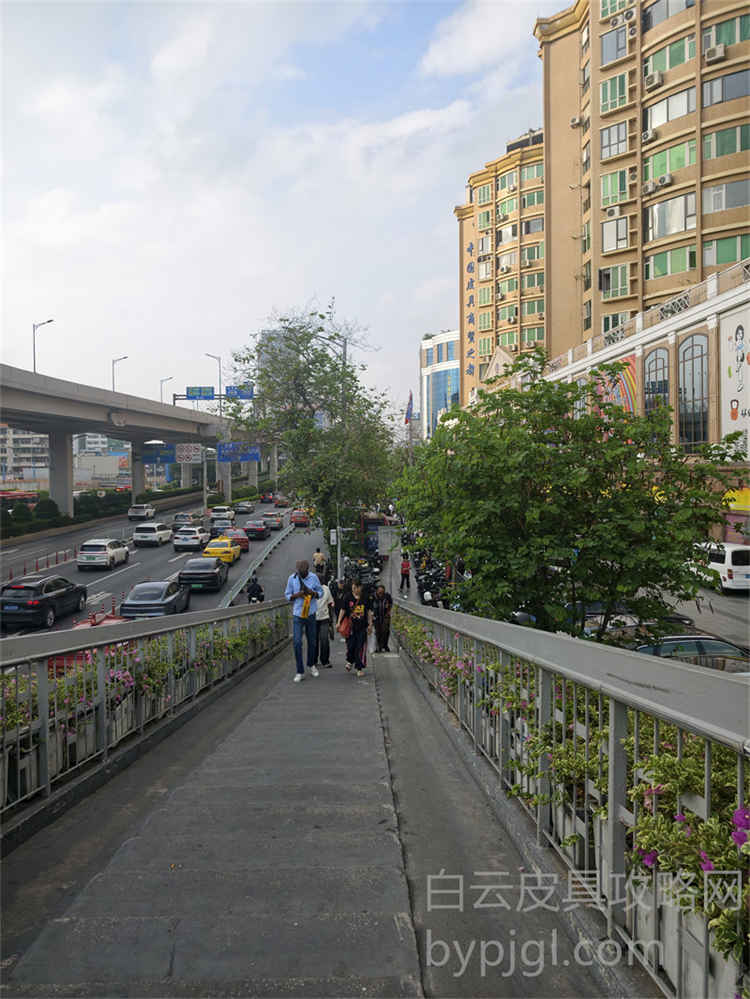
The first thing you need to understand is that this isn't a shopping mall experience. There are no polite salespeople waiting behind glass counters with a smile. This is a battlefield of commerce. The air smells like glue, fresh leather, and intense negotiation. When you walk into the Baiyun area, specifically around the Shiqiao or Jiahe stations, you aren't just looking at products; you are entering a complex ecosystem wher speed, relationships, and quality control determine everything. Most foreign buyers get lost because they treat it like a retail trip. Don't do that. Come with a plan, but be ready to adapt.
Navigating the Real Markets Beyond the Main Halls
Understanding the Hierarchy of Wholesale Districts
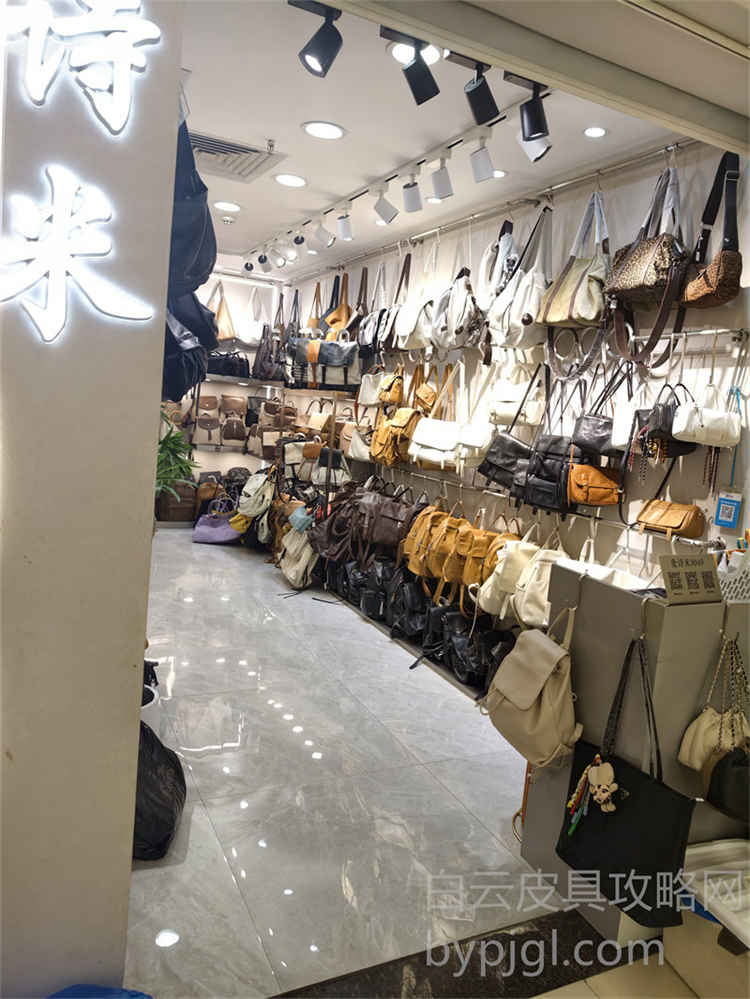
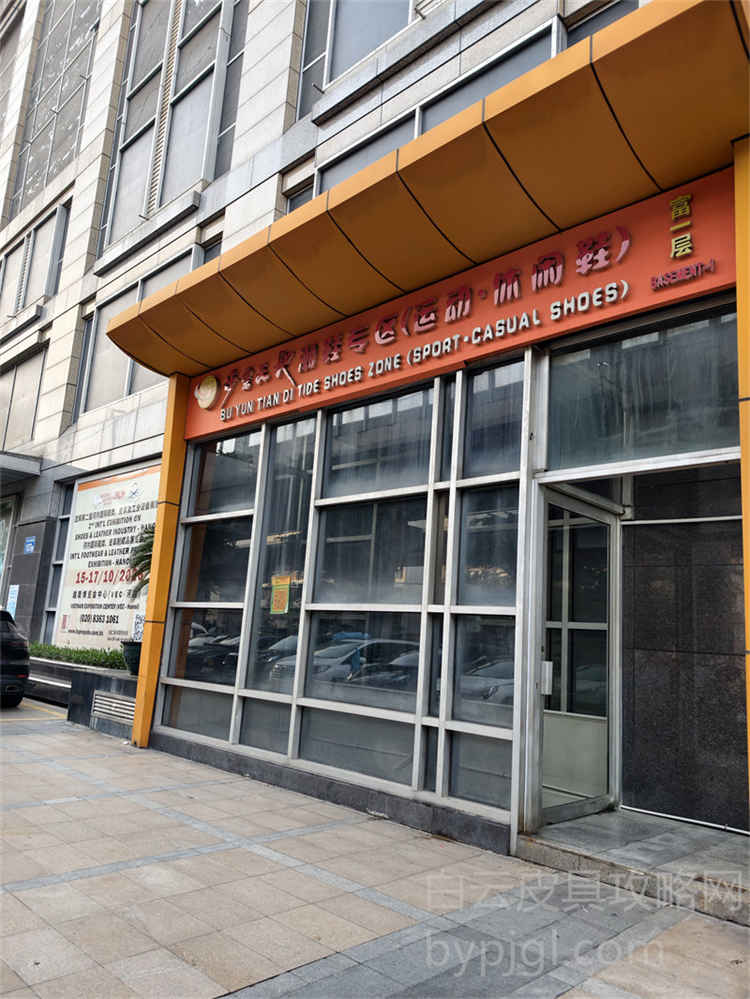
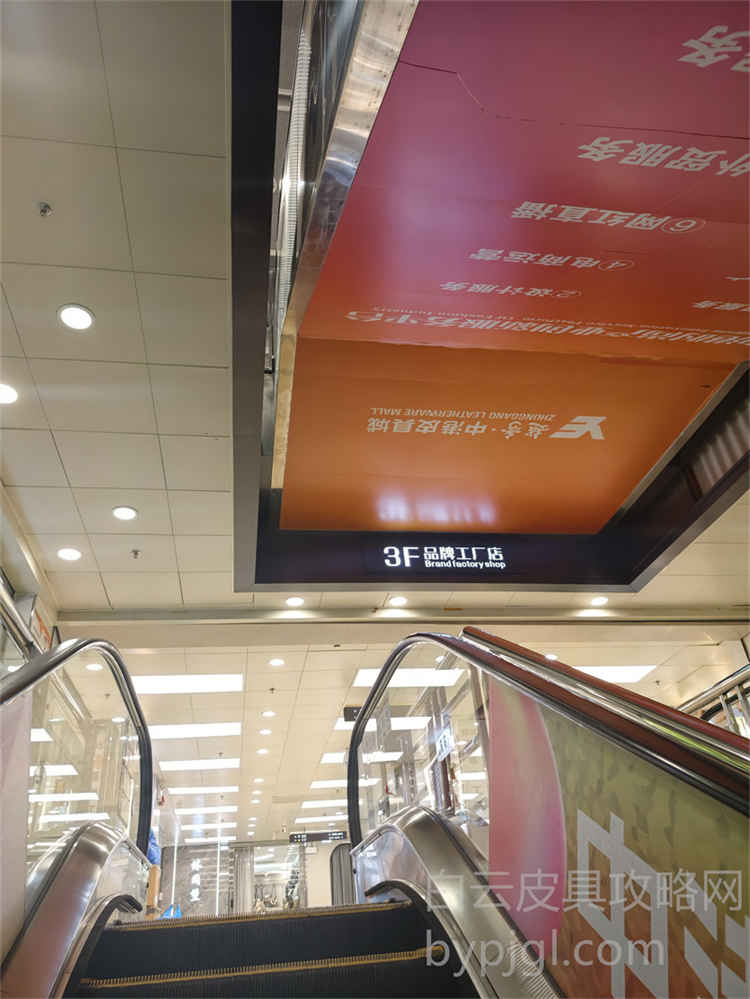
Let's talk about the geography. Everyone knows the big names, but not everyone knows which building holds what. The Baiyun Leather City itself is a beast. It has multiple buildings, each with its own vibe. Building One is often the most famous, filled with high-end replicas and top-tier craftsmanship. But if you dig deeper, you will find that the real gems are sometimes in the smaller, less flashy buildings nearby, like the Zhongda or the newer complexes further down the road. I always tell my clients: don't just stick to the main corridor. Walk into the side alleys. That is wher the factories that supply the big brands keep their sample rooms.
Then there is the Qianhai Market and the various satellite markets scattered around the district. These places are great for finding specific styles or materials that the main halls might have moved on from. If you are looking for vintage-style hardware or a specific type of exotic skin, you won't find it in the glossy showrooms of the primary buildings. You have to hunt. And hunting means walking. A lot of walking. My advice? Wear comfortable shoes. You will be on your feet for six to eight hours minimum. The layout can be confusing, and the signs are often in Chinese only. Don't panic. Just point to the style you want, and the locals will guide you.
How to Spot the Right Stall Without Getting Scammed
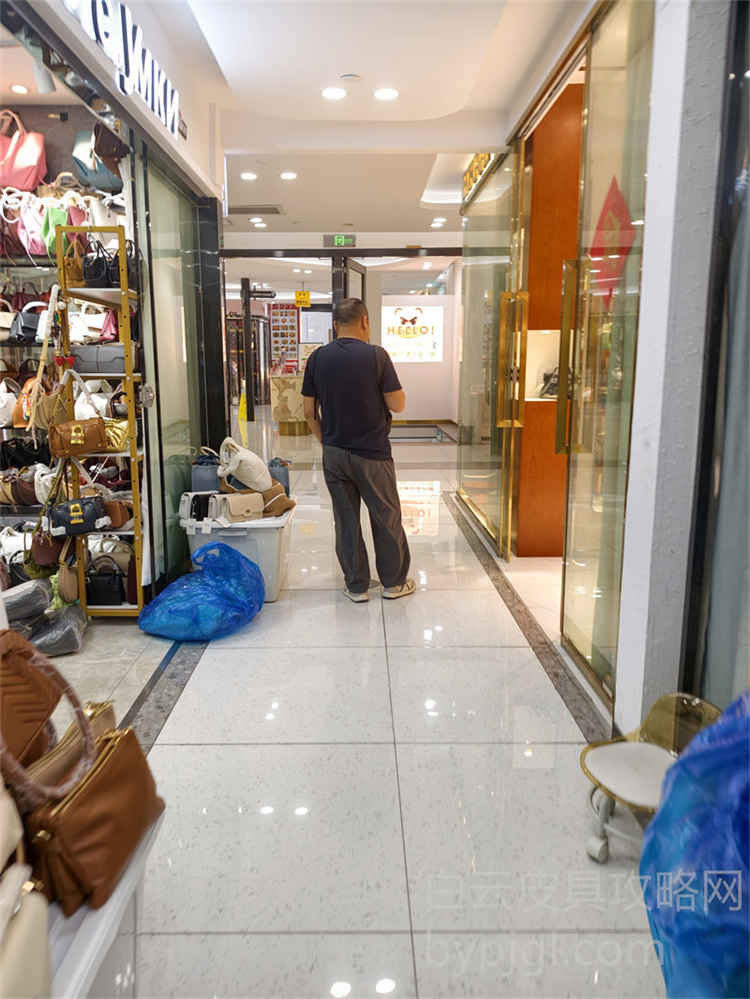
When you approach a stall, look at the floor. Seriously. A clean, organized floor with neat stacks of boxes usually indicates a serious operation. A messy floor with bags thrown everywher might mean a middleman who doesn't care about inventory management. Look at the staff. Are they busy packing orders? Do they have a phone line constantly ringing? Those are good signs. They are moving product. If the stall looks empty and the owner is just sitting there chatting, they might be a broker who doesn't hold stock themselves.
Another trick is to ask about the "factory." In our business, we pride ourselves on direct access. If a seller hesitates when you ask wher the goods are made, or if they give you a vague answer like "we have many partners," run. We are talking about the local supply chain. I know exactly which factory makes which bag because I work with them daily. If you are buying from a legitimate source in Guangzhou, they should be able to tell you the origin of the leather, the hardware supplier, and the stitching process without blinking. Transparency is the first sign of trust.
The Art of Selecion and Quality Control on the Floor
Touching, Smelling, and Testing the Goods
You cannot judge a bag by a photo. Photos lie. Lighting hides flaws, angles hide weak points. When you are standing in front of a stall, you need to become a detective. Pick up the bag. Feel the weight. High-quality leather has a specific heft; cheap synthetic material feels light and hollow. Run your fingers over the surface. Does it feel smooth and consistent, or does it have rough patches? Check the smell. Real leather has a distinct, earthy scent. If it smells like chemicals or plastic, put it back immediately.
Next, check the hardware. Open the zippers. Close the clasps. Listen to the sound. Good hardware clicks smoothly and firmly. Cheap hardware rattles or sticks. Look at the stitching. Count the stitches per inch. Consistency is key. If you see loose threads or uneven spacing, that is a red flag. Also, check the lining. Is it tight? Does it pull away from the seams? These details separate a premium product from a disposable one. I remember a buyer once told me they wanted "top quality" but settled for a bag with a lining that was already peeling after two days. Never compromise on the small things.
Building Relationships with the Vendors
Here is the secret sauce that most foreigners miss: relationship building. In Guangzhou, business is personal. If you walk in as a one-time buyer, you will get the standard price. If you walk in as a potential partner, you get the real deal. Start by asking questions about their production capacity. Ask how long they have been making this specific style. Show genuine interest in their craft. When you establish a rapport, the vendor will start showing you samples that they haven't put out on the shelves yet. They will share their best materials with you because they see you as someone who appreciates quality.
Don't be afraid to negotiate, but do it respectfully. Haggling is part of the culture, but screaming or being rude will only shut the door. Start by asking for a discount based on volume. Even if you are starting small, express your intention to grow. Tell them you plan to order more next month if this batch works out. Most vendors prefer a steady stream of orders over a single large sale. They will meet you halfway. Remember, we are all trying to make a living here. Treat us well, and we will treat you well.
Final Steps: Logistics, Payment, and Avoiding Pitfalls
Secure Payment and Shipping Arrangements
once you have seleced your items, the final stage is crucial. Never pay via a personal bank transfer unless you have built a deep, long-term relationship. Use secure payment methods like Alipay, WeChat Pay, or a trusted escrow service. For larger orders, insist on a contract that outlines the specifications, delivery timeline, and quality standards. Be very clear about what happens if the goods do not match the samples. In our industry, "as shown" is the golden rule, but you must define what "as shown" means in writing.
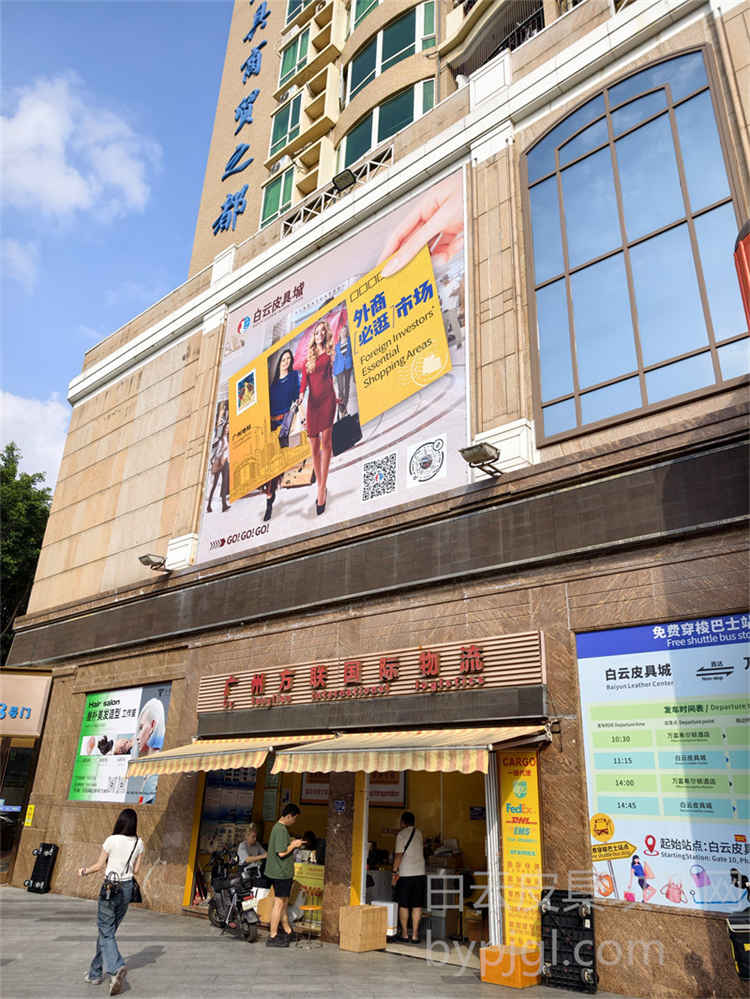
Shipping is another minefield. Many buyers assume the vendor handles everything. While some do offer shipping services, it is often cheaper and safer to use your own freight forwarder. We have a network of reliable agents who specialize in handling exports from Guangzhou. They know how to pack the bags so they don't get crushed during transit. They also handle the customs paperwork, which can be a nightmare if you try to do it yourself. Ask your vendor for recommendations, but verify the agent independently. Never let the vendor choose the shipping company without your approval.
Common Mistakes to Avoid
The biggest mistake I see is rushing. People come to Guangzhou with a tight schedule, thinking they can buy everything in two days. It takes time. You need to visit multiple stalls, compare prices, and inspect goods thoroughly. Another common error is ignoring the seasonality. If you are buying summer bags in winter, you might find limited stock or outdated designs. Plan your trip according to the fashion calendar. Finally, do not fall for the "too good to be true" price. If a bag costs $50 when the market rate is $150, there is a reason. It is likely low quality or a scam. Trust your gut. If something feels off, walk away. There are thousands of other stalls in Guangzhou waiting for you.
Sourcing in Guangzhou is an adventure. It requires patience, observation, and a willingness to learn. But if you follow these steps, you will find incredible products that can transform your business. I have seen countless entrepreneurs start with a single suitcase full of bags and grow into global brands. All it took was the courage to step into the market and the wisdom to listen to the locals. So, pack your bags, bring your notebook, and come see for yourself. The leather is waiting.

 On-site Visits
 Free Sharing
 Avoid Scams
 Updated Frequently
 For Reference Only