
Walking the Floors: My Real Talk on Sourcing from Guangzhou
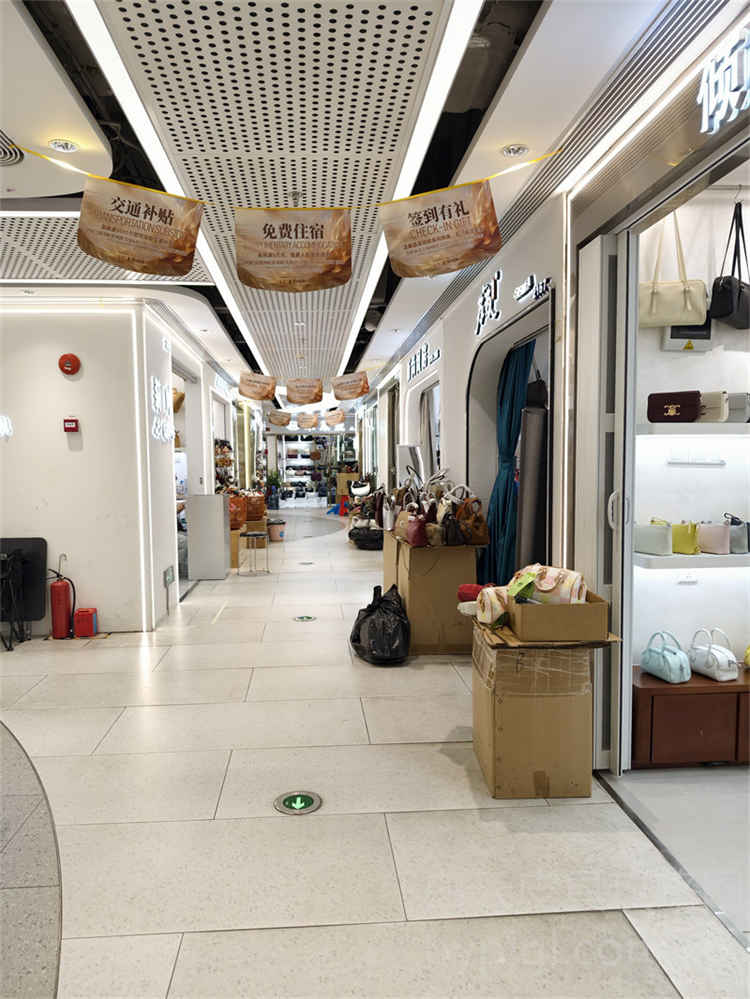
I have been standing behind this counter in the Baiyun District for over fifteen years. While you might see flashy ads online promising "perfect copies" or "top tier replicas," those are just noise. The real game happens here, in the dusty, crowded corridors of the leather markets wher the air smells like glue and fresh hide. I am not a middleman selling you a dream; I am a local shop owner who knows exactly which alleyway leads to the best stock and which salesperson is trying to pull a fast one. If you are flying in from overseas to source bags, forget the generic guides. Let me tell you how we actually do business on the ground.
The First Rule: Leave Your Expectations at the Door
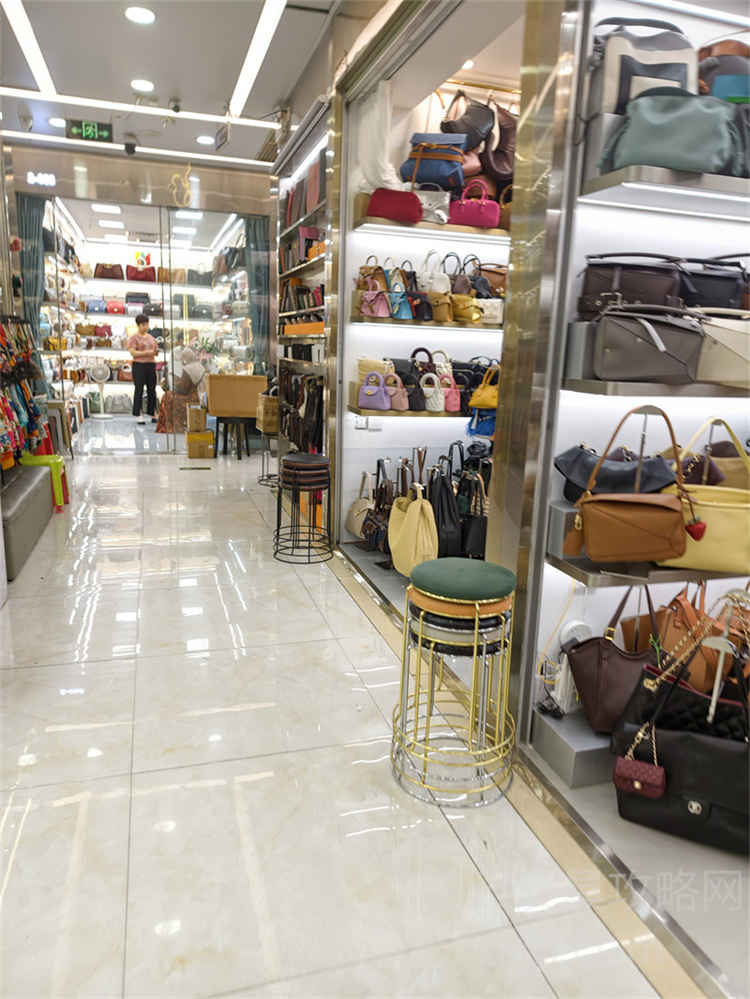
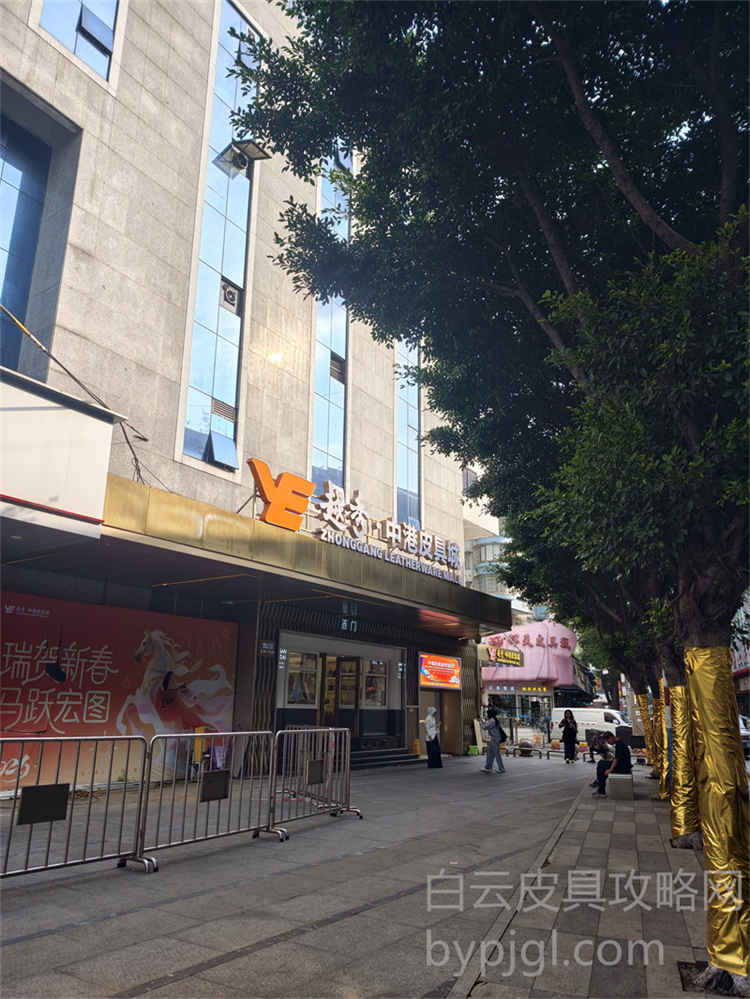
When you first step into the main buildings of the Baiyun Leather City, you will feel overwhelmed. It is loud, chaotic, and packed with people speaking a mix of Cantonese, Mandarin, and broken English. Do not expect a luxury showroom experience. There are no velvet ropes here. You need to be ready to walk, look, and touch. Many foreign buyers make the mistake of asking for specific brand names immediately. That is a red flag. In our trade, we talk about "styles," "models," or "designs." We never say the big four-letter words. If you ask for a specific logo name, the conversation ends, and you get shown a low-quality sample that costs pennies. Instead, show them a picture on your phone of the silhouette you want. Say, "I need this shape, this hardware finish, and this stitching pattern." That opens the door.
Navigating the Market Labyrinth
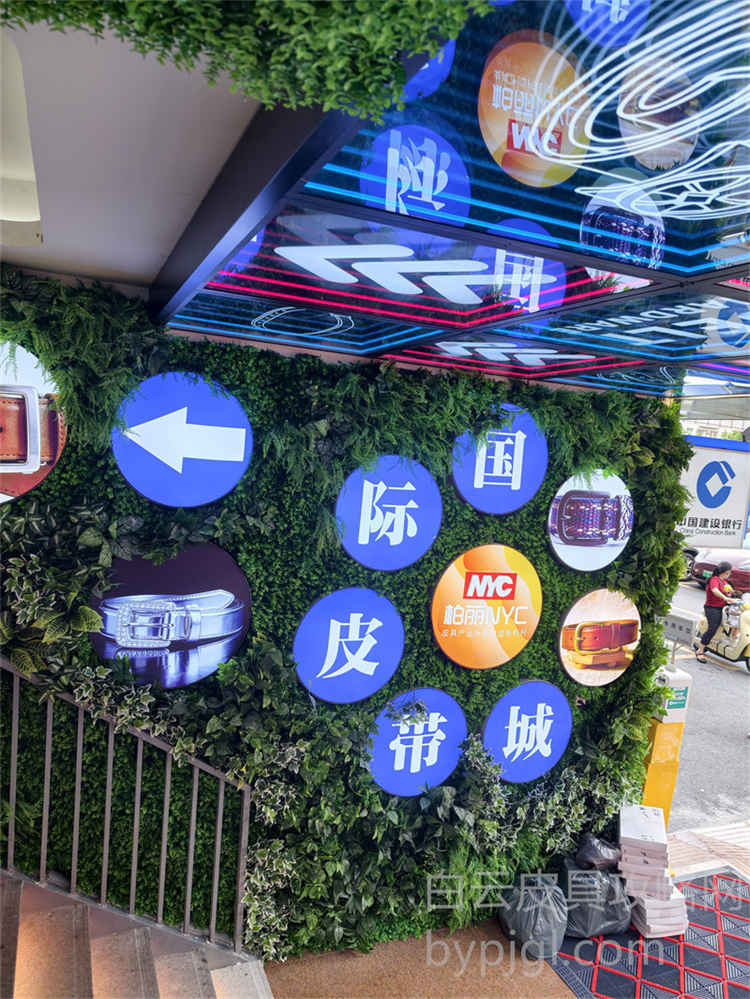
The market is not a single building; it is a sprawling ecosystem. The main hubs like the World Trade Center and the nearby wholesale plazas are wher the heavy hitters operate. But if you want the absolute best quality, you have to dig deeper. Some of the finest workshops are tucked away in small office blocks just off the main streets, places you won't find on Google Maps. These are the "hidden gems" wher the top-tier production happens. As a veteran, I know which elevators lead to the high-end floors and which ones are filled with mass-produced junk. When you arrive, do not rush to the front desk. Walk the perimeter first. Look at the displays. Notice the dust on the shelves versus the pristine condition of the new arrivals. The condition of the display often tells you how fresh the inventory is.
Finding the Right Counter
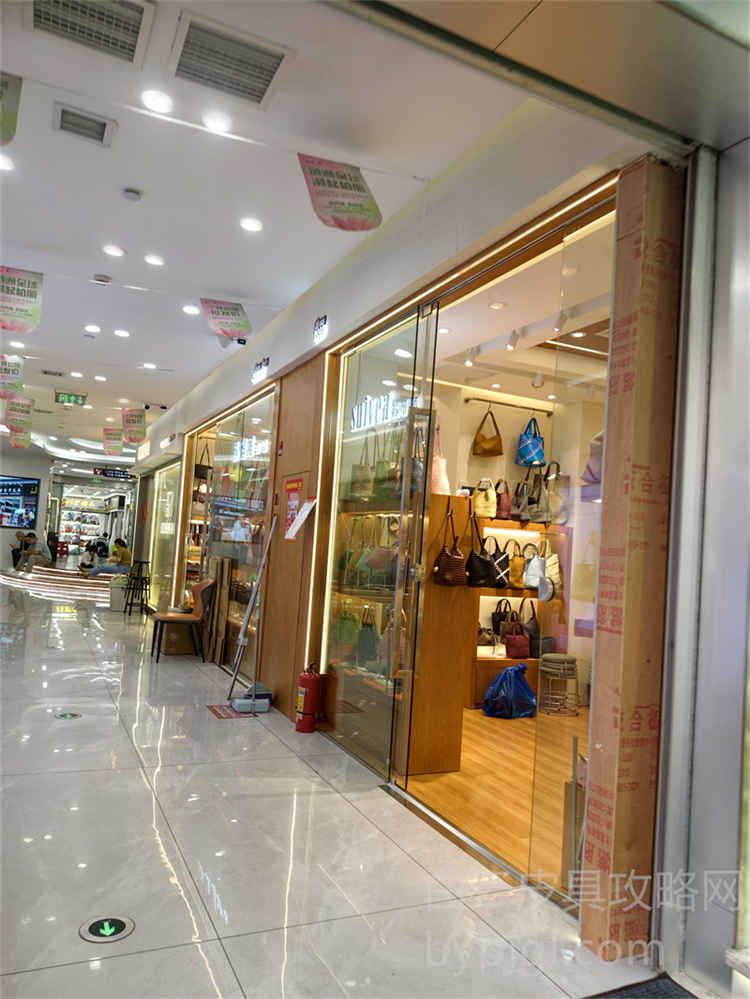
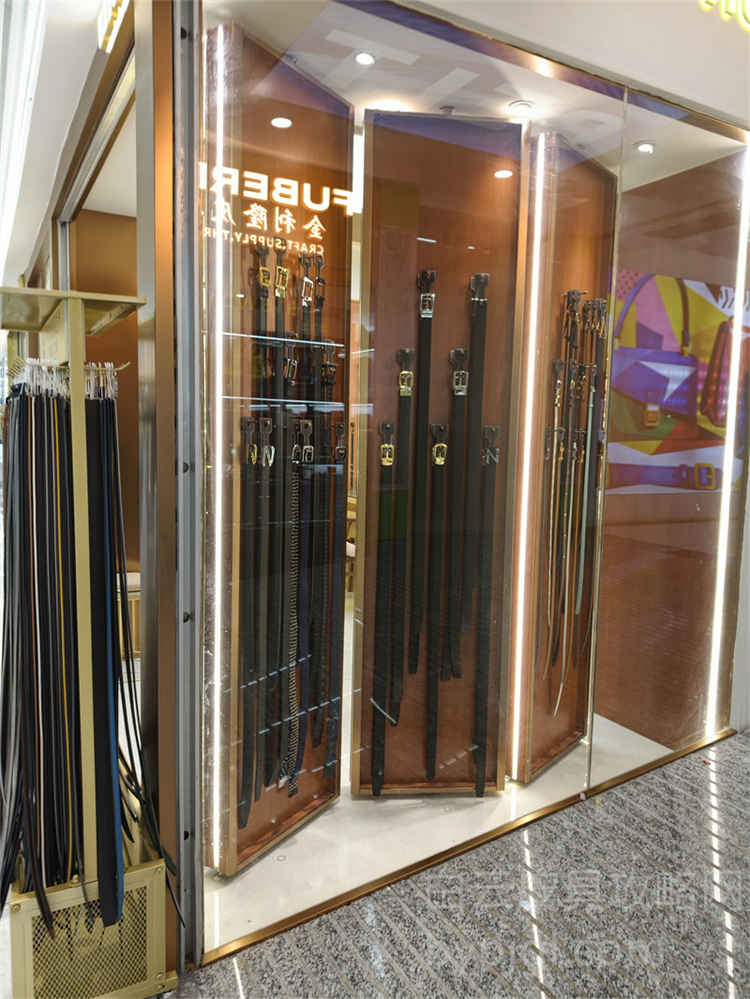
Not every stall sells the same grade. You will see signs advertising "A-grade," "Super A," or "Original Quality." Ignore the marketing fluff. The only way to judge is by holding the bag. I always advise my international clients to bring a magnifying glass and a flashlight. Why? Because the devil is in the details. Look at the grain of the leather. Is it too perfect? That usually means it is synthetic. Real leather has imperfections, pores, and a natural variation in texture. Check the stitching. Are the stitches even? Do they slant correctly? High-end production uses a specific stitch count per inch. If the thread looks loose or the color doesn't match the leather perfectly, walk away. This is wher most buyers fail. They settle for "good enough" because they are tired from traveling. Don't be that buyer. Insist on seeing the raw materials before you commit to an order.
The Art of Negotiation and Sampling
once you find a supplier you trust, the real work begins. In Guangzhou, everything is negotiable. The price listed on the tag is rarely the final price. However, do not try to haggle for 10% off immediately. That shows you are inexperienced. First, build rapport. Ask about their production cycle. Ask wher the leather comes from. Show genuine interest in their craft. once you establish a connection, you can discuss pricing. For bulk orders, the margins are thin, but the volume makes up for it. If you are buying a few pieces for personal resale, the unit price will be higher. Be honest about your volume. If you say you need fifty units, you get the wholesale rate. If you say five, you pay retail markup. Never lie about your intent; we can smell a fake story from a mile away.
The Sample Strategy
Never place a large order without seeing a physical sample first. Even if you have seen photos, photos can be misleading. Lighting, angles, and editing can hide flaws. Pay for a sample. Yes, it costs more upfront, but it saves you from losing thousands on a bad batch. When you receive the sample, inspect it thoroughly. Open the zippers. Smell the inside lining. Check the hardware weight. Does it feel cheap and hollow? Or does it have the heft of solid metal? Test the durability. Pull on the straps. Rub the surface against your fingernail. If the paint chips easily, it is not ready for the market. only after you are 100% satisfied with the sample should you discuss the full production run. This is the golden rule of sourcing in Baiyun.
Avoiding Pitfalls and Securing Your Order
The biggest risk in this industry is communication breakdown. What you think is "high quality" might differ from what the factory thinks. To avoid this, use clear terminology. Instead of saying "make it better," specify exactly what needs improvement. Send reference photos of the stitching, the logo placement, and the interior tags. Use video calls to walk through the product line-by-line. I have seen deals fall apart because the buyer thought "gold hardware" meant bright yellow gold, while the factory used a pale brass tone. Clarify these details in writing before any money changes hands.
Payment and Logistics
When it comes to payment, stick to secure methods. Bank transfers are common, but always verify the account details directly with the person you are dealing with. Scams exist, even among established shops. For logistics, we handle shipping daily. Whether you need air freight for speed or sea freight for cost efficiency, we have partners who know how to pack these items securely. Ensure the packaging protects the bags during transit. Dust bags, boxes, and bubble wrap are standard. Do not skimp on packing. A damaged bag upon arrival is a nightmare for customs and returns. Finally, be aware of customs regulations in your home country. While we supply the goods, the responsibility of import clearance lies with you. Know your limits to avoid seizure at the border.
Building Long-Term Relationships
My advice to you is simple: treat us like partners, not vendors. The market moves fast. Styles change, trends shift, and new factories open every week. If you find a reliable source, stay loyal. Build a relationship based on trust and consistency. Return customers get priority access to new designs and better pricing. In this business, reputation is everything. I would rather lose a sale than sell a defective product and ruin my standing. So, come to Guangzhou with an open mind, sharp eyes, and a willingness to learn. The secrets of the leather world are not hidden in books; they are found in the sweat and hustle of the Baiyun markets. Come see for yourself, and let's build something great together.



 On-site Visits
 Free Sharing
 Avoid Scams
 Updated Frequently
 For Reference Only