
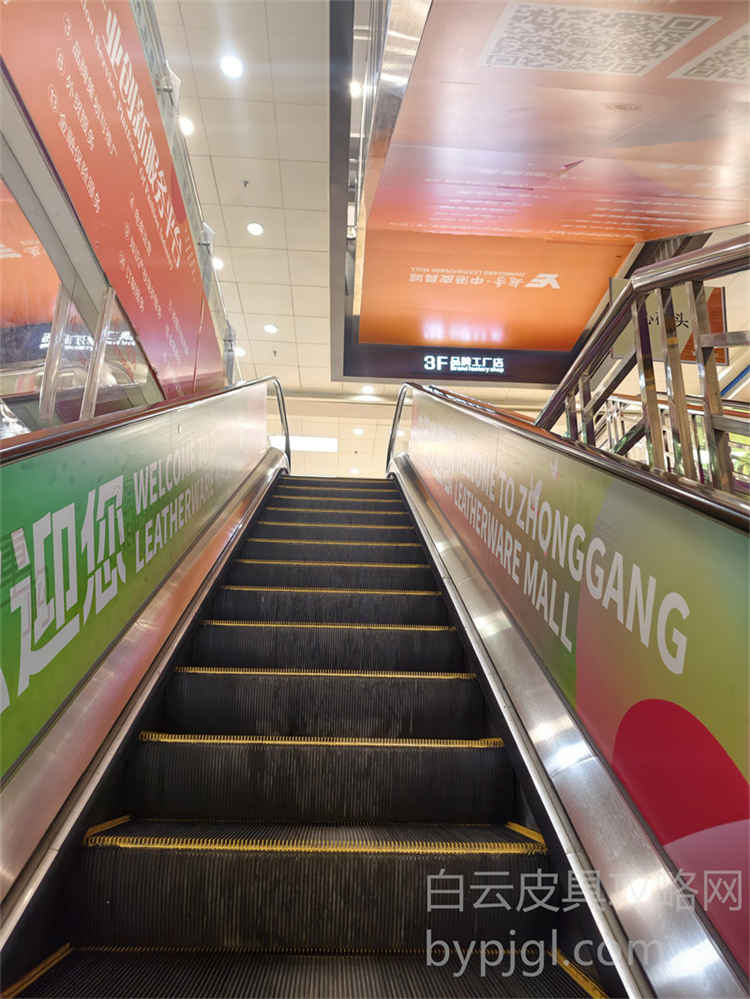
Walking the Floors: A Veteran's Guide to Sourcing in Guangzhou
Welcome to the heart of the leather goods world. If you are reading this, you probably know that the real action isn't happening on a website or through a cold email chain. It is happening right here, in the humid, bustling corridors of Baiyun District. I have been standing behind my counter in the Leather City for over fifteen years. I have seen trends come and go, from the early days of basic designs to today's intricate craftsmanship. Many overseas buyers ask me how to navigate this maze without getting ripped off. They want to know wher to find the best quality and how to talk to the factories directly. Let me tell you, there is no magic button. Success comes from showing up, looking closely, and building trust.
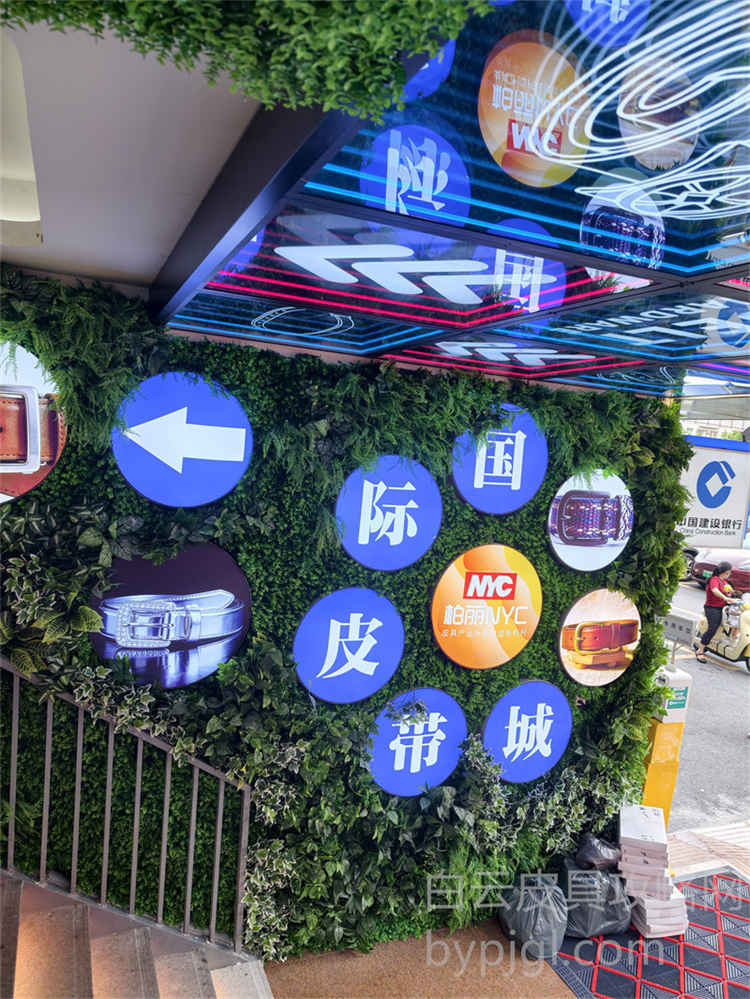
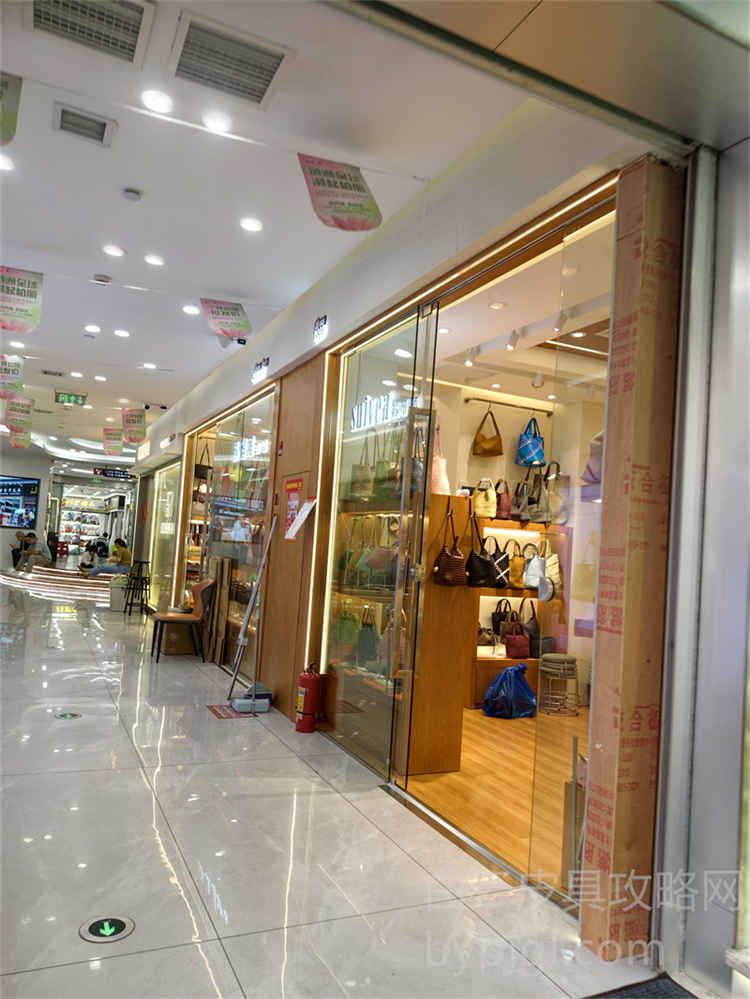
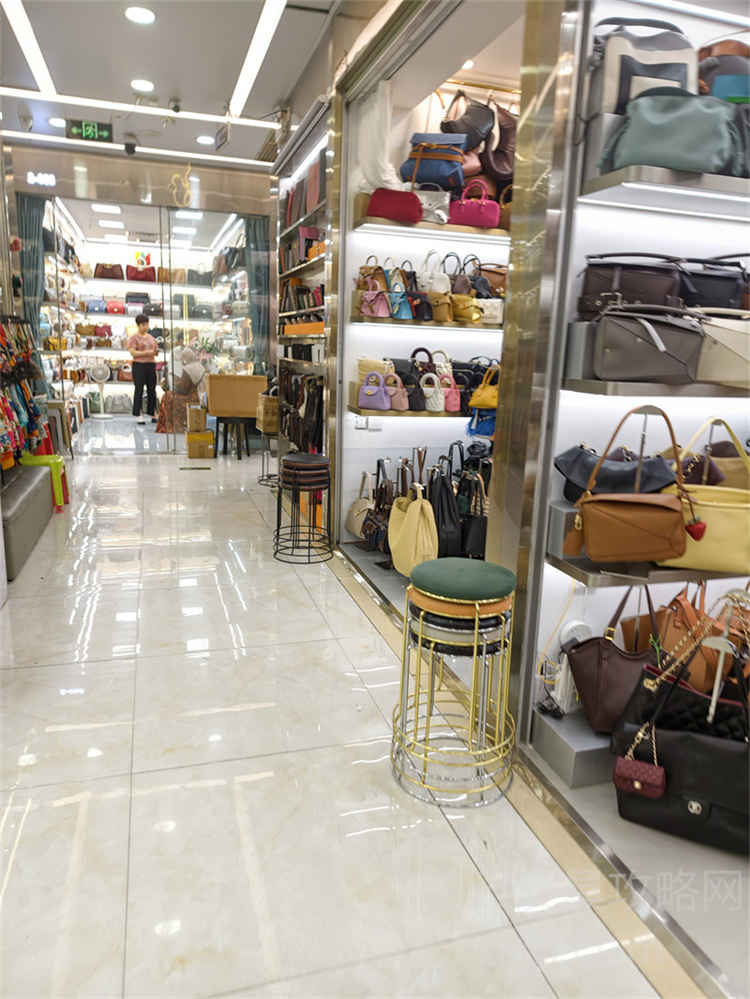
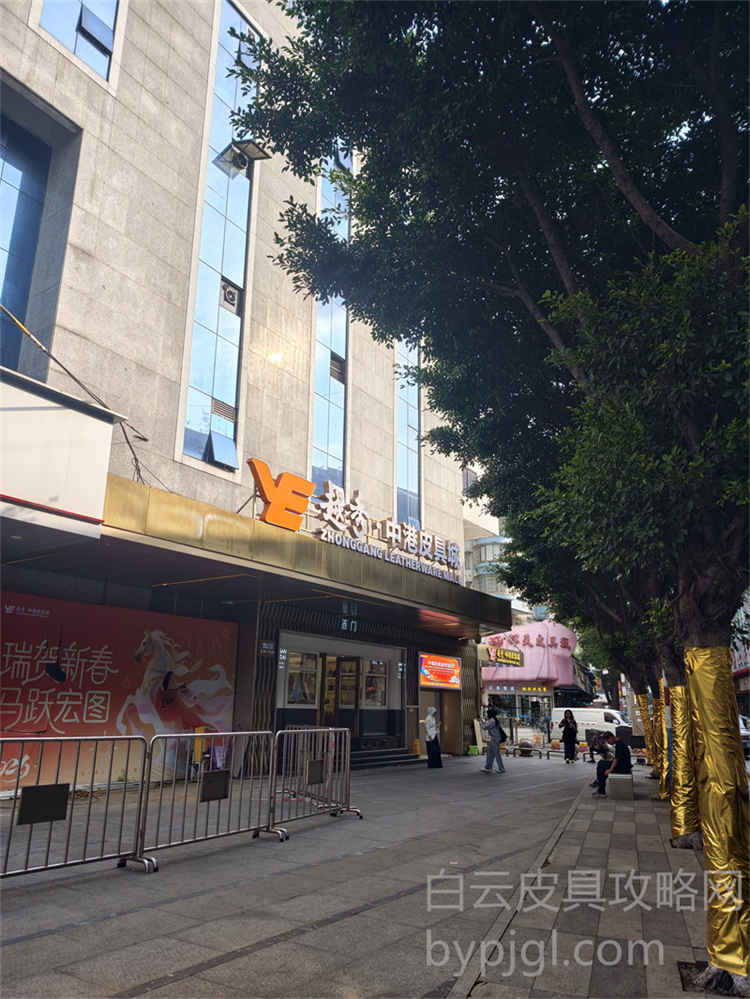
The first thing you need to understand is that this market is not like shopping at a mall. You cannot just walk in and expect to see everything on display. The "showroom" you see on the ground floor is often just a sample room. The real work happens upstairs or in the back rooms of these stalls. When you arrive at the main entrance of the Leather City, do not be intimidated by the crowds. This is wher the volume is, but it is also wher the noise is loudest. My advice? Skip the flashy front counters if you are looking for serious wholesale deals. Head straight to the upper floors or the side alleys connecting the main buildings. That is wher the actual manufacturers keep their stock and wher the conversation gets real.
Navigating the Market Layout and Finding the Right Stalls
Understanding the Hierarchy of Buildings
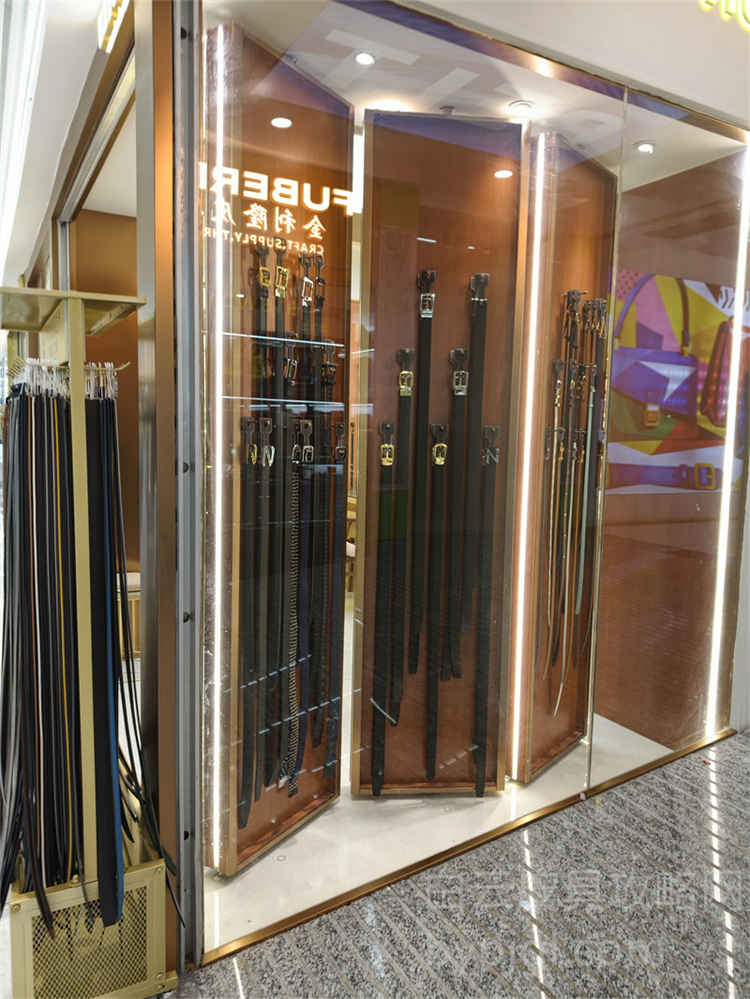
Guangzhou has several distinct markets, but for high-volume sourcing, the Baiyun Leather City complex is your primary destination. Within this massive cluster, every building has a reputation. Some are known for lower-end mass production, while others house the workshops that supply the top-tier boutiques globally. As an old shop owner, I can tell you that the price does not always correlate with the location inside the building. Sometimes, the best pieces are hidden in the older sections wher the rent is cheaper but the craftsmanship is superior. Do not judge a stall by its signage. Look at the materials on the table. Are they using full-grain leather or synthetic blends? Is the stitching tight and even? These visual cues tell you more than any marketing slogan ever could.
Identifying Genuine Factories vs. Middlemen
This is the most critical step for any buyer coming from abroad. Many stalls in the market are just middlemen who buy from one factory and resell to you. While they might offer convenience, you lose control over the quality and the price. How do you spot a direct source? Ask them about their production cycle. A true manufacturer will talk about their raw material suppliers, their cutting team, and their finishing process. They will mention specific details about the hardware plating or the type of glue used. If they hesitate or give vague answers, they are likely a trader. Also, look for the smell of fresh leather and the sound of sewing machines in the background. If you can hear the workshop activity, you are likely standing in front of the source.
The Art of Selecion and Quality Inspection
What to Look For Before You Buy
When you are holding a bag in your hands, you need to inspect it like a forensic expert. Start with the leather grain. High-quality hides have natural imperfections; perfect uniformity often signals a low-grade synthetic. Run your fingers along the edges. Are they burnished smoothly, or do you feel rough ridges? The edge paint should be thin and consistent, not thick and gloopy. Next, check the hardware. It should feel heavy, not hollow. Open and close the zippers multiple times. They should glide effortlessly without catching. In our line of business, we call this the "feel test." If it feels cheap in your hand, it will feel cheap in the customer's hand. Never rely on photos sent via messaging apps. Lighting can hide flaws, and resolution can blur texture. You must see the product under natural light.
Verifying Consistency Across Batches
One of the biggest risks in wholesale is inconsistency. You might love the first sample, but what about the second batch? When negotiating with a supplier, ask to see their previous production runs. A confident factory owner will show you bags made last month or last week. Compare the color shades, the alignment of patterns, and the placement of logos. If the colors vary significantly between samples, walk away. We pride ourselves on consistency because our reputation depends on repeat orders. If a supplier cannot guarantee that the next hundred units match the sample, they are not ready for your order. Always request a pre-production sample before committing to a large quantity. This small investment saves you from a disaster later.
Negotiation Tactics and Building Long-Term Trust
Speaking the Language of Wholesale
Do not try to haggle like a tourist buying a souvenir. In the wholesale market, prices are based on volume and material costs. If you ask for a discount on a single unit, you will get nowher. Instead, focus on the total order value. Tell them your target price based on your market research, but be realistic. If you are asking for premium leather at budget prices, you will be laughed out of the store. Be polite but firm. Show that you are a serious buyer who plans to return. Mention your sales channels and your growth potential. Suppliers love partners who grow with them. When you establish yourself as a long-term client, you gain access to better pricing and priority production slots. Trust is the currency here, not just cash.
Avoiding Common Pitfalls and Scams
Even after fifteen years, I still see buyers make mistakes. One common error is paying 100% upfront without any protection. Never do this unless you have worked with the supplier for years. Insist on a deposit structure, such as thirty percent down and seventy percent upon inspection before shipping. Another trap is ignoring the shipping logistics. Clarify who handles the customs clearance and who pays for freight. If you are new to importing, ask for their experience with your country's regulations. They should be able to guide you on documentation. Finally, beware of suppliers who promise "miracle" qualities that sound too good to be true. If they claim their product is identical to a famous brand but cost a fraction of the price, be skeptical. Focus on the quality of the materials and the construction, not the name on the tag. Real value lies in the craft, not the label.
Leaving Guangzhou with a truckload of goods is only half the battle. The other half is maintaining the relationship with your supplier. Send them feedback on how the products sell in your market. Share photos of your customers wearing the items. This keeps the connection alive and ensures they prioritize your orders when demand spikes. The leather industry in Baiyun is a living ecosystem. It thrives on face-to-face interaction and mutual respect. By following these steps, you move from being a random visitor to a valued partner. That is the secret to finding the best sources in Guangzhou.


 On-site Visits
 Free Sharing
 Avoid Scams
 Updated Frequently
 For Reference Only