
Why I've Been Selling in Guangzhou for Over Two Decades
I have been standing behind the counter in this bustling wholesale market since before most of you were even born. People often ask me, "How do you find the best goods?" or "Wher is the secret spot for high-end leather bags?" The truth is, there is no magic spell, and certainly no hidden cave wher the world's finest products are kept. What exists is a massive ecosystem of craftsmanship, supply chains, and years of trial and error that only someone who has walked these concrete floors every single day can truly understand.
When international buyers hear about the leather industry here, they usually think of one specific location: Baiyun Leather City. But let me tell you, the story doesn't end at the main entrance. The real action happens in the alleys connecting the major buildings, in the small workshops tucked away in residential compounds, and in the quiet corners of the wholesale markets wher the serious business gets done. If you walk in with a tourist mindset, you will leave empty-handed or with something that looks okay but feels cheap. You need to come with the eyes of a buyer, not a shopper.
Navigating the Market Maze: More Than Just One Building
The Layout of the Wholesale District
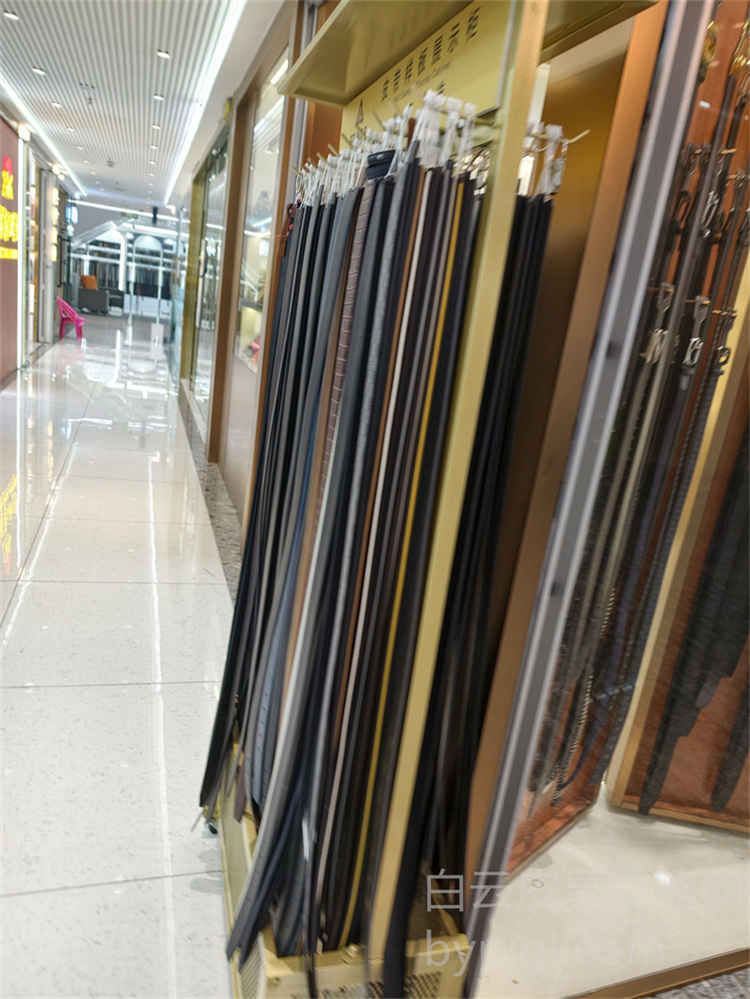
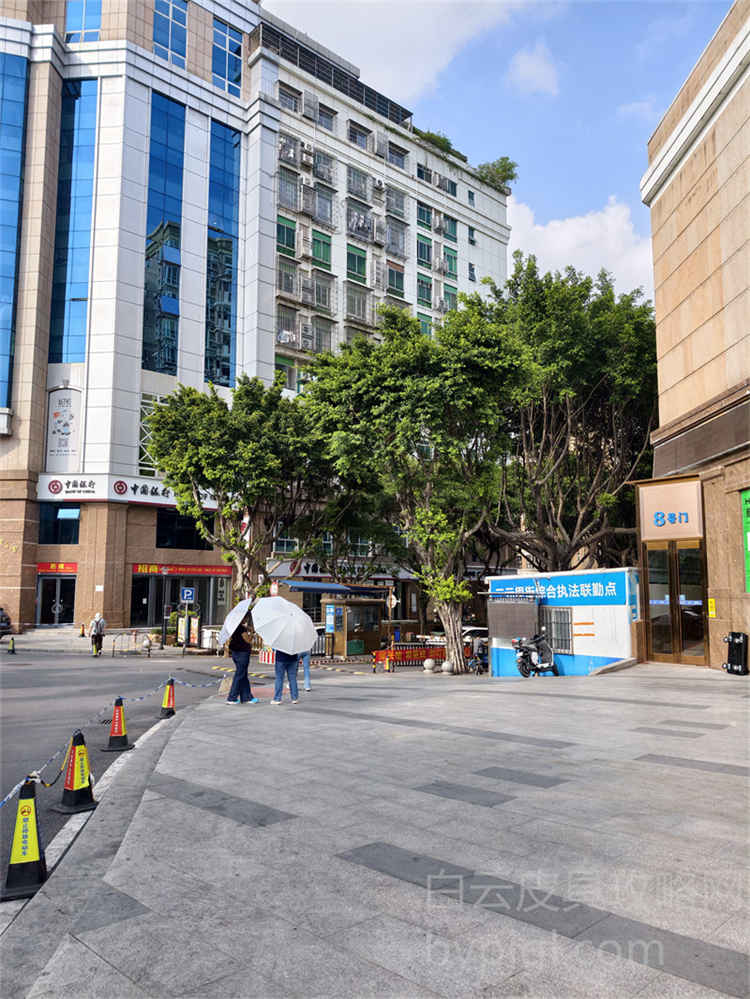
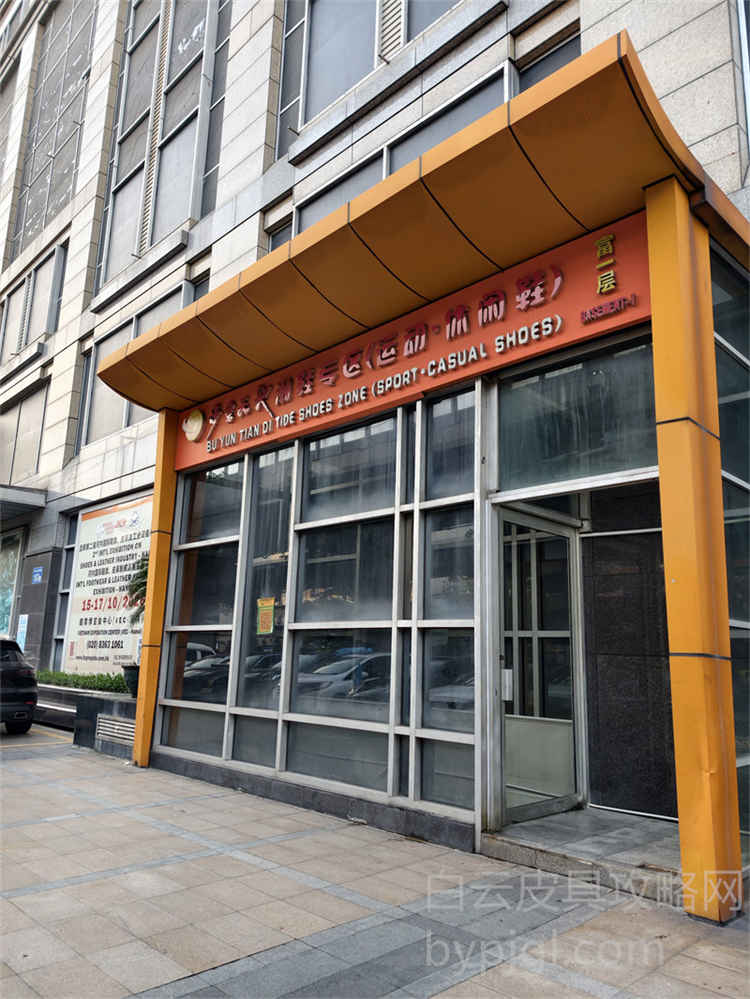
First things first, stop looking for a single address. The area around Baiyun Leather City is a sprawling network of interconnected buildings. There is the famous building with the glass facade that everyone photographs, but honestly, that is mostly for show. The real inventory, the pieces that actually move fast because of their quality, are often found in the older buildings nearby or in the specialized sections dedicated to top-tier production. When you arrive, don't just stare at the front door. Walk past it. Look at the side streets. That is wher the vendors who know how to source the best calfskin and hardware are located.
I remember when I first started, I thought I knew everything after reading a few blogs online. I was wrong. The layout changes, new stalls open up, and old ones close down based on demand. The key is to talk to the people already there. Ask the security guards, ask the delivery drivers, or just strike up a conversation with another vendor. They will point you toward the stalls that have the latest molds and the tightest stitching. This local intelligence is something you cannot get from a website.
Understanding the Tiers of Production
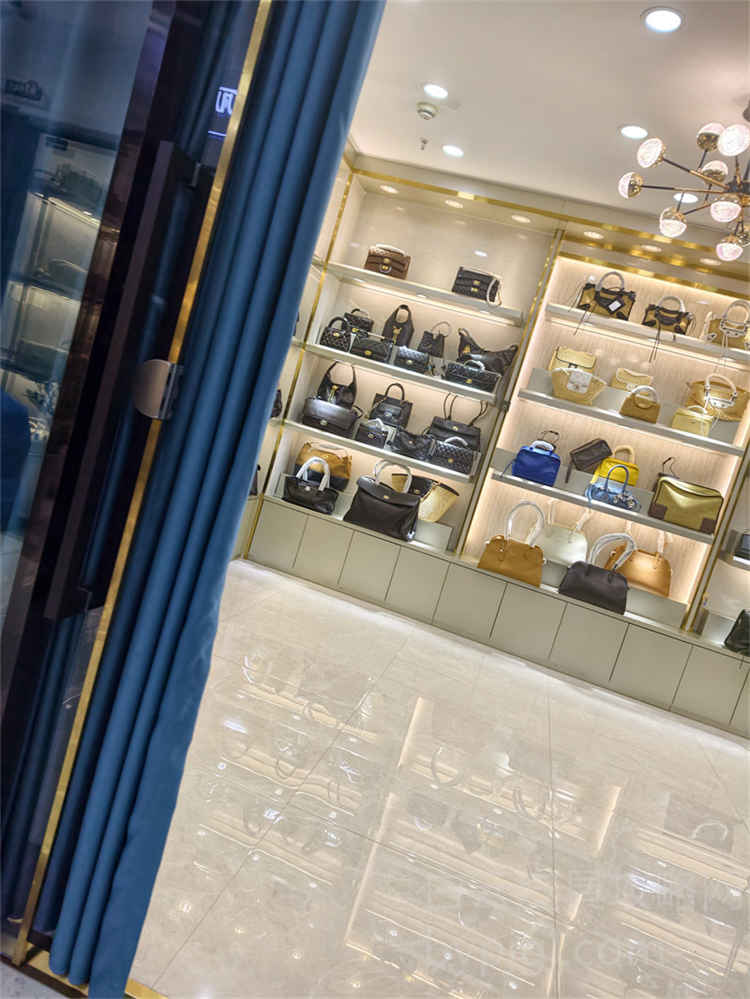
You will see signs everywher claiming "Top Quality" or "Best Grade." As an old shop owner, I have to be blunt: those words mean nothing without context. In our trade, we categorize goods by the materials used and the level of detail put into the construction. There are grades that use synthetic leather, grades that use lower-quality cowhide, and then there are the premium tiers that use full-grain leather imported from Italy or France, paired with solid metal hardware that doesn't tarnish after a week.
When you are visiting Baiyun Leather City, you need to learn to distinguish between these tiers immediately. Do not settle for the first thing you see. A good vendor will show you three different options: the entry-level, the mid-range, and the flagship piece. If they only show you one option, run. That usually means they are trying to push stock that isn't moving. Always ask to see the "top tier" version. Even if you don't buy it right away, seeing the difference in the lining, the smell of the leather, and the weight of the zipper pull will teach you more than any guidebook ever could.
The Art of Inspection: What to Look For Before You Pay
Touch, Smell, and Stitching
once you have narrowed down your selecion to a few promising stalls, it is time to inspect the goods closely. Put the phone away. Use your hands. Real leather has a distinct texture; it warms up when you touch it and smells earthy, not like chemicals or plastic. Run your fingers over the surface. If it feels slippery or sticky, put it back. Next, look at the stitching. In the high-end sector here, we pride ourselves on consistency. Count the stitches per inch. Are they straight? Is the thread color exactly matching the leather, or is it slightly off? Poor stitching is the first sign of a rushed job.
Also, check the hardware. Open and close the zippers repeatedly. Do they glide smoothly, or do they catch? Tap the metal clasps. Do they sound hollow or solid? Solid metal makes a deep, clear ring. Hollow metal sounds dull. These small details separate the mass-produced items from the ones that are crafted with care. I have seen too many buyers get scammed because they didn't take the time to check the interior lining or the glue marks inside the bag. Take your time. A good vendor will appreciate your attention to detail because it shows you are a serious buyer.
Asking the Right Questions about Materials
Don't be afraid to ask technical questions. Ask what kind of leather is being used. Is it genuine cowhide, lambskin, or something else? Ask about the source of the hardware. Wher does the zinc alloy come from? How is the plating done? If the vendor hesitates or gives you a vague answer like "it is very good," that is a red flag. A professional seller knows their supply chain inside out. They will tell you exactly what they are selling. If they are using Italian leather, they will say so proudly. If they are using domestic leather, they will admit it but explain why it is still a great choice for your budget.
Building Relationships and Closing the Deal
Negotiation and Volume Discounts
In this market, prices are rarely fixed. Everything is negotiable, especially if you are buying in volume. However, do not try to lowball a vendor to the point wher they lose money. That is a quick way to get ignored. Instead, focus on building a relationship. Tell them you plan to return next month or next year. Mention that you are looking for long-term partners. When you show loyalty, vendors are much more willing to give you their best price.
Discuss the minimum order quantity (MOQ). Some stalls require you to buy ten pieces of the same style, while others might allow you to mix styles. Be clear about your needs upfront. If you are a small retailer, don't pretend to be a huge distributor. Honesty goes a long way here. once you establish trust, the vendor will start treating you like family, giving you access to new arrivals before anyone else and offering better shipping solutions.
Avoiding Common Pitfalls
There are always risks when dealing with international trade. One common mistake is paying 100% upfront without any guarantee. Always insist on a deposit system or use a secure payment method that allows you to verify the goods before releasing the final payment. Another pitfall is ignoring the logistics. Shipping heavy leather goods internationally requires careful packaging to prevent damage. Work with the vendor to ensure the boxes are reinforced and the bags are stuffed properly to maintain their shape during transit.
Finally, never rush. The market is vast, and there is always more to see. Spend a few days exploring Baiyun Leather City and the surrounding areas. Talk to multiple vendors. Compare the prices and the quality. By the time you make your final decision, you will feel confident that you have found the best possible deal. This is how we have survived for decades: by staying grounded, respecting the craft, and treating every customer with fairness.



 On-site Visits
 Free Sharing
 Avoid Scams
 Updated Frequently
 For Reference Only